The Story
Plant Bio
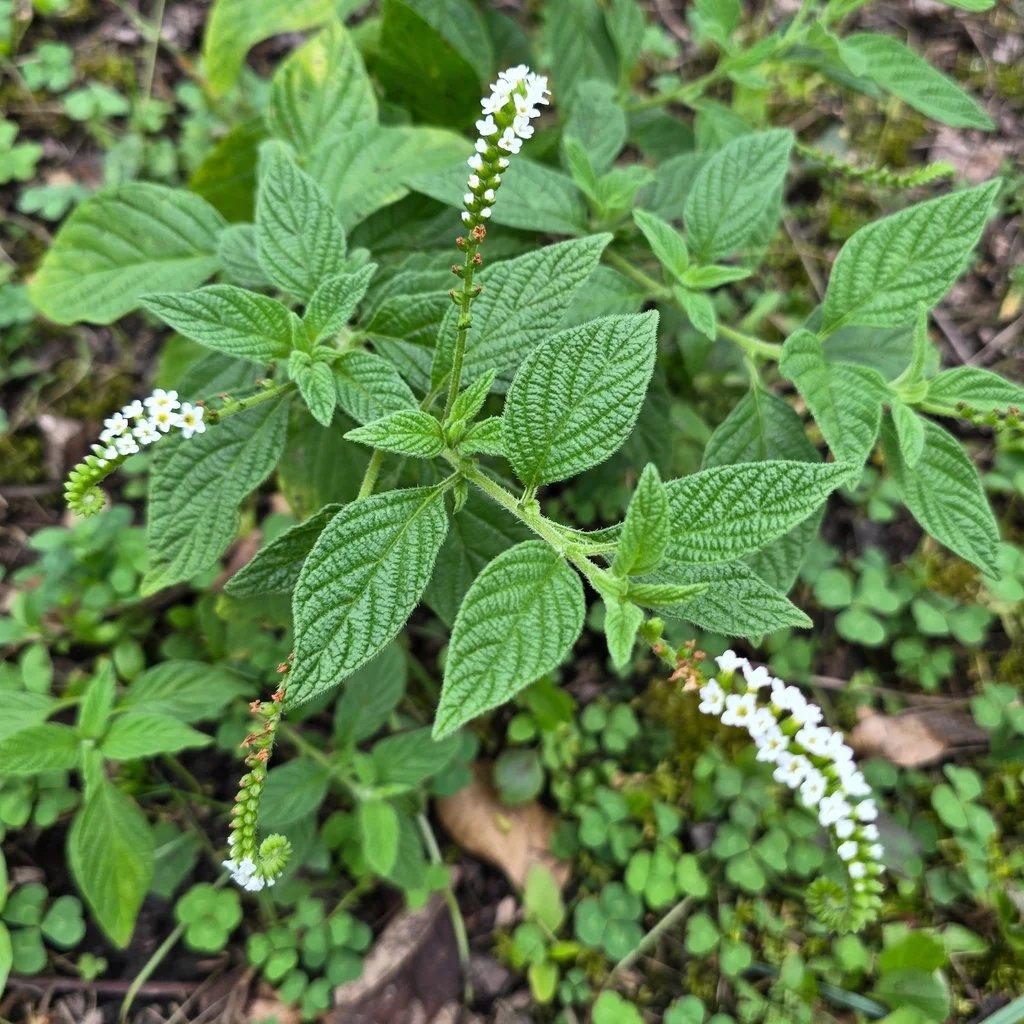
Heliotropium angiospermum is a tropical American member of the borage family grown as an annual or short-lived perennial herb with upright to sprawling, softly hairy stems. The leaves are soft-textured and bristly-hairy, and garden plants form a loose 18 to 35 inch mound that can flop open with age.
It is distinguished by tiny white flowers with yellow throats set in two rows along one side of a coiled terminal spike that uncoils as it blooms. Flowering runs nearly year-round where frost-free, supplying steady nectar for bees, butterflies and swallowtails including Miami blue and Schaus swallowtail.
Uses & Benefits:
Essentials
At a Glance
Plant Type
Perennial
Height
30"
Width
35"
Light
Full Sun, Partial Sun
Zones
8, 9, 10
Water
Moist to moderately dry
Humidity
Tolerates humidity and moderate salt
Lifespan
Short-lived perennial, often grown as annual
Native To
Florida, Texas, Mexico to South America and Caribbean
Toxicity
Toxic if ingested
Bloom period
Year round
In flower about 12 months of the year
Planting
How to Grow
- Set out after last frost in full sun to part shade in sandy, loamy, or limestone soil.
- Space 24 to 36 inches apart to allow the sprawling mound to fill without crowding.
- Water to settle in, then water only when the top few inches dry; keep the crown from staying wet.
- Clip spent spikes and cut back flopped stems to keep bloom coming and limit self-seeding.
Pro Tip
Cut lanky stems back after each flush to keep the mound tight; plants left uncut flop and look weedy.
Keep It Thriving
Care Guide
Do
- Give full sun to part shade with good air movement.
- Provide sharp drainage in sandy or limestone soil.
- Leave some spent spikes if you want light self-seeding for next season.
Don't
- Do not plant in standing water or soil that stays soggy.
- Do not ingest leaves, flowers, or homemade teas from this plant.
- Do not let pets or livestock graze on it.
Seasonal Care Calendar
| Task | Jan | Feb | Mar | Apr | May | Jun | Jul | Aug | Sep | Oct | Nov | Dec |
|---|---|---|---|---|---|---|---|---|---|---|---|---|
| Deadhead | ||||||||||||
| Mulch | ||||||||||||
| Pest Check | ||||||||||||
| Plant | ||||||||||||
| Prune |
Watch Out For
Pests & Diseases
Common Pests
Common Diseases
In the Garden
Landscape Uses & Companions
Landscape Uses
Multiply
Propagation Methods
Good to Know
Common Questions
Scorpion Tail questions
What zones can Scorpion Tail grow in?
Scorpion Tail is hardy in USDA Zones 8–10: in that range it survives winter in the ground. Colder than Zone 8, grow it in a container you can move to shelter for the winter, or as an annual.
Is Scorpion Tail deer resistant?
Yes — Scorpion Tail is rated deer-resistant. Deer typically pass it over, though extreme hunger can override any plant's defenses.
When does Scorpion Tail bloom?
Scorpion Tail typically blooms year-round. Exact timing shifts a week or two with your zone — Sow's bloom calendar maps it to your garden.
Does Scorpion Tail need full sun?
Scorpion Tail does best in full sun to part shade. In hot climates, afternoon shade keeps blooms fresher longer.
Is Scorpion Tail drought tolerant?
Yes — once established (usually after the first full season), Scorpion Tail handles dry spells with minimal watering. Water deeply its first year to build the root system that makes that possible.
More Heliotropium to compare
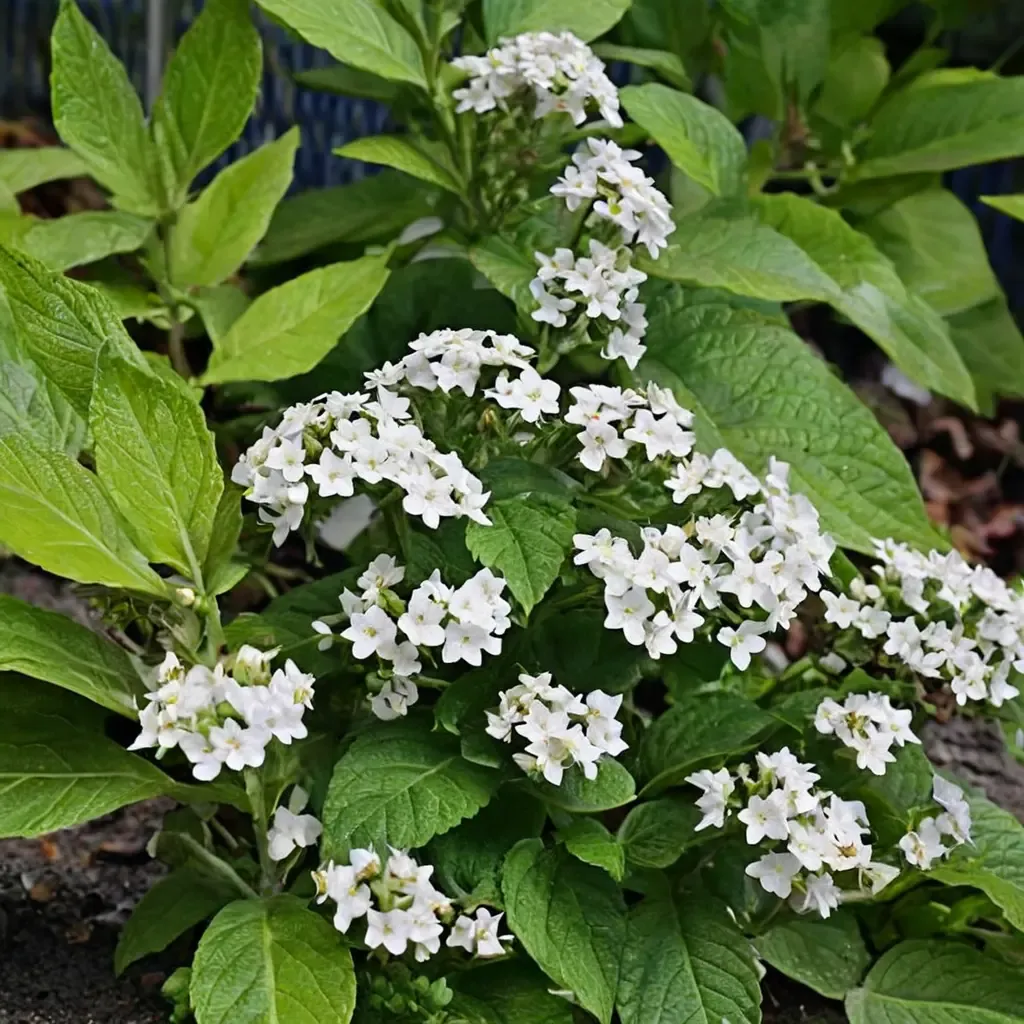
White Heliotrope
Heliotropium arborescens 'Alba'
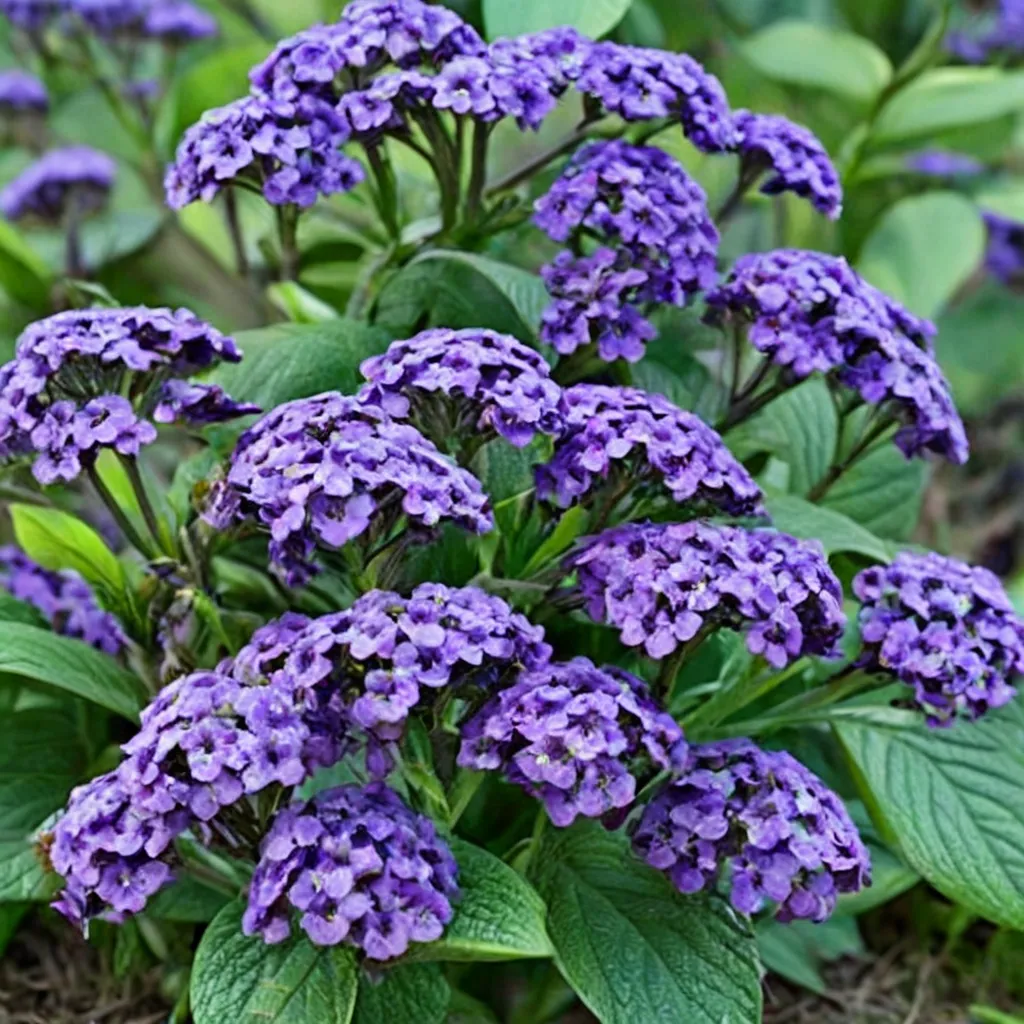
Atlantis Heliotrope
Heliotropium arborescens 'Atlantis'
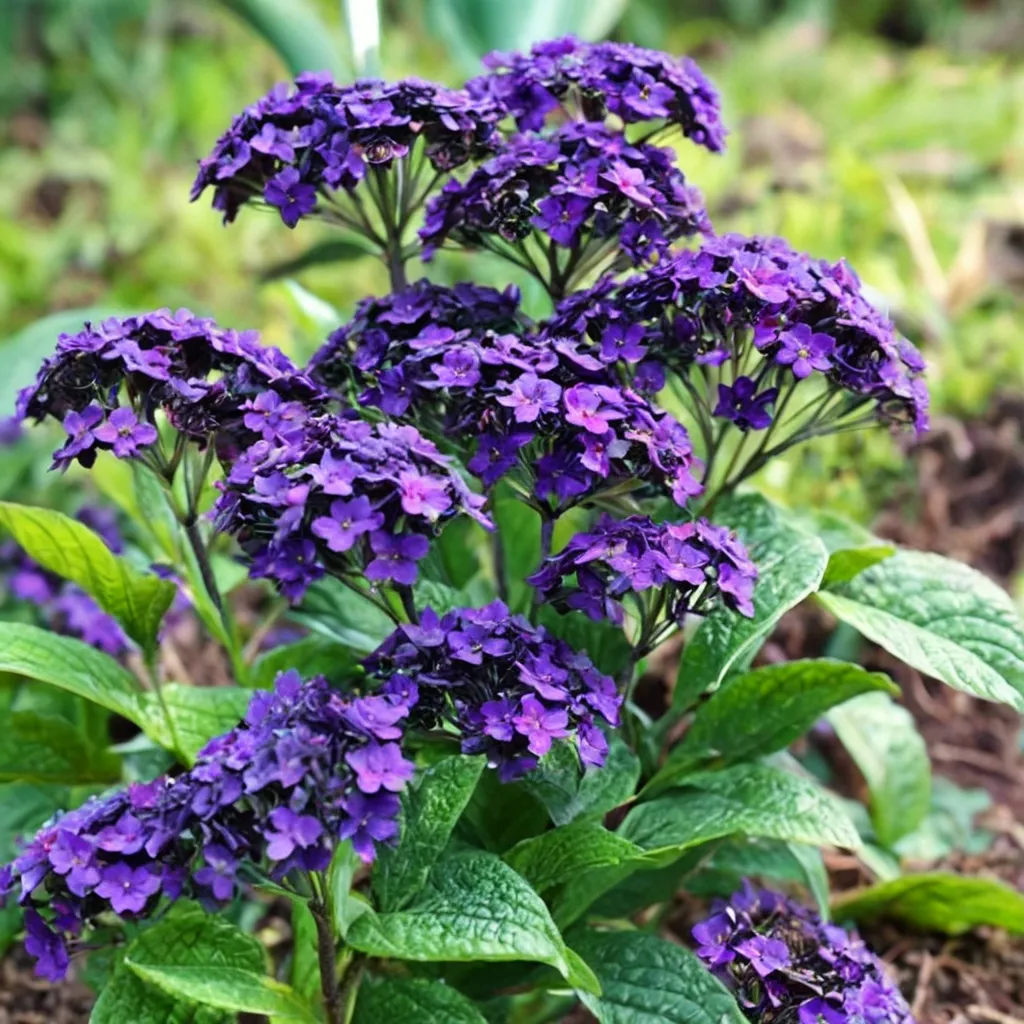
Marine Heliotrope
Heliotropium arborescens 'Marine'
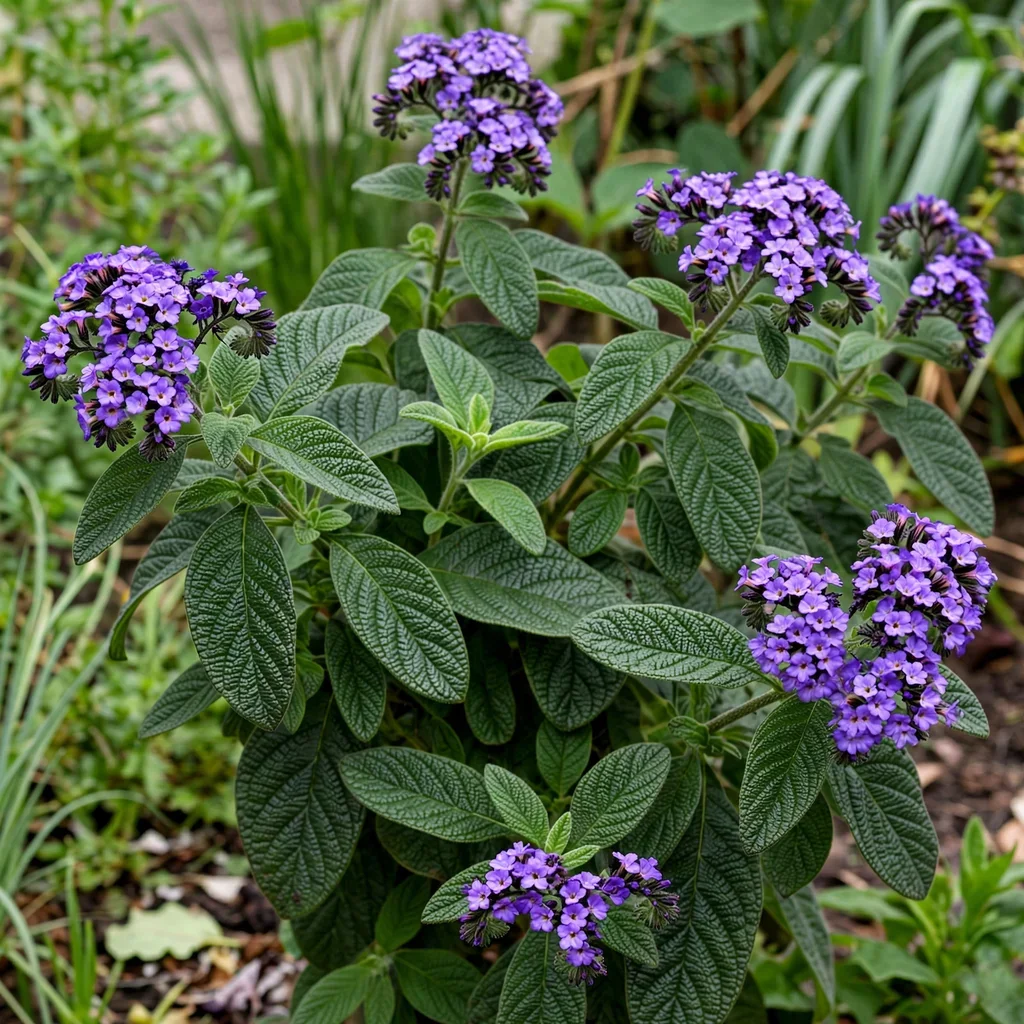
Common Heliotrope
Heliotropium arborescens
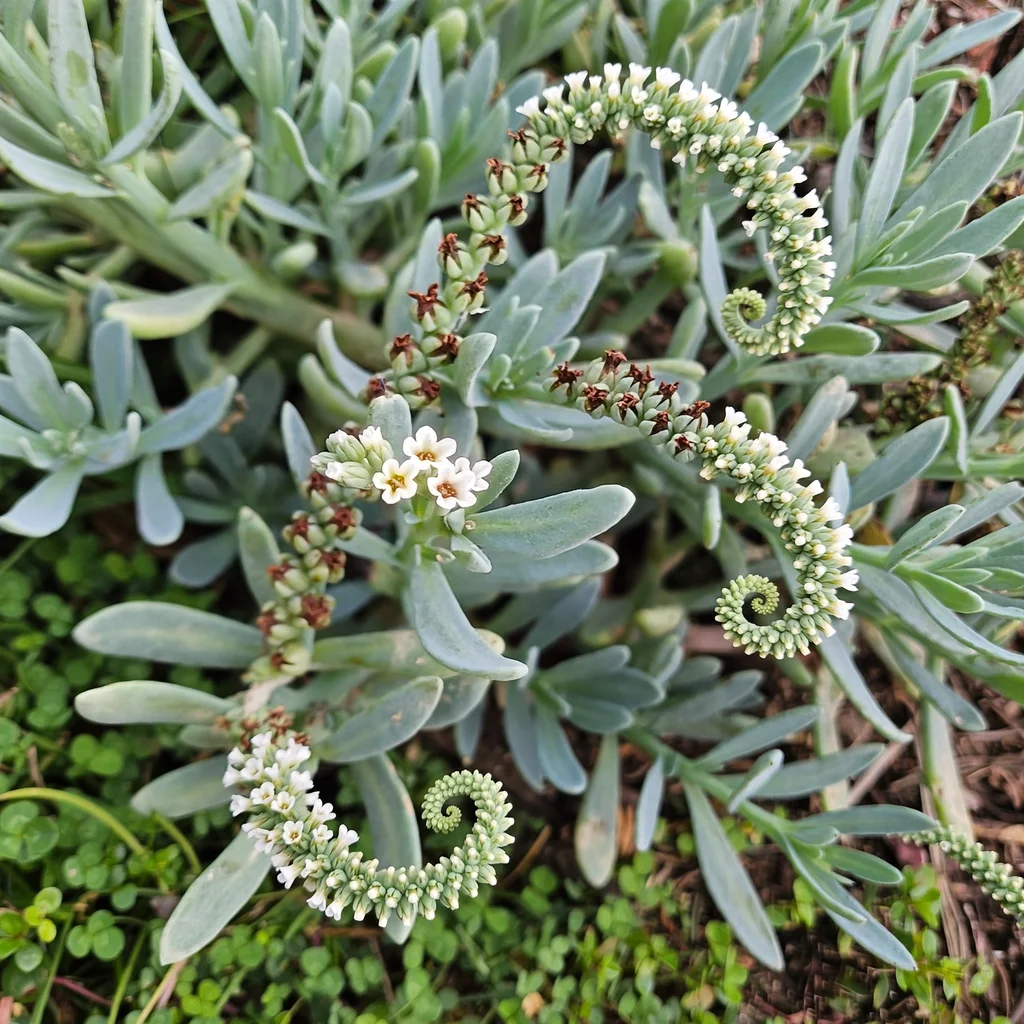
Seaside Heliotrope
Heliotropium curassavicum
Keep exploring
Explore the genus
Hardy in your zone?
Grow Scorpion Tail with confidence
See it in a design of your actual yard, get zone-matched care reminders, and track it season by season in your garden journal.