The Story
Plant Bio
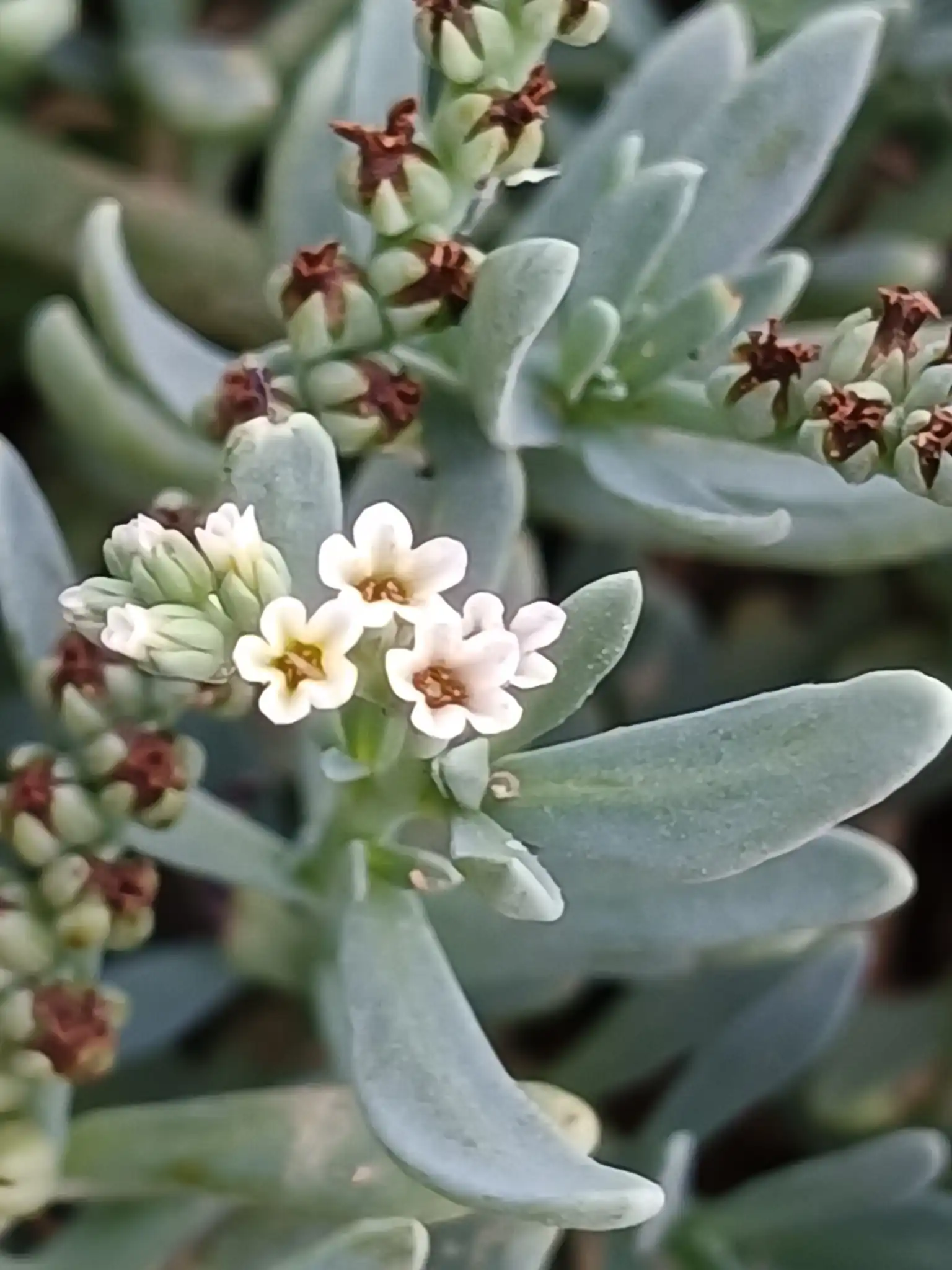
Heliotropium curassavicum is a low-growing, sprawling perennial groundcover native to saline, alkaline coastal flats and desert washes across North America. It forms wide mats of fleshy, glaucous blue-green leaves and produces coiled, scorpion-tail flowering spikes from spring through fall.
The smooth succulent foliage stores water to help the plant survive intense heat, drought, and high soil salinity. Small white flowers feature yellow or purple centers that darken as the curved spikes unfurl.
Uses & Benefits:
Essentials
At a Glance
Plant Type
Groundcover
Height
12"
Width
24"
Light
Full Sun
Zones
6, 7, 8, 9, 10
Water
Low
Humidity
Tolerant
Lifespan
Perennial
Native To
North America
Toxicity
Toxic if ingested
Bloom period
Spring – Fall
In flower about 9 months of the year
Planting
How to Grow
- Select a site with full sunlight and sharp drainage, such as a sandy bank or gravel bed.
- Avoid adding organic matter or soil amendments to keep the planting substrate lean.
- Water thoroughly at planting, then reduce frequency once new growth appears.
- Trim back leggy stems in late summer to encourage a tight, matted habit.
Pro Tip
Plant in lean, gravelly, or sandy soil with excellent drainage; moisture-retentive organic compost causes rapid root rot.
Keep It Thriving
Care Guide
Do
- Provide a gritty, well-draining soil mix.
- Place in full sun to prevent weak, floppy growth.
- Allow soil to dry out completely between waterings.
Don't
- Do not plant in heavy clay or waterlogged soils.
- Do not apply heavy nitrogen fertilizers or composts.
Seasonal Care Calendar
| Task | Jan | Feb | Mar | Apr | May | Jun | Jul | Aug | Sep | Oct | Nov | Dec |
|---|---|---|---|---|---|---|---|---|---|---|---|---|
| Pest Check | ||||||||||||
| Plant | ||||||||||||
| Propagate | ||||||||||||
| Prune |
Watch Out For
Pests & Diseases
Common Pests
Common Diseases
In the Garden
Landscape Uses & Companions
Landscape Uses
Companion Plants
Multiply
Propagation Methods
Good to Know
Common Questions
Seaside Heliotrope questions
What zones can Seaside Heliotrope grow in?
Seaside Heliotrope is hardy in USDA Zones 6–10: in that range it survives winter in the ground. Colder than Zone 6, grow it in a container you can move to shelter for the winter, or as an annual.
When does Seaside Heliotrope bloom?
Seaside Heliotrope typically blooms from spring to fall. Exact timing shifts a week or two with your zone — Sow's bloom calendar maps it to your garden.
Does Seaside Heliotrope need full sun?
Seaside Heliotrope does best in full sun (6+ hours).
Is Seaside Heliotrope drought tolerant?
Yes — once established (usually after the first full season), Seaside Heliotrope handles dry spells with minimal watering. Water deeply its first year to build the root system that makes that possible.
More Heliotropium to compare
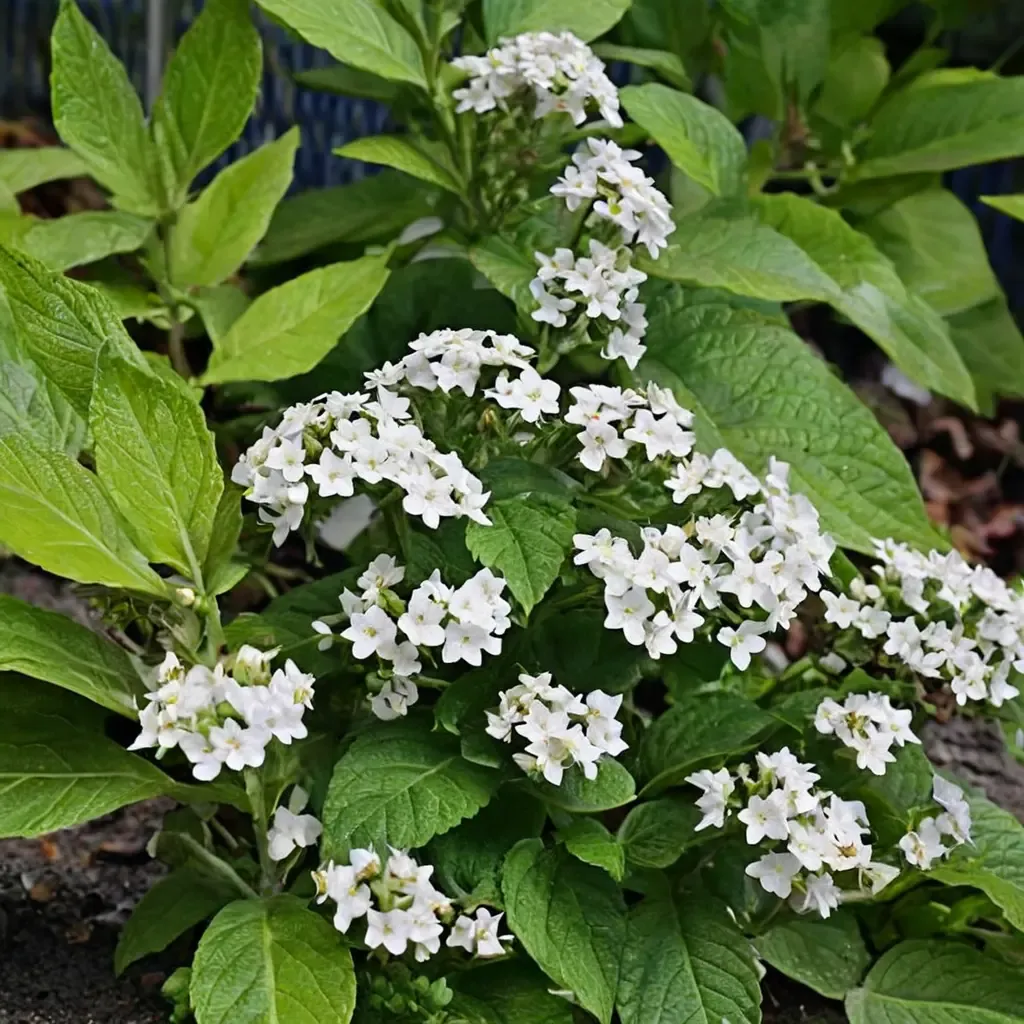
White Heliotrope
Heliotropium arborescens 'Alba'
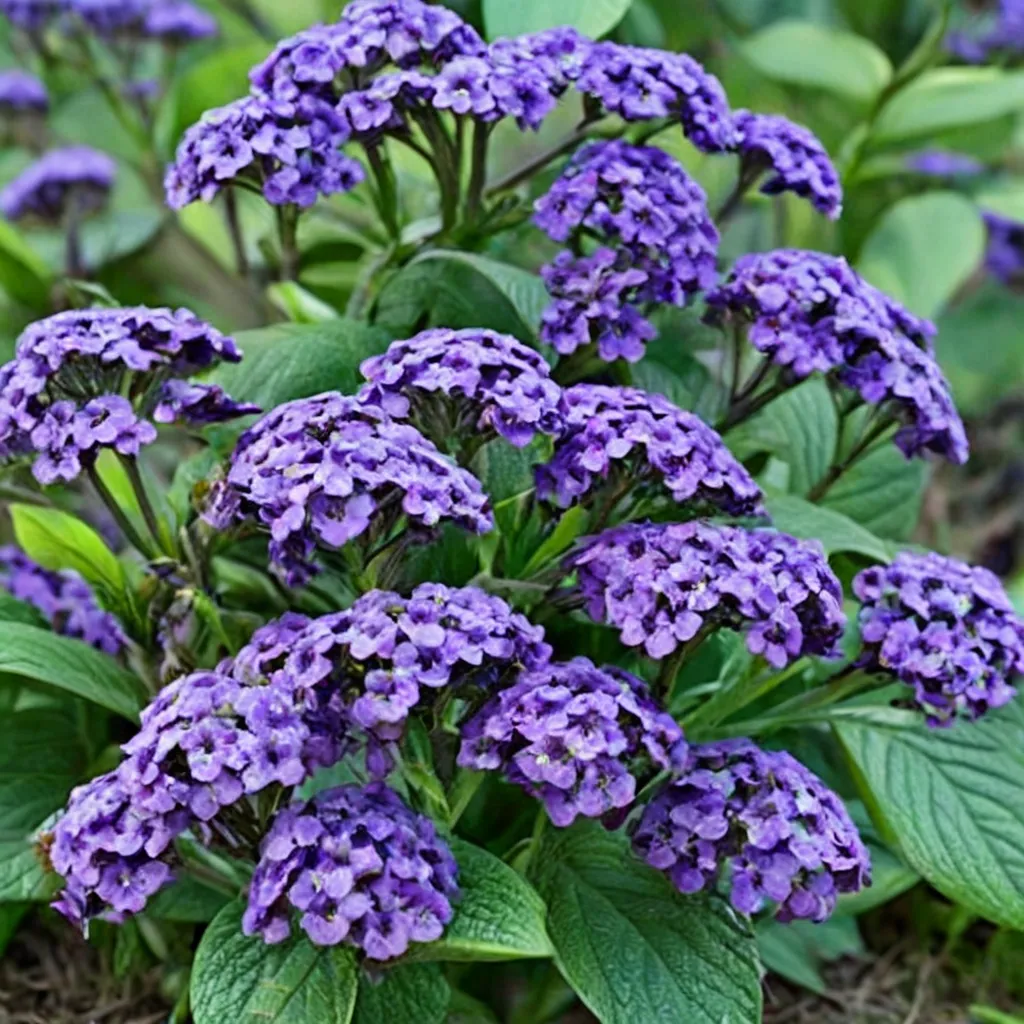
Atlantis Heliotrope
Heliotropium arborescens 'Atlantis'
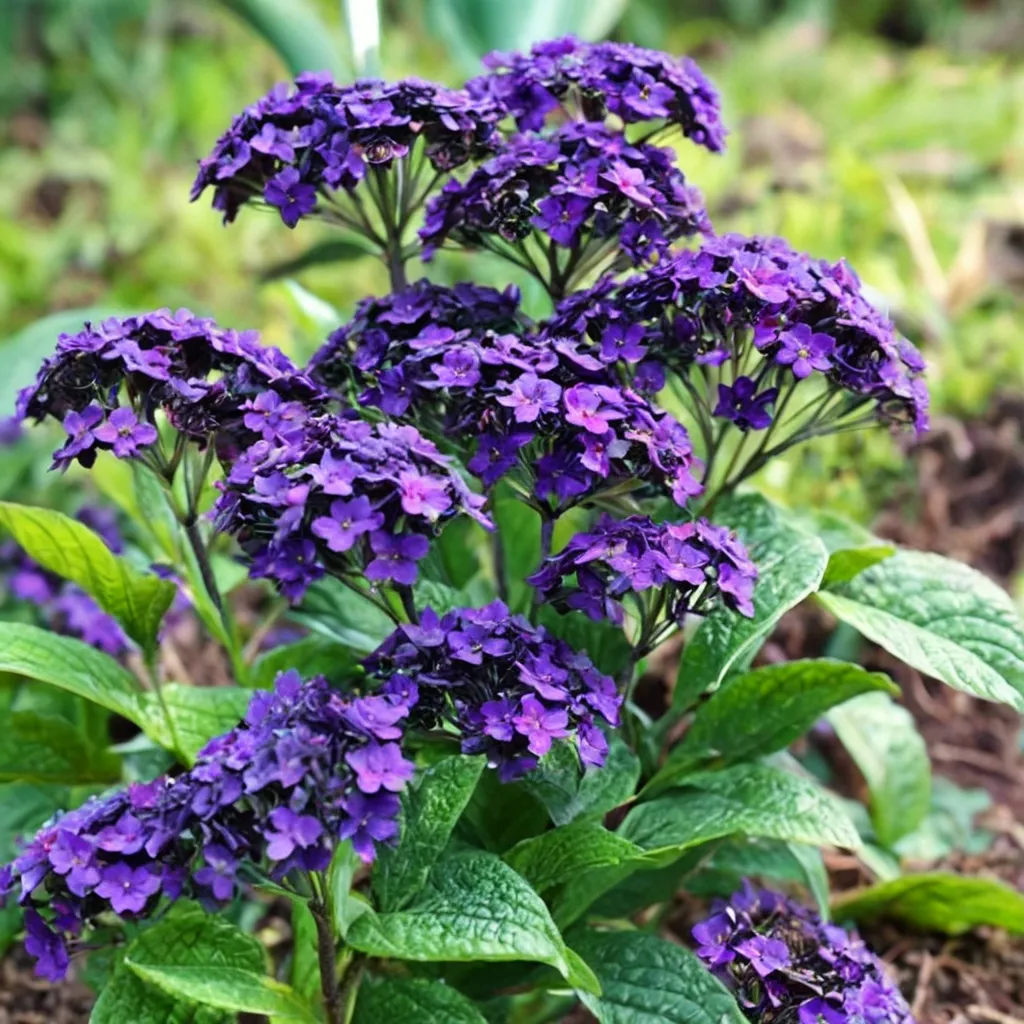
Marine Heliotrope
Heliotropium arborescens 'Marine'
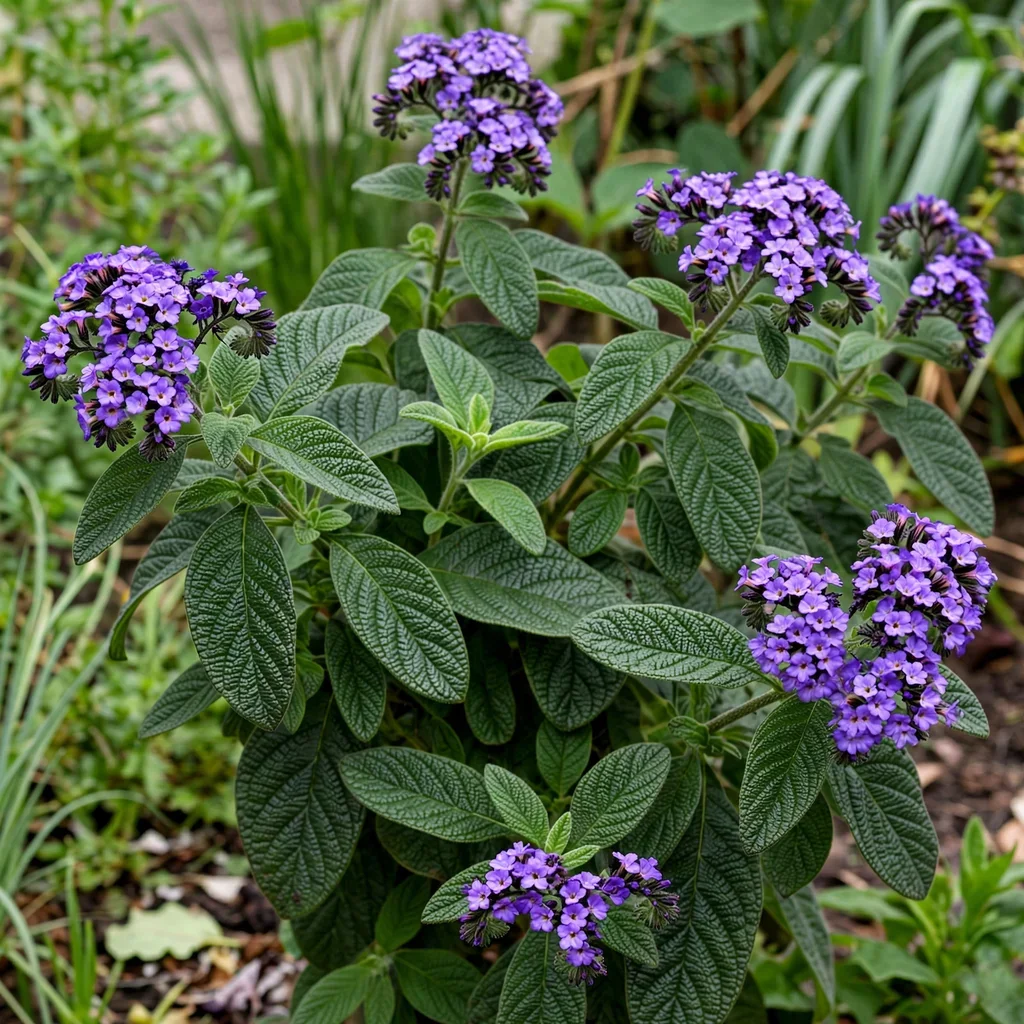
Common Heliotrope
Heliotropium arborescens
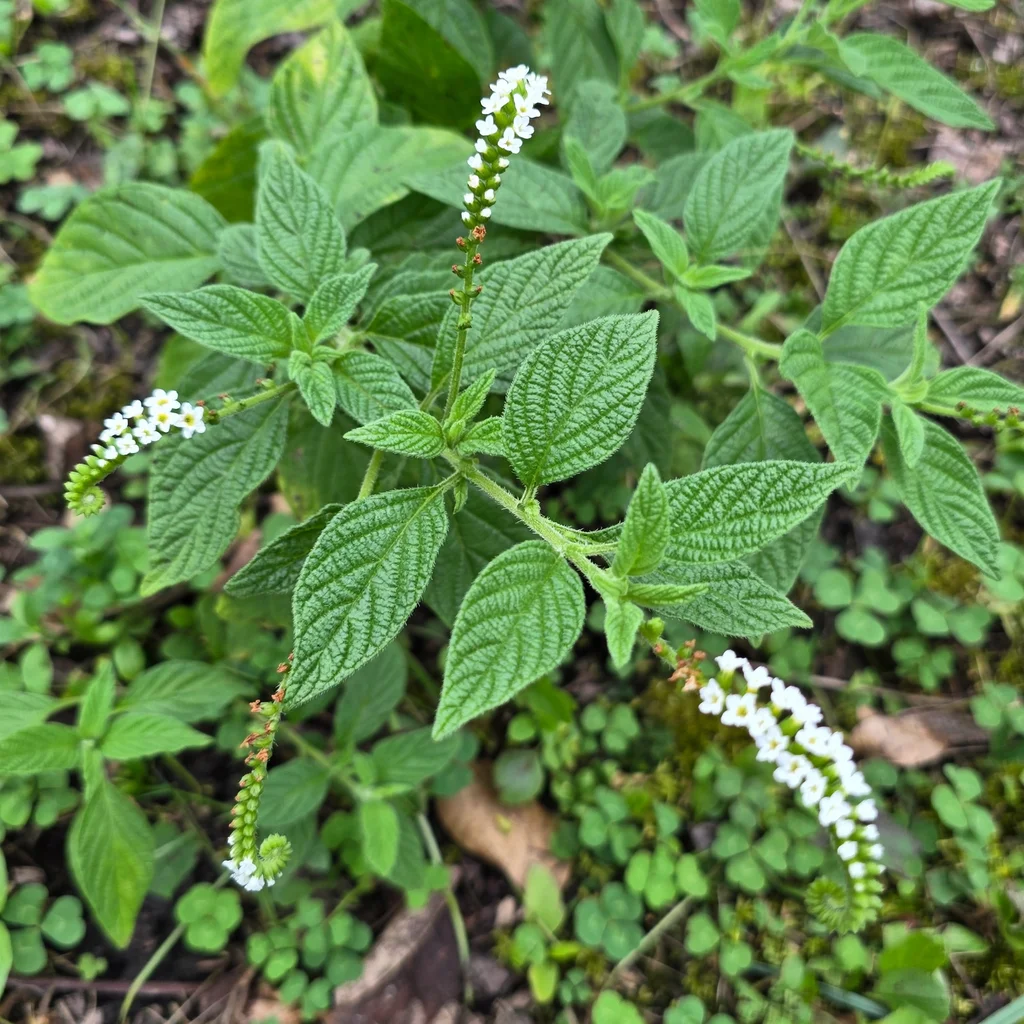
Scorpion Tail
Heliotropium angiospermum
Keep exploring
Explore the genus
Hardy in your zone?
Grow Seaside Heliotrope with confidence
See it in a design of your actual yard, get zone-matched care reminders, and track it season by season in your garden journal.