
The Story
Plant Bio
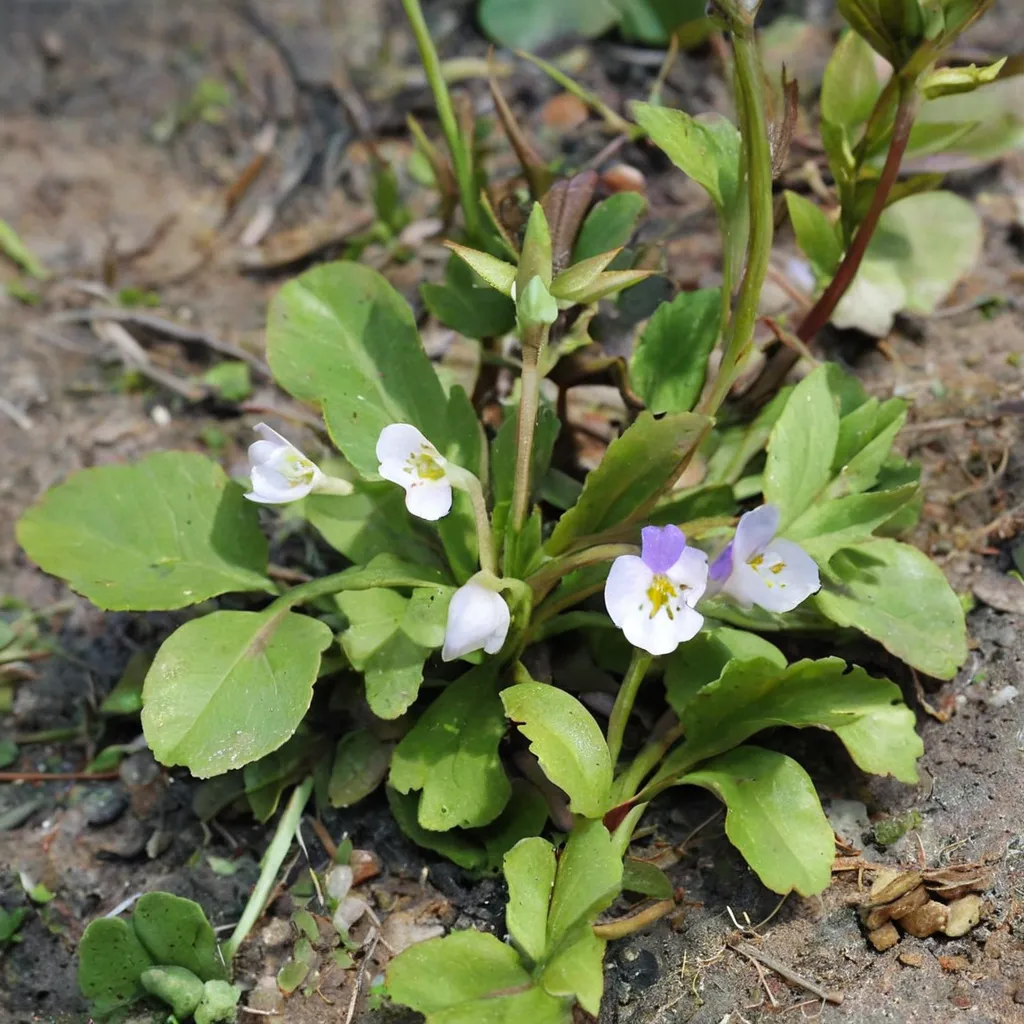
Mazus novaezeelandiae is a low-growing, mat-forming creeping perennial native to damp forests, stream banks, and gravel flats across New Zealand. It forms dense carpets of spoon-shaped green leaves that root continuously at the nodes and produce white, two-lipped flowers with yellow throats on short stalks.
Unlike taller herbaceous perennials, this creeping species stays under four inches tall while expanding up to two feet wide via slender stolons. Its foliage features dark green or yellow-green leaves that frequently exhibit distinct brown-pigmented edges.
Uses & Benefits:
Essentials
At a Glance
Plant Type
Groundcover
Height
4"
Width
24"
Light
Full Sun, Partial Sun
Zones
6, 7, 8, 9
Water
High
Humidity
Moderate to High
Lifespan
Perennial
Native To
New Zealand
Toxicity
Non-toxic
Bloom period
Spring – Summer
In flower about 6 months of the year
Planting
How to Grow
- Select a planting location in full sun to partial shade with rich, consistently moist or damp soil.
- Space plugs or small pots 12 to 18 inches apart, ensuring the root crowns sit flush with the surrounding soil.
- Water thoroughly immediately after planting to settle the soil around creeping runners.
- Apply a light layer of leaf mold or fine organic mulch around young plants to hold moisture without burying runners.
Pro Tip
Maintain consistent subsurface moisture and plant crowns level with the soil line; burying stolons too deeply triggers fungal rot, while completely dry soil causes rapid patch dieback.
Keep It Thriving
Care Guide
Do
- Keep soil consistently damp to wet, especially during summer heat.
- Plant root crowns level with the surrounding soil line to prevent crown rot.
- Divide rooted runners in spring or fall to expand ground cover plantings.
Don't
- Do not allow soil to dry out completely during extended dry periods.
- Do not trim deeply into old, leafless woody crown stems.
- Do not bury creeping stolons under heavy layers of bark mulch.
Seasonal Care Calendar
| Task | Jan | Feb | Mar | Apr | May | Jun | Jul | Aug | Sep | Oct | Nov | Dec |
|---|---|---|---|---|---|---|---|---|---|---|---|---|
| Fertilize | ||||||||||||
| Pest Check | ||||||||||||
| Propagate | ||||||||||||
| Spring Cleanup |
Watch Out For
Pests & Diseases
Common Pests
Common Diseases
In the Garden
Landscape Uses & Companions
Landscape Uses
Companion Plants
Multiply
Propagation Methods
Good to Know
Common Questions
Dwarf Musk questions
What zones can Dwarf Musk grow in?
Dwarf Musk is hardy in USDA Zones 6–9: in that range it survives winter in the ground. Colder than Zone 6, grow it in a container you can move to shelter for the winter, or as an annual. Warmer than Zone 9, winter isn't the problem: it prefers colder winters, and summer heat can shorten its life.
Is Dwarf Musk deer resistant?
Not reliably. Deer may browse Dwarf Musk, especially tender spring growth — plan on repellents or fencing where pressure is high.
When does Dwarf Musk bloom?
Dwarf Musk typically blooms from spring to summer. Exact timing shifts a week or two with your zone — Sow's bloom calendar maps it to your garden.
Does Dwarf Musk need full sun?
Dwarf Musk does best in full sun to part shade. In hot climates, afternoon shade keeps blooms fresher longer.
More Mazus to compare
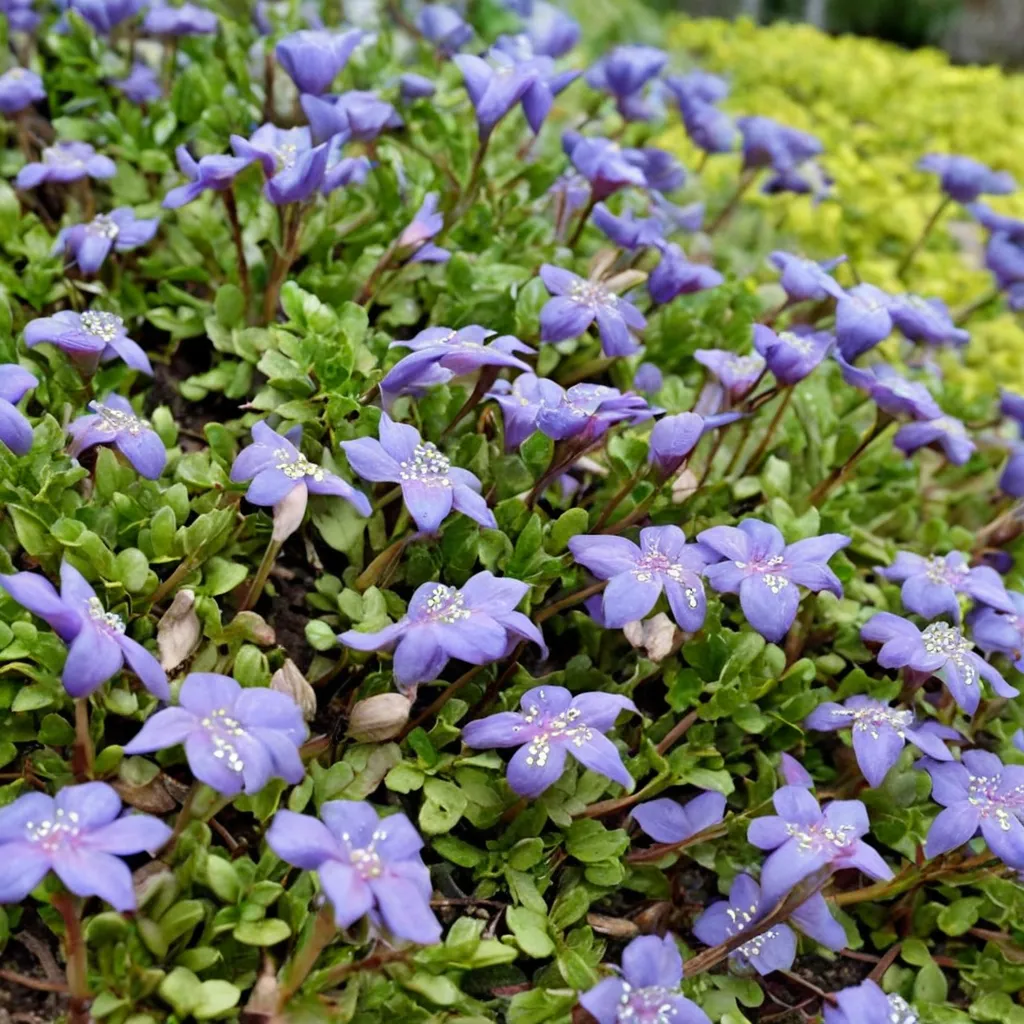
Purple Creeping Mazus
Mazus reptans 'Purple'

Creeping Mazus
Mazus reptans
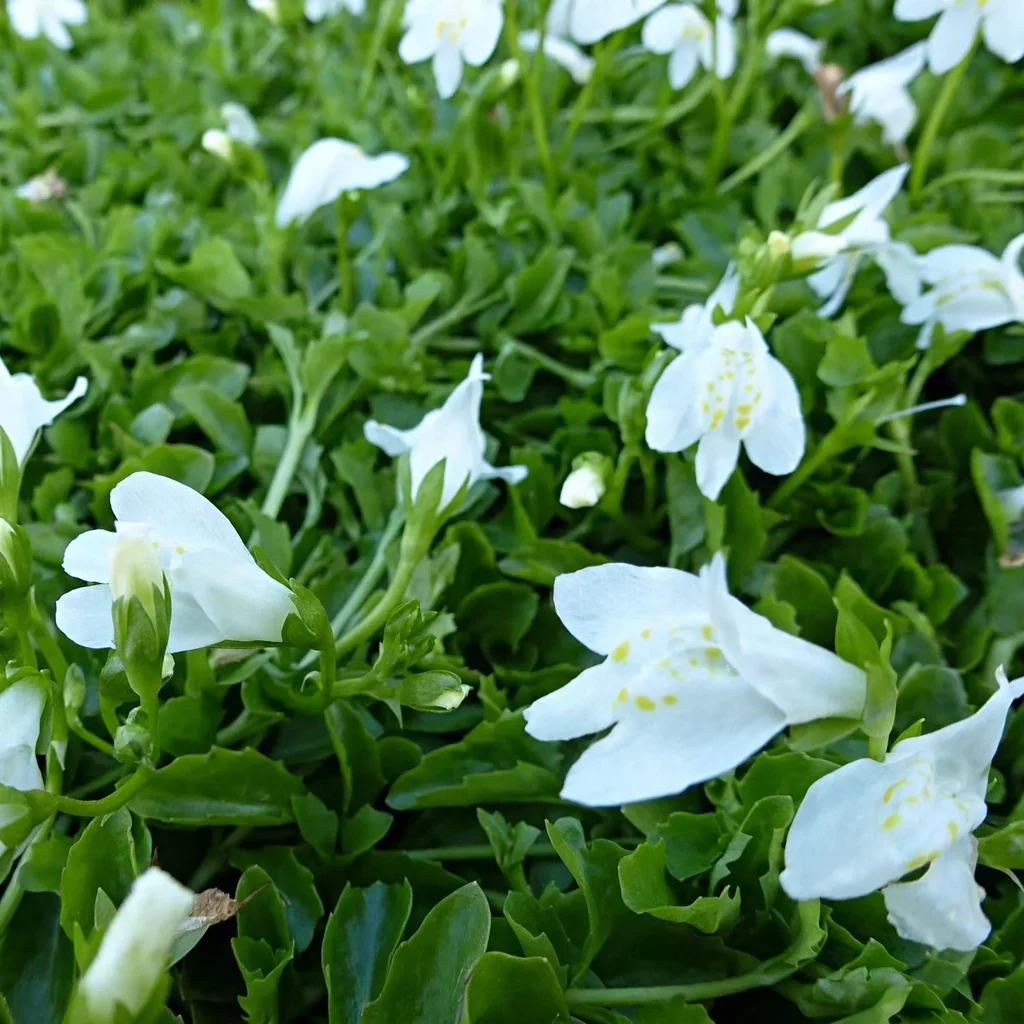
White Mazus
Mazus reptans 'Alba'
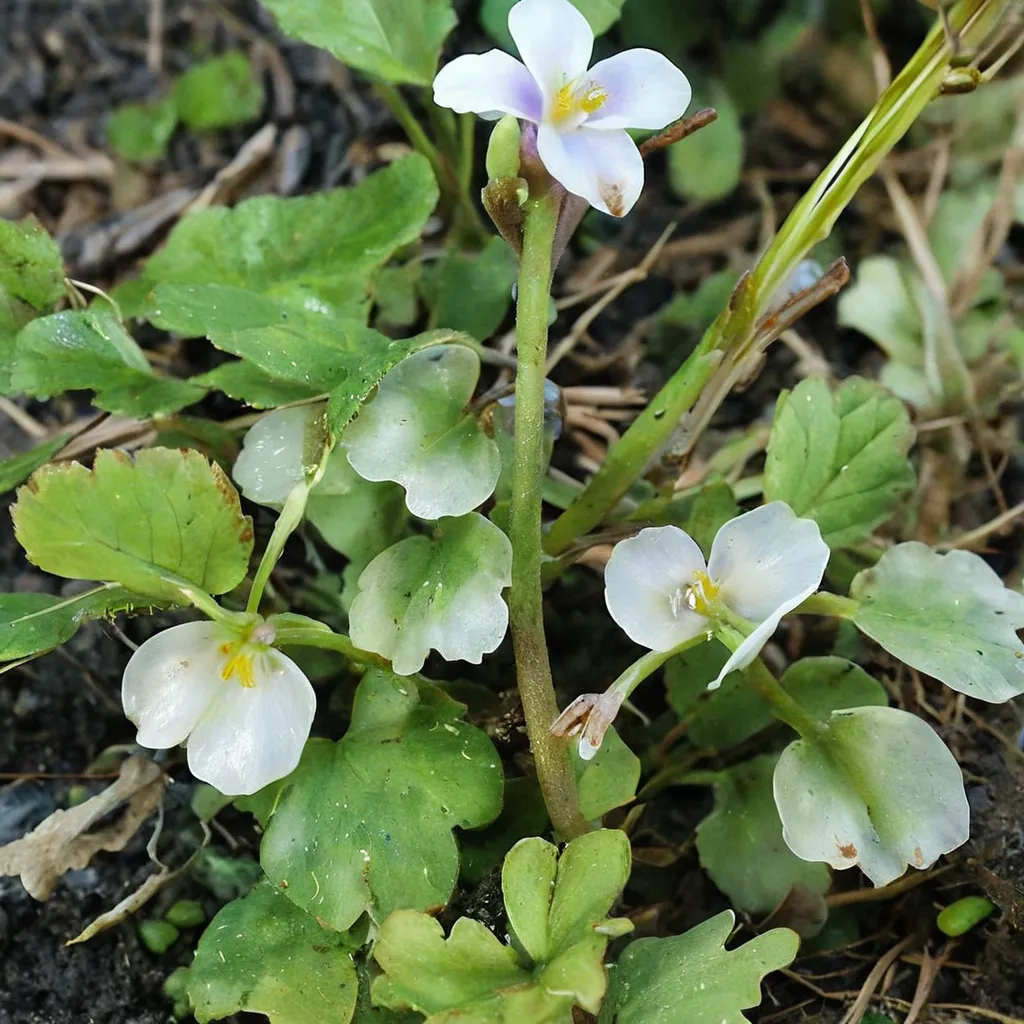
Mazus pumilus White
Mazus pumilus 'White'
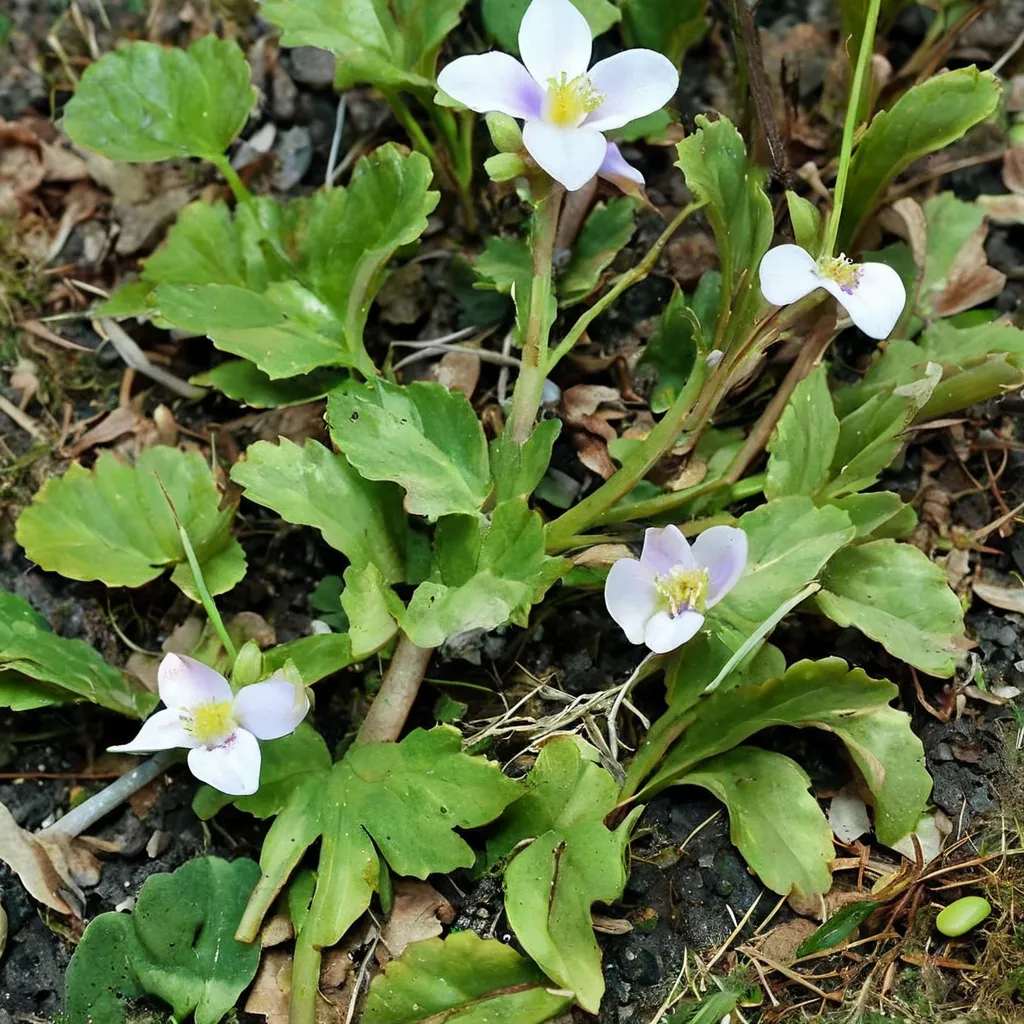
White Creeping Mazus
Mazus miquelii 'Albiflorus'
Japanese Mazus
Mazus pumilus
Keep exploring
Explore the genus
Hardy in your zone?
Grow Dwarf Musk with confidence
See it in a design of your actual yard, get zone-matched care reminders, and track it season by season in your garden journal.