The Story
Plant Bio
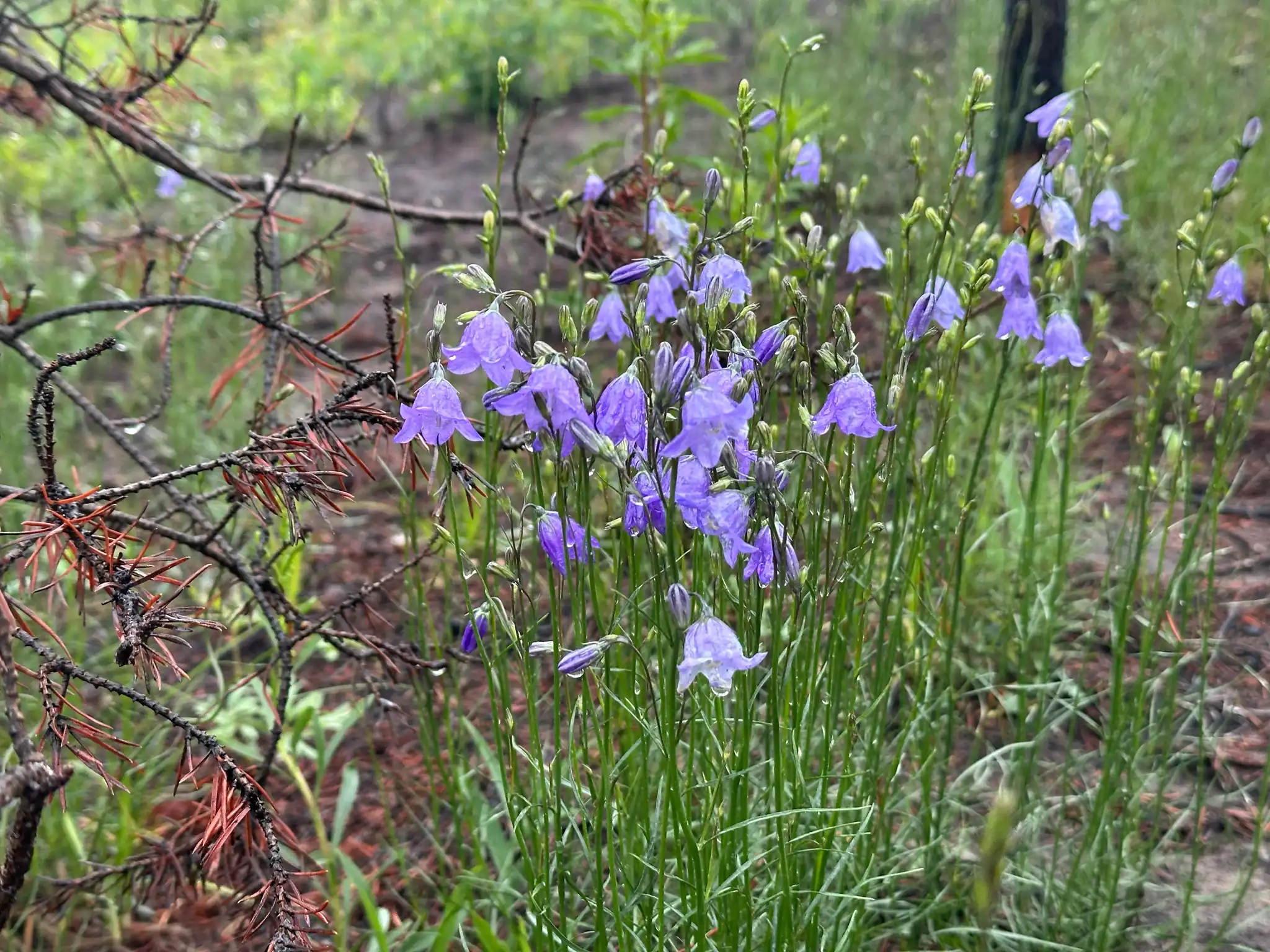
Campanula alaskana is a low-growing, clump-forming herbaceous perennial native to subalpine slopes, gravelly screes, and mountain meadows across northwestern North America. Slender, wiry stems rise from small rootstocks to bear narrow stem leaves and clear blue-violet bell-shaped flowers.
Adapted to extreme northern alpine conditions, this species develops rounded basal leaves that typically wither as the flowering stems emerge. Nodding, five-lobed blooms hang singly or in loose clusters on thread-like pedicels throughout the summer months.
Uses & Benefits:
Essentials
At a Glance
Plant Type
Perennial
Height
18"
Width
12"
Light
Full Sun, Partial Sun
Zones
4, 5, 6, 7
Water
Low to moderate
Humidity
Low to moderate
Lifespan
Perennial
Native To
Northwestern North America
Toxicity
Non-toxic
Bloom period
Summer – Early autumn
In flower about 4 months of the year
Planting
How to Grow
- Select a site in full sun to partial shade with exceptionally fast-draining, gravelly, or sandy soil.
- Set young plants into lean soil without adding compost or rich organic amendments.
- Water lightly at planting to settle the roots, then allow the soil surface to dry between waterings.
- Top-dress around the base with coarse crushed stone or pea gravel to keep the root crown cool and dry.
Pro Tip
Plant in unamended, lean, sharp-draining scree or gravel; excess nitrogen and retentive soil cause the slender stems to flop and induce root rot.
Keep It Thriving
Care Guide
Do
- Provide gritty, highly permeable soil to ensure free drainage around the root crown.
- Expose plants to full sun in cooler climates or partial shade in warm interior regions.
- Allow soil to dry out between natural rainfall events once established.
Don't
- Do not amend the planting hole with rich compost, manure, or high-nitrogen fertilizers.
- Do not plant in heavy clay or waterlogged areas where winter moisture accumulates.
- Do not prune back into leafless crowns or overwater during dormant winter periods.
Seasonal Care Calendar
| Task | Jan | Feb | Mar | Apr | May | Jun | Jul | Aug | Sep | Oct | Nov | Dec |
|---|---|---|---|---|---|---|---|---|---|---|---|---|
| Deadhead | ||||||||||||
| Pest Check | ||||||||||||
| Plant | ||||||||||||
| Spring Cleanup |
Watch Out For
Pests & Diseases
Common Pests
Common Diseases
In the Garden
Landscape Uses & Companions
Landscape Uses
Multiply
Propagation Methods
Good to Know
Common Questions
Alaska Bellflower questions
What zones can Alaska Bellflower grow in?
Alaska Bellflower is hardy in USDA Zones 4–7: in that range it survives winter in the ground. Warmer than Zone 7, winter isn't the problem: it prefers colder winters, and summer heat can shorten its life.
When does Alaska Bellflower bloom?
Alaska Bellflower typically blooms from early summer to early fall. Exact timing shifts a week or two with your zone — Sow's bloom calendar maps it to your garden.
Does Alaska Bellflower need full sun?
Alaska Bellflower does best in full sun to part shade. In hot climates, afternoon shade keeps blooms fresher longer.
Is Alaska Bellflower drought tolerant?
Yes — once established (usually after the first full season), Alaska Bellflower handles dry spells with minimal watering. Water deeply its first year to build the root system that makes that possible.
More Campanula to compare
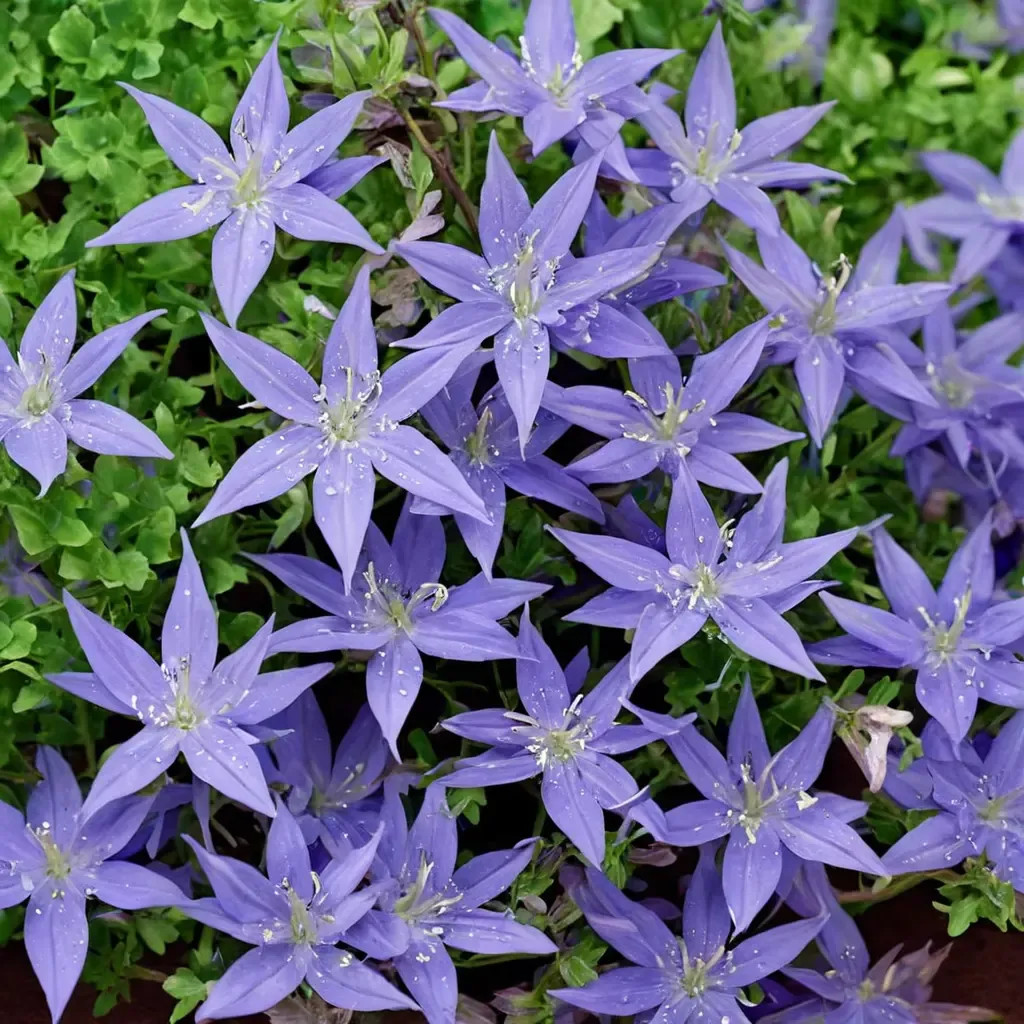
Blue Waterfall Bellflower
Campanula poscharskyana 'Blue Waterfall'
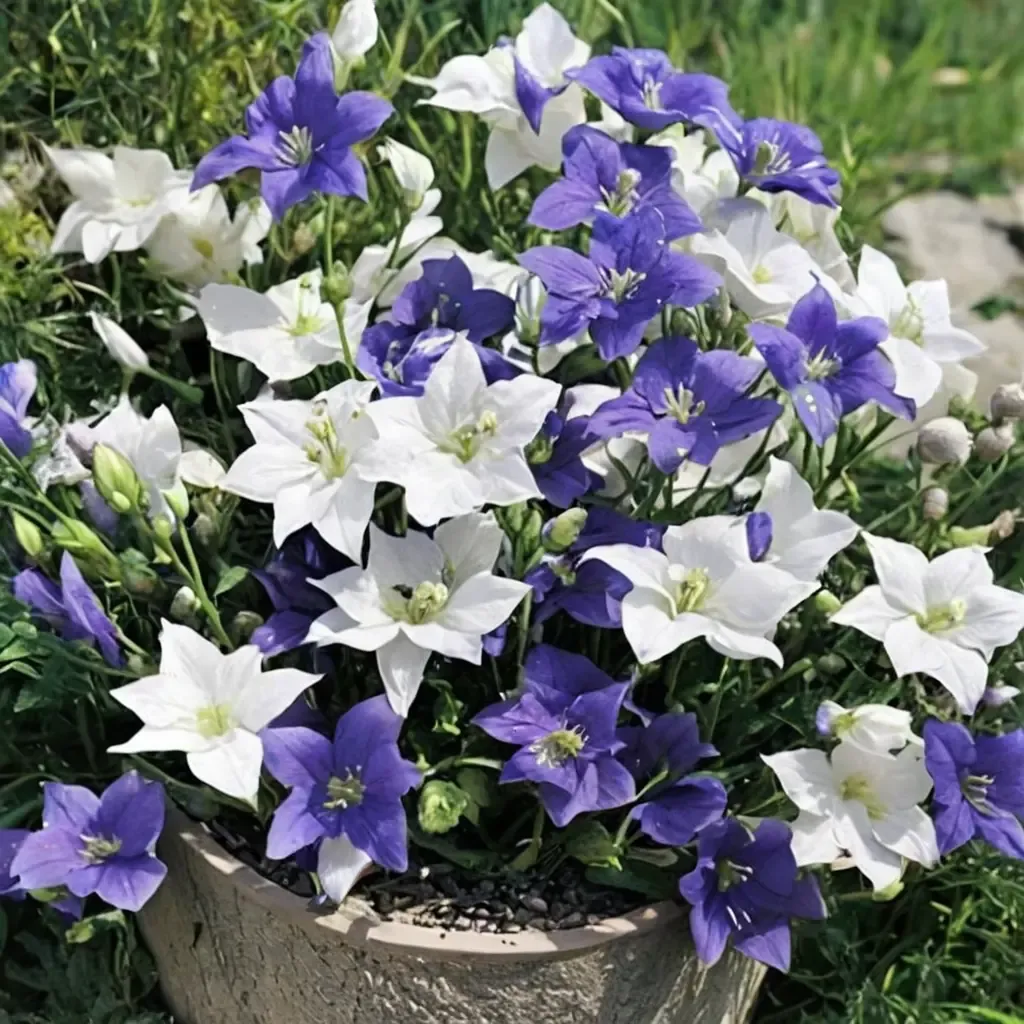
Carpathian Bellflower Mix
Campanula carpatica 'Mix'
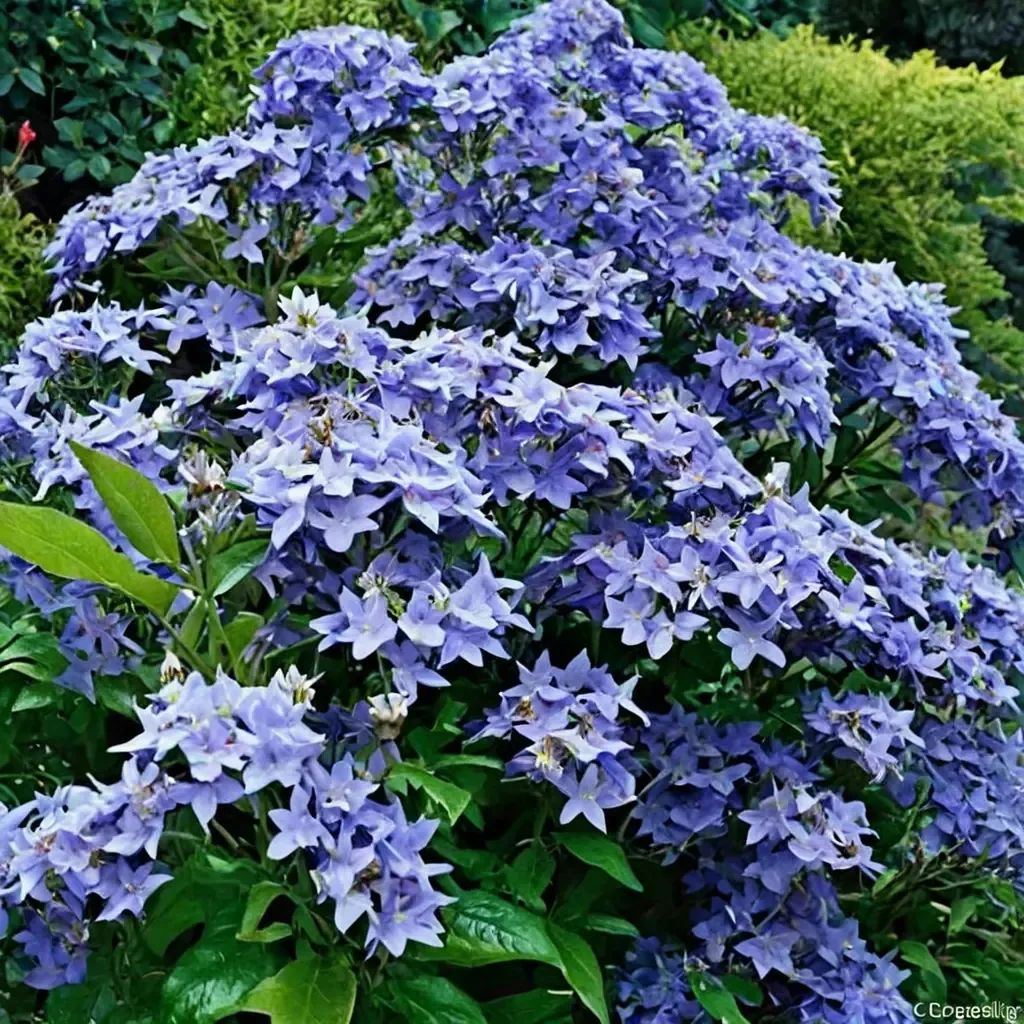
Prichard Milky Bellflower
Campanula lactiflora 'Prichard'
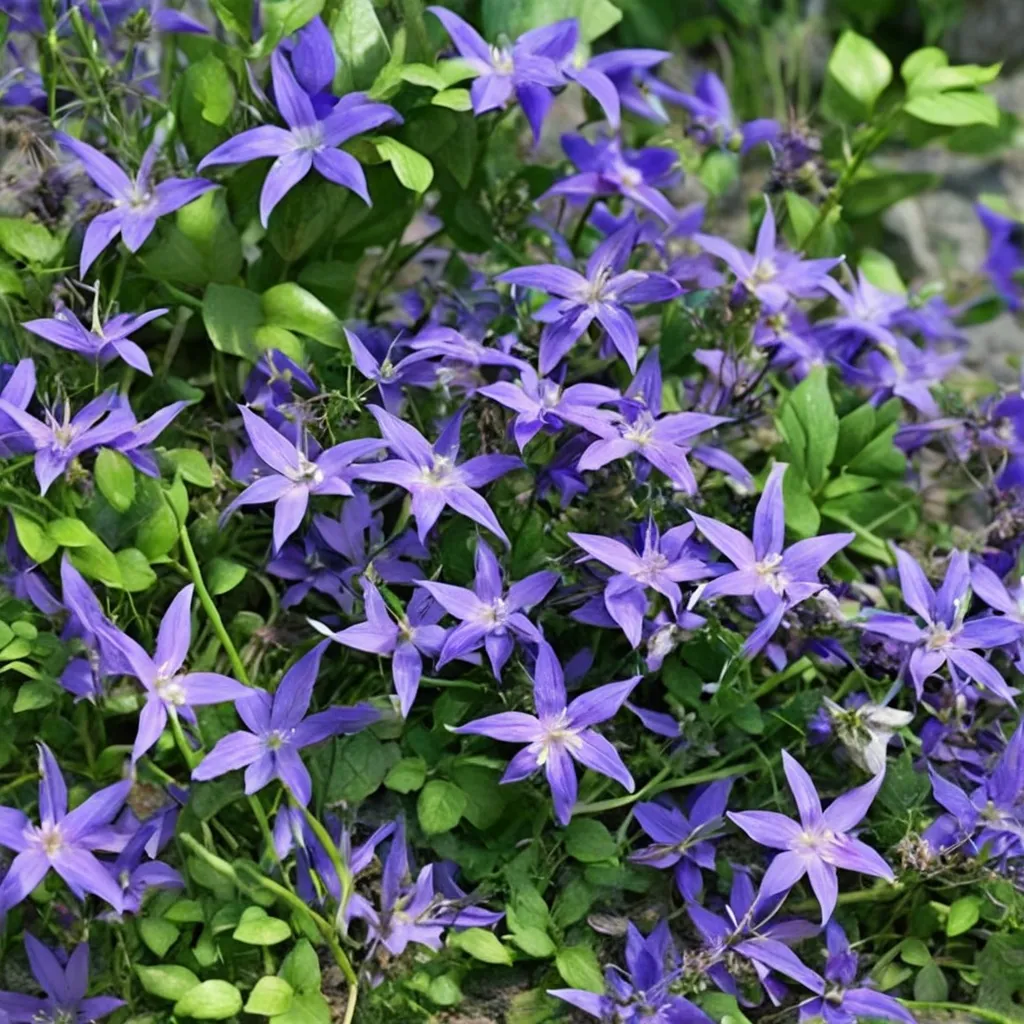
Serrated Bellflower
Campanula poscharskyana 'Stella'
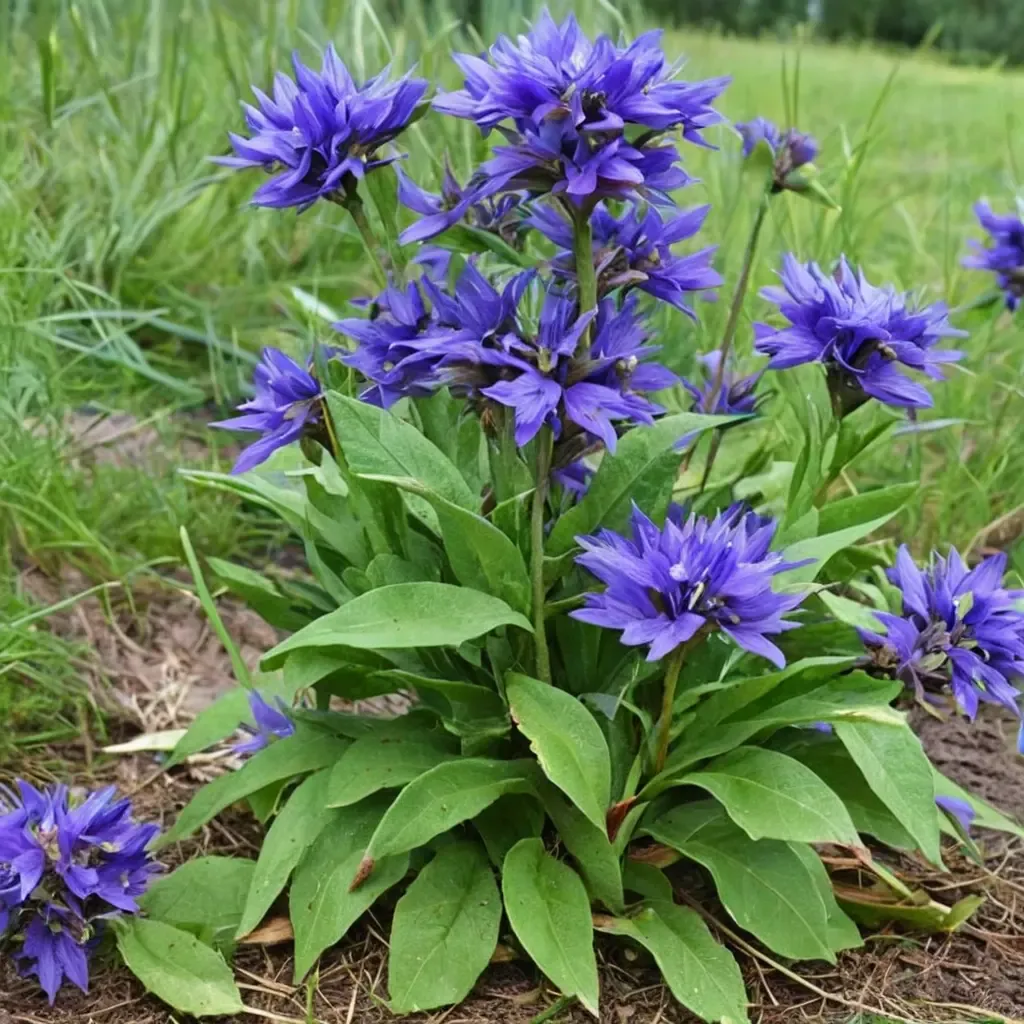
Clustered Bellflower
Campanula glomerata
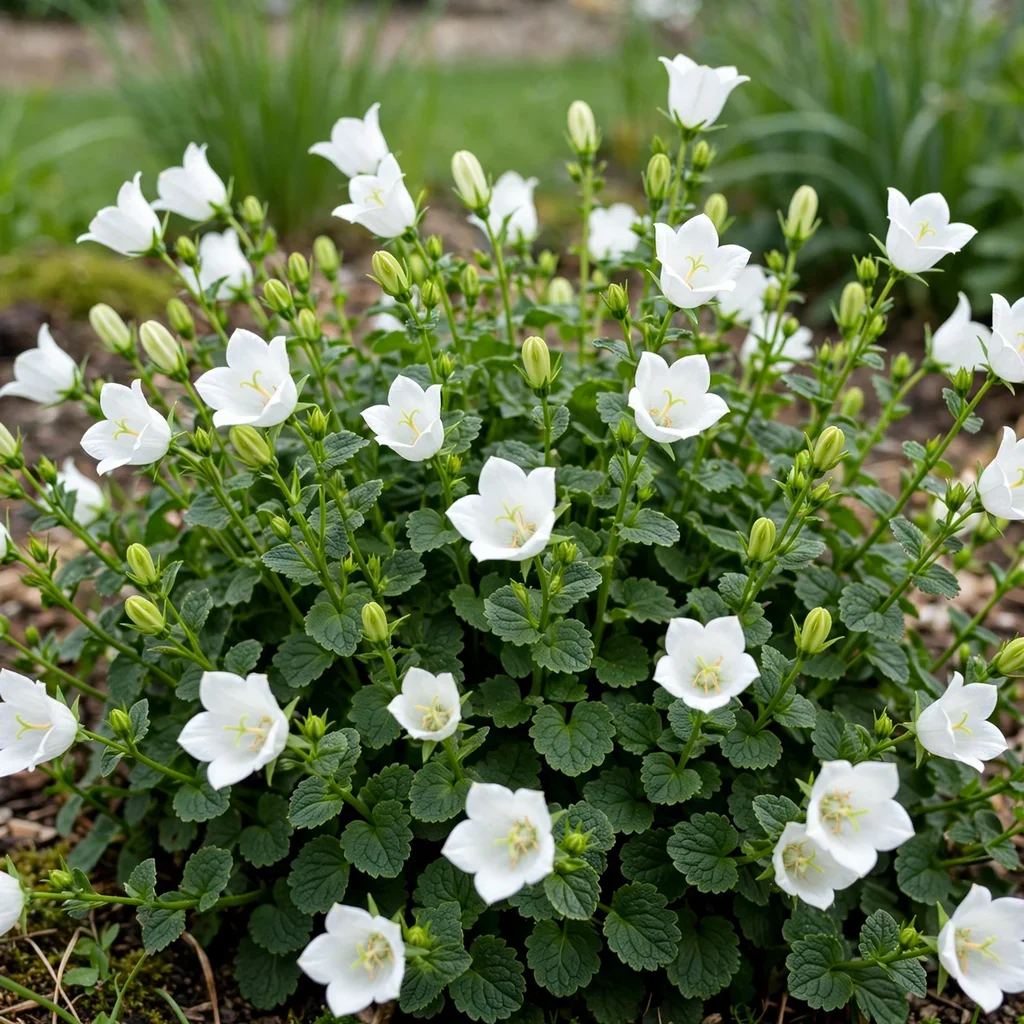
Rapido White Carpathian Bellflower
Campanula rapunculoides 'Rapido White'
Keep exploring
Explore the genus
Hardy in your zone?
Grow Alaska Bellflower with confidence
See it in a design of your actual yard, get zone-matched care reminders, and track it season by season in your garden journal.