The Story
Plant Bio
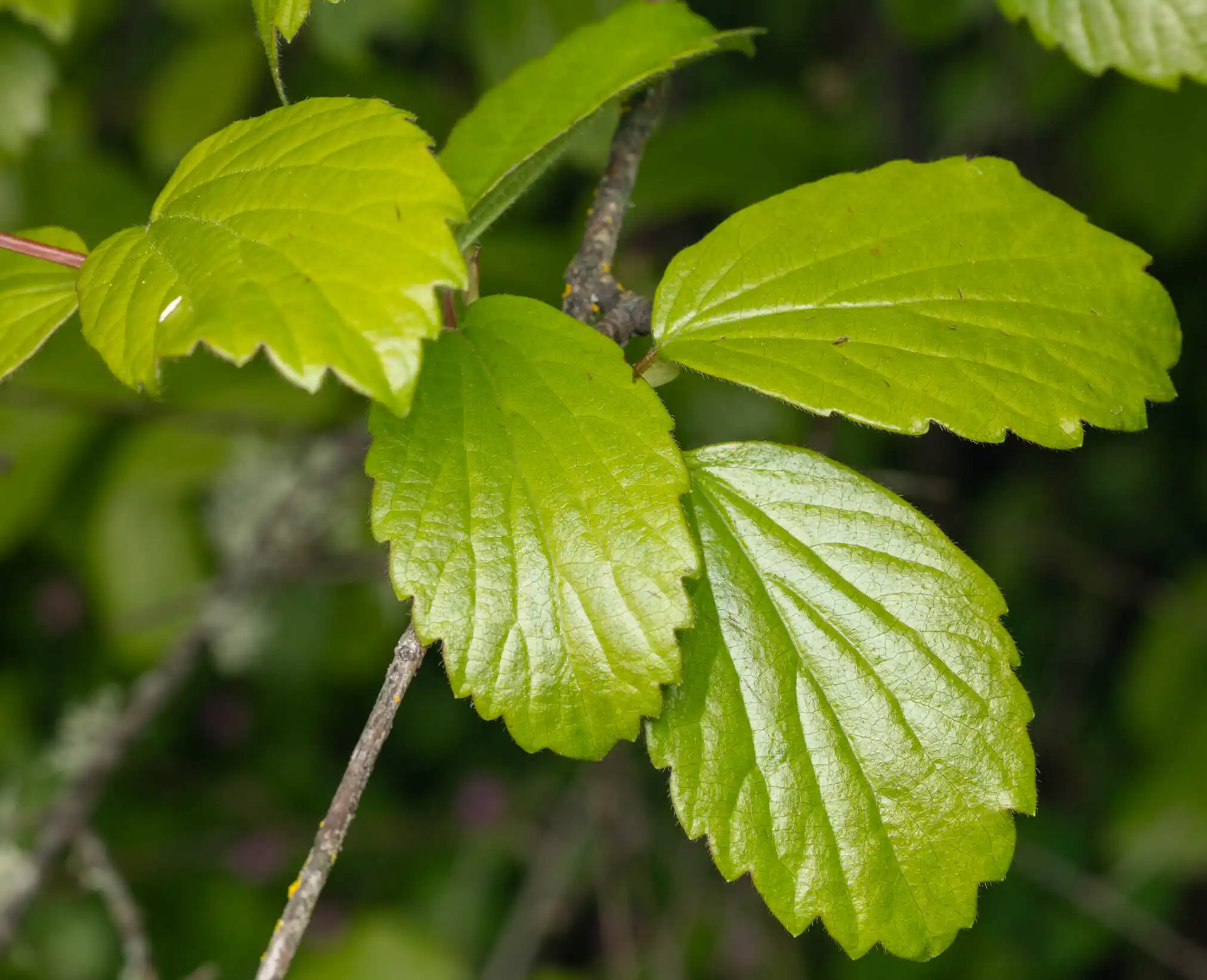
Viburnum ellipticum is an erect, multi-stemmed deciduous shrub native to western North America, growing three to eleven feet tall with an open, fountain-like habit. Its rounded leaves feature coarse teeth above the middle and turn brilliant red in autumn, setting off small white flowers held in flat terminal clusters.
The small white blossoms emit a distinct scent resembling raw potatoes and feature long, prominent stamens that attract hummingbirds and native pollinators. Green drupes transition to red, purple, and finally shiny black by autumn, supplying an essential lipid-rich food source for wintering birds.
Uses & Benefits:
Essentials
At a Glance
Plant Type
Shrub
Height
132"
Width
118"
Light
Full Sun, Partial Sun, Shade
Zones
5, 6, 7, 8, 9
Water
Low to Moderate
Humidity
Moderate
Lifespan
Perennial
Native To
Western North America
Toxicity
Non-toxic
Bloom period
Mid spring – Early summer
In flower about 3 months of the year
Planting
How to Grow
- Select a planting site in full sun to partial shade with well-drained loamy, clay, or rocky soil.
- Dig a hole twice as wide as the root ball and level with the root flare.
- Water thoroughly after planting and maintain moisture during the first two growing seasons.
- Apply a layer of organic mulch around the base to keep root zones cool and suppress weeds.
- Prune lightly right after spring blooming finishes to shape the shrub without removing next year's flower buds.
Pro Tip
Prune immediately after flowering in early summer; trimming during winter or early spring lopped off the wood carrying the current season's flower buds.
Keep It Thriving
Care Guide
Do
- Prune immediately after flowering finishes to protect next year's buds.
- Provide supplemental water during prolonged summer dry spells while establishing.
- Protect young stems from deer browsing using physical netting.
Don't
- Do not prune in winter or early spring, which strips off developing flower buds.
- Do not plant in heavy, deep shade where stems become weak and lanky.
- Do not allow soil to remain waterlogged for long periods without adequate drainage.
Seasonal Care Calendar
| Task | Jan | Feb | Mar | Apr | May | Jun | Jul | Aug | Sep | Oct | Nov | Dec |
|---|---|---|---|---|---|---|---|---|---|---|---|---|
| Mulch | ||||||||||||
| Pest Check | ||||||||||||
| Plant | ||||||||||||
| Propagate | ||||||||||||
| Prune |
Watch Out For
Pests & Diseases
Common Pests
Common Diseases
In the Garden
Landscape Uses & Companions
Landscape Uses
Multiply
Propagation Methods
Good to Know
Common Questions
Oval-leaved Viburnum questions
What zones can Oval-leaved Viburnum grow in?
Oval-leaved Viburnum is hardy in USDA Zones 5–9: in that range it survives winter in the ground. Colder than Zone 5, grow it in a container you can move to shelter for the winter. Warmer than Zone 9, winter isn't the problem: it prefers colder winters, and summer heat can shorten its life.
Is Oval-leaved Viburnum deer resistant?
Not reliably. Deer may browse Oval-leaved Viburnum, especially tender spring growth — plan on repellents or fencing where pressure is high.
When does Oval-leaved Viburnum bloom?
Oval-leaved Viburnum typically blooms from mid-spring to early summer. Exact timing shifts a week or two with your zone — Sow's bloom calendar maps it to your garden.
Does Oval-leaved Viburnum need full sun?
Oval-leaved Viburnum does best in full sun to part shade. In hot climates, afternoon shade keeps blooms fresher longer.
Is Oval-leaved Viburnum drought tolerant?
Yes — once established (usually after the first full season), Oval-leaved Viburnum handles dry spells with minimal watering. Water deeply its first year to build the root system that makes that possible.
More Viburnum to compare
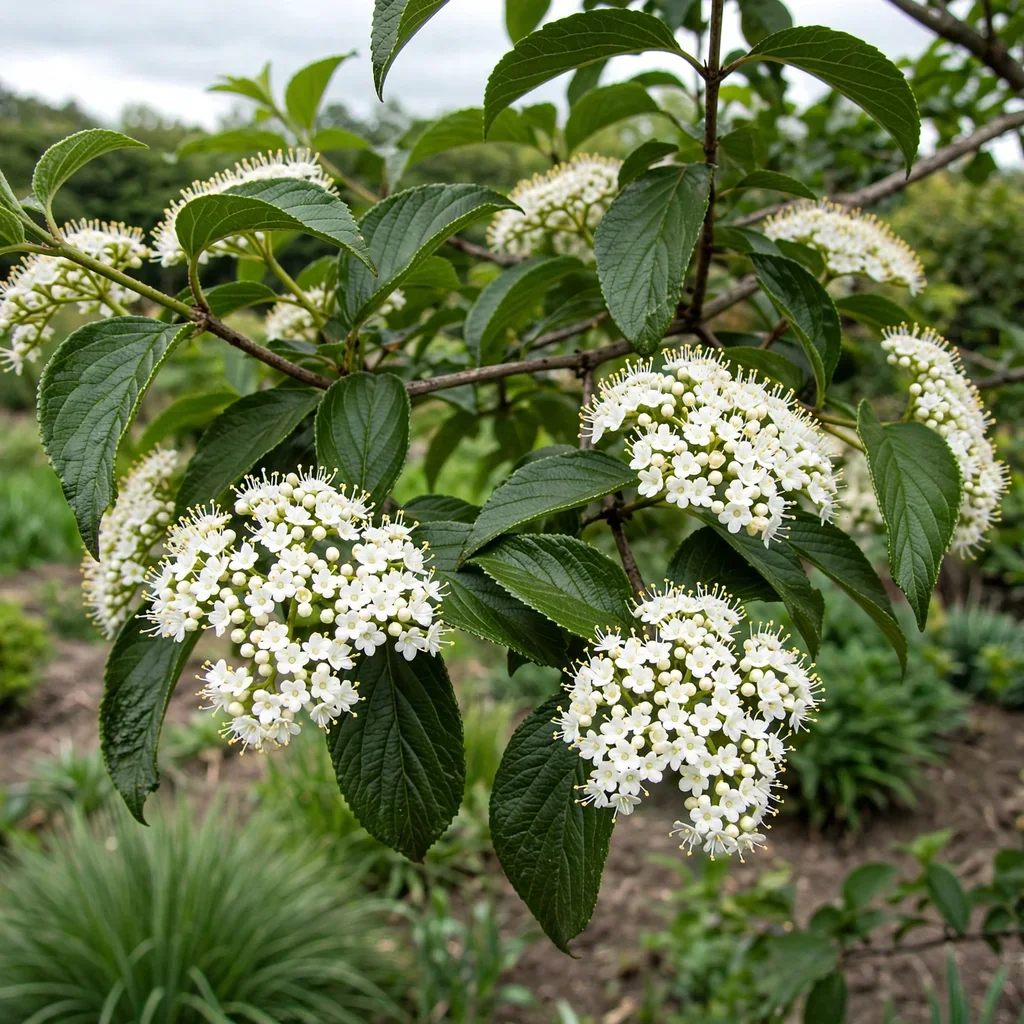
Nannyberry
Viburnum lentago
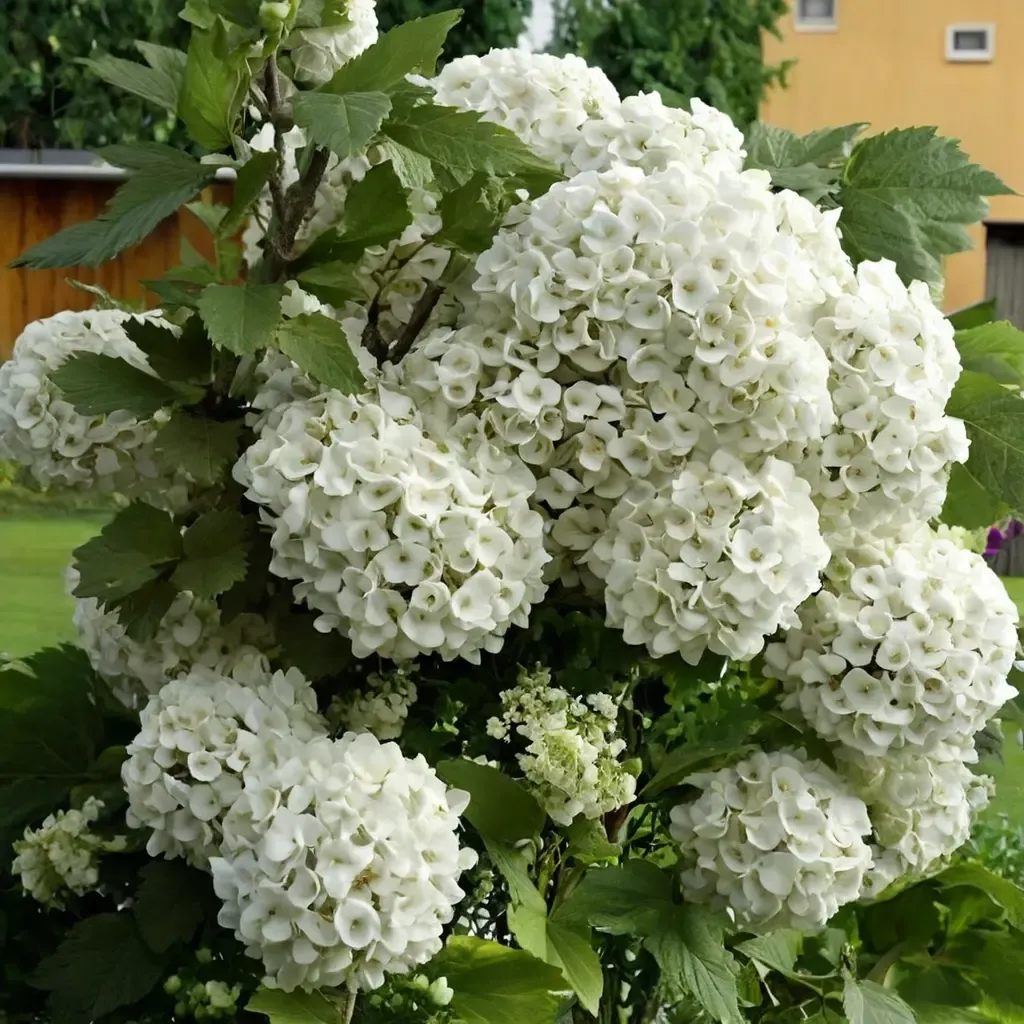
Snowball Viburnum
Viburnum opulus 'Sterile'
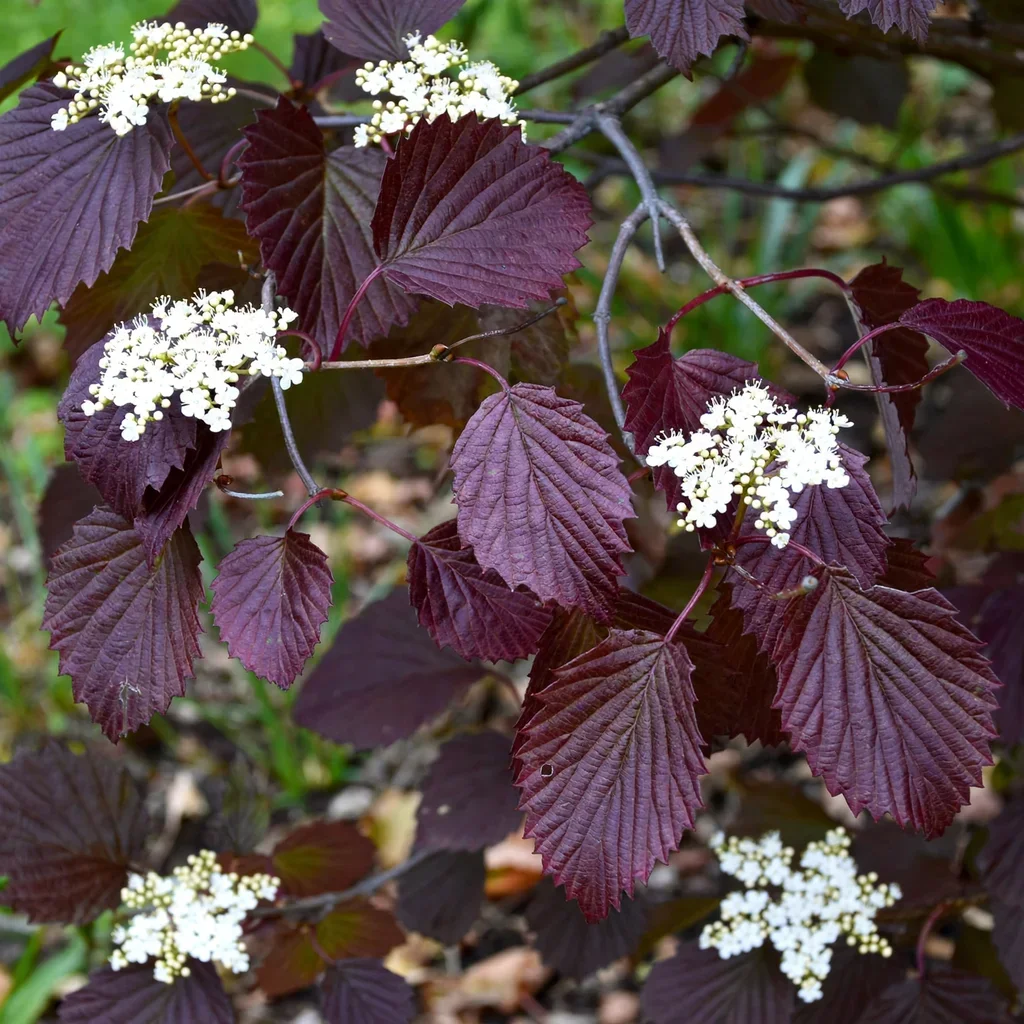
Autumn Jazz Arrowwood
Viburnum dentatum 'Autumn Jazz'
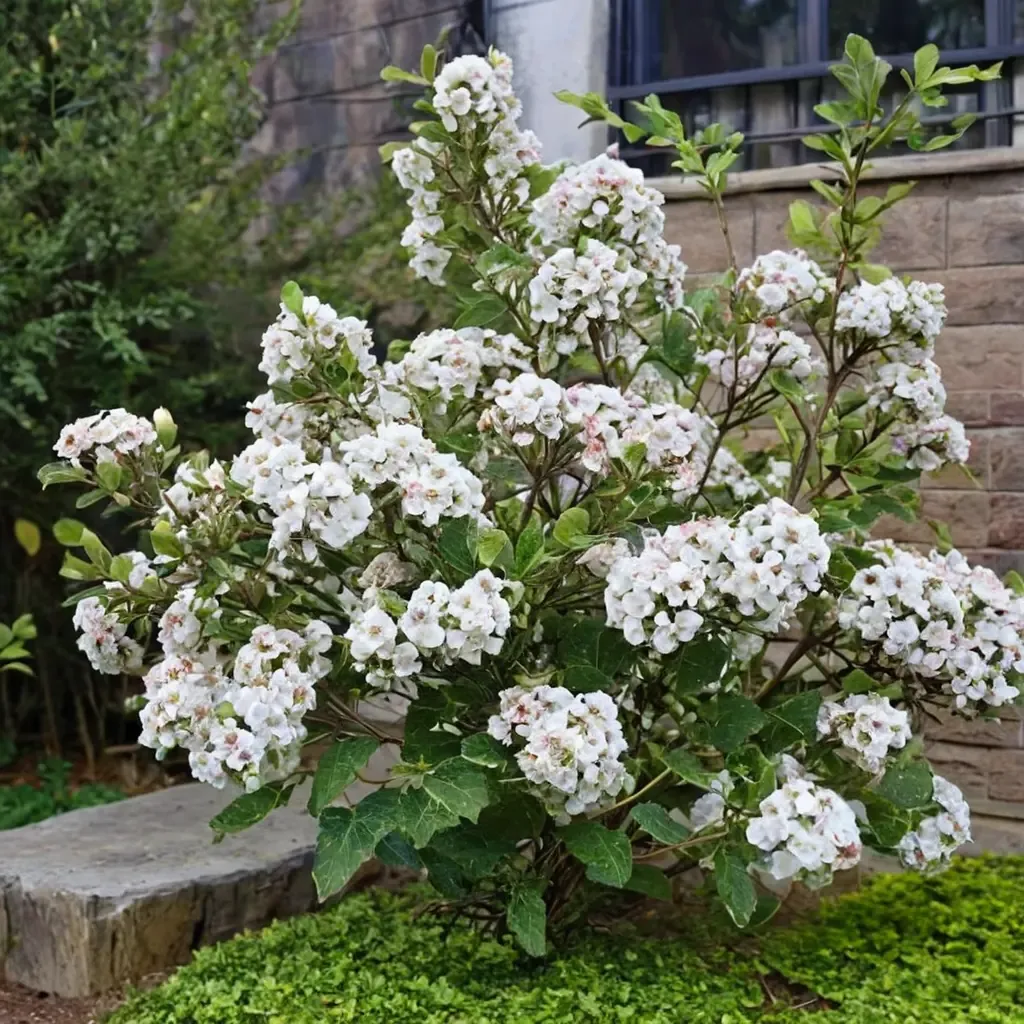
Korean spice viburnum
Viburnum carlesii
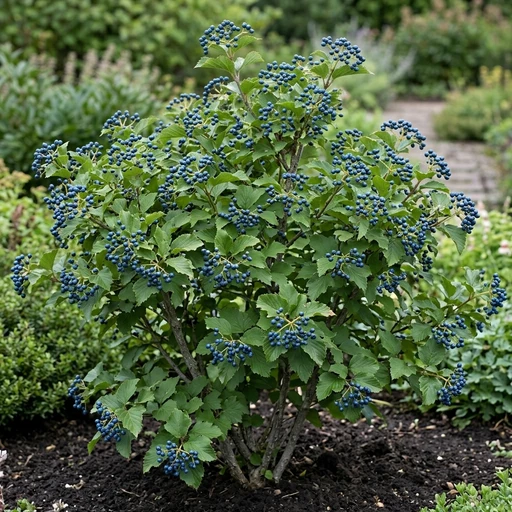
Blue Muffin Viburnum
Viburnum dentatum 'Christom'
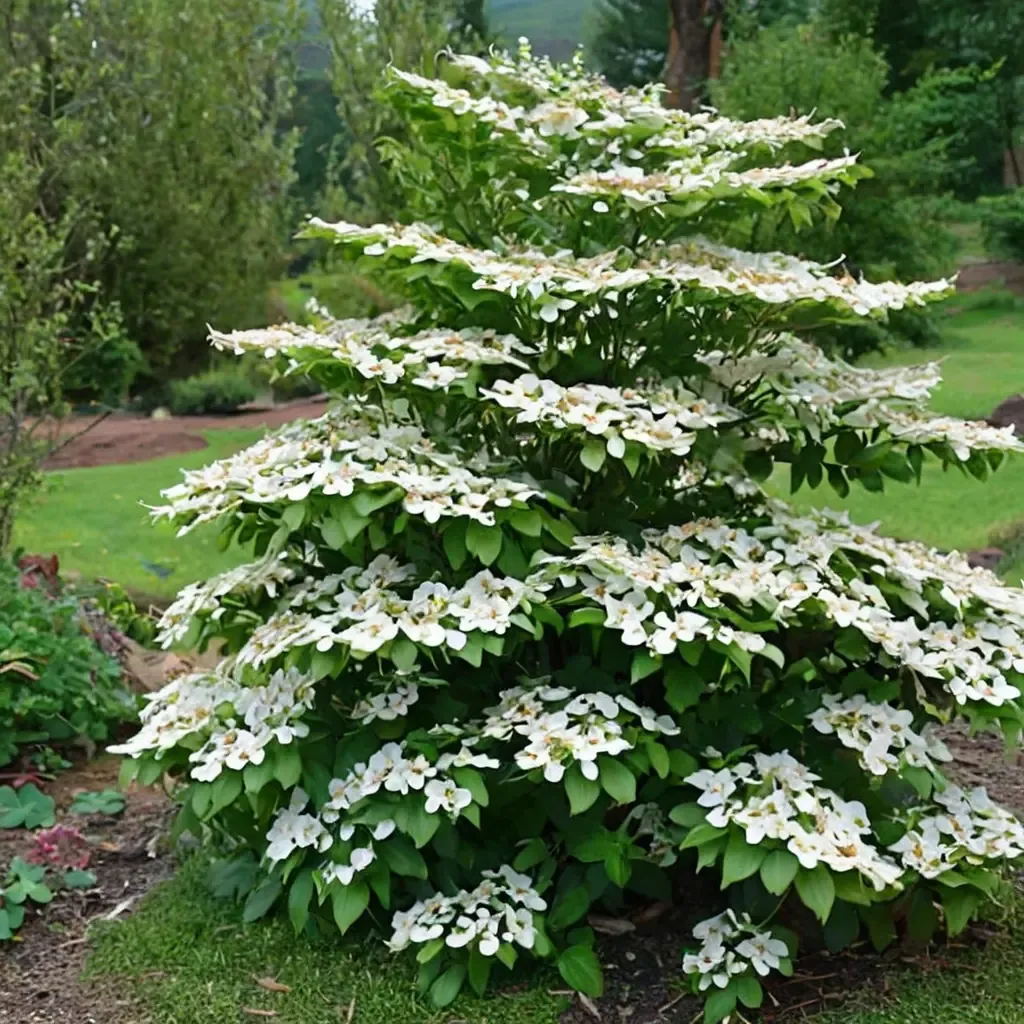
Mariesii Japanese Snowball
Viburnum plicatum 'Mariesii'
Keep exploring
Explore the genus
Hardy in your zone?
Grow Oval-leaved Viburnum with confidence
See it in a design of your actual yard, get zone-matched care reminders, and track it season by season in your garden journal.