The Story
Plant Bio
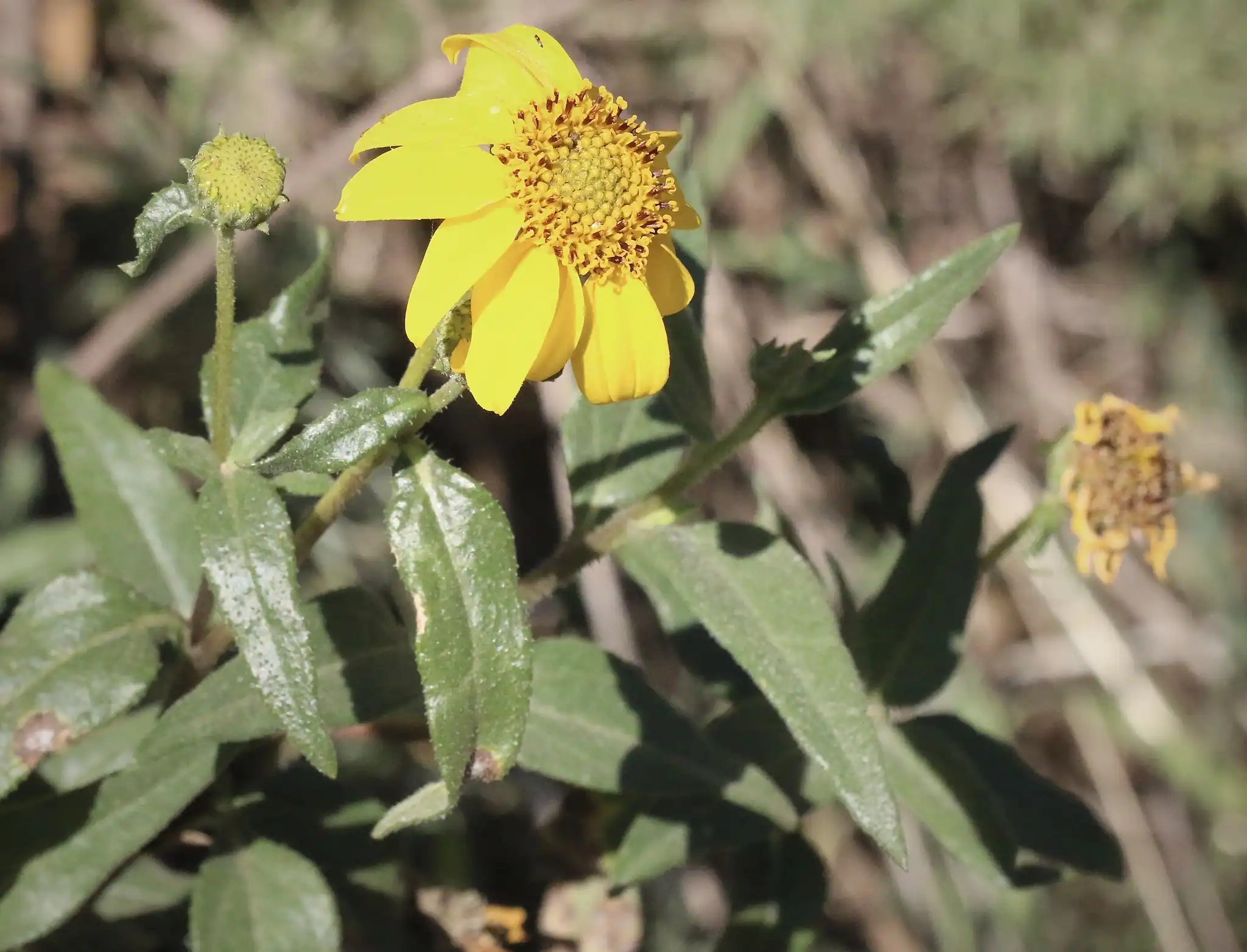
Helianthus gracilentus is an upright, shrubby perennial native to dry hillsides and chaparral ecosystems across central and southern California and Baja California. It produces yellow, daisy-like flower heads up to two inches wide held on long stalks above rough, dark green foliage.
Unlike typical annual sunflowers, this species forms an enduring, multi-stemmed mound anchored by a stout taproot and features chocolate-scented flower heads. The leaf surfaces are covered in bristly, rough hairs and gland dots adapted to low humidity and dry summer conditions.
Uses & Benefits:
Essentials
At a Glance
Plant Type
Perennial
Height
71"
Width
71"
Light
Full Sun
Zones
7, 8, 9, 10
Water
Low
Humidity
Low
Lifespan
Perennial
Native To
North America
Toxicity
Non-toxic
Bloom period
Spring – Fall
In flower about 9 months of the year
Planting
How to Grow
- Select a full-sun site with lean, dry, or sandy soil that drains rapidly.
- Water lightly at planting time to settle the roots into the surrounding soil.
- Irrigate sparingly during the first summer only to assist initial root establishment.
- Cut dead stems down to ground level in late winter before new spring growth emerges.
Pro Tip
Plant in sharp-draining mineral or sandy soil and avoid summer watering once established; artificial summer irrigation rapidly triggers fatal root rot.
Keep It Thriving
Care Guide
Do
- Provide full sun and lean, sharply draining mineral soil.
- Deadhead spent blooms during the growing season to encourage secondary flowering.
- Prune frozen foliage back to the rootstock after winter dieback.
Don't
- Do not irrigate during warm summer months once plants are established.
- Do not plant in heavy, water-retentive clay soils.
- Do not amend the planting site with rich compost or heavy organic fertilizers.
Seasonal Care Calendar
| Task | Jan | Feb | Mar | Apr | May | Jun | Jul | Aug | Sep | Oct | Nov | Dec |
|---|---|---|---|---|---|---|---|---|---|---|---|---|
| Deadhead | ||||||||||||
| Pest Check | ||||||||||||
| Propagate | ||||||||||||
| Prune |
Watch Out For
Pests & Diseases
Common Pests
Common Diseases
In the Garden
Landscape Uses & Companions
Landscape Uses
Multiply
Propagation Methods
Good to Know
Common Questions
Slender Sunflower questions
What zones can Slender Sunflower grow in?
Slender Sunflower is hardy in USDA Zones 7–10: in that range it survives winter in the ground. Colder than Zone 7, grow it in a container you can move to shelter for the winter, or as an annual.
Is Slender Sunflower deer resistant?
Yes — Slender Sunflower is rated deer-resistant. Deer typically pass it over, though extreme hunger can override any plant's defenses.
When does Slender Sunflower bloom?
Slender Sunflower typically blooms from spring to fall. Exact timing shifts a week or two with your zone — Sow's bloom calendar maps it to your garden.
Does Slender Sunflower need full sun?
Slender Sunflower does best in full sun (6+ hours).
Is Slender Sunflower drought tolerant?
Yes — once established (usually after the first full season), Slender Sunflower handles dry spells with minimal watering. Water deeply its first year to build the root system that makes that possible.
More Helianthus to compare
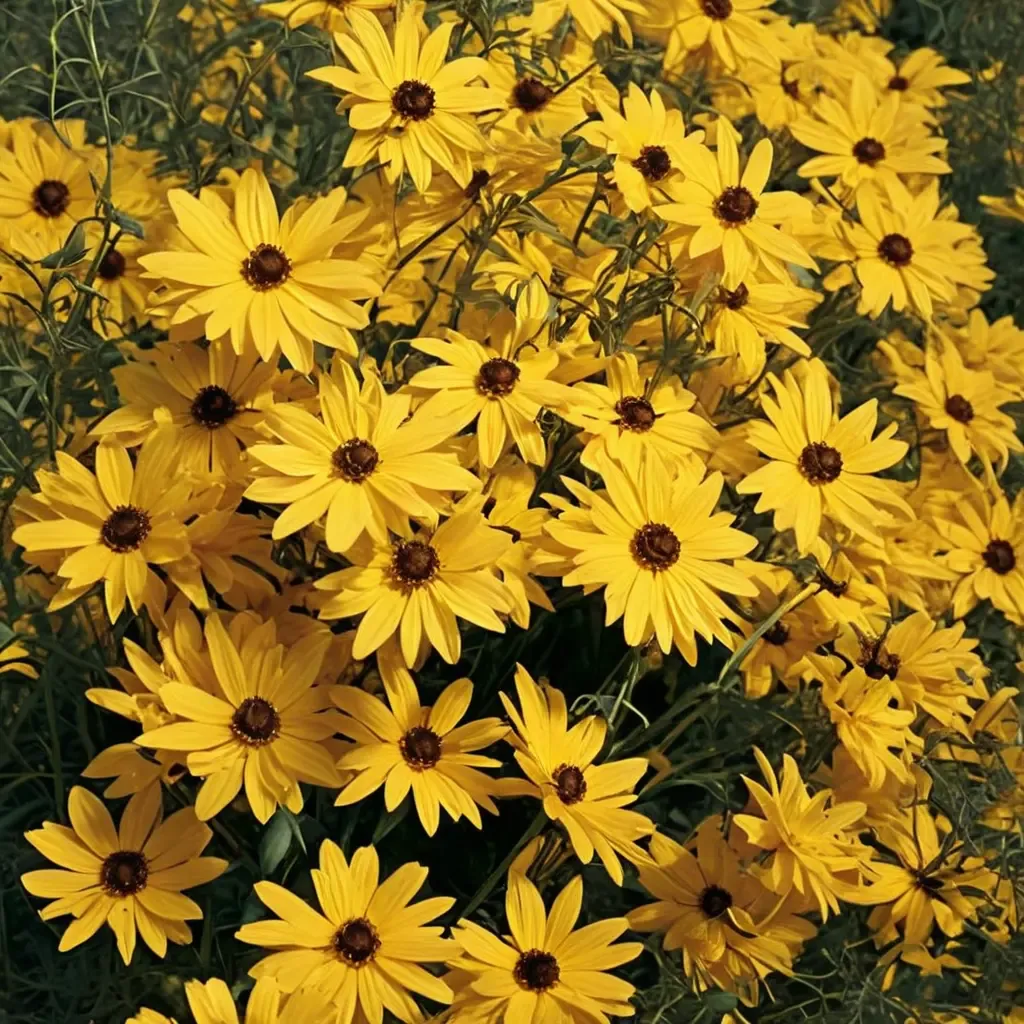
First Light Swamp Sunflower
Helianthus angustifolius 'First Light'
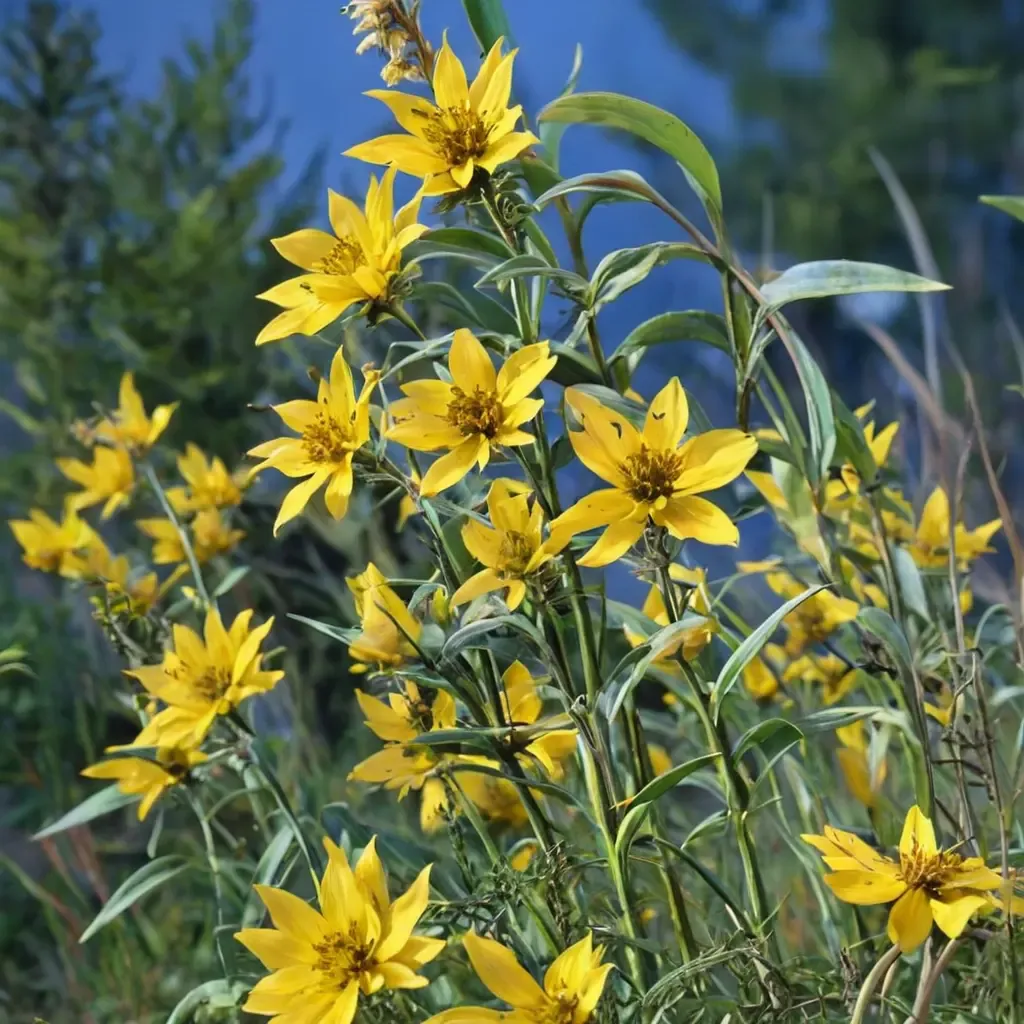
Maximilian sunflower
Helianthus maximiliani
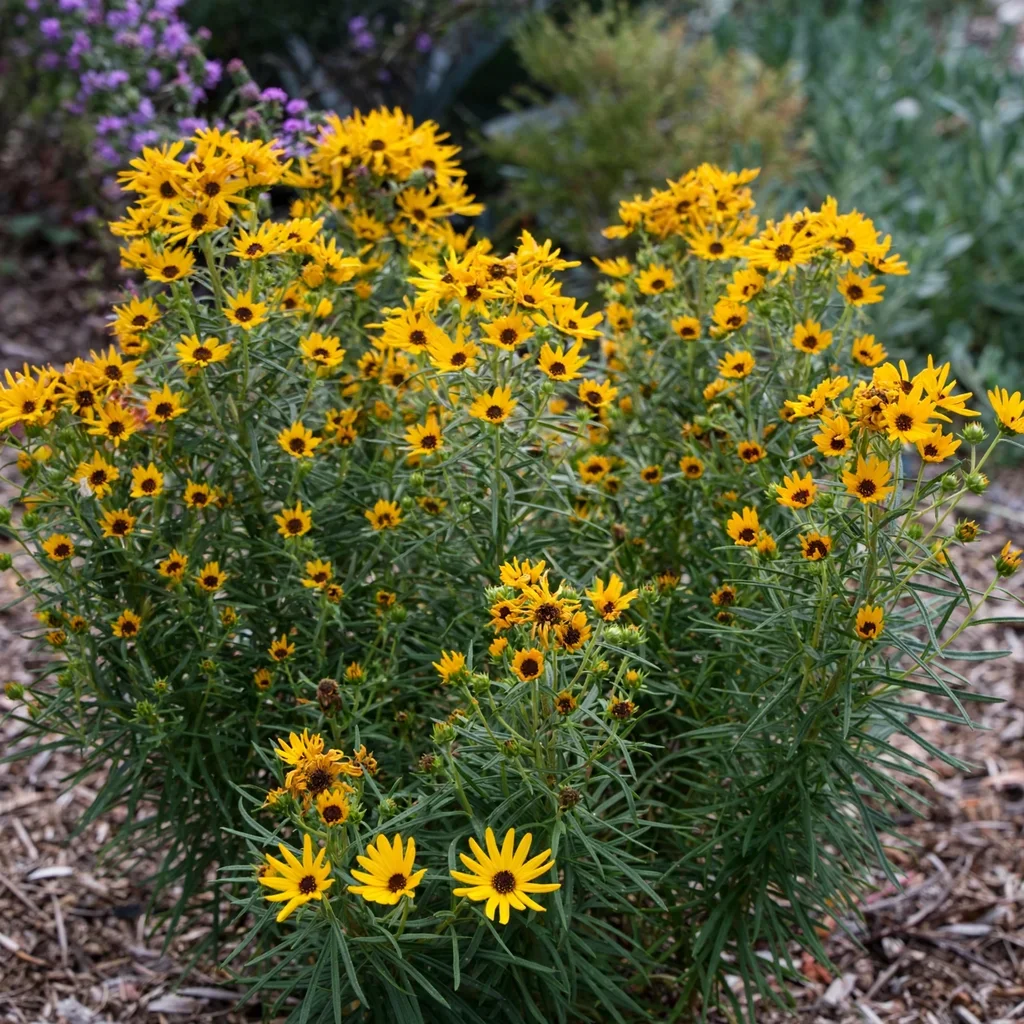
Narrow-Leaf Sunflower Low Down
Helianthus angustifolius 'Low Down'
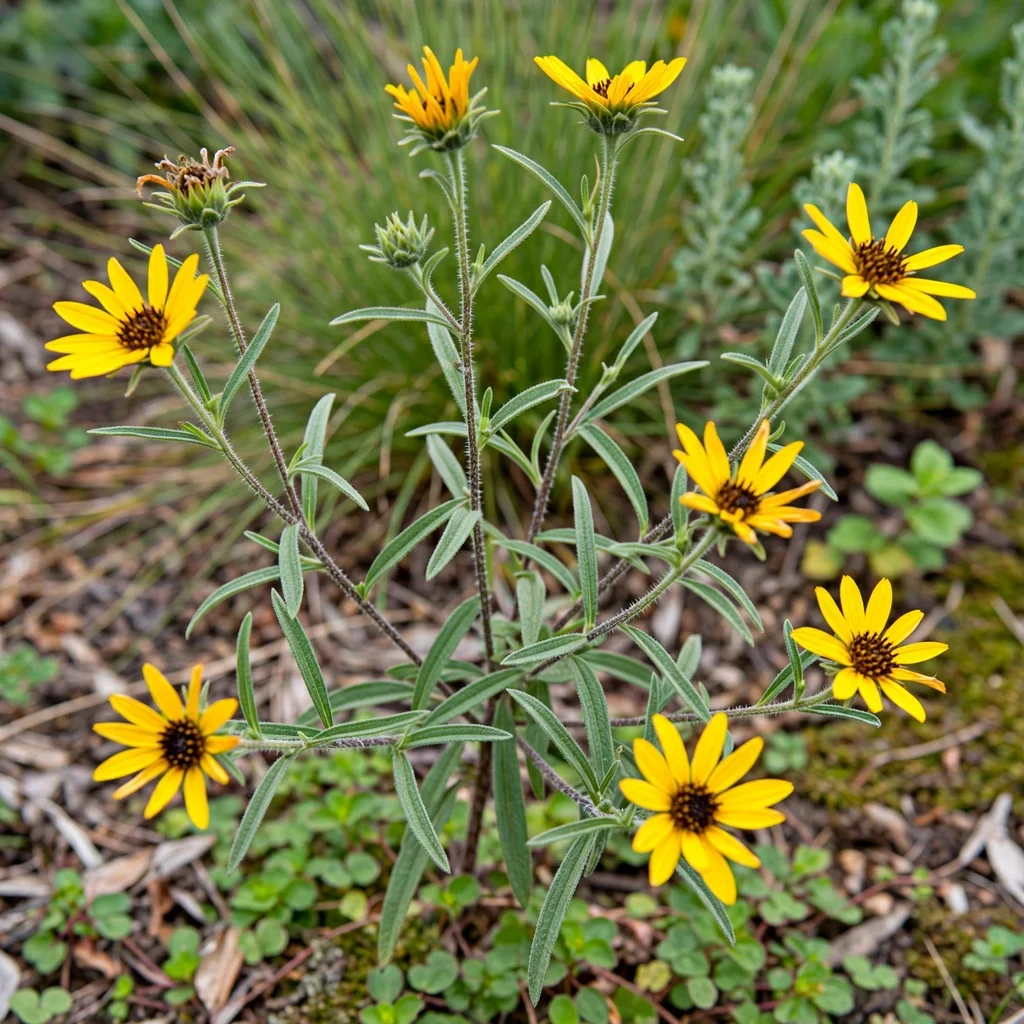
Bolander's Sunflower
Helianthus bolanderi
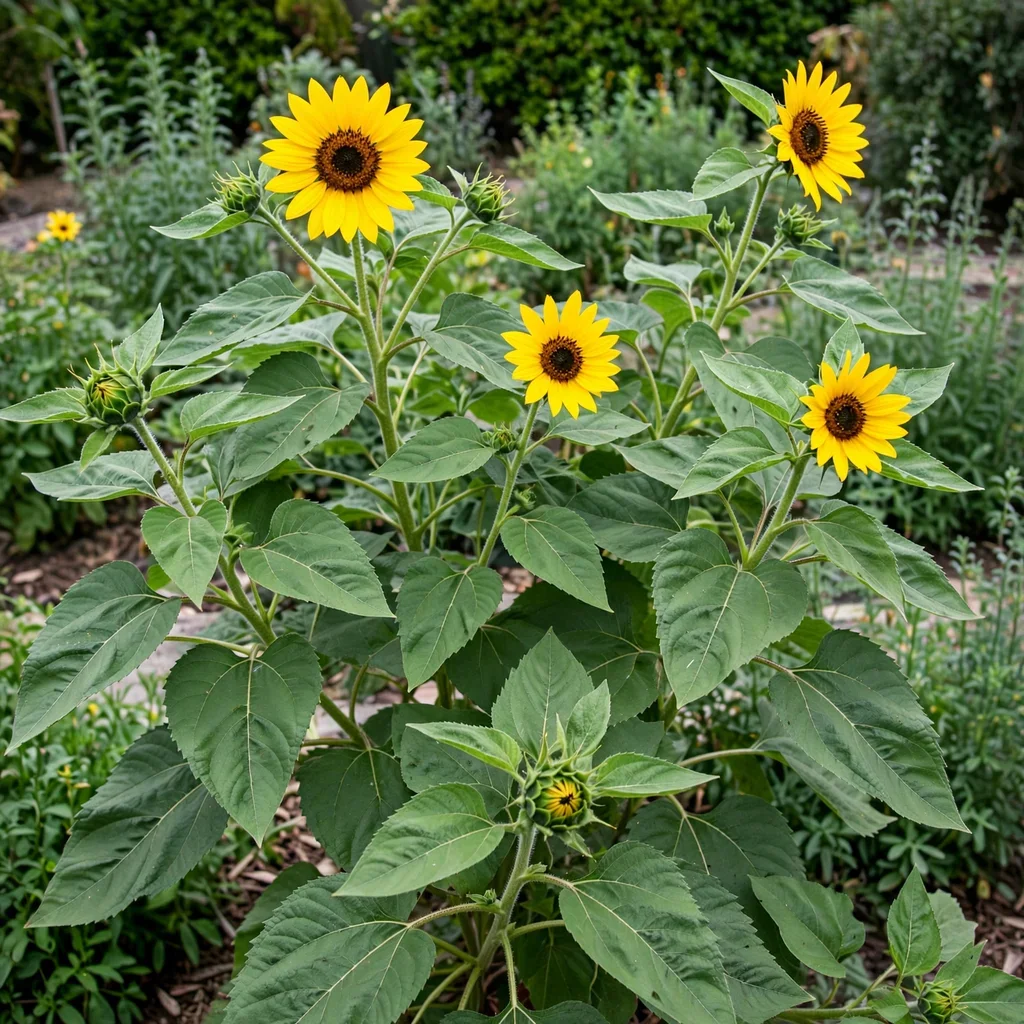
Table Mountain Sunflower
Helianthus annuus 'Table Mountain'
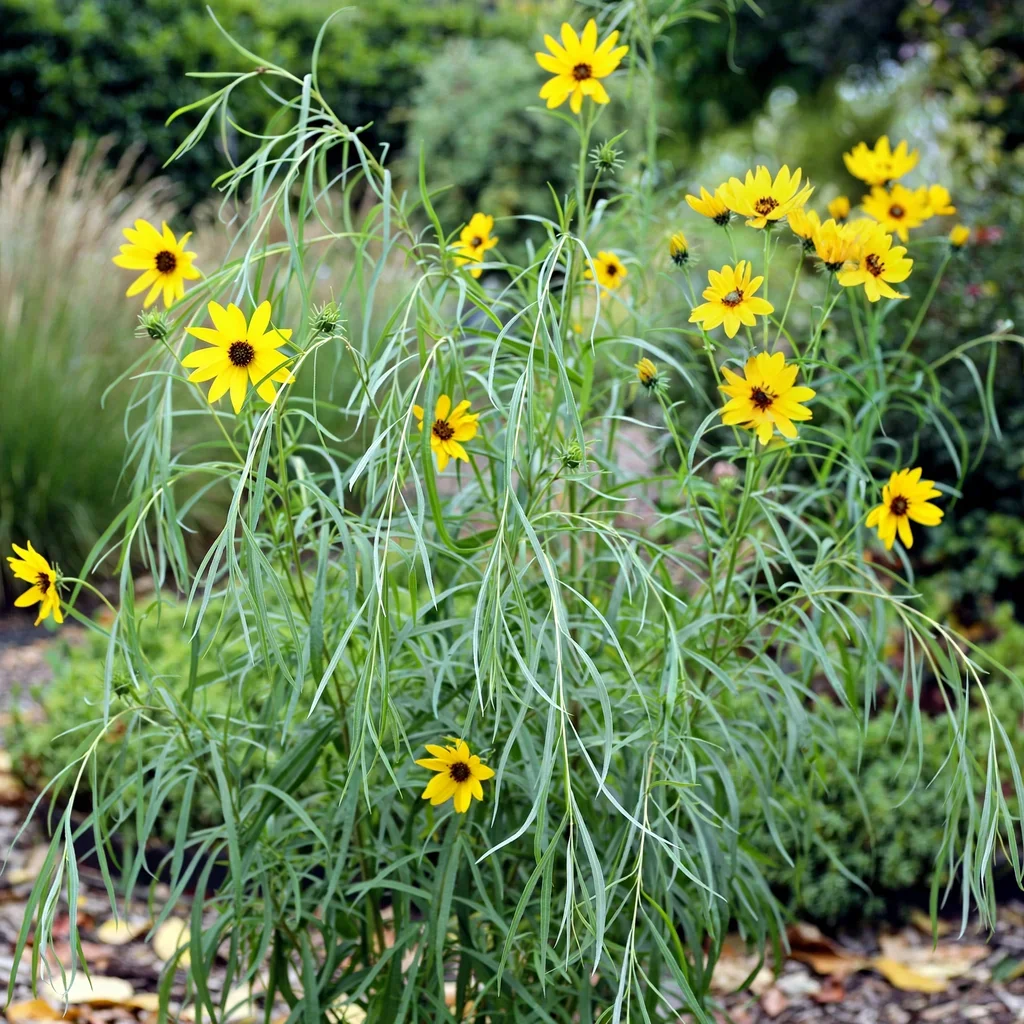
Salicifolius Sunflower Willowleaf Sunflower
Helianthus salicifolius
Keep exploring
Explore the genus
Hardy in your zone?
Grow Slender Sunflower with confidence
See it in a design of your actual yard, get zone-matched care reminders, and track it season by season in your garden journal.