The Story
Plant Bio
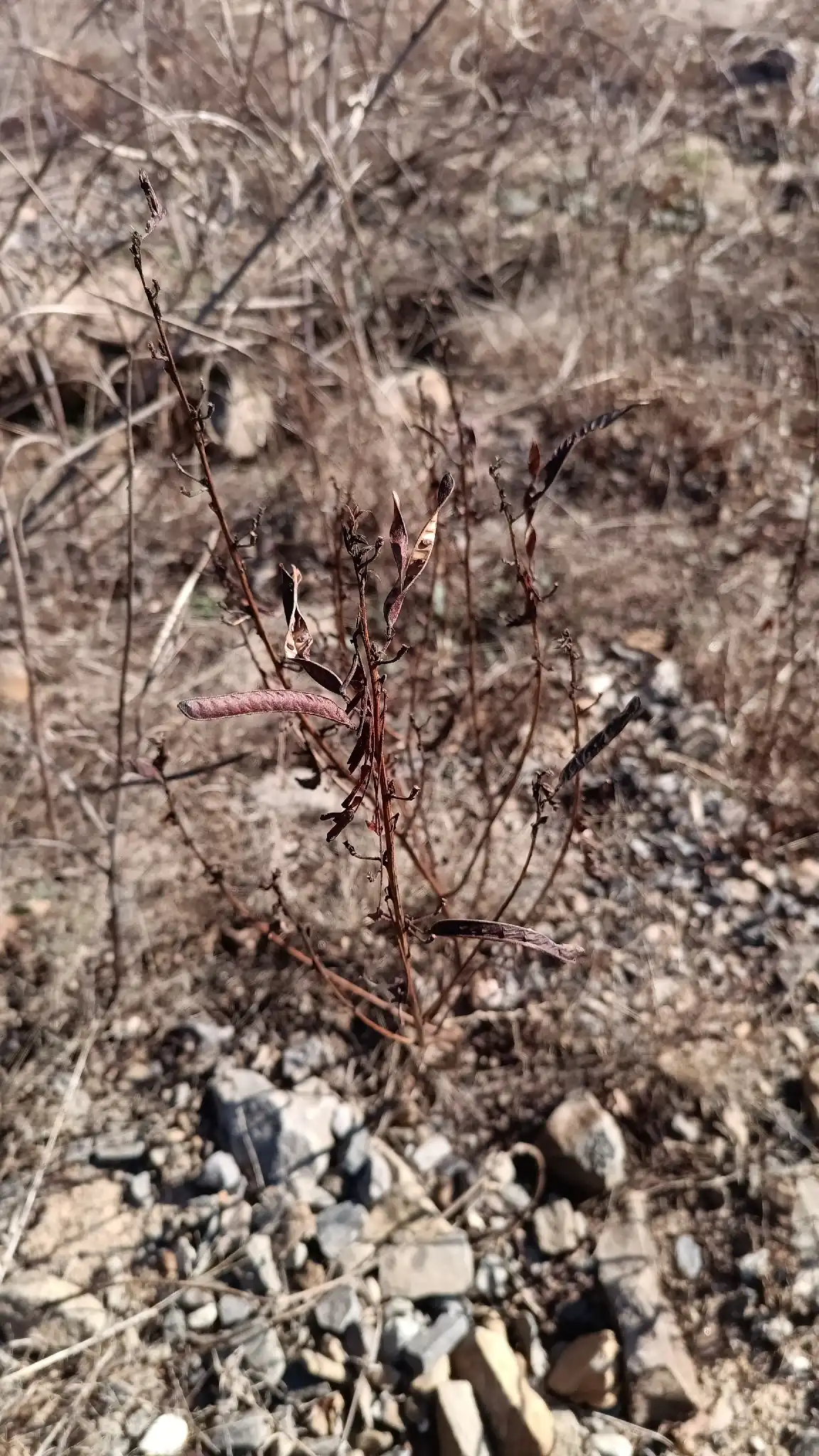
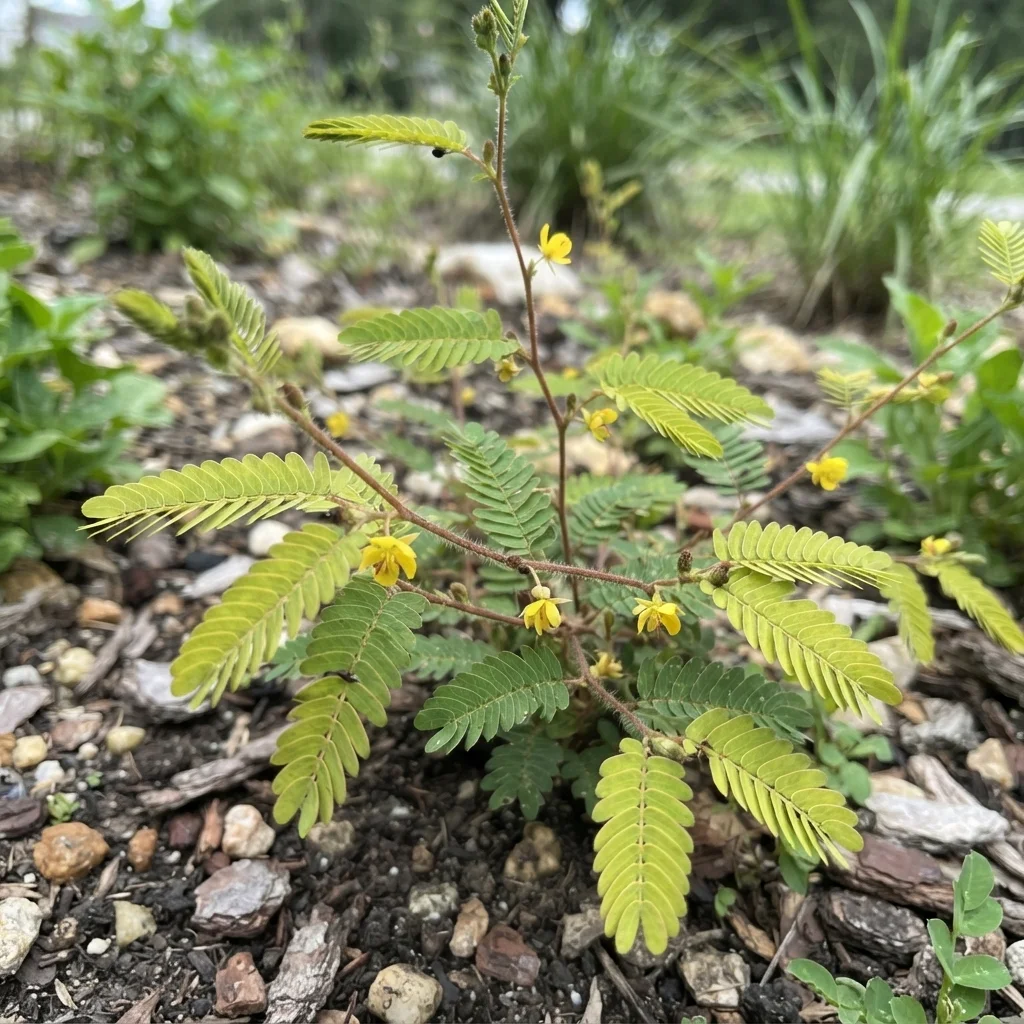
Chamaecrista fasciculata, the partridge pea, is a slender-stemmed annual reaching one to three feet tall and wide, erect when short and sprawling when tall. Its feathery pinnate leaves bear many small yellow-green leaflets that fold shut when touched and at night, and its leaf-axil flowers are followed by narrow flat legume pods.
This species carries large yellow flowers marked with red around purple-brown anthers that hold no nectar and release pollen only to buzzing bees. Extrafloral nectaries on the leaf stalks feed ants instead, while rhizobial nodules on the roots fix nitrogen and enrich the sandy soils it colonizes.
Uses & Benefits:
Essentials
At a Glance
Plant Type
Annual
Height
36"
Width
36"
Light
Full Sun, Partial Sun
Zones
4, 5, 6, 7, 8, 9, 10
Water
Dry to medium
Humidity
Unknown
Lifespan
Annual
Native To
Eastern and central USA to Mexico
Toxicity
Toxic to livestock in quantity; seeds irritate digestive tract
Bloom period
Summer – Fall
In flower about 6 months of the year
Planting
How to Grow
- Sow seed one-quarter inch deep in sandy, well-drained soil in full sun after last frost, late March to May.
- Water to establish, then back off; established plants take dry soil and need no supplemental fertilizer.
- Space or thin seedlings 12 to 18 inches apart to allow air flow and sprawling stems.
- Leave developing pods intact through fall so seed drops for next year and feeds quail and songbirds.
- Pull or cut spent stalks after pods shatter; expect volunteers next spring where soil was left bare.
Pro Tip
Leave fall pods to shatter where you want next year's plants; the parent dies with frost and nothing overwinters except seed.
Keep It Thriving
Care Guide
Do
- Grow in full sun with sharp drainage and sandy or loamy soil pH 6.0 to 8.0.
- Allow self-sowing where spread is acceptable to maintain the planting year to year.
- Leave some pods standing for bobwhite quail, songbirds, and overwinter cover.
Don't
- Do not expect plants to overwinter; they die with frost and return only from seed.
- Do not shear off all flowers for tidiness, which removes both seed and bird food.
- Do not plant where cattle or horses graze, as foliage and seed are poisonous in quantity.
Seasonal Care Calendar
| Task | Jan | Feb | Mar | Apr | May | Jun | Jul | Aug | Sep | Oct | Nov | Dec |
|---|---|---|---|---|---|---|---|---|---|---|---|---|
| Deadhead | ||||||||||||
| Pest Check | ||||||||||||
| Plant | ||||||||||||
| Propagate | ||||||||||||
| Prune |
Watch Out For
Pests & Diseases
Common Pests
Common Diseases
In the Garden
Landscape Uses & Companions
Landscape Uses
Multiply
Propagation Methods
Good to Know
Common Questions
Partridge Pea questions
What zones can Partridge Pea grow in?
Partridge Pea is an annual: it grows, flowers and sets seed in one season, so winter cold doesn't limit where it grows. Gardeners in any zone can grow it by planting at the right time, usually after the last spring frost.
Is Partridge Pea deer resistant?
Not reliably. Deer may browse Partridge Pea, especially tender spring growth — plan on repellents or fencing where pressure is high.
When does Partridge Pea bloom?
Partridge Pea typically blooms from summer to fall. Exact timing shifts a week or two with your zone — Sow's bloom calendar maps it to your garden.
Does Partridge Pea need full sun?
Partridge Pea does best in full sun to part shade. In hot climates, afternoon shade keeps blooms fresher longer.
Is Partridge Pea drought tolerant?
Yes — once established (usually after the first full season), Partridge Pea handles dry spells with minimal watering. Water deeply its first year to build the root system that makes that possible.
More Chamaecrista to compare
Keep exploring
Explore the genus
Grow Partridge Pea with confidence
See it in a design of your actual yard, get zone-matched care reminders, and track it season by season in your garden journal.