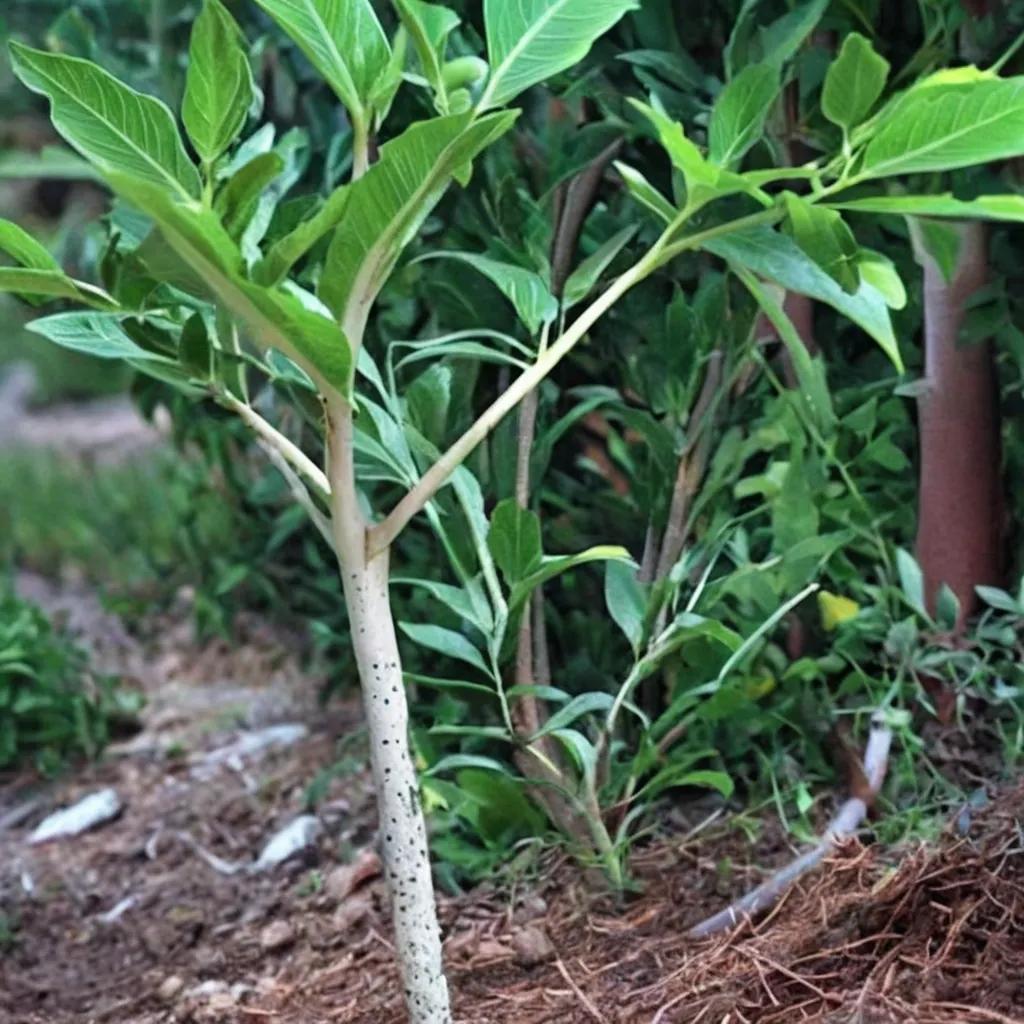
The Story
Plant Bio
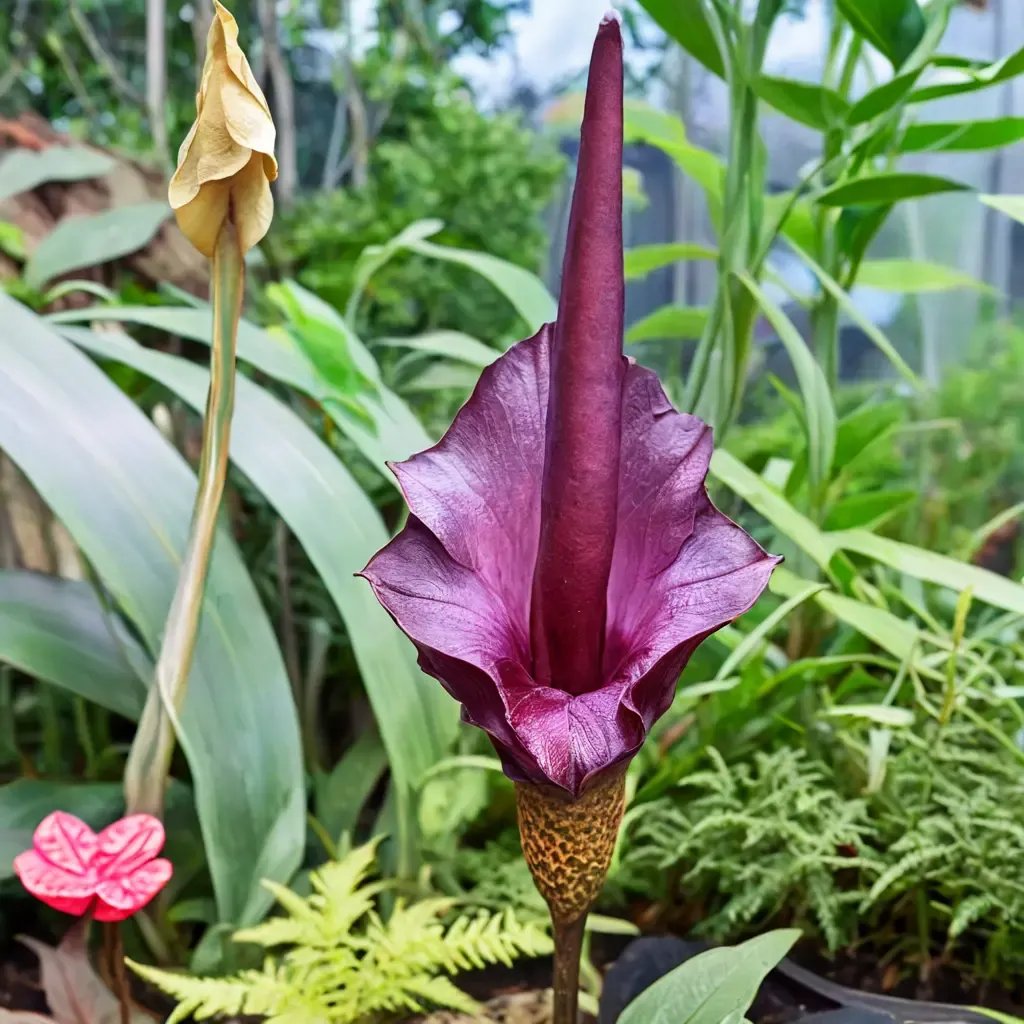
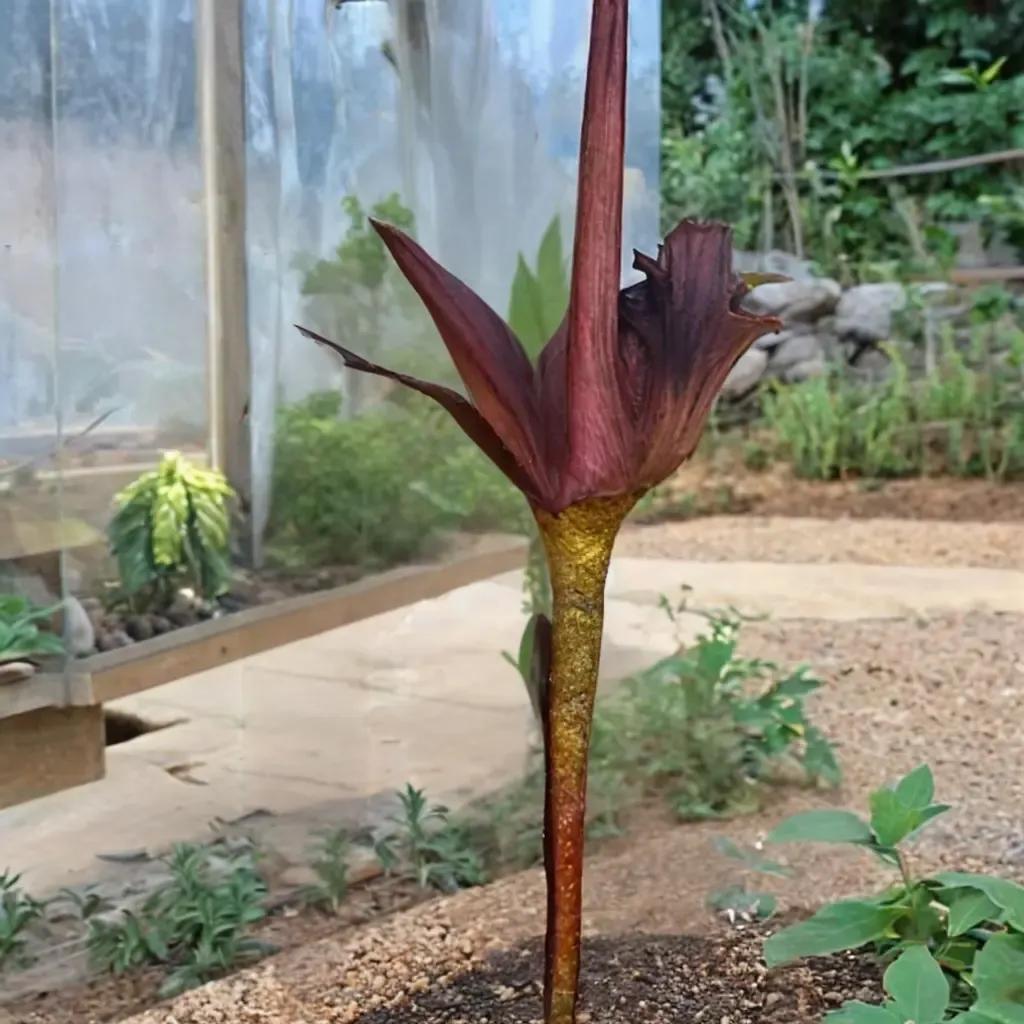
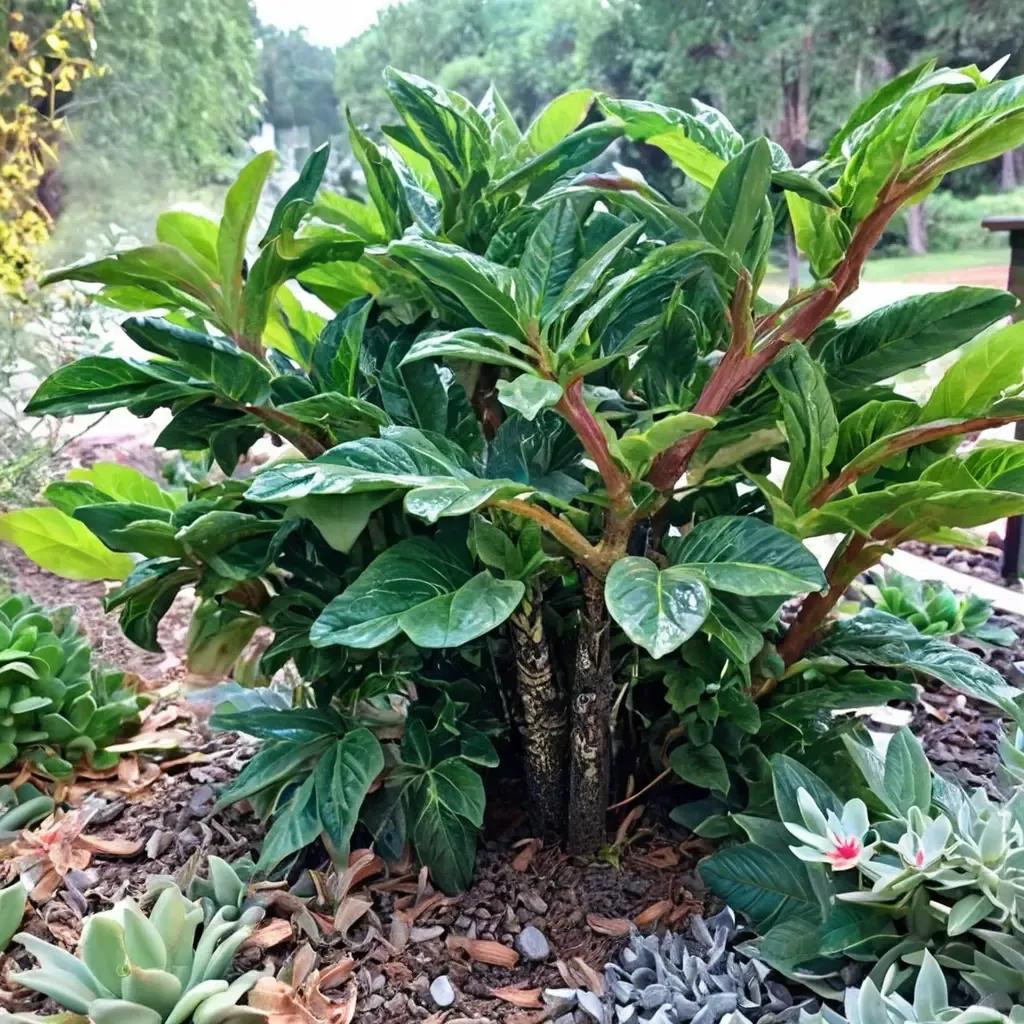
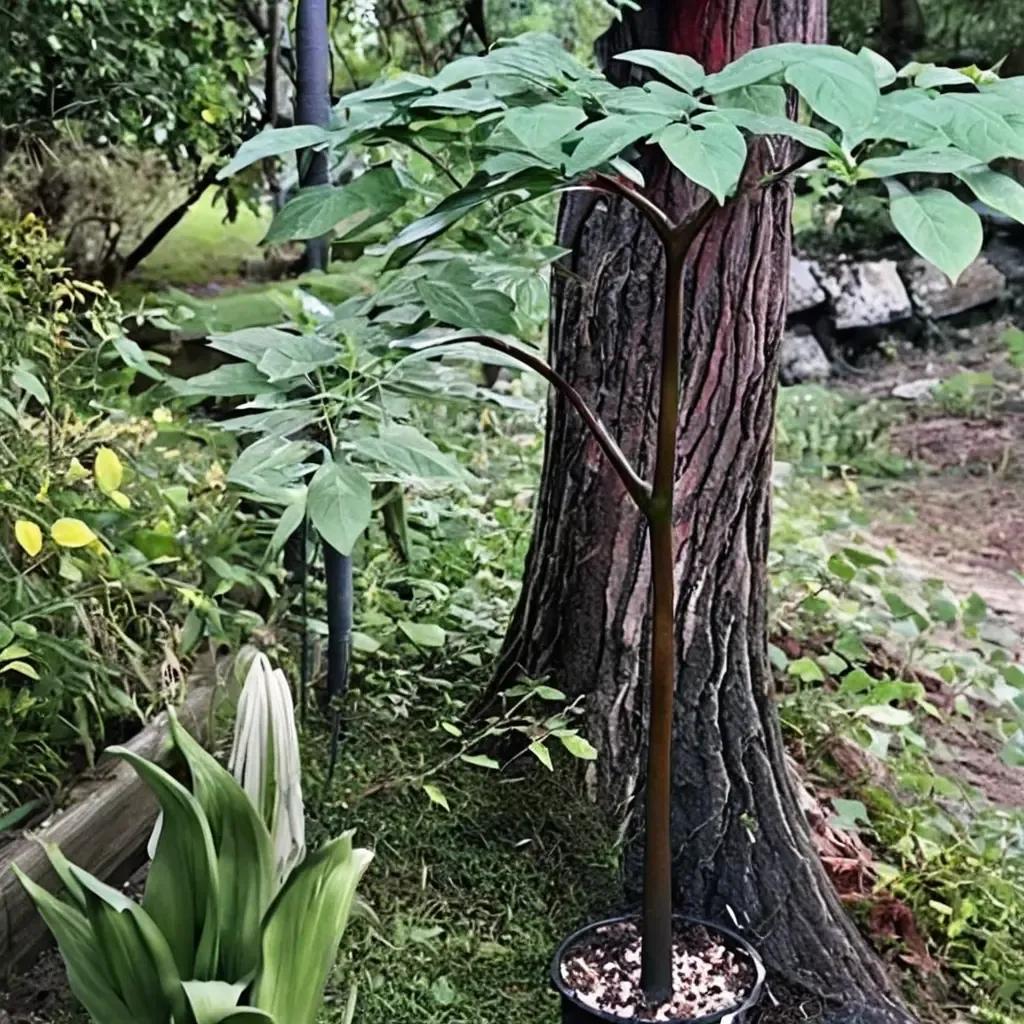
Amorphophallus konjac is a tuberous perennial that produces a single, large, deeply divided leaf atop a mottled stalk. Before the leaf emerges, it sends up a bizarre, foul-smelling inflorescence consisting of a purplish-maroon spathe and spadix.
Known for its large, unusual, and malodorous inflorescence that resembles rotting meat to attract pollinators. The plant's corm is used to make konjac jelly and flour in Asian cuisine after proper processing.
Uses & Benefits:
Essentials
At a Glance
Plant Type
Bulb Corm Tuber
Height
48"
Width
48"
Light
Partial Sun, Shade
Zones
6, 7, 8, 9, 10
Water
Moderate
Humidity
High
Lifespan
Perennial
Native To
Asia
Toxicity
All parts are toxic if ingested without proper preparation
Bloom period
Late winter to early spring – Late spring
In flower about 4 months of the year
Planting
How to Grow
- Tuck corms 4 inches deep in well-draining soil in spring.
- Water regularly to keep soil moist but not soggy.
- Mist leaves during dry periods for humidity.
- Fertilize monthly with a balanced fertilizer during active growth.
- Support tall flower stalks with stakes as needed.
- Allow foliage to die back naturally in fall before dividing or storing.
Pro Tip
Plant in partial shade for vibrant pink flowers and avoid overwatering to prevent rot.
Keep It Thriving
Care Guide
Do
- Provide well-draining soil to prevent root rot 🌱
- Water consistently during growing season 🌱
- Use balanced fertilizer monthly to promote healthy growth 🌱
- Support tall flower stalks with stakes 🌱
Don't
- Avoid overwatering, which can cause rot ❌
- Don’t expose to full, harsh sunlight that can scorch leaves ❌
- Refrain from disturbing dormant corms during winter ❌
- Never neglect pest inspection during active growth ❌
Seasonal Care Calendar
| Task | Jan | Feb | Mar | Apr | May | Jun | Jul | Aug | Sep | Oct | Nov | Dec |
|---|---|---|---|---|---|---|---|---|---|---|---|---|
| Fertilize | ||||||||||||
| Lift Store | ||||||||||||
| Plant |
Watch Out For
Pests & Diseases
Common Pests
Common Diseases
In the Garden
Landscape Uses & Companions
Landscape Uses
Companion Plants
Multiply
Propagation Methods
Good to Know
Common Questions
Voodoo Lily questions
What zones can Voodoo Lily grow in?
Voodoo Lily is hardy in USDA Zones 6–10. Inside that range it survives winter in the ground; outside it, grow it as an annual or a container plant you protect.
Is Voodoo Lily deer resistant?
Yes — Voodoo Lily is rated deer-resistant. Deer typically pass it over, though extreme hunger can override any plant's defenses.
When does Voodoo Lily bloom?
Voodoo Lily typically blooms in late winter to early spring through late spring. Exact timing shifts a week or two with your zone — Sow's bloom calendar maps it to your garden.
Does Voodoo Lily need full sun?
Voodoo Lily does best in part shade.
More Amorphophallus to compare
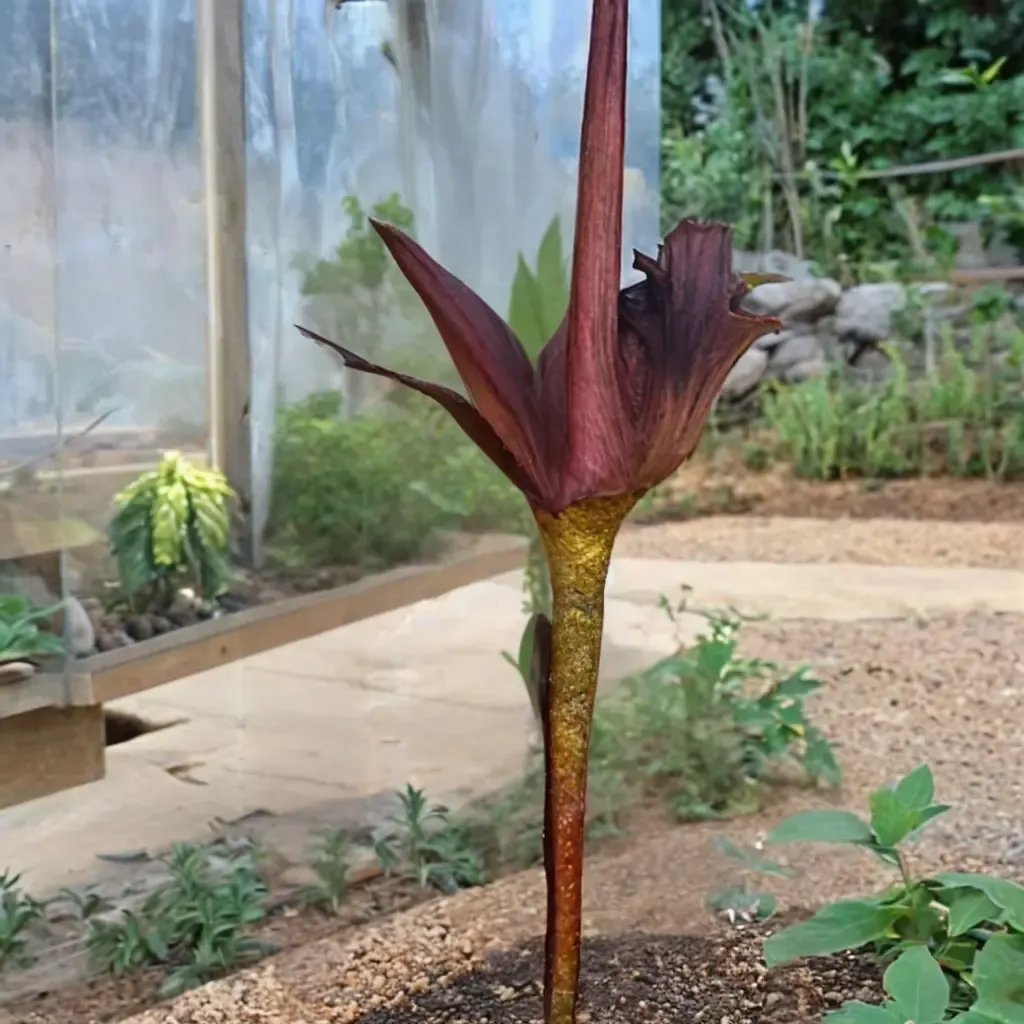
Konjac Voodoo Lily
Amorphophallus konjac
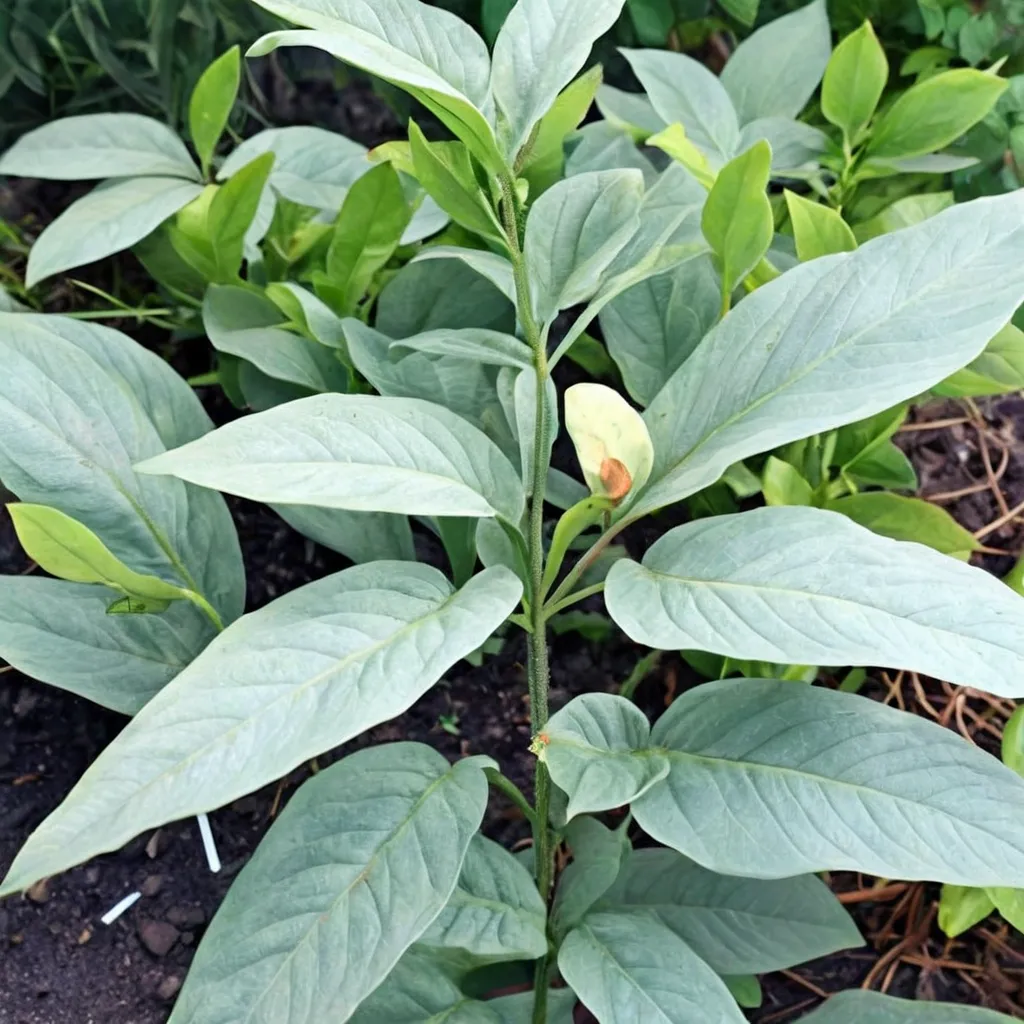
White Spathe Voodoo Lily
Amorphophallus albispathus 'PDN 08'
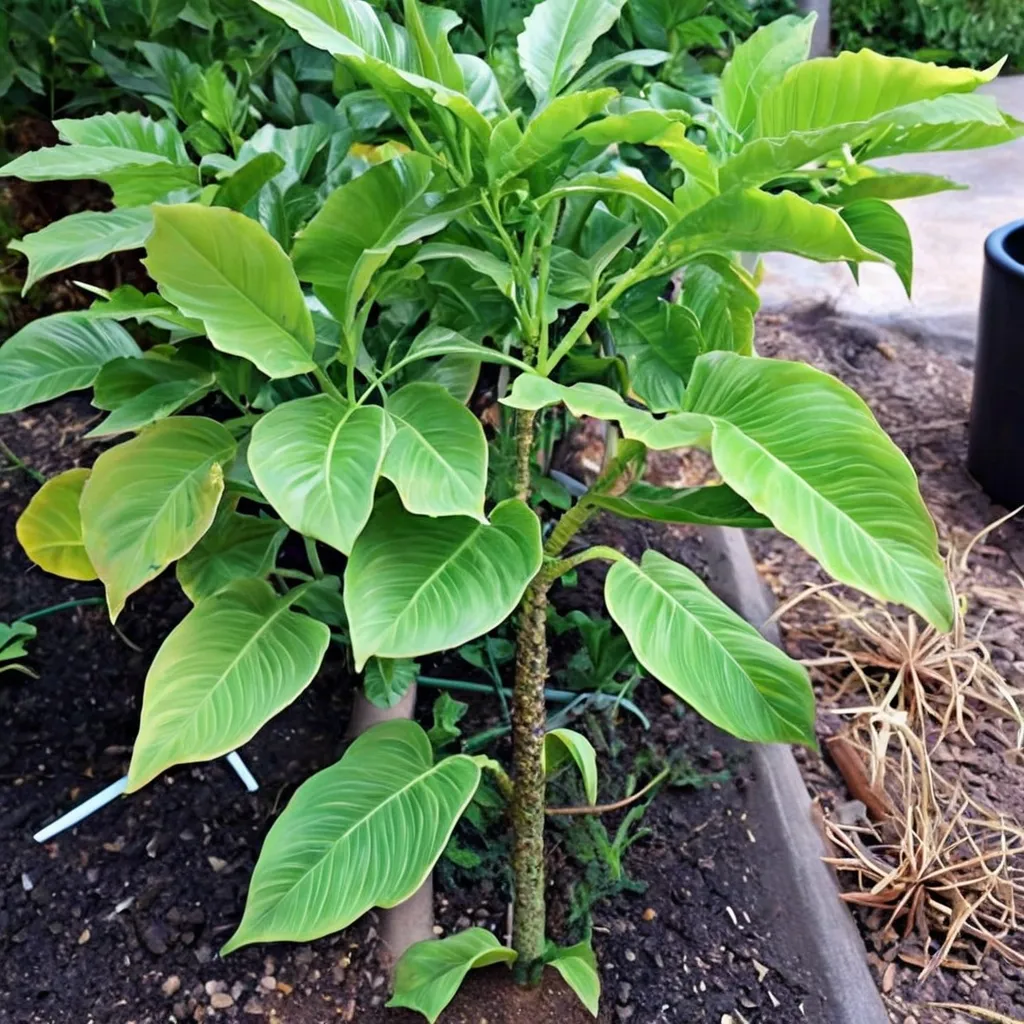
Korat Amorphophallus
Amorphophallus koratensis 'Green Stem Form'
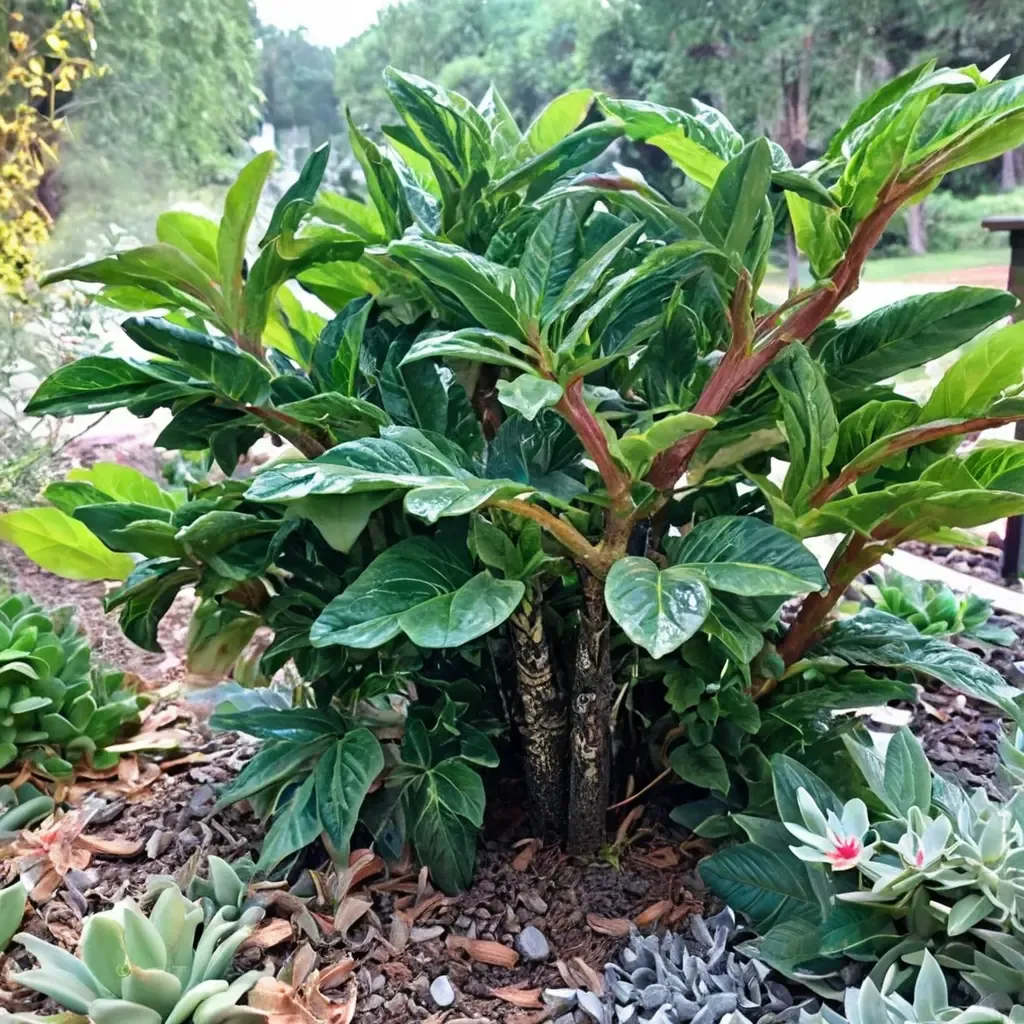
Pinto Voodoo Lily
Amorphophallus konjac 'Pinto'
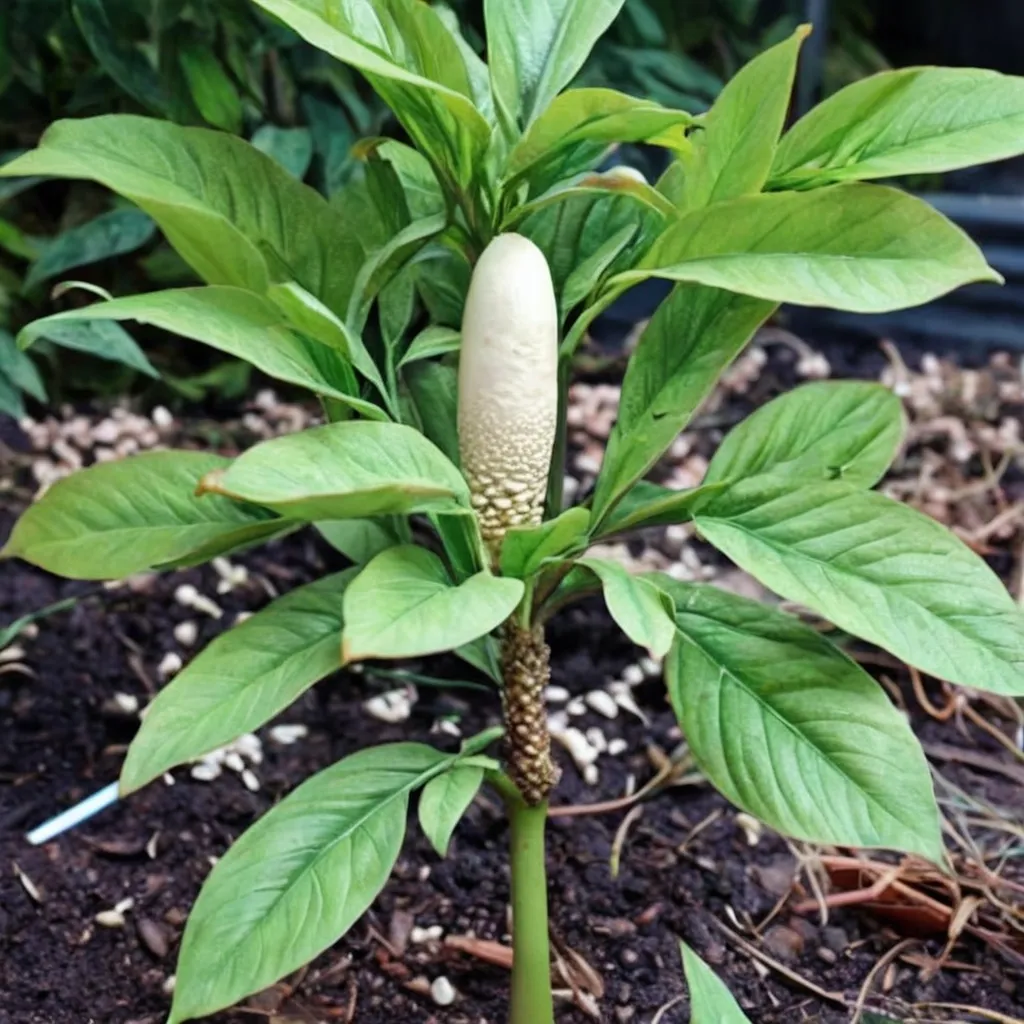
Yulo Amorphophallus
Amorphophallus yuloensis 'PDN 1'
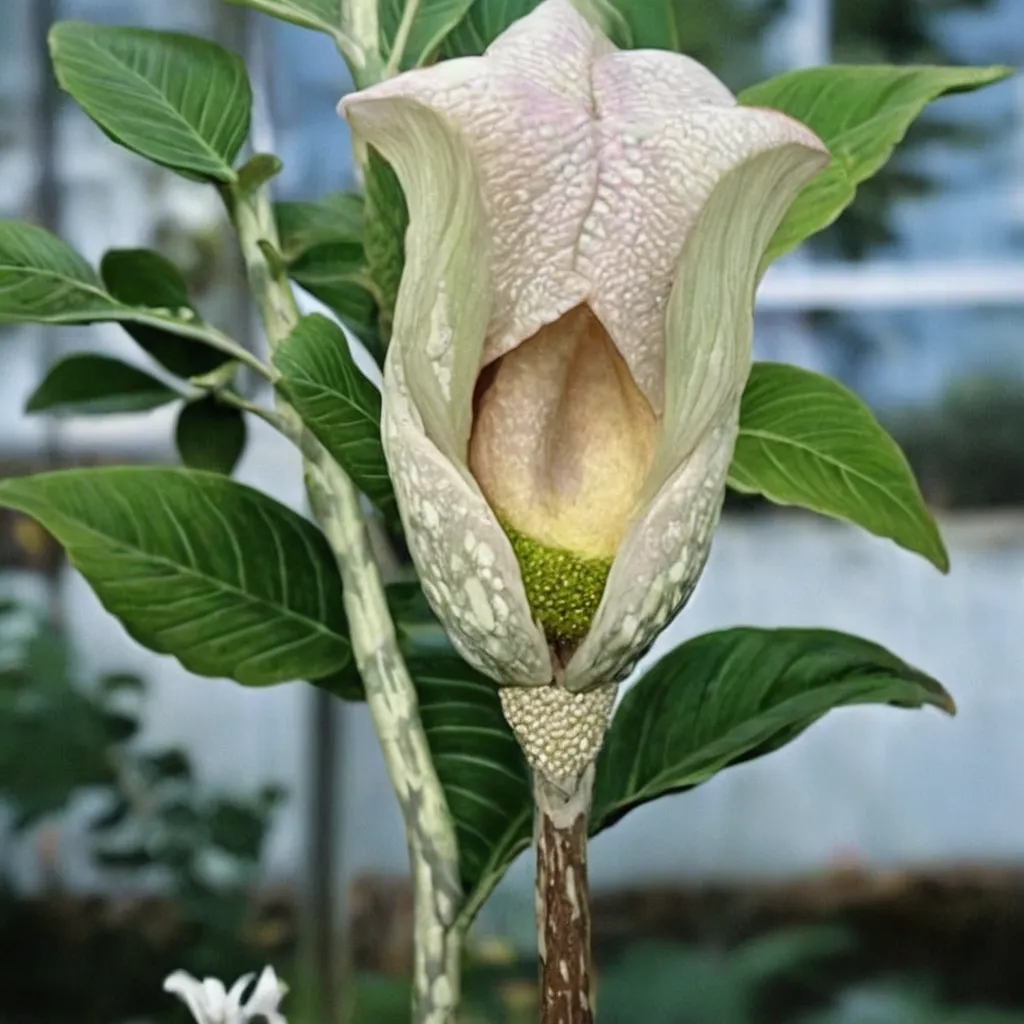
Yunnan Voodoo Lily
Amorphophallus yunnanensis
Keep exploring
Explore the genus
Hardy in your zone?
Grow Voodoo Lily with confidence
See it in a design of your actual yard, get zone-matched care reminders, and track it season by season in your garden journal.