The Story
Plant Bio
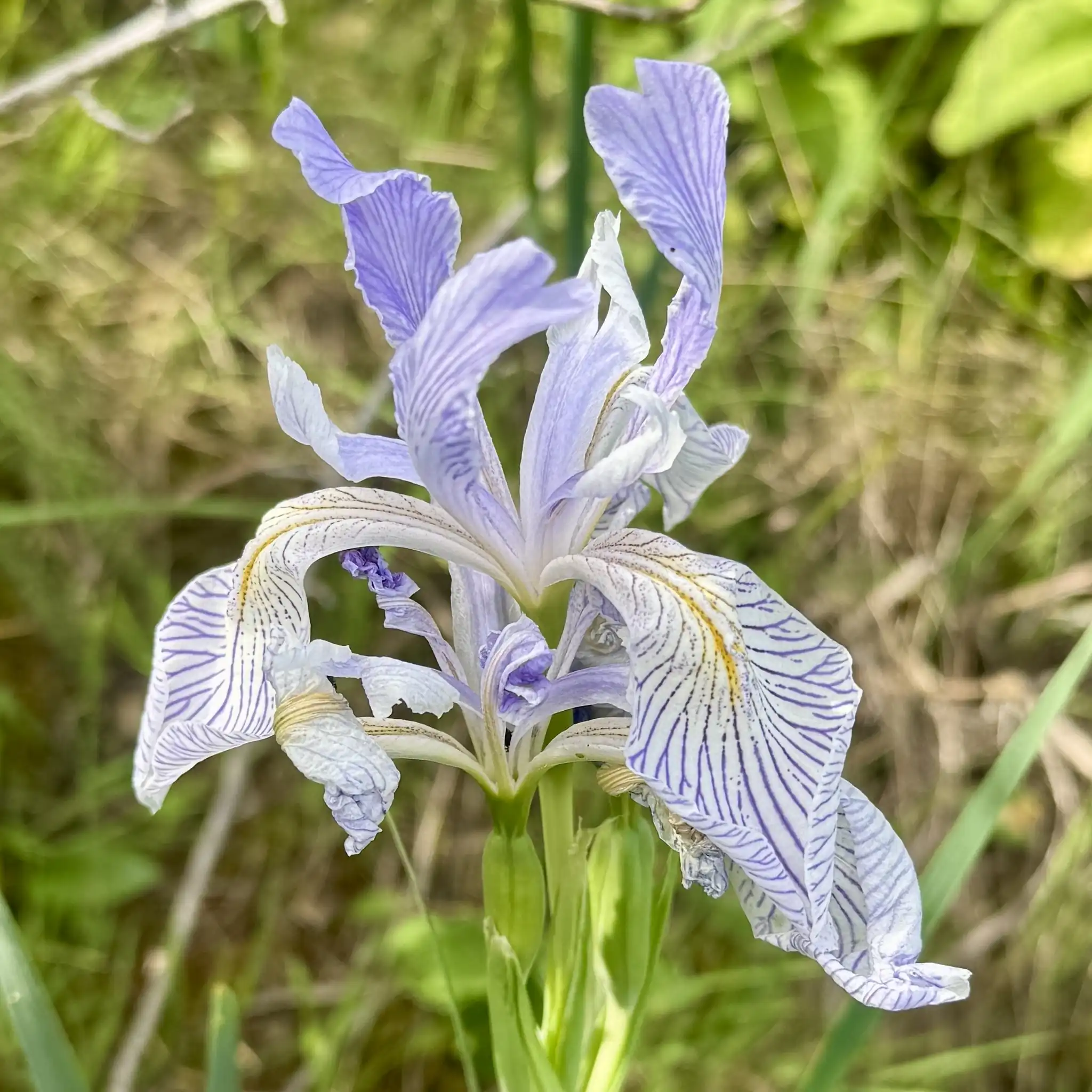
Iris longipetala is a rhizomatous perennial from California's moist coastal prairie, forming upright clumps of dark green to blue-green grass-like leaves from stout short-creeping rhizomes. Flower stems rise 12 to 24 inches and carry 3 to 8 creamy-white to lavender-blue flowers veined in dark purple in spring.
True Coast Iris is separated from the inland Iris missouriensis by its narrow coastal range from Mendocino County to Monterey and its need for heavy wet winter soil that dries after bloom. Nursery stock is frequently mislabeled, so check for coastal origin and short-creeping 3/4- to 1-inch rhizomes rather than relying on the garden label.
Uses & Benefits:
Essentials
At a Glance
Plant Type
Perennial
Height
24"
Width
24"
Light
Full Sun, Partial Sun
Zones
8, 9, 10
Water
Moderate
Humidity
Moderate
Lifespan
Perennial
Native To
California, USA
Toxicity
Unknown
Bloom period
Spring – Late spring
In flower about 3 months of the year
Planting
How to Grow
- Plant potted rhizomes in fall just below the soil surface in moist heavy soil in full sun.
- Water regularly from winter through spring bloom to keep the root zone moist.
- Let soil dry down after flowering; withhold summer water except in extreme heat.
- Clear dead foliage in fall and top with a thin mulch of compost.
Pro Tip
Keep soil moist through bloom, then let it dry in summer; cut back dead leaves in fall and divide only when flowering declines.
Keep It Thriving
Care Guide
Do
- Keep moist from winter through bloom, then dry in summer
- Grow in full sun on the coast with light shade inland
- Divide every 3 to 5 years when flowering declines
Don't
- Do not divide every year or break clumps into single fans
- Do not keep soil soggy through summer dormancy
- Do not cut healthy leaves back hard in spring
Seasonal Care Calendar
| Task | Jan | Feb | Mar | Apr | May | Jun | Jul | Aug | Sep | Oct | Nov | Dec |
|---|---|---|---|---|---|---|---|---|---|---|---|---|
| Divide | ||||||||||||
| Pest Check | ||||||||||||
| Plant | ||||||||||||
| Spring Cleanup |
Watch Out For
Pests & Diseases
Common Pests
Common Diseases
In the Garden
Landscape Uses & Companions
Landscape Uses
Multiply
Propagation Methods
Good to Know
Common Questions
Coast Iris questions
What zones can Coast Iris grow in?
Coast Iris is hardy in USDA Zones 8–10: in that range it survives winter in the ground. Colder than Zone 8, grow it in a container you can move to shelter for the winter, or as an annual.
Is Coast Iris deer resistant?
Yes — Coast Iris is rated deer-resistant. Deer typically pass it over, though extreme hunger can override any plant's defenses.
When does Coast Iris bloom?
Coast Iris typically blooms in spring. Exact timing shifts a week or two with your zone — Sow's bloom calendar maps it to your garden.
Does Coast Iris need full sun?
Coast Iris does best in full sun to part shade. In hot climates, afternoon shade keeps blooms fresher longer.
Is Coast Iris drought tolerant?
Yes — once established (usually after the first full season), Coast Iris handles dry spells with minimal watering. Water deeply its first year to build the root system that makes that possible.
More Iris to compare
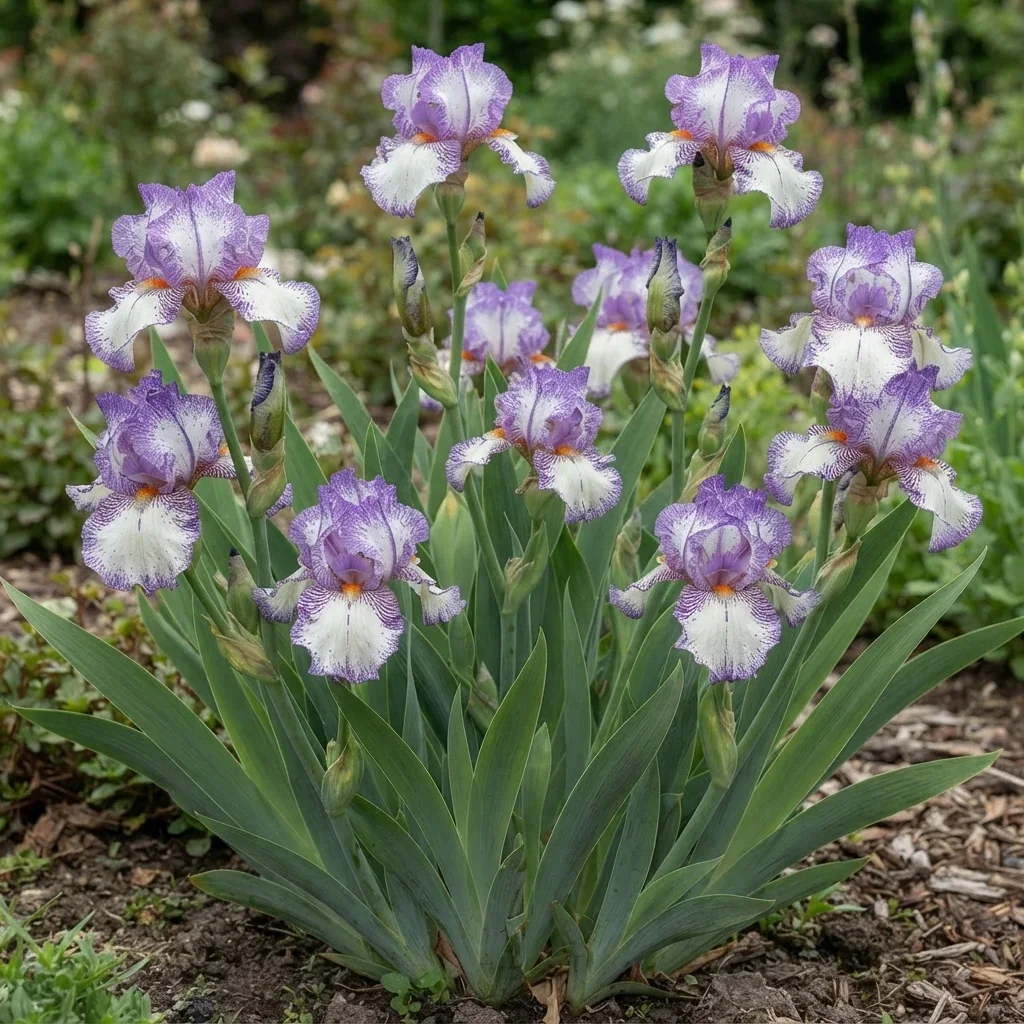
German Iris Bearded Iris
Iris x germanica 'Mix'
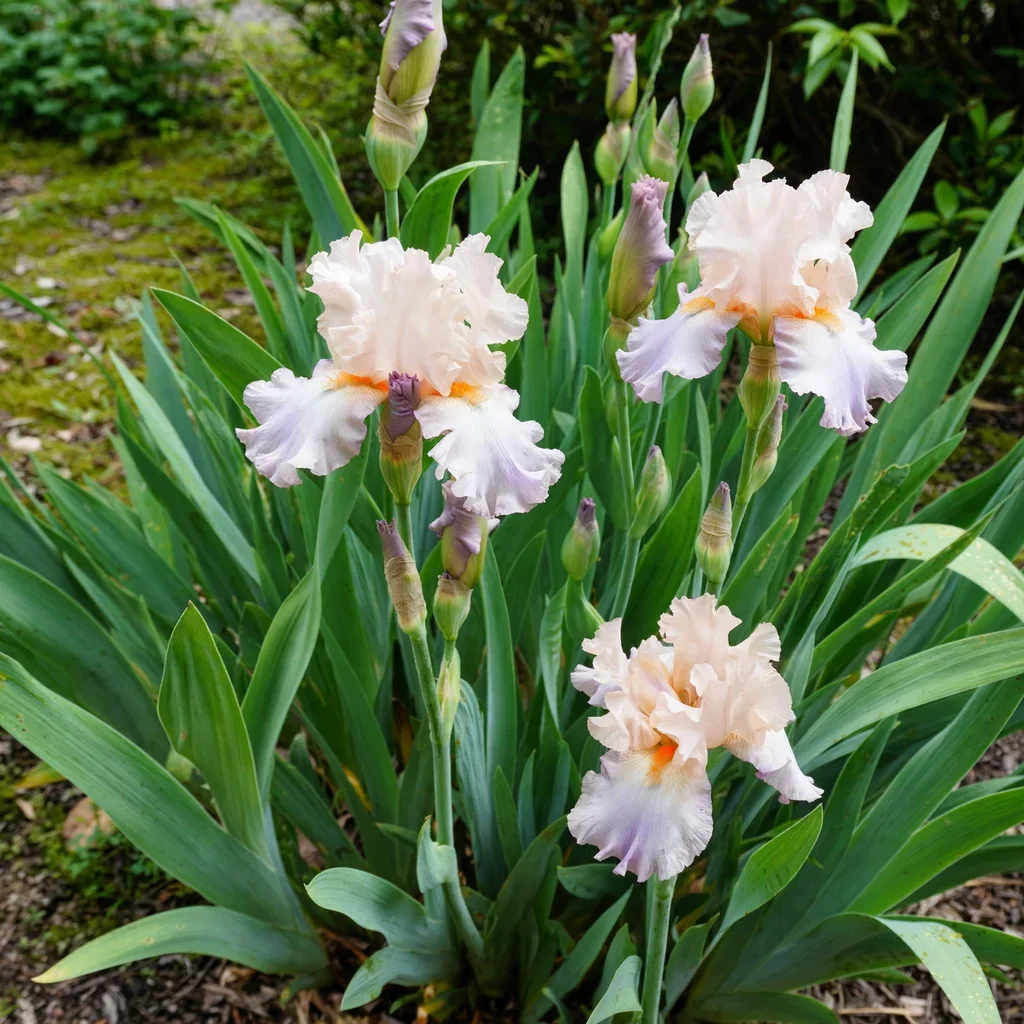
Celebration Song Iris
Iris tenuissima 'Celebration Song'
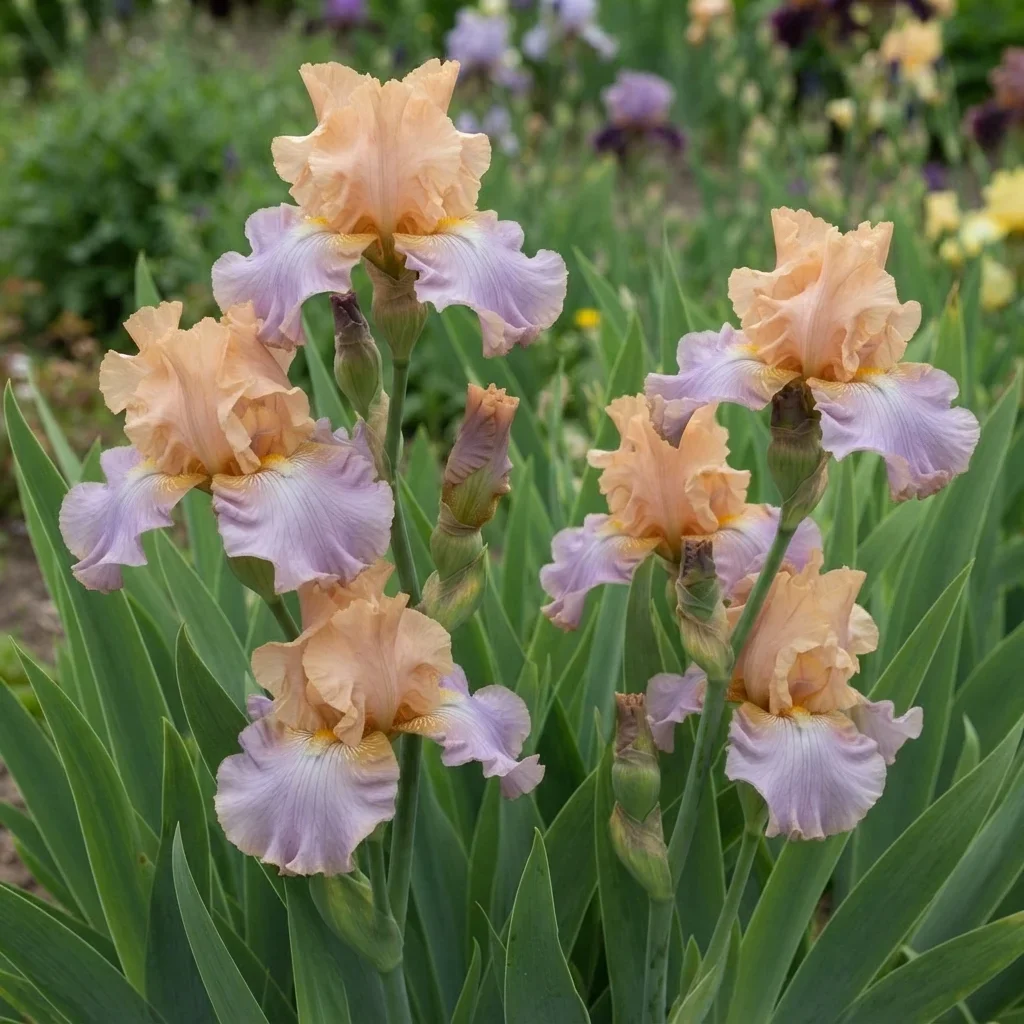
Poem of Ecstasy German Iris
Iris x germanica 'Poem Of Ecstasy'
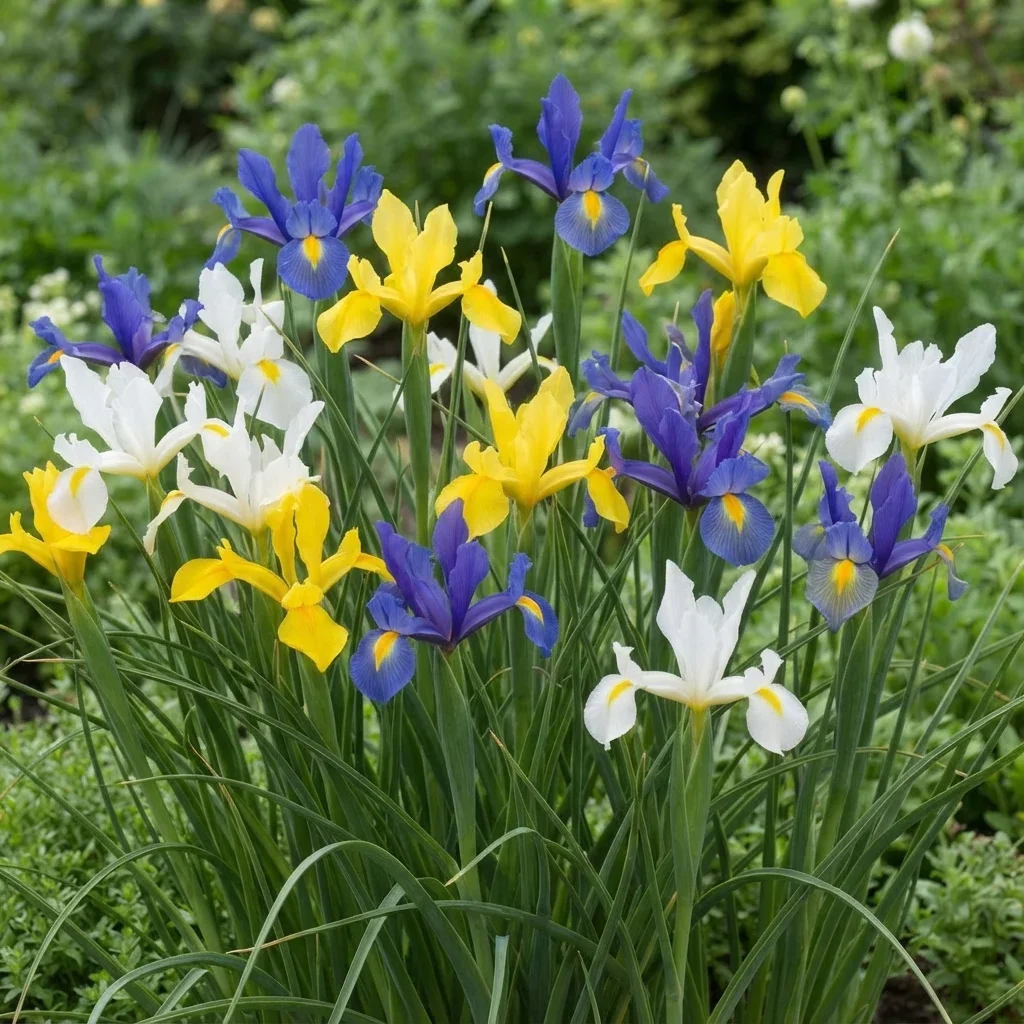
Dutch Iris Mix
Iris x hollandica 'Mix'
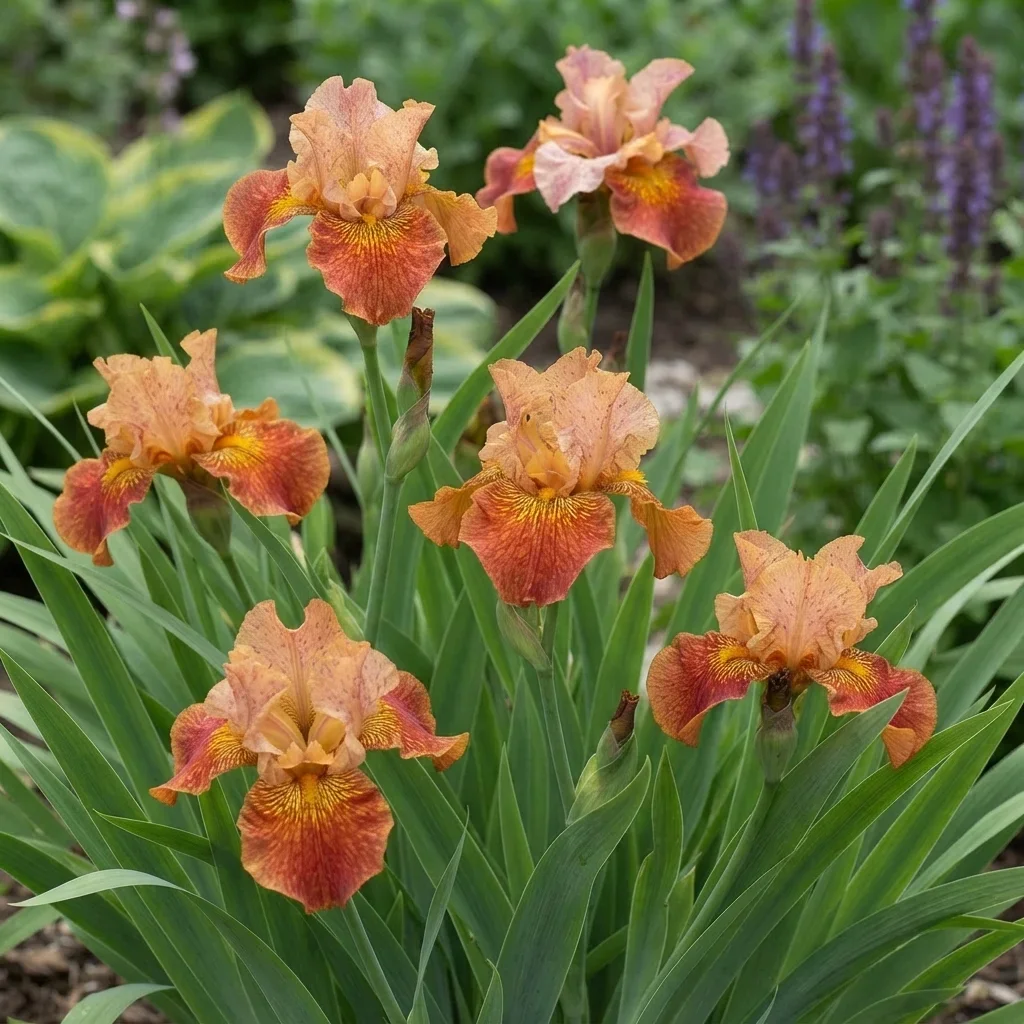
Siberian Iris 'Paprikash'
Iris x hybrida 'Paprikash'
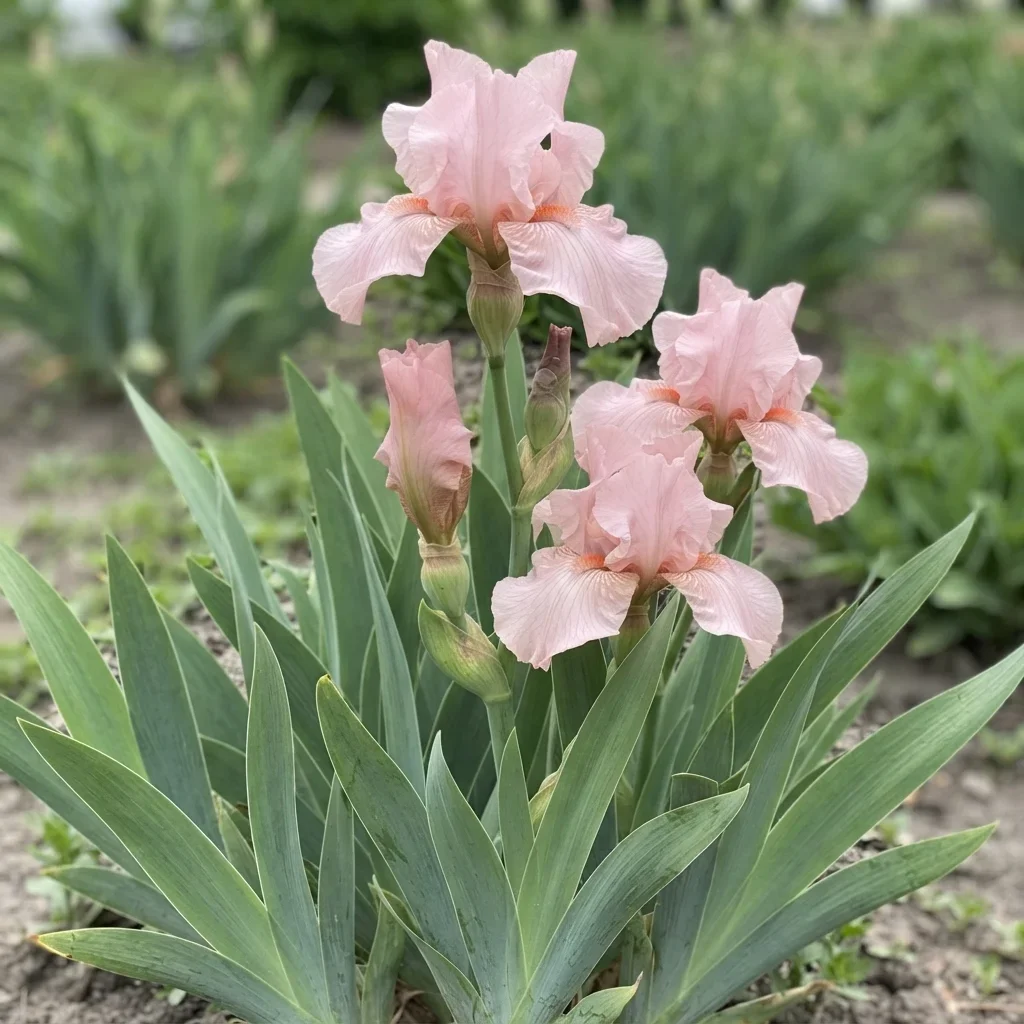
Baboon Bottom Bearded Iris
Iris x germanica 'Baboon Bottom Bearded'
Keep exploring
Explore the genus
Guides
Hardy in your zone?
Grow Coast Iris with confidence
See it in a design of your actual yard, get zone-matched care reminders, and track it season by season in your garden journal.