The Story
Plant Bio
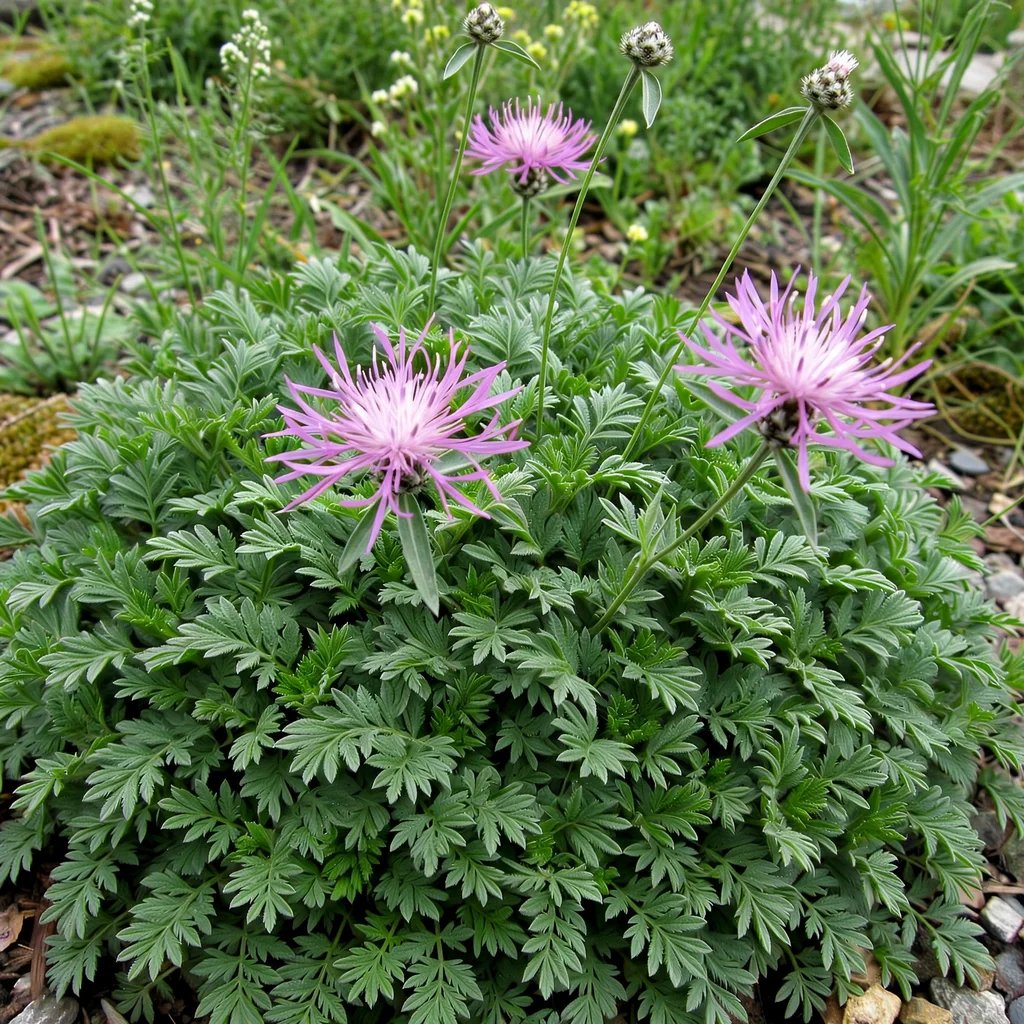
Centaurea simplicaulis is a rhizomatous herbaceous perennial from the mountains of northeastern Turkey and Armenia, forming a low evergreen cushion of pinnately divided gray-green leaves. It sends up slender leafless stems to 10 inches carrying pale cornflower heads in a concentrated late spring to summer wave.
It holds as a tight silver-gray mat about 10 inches high and 12 inches wide, far shorter and denser than the tall border knapweeds. The silver-pink to mauve-pink capitula stand well clear of the foliage on wiry stems and rebloom if the first flush is cut to the ground.
Uses & Benefits:
Essentials
At a Glance
Plant Type
Groundcover
Height
10"
Width
12"
Light
Full Sun
Zones
4, 5, 6, 7, 8
Water
Low
Humidity
Unknown
Lifespan
Perennial
Native To
NE Turkey and Armenia
Toxicity
Unknown
Bloom period
Late spring – Summer
In flower about 4 months of the year
Planting
How to Grow
- Plant in full sun in average, fast-draining soil with pH 6.1 to 7.5.
- Set the crown at soil level and water in, then keep summer water lean once rooted.
- Leave 12 inches between plants to form a continuous mat.
- Deadhead by cutting flowered stems to the ground to encourage a second flush.
- Divide congested mats in early spring to renew vigor.
Pro Tip
Cut each flowered stem to the ground after the first flush; leaving old stalks suppresses rebloom and holds moisture in the crown.
Keep It Thriving
Care Guide
Do
- Plant in full sun with sharp drainage
- Cut spent stems to the base after first bloom
- Allow soil to dry between waterings in summer
Don't
- Do not plant in shade or wet winter soil
- Do not overwater established mats
- Do not plant in rich, moisture-holding mixes
Seasonal Care Calendar
| Task | Jan | Feb | Mar | Apr | May | Jun | Jul | Aug | Sep | Oct | Nov | Dec |
|---|---|---|---|---|---|---|---|---|---|---|---|---|
| Deadhead | ||||||||||||
| Divide | ||||||||||||
| Pest Check | ||||||||||||
| Plant | ||||||||||||
| Spring Cleanup |
Watch Out For
Pests & Diseases
Common Pests
Common Diseases
In the Garden
Landscape Uses & Companions
Landscape Uses
Companion Plants
Multiply
Propagation Methods
Good to Know
Common Questions
Perennial Cornflower questions
What zones can Perennial Cornflower grow in?
Perennial Cornflower is hardy in USDA Zones 4–8: in that range it survives winter in the ground. Warmer than Zone 8, winter isn't the problem: it prefers colder winters, and summer heat can shorten its life.
When does Perennial Cornflower bloom?
Perennial Cornflower typically blooms from late spring to late summer. Exact timing shifts a week or two with your zone — Sow's bloom calendar maps it to your garden.
Does Perennial Cornflower need full sun?
Perennial Cornflower does best in full sun (6+ hours).
Is Perennial Cornflower drought tolerant?
Yes — once established (usually after the first full season), Perennial Cornflower handles dry spells with minimal watering. Water deeply its first year to build the root system that makes that possible.
More Centaurea to compare
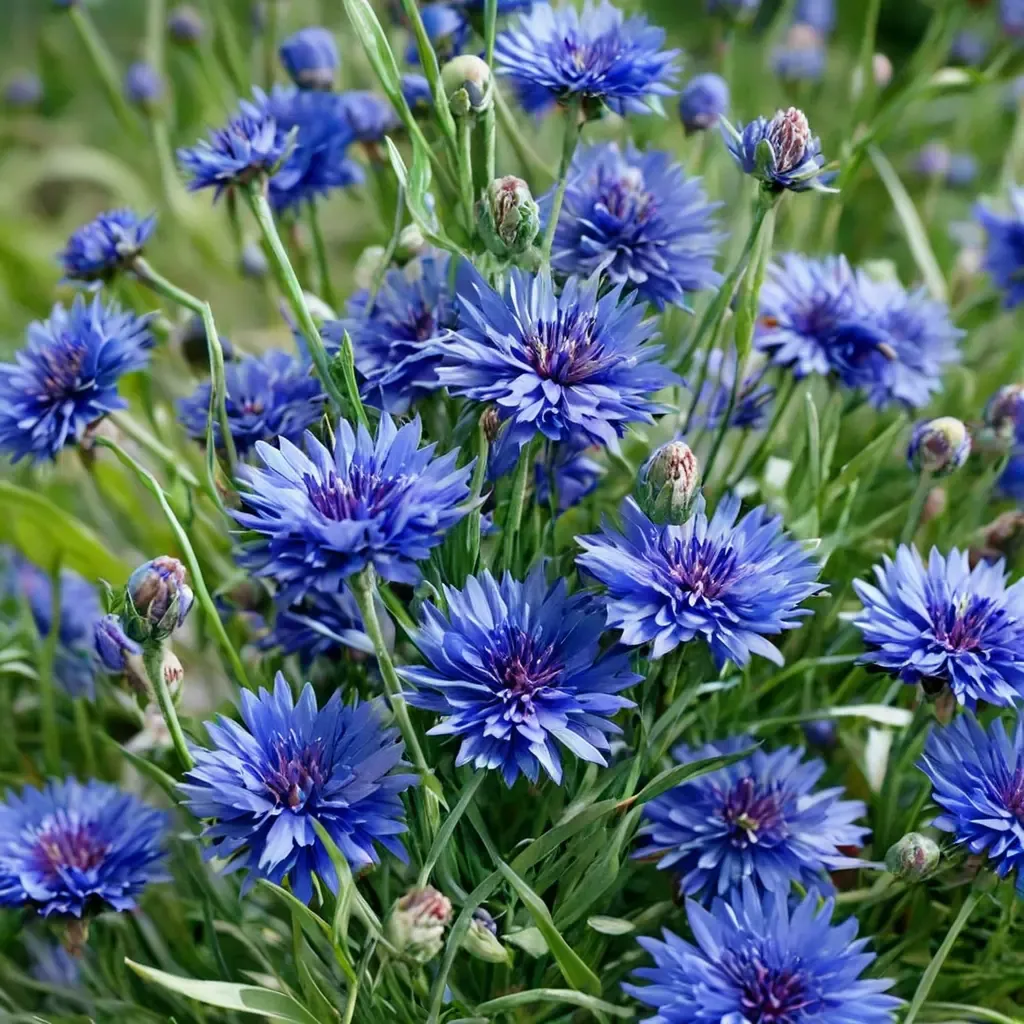
Blue Cornflower
Centaurea cyanus 'Blue Diadem'
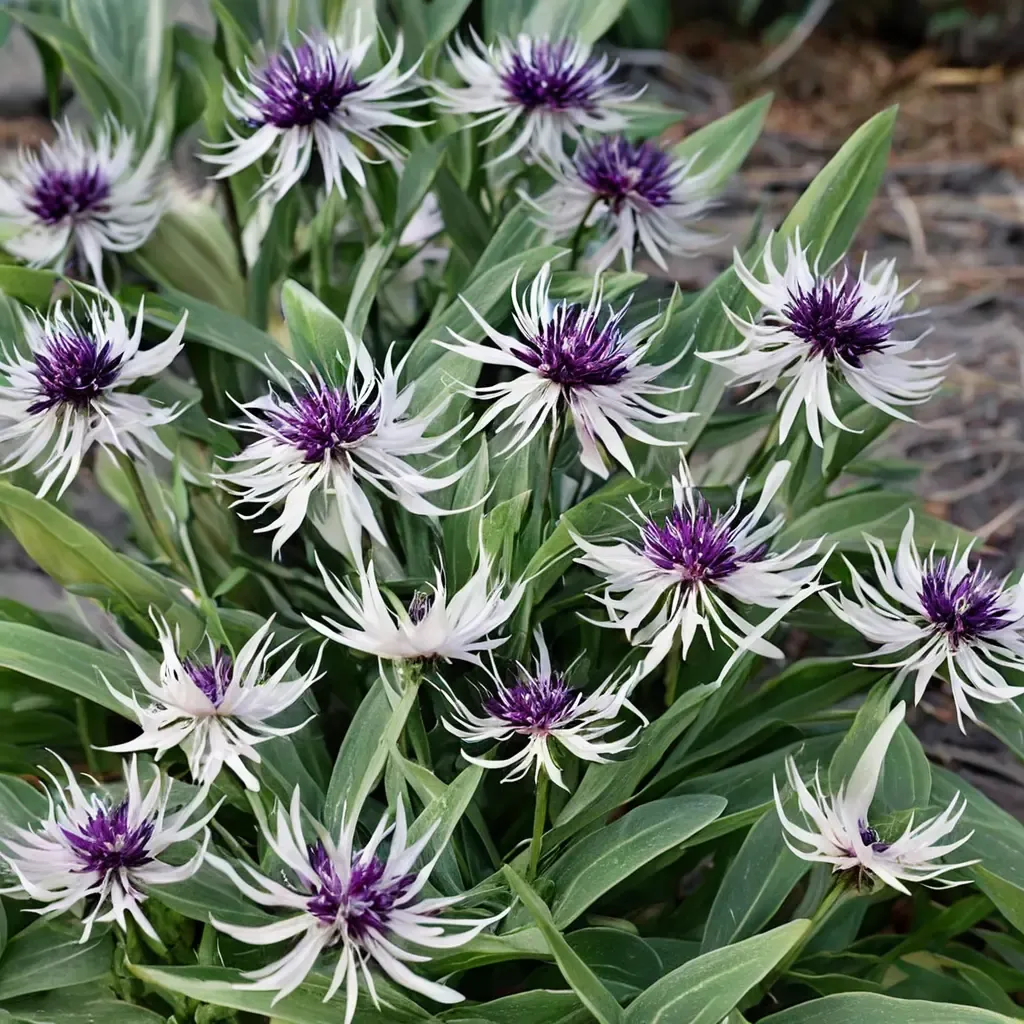
Amethyst in Snow Bachelor's Button
Centaurea cyanus 'Amethyst in Snow'
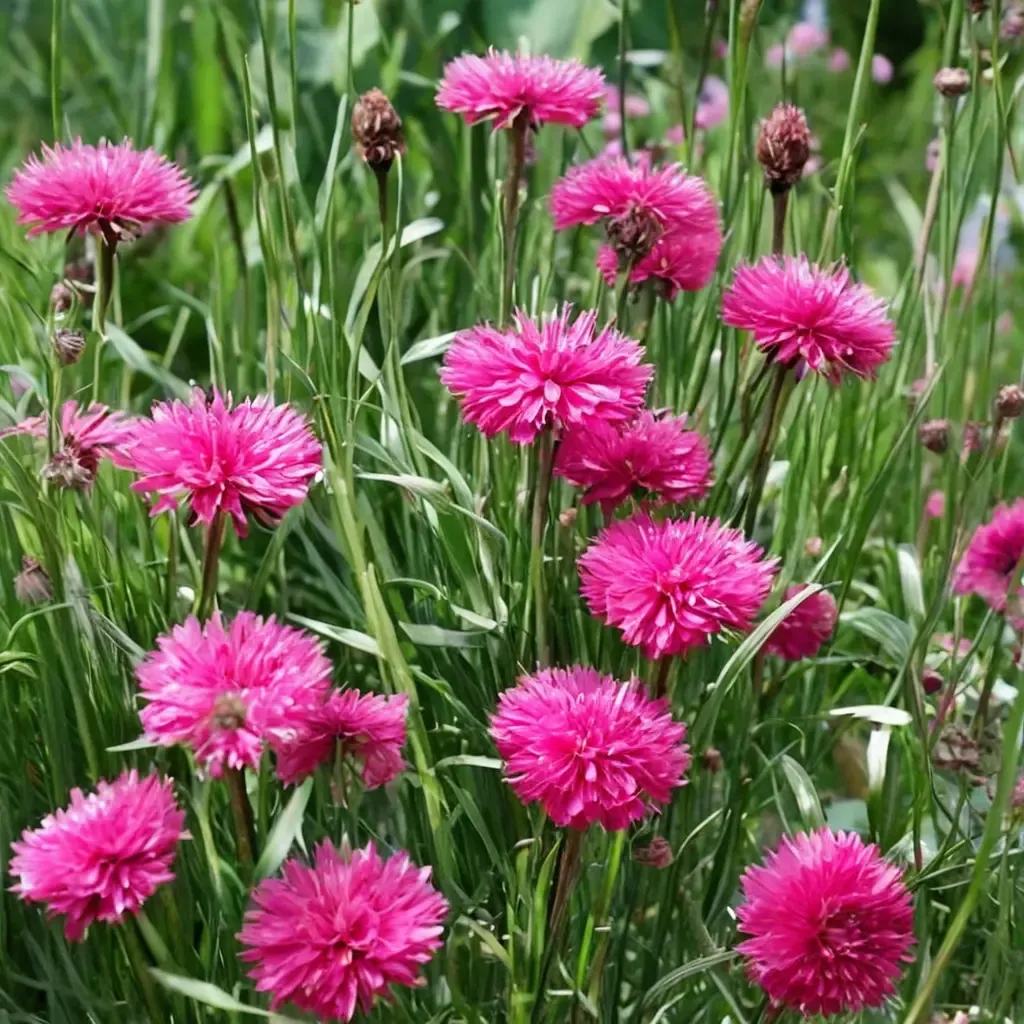
Red Boy Cornflower
Centaurea cyanus 'Red Boy'
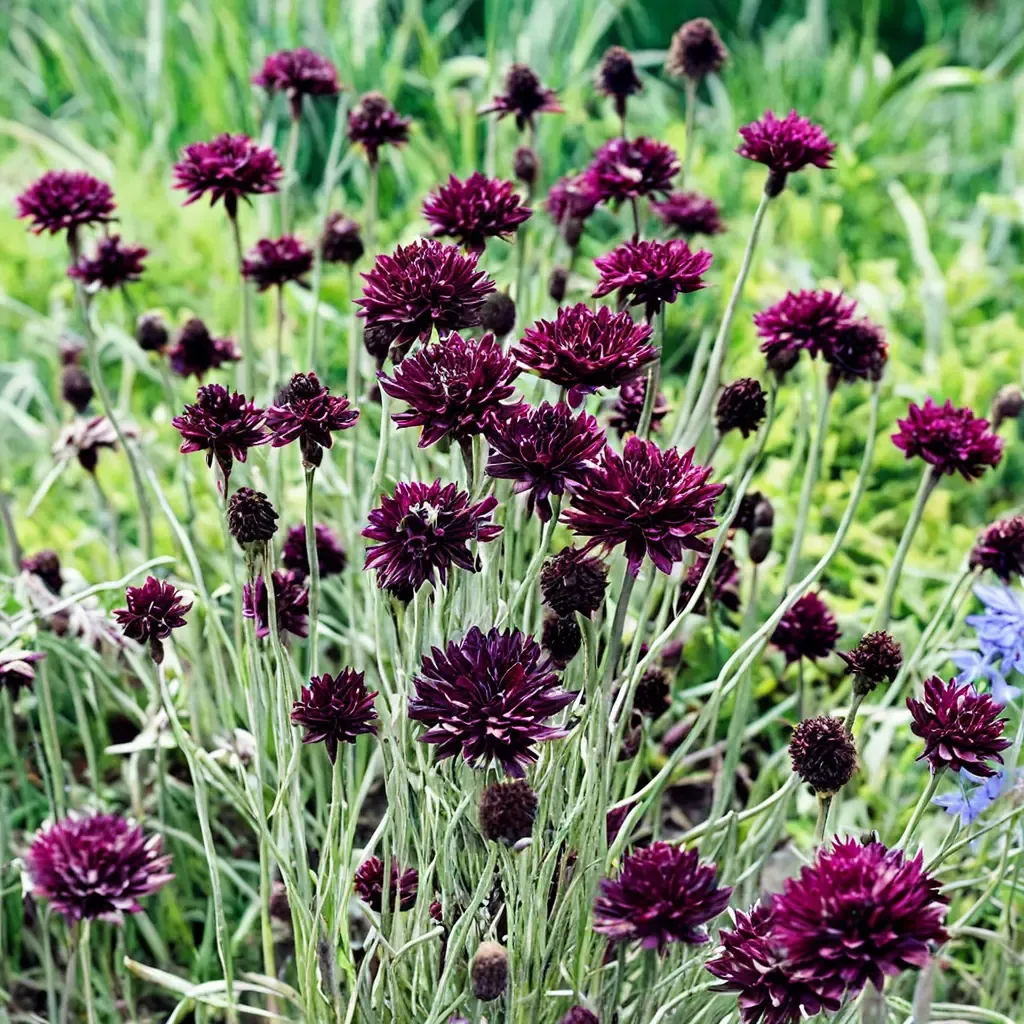
Black Gem Cornflower
Centaurea cyanus 'Black Gem'
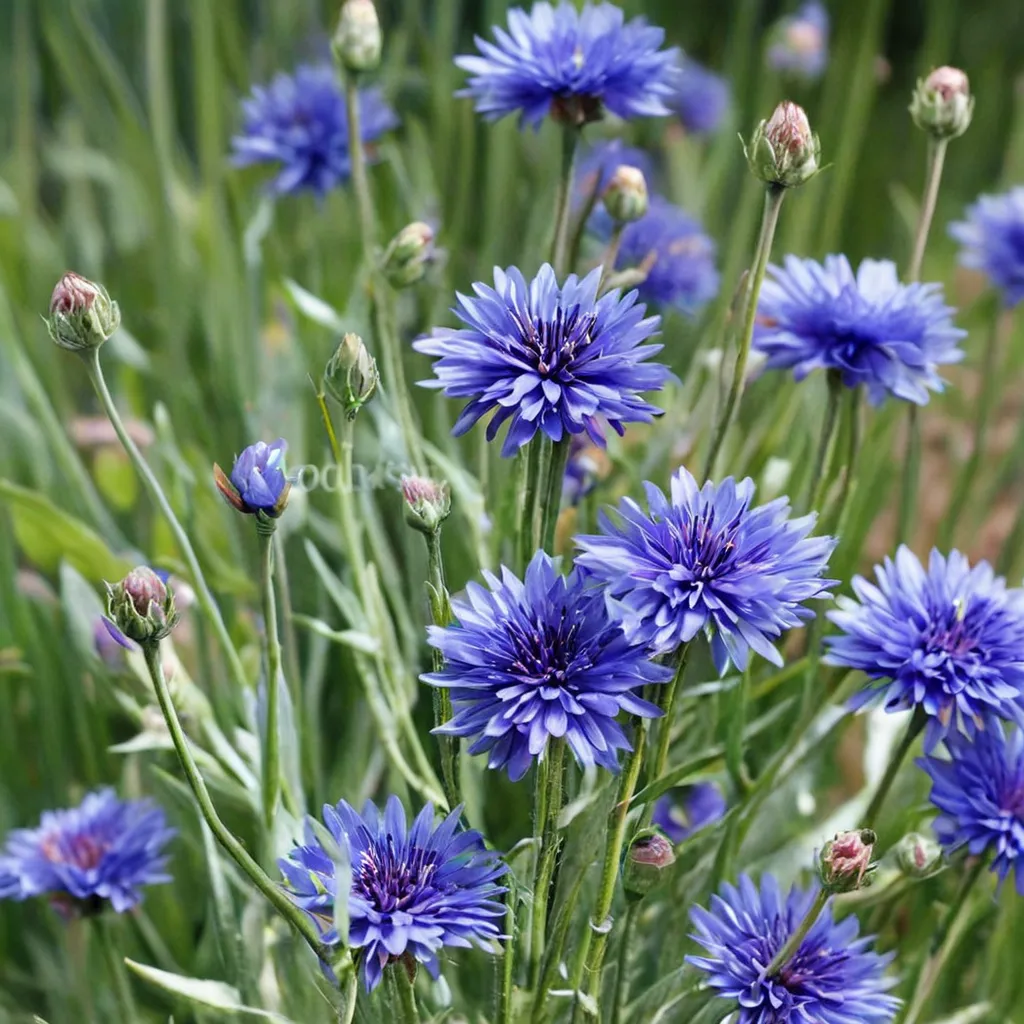
Bachelor's Button Blue Boy
Centaurea cyanus 'Blue Boy'
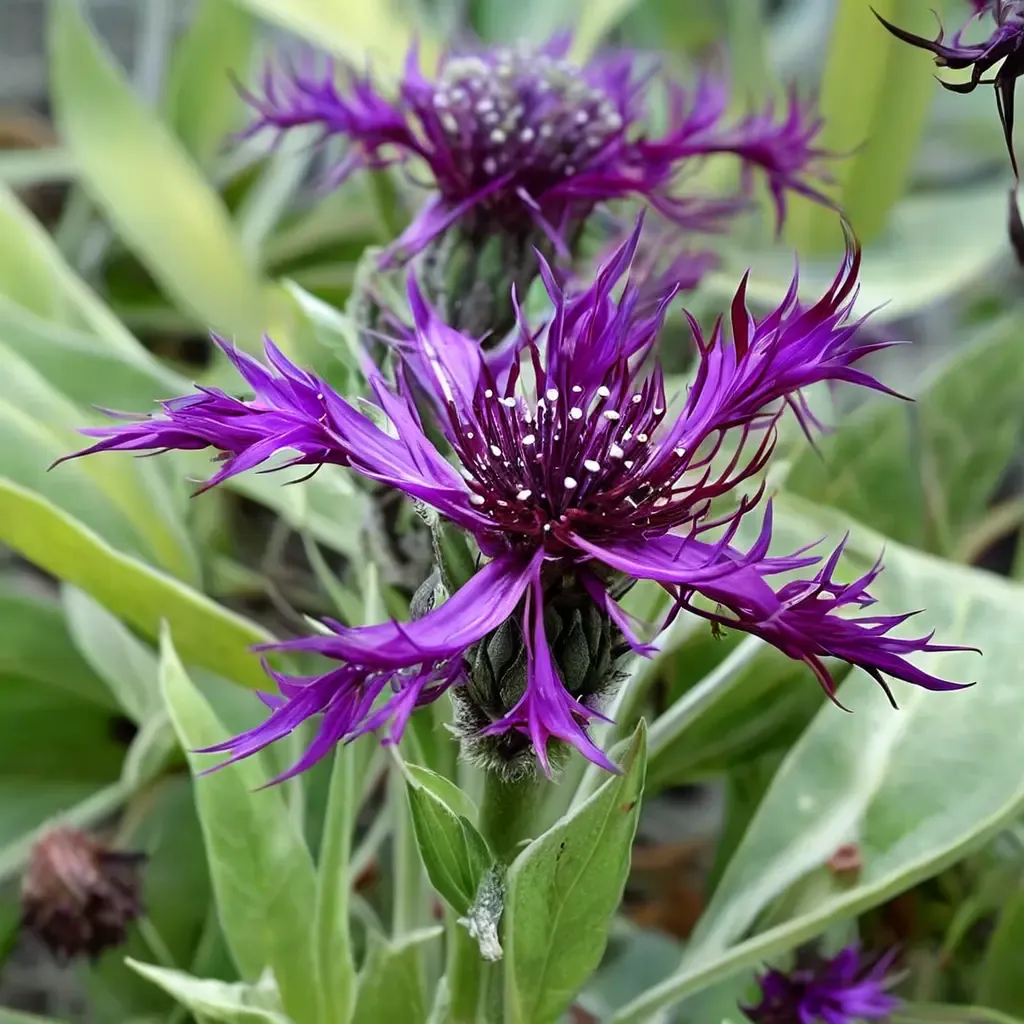
Amethyst Dream Cornflower
Centaurea cyanus 'Amethyst Dream'
Keep exploring
Explore the genus
Hardy in your zone?
Grow Perennial Cornflower with confidence
See it in a design of your actual yard, get zone-matched care reminders, and track it season by season in your garden journal.