The Story
Plant Bio
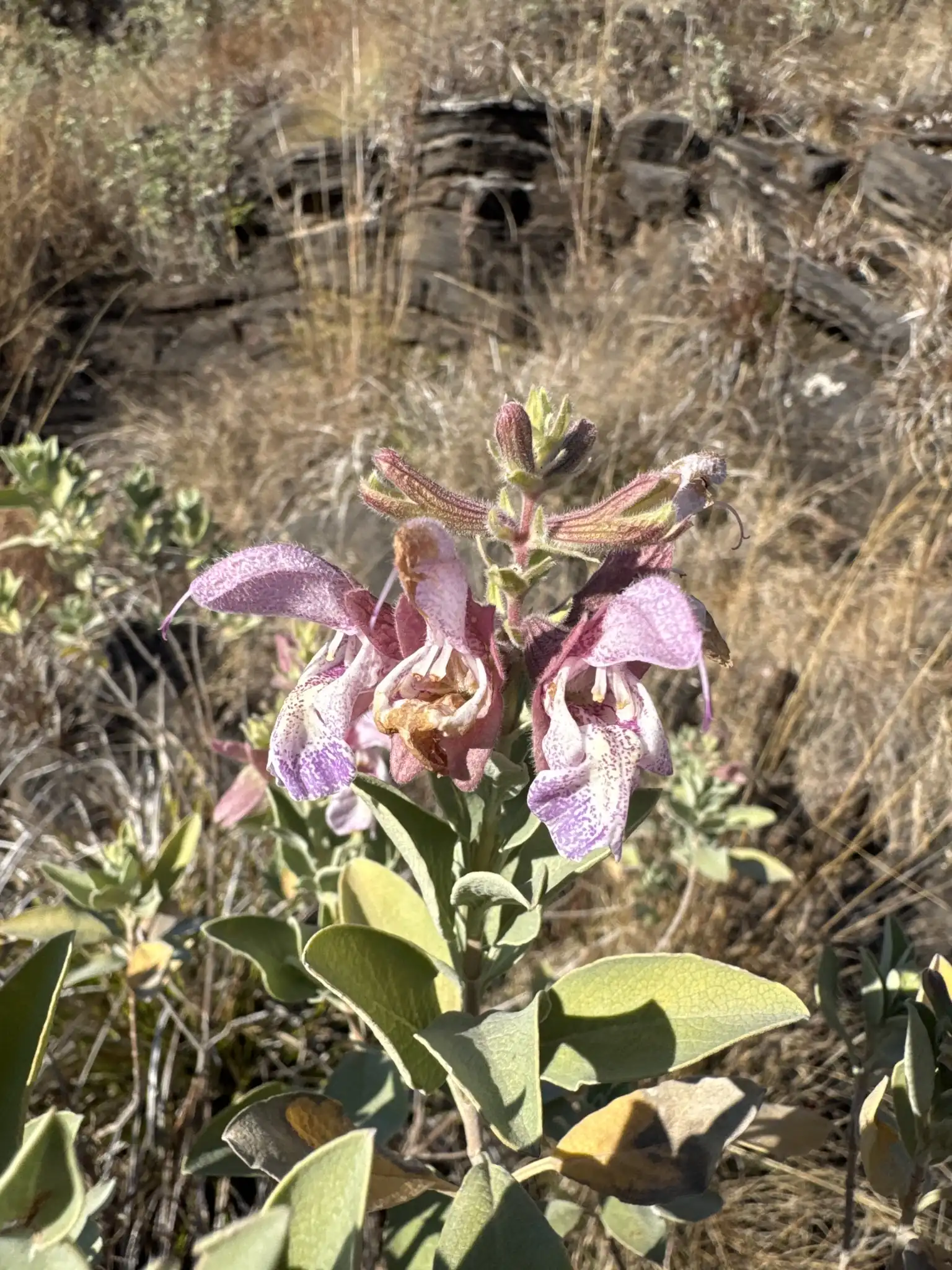
Salvia dolomitica, the dolomite sage, is an upright evergreen shrub from 900 to 1900 metres on dolomite outcrops in Limpopo and Mpumalanga, reaching three to six feet with many stems from a basal rootstock. The opposite ovate leaves are densely clad in fine grey hairs and smell strongly of sage when crushed, while the two-lipped flowers are held with a narrow arching upper lip and a flat open lower lip.
This species is distinguished by fresh green growth ageing to dusty grey-green and pale pink to lilac-and-white corollas with a yellow throat, followed by a deep pinkish-purple calyx that holds color after flowering. It demands sharply drained alkaline ground and survives frost and drought, tolerating summer humidity better than most shrubby sages.
Uses & Benefits:
Essentials
At a Glance
Plant Type
Shrub
Height
72"
Width
36"
Light
Full Sun, Partial Sun
Zones
8, 9, 10
Water
Low
Humidity
Tolerant
Lifespan
Long-lived evergreen shrub
Native To
South Africa
Toxicity
Unknown
Bloom period
Late spring – Summer
In flower about 4 months of the year
Planting
How to Grow
- Plant in spring after last frost in full sun with room to reach 3 feet wide.
- Dig in compost and lime to make a sharply drained, alkaline bed.
- Water deeply to establish, then water sparingly; soak in summer heat but let the soil dry between.
- Cut last year's flowered stems to the base in late winter, leaving new shoots to carry summer flowers.
- Sprinkle dolomitic lime annually and avoid rich fertilizer and wet shade.
Pro Tip
Cut last season's flowered stems to the base in late winter and feed only with lime or dolomite; propagating from old woody stems fails, so root new tip cuttings only and never shear off all new tips.
Keep It Thriving
Care Guide
Do
- Plant in full sun with sharp drainage and alkaline soil.
- Cut flowered stems to the base in late winter to prevent woodiness.
- Sprinkle lime or dolomite annually.
Don't
- Do not shear all new tips in spring or you remove summer flowers.
- Do not overfeed or overwater in shade; it turns leggy.
- Do not try to root old woody stems; use new tips only.
Seasonal Care Calendar
| Task | Jan | Feb | Mar | Apr | May | Jun | Jul | Aug | Sep | Oct | Nov | Dec |
|---|---|---|---|---|---|---|---|---|---|---|---|---|
| Fertilize | ||||||||||||
| Pest Check | ||||||||||||
| Plant | ||||||||||||
| Propagate | ||||||||||||
| Prune |
Watch Out For
Pests & Diseases
Common Pests
Common Diseases
In the Garden
Landscape Uses & Companions
Landscape Uses
Multiply
Propagation Methods
Good to Know
Common Questions
Dolomite Sage questions
What zones can Dolomite Sage grow in?
Dolomite Sage is hardy in USDA Zones 8–10: in that range it survives winter in the ground. Colder than Zone 8, grow it in a container you can move to shelter for the winter.
When does Dolomite Sage bloom?
Dolomite Sage typically blooms from late spring to late summer. Exact timing shifts a week or two with your zone — Sow's bloom calendar maps it to your garden.
Does Dolomite Sage need full sun?
Dolomite Sage does best in full sun to part shade. In hot climates, afternoon shade keeps blooms fresher longer.
Is Dolomite Sage drought tolerant?
Yes — once established (usually after the first full season), Dolomite Sage handles dry spells with minimal watering. Water deeply its first year to build the root system that makes that possible.
More Salvia to compare
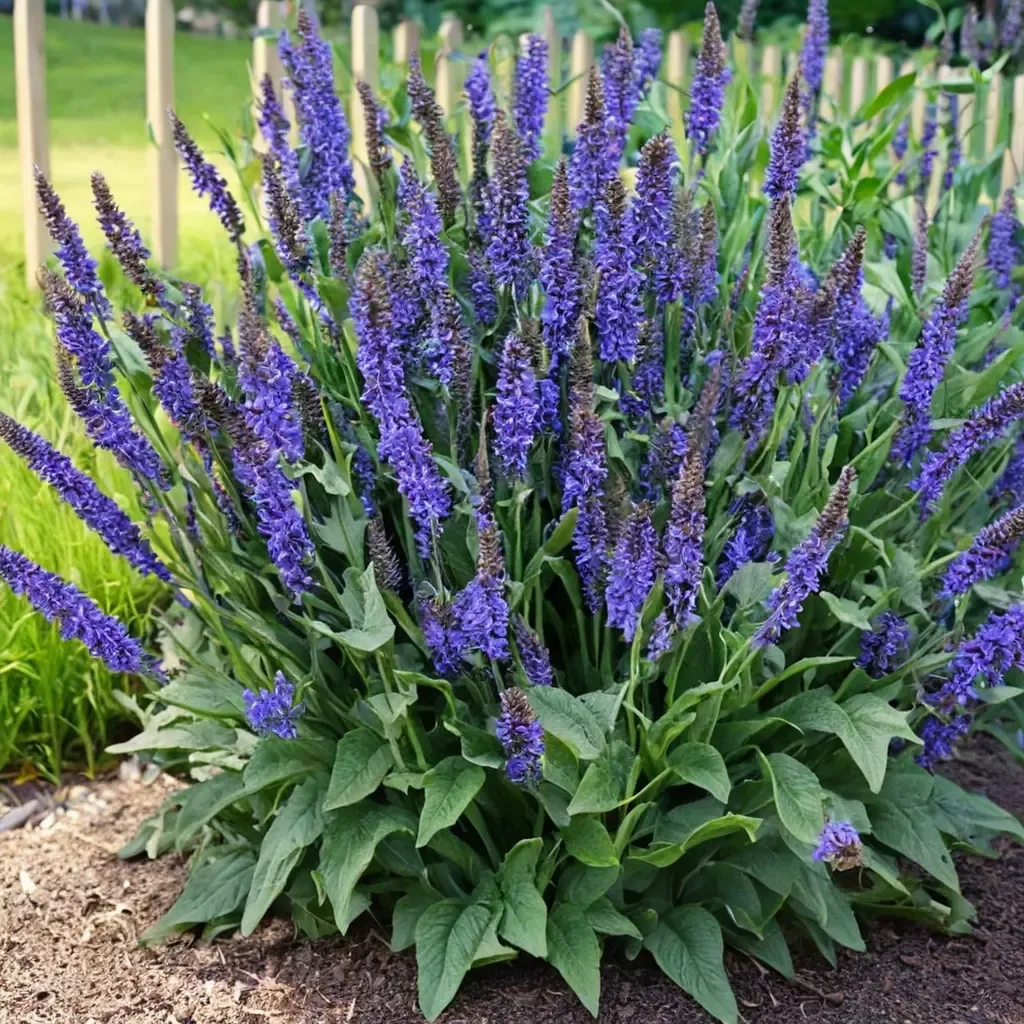
May Night Sage
Salvia nemorosa 'May Night'
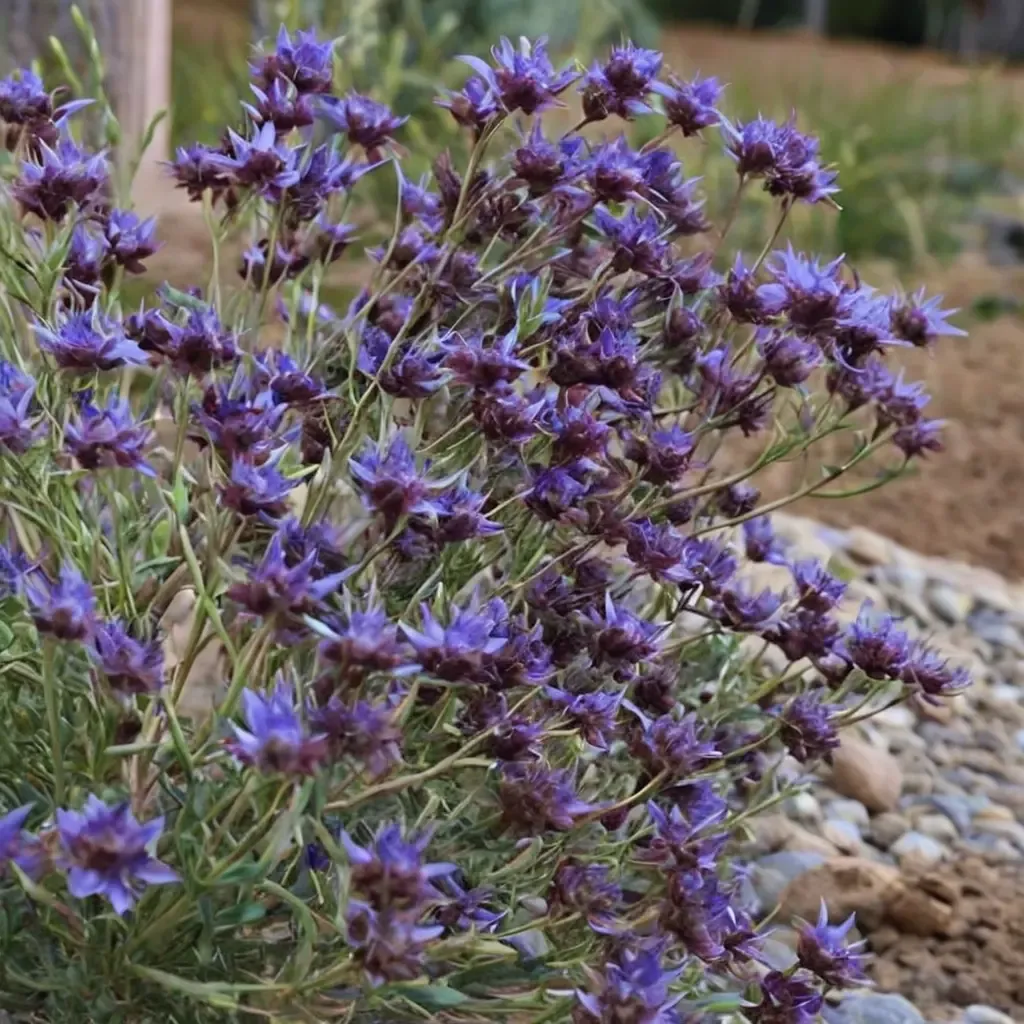
Celestial Blue Sage Wood Sage
Salvia nemorosa 'Celestial Blue'
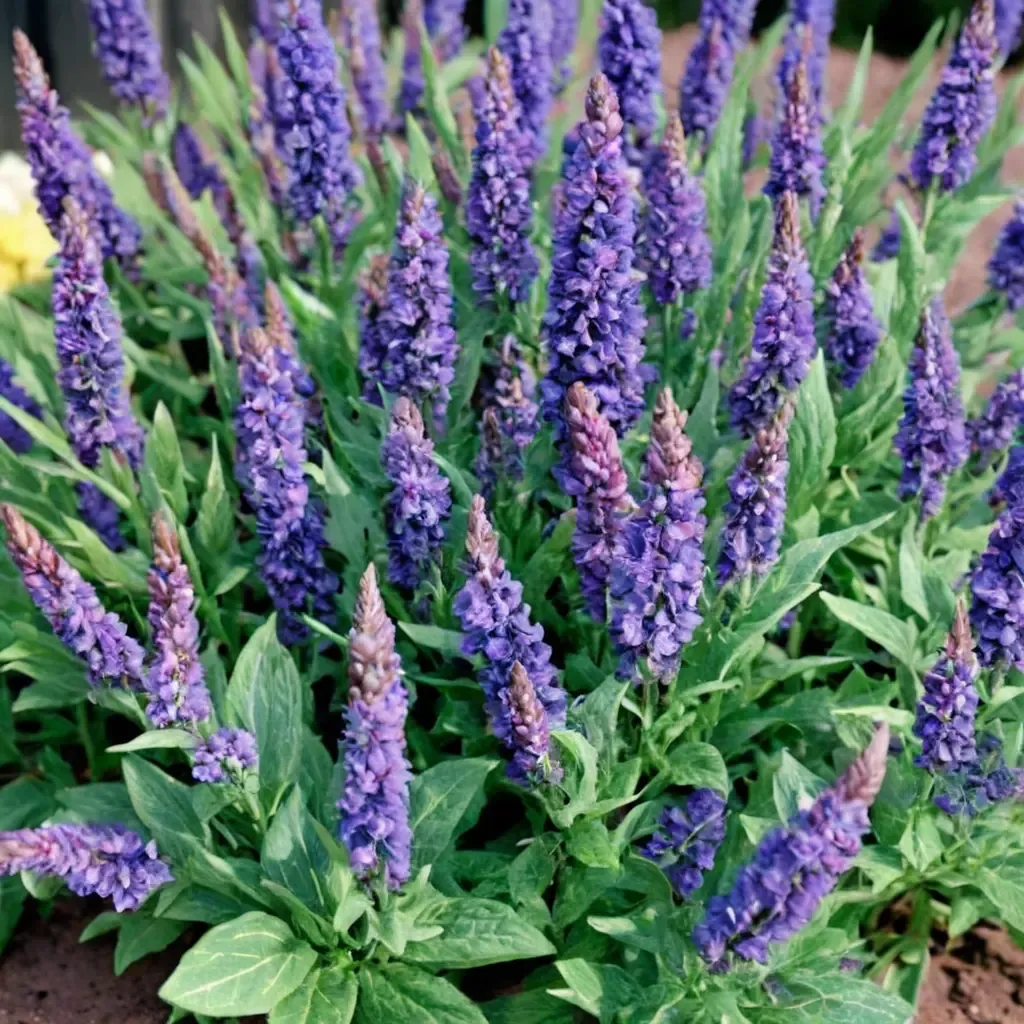
Marcus Woodland Sage
Salvia nemorosa 'Marcus'
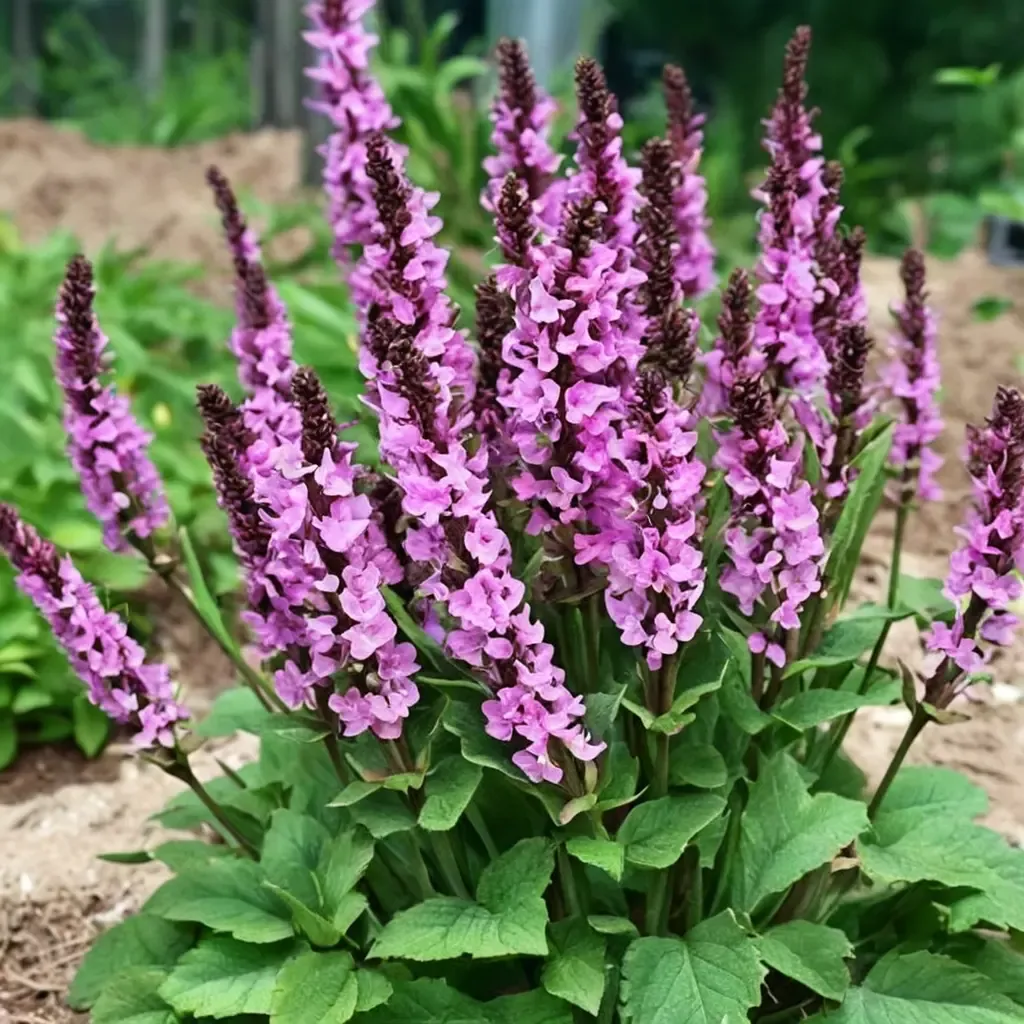
Rose Marvel Sage
Salvia nemorosa 'Rose Marvel'
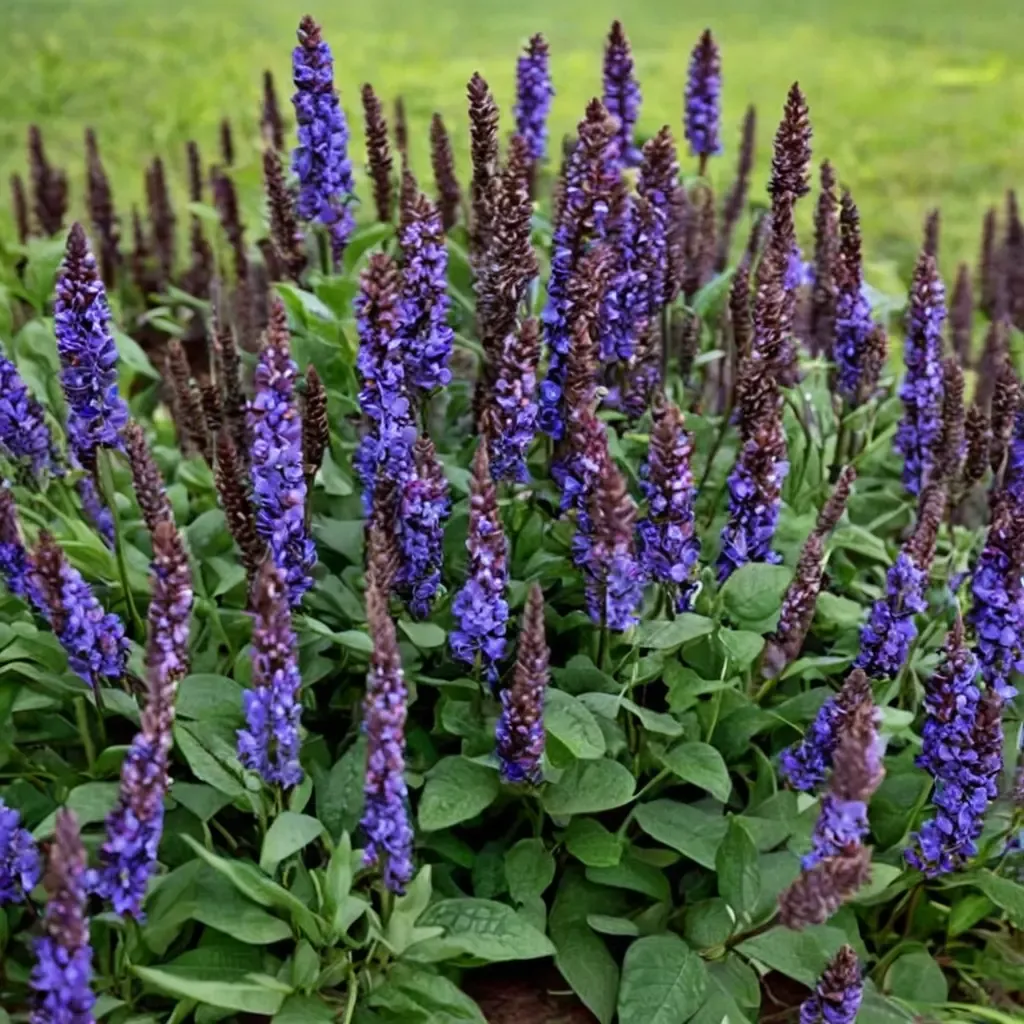
Bumbleblue Sage
Salvia nemorosa 'Bumbleblue'
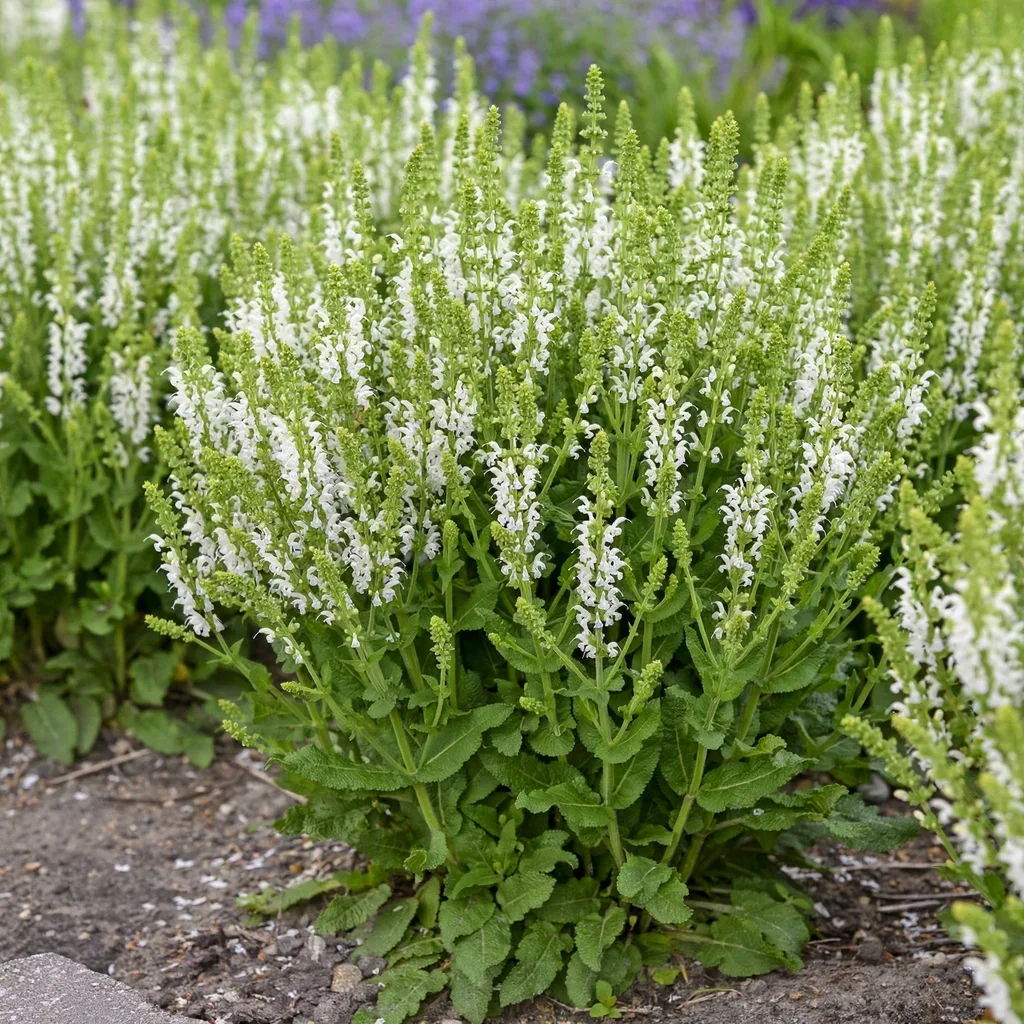
White Profusion Salvia
Salvia x hybrida 'White Profusion'
Keep exploring
Explore the genus
Hardy in your zone?
Grow Dolomite Sage with confidence
See it in a design of your actual yard, get zone-matched care reminders, and track it season by season in your garden journal.