
The Story
Plant Bio
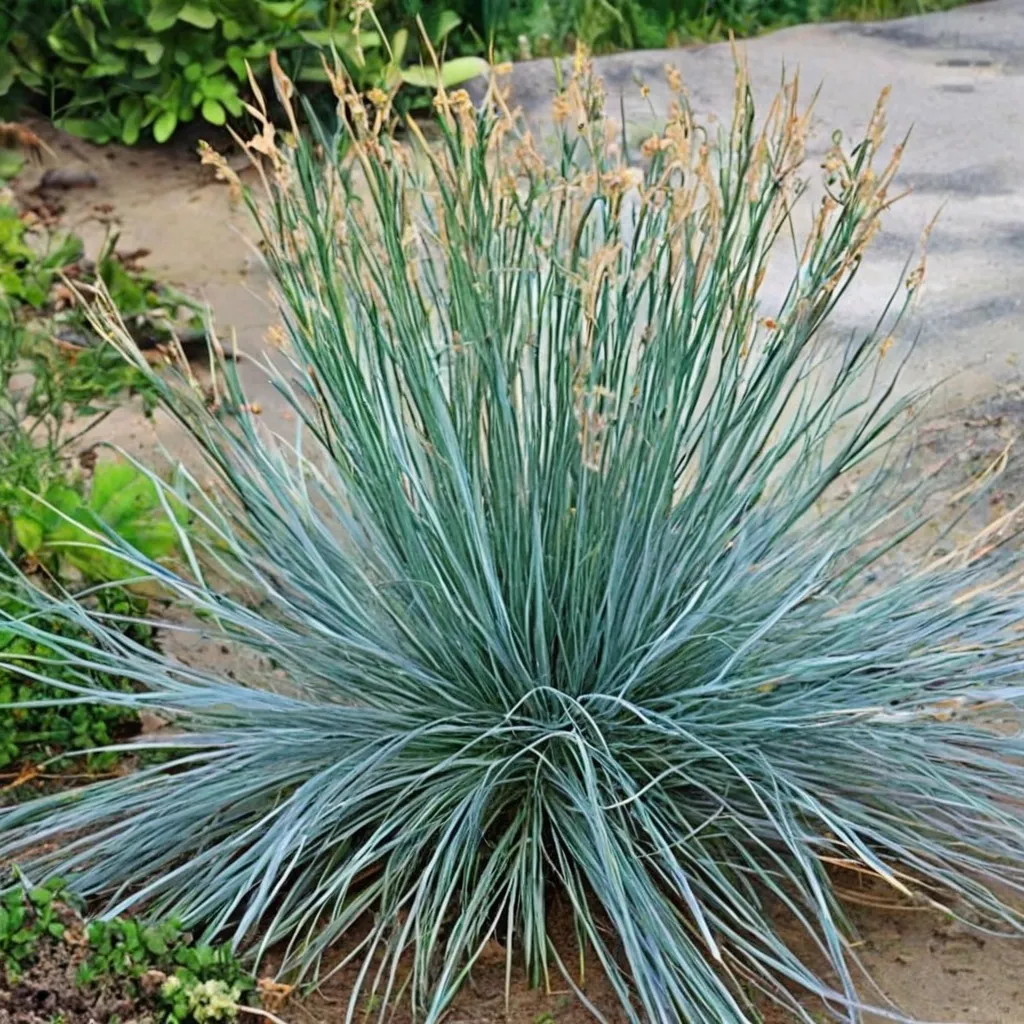
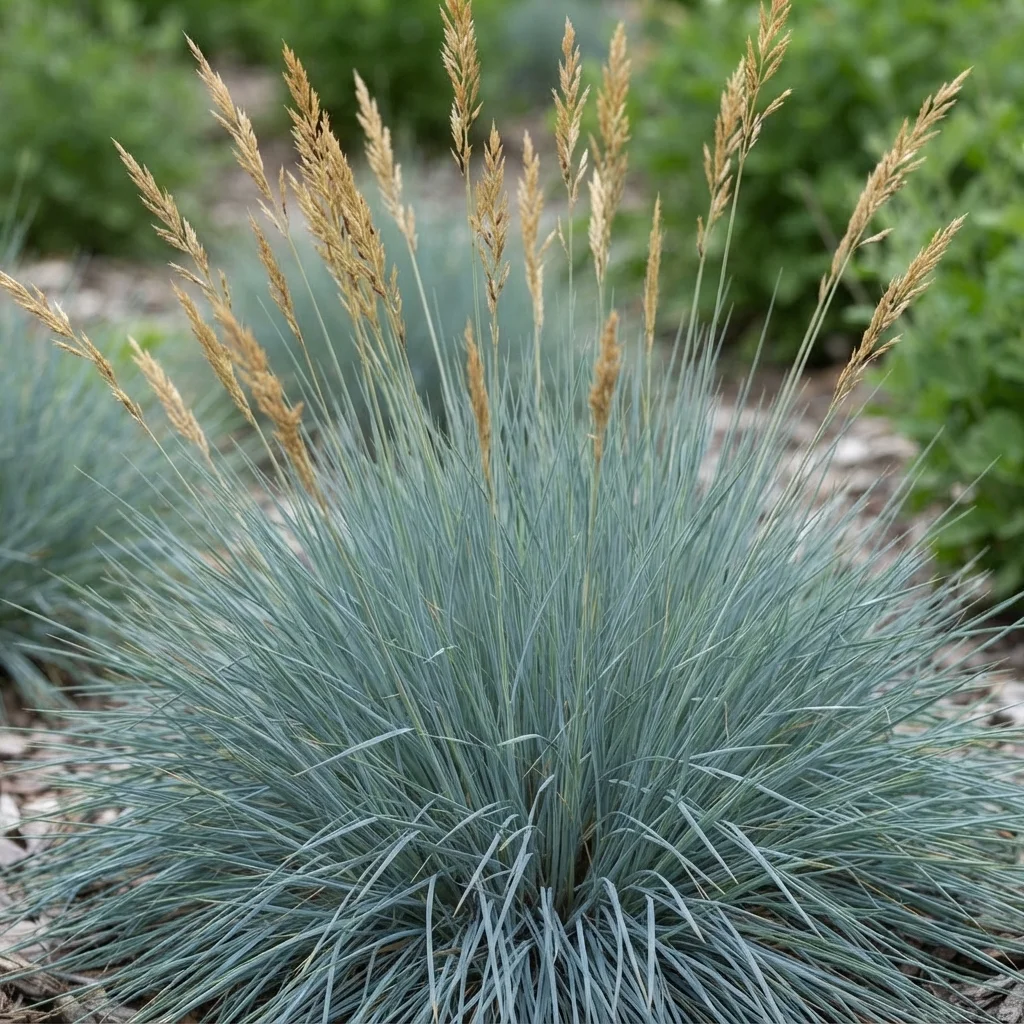
Festuca arizonica is a long-lived cool-season bunchgrass that forms dense tufts with no rhizomes, reaching one to three feet in flower with mostly basal foliage. The leaves are fine, string-like and rough to the touch, holding a pale blue-green color, topped in summer by narrow panicles three to eight inches long of green-tan florets.
Unlike low meadow fescues it persists on dry shallow clay loam at six to ten thousand feet, forming near-pure stands beneath ponderosa pine. It grows in cool weather with summer rain, then cures upright, resprouting from the basal crown after most fires.
Uses & Benefits:
Essentials
At a Glance
Plant Type
Grass
Height
36"
Width
18"
Light
Full Sun, Partial Sun
Zones
4, 5, 6, 7
Water
Low
Humidity
Low
Lifespan
Perennial
Native To
Southwestern USA to northern Mexico
Toxicity
Non-toxic
Bloom period
Summer
In flower about 3 months of the year
Planting
How to Grow
- Sow in fall on a firm weed-free seedbed, drilling one-quarter to one-half inch deep.
- Water to establish, then water sparingly; mature plants take dry periods but need supplemental water in gardens.
- Keep traffic off and withhold grazing the seedling year; allow only moderate grazing after.
- Leave clumps undivided and do not feed heavily; a thin gravel mulch is enough.
Pro Tip
Sow in fall into a clean weed-free seedbed and keep traffic and grazing off the first year; established clumps take drought and fire but fail under foot traffic, close grazing and rich wet soil.
Keep It Thriving
Care Guide
Do
- Plant in full sun to light shade in well-drained clay loam or rocky loam.
- Sow in fall for cool-season establishment.
- Allow summer seed heads to ripen for birds and self-sowing.
Don't
- Do not plant where foot traffic or close grazing occurs.
- Do not overwater or enrich with rich moist soil.
- Do not cut into the crown or feed frequently to force growth.
Seasonal Care Calendar
| Task | Jan | Feb | Mar | Apr | May | Jun | Jul | Aug | Sep | Oct | Nov | Dec |
|---|---|---|---|---|---|---|---|---|---|---|---|---|
| Pest Check | ||||||||||||
| Plant | ||||||||||||
| Propagate | ||||||||||||
| Spring Cleanup |
Watch Out For
Pests & Diseases
Common Pests
Common Diseases
In the Garden
Landscape Uses & Companions
Landscape Uses
Multiply
Propagation Methods
Good to Know
Common Questions
Arizona Fescue questions
What zones can Arizona Fescue grow in?
Arizona Fescue is hardy in USDA Zones 4–7: in that range it survives winter in the ground. Warmer than Zone 7, winter isn't the problem: it prefers colder winters, and summer heat can shorten its life.
Is Arizona Fescue deer resistant?
Not reliably. Deer may browse Arizona Fescue, especially tender spring growth — plan on repellents or fencing where pressure is high.
When does Arizona Fescue bloom?
Arizona Fescue typically blooms in summer. Exact timing shifts a week or two with your zone — Sow's bloom calendar maps it to your garden.
Does Arizona Fescue need full sun?
Arizona Fescue does best in full sun to part shade. In hot climates, afternoon shade keeps blooms fresher longer.
Is Arizona Fescue drought tolerant?
Yes — once established (usually after the first full season), Arizona Fescue handles dry spells with minimal watering. Water deeply its first year to build the root system that makes that possible.
More Festuca to compare
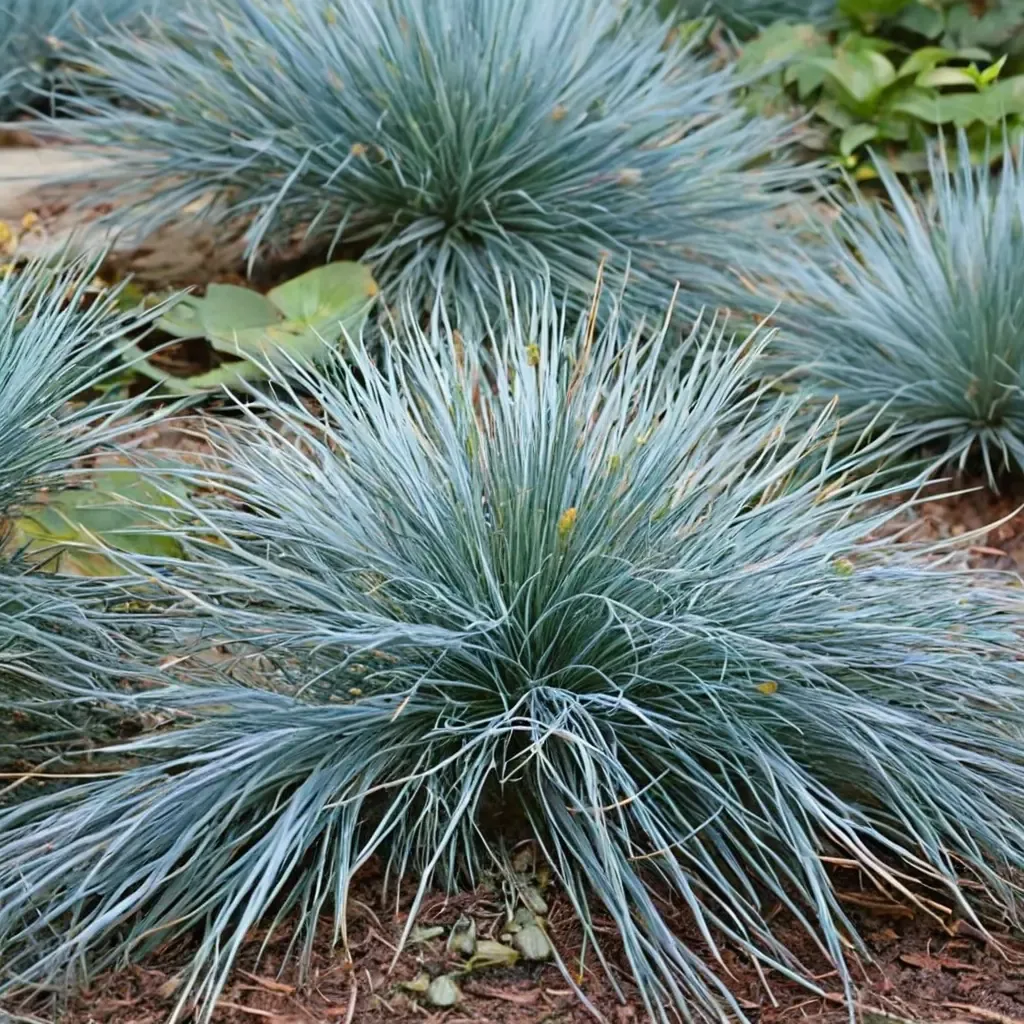
Elijah Blue Fescue
Festuca glauca 'Elijah Blue'
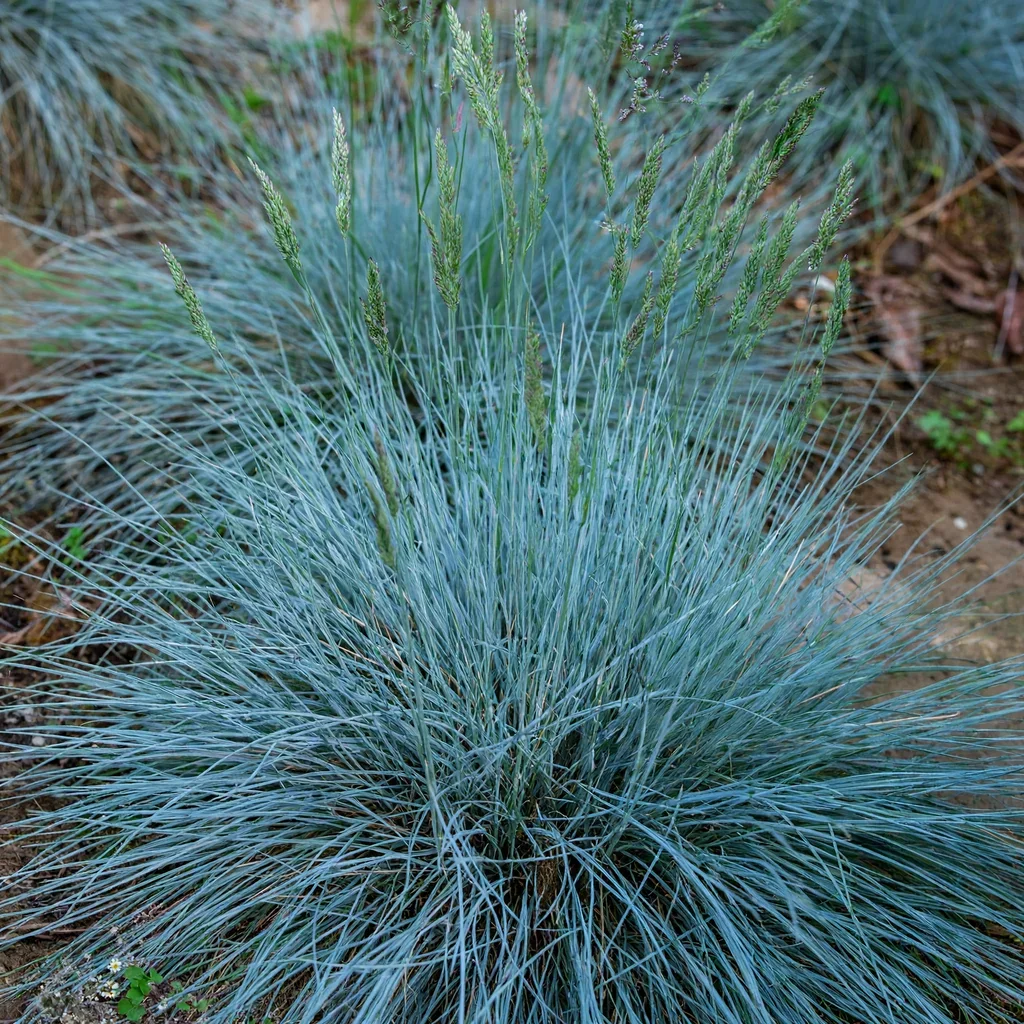
Blue Fescue
Festuca glauca
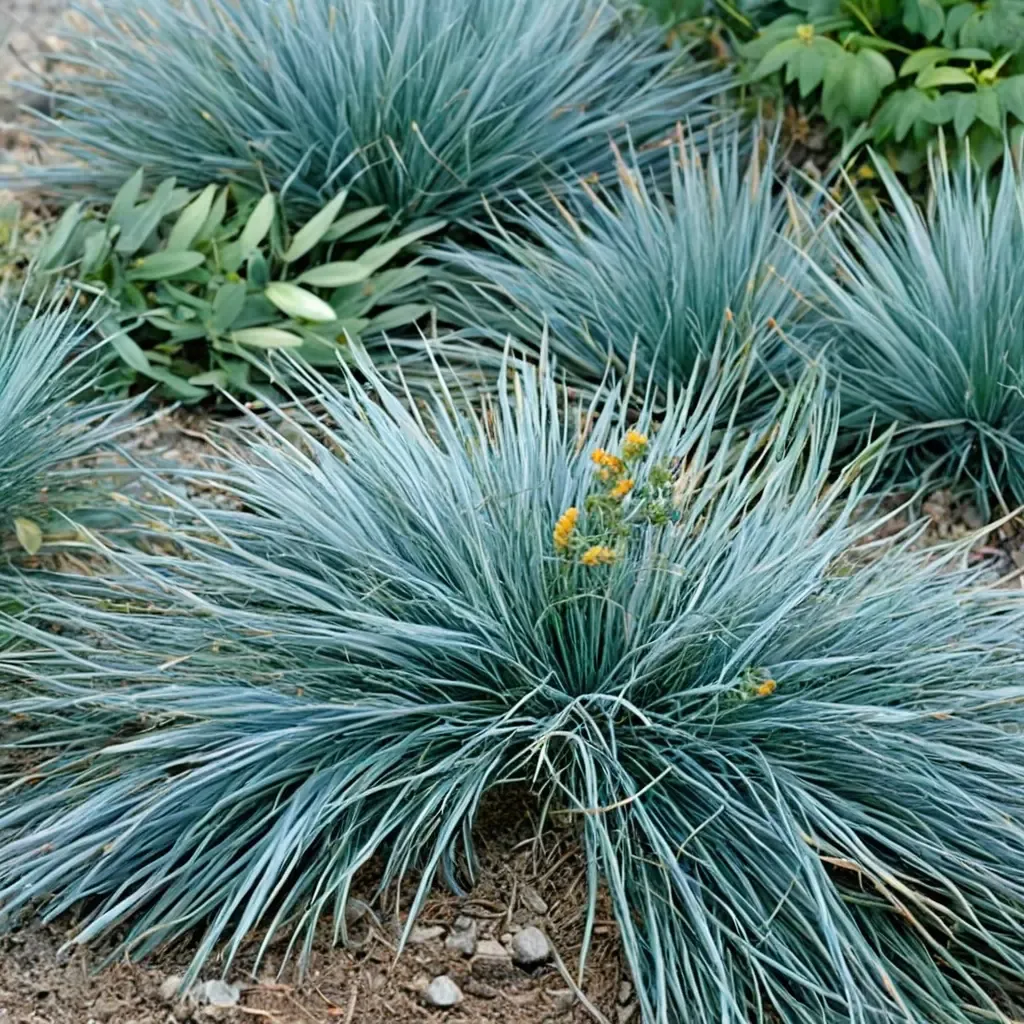
Blue Fox Fescue
Festuca glauca 'Blaufuchs'
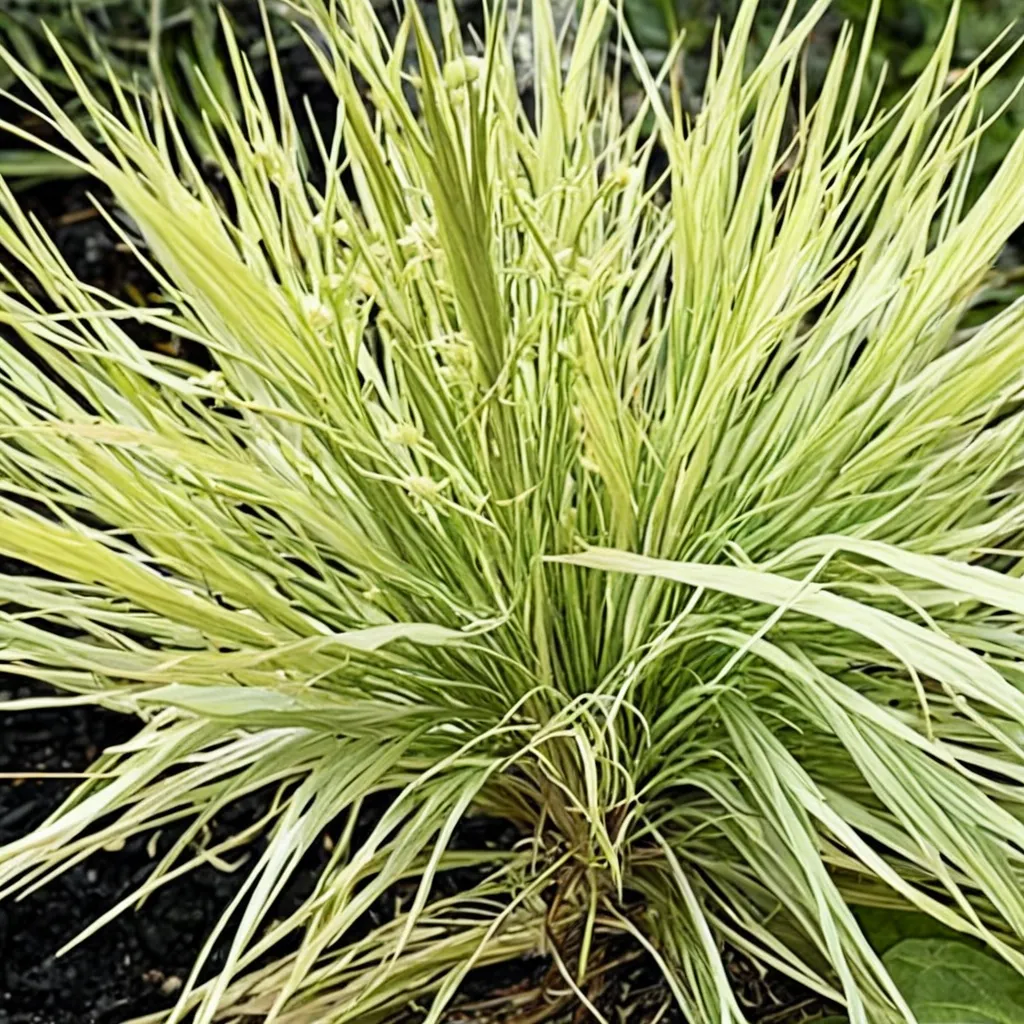
Golden Toupee Fescue
Festuca glauca 'Golden Toupee'
Festuca Mix
Festuca x hybrida 'Mix'
Cool as Ice Blue Fescue
Festuca glauca 'Cool as Ice'
Keep exploring
Explore the genus
Hardy in your zone?
Grow Arizona Fescue with confidence
See it in a design of your actual yard, get zone-matched care reminders, and track it season by season in your garden journal.