The Story
Plant Bio
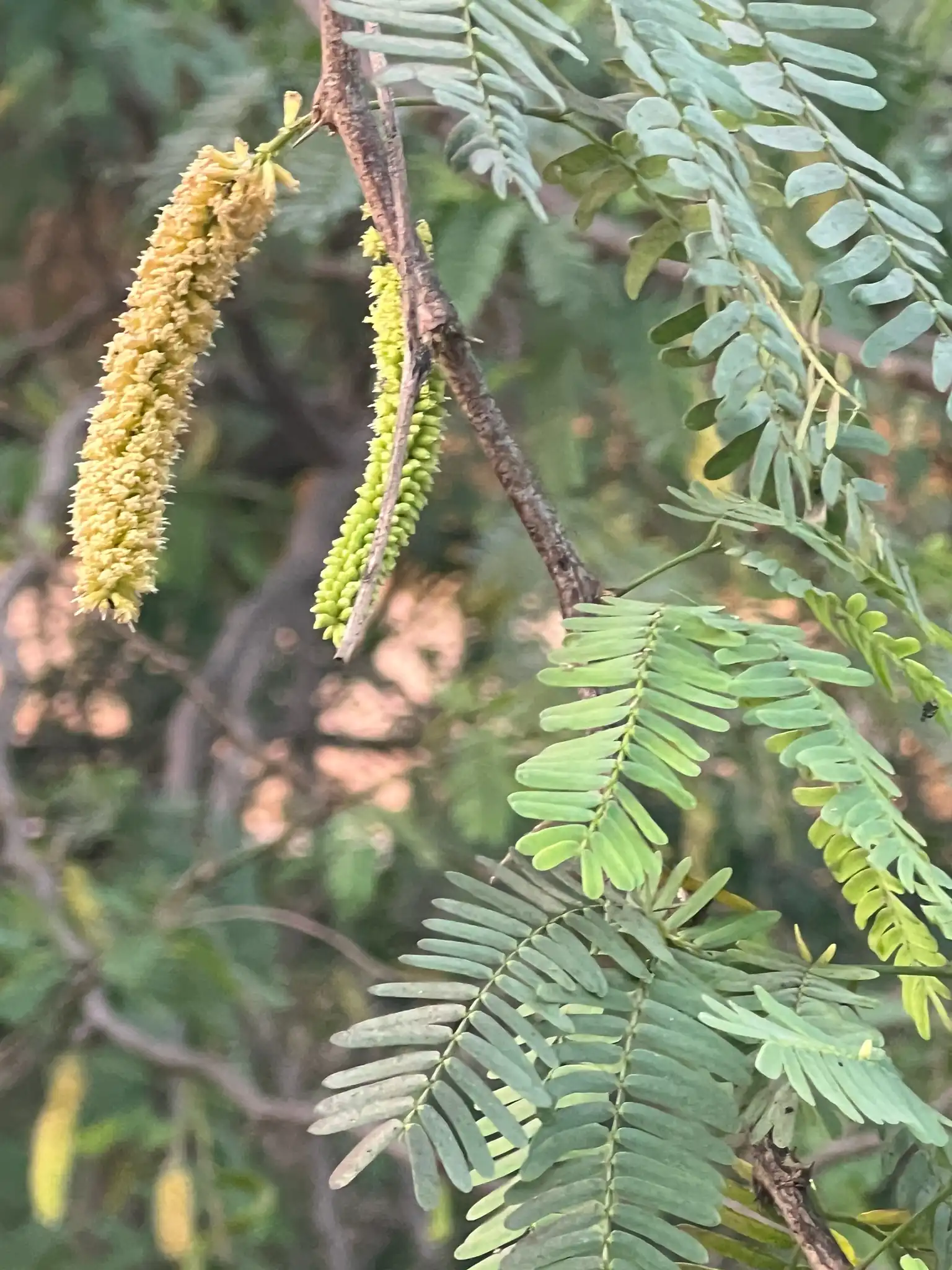
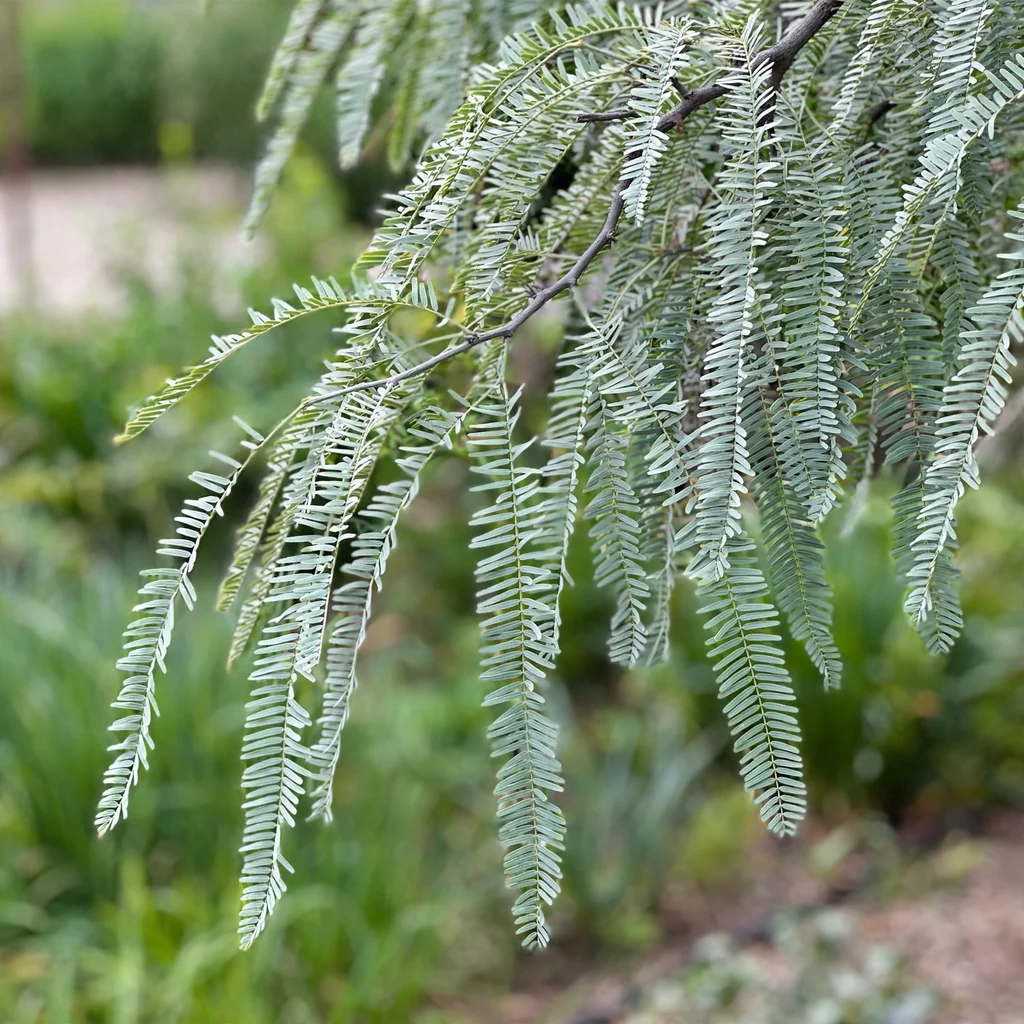
Prosopis juliflora, still sold under that name for the accepted Neltuma juliflora, is a thorny evergreen to deciduous shrub or small tree to forty feet with a twisted trunk and broad spreading crown. The light green leaves are twice-divided into twelve to twenty narrow leaflets, and the tiny green-yellow fragrant flowers pack into dense cylindrical spikes two to six inches long.
Paired stipular spines a quarter inch to two inches long arm the twigs, though some individuals are unarmed, and the spikes bear in clusters of two to five followed by sweet pods. The old broad juliflora lumps velvet mesquite, honey mesquite and kiawe and their hybrids, so nursery stock and zone claims under this name are unreliable and the plant must never be grown as an ornamental.
Uses & Benefits:
Essentials
At a Glance
Plant Type
Tree
Height
472"
Width
472"
Light
Full Sun, Partial Sun
Zones
9, 10
Water
Low
Humidity
Low - arid adapted
Lifespan
Long-lived woody tree
Native To
Mexico, Central America, Caribbean, Colombia, Venezuela, Ecuador, Peru, Bolivia
Toxicity
Thorns injurious; allergenic pollen; pods toxic to livestock in excess
Bloom period
Spring – Early summer
In flower about 4 months of the year
Planting
How to Grow
- Do not plant this species in any garden, field or coastal site.
- Remove fallen pods and pull seedlings when small, bagging material for trash, not compost.
- Wear thorn-proof gloves, long sleeves and eye protection for any handling.
- Contact your county or state weed authority for legal control and disposal requirements.
Pro Tip
Do not plant seed or cuttings; report established plants to your county weed authority and leave removal to professionals with thorn-proof equipment.
Keep It Thriving
Care Guide
Do
- Report naturalized plants to local weed authorities promptly.
- Wear protective clothing around thorns and avoid inhaling pollen if asthmatic.
Don't
- Do not sow seed, plant pods or move soil containing seed.
- Do not compost pods or chip thorny wood into mulch for garden use.
Seasonal Care Calendar
| Task | Jan | Feb | Mar | Apr | May | Jun | Jul | Aug | Sep | Oct | Nov | Dec |
|---|---|---|---|---|---|---|---|---|---|---|---|---|
| Pest Check | ||||||||||||
| Prune | ||||||||||||
| Spring Cleanup | ||||||||||||
| Winter Prep |
Watch Out For
Pests & Diseases
Common Pests
Multiply
Propagation Methods
Good to Know
Common Questions
Mesquite questions
What zones can Mesquite grow in?
Mesquite is hardy in USDA Zones 9–10: in that range it survives winter in the ground. Colder than Zone 9, winters are too cold for it to survive outdoors.
When does Mesquite bloom?
Mesquite typically blooms from early spring to early summer. Exact timing shifts a week or two with your zone — Sow's bloom calendar maps it to your garden.
Does Mesquite need full sun?
Mesquite does best in full sun to part shade. In hot climates, afternoon shade keeps blooms fresher longer.
Is Mesquite drought tolerant?
Yes — once established (usually after the first full season), Mesquite handles dry spells with minimal watering. Water deeply its first year to build the root system that makes that possible.
More Prosopis to compare
Keep exploring
Explore the genus
Hardy in your zone?
Grow Mesquite with confidence
See it in a design of your actual yard, get zone-matched care reminders, and track it season by season in your garden journal.