The Story
Plant Bio
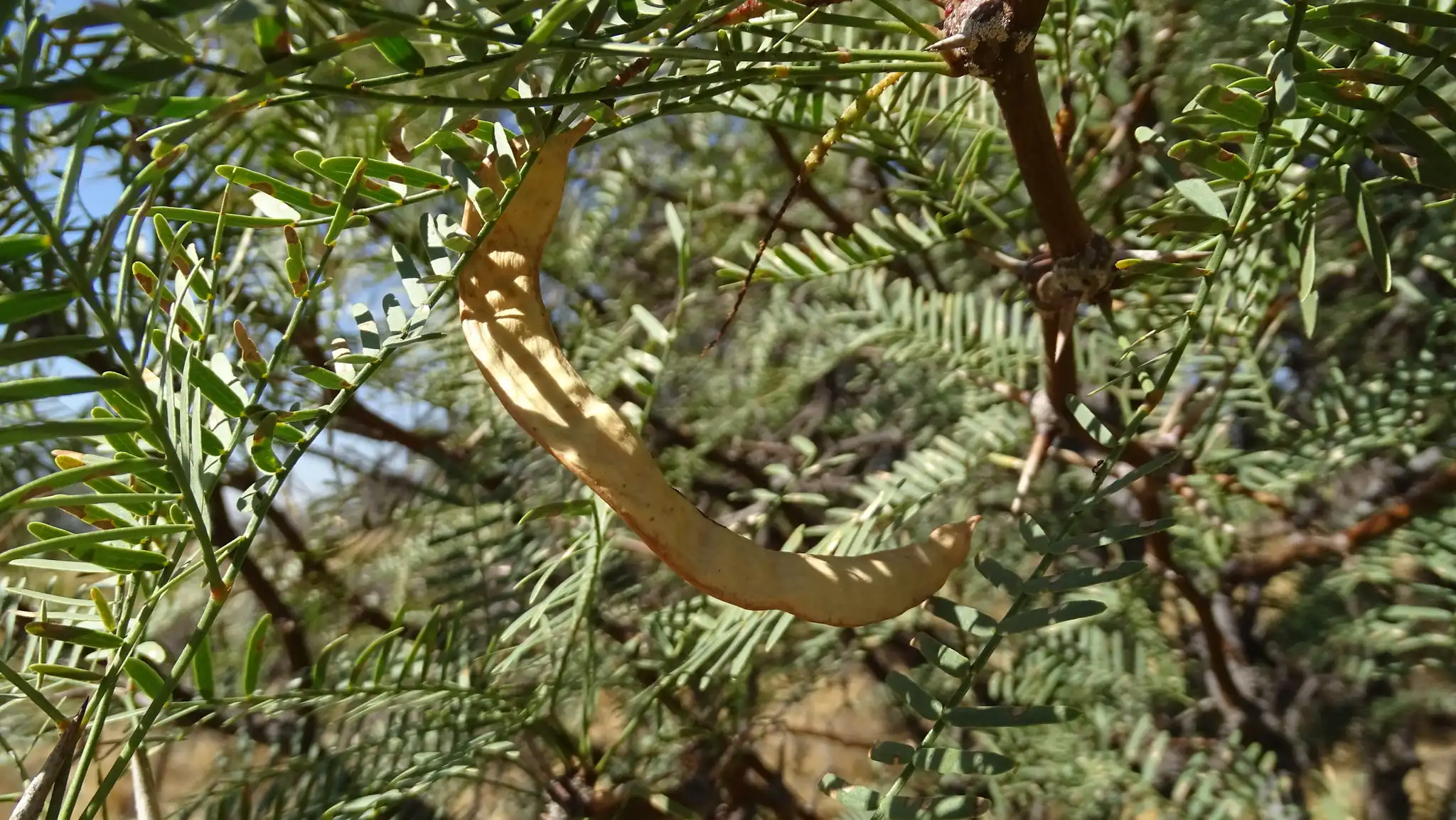
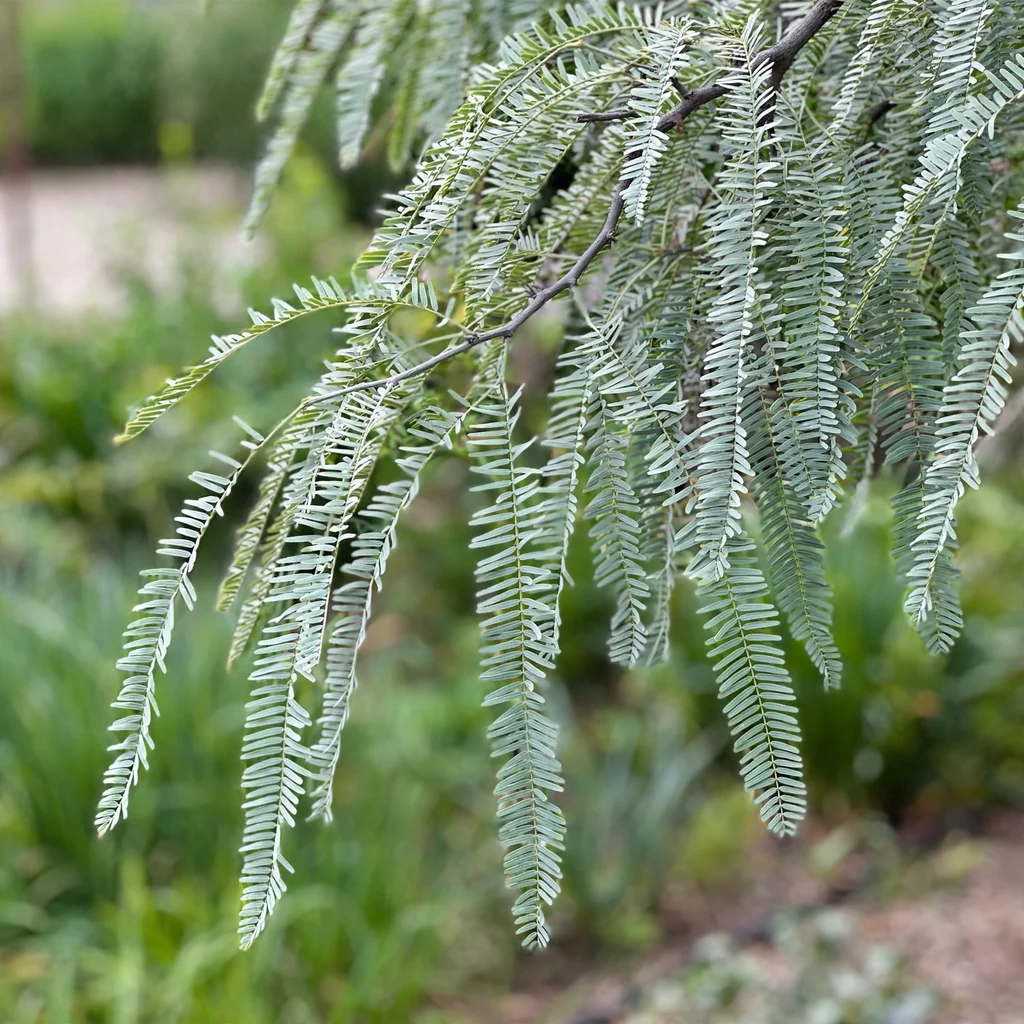
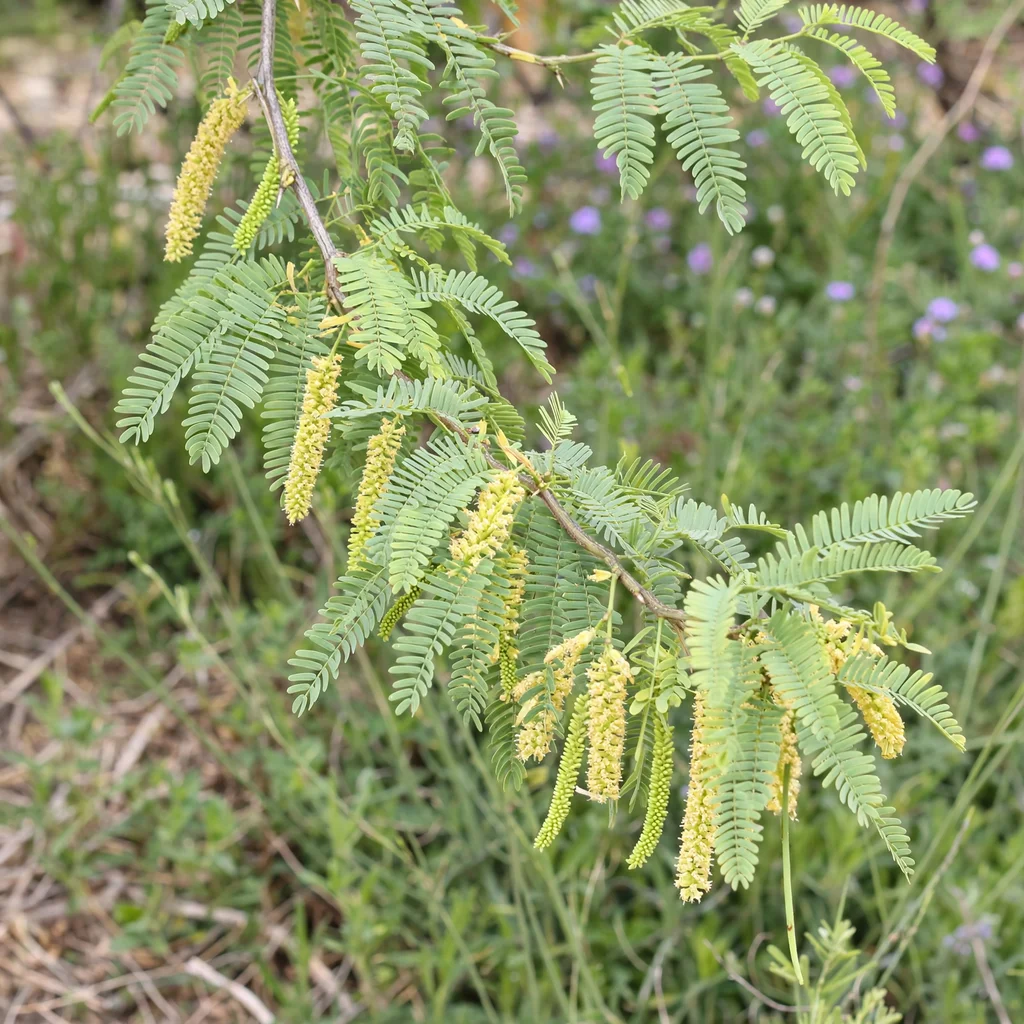
Prosopis chilensis, now placed as Neltuma chilensis but still sold under the older name, is a fast-growing semi-deciduous tree from arid valleys and washes of Chile, Argentina and Peru that reaches 25 to 35 feet in gardens with a round-crowned umbrella canopy. It carries finely textured bipinnate green leaves with 10 to 29 small dark green leaflets per pinnae on twisting branches with dark coarse fissured bark.
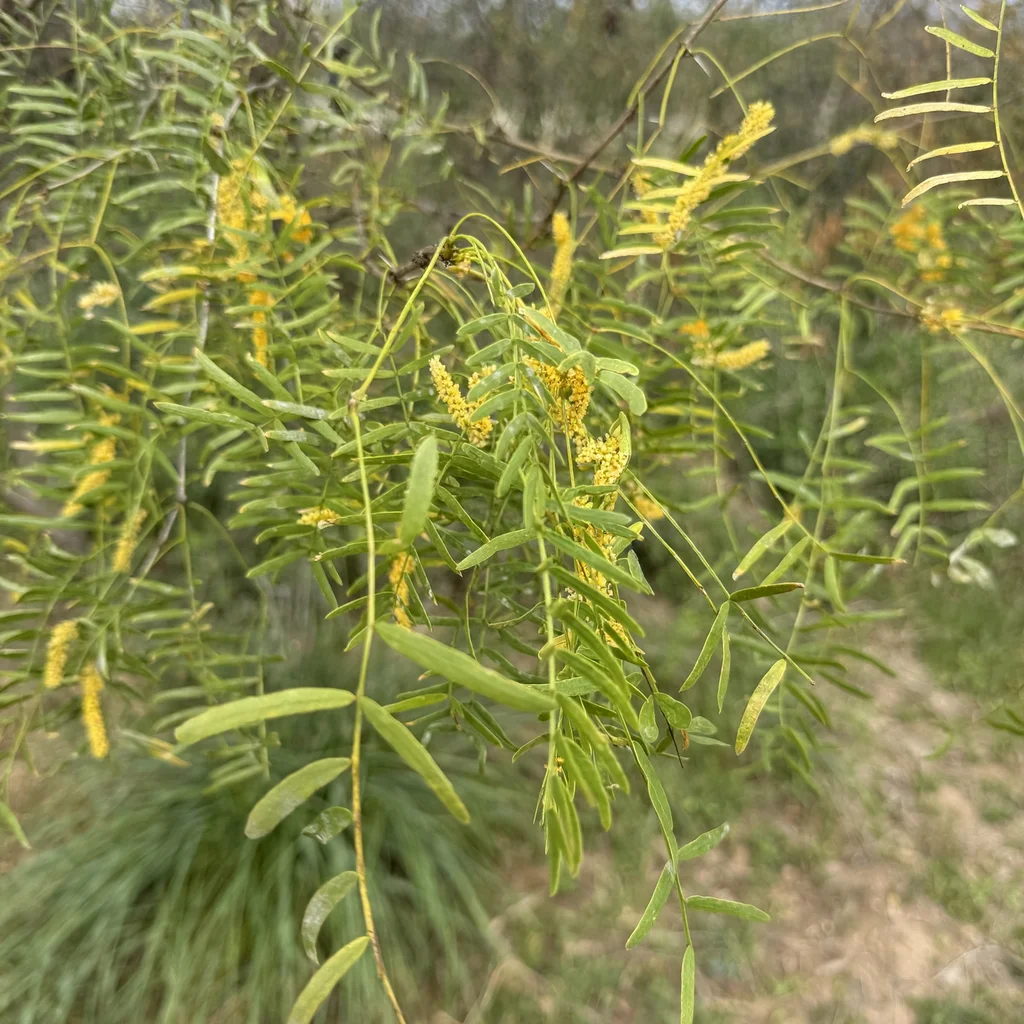
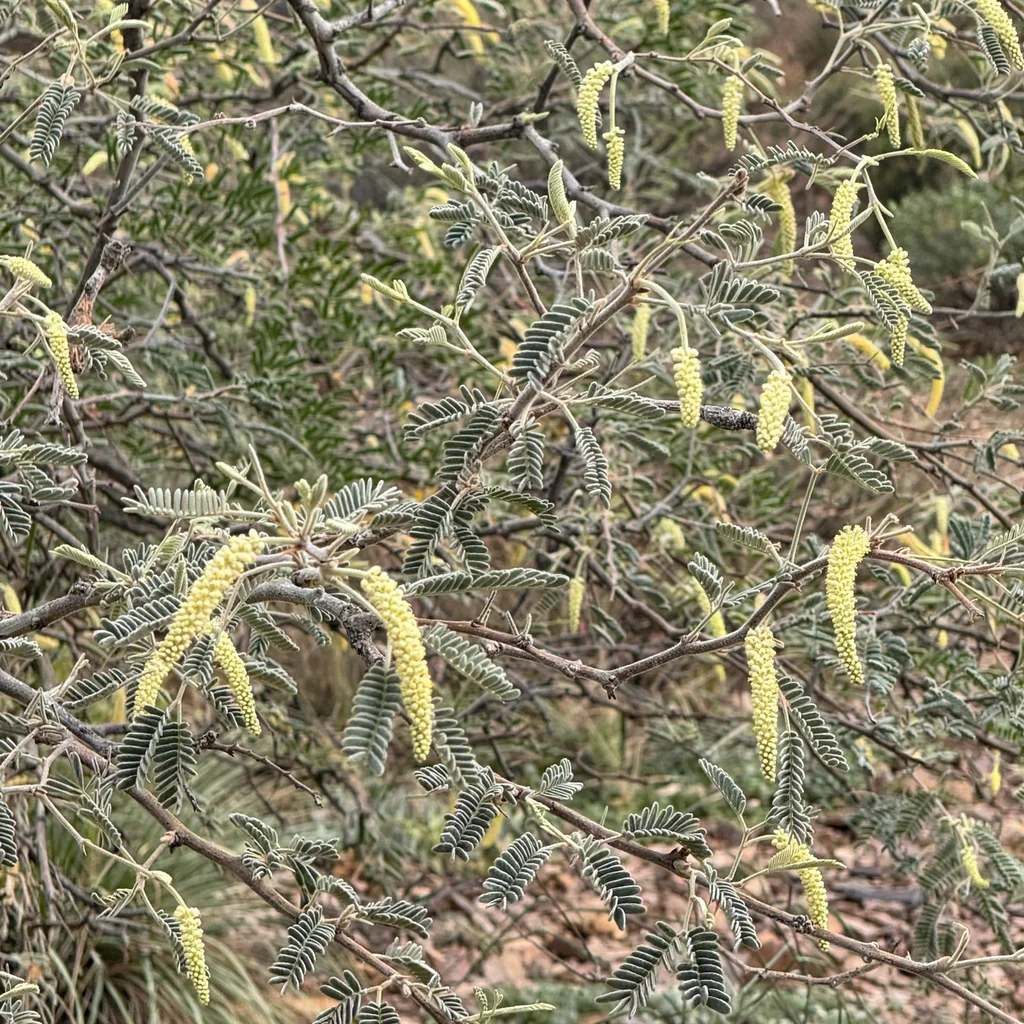
It blooms in spring in 2-inch catkin-like spikes of yellow to greenish-yellow, followed by flat pods that feed wildlife and bees working the flowers for nectar and pollen. Nursery stock varies because seed-grown trees are often chilensis crossed with Prosopis alba, so reliably thornless seedless trees come only from cutting-grown clones that hold the upright vigorous form without paired stout yellow spines.
Uses & Benefits:
Essentials
At a Glance
Plant Type
Tree
Height
360"
Width
420"
Light
Full Sun
Zones
8, 9, 10
Water
Low
Humidity
Low
Lifespan
Long-lived tree
Native To
Chile, Argentina, Peru
Toxicity
Non-toxic; spines can injure
Bloom period
Spring – Summer
In flower about 6 months of the year
Planting
How to Grow
- Plant in full sun in well-drained sandy to loam soil after last frost, with room for a 25 to 35 foot canopy.
- Dig a hole as deep as the container and twice as wide, set the crown level, backfill and water deeply.
- Stake young trees low and train yearly to a single trunk, removing suckers and crossed branches.
- Water deeply but infrequently the first two summers, then taper to low water once established.
Pro Tip
Buy a cutting-grown thornless seedless clone, not seed, or you risk stout spines and heavy pods; seed-grown stock often proves to be a chilensis x alba hybrid.
Keep It Thriving
Care Guide
Do
- Train young trees yearly to establish a single trunk and raised canopy
- Thin mature trees in late fall and sterilize blades between cuts
- Wear heavy gloves, long sleeves and goggles when pruning spiny stock
Don't
- Do not over-fertilize; it fixes nitrogen and rarely needs feeding
- Do not shear annually; mature trees need only occasional thinning
- Do not overwater or plant in soggy soil with lawn irrigation
Seasonal Care Calendar
| Task | Jan | Feb | Mar | Apr | May | Jun | Jul | Aug | Sep | Oct | Nov | Dec |
|---|---|---|---|---|---|---|---|---|---|---|---|---|
| Mulch | ||||||||||||
| Pest Check | ||||||||||||
| Plant | ||||||||||||
| Prune |
Watch Out For
Pests & Diseases
Common Pests
Common Diseases
In the Garden
Landscape Uses & Companions
Landscape Uses
Multiply
Propagation Methods
Good to Know
Common Questions
Chilean Mesquite questions
What zones can Chilean Mesquite grow in?
Chilean Mesquite is hardy in USDA Zones 8–10: in that range it survives winter in the ground. Colder than Zone 8, winters are too cold for it to survive outdoors.
When does Chilean Mesquite bloom?
Chilean Mesquite typically blooms from spring to summer. Exact timing shifts a week or two with your zone — Sow's bloom calendar maps it to your garden.
Does Chilean Mesquite need full sun?
Chilean Mesquite does best in full sun (6+ hours).
Is Chilean Mesquite drought tolerant?
Yes — once established (usually after the first full season), Chilean Mesquite handles dry spells with minimal watering. Water deeply its first year to build the root system that makes that possible.
More Prosopis to compare
Keep exploring
Explore the genus
Hardy in your zone?
Grow Chilean Mesquite with confidence
See it in a design of your actual yard, get zone-matched care reminders, and track it season by season in your garden journal.