The Story
Plant Bio
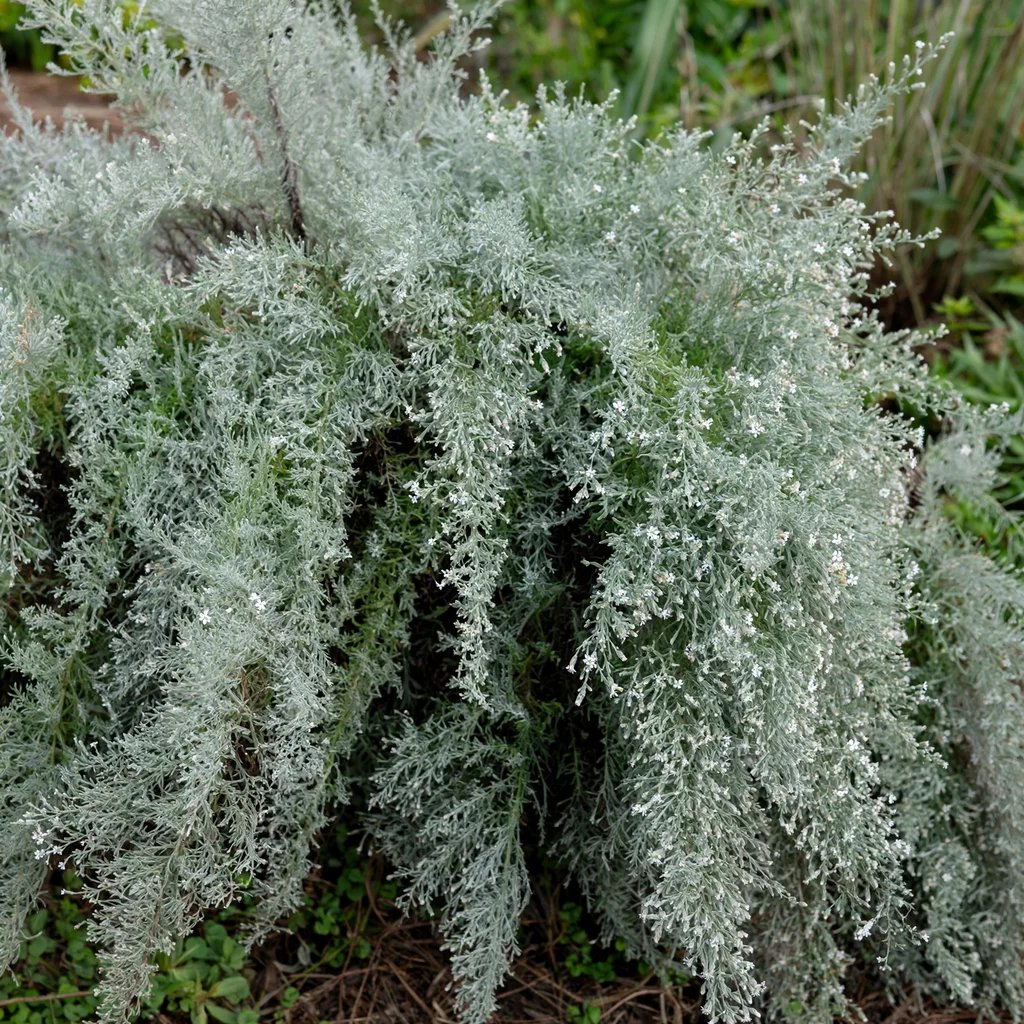
Artemisia ludoviciana is an aromatic upright perennial herb to subshrub that slowly enlarges into silver patches. Its alternate leaves carry dense fine hairs on both sides, and its inconspicuous heads are wind-pollinated and ripen to dry cypselae.
Sold as Artemisia mexicana, this southern subspecies holds narrow elliptic-linear foliage whitish-gray on both faces and reaches one to three feet. It blooms from late summer into early winter with small white to yellow heads that shed wind-borne pollen rather than nectar.
Uses & Benefits:
Essentials
At a Glance
Plant Type
Perennial
Height
36"
Width
24"
Light
Full Sun
Zones
4, 5, 6, 7, 8, 9
Water
Low
Humidity
Low
Lifespan
Perennial
Native To
Southwestern USA to Mexico
Toxicity
Toxic if ingested - contains santonin
Bloom period
Late summer – Early winter
In flower about 5 months of the year
Planting
How to Grow
- Plant in full sun in lean sandy to loamy soil that drains fast.
- Set the crown at soil level and water in once, then keep on the dry side.
- Space plants to allow full air movement around the silver foliage.
- Withhold fertilizer; poor dry soil keeps growth compact and aromatic.
- Cut out only damaged or mildewed stems and avoid overhead watering.
Pro Tip
Give it the poorest, driest, sunniest spot; rich soil and extra water make it floppy and mildewed and dilute the aroma.
Keep It Thriving
Care Guide
Do
- Plant in full sun with sharp drainage and room for airflow.
- Let established plants go dry between waterings.
- Remove mildewed or damaged stems promptly.
Don't
- Do not overwater or plant where water stands.
- Do not enrich with rich soil or frequent fertilizer.
- Do not plant in shade or crowd under thirsty perennials.
Seasonal Care Calendar
| Task | Jan | Feb | Mar | Apr | May | Jun | Jul | Aug | Sep | Oct | Nov | Dec |
|---|---|---|---|---|---|---|---|---|---|---|---|---|
| Pest Check | ||||||||||||
| Plant | ||||||||||||
| Propagate | ||||||||||||
| Prune |
Watch Out For
Pests & Diseases
Common Pests
Common Diseases
In the Garden
Landscape Uses & Companions
Landscape Uses
Multiply
Propagation Methods
Good to Know
Common Questions
Mexican White Sagebrush questions
What zones can Mexican White Sagebrush grow in?
Mexican White Sagebrush is hardy in USDA Zones 4–9: in that range it survives winter in the ground. Warmer than Zone 9, winter isn't the problem: it prefers colder winters, and summer heat can shorten its life.
Is Mexican White Sagebrush deer resistant?
Yes — Mexican White Sagebrush is rated deer-resistant. Deer typically pass it over, though extreme hunger can override any plant's defenses.
When does Mexican White Sagebrush bloom?
Mexican White Sagebrush typically blooms from late summer to early winter. Exact timing shifts a week or two with your zone — Sow's bloom calendar maps it to your garden.
Does Mexican White Sagebrush need full sun?
Mexican White Sagebrush does best in full sun (6+ hours).
Is Mexican White Sagebrush drought tolerant?
Yes — once established (usually after the first full season), Mexican White Sagebrush handles dry spells with minimal watering. Water deeply its first year to build the root system that makes that possible.
More Artemisia to compare
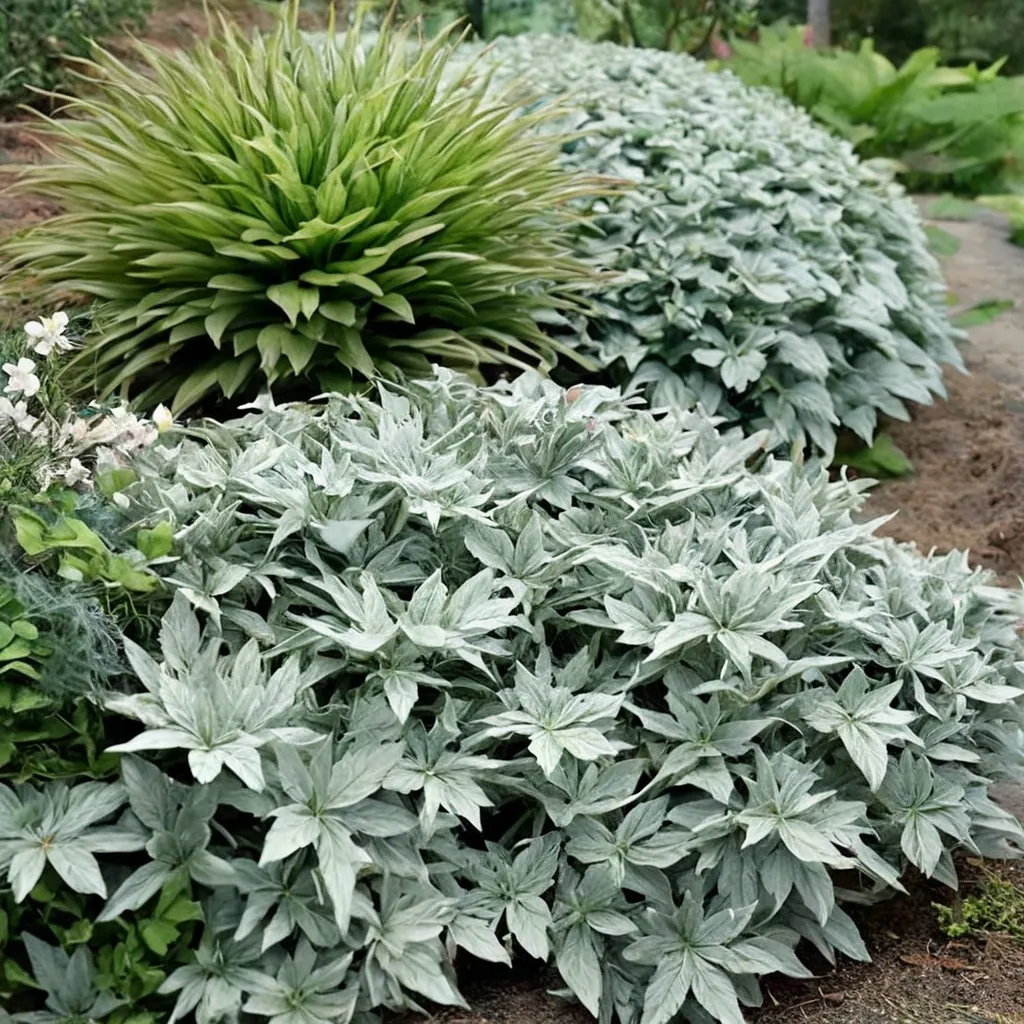
Artemisia Silver Lining
Artemisia x hybrida 'Silver Lining'
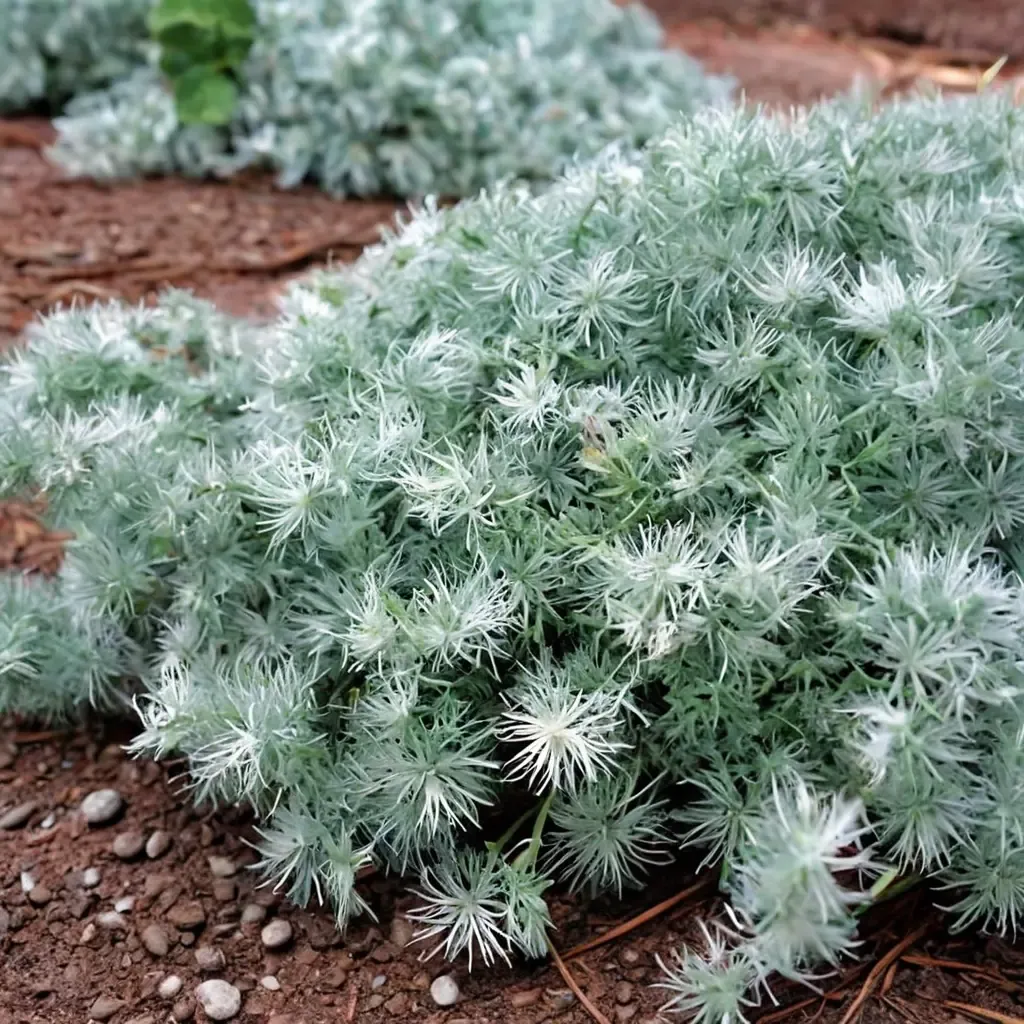
Silver Mound Wormwood
Artemisia schmidtiana 'Silver Mound'
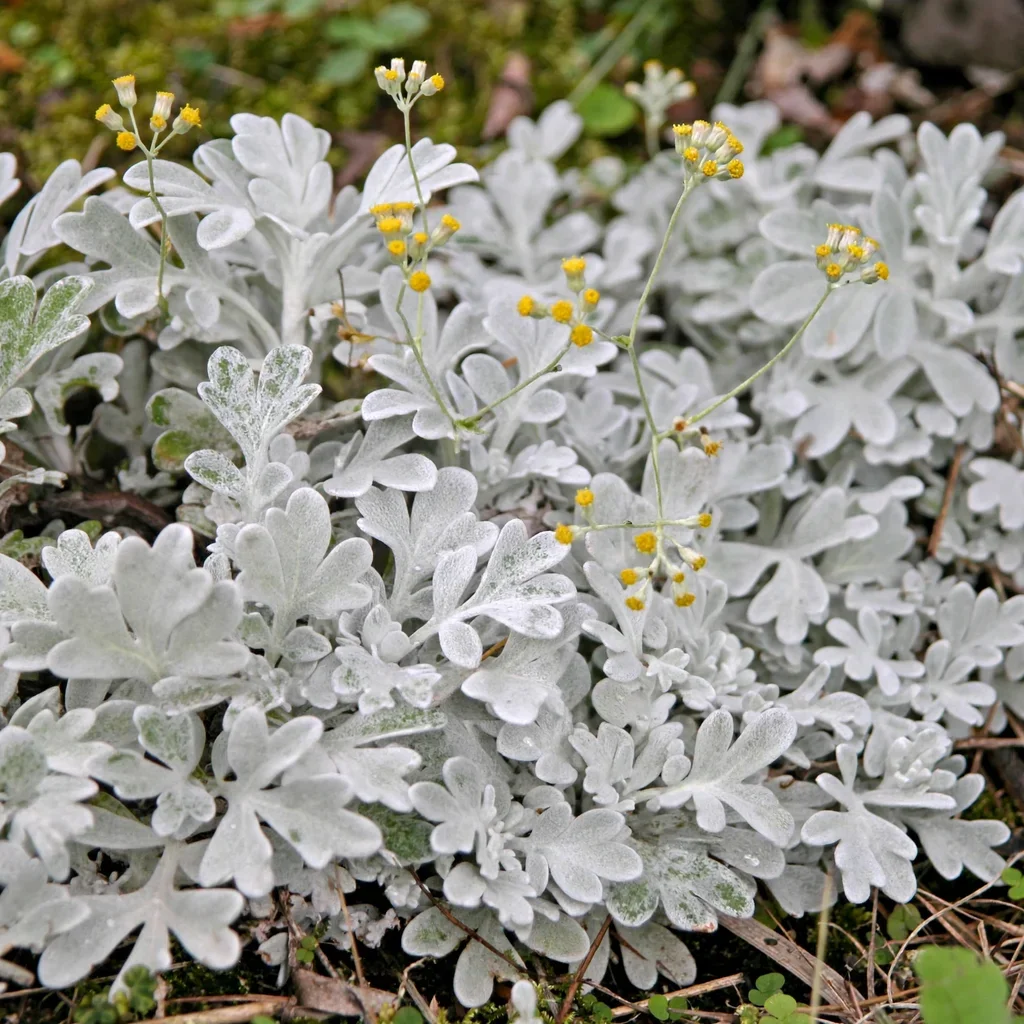
Silver Brocade Beach Wormwood
Artemisia stelleriana 'Silver Brocade'
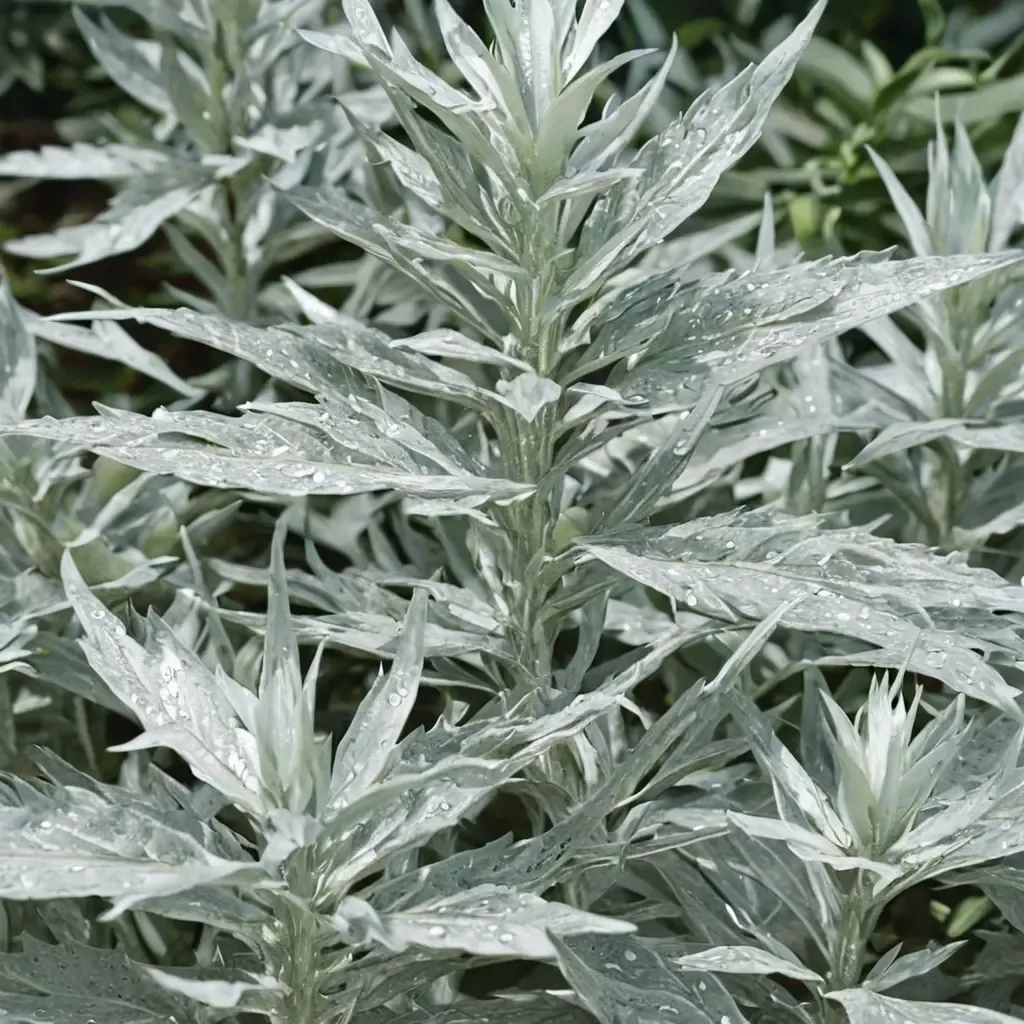
Silver King Artemisia
Artemisia ludoviciana 'Silver King'
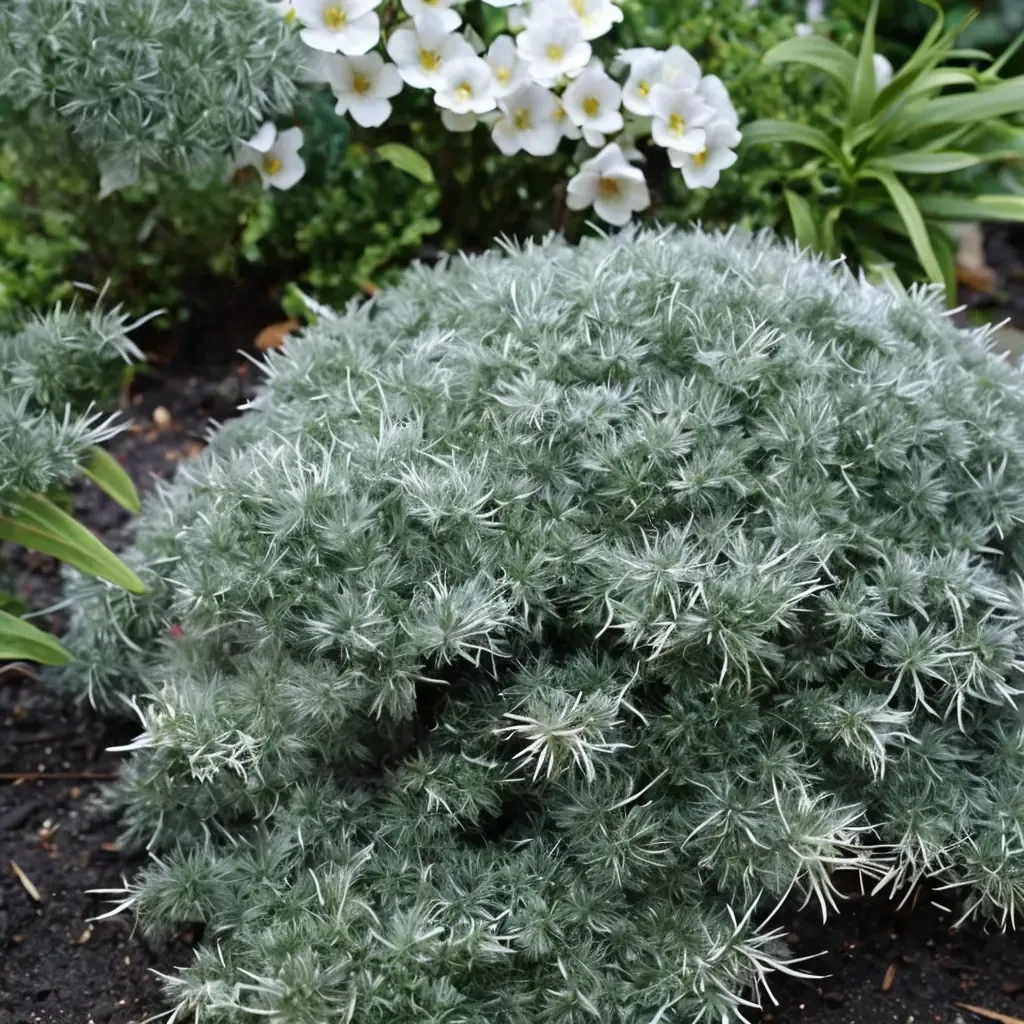
Silver Mound Artemisia
Artemisia schmidtiana 'Nana'
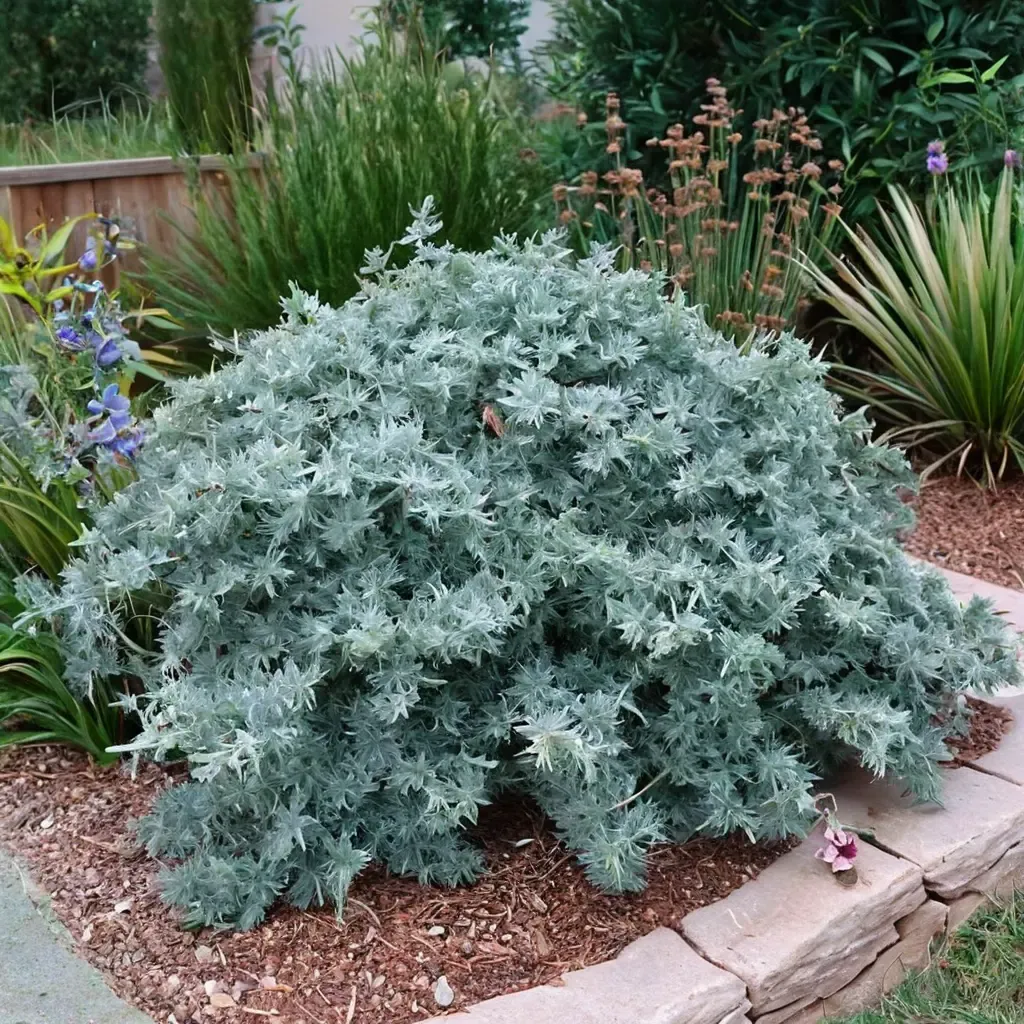
Powis Castle wormwood
Artemisia x hybrida 'Powis Castle'
Keep exploring
Explore the genus
Grow Mexican White Sagebrush with confidence
See it in a design of your actual yard, get zone-matched care reminders, and track it season by season in your garden journal.