The Story
Plant Bio
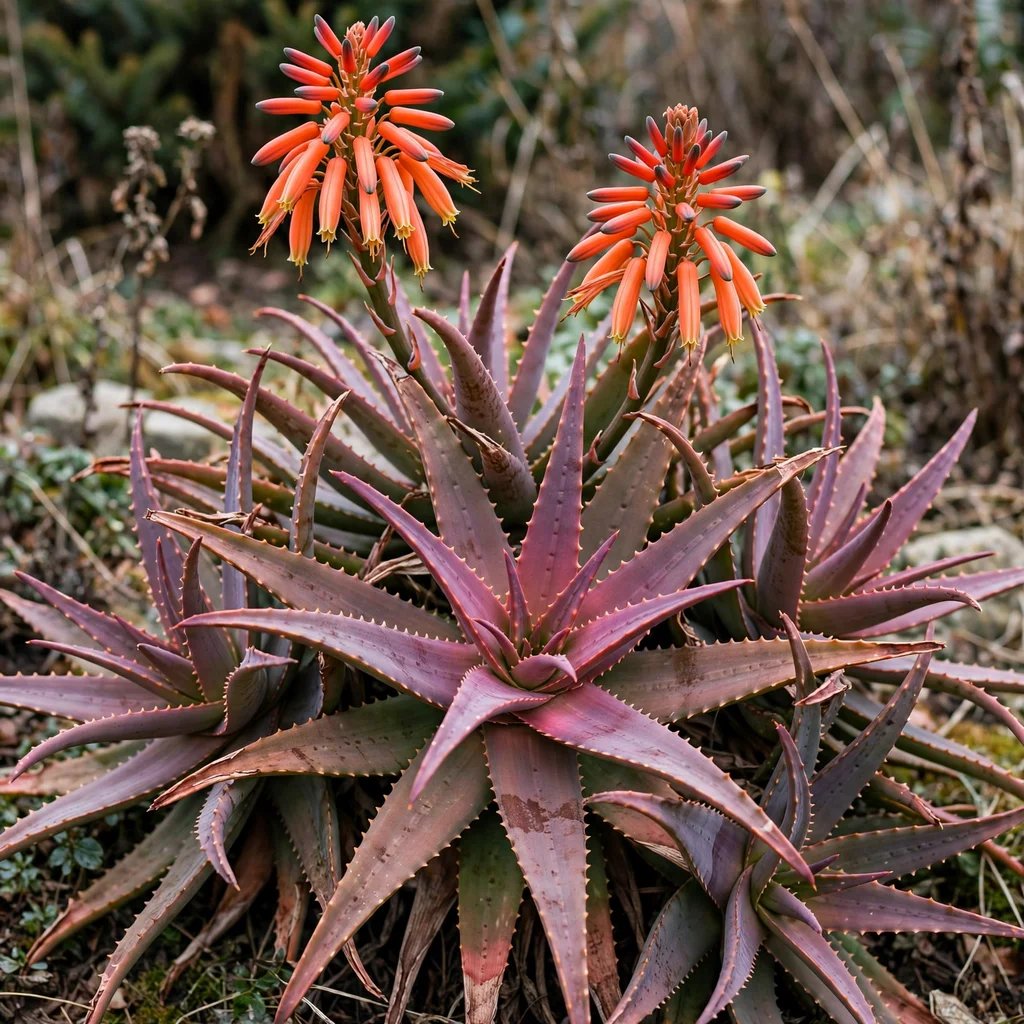
Aloe rubroviolacea is a suckering Arabian aloe that builds sprawling clumps of thick-stemmed rosettes to three feet tall and six feet wide. The thick sword-shaped leaves are blue-green to blue-gray, rubbery and recurved with toothed margins.
In full sun and winter cold the foliage flushes pink to violet-maroon, with the newest leaves coloring first. The waxy orange-red tubular flowers are borne on stout erect racemes above the foliage from late fall into winter.
Uses & Benefits:
Essentials
At a Glance
Plant Type
Cactus Succulent
Height
36"
Width
71"
Light
Full Sun, Partial Sun
Zones
9, 10
Water
Low
Humidity
Low
Lifespan
Long-lived perennial
Native To
Yemen and Saudi Arabia
Toxicity
Toxic to dogs and cats
Bloom period
Late fall – Winter
In flower about 4 months of the year
Planting
How to Grow
- Set in full sun where air moves freely; light shade is tolerated but color is poor.
- Plant high in rocky or sandy soil that drains sharply; use a mound or raised bed on heavy ground.
- Water deeply after planting, then let the soil dry between waterings; established clumps need little water.
- Cut spent flower spikes at the base after bloom and leave old stems alone.
- Cover developing buds when nights approach 30F; foliage takes 20F but flowers freeze.
Pro Tip
Pink to violet winter color is a sun and cold response, not disease; cover opening buds near 30F and keep soil dry, because wet soil kills this aloe faster than cold.
Keep It Thriving
Care Guide
Do
- Give sharp drainage and a dry interval between waterings.
- Provide full sun for compact growth and winter pink to violet color.
- Check rosette bases for snails after rain.
Don't
- Do not plant in clay bowls, low spots, or pots without drainage.
- Do not shear or cut back into old leafless stems.
- Do not overwater in winter when growth slows.
Seasonal Care Calendar
| Task | Jan | Feb | Mar | Apr | May | Jun | Jul | Aug | Sep | Oct | Nov | Dec |
|---|---|---|---|---|---|---|---|---|---|---|---|---|
| Pest Check | ||||||||||||
| Plant | ||||||||||||
| Propagate | ||||||||||||
| Prune | ||||||||||||
| Winter Prep |
Watch Out For
Pests & Diseases
Common Pests
Common Diseases
In the Garden
Landscape Uses & Companions
Landscape Uses
Companion Plants
Multiply
Propagation Methods
Good to Know
Common Questions
Arabian Aloe questions
What zones can Arabian Aloe grow in?
Arabian Aloe is hardy in USDA Zones 9–10: in that range it survives winter in the ground. Colder than Zone 9, grow it in a container you can move to shelter for the winter, or as an annual.
When does Arabian Aloe bloom?
Arabian Aloe typically blooms from late fall to late winter. Exact timing shifts a week or two with your zone — Sow's bloom calendar maps it to your garden.
Does Arabian Aloe need full sun?
Arabian Aloe does best in full sun to part shade. In hot climates, afternoon shade keeps blooms fresher longer.
Is Arabian Aloe drought tolerant?
Yes — once established (usually after the first full season), Arabian Aloe handles dry spells with minimal watering. Water deeply its first year to build the root system that makes that possible.
More Aloe to compare
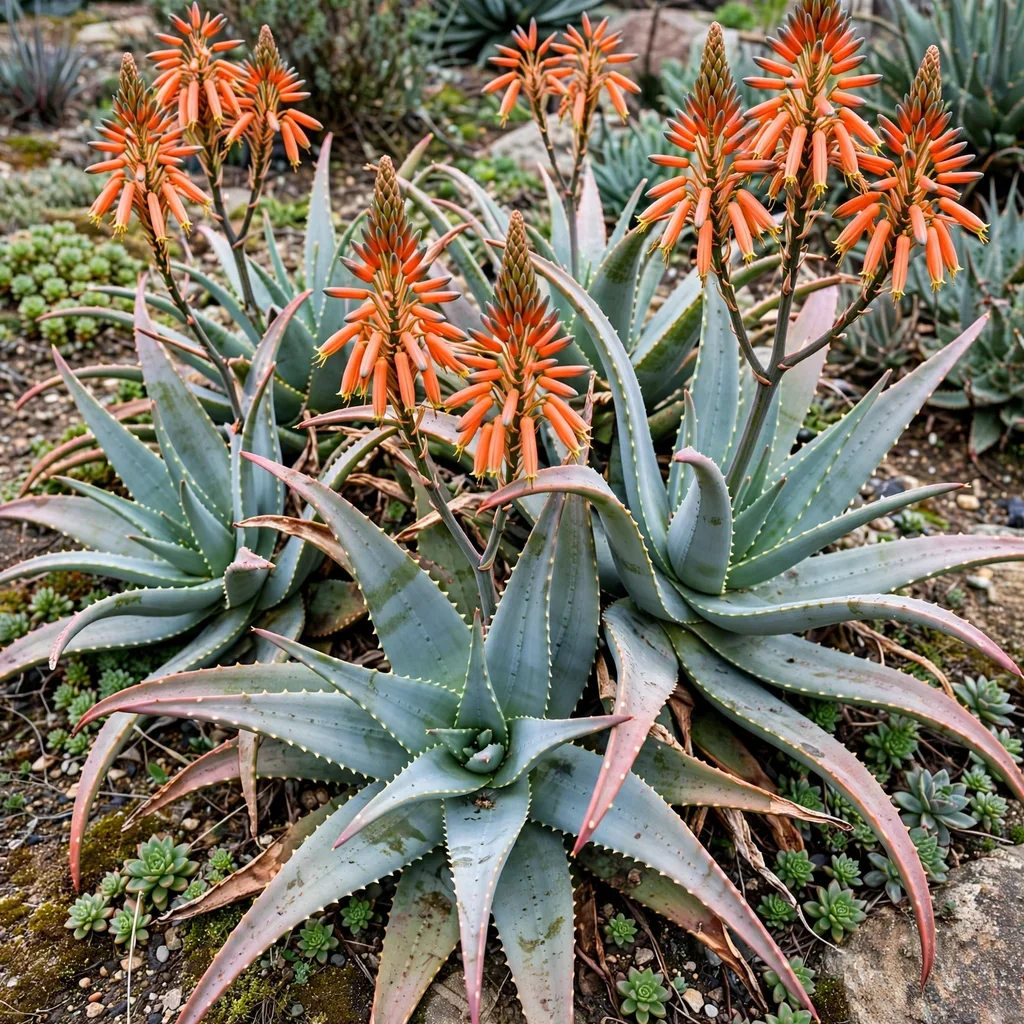
Compton's Aloe
Aloe comptonii
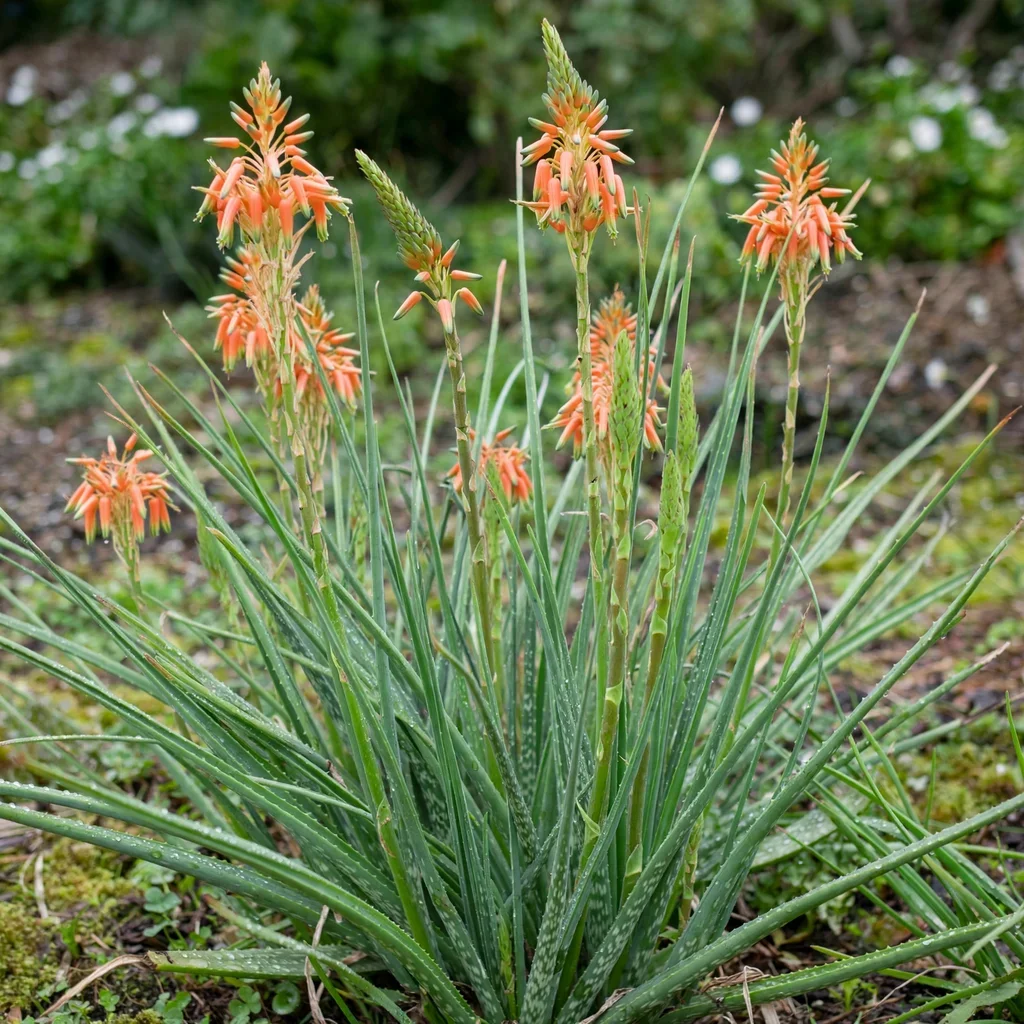
Cooper's Aloe
Aloe cooperi
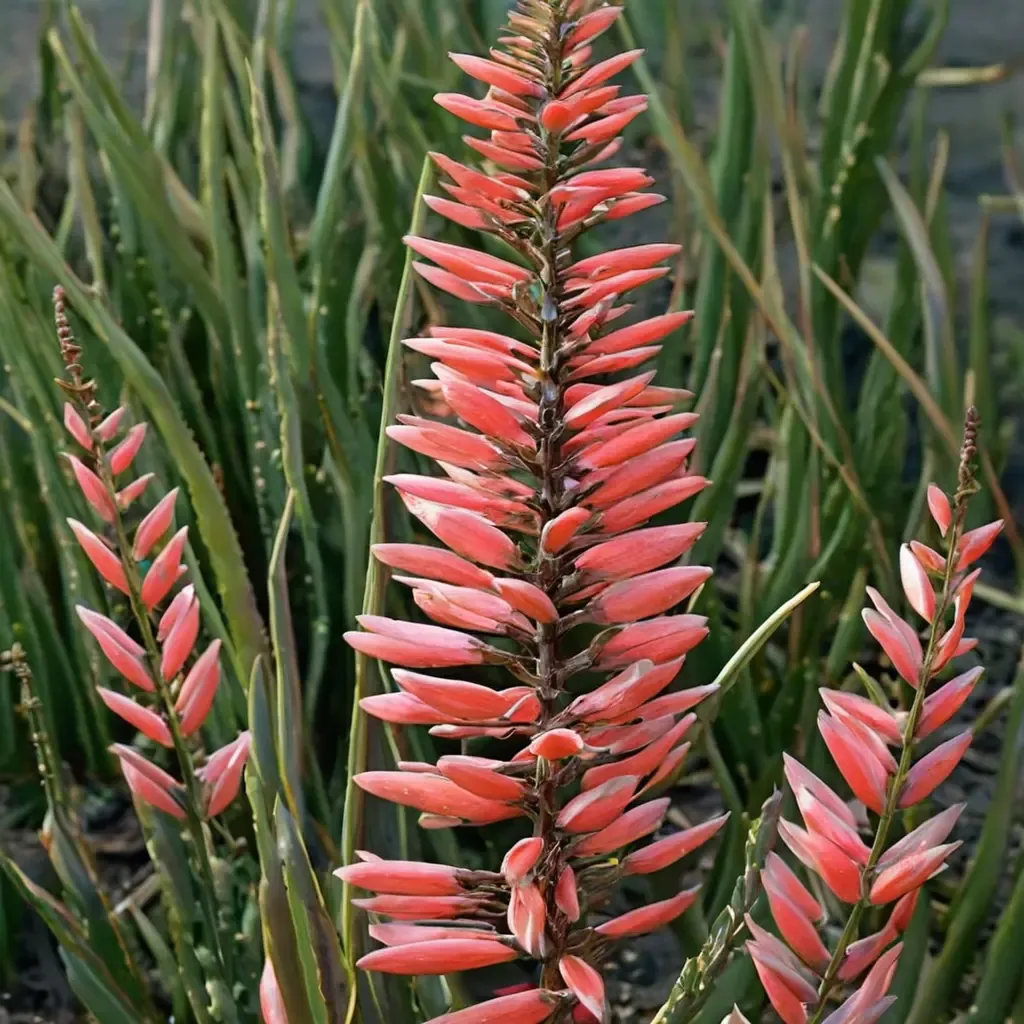
Safari Rose Aloe
Aloe vera 'Safari Rose'
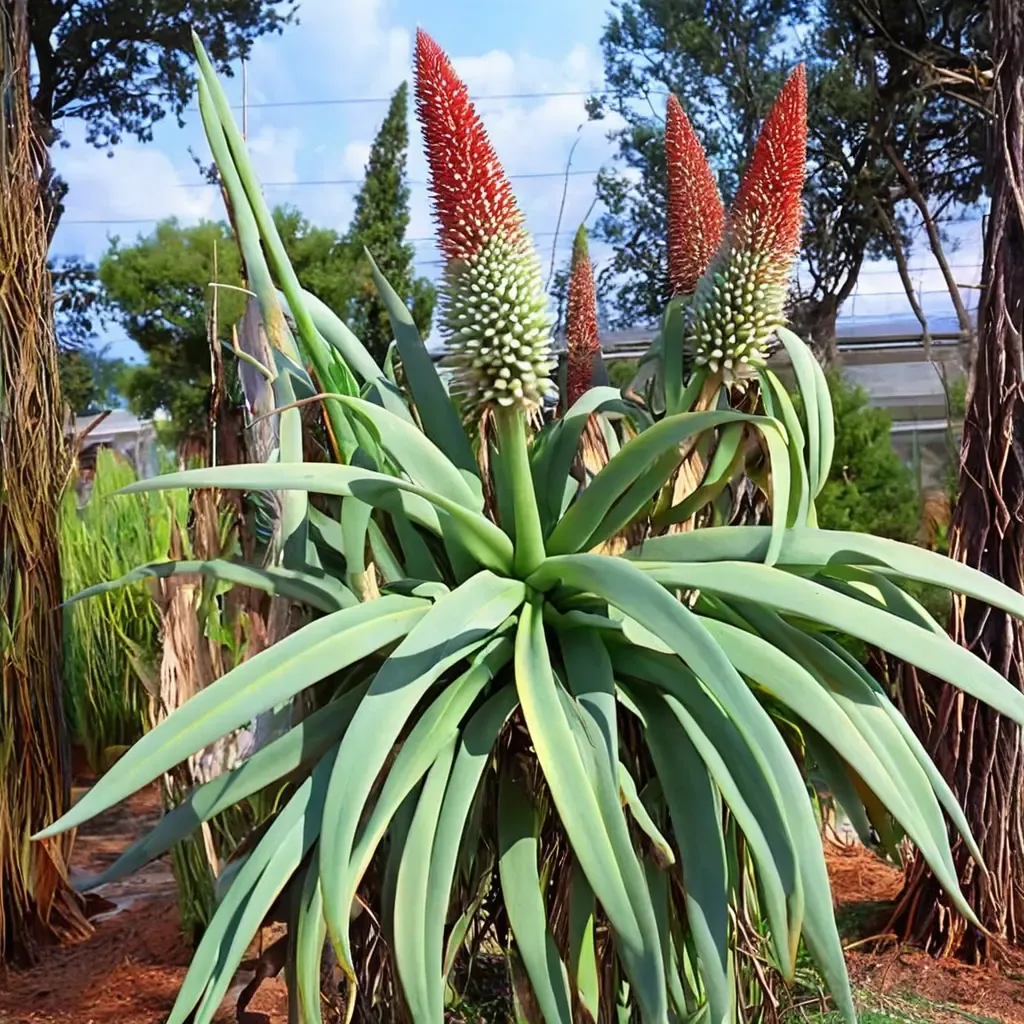
Tilt-Head Aloe
Aloe speciosa 'Tilt-Head Aloe'
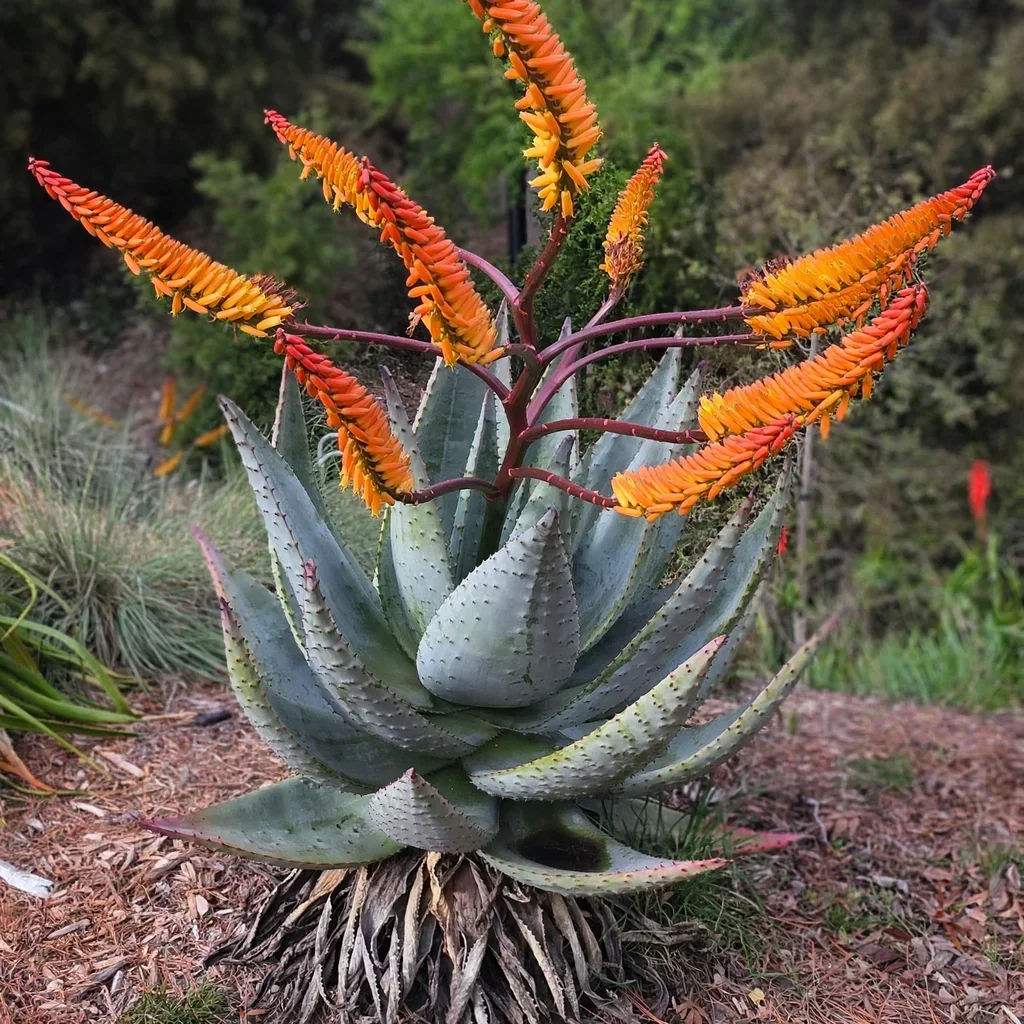
Mountain Aloe
Aloe marlothii 'Flat Flowered Aloe'
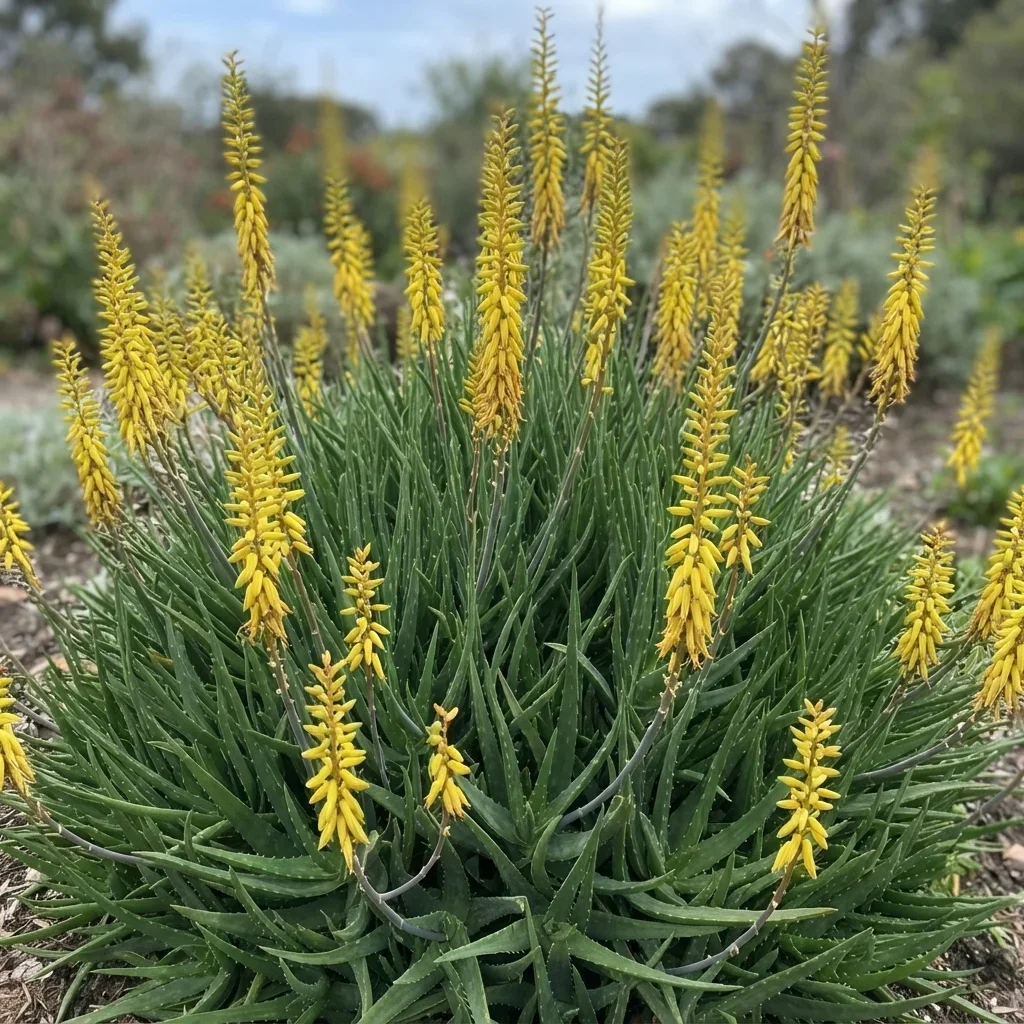
Fence Aloe
Aloe tenuior 'Fence Aloe'
Keep exploring
Explore the genus
Hardy in your zone?
Grow Arabian Aloe with confidence
See it in a design of your actual yard, get zone-matched care reminders, and track it season by season in your garden journal.