The Story
Plant Bio
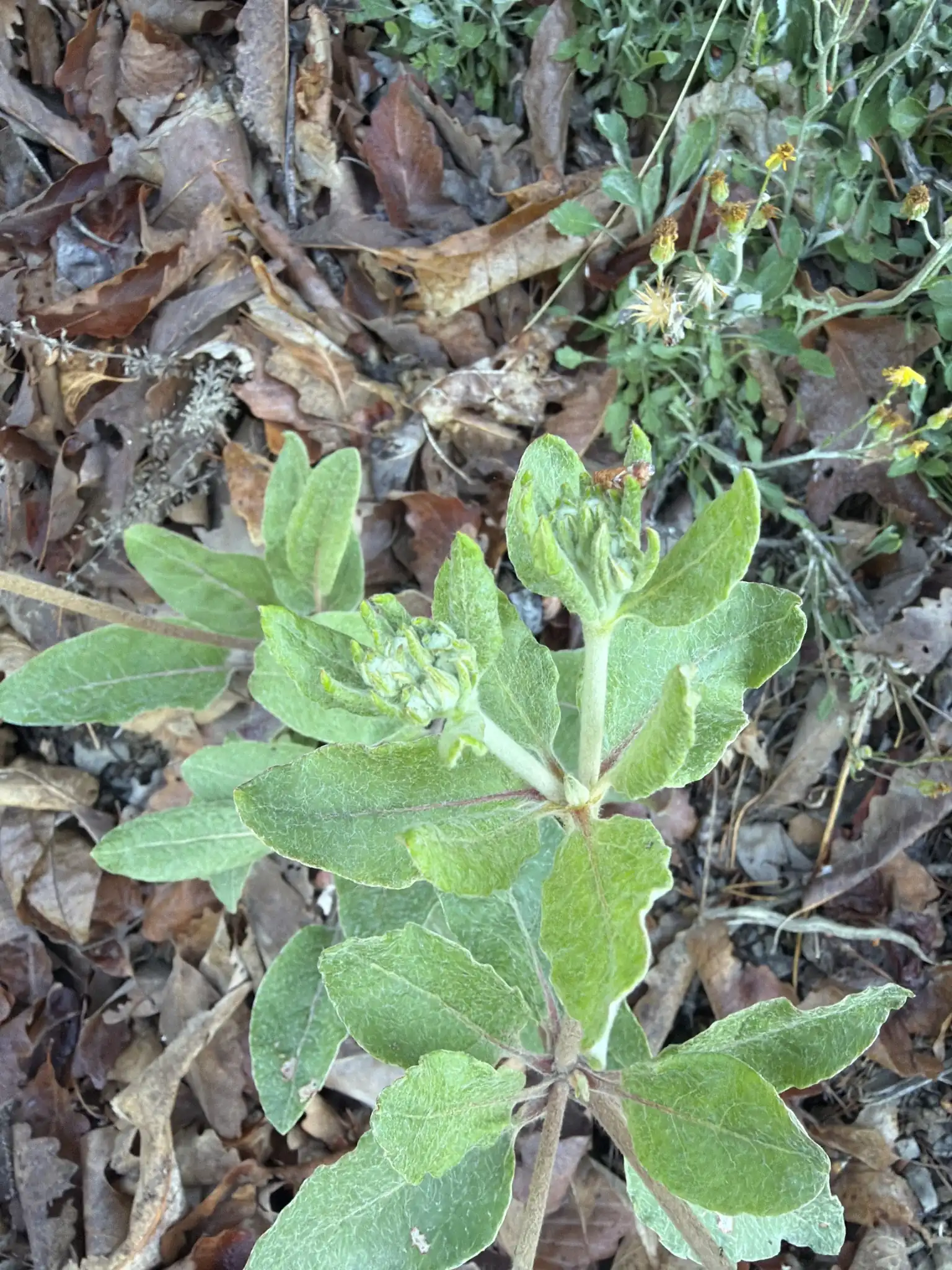
Eriogonum allenii is a tufted perennial wild buckwheat forming a low mound of gray-green, paddle-shaped basal leaves from a thick woody root. The leaves carry a dense woolly coating that sheds water and slows transpiration, with flower stems rising erect and branching above the foliage.
This species is restricted to Devonian shale barrens of Virginia and West Virginia, where it roots into dry fractured shale on open sunny slopes. In summer to fall it carries broad flat-topped clusters of small golden-yellow flowers in many 6-8 mm involucres that hold for weeks and dry in place.
Uses & Benefits:
Essentials
At a Glance
Plant Type
Perennial
Height
16"
Width
16"
Light
Full Sun
Zones
5, 6, 7, 8, 9, 10
Water
Low
Humidity
Low
Lifespan
Perennial
Native To
Virginia, West Virginia
Toxicity
Unknown
Bloom period
Summer – Fall
In flower about 6 months of the year
Planting
How to Grow
- Plant in full sun in lean, gravelly or rocky soil with sharp drainage.
- Set the crown level with the soil surface and top-dress with gravel to keep it dry.
- Water to settle in, then withhold water except in prolonged drought.
- Deadhead spent flat-tops to extend bloom or leave heads to dry for seed.
- Renew from seed rather than frequent division to avoid damaging the woody root.
Pro Tip
Plant high in lean gravelly shale with no added compost; rich moist soil rots the woody rootstock.
Keep It Thriving
Care Guide
Do
- Give full sun and excellent drainage in gravelly soil.
- Mulch with gravel, not bark, to keep the crown dry.
- Deadhead after the first flush to encourage rebloom.
Don't
- Do not plant in clay, rich loam, or regularly irrigated beds.
- Do not overwater or allow winter waterlogging.
- Do not cut back hard into the woody rootstock.
Seasonal Care Calendar
| Task | Jan | Feb | Mar | Apr | May | Jun | Jul | Aug | Sep | Oct | Nov | Dec |
|---|---|---|---|---|---|---|---|---|---|---|---|---|
| Deadhead | ||||||||||||
| Pest Check | ||||||||||||
| Plant | ||||||||||||
| Spring Cleanup |
Watch Out For
Pests & Diseases
Common Pests
Common Diseases
In the Garden
Landscape Uses & Companions
Landscape Uses
Multiply
Propagation Methods
Good to Know
Common Questions
Shale Barren Buckwheat questions
What zones can Shale Barren Buckwheat grow in?
Shale Barren Buckwheat is hardy in USDA Zones 5–10: in that range it survives winter in the ground. Colder than Zone 5, grow it in a container you can move to shelter for the winter, or as an annual.
Is Shale Barren Buckwheat deer resistant?
Yes — Shale Barren Buckwheat is rated deer-resistant. Deer typically pass it over, though extreme hunger can override any plant's defenses.
When does Shale Barren Buckwheat bloom?
Shale Barren Buckwheat typically blooms from summer to fall. Exact timing shifts a week or two with your zone — Sow's bloom calendar maps it to your garden.
Does Shale Barren Buckwheat need full sun?
Shale Barren Buckwheat does best in full sun (6+ hours).
Is Shale Barren Buckwheat drought tolerant?
Yes — once established (usually after the first full season), Shale Barren Buckwheat handles dry spells with minimal watering. Water deeply its first year to build the root system that makes that possible.
More Eriogonum to compare
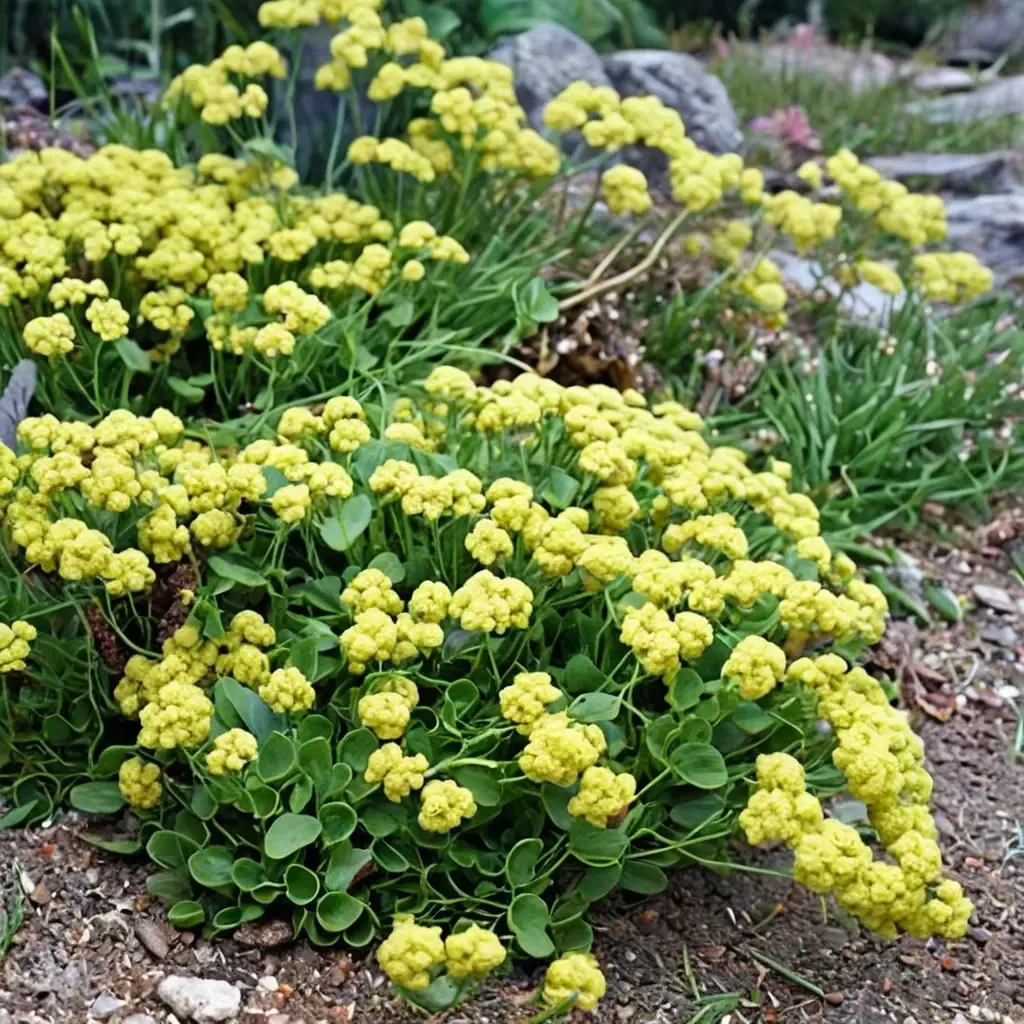
Golden Buckwheat
Eriogonum umbellatum 'aureum'
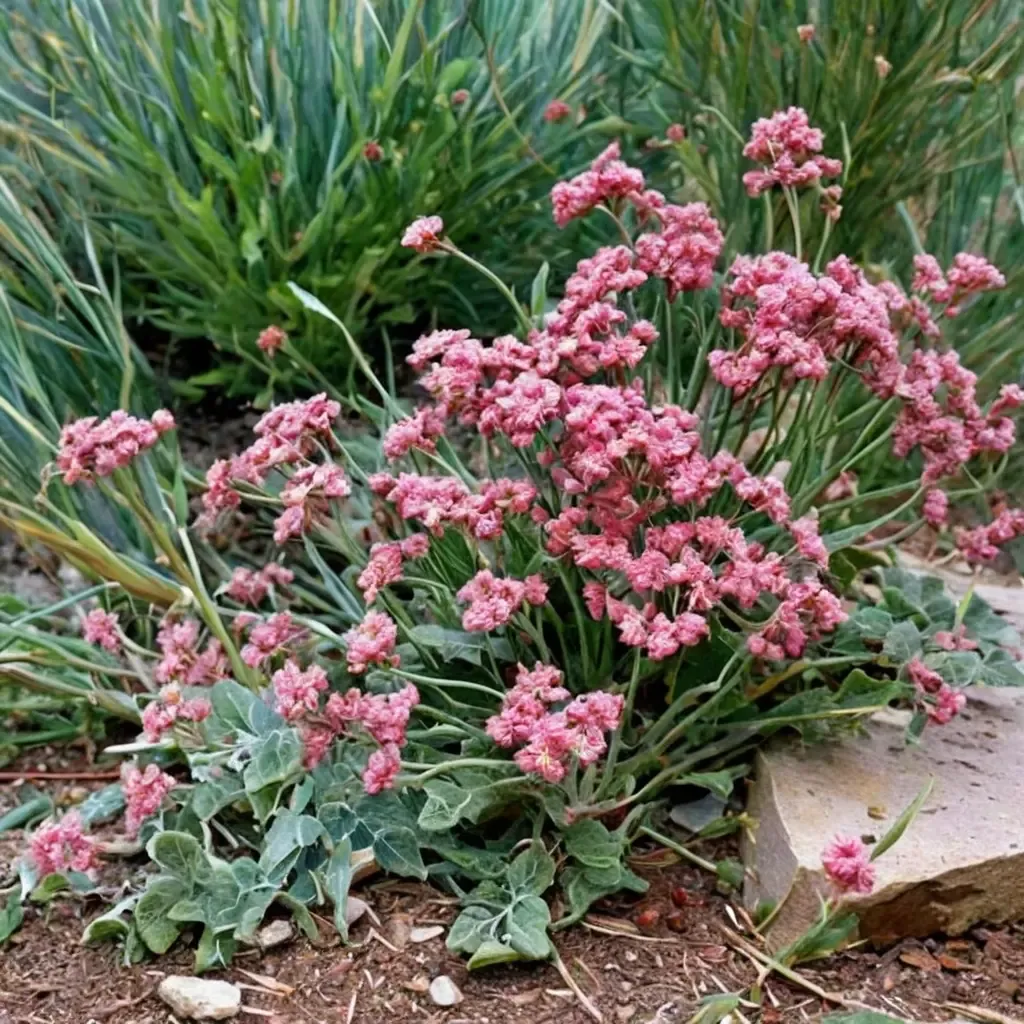
Red Buckwheat
Eriogonum grande 'rubescens'
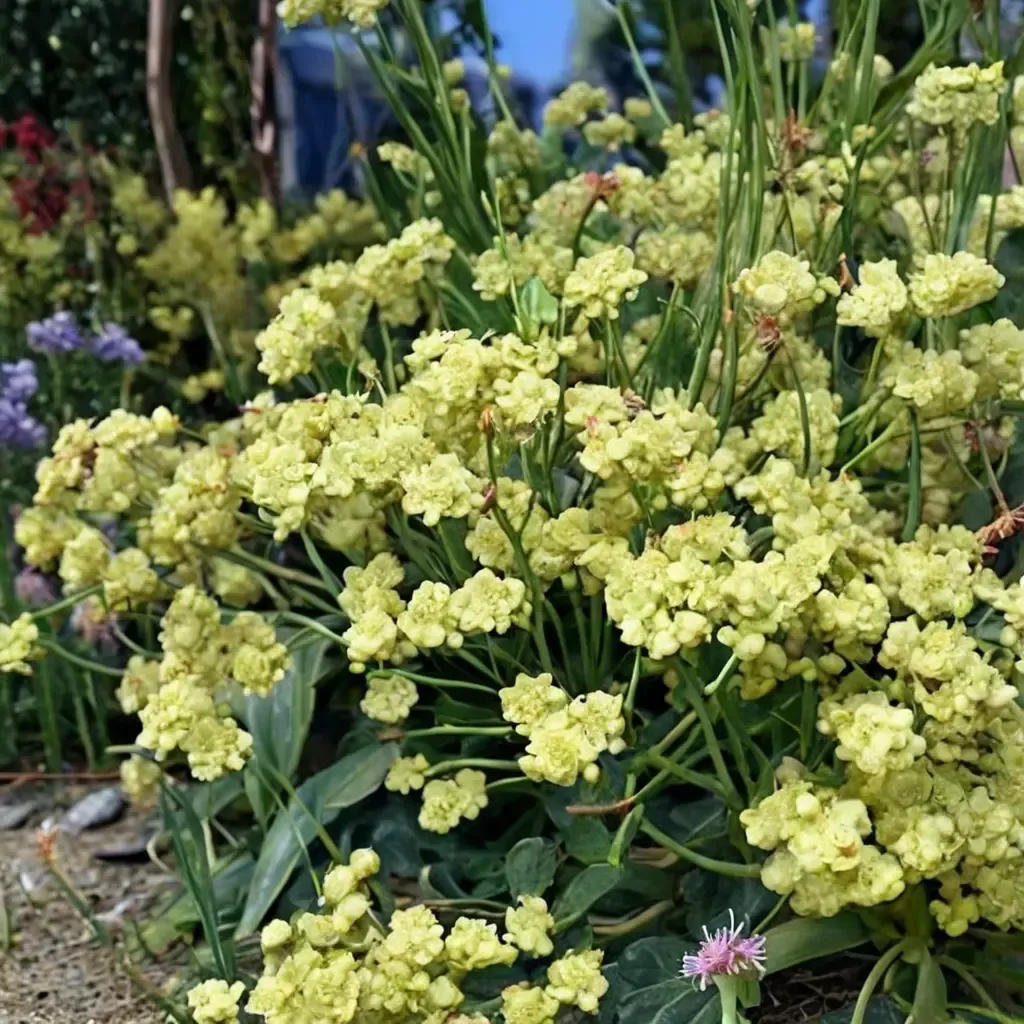
Ella Nelson's Yellow Buckwheat
Eriogonum nudum 'Ella Nelson's Yellow'
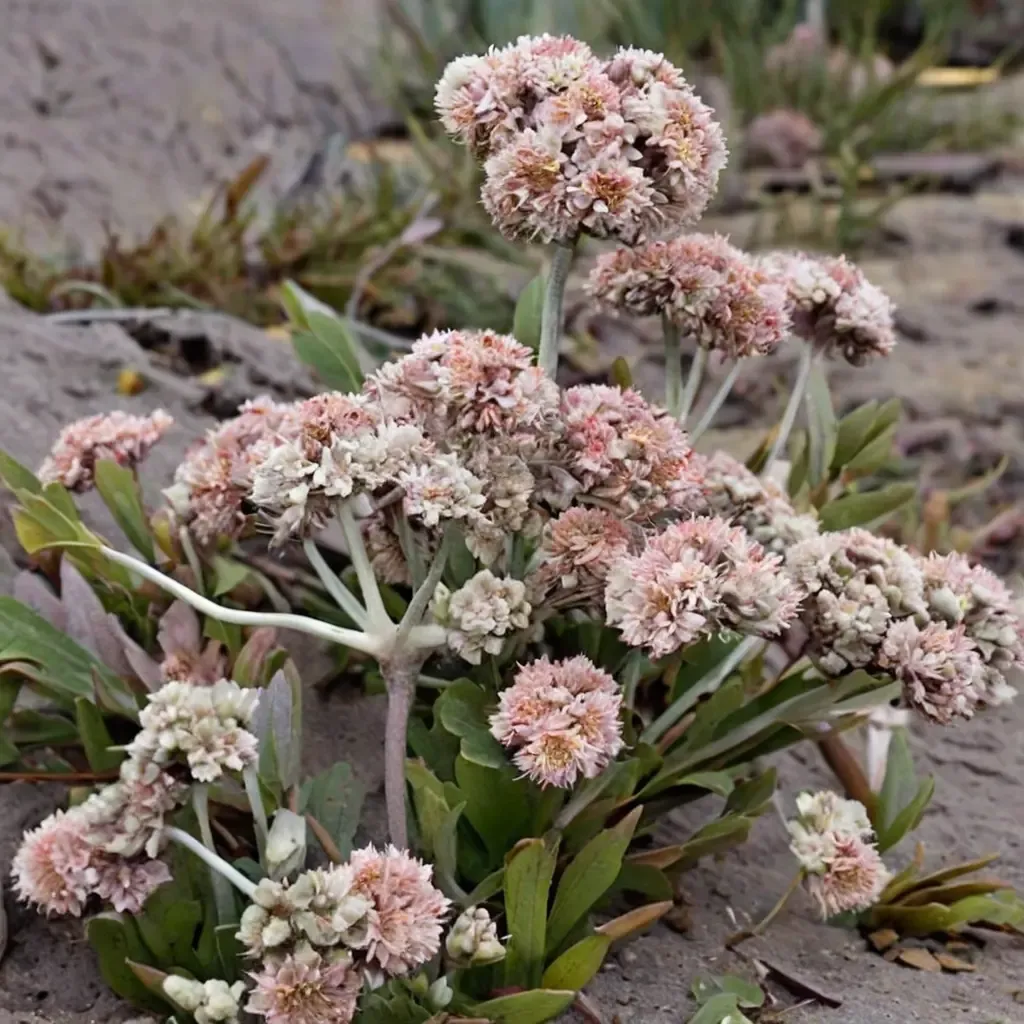
Broadleaf Buckwheat
Eriogonum latifolium
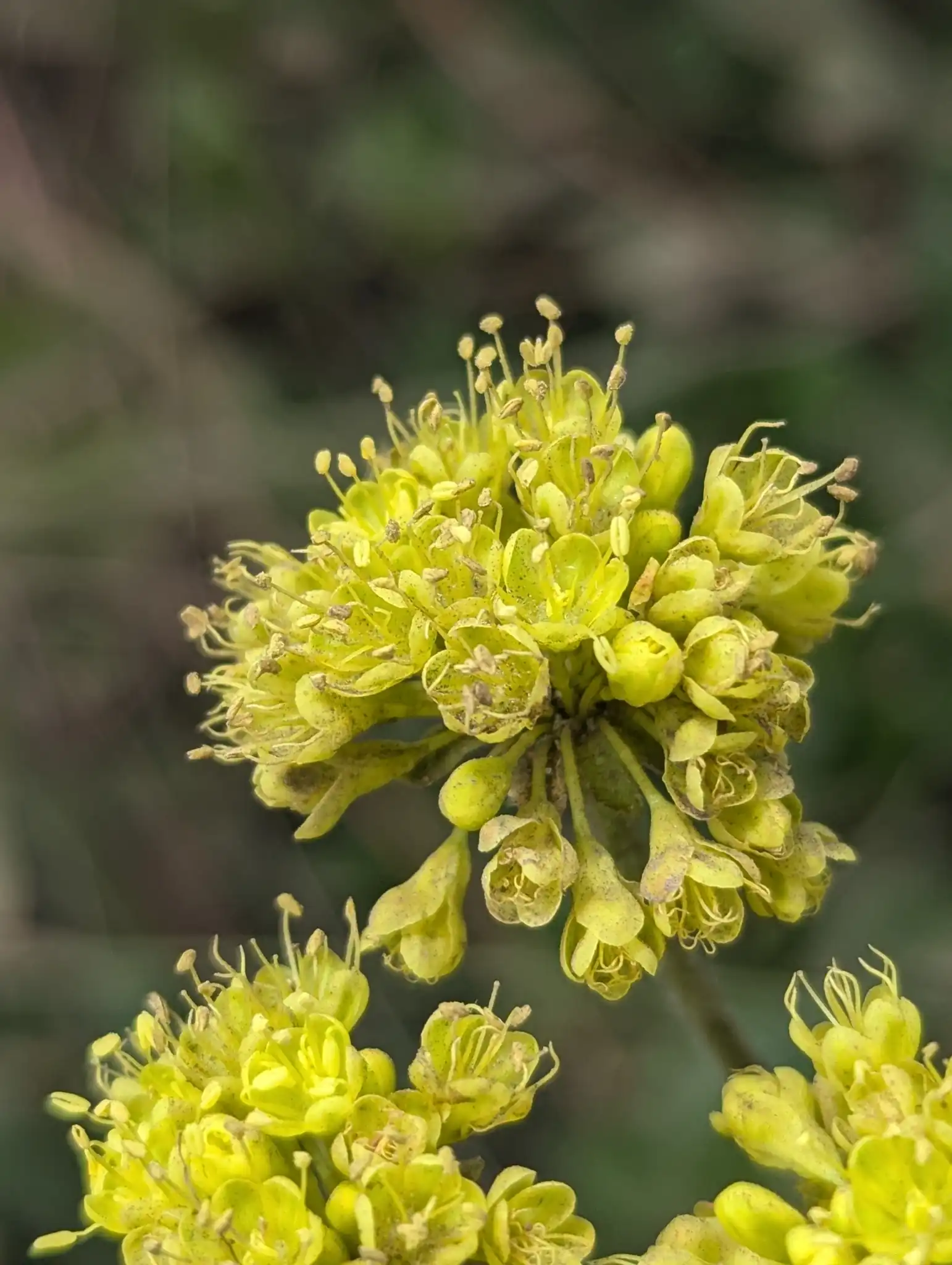
Sulphur Buckwheat
Eriogonum umbellatum
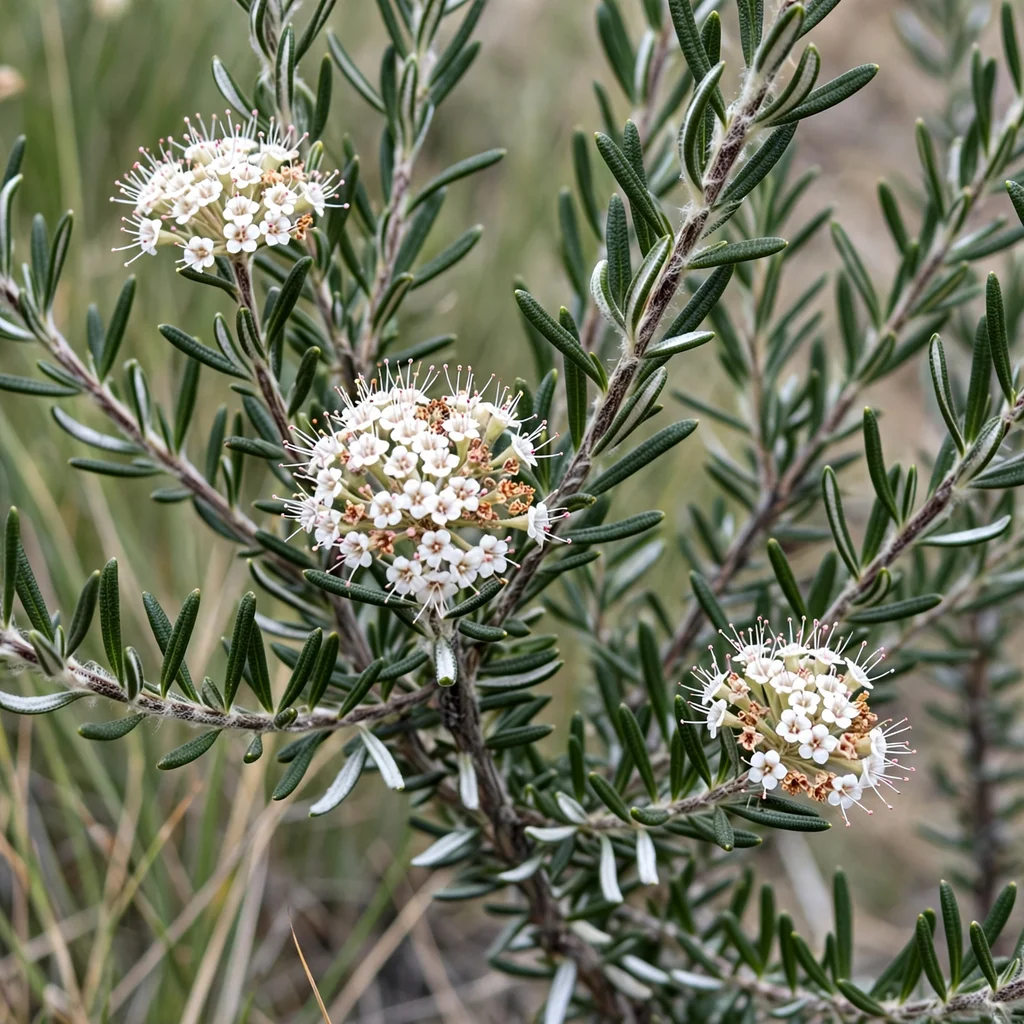
California Buckwheat
Eriogonum fasciculatum
Keep exploring
Explore the genus
Grow Shale Barren Buckwheat with confidence
See it in a design of your actual yard, get zone-matched care reminders, and track it season by season in your garden journal.