The Story
Plant Bio
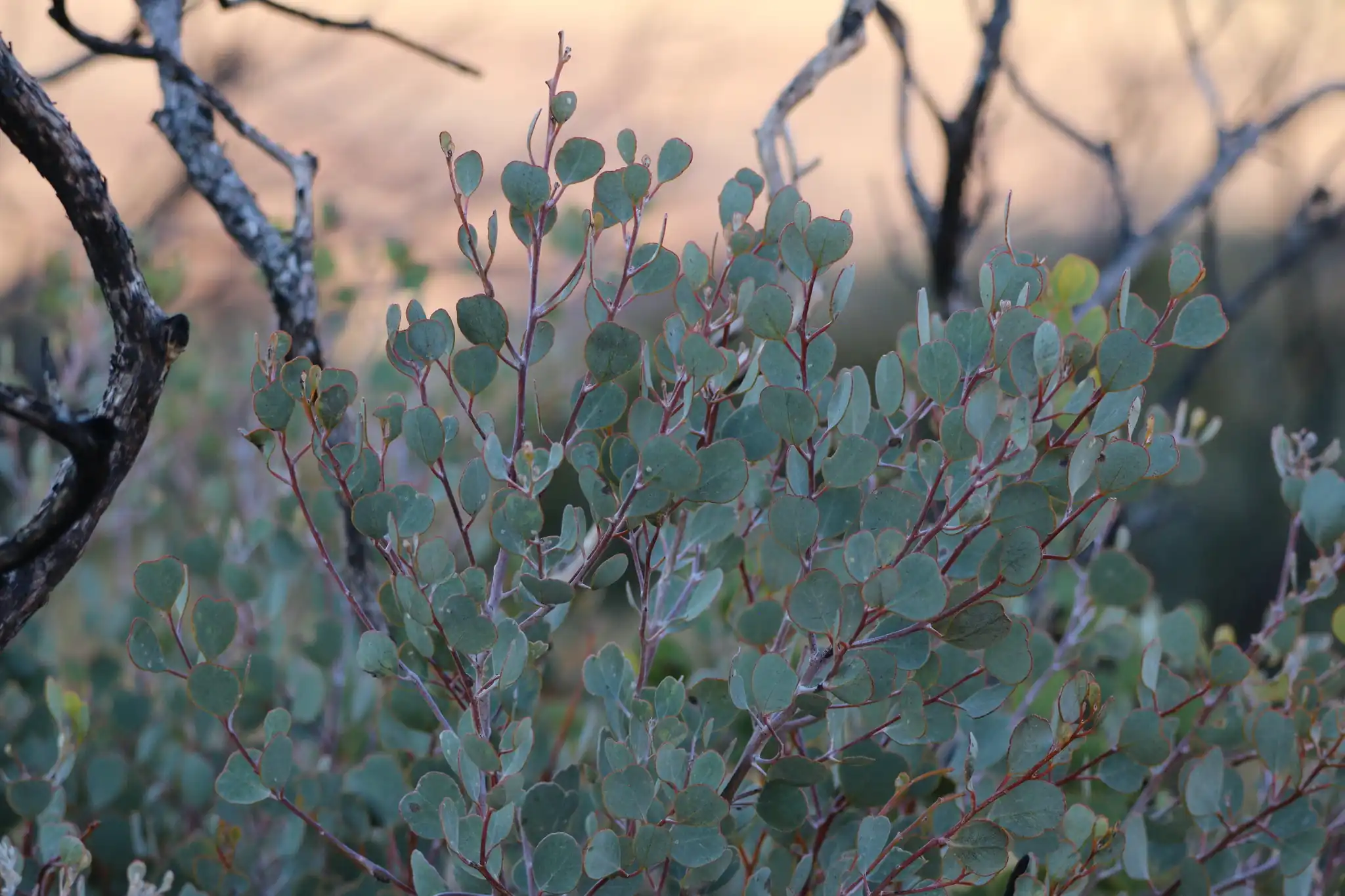
Eucalyptus minniritchi is a multi-stemmed evergreen mallee shrub reaching seven to thirteen feet high, native to rocky skeletal soils of arid Central Australia. Its foliage consists of dull grey to blue-green heart-shaped or oval leaves set along waxy, powdery young branchlets.
This species is distinguished by its characteristic reddish-brown outer bark that splits and curls longitudinally into tight persistent scrolls, revealing smooth lighter underbark. Pale yellow to cream flower clusters form in leaf axils from winter into spring, followed by broad hemispherical woody capsules.
Uses & Benefits:
Essentials
At a Glance
Plant Type
Shrub
Height
157"
Width
118"
Light
Full Sun
Zones
9, 10
Water
Low
Humidity
Low
Lifespan
Perennial
Native To
Australia
Toxicity
Non-toxic
Bloom period
Winter – Spring
In flower about 6 months of the year
Planting
How to Grow
- Select a planting site in full sun with gritty, gravelly, or sandy soil that drains instantly.
- Dig a shallow hole twice as wide as the root ball, ensuring the top of the root root collar rests slightly above surrounding grade.
- Backfill with native soil or unamended mineral mix without adding organic compost or moisture-retaining materials.
- Water lightly at planting to settle soil, then withhold extra irrigation except during extended initial establishment periods.
Pro Tip
Plant in coarse, sharply draining mineral soil exposed to baking sunlight; heavy loam, overwatering, or persistent atmospheric humidity will cause fatal root decay.
Keep It Thriving
Care Guide
Do
- Provide intense, direct sunlight year-round.
- Ensure total soil drainage away from the root zone.
- Tip-prune young shoots lightly to encourage multi-stemmed density.
Don't
- Never overwater or allow standing water around the roots.
- Do not prune deeply into thick, leafless woody branches.
- Avoid applying high-nitrogen or high-phosphorus fertilizers.
Seasonal Care Calendar
| Task | Jan | Feb | Mar | Apr | May | Jun | Jul | Aug | Sep | Oct | Nov | Dec |
|---|---|---|---|---|---|---|---|---|---|---|---|---|
| Pest Check | ||||||||||||
| Propagate | ||||||||||||
| Prune | ||||||||||||
| Spring Cleanup |
Watch Out For
Pests & Diseases
Common Pests
Common Diseases
In the Garden
Landscape Uses & Companions
Landscape Uses
Multiply
Propagation Methods
Good to Know
Common Questions
Centralian Minniritchi Mallee questions
What zones can Centralian Minniritchi Mallee grow in?
Centralian Minniritchi Mallee is hardy in USDA Zones 9–10: in that range it survives winter in the ground. Colder than Zone 9, grow it in a container you can move to shelter for the winter.
Is Centralian Minniritchi Mallee deer resistant?
Not reliably. Deer may browse Centralian Minniritchi Mallee, especially tender spring growth — plan on repellents or fencing where pressure is high.
When does Centralian Minniritchi Mallee bloom?
Centralian Minniritchi Mallee typically blooms from winter to spring. Exact timing shifts a week or two with your zone — Sow's bloom calendar maps it to your garden.
Does Centralian Minniritchi Mallee need full sun?
Centralian Minniritchi Mallee does best in full sun (6+ hours).
Is Centralian Minniritchi Mallee drought tolerant?
Yes — once established (usually after the first full season), Centralian Minniritchi Mallee handles dry spells with minimal watering. Water deeply its first year to build the root system that makes that possible.
More Eucalyptus to compare
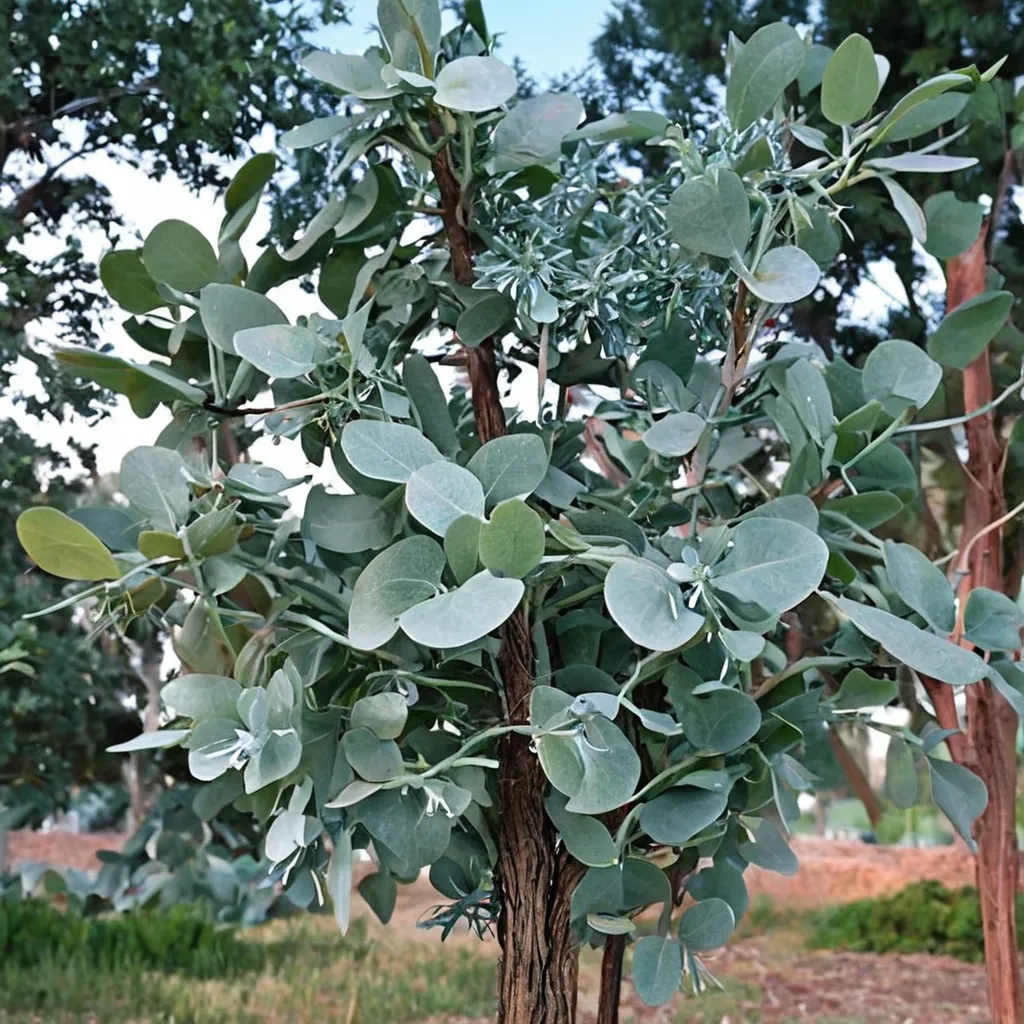
Silver Dollar Eucalyptus
Eucalyptus cinerea
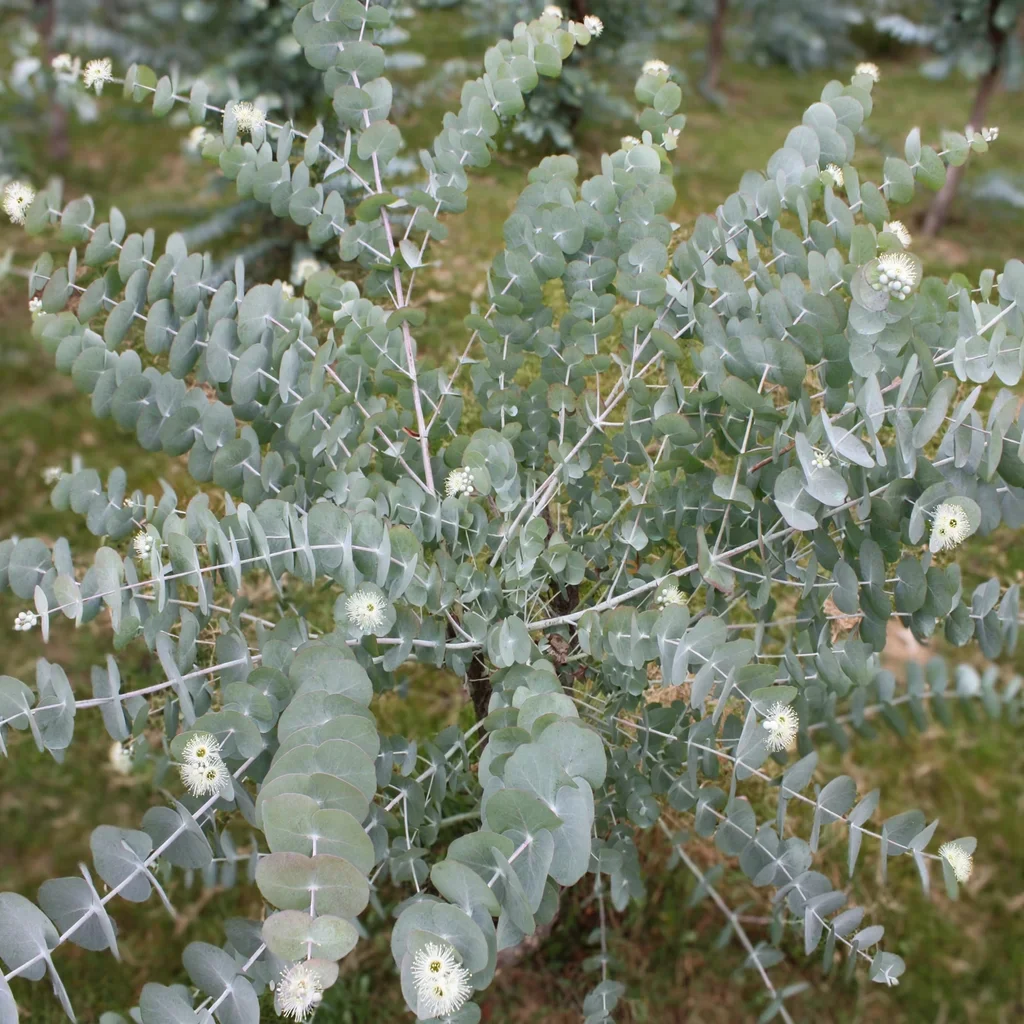
Silver Dollar Tree
Eucalyptus cinerea 'Silver Dollar Tree'
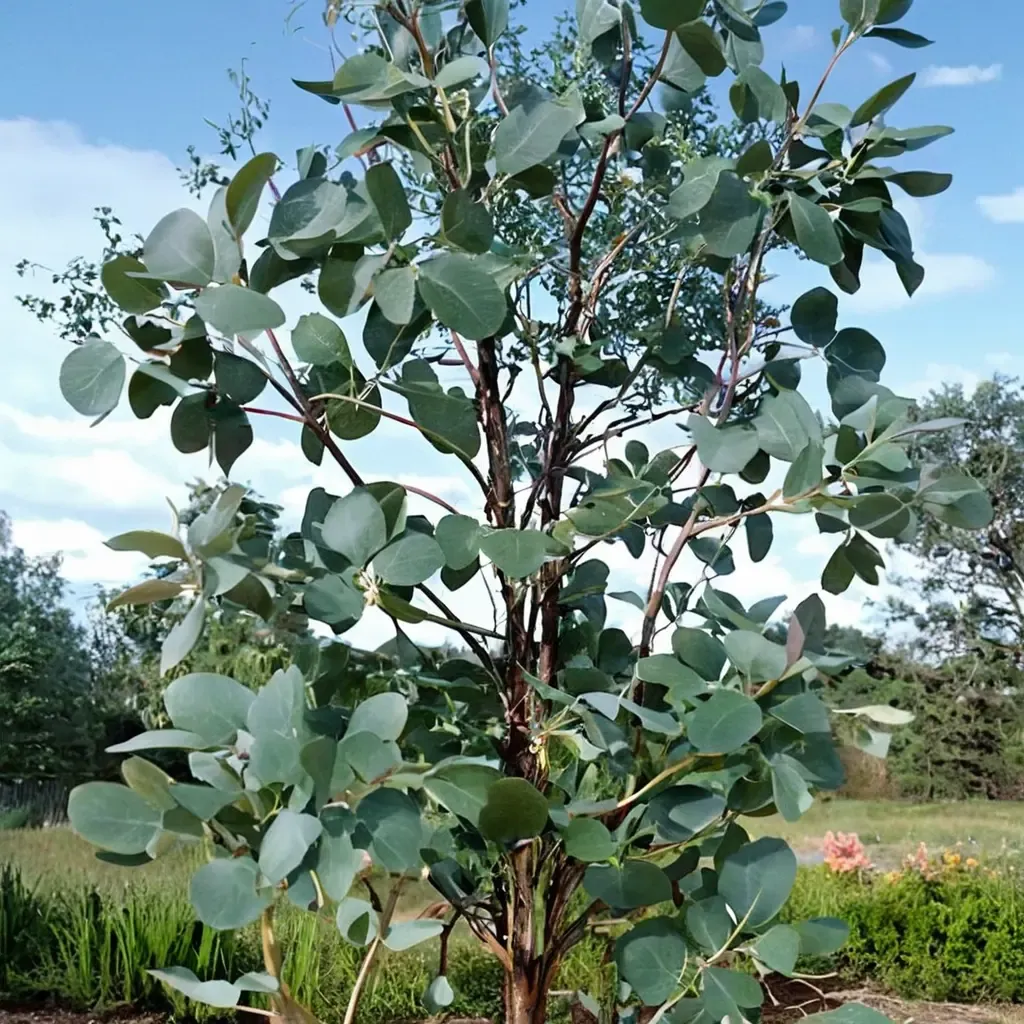
Omeo Gum
Eucalyptus neglecta
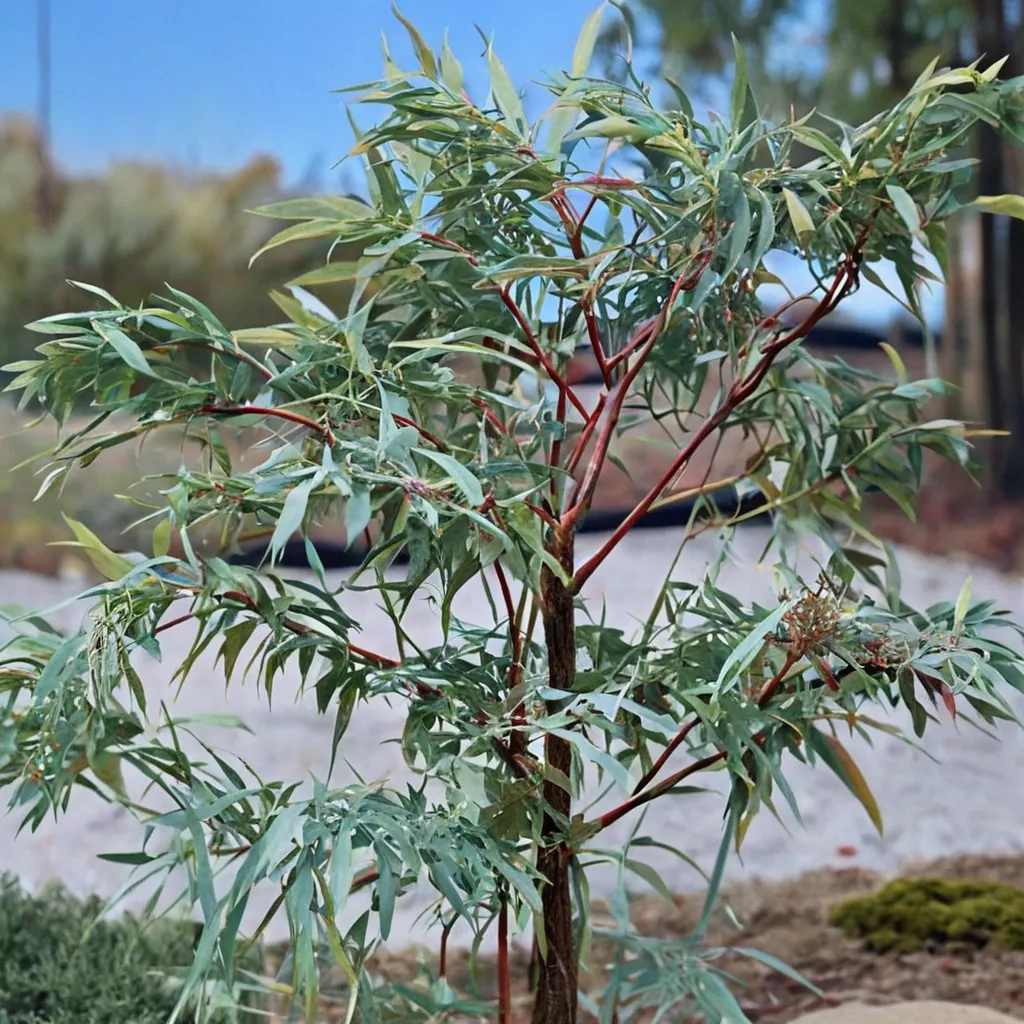
Narrow-leaved Peppermint Eucalyptus
Eucalyptus nicholii
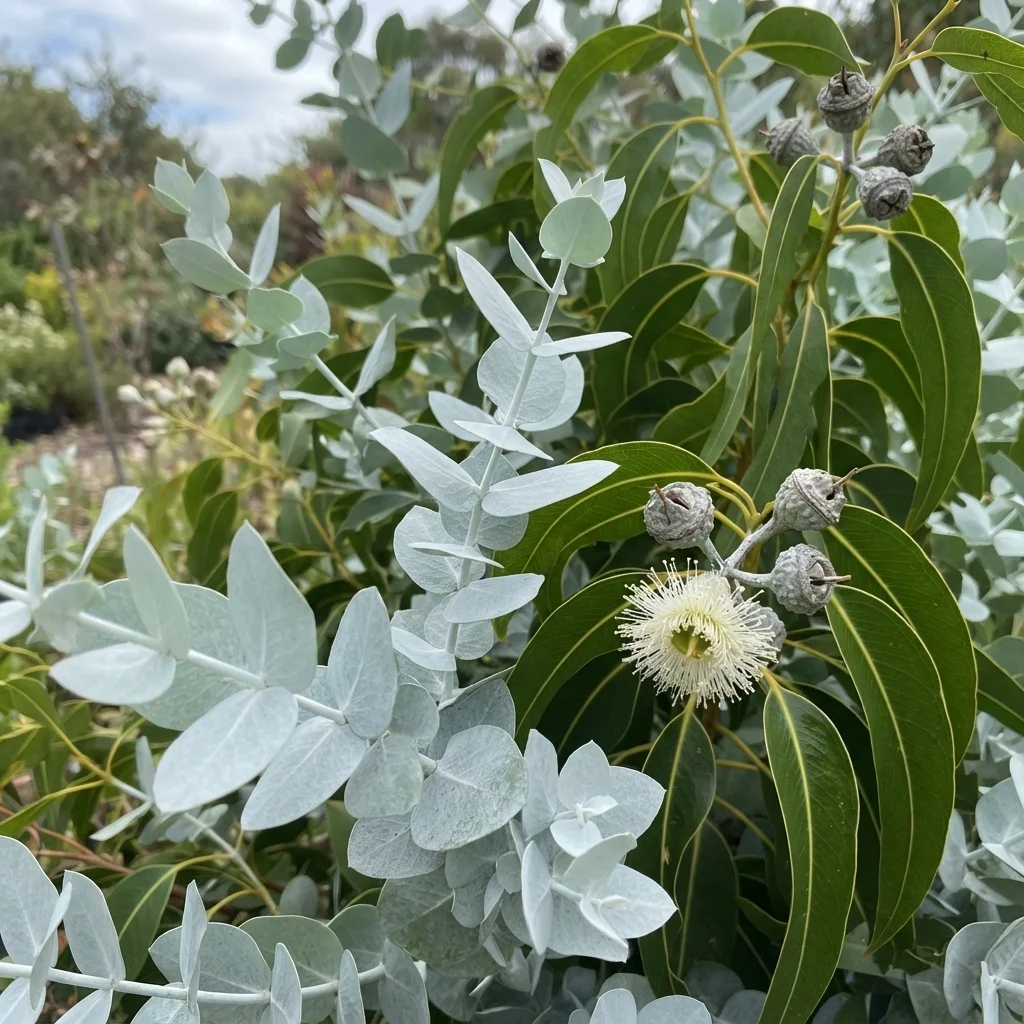
Tasmanian Blue Gum
Eucalyptus globulus
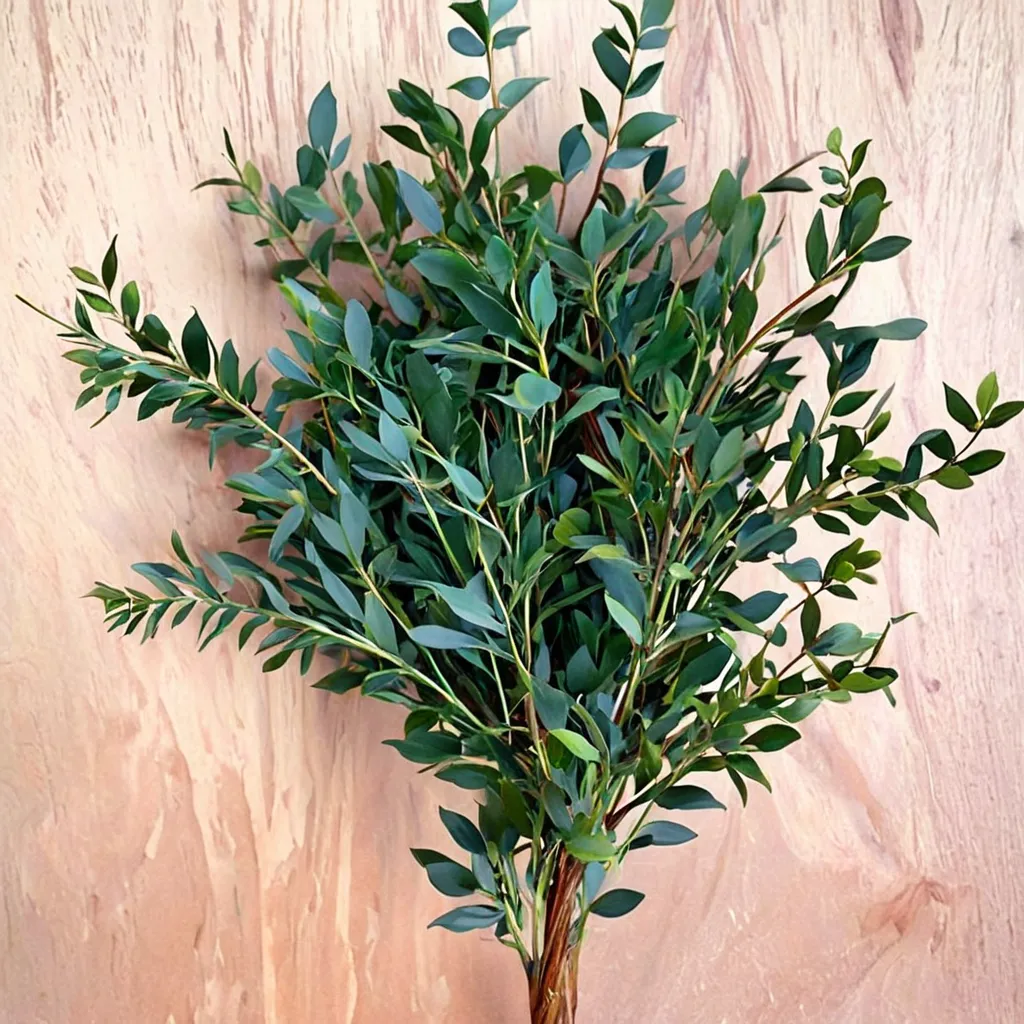
Small-leaved Gum
Eucalyptus parvula
Keep exploring
Explore the genus
Hardy in your zone?
Grow Centralian Minniritchi Mallee with confidence
See it in a design of your actual yard, get zone-matched care reminders, and track it season by season in your garden journal.