The Story
Plant Bio
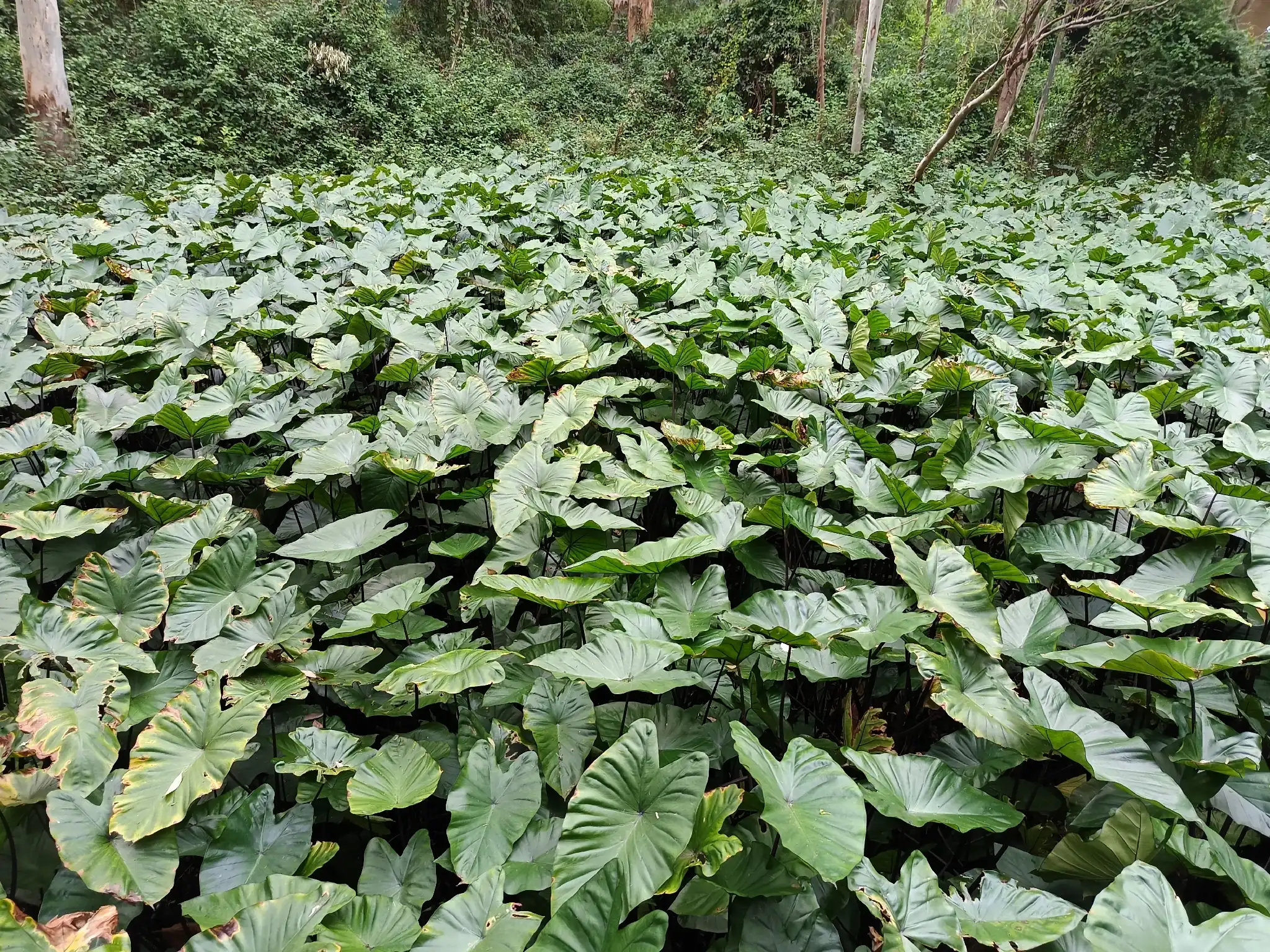
Colocasia are frost-tender tuberous perennials that grow from starchy corms and spread by thick rhizomes to form clumps of large heart-shaped leaves on fleshy petioles. The plants collapse with hard frost and resprout from the underground tubers once soil warms, holding foliage through summer and fall in warm climates.
This species forms a clumping stemless plant 5 to 6 feet tall with glossy dark olive-green blades to 30 inches long, veined purple and edged with a thin black line on the leaf underside. The stout petioles and above-ground rhizomes are black-purple to near black, which separates it from green-stemmed taro and from dark-leaf selections such as Black Magic.
Uses & Benefits:
Essentials
At a Glance
Plant Type
Bulb Corm Tuber
Height
71"
Width
59"
Light
Full Sun, Partial Sun, Shade
Zones
7, 8, 9, 10
Water
High - consistently moist
Humidity
Unknown
Lifespan
Perennial
Native To
Tropical eastern Asia
Toxicity
Toxic if ingested raw; skin irritant
Bloom period
Summer – Fall
In flower about 6 months of the year
Planting
How to Grow
- Plant tubers 4 inches deep outdoors after last frost once soil is warm.
- Set in full sun to partial shade in clay, loam or sand that drains but stays moist.
- Water deeply at planting and keep soil consistently moist through summer.
- Mulch to hold moisture and keep roots cool during hot weather.
- Cut back foliage after first frost and lift tubers in Zone 7 and colder for indoor storage.
Pro Tip
Keep soil consistently moist and never let it dry out, lifting tubers for winter where temperatures fall below freezing.
Keep It Thriving
Care Guide
Do
- Keep soil consistently moist and never let it dry out.
- Mulch in summer to conserve moisture.
- Lift and store tubers dry where winter is freezing.
- Divide clumps by separating rhizomes to control spread.
Don't
- Do not eat any part raw; all parts cause burning and swelling unless thoroughly cooked.
- Do not let soil dry out during active growth.
- Do not cut back hard into the crown during the growing season.
Seasonal Care Calendar
| Task | Jan | Feb | Mar | Apr | May | Jun | Jul | Aug | Sep | Oct | Nov | Dec |
|---|---|---|---|---|---|---|---|---|---|---|---|---|
| Divide | ||||||||||||
| Lift Store | ||||||||||||
| Mulch | ||||||||||||
| Pest Check | ||||||||||||
| Plant |
Watch Out For
Pests & Diseases
Common Pests
In the Garden
Landscape Uses & Companions
Landscape Uses
Multiply
Propagation Methods
Good to Know
Common Questions
Black Stem Elephant Ear questions
What zones can Black Stem Elephant Ear grow in?
Black Stem Elephant Ear is hardy in USDA Zones 7–10: in that range it survives winter in the ground. Colder than Zone 7, grow it in a container you can move to shelter for the winter, or as an annual.
When does Black Stem Elephant Ear bloom?
Black Stem Elephant Ear typically blooms from summer to fall. Exact timing shifts a week or two with your zone — Sow's bloom calendar maps it to your garden.
Does Black Stem Elephant Ear need full sun?
Black Stem Elephant Ear does best in full sun to part shade. In hot climates, afternoon shade keeps blooms fresher longer.
More Colocasia to compare
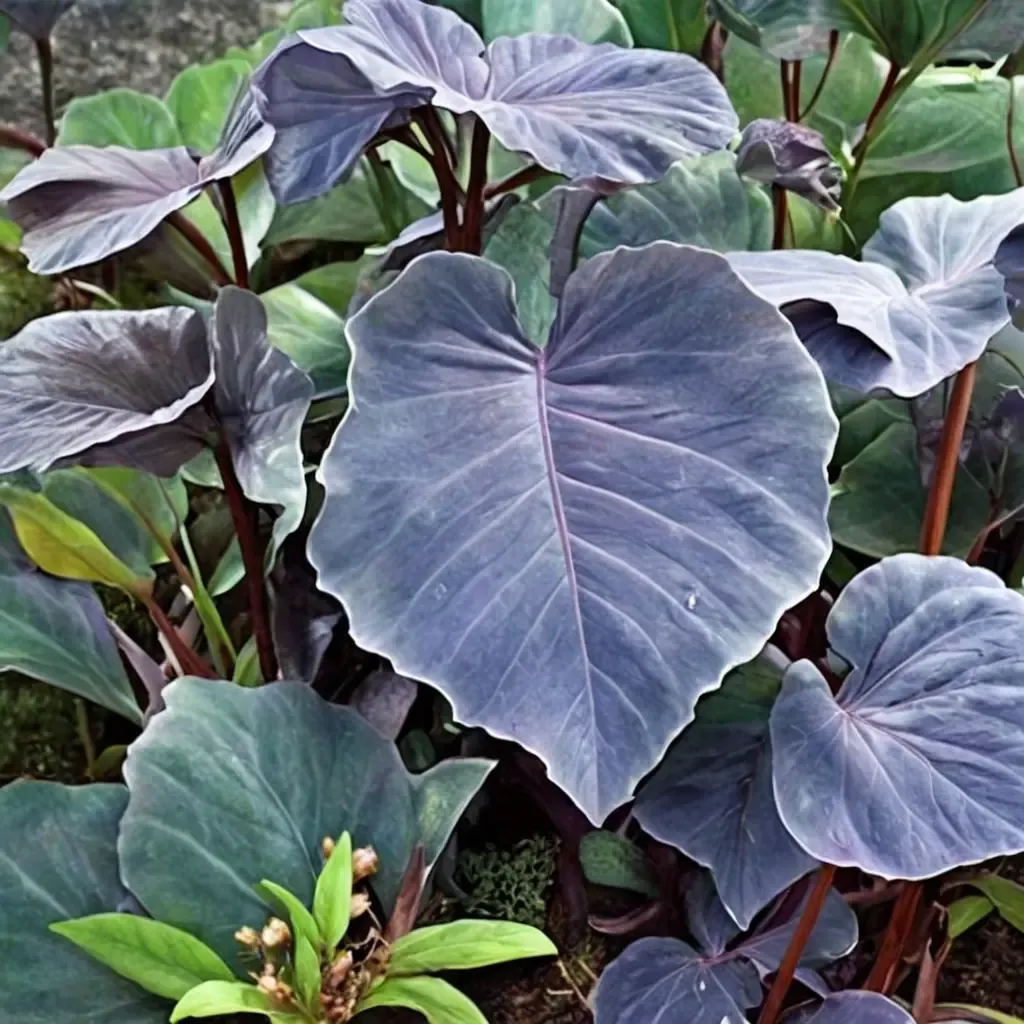
Black Runner Taro
Colocasia esculenta 'Black Runner'
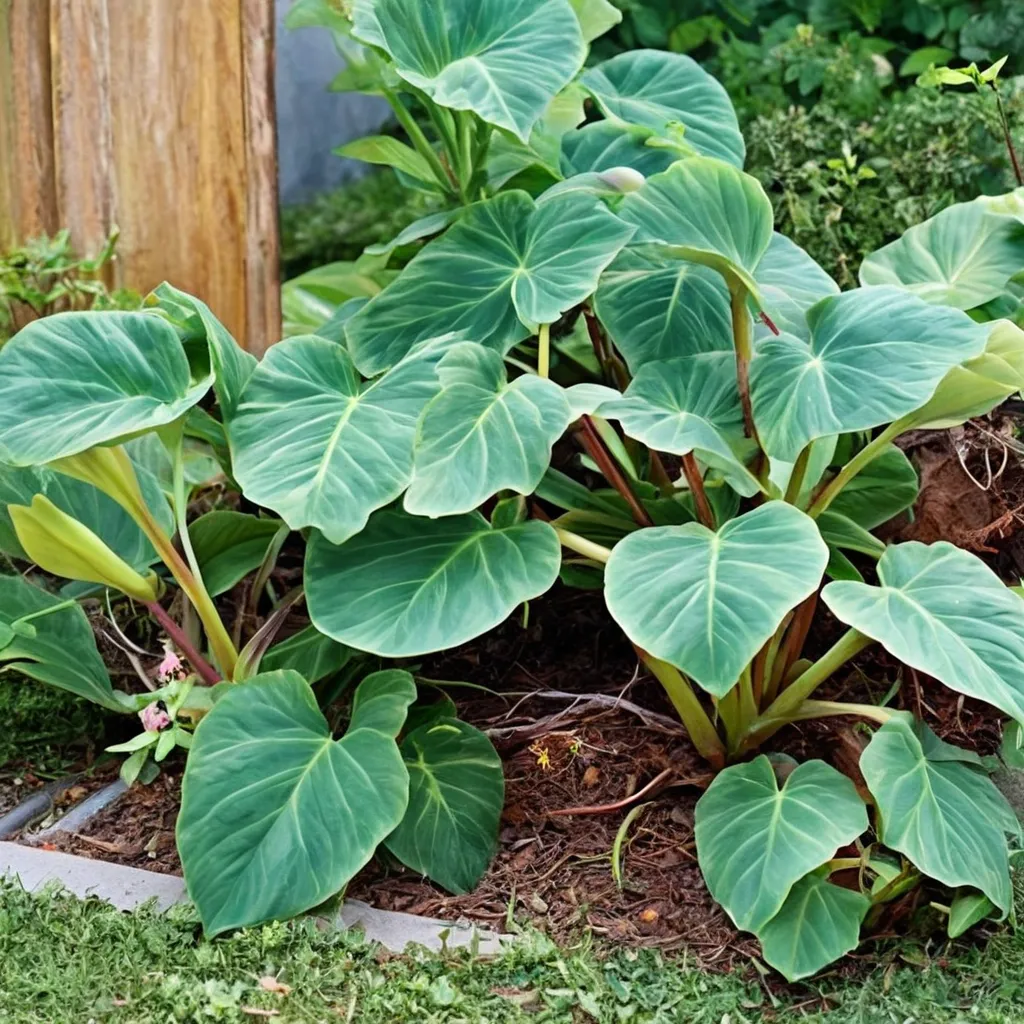
Taro
Colocasia esculenta
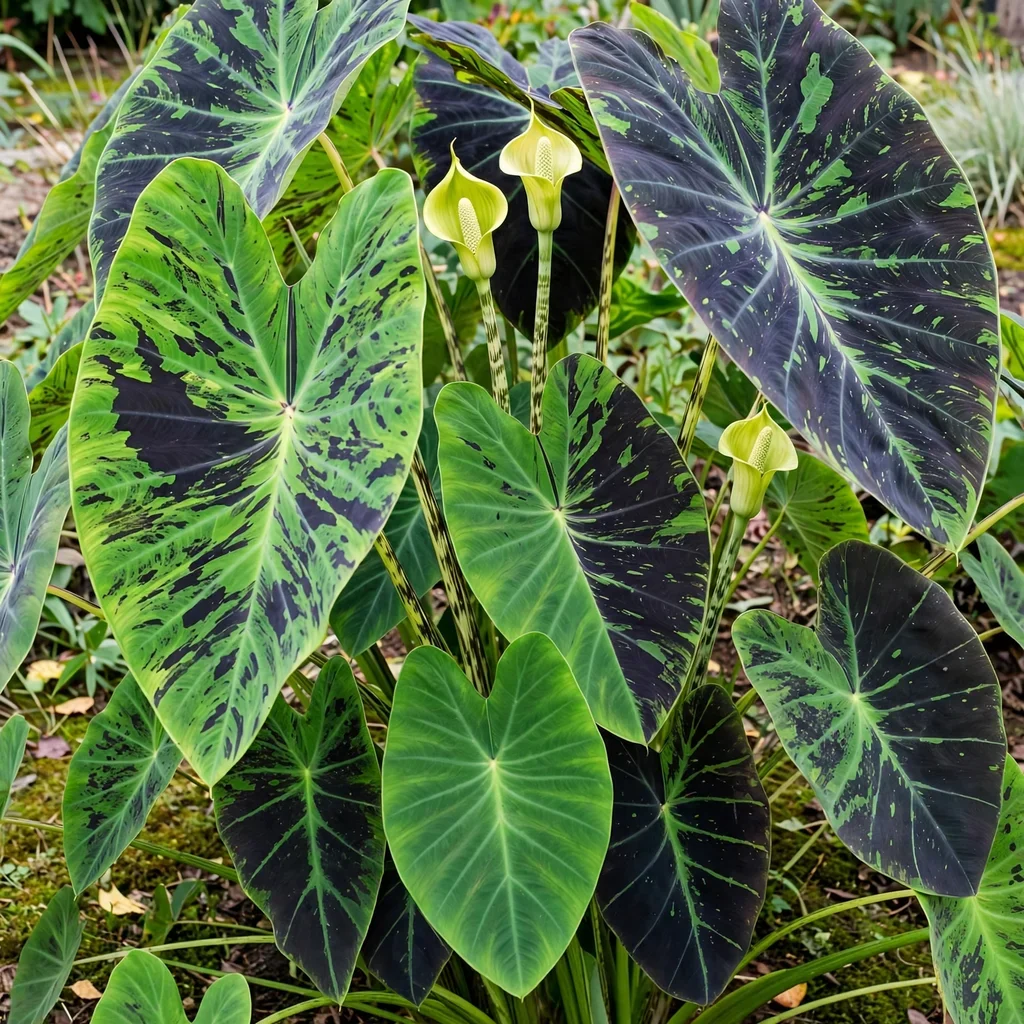
Chicago Harlequin Elephant Ear
Colocasia esculenta 'Chicago Harlequin'
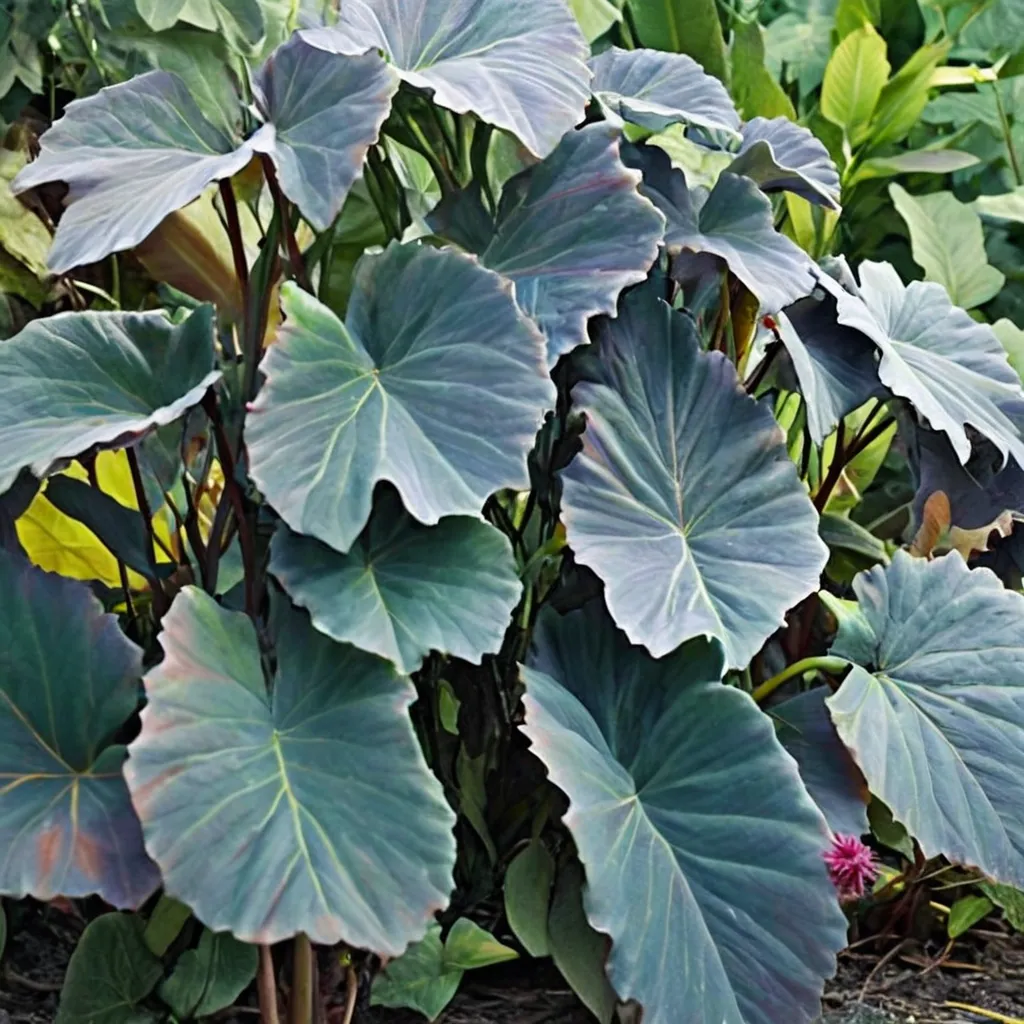
Elephant Ear Ruffles
Colocasia esculenta 'Ruffles'
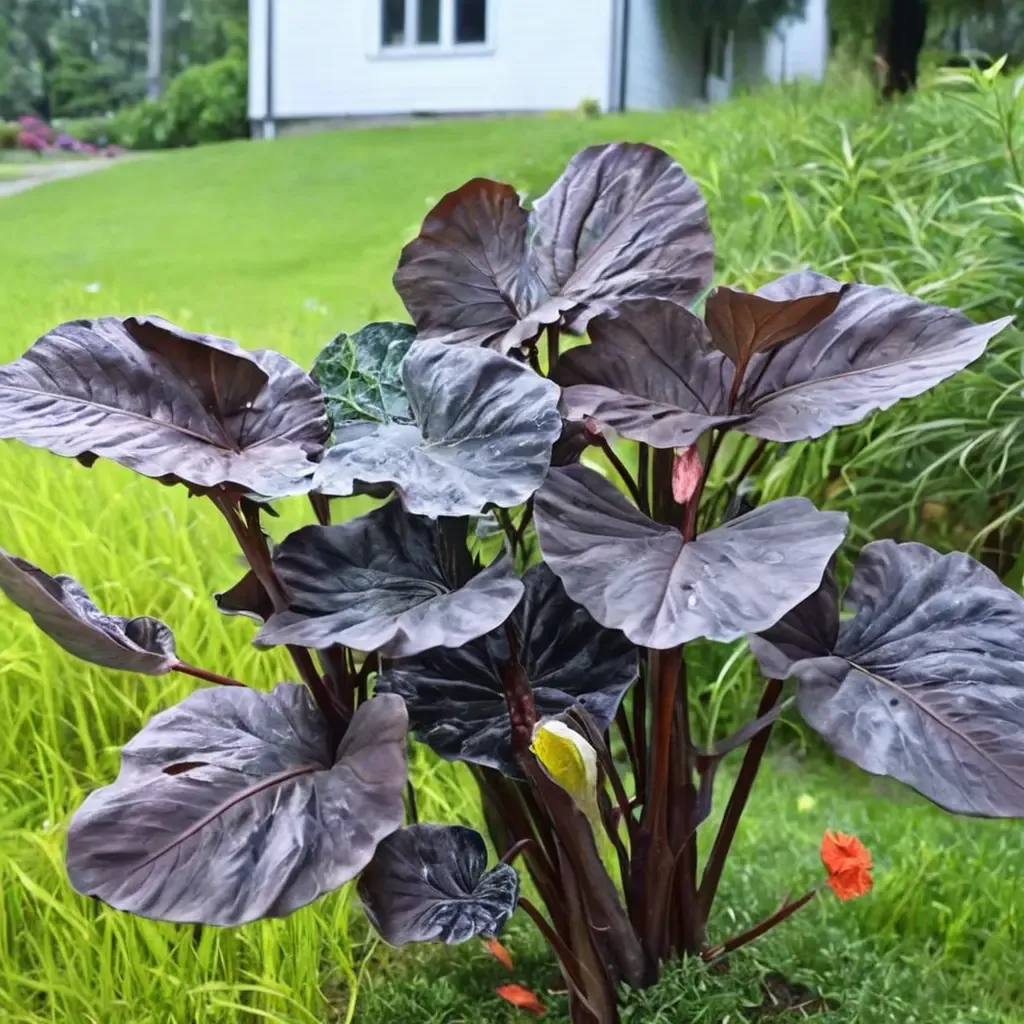
Distant Memory Taro
Colocasia esculenta 'Distant Memory'
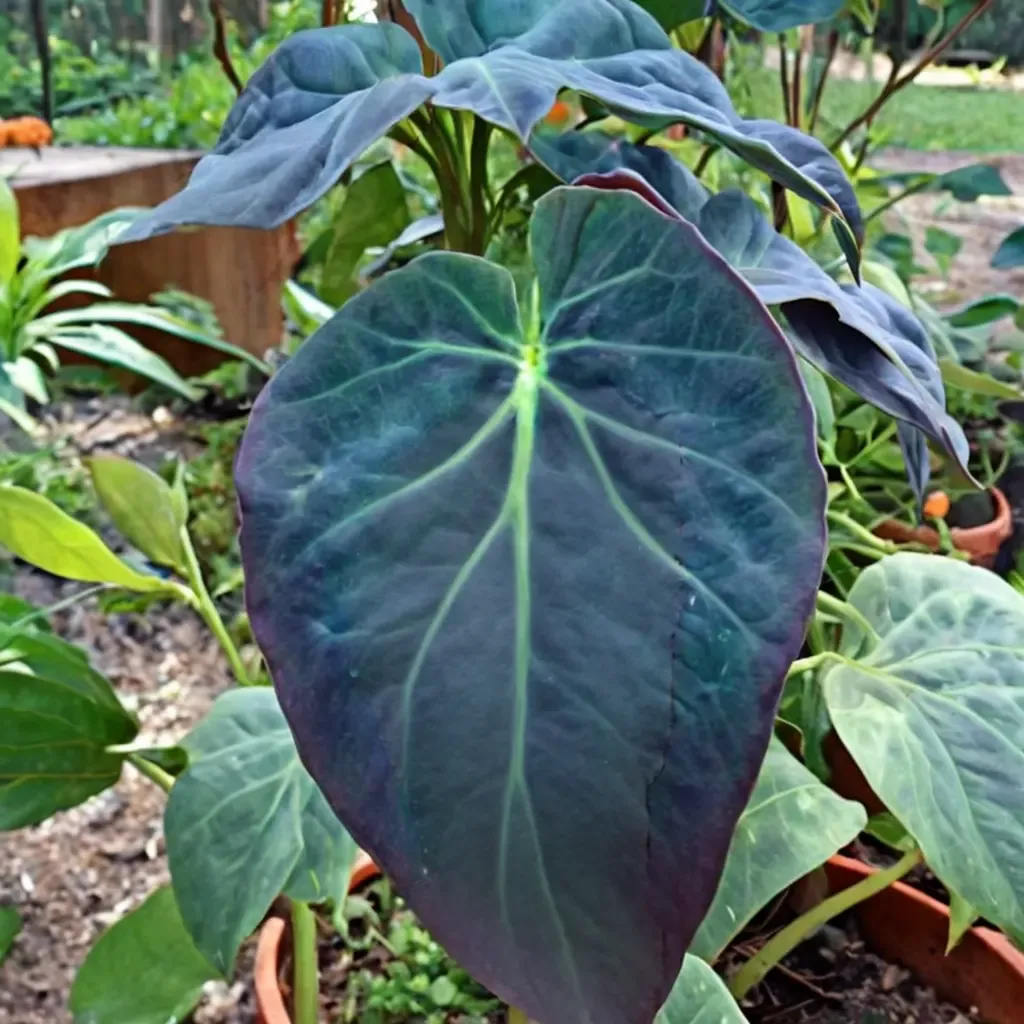
Black Beauty Taro
Colocasia esculenta 'Black Beauty'
Keep exploring
Explore the genus
Hardy in your zone?
Grow Black Stem Elephant Ear with confidence
See it in a design of your actual yard, get zone-matched care reminders, and track it season by season in your garden journal.