The Story
Plant Bio
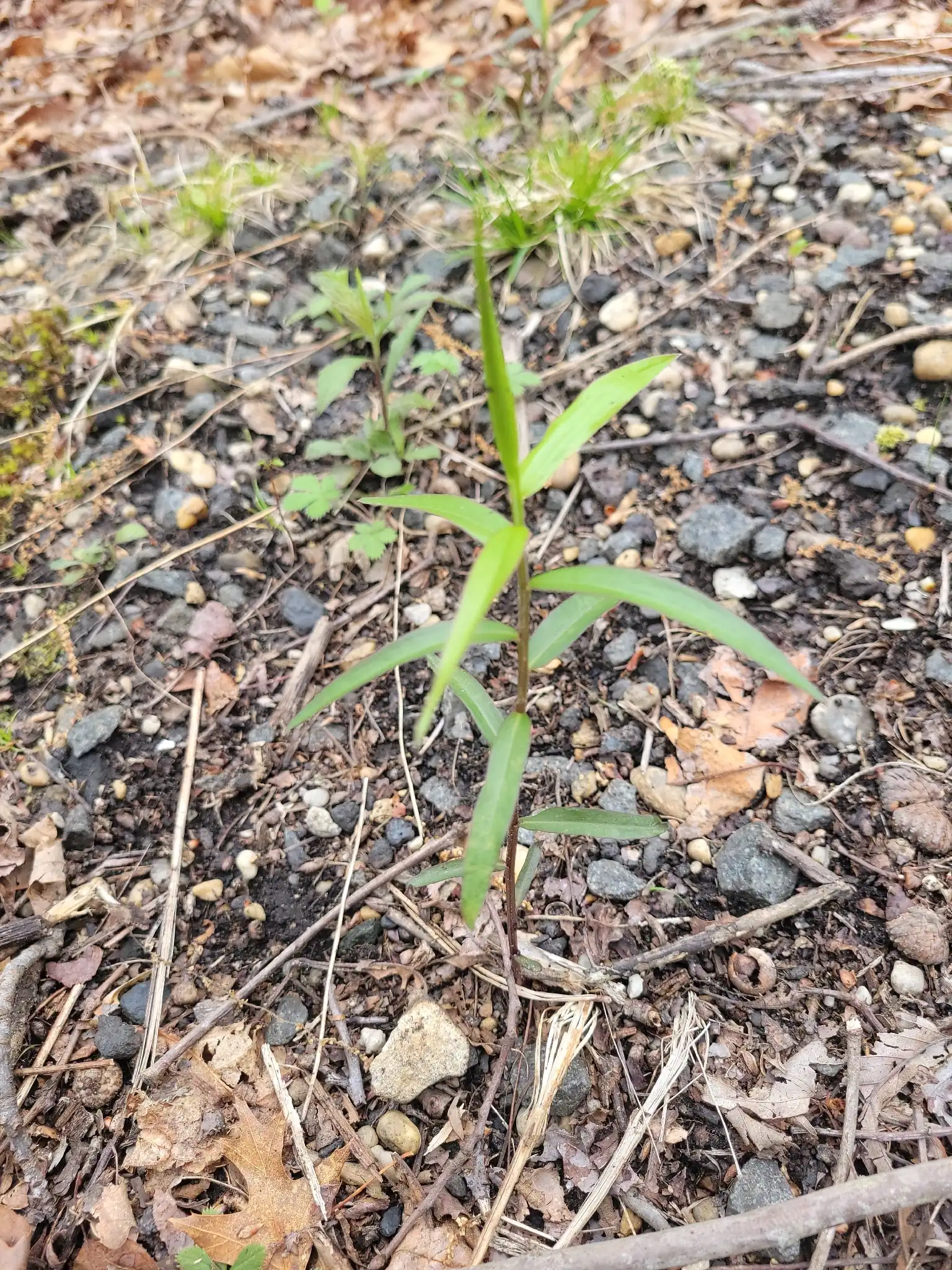
Solidago odora is a deciduous herbaceous perennial native to eastern North America, forming basal clumps with arching stems two to five feet tall. Leaves are alternate, lance-shaped and dark green with translucent dots, and the small gold-yellow heads are borne in branched, usually one-sided plumes from summer to fall.
Crushed foliage releases a strong anise or licorice scent, the only goldenrod that does so and the reliable field mark for this species. Unlike many rhizomatous goldenrods it increases as a contained clump at a medium rate, so it stays in bounds in borders.
Uses & Benefits:
Essentials
At a Glance
Plant Type
Perennial
Height
36"
Width
24"
Light
Full Sun, Partial Sun
Zones
4, 5, 6, 7, 8, 9
Water
Low to medium
Humidity
Tolerant
Lifespan
Perennial
Native To
Eastern North America
Toxicity
Non-toxic
Bloom period
Summer – Fall
In flower about 6 months of the year
Planting
How to Grow
- Plant in full sun with at least six hours of direct sun, spacing clumps 18 to 24 inches apart.
- Set the crown at soil level in average to poor sandy, loam or clay soil with good drainage.
- Water in well, then water only during extended dry spells once established.
- Cut spent plumes back after bloom and clear dead stems in early spring.
Pro Tip
Crush a leaf to confirm sweet anise scent at planting, then site in full sun and lean well-drained soil and keep fertilizer and extra water off to prevent floppy growth.
Keep It Thriving
Care Guide
Do
- Give full sun for strongest stems and heaviest bloom.
- Grow in lean, well-drained acidic soil and tolerate short dry spells.
- Divide mature clumps in spring to keep vigor and increase plants.
Don't
- Do not plant in rich, wet soil or fertilize heavily, which causes weak leggy growth.
- Do not blame this plant for hay fever, which comes from ragweed blooming at the same time.
- Do not expect aggressive runners; leave the basal clump intact rather than digging often.
Seasonal Care Calendar
| Task | Jan | Feb | Mar | Apr | May | Jun | Jul | Aug | Sep | Oct | Nov | Dec |
|---|---|---|---|---|---|---|---|---|---|---|---|---|
| Deadhead | ||||||||||||
| Divide | ||||||||||||
| Pest Check | ||||||||||||
| Plant | ||||||||||||
| Spring Cleanup |
Watch Out For
Pests & Diseases
Common Pests
Common Diseases
In the Garden
Landscape Uses & Companions
Landscape Uses
Multiply
Propagation Methods
Good to Know
Common Questions
Sweet Goldenrod questions
What zones can Sweet Goldenrod grow in?
Sweet Goldenrod is hardy in USDA Zones 4–9: in that range it survives winter in the ground. Warmer than Zone 9, winter isn't the problem: it prefers colder winters, and summer heat can shorten its life.
When does Sweet Goldenrod bloom?
Sweet Goldenrod typically blooms from summer to fall. Exact timing shifts a week or two with your zone — Sow's bloom calendar maps it to your garden.
Does Sweet Goldenrod need full sun?
Sweet Goldenrod does best in full sun to part shade. In hot climates, afternoon shade keeps blooms fresher longer.
Is Sweet Goldenrod drought tolerant?
Yes — once established (usually after the first full season), Sweet Goldenrod handles dry spells with minimal watering. Water deeply its first year to build the root system that makes that possible.
More Solidago to compare
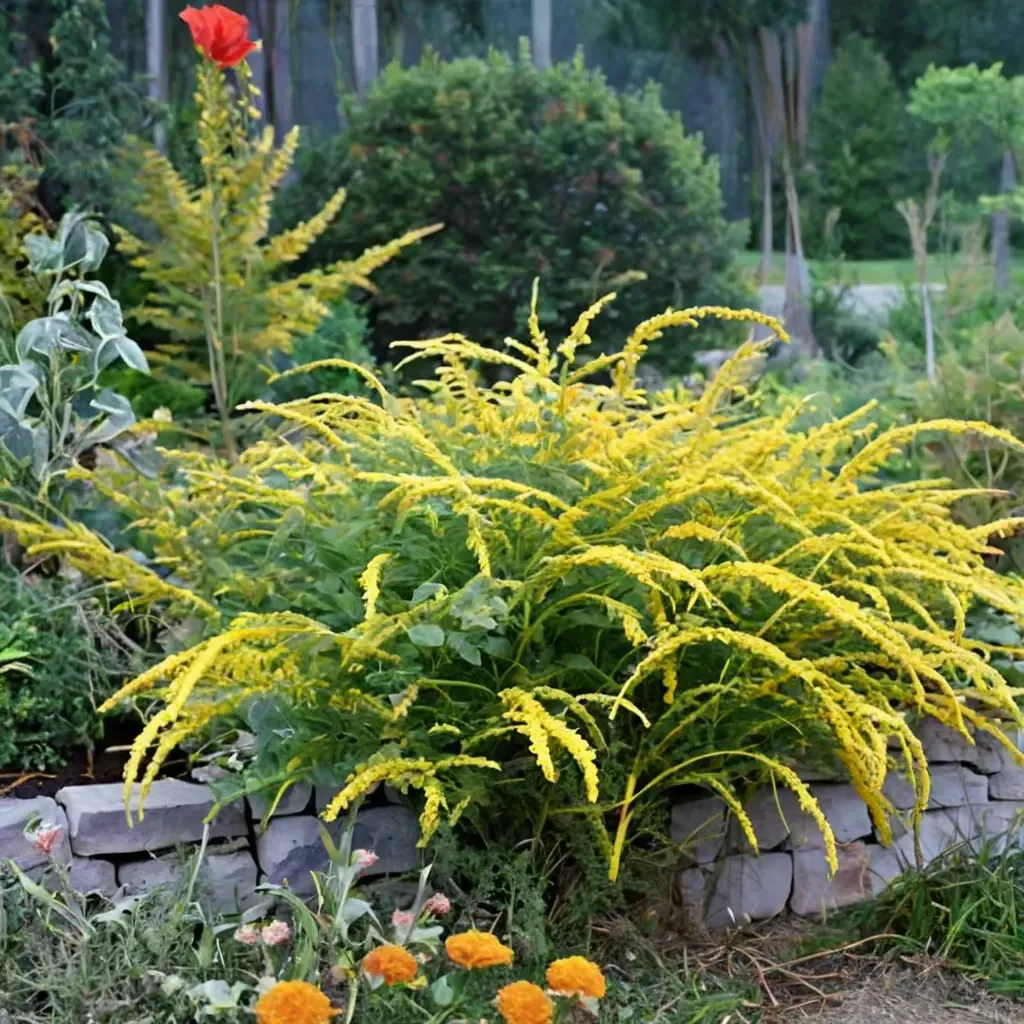
Fireworks Goldenrod
Solidago rugosa 'Fireworks'
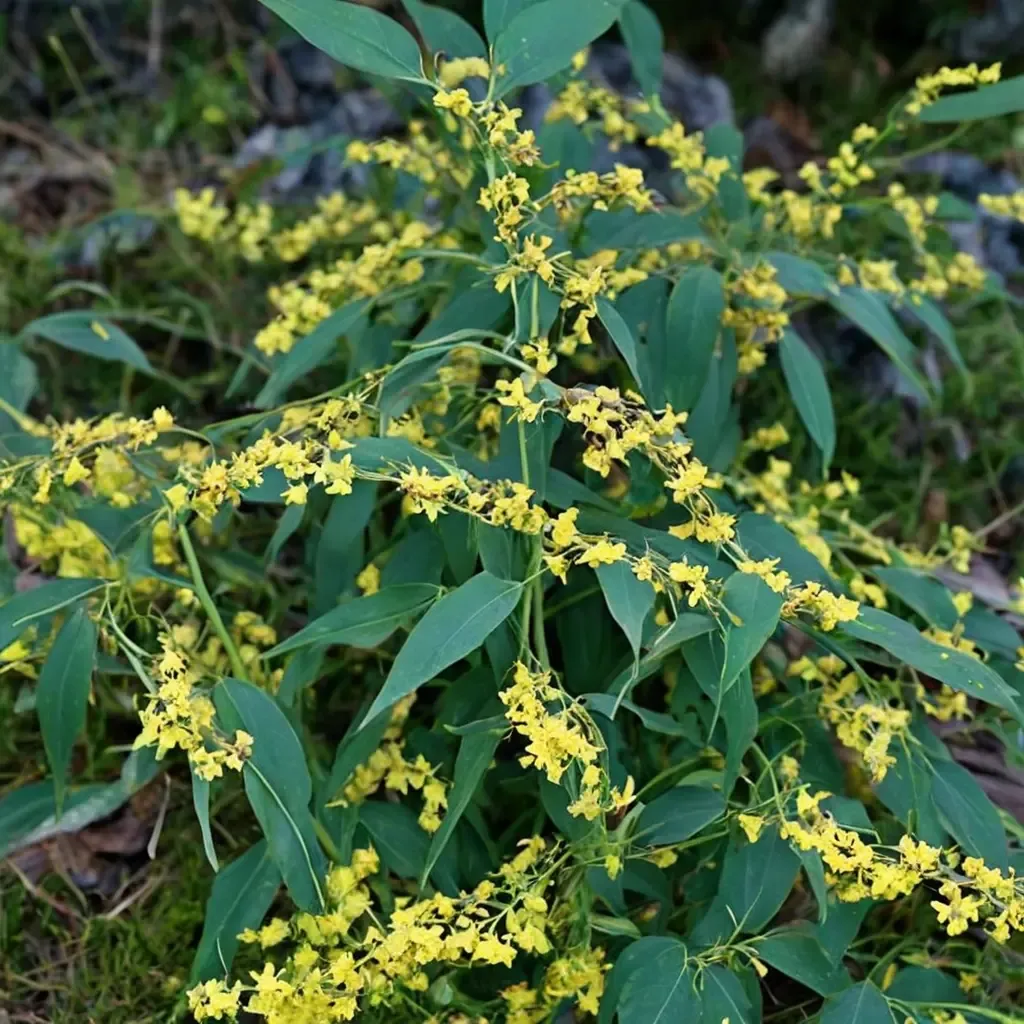
Bluestem Goldenrod
Solidago caesia
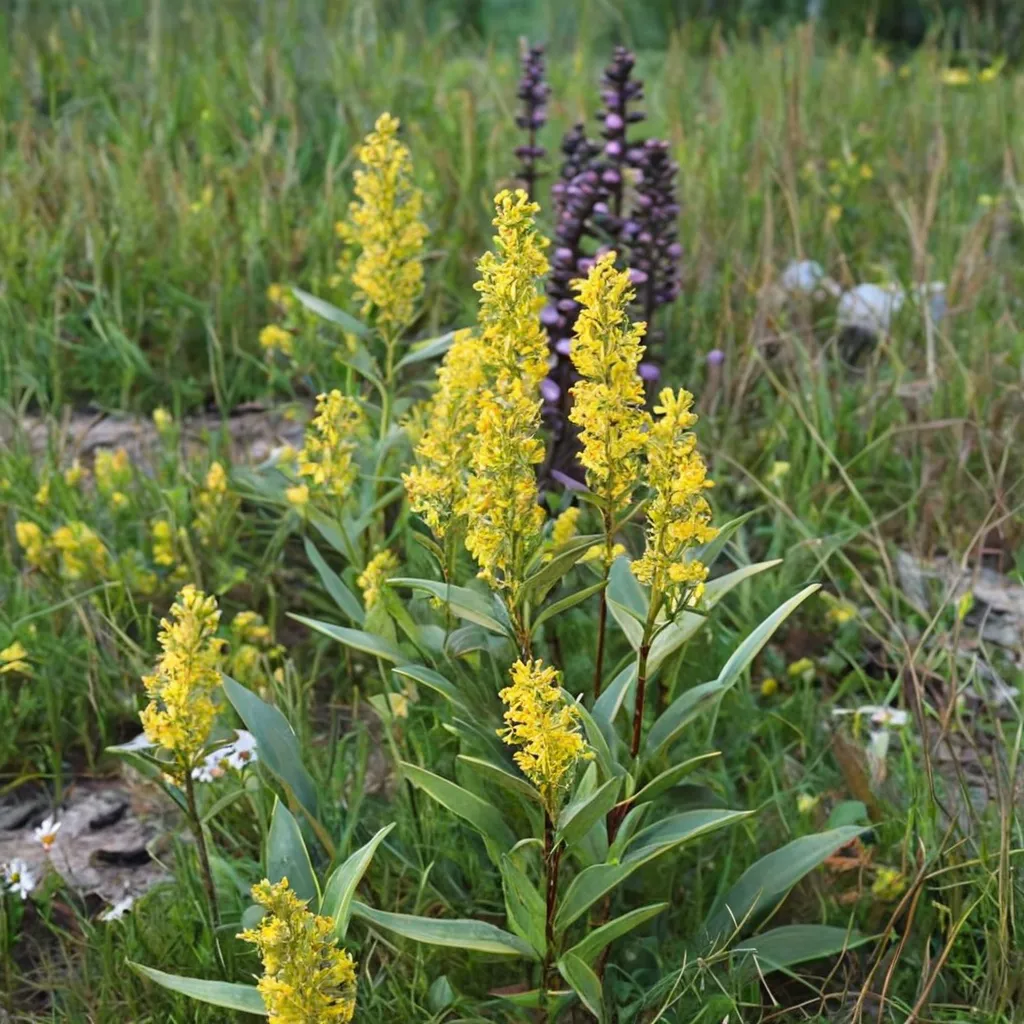
Showy Goldenrod
Solidago speciosa
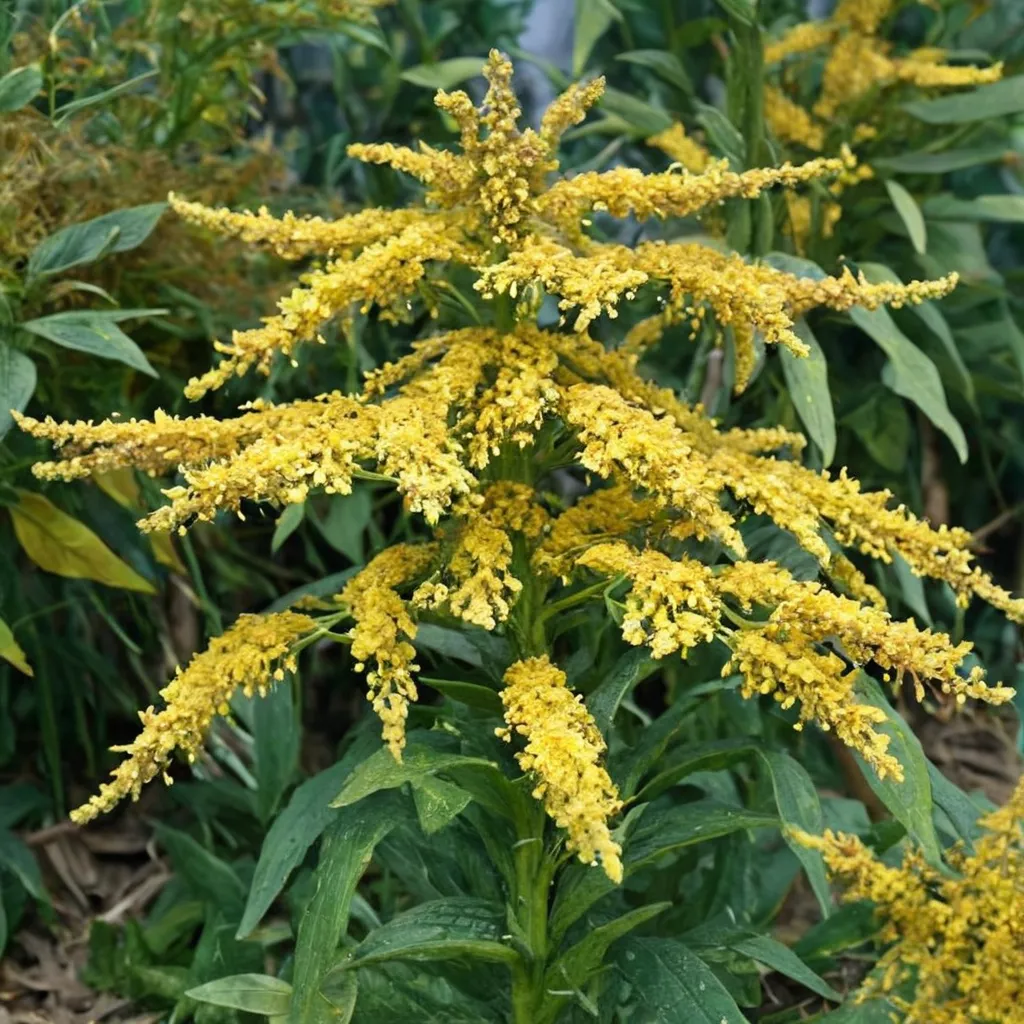
Goldenrod Peter Pan
Solidago x hybrida 'Peter Pan'
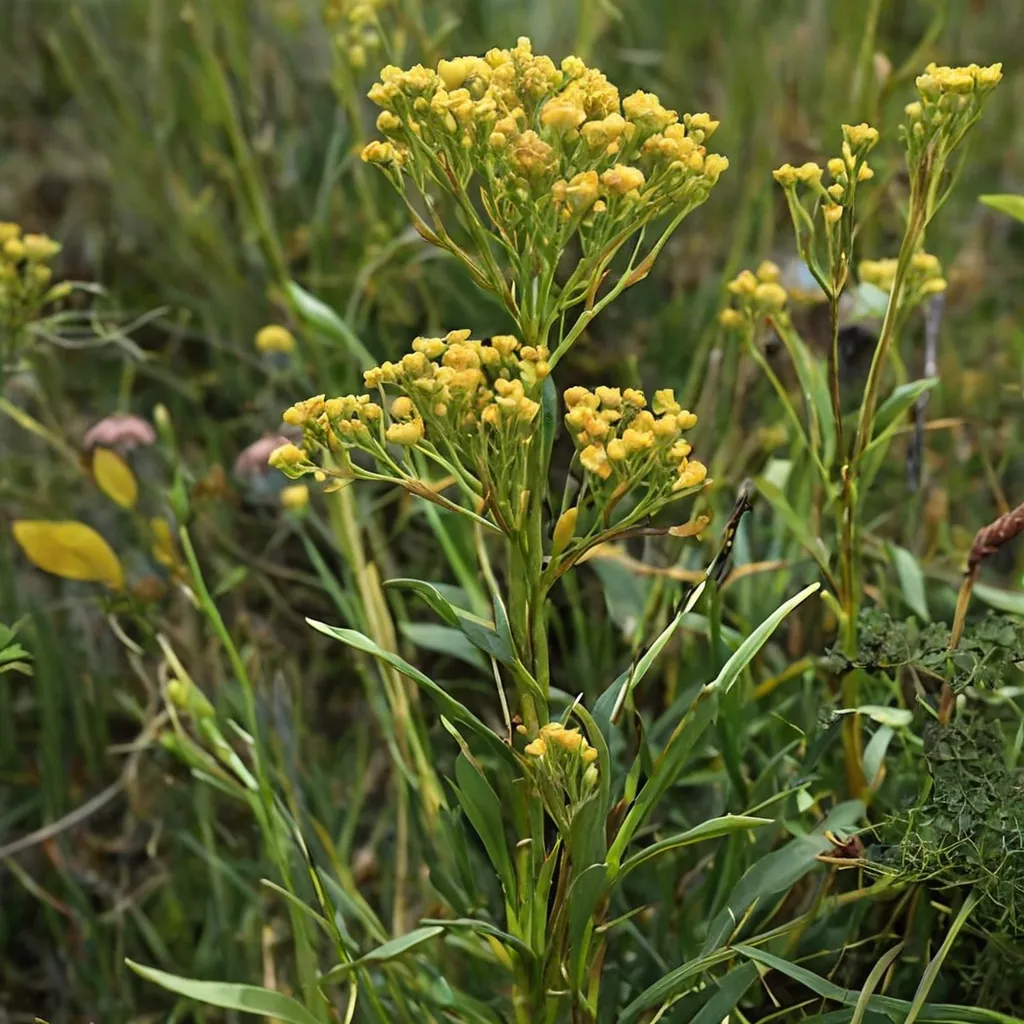
Ohio Goldenrod
Solidago ohioensis
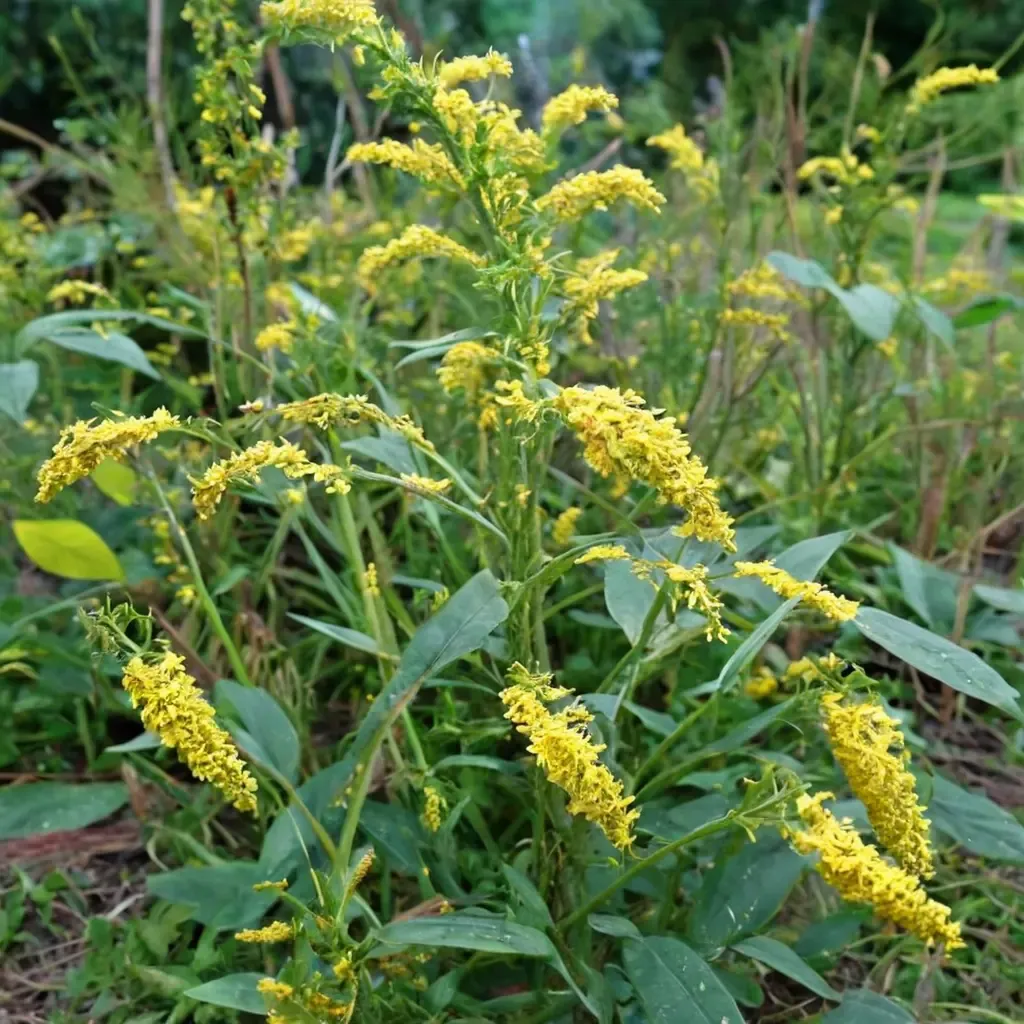
Wrinkleleaf Goldenrod
Solidago rugosa
Keep exploring
Explore the genus
Grow Sweet Goldenrod with confidence
See it in a design of your actual yard, get zone-matched care reminders, and track it season by season in your garden journal.