The Story
Plant Bio
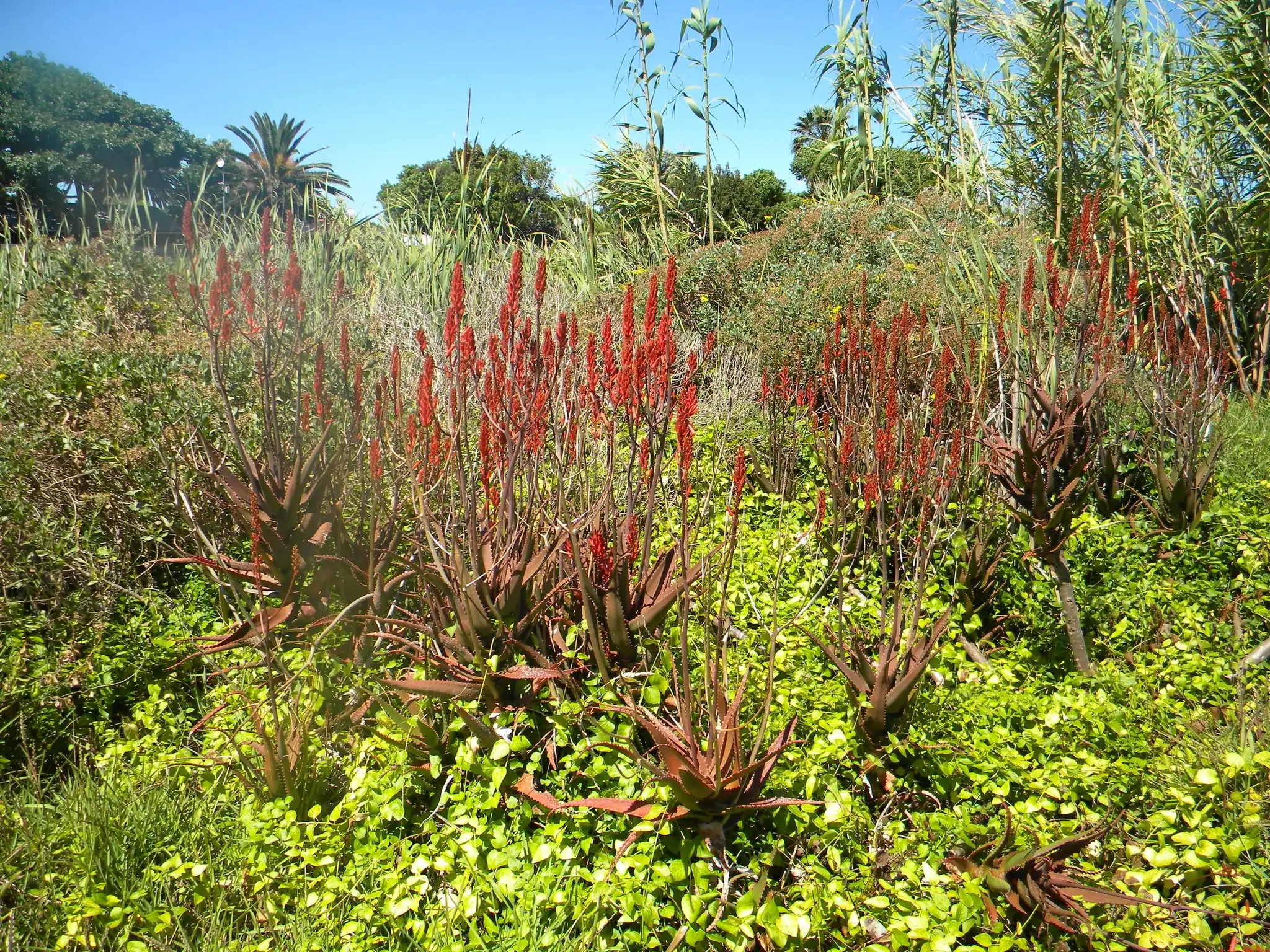
Aloe cameronii is a suckering evergreen succulent that forms a shrubby clump of upright stems, each tipped with an open rosette of narrow leaves. The thick leaves store water through the dry season and new offsets root readily to widen the clump.
This species turns coppery-red to crimson when grown hard in full sun with little summer water, while shaded or well-watered growth stays medium-dark green. In late fall into winter each mature rosette sends up a single unbranched foot-tall spike of dark orange-red tubular flowers.
Uses & Benefits:
Essentials
At a Glance
Plant Type
Cactus Succulent
Height
24"
Width
47"
Light
Full Sun
Zones
9, 10
Water
Low
Humidity
Unknown
Lifespan
Long-lived
Native To
Malawi, Mozambique, Zambia, Zimbabwe
Toxicity
Toxic to cats and dogs
Bloom period
Late fall – Early winter
In flower about 2 months of the year
Planting
How to Grow
- Plant in spring after frost in a gritty cactus mix amended with sand and loam.
- Set the crown at soil level in full sun with 2 to 3 feet between clumps.
- Water deeply when the soil is fully dry, then withhold water until dry again.
- Reduce water sharply in winter and keep pots above 25F.
- Cut each spent flower spike off at the base after bloom.
Pro Tip
Grow it hard in full sun and lean, fast-draining soil to hold the crimson leaf color; shade and frequent water keep it green and soft.
Keep It Thriving
Care Guide
Do
- Give full sun all day to develop red foliage and strong bloom.
- Use a shallow wide pot with drainage holes and gritty fast-draining mix.
- Check leaf undersides for white scale and treat early.
Don't
- Do not let the pot sit in water or a saucer of standing water.
- Do not cut the whole clump back hard each year; remove only spent spikes.
- Do not leave outdoors where winter drops below 25F without moving the pot under cover.
Seasonal Care Calendar
| Task | Jan | Feb | Mar | Apr | May | Jun | Jul | Aug | Sep | Oct | Nov | Dec |
|---|---|---|---|---|---|---|---|---|---|---|---|---|
| Deadhead | ||||||||||||
| Pest Check | ||||||||||||
| Plant | ||||||||||||
| Propagate | ||||||||||||
| Winter Prep |
Watch Out For
Pests & Diseases
Common Pests
Common Diseases
In the Garden
Landscape Uses & Companions
Landscape Uses
Multiply
Propagation Methods
Good to Know
Common Questions
Red Aloe questions
What zones can Red Aloe grow in?
Red Aloe is hardy in USDA Zones 9–10: in that range it survives winter in the ground. Colder than Zone 9, grow it in a container you can move to shelter for the winter, or as an annual.
When does Red Aloe bloom?
Red Aloe typically blooms from late fall to early winter. Exact timing shifts a week or two with your zone — Sow's bloom calendar maps it to your garden.
Does Red Aloe need full sun?
Red Aloe does best in full sun (6+ hours).
Is Red Aloe drought tolerant?
Yes — once established (usually after the first full season), Red Aloe handles dry spells with minimal watering. Water deeply its first year to build the root system that makes that possible.
More Aloe to compare
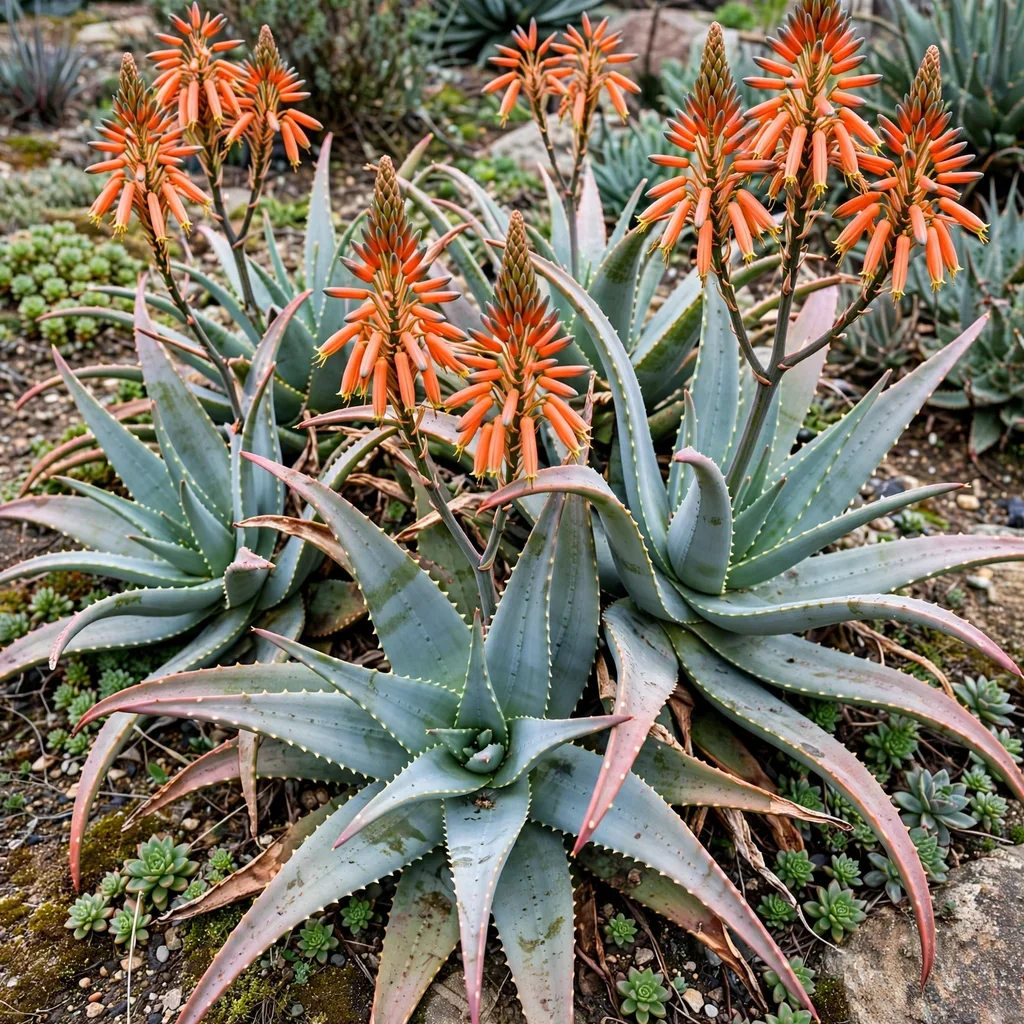
Compton's Aloe
Aloe comptonii
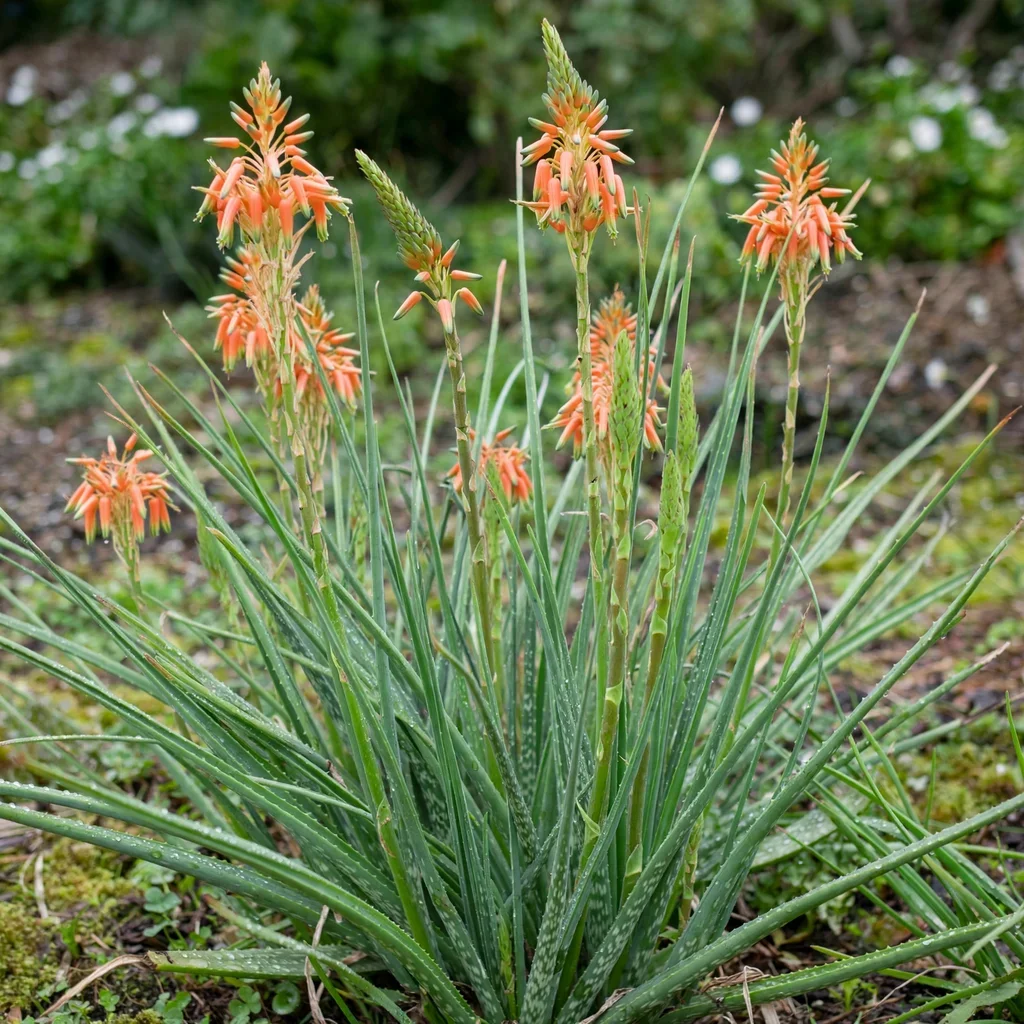
Cooper's Aloe
Aloe cooperi
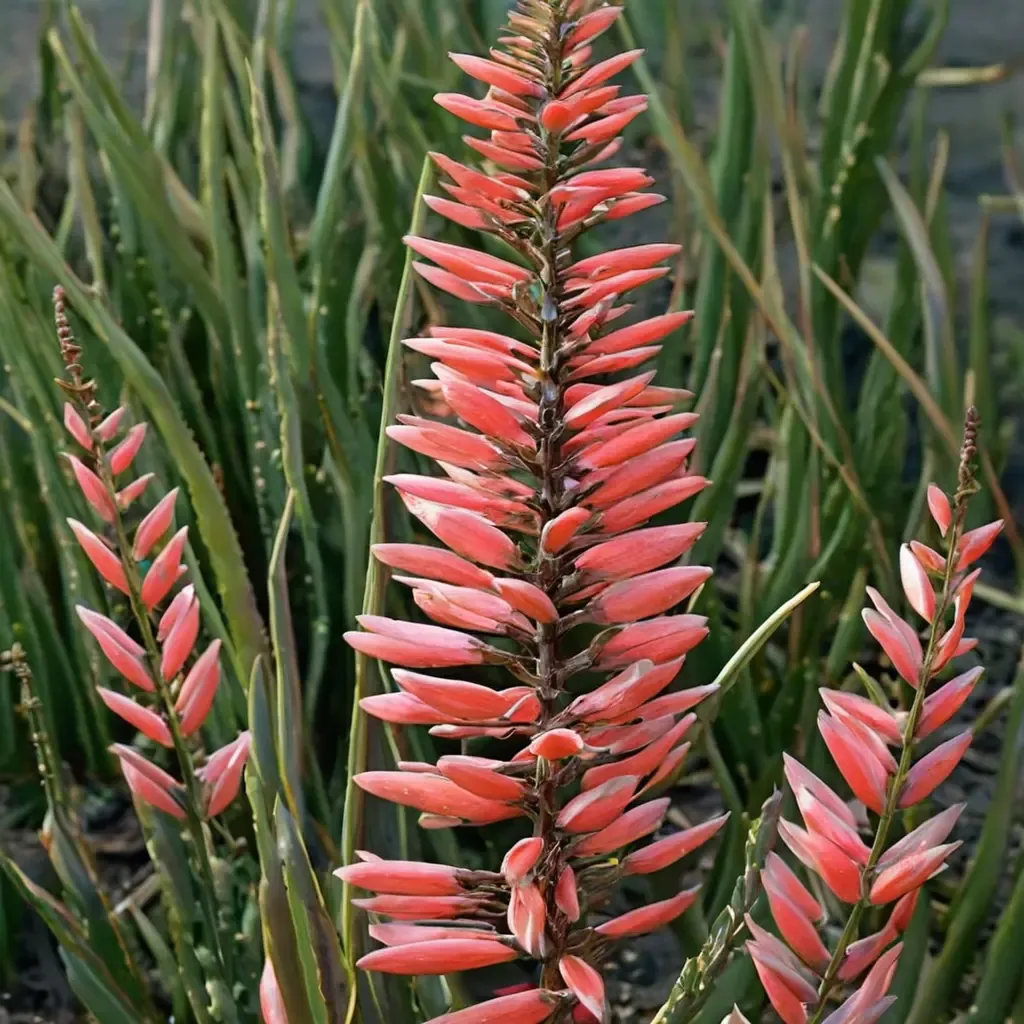
Safari Rose Aloe
Aloe vera 'Safari Rose'
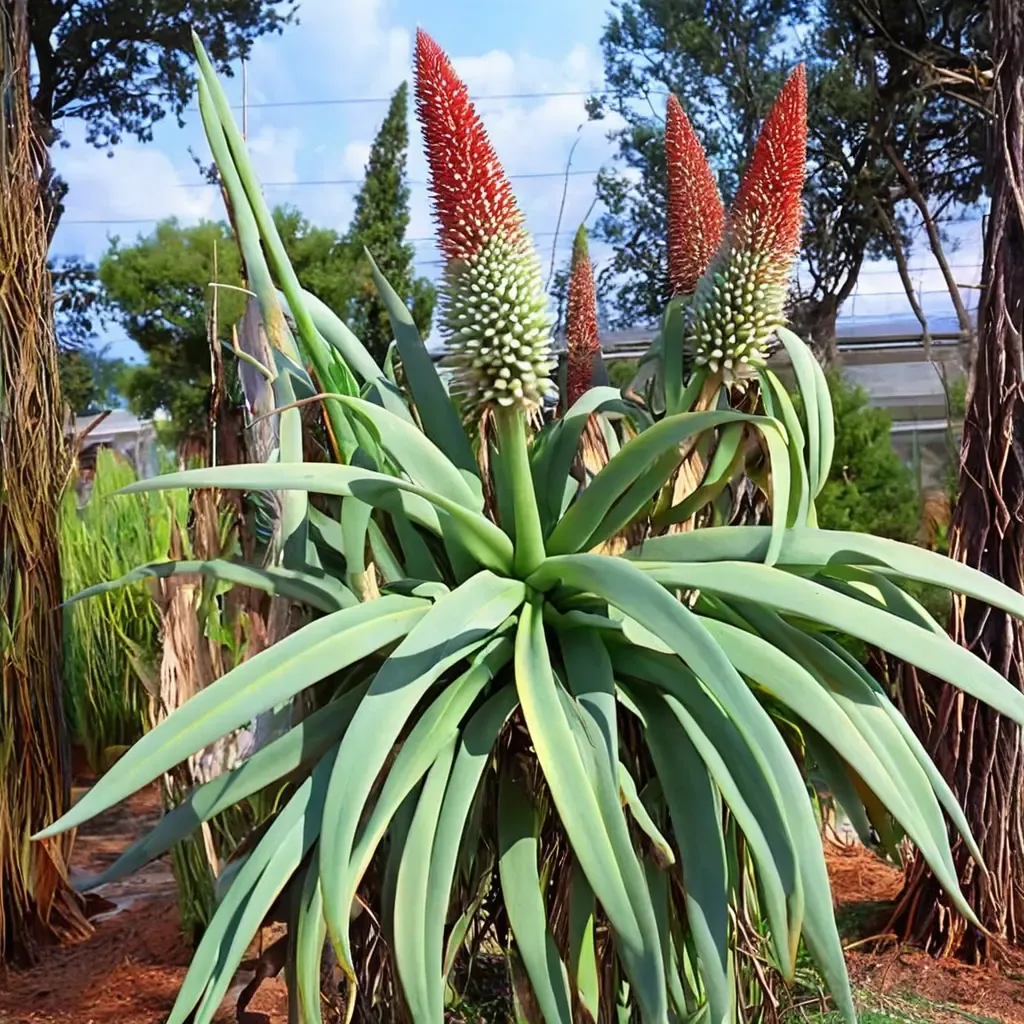
Tilt-Head Aloe
Aloe speciosa 'Tilt-Head Aloe'
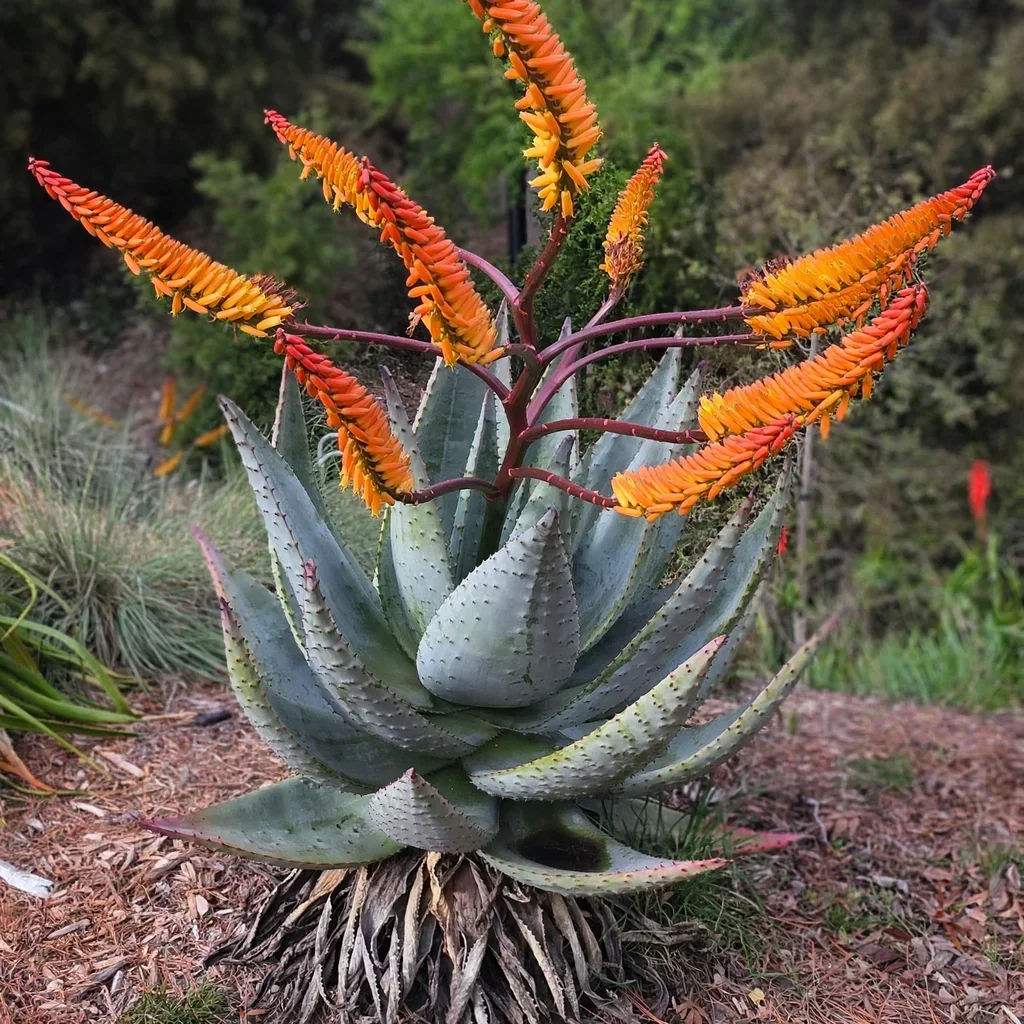
Mountain Aloe
Aloe marlothii 'Flat Flowered Aloe'
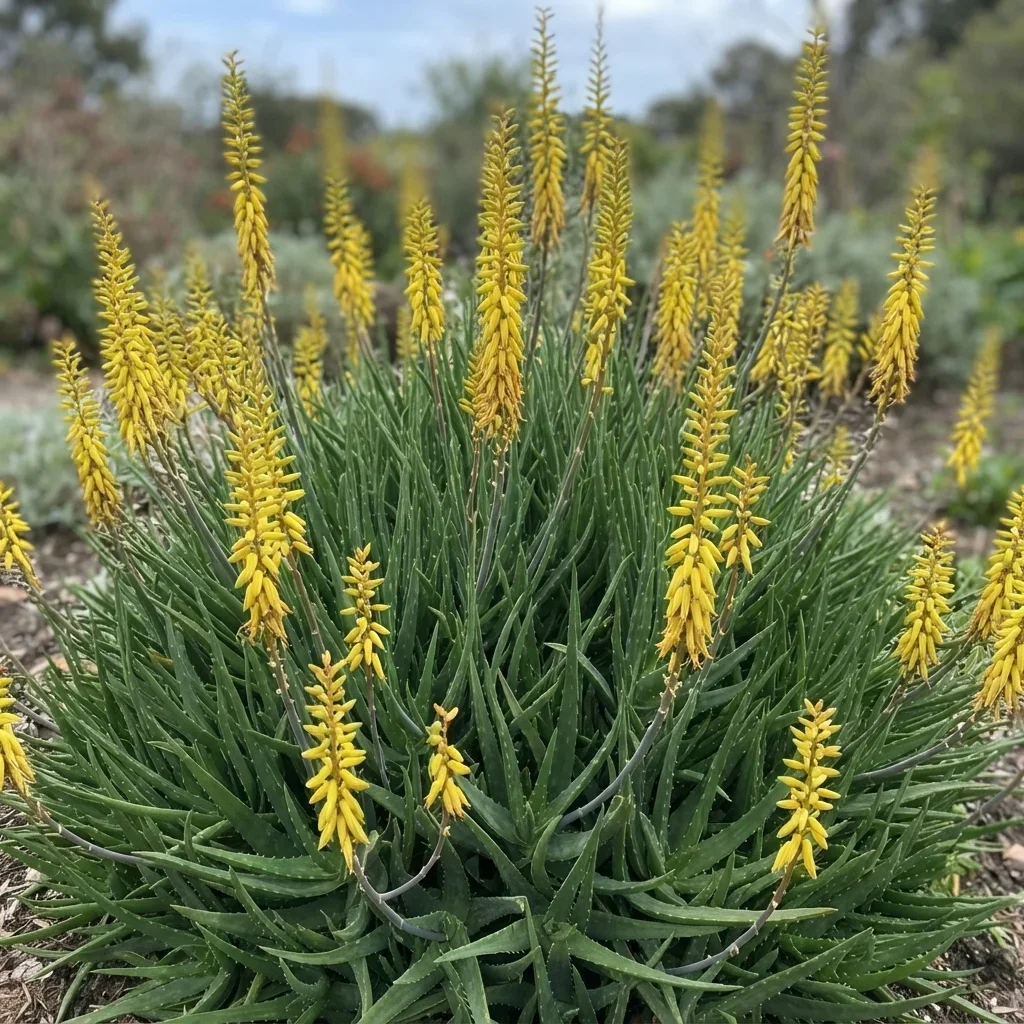
Fence Aloe
Aloe tenuior 'Fence Aloe'
Keep exploring
Explore the genus
Hardy in your zone?
Grow Red Aloe with confidence
See it in a design of your actual yard, get zone-matched care reminders, and track it season by season in your garden journal.