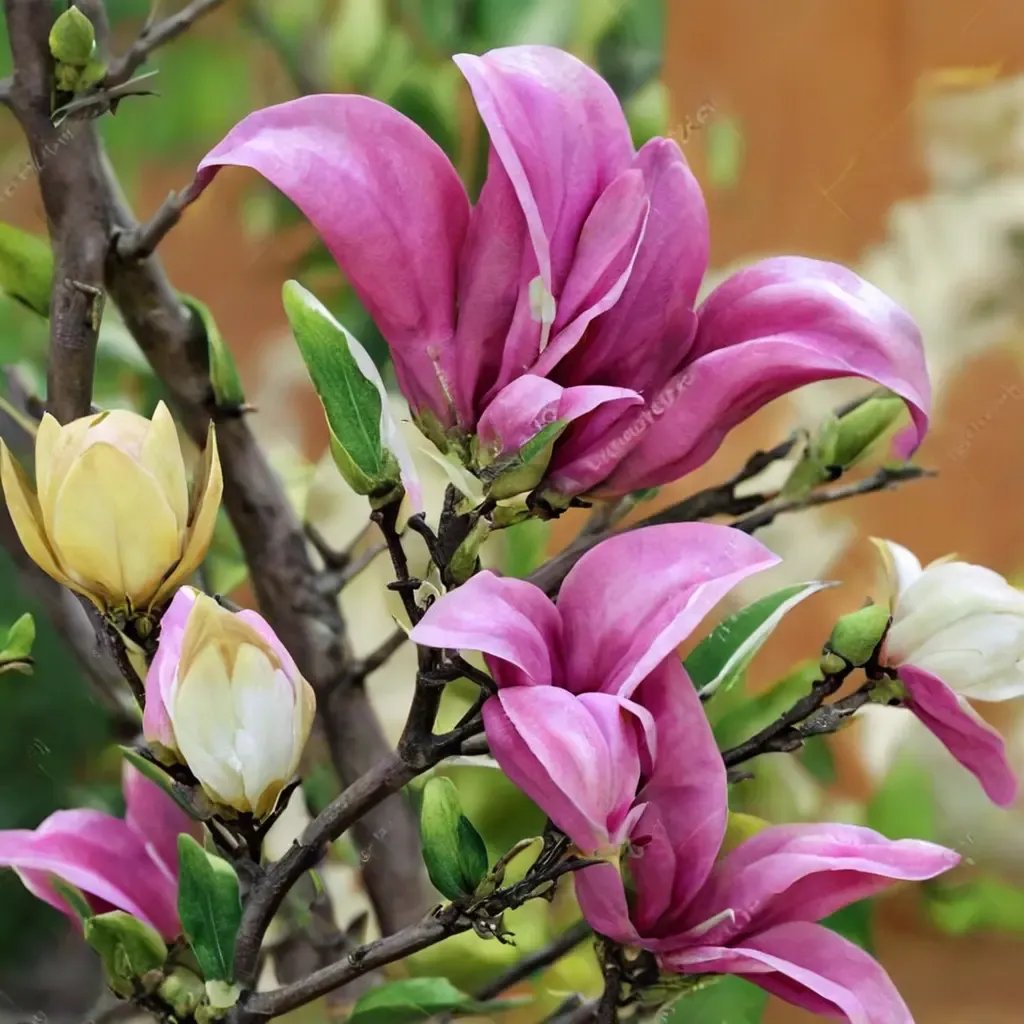
The Story
Plant Bio
Tulipa tulipanova is known for its striking blooms that come in vibrant colors and are commonly used in gardens and floral arrangements.
This specific tulip species has a unique, elegant flower form that sets it apart from other tulip varieties.
Uses & Benefits:
Bright, elegant flowers add vibrant color to spring gardens, creating cheerful displays and supporting early pollinators.
Bulbs are easy to plant and require minimal care once established, making them ideal for low-maintenance gardens.
Supports early pollinators like bees and butterflies, contributing to local biodiversity.
Essentials
At a Glance
Plant Type
Bulb Corm Tuber
Height
12"
Width
6"
Light
Full Sun, Partial Sun
Zones
4, 5, 6, 7
Water
Moderate during growth, dry dormancy
Humidity
Prefers well-drained, moderate humidity
Lifespan
Perennial with proper care
Native To
Central Asia
Toxicity
Toxic to pets if ingested
Bloom period
Mid-spring – Late spring
J
F
M
A
M
J
J
A
S
O
N
D
In flower about 2 months of the year
Planting
How to Grow
- Tuck bulbs 6 inches deep in well-drained soil in fall.
- Water thoroughly after planting to settle soil around bulbs.
- Mist bulbs during dormancy if soil becomes dry in late winter.
- Allow foliage to yellow naturally after blooming for energy storage.
- Lift and store bulbs in cold climates for replanting in fall.
- Plant in groups for a more dramatic display.
Pro Tip
Choose a sunny spot with well-drained soil for best blooms.
Keep It Thriving
Care Guide
Do
- Plant in full sun for vibrant blooms 🌞
- Ensure soil is well-drained to prevent bulb rot
- Mulch in winter to protect from extreme cold
- Fertilize with a balanced bulb fertilizer in fall
- Allow foliage to die back naturally after flowering
Don't
- Avoid overwatering during dormancy ❌
- Don’t plant bulbs too shallow or too deep
- Refrain from disturbing bulbs once established
- Never cut back foliage until it yellows
Seasonal Care Calendar
| Task | Jan | Feb | Mar | Apr | May | Jun | Jul | Aug | Sep | Oct | Nov | Dec |
|---|---|---|---|---|---|---|---|---|---|---|---|---|
| Deadhead | ||||||||||||
| Fertilize | ||||||||||||
| Plant |
Watch Out For
Pests & Diseases
Common Pests
Common Diseases
In the Garden
Landscape Uses & Companions
Landscape Uses
Vivid spring flower borderColorful perennial bed accentEarly bloom in rock gardens
Companion Plants
Multiply
Propagation Methods
Good to Know