The Story
Plant Bio
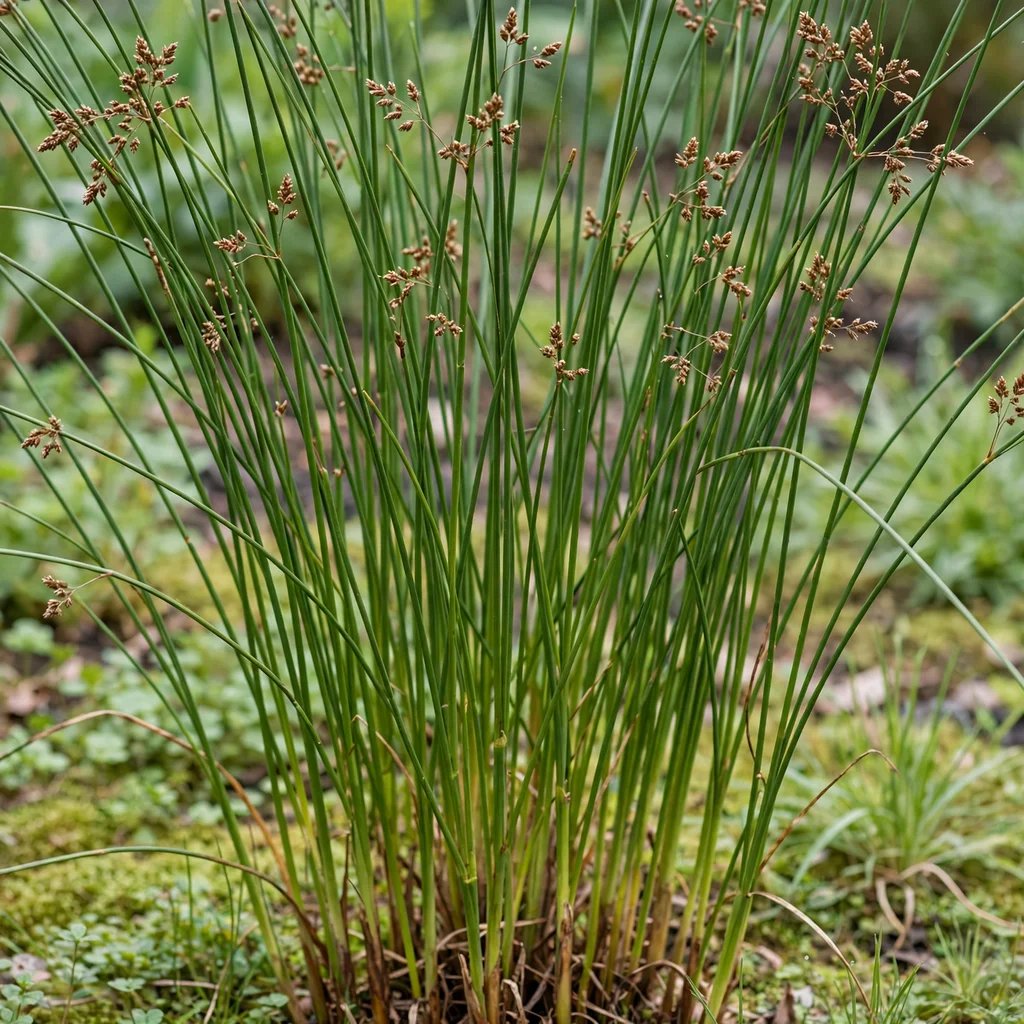
Juncus mexicanus, sold as Mexican rush, is a perennial rush forming upright clumps of thin leafless stems from creeping rhizomes. Like other rushes it is wind-pollinated, with small green to brown flowers borne in tight side clusters on the stem rather than a showy terminal bloom.
This western native reaches 4 to 31 inches tall and stays evergreen through winter, going partly dormant in dry summers. It colonizes by rhizomes in sand or gravel that stays moist to standing wet and flowers green-brown from spring into summer; nursery stock is still sold as J. mexicanus though botanically it is J. balticus subsp. mexicanus.
Uses & Benefits:
Essentials
At a Glance
Plant Type
Grass
Height
31"
Width
24"
Light
Partial Sun
Zones
5, 6, 7, 8, 9, 10
Water
Medium to wet
Humidity
Medium
Lifespan
Perennial
Native To
Southwestern USA to Mexico and South America
Toxicity
Unknown
Bloom period
Spring – Summer
In flower about 6 months of the year
Planting
How to Grow
- Dig a shallow basin in sandy or gravelly soil where water collects or drains slowly.
- Set divisions or plugs with the crown at soil grade, 12 to 18 inches apart to allow rhizome spread.
- Backfill firmly and top with gravel mulch to hold moisture and anchor new shoots.
- Flood the basin after planting and keep soil saturated through the first growing season.
Pro Tip
Set crowns at grade in saturated sand or gravel and keep water at or just below the surface through the first summer; established clumps persist on intermittent moisture.
Keep It Thriving
Care Guide
Do
- Keep soil consistently moist to wet, especially the first year.
- Cut out dead stems in early spring to open the clump.
- Divide congested clumps in spring to control spread.
Don't
- Do not let new plantings dry out completely.
- Do not plant in fast-draining dry beds without supplemental water.
- Do not cut back into the crown below live shoots.
Seasonal Care Calendar
| Task | Jan | Feb | Mar | Apr | May | Jun | Jul | Aug | Sep | Oct | Nov | Dec |
|---|---|---|---|---|---|---|---|---|---|---|---|---|
| Divide | ||||||||||||
| Mulch | ||||||||||||
| Plant | ||||||||||||
| Spring Cleanup |
Watch Out For
Pests & Diseases
Common Pests
Common Diseases
In the Garden
Landscape Uses & Companions
Landscape Uses
Multiply
Propagation Methods
Good to Know
Common Questions
Mexican Rush questions
What zones can Mexican Rush grow in?
Mexican Rush is hardy in USDA Zones 5–10: in that range it survives winter in the ground. Colder than Zone 5, grow it in a container you can move to shelter for the winter, or as an annual.
When does Mexican Rush bloom?
Mexican Rush typically blooms from spring to summer. Exact timing shifts a week or two with your zone — Sow's bloom calendar maps it to your garden.
Does Mexican Rush need full sun?
Mexican Rush does best in part shade.
More Juncus to compare
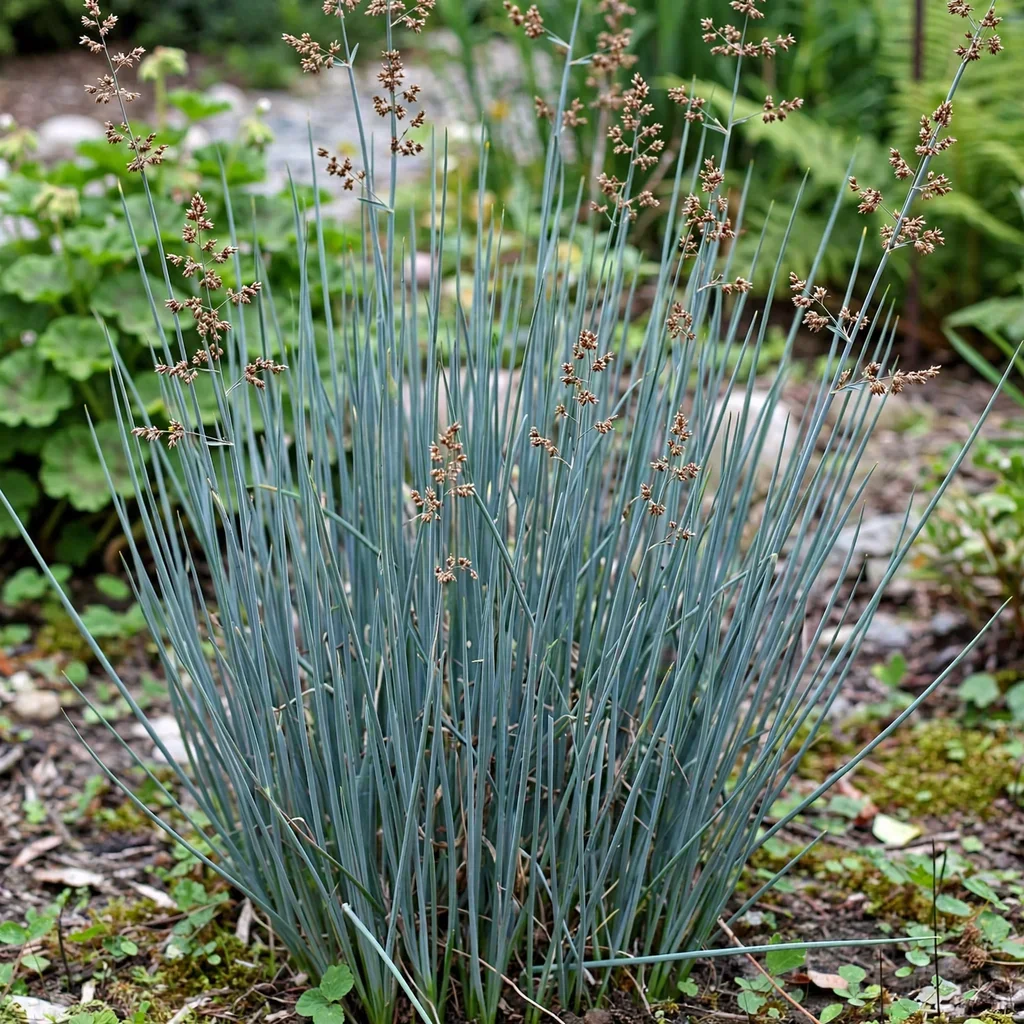
Blue Arrows Soft Rush
Juncus effusus 'Blue Arrows'
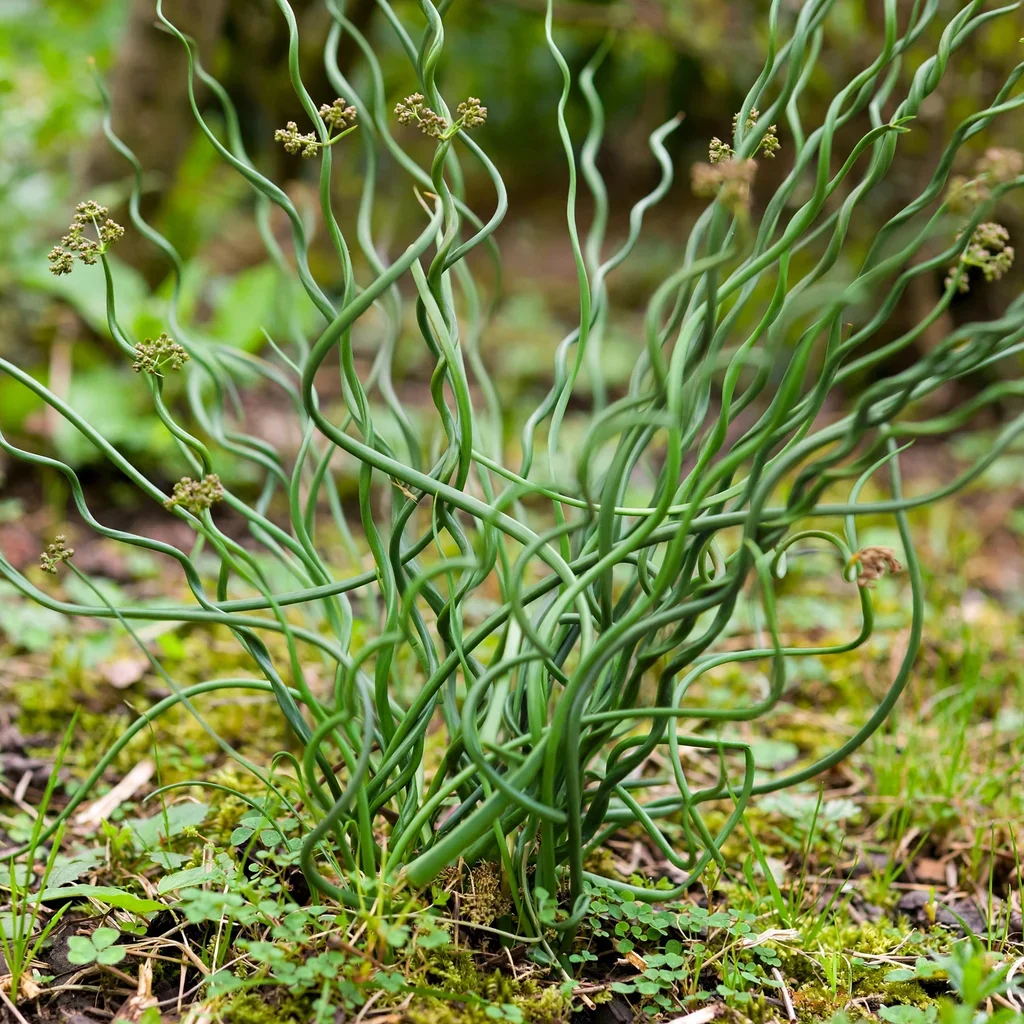
Spiralis Corkscrew Rush
Juncus compactus 'Spiralis'
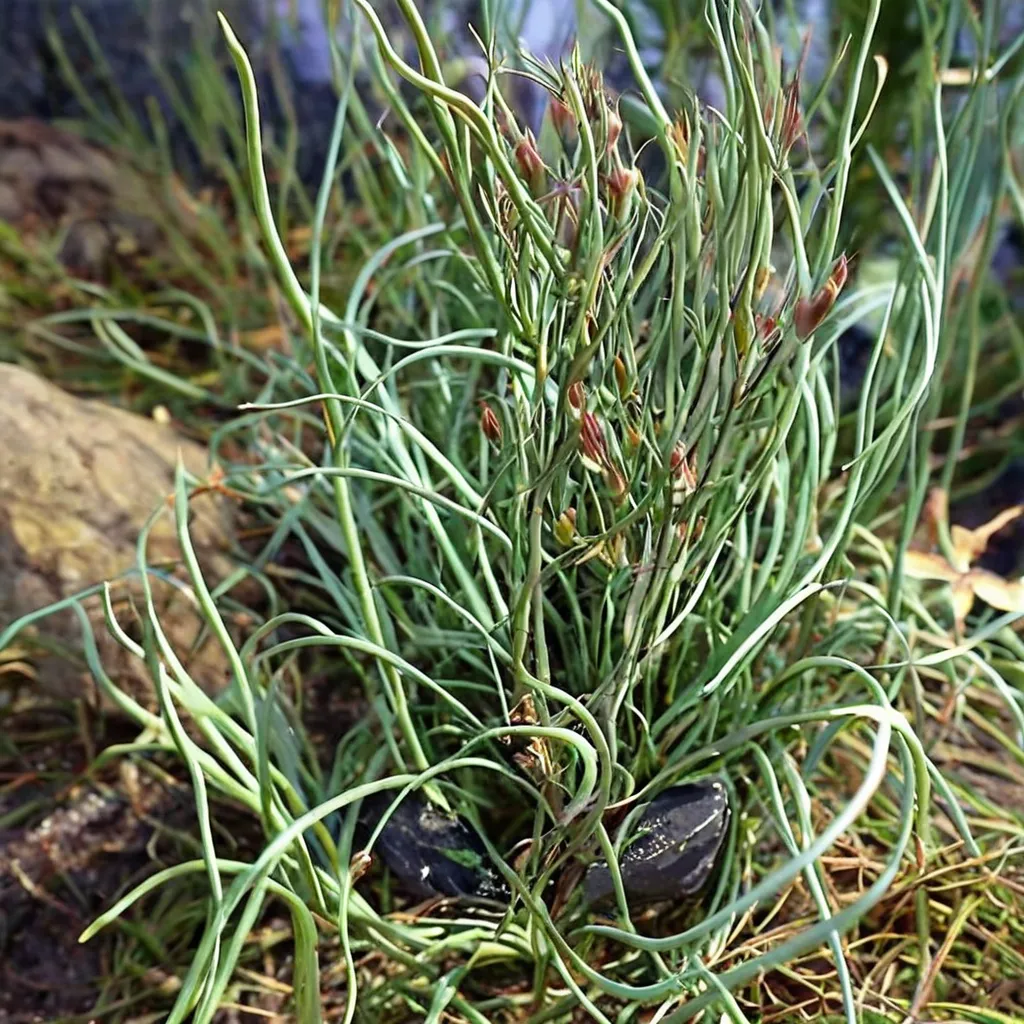
Blue Arrows Rush
Juncus inflexus 'Afro'
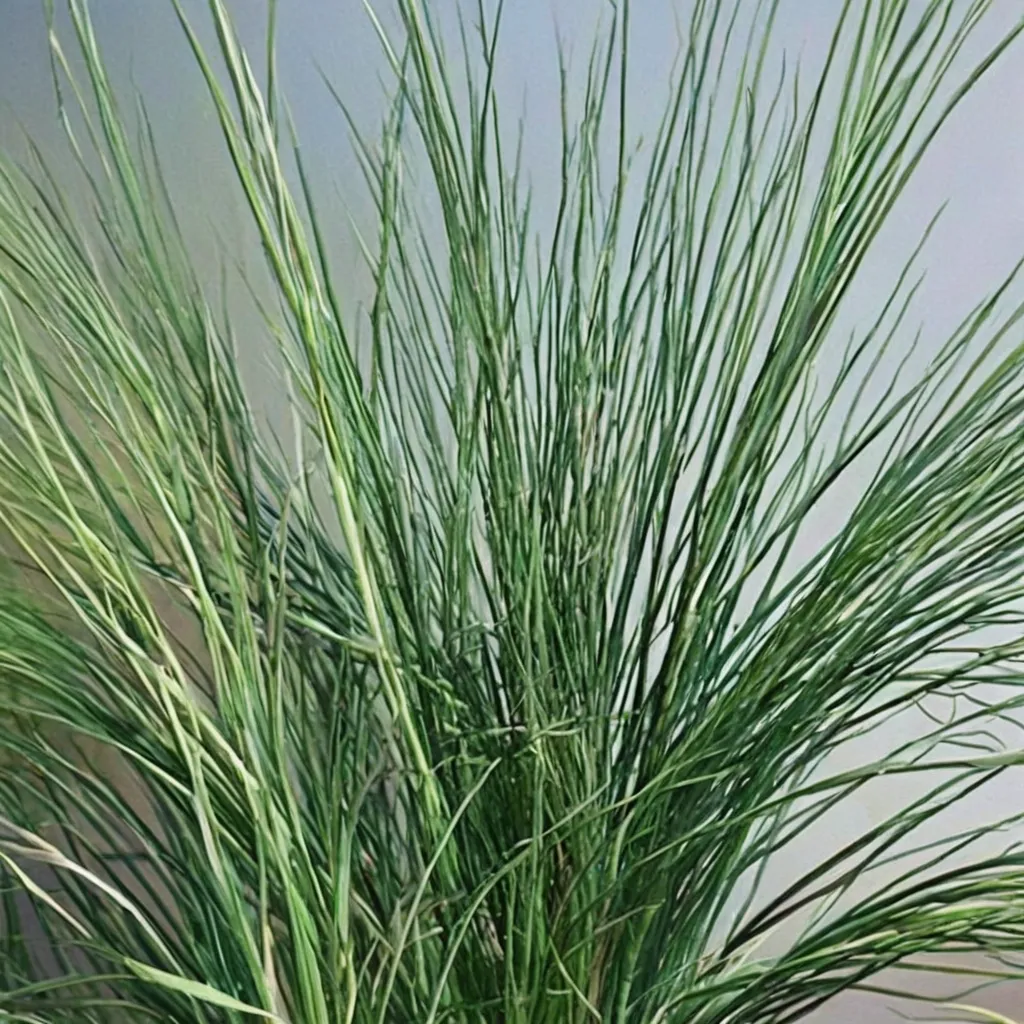
Blue Rush
Juncus inflexus 'Lovesick Blues'
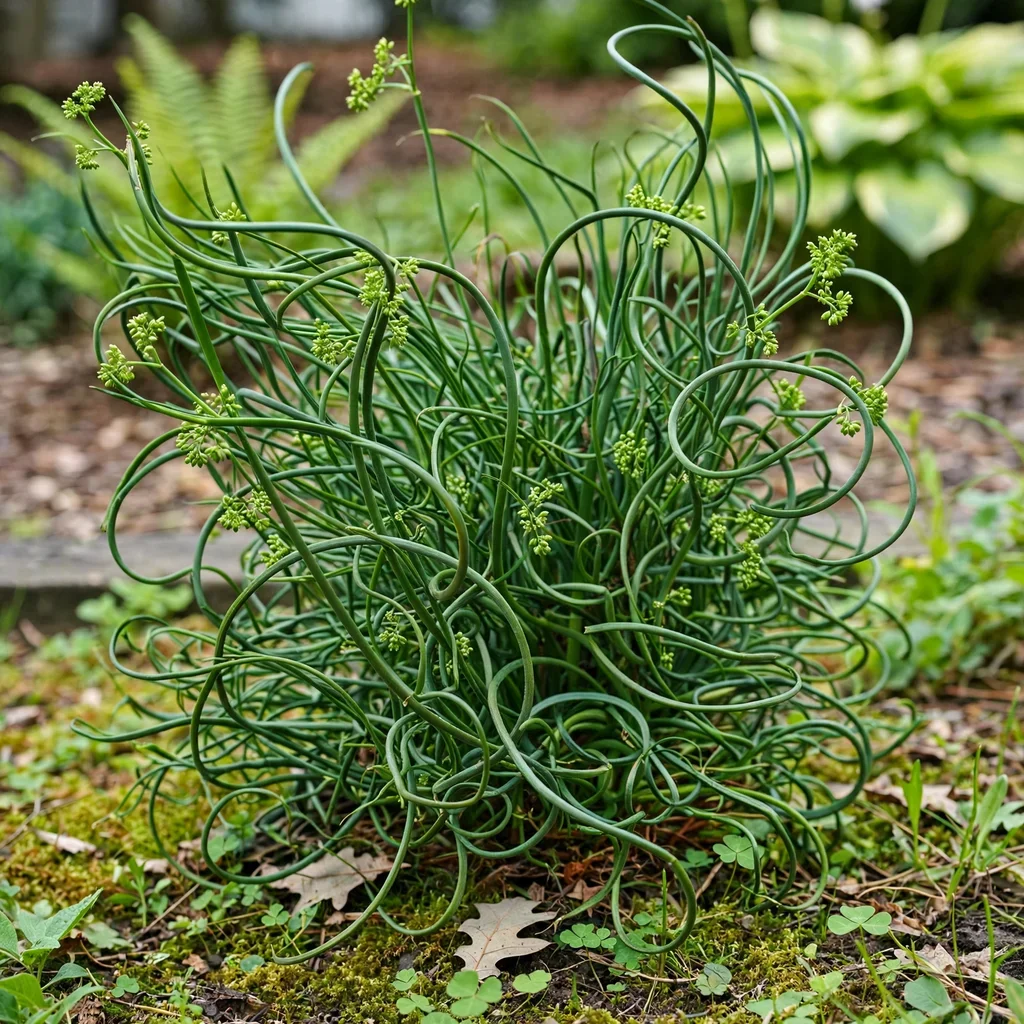
Big Twister Soft Rush
Juncus effusus 'Big Twister'
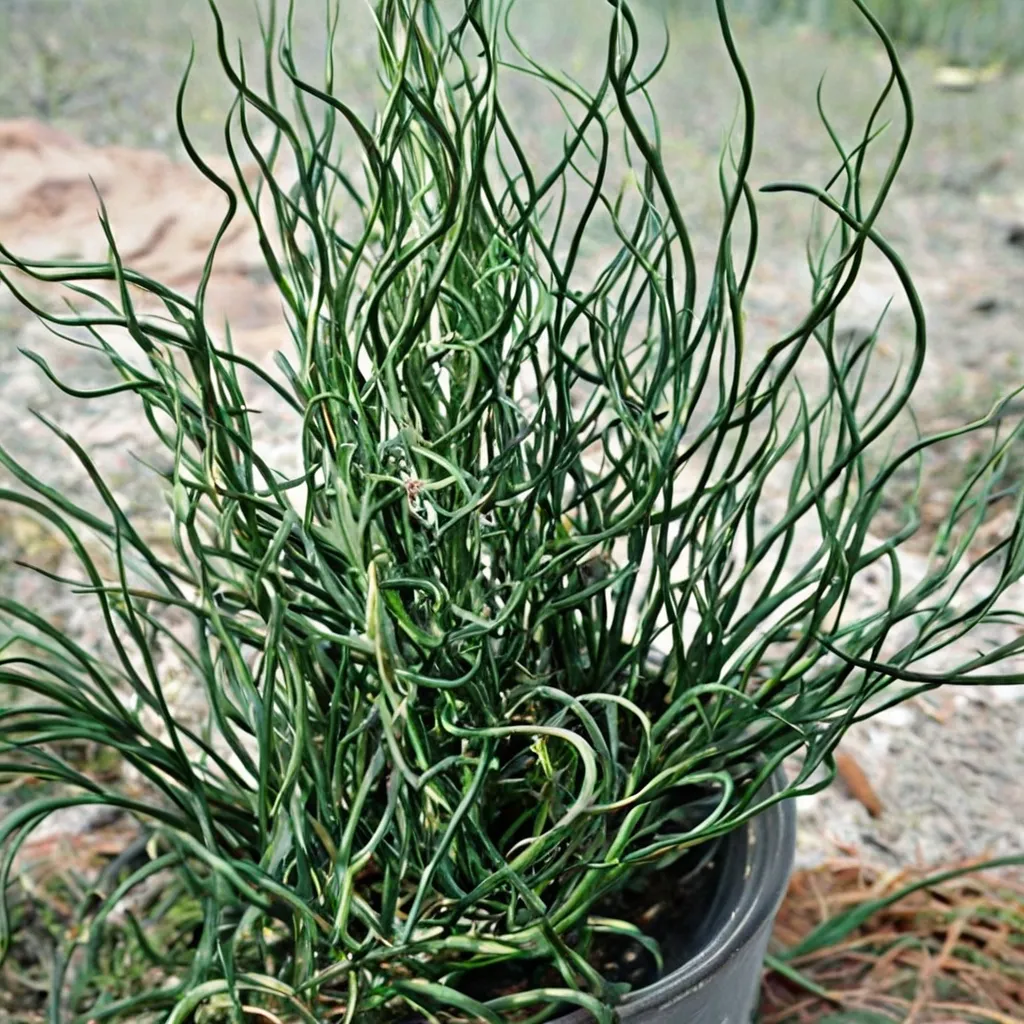
Curly Wurly Corkscrew Rush
Juncus effusus 'Curly Wurly'
Keep exploring
Explore the genus
Grow Mexican Rush with confidence
See it in a design of your actual yard, get zone-matched care reminders, and track it season by season in your garden journal.