The Story
Plant Bio
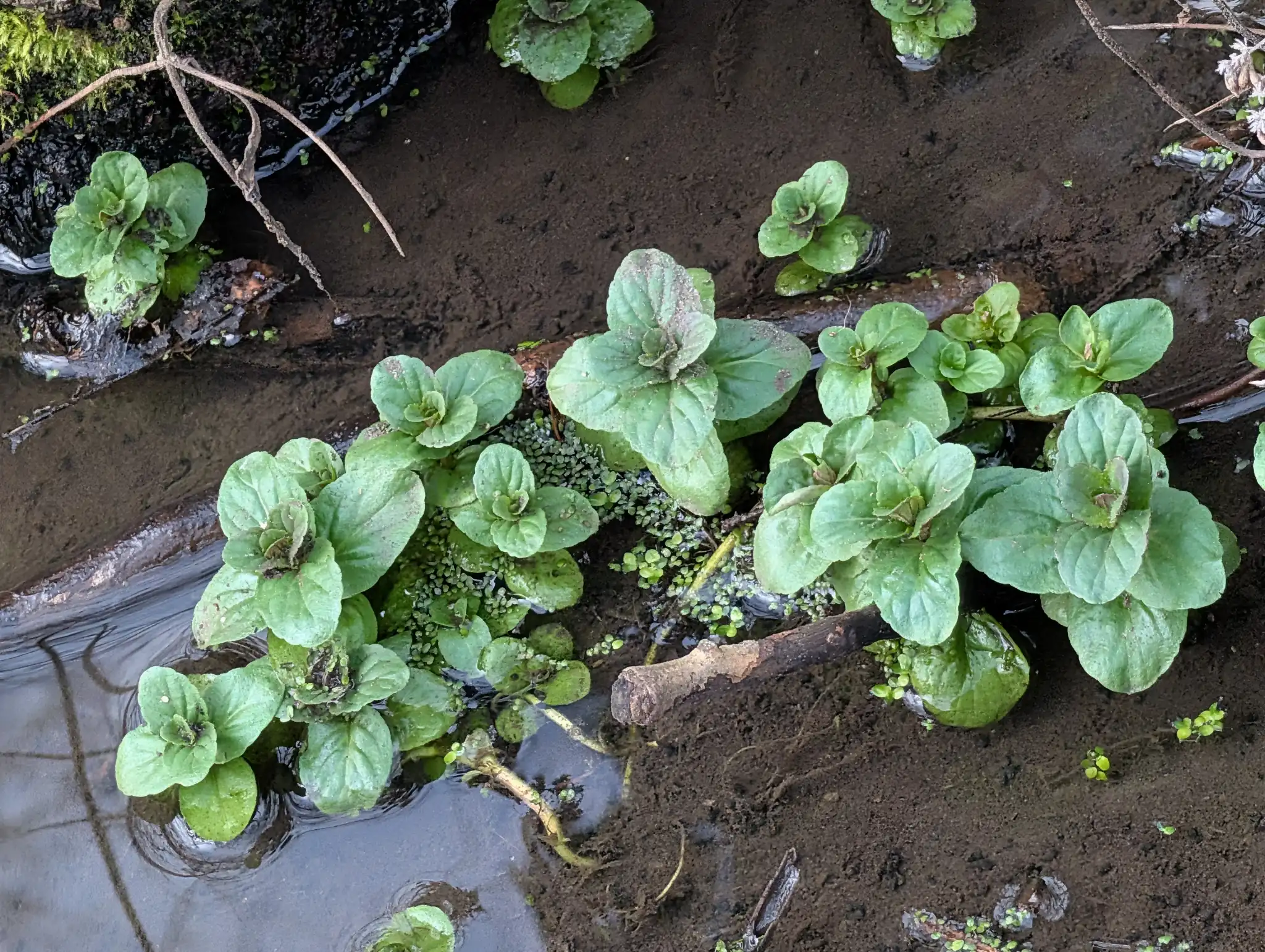
Mentha aquatica, commonly known as water mint, is a creeping herbaceous perennial native to wet habitats across Europe, Africa, and western Asia. It spreads vigorous underground rhizomes to form dense mats of square stems with fragrant, dark green to purplish leaves and terminal globose spikes of small pinkish-purple blooms from midsummer into fall.
Water mint adapts readily to standing water up to several inches deep and saturated mucky soils along pond margins. Spring foliage emerges with a prominent bronze or purple cast, releasing a pungent herbal scent when crushed.
Uses & Benefits:
Essentials
At a Glance
Plant Type
Aquatic
Height
35"
Width
39"
Light
Full Sun, Partial Sun
Zones
5, 6, 7, 8, 9
Water
High / Saturated
Humidity
High
Lifespan
Perennial
Native To
Europe, Africa, Western Asia
Toxicity
Non-toxic
Bloom period
Summer – Fall
In flower about 6 months of the year
Planting
How to Grow
- Submerge potted plants in shallow pond margins or plant directly into rich, saturated soil in full sun or partial shade.
- Keep soil continuously wet or submerged under a few inches of calm water.
- Cut back stems after the main bloom flush to restrict self-seeding and trigger fresh foliage growth.
- Divide root clumps in early spring to clear excess growth and prevent unwanted horizontal spread.
Pro Tip
Plant water mint inside submerged aquatic pots or sink deep physical root barriers around planting areas to prevent rhizomes from invading surrounding damp soil.
Keep It Thriving
Care Guide
Do
- Keep roots consistently saturated or shallowly submerged
- Restrain creeping rhizomes using physical root barriers or submerged pots
- Prune back dead stems in late winter or early spring
Don't
- Do not allow soil or growing media to dry out
- Do not plant uncontained in natural wetland borders where spread is unwanted
- Do not splash foliage in hot stagnant conditions to reduce risk of fungal infection
Seasonal Care Calendar
| Task | Jan | Feb | Mar | Apr | May | Jun | Jul | Aug | Sep | Oct | Nov | Dec |
|---|---|---|---|---|---|---|---|---|---|---|---|---|
| Divide | ||||||||||||
| Pest Check | ||||||||||||
| Propagate | ||||||||||||
| Prune | ||||||||||||
| Spring Cleanup |
Watch Out For
Pests & Diseases
Common Pests
Common Diseases
In the Garden
Landscape Uses & Companions
Landscape Uses
Multiply
Propagation Methods
Good to Know
Common Questions
Water Mint questions
What zones can Water Mint grow in?
Water Mint is hardy in USDA Zones 5–9: in that range it survives winter in the ground. Colder than Zone 5, grow it in a container you can move to shelter for the winter, or as an annual. Warmer than Zone 9, winter isn't the problem: it prefers colder winters, and summer heat can shorten its life.
Is Water Mint deer resistant?
Not reliably. Deer may browse Water Mint, especially tender spring growth — plan on repellents or fencing where pressure is high.
When does Water Mint bloom?
Water Mint typically blooms from summer to fall. Exact timing shifts a week or two with your zone — Sow's bloom calendar maps it to your garden.
Does Water Mint need full sun?
Water Mint does best in full sun to part shade. In hot climates, afternoon shade keeps blooms fresher longer.
More Mentha to compare
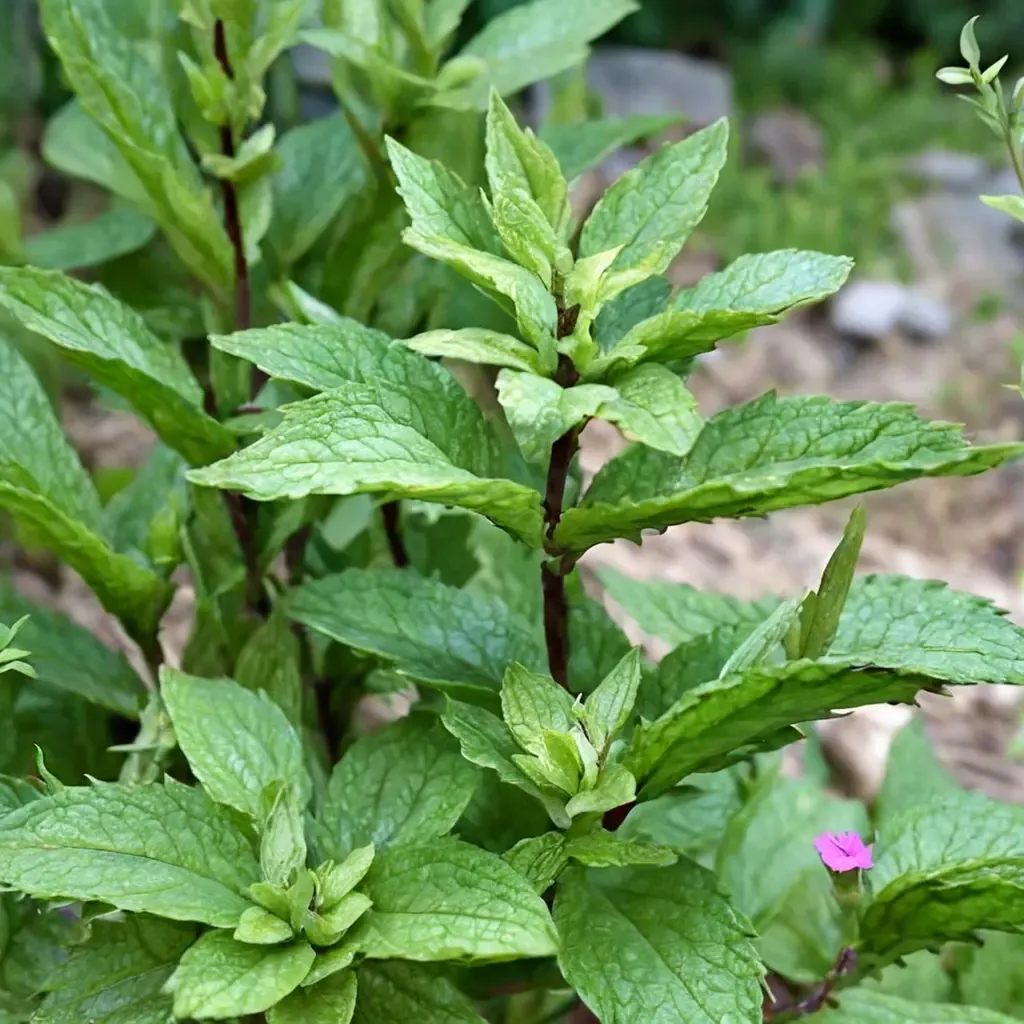
Spearmint
Mentha spicata
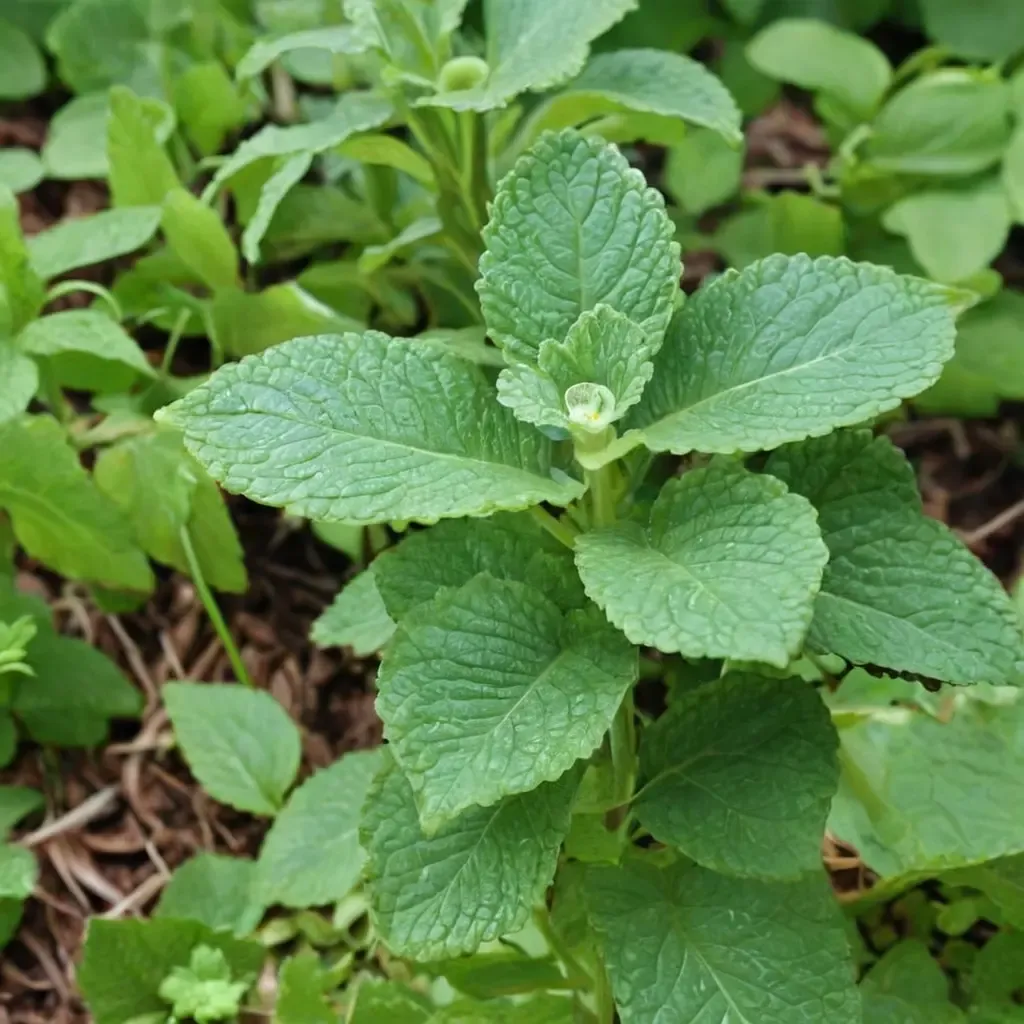
Apple Mint
Mentha suaveolens
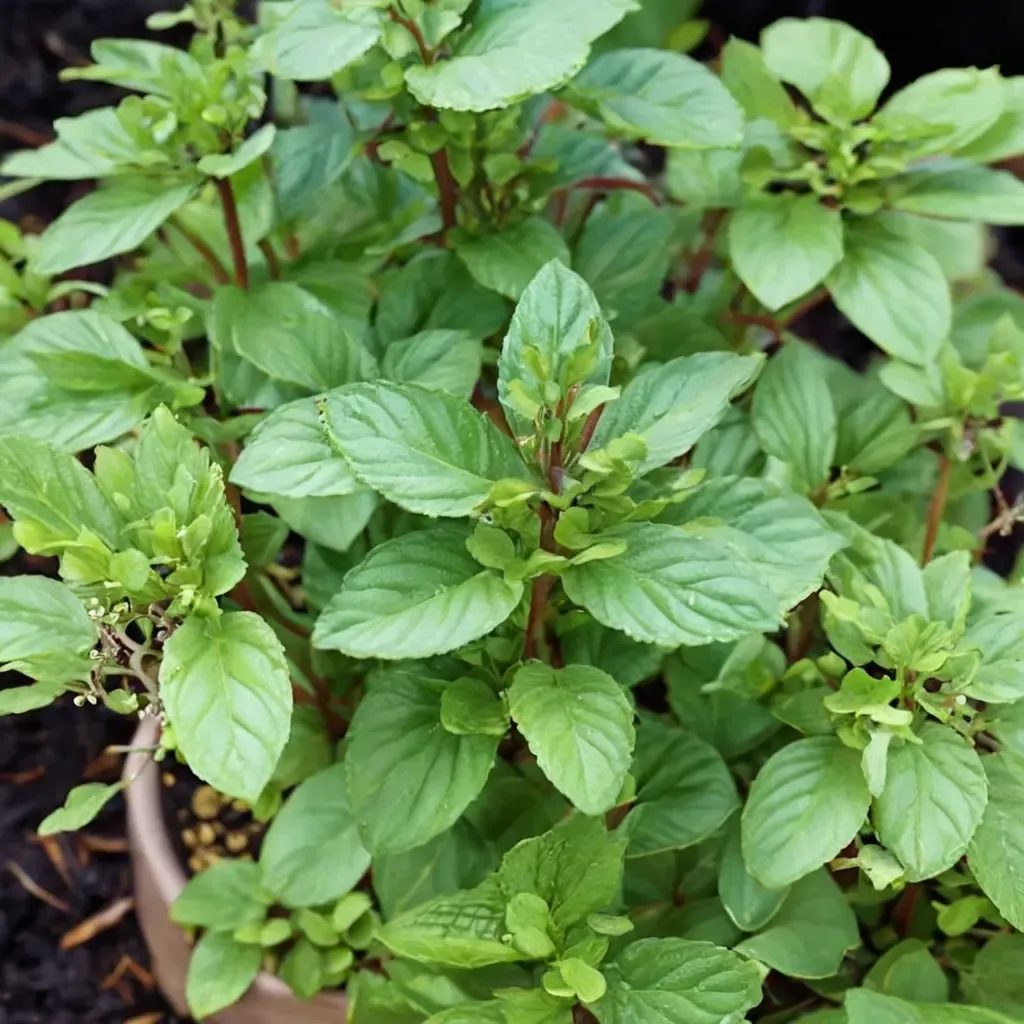
Fuhgeddaboudit Peppermint
Mentha x piperita 'Fuhgeddaboudit'
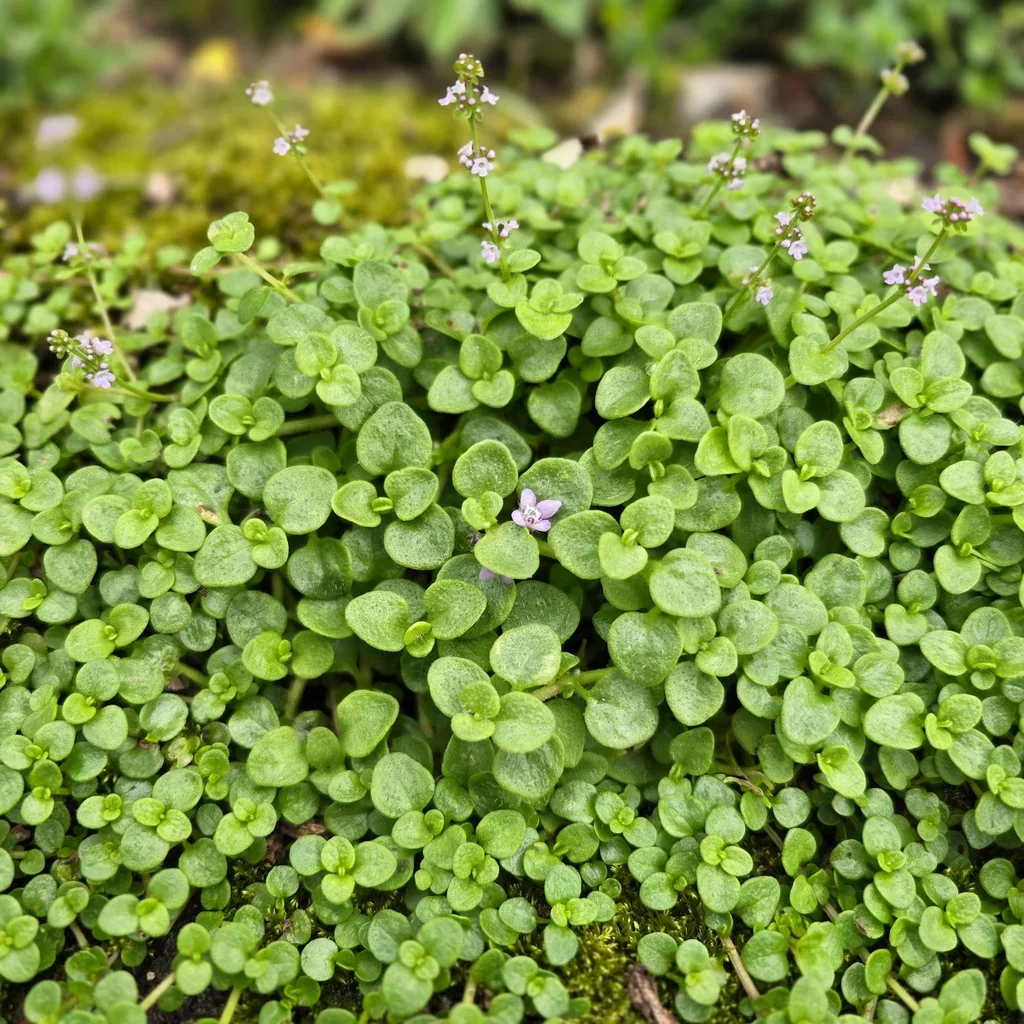
Corsican Mint
Mentha requienii
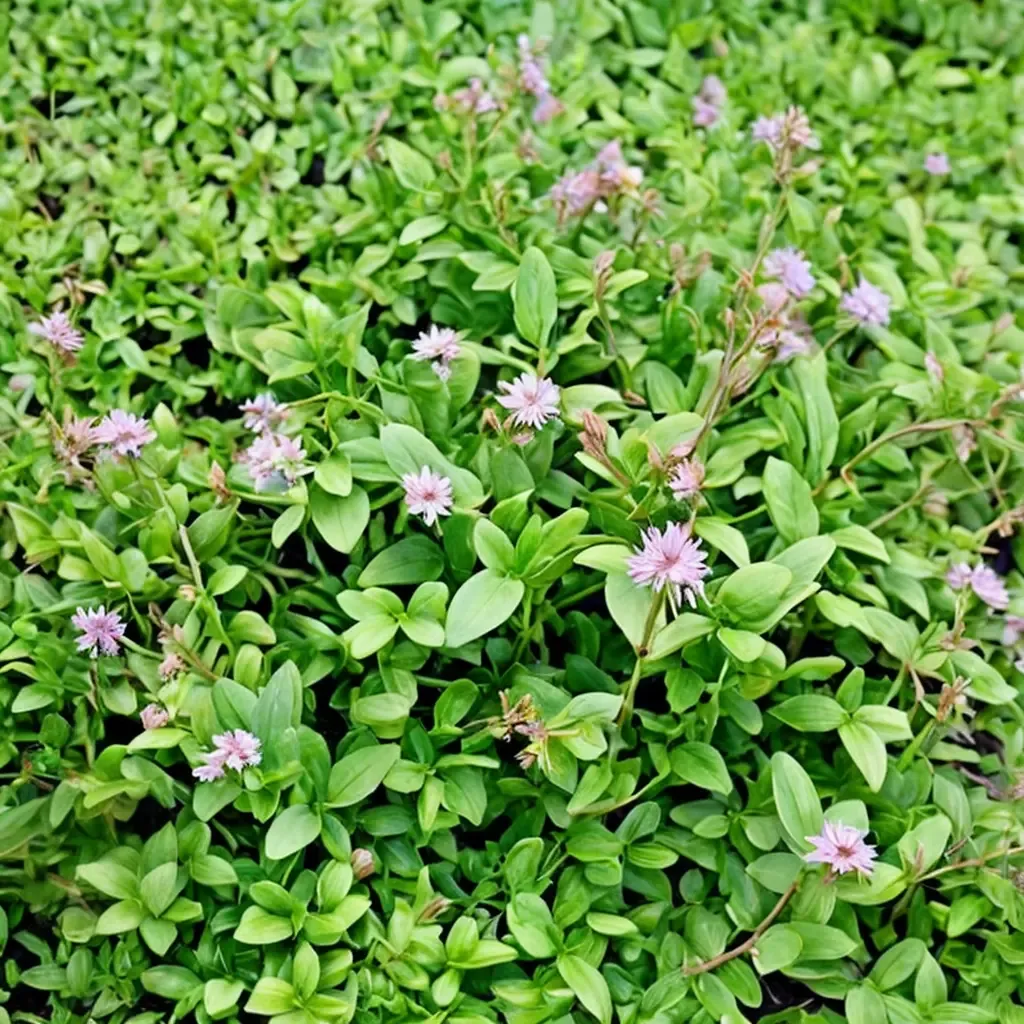
Pennyroyal
Mentha pulegium 'Nana'
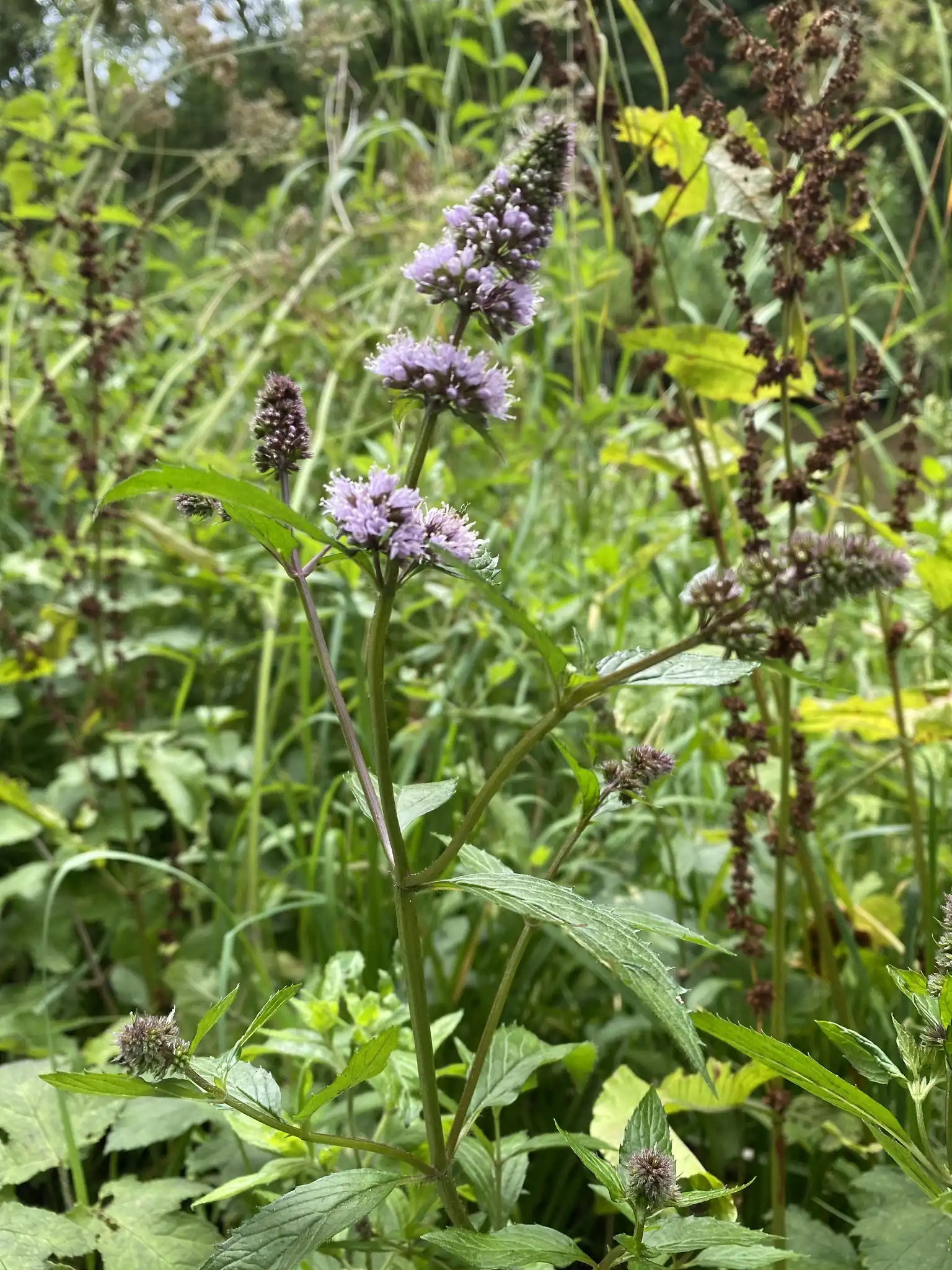
Peppermint
Mentha x piperita
Keep exploring
Explore the genus
Hardy in your zone?
Grow Water Mint with confidence
See it in a design of your actual yard, get zone-matched care reminders, and track it season by season in your garden journal.