The Story
Plant Bio
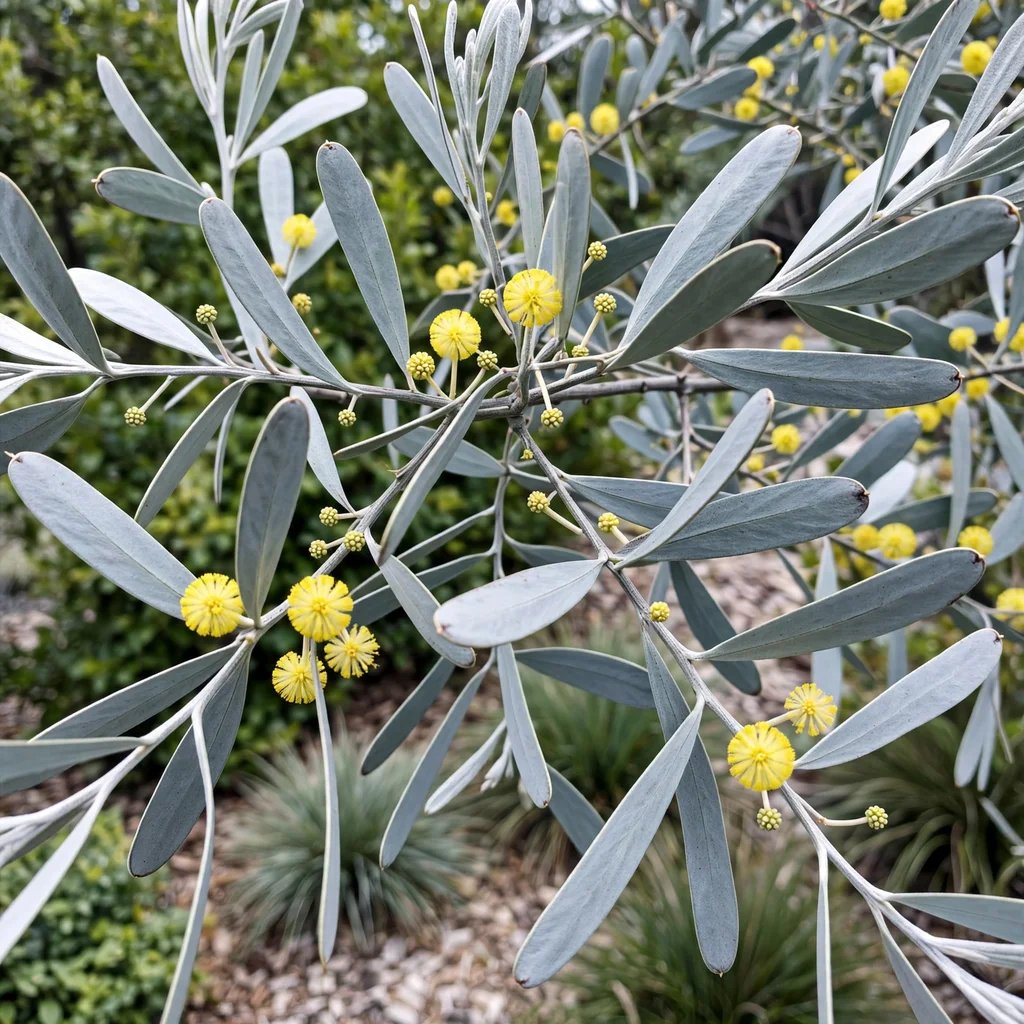
Acacia covenyi is a fast-growing evergreen shrub to small single-stemmed tree reaching 10 to 20 feet in gardens, with smooth dark-gray bark and blue-gray phyllodes 1 to 2 inches long in place of true leaves. The display comes from massed 1/2-inch globular heads of lemon to bright golden-yellow flowers borne in upright racemes about as long as the phyllodes, heavily scented in bloom.
It is grown for blue-gray to silver-blue foliage that holds year-round, with new growth emerging the same blue-gray and elliptic phyllodes staying glabrous and 1 to 2 inches long. It is short-lived at 10 to 15 years, forms a multi-branched shrub unless trained to a single trunk, and carries non-invasive roots.
Uses & Benefits:
Essentials
At a Glance
Plant Type
Shrub
Height
180"
Width
150"
Light
Full Sun, Partial Sun
Zones
8, 9, 10
Water
Low
Humidity
Low to moderate
Lifespan
10-15 years
Native To
Southeastern New South Wales, Australia
Toxicity
Unknown
Bloom period
Spring – Late spring
In flower about 3 months of the year
Planting
How to Grow
- Plant in fall or early spring in full sun with 10 to 15 feet of space for the canopy.
- Dig the hole wider than deep, set the root ball level, and add gypsum only if soil is heavy clay.
- Water deeply at planting and through the first dry season, then taper to little or no supplemental water.
- Pinch shoot tips to form a single trunk or dense hedge; do not cut back into old leafless wood.
- Feed once in mid-spring only if growth is pale, using a light slow-release low-phosphorus fertilizer.
Pro Tip
Plant in full sun in sharply drained soil and water only to establish; once rooted, excess water kills faster than drought, so pinch new growth regularly rather than cutting back into old bare wood.
Keep It Thriving
Care Guide
Do
- Give full sun and sharp drainage
- Water deeply to establish, then keep on the dry side
- Pinch shoot tips regularly to keep growth dense
Don't
- Do not overwater or plant where water stands in winter
- Do not cut hard into old bare wood
- Do not expect a long-lived tree; plan replacement at 10 to 15 years
Seasonal Care Calendar
| Task | Jan | Feb | Mar | Apr | May | Jun | Jul | Aug | Sep | Oct | Nov | Dec |
|---|---|---|---|---|---|---|---|---|---|---|---|---|
| Fertilize | ||||||||||||
| Mulch | ||||||||||||
| Pest Check | ||||||||||||
| Plant | ||||||||||||
| Prune |
Watch Out For
Pests & Diseases
Common Pests
Common Diseases
In the Garden
Landscape Uses & Companions
Landscape Uses
Multiply
Propagation Methods
Good to Know
Common Questions
Blue Bush questions
What zones can Blue Bush grow in?
Blue Bush is hardy in USDA Zones 8–10: in that range it survives winter in the ground. Colder than Zone 8, grow it in a container you can move to shelter for the winter.
When does Blue Bush bloom?
Blue Bush typically blooms in spring. Exact timing shifts a week or two with your zone — Sow's bloom calendar maps it to your garden.
Does Blue Bush need full sun?
Blue Bush does best in full sun to part shade. In hot climates, afternoon shade keeps blooms fresher longer.
Is Blue Bush drought tolerant?
Yes — once established (usually after the first full season), Blue Bush handles dry spells with minimal watering. Water deeply its first year to build the root system that makes that possible.
More Acacia to compare
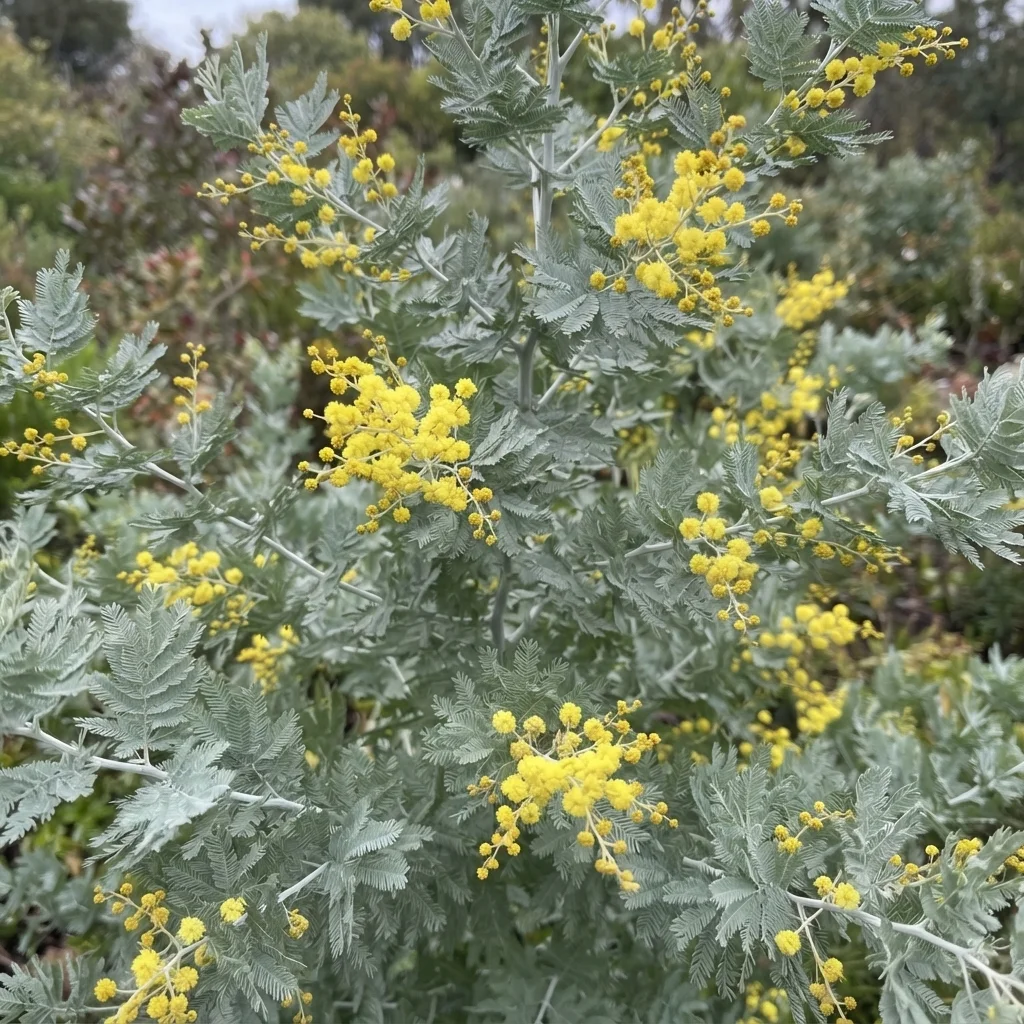
Silver wattle
Acacia dealbata
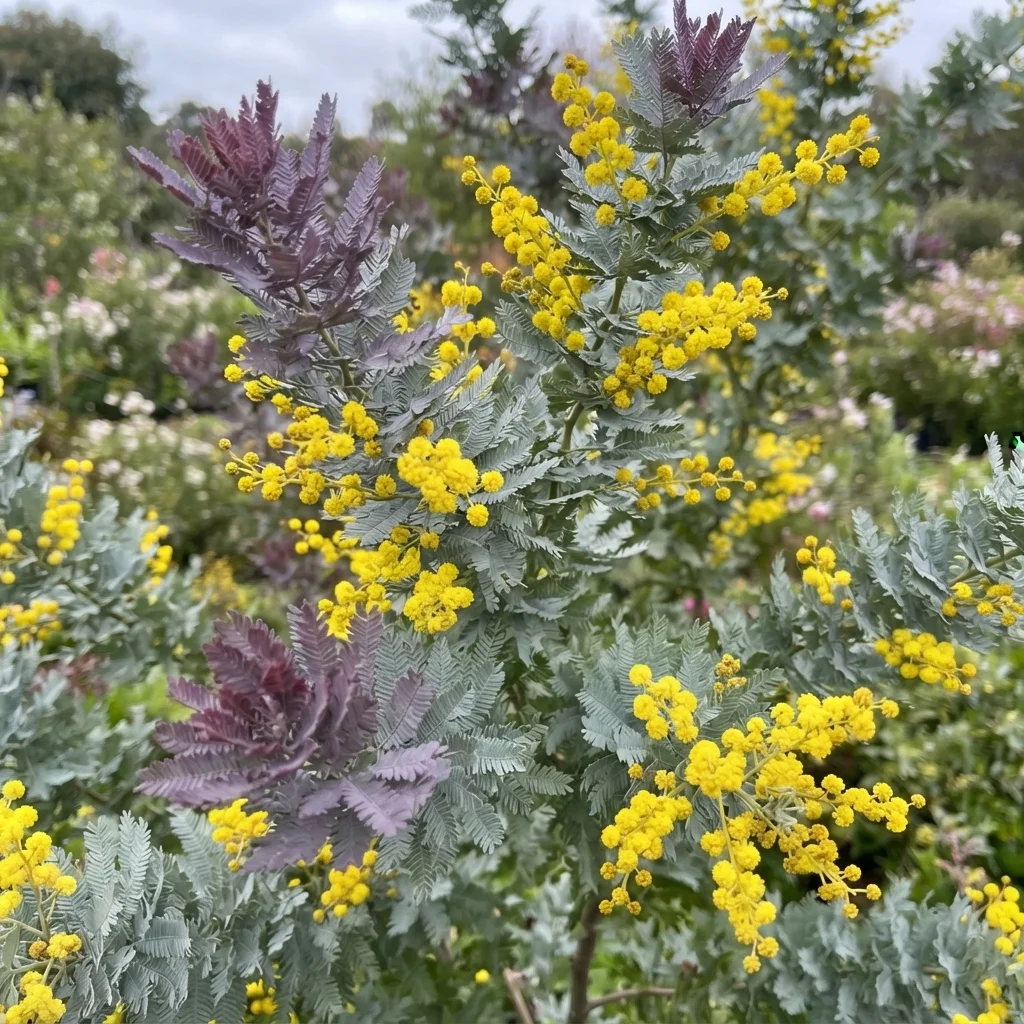
Cootamundra Wattle 'Purpurea'
Acacia baileyana 'Purpurea'
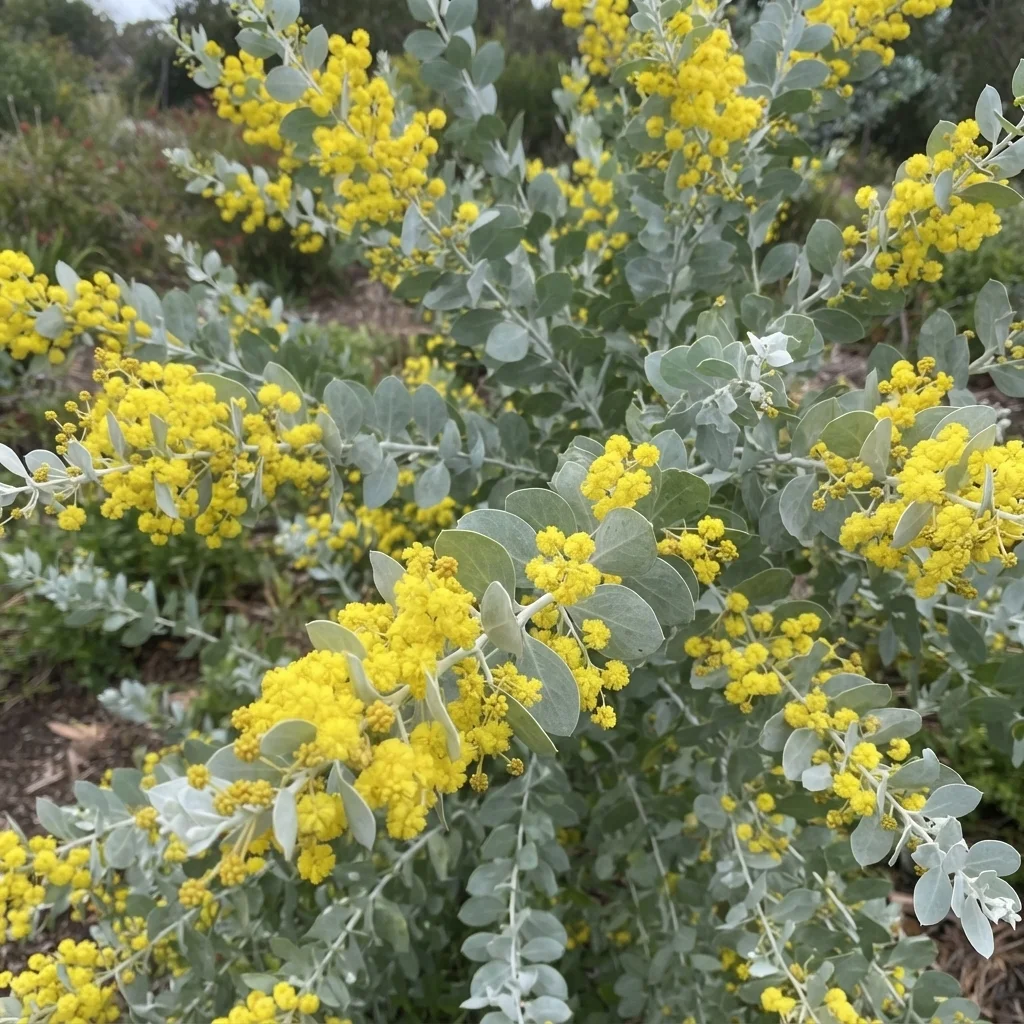
Pearl Acacia
Acacia podalyriifolia
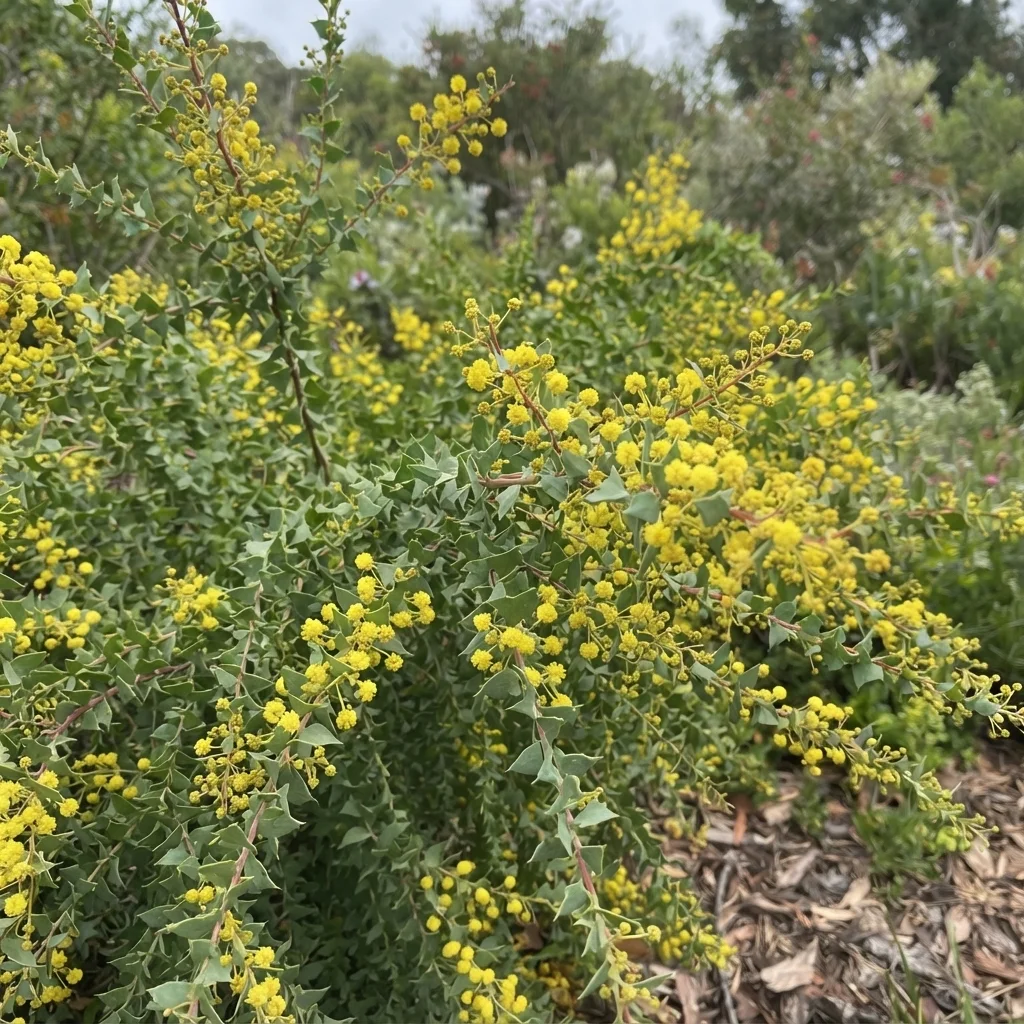
Ovens Wattle
Acacia pravissima
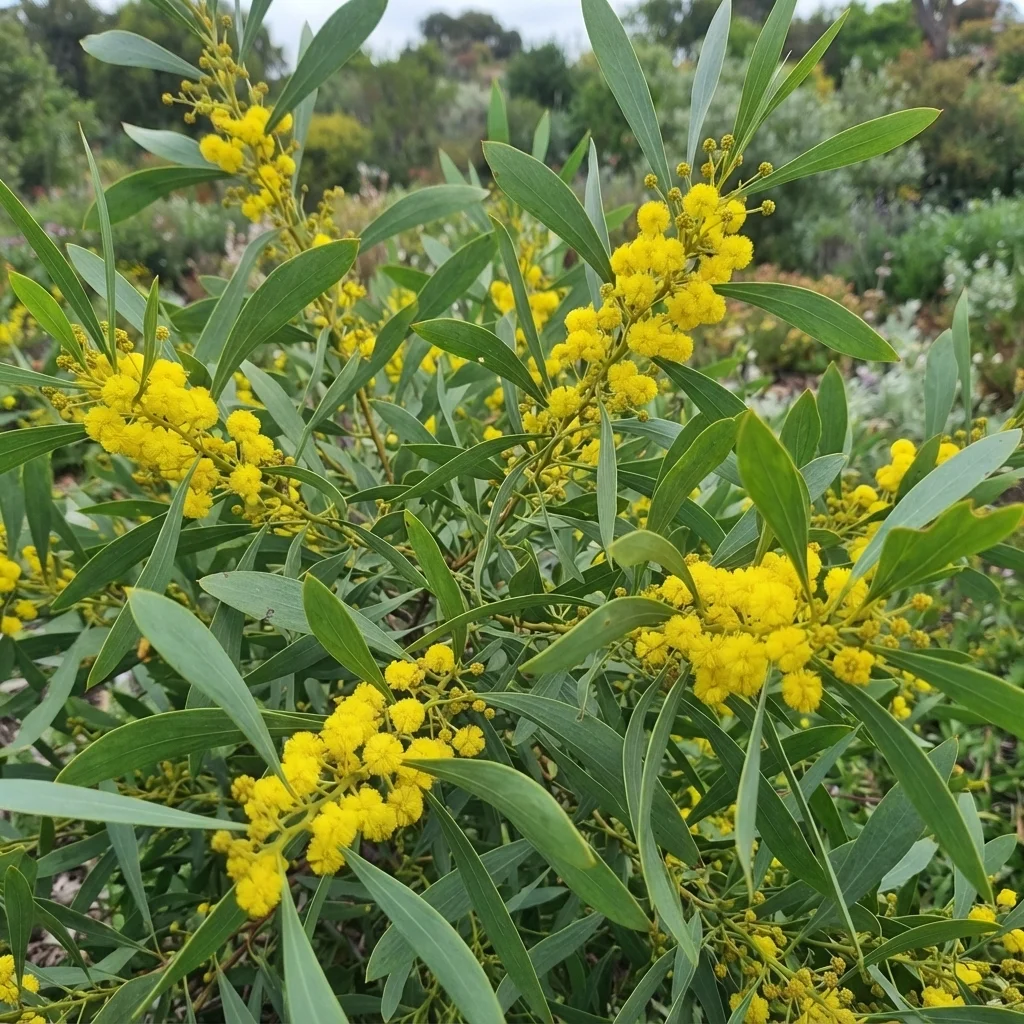
Golden Wreath Wattle
Acacia saligna
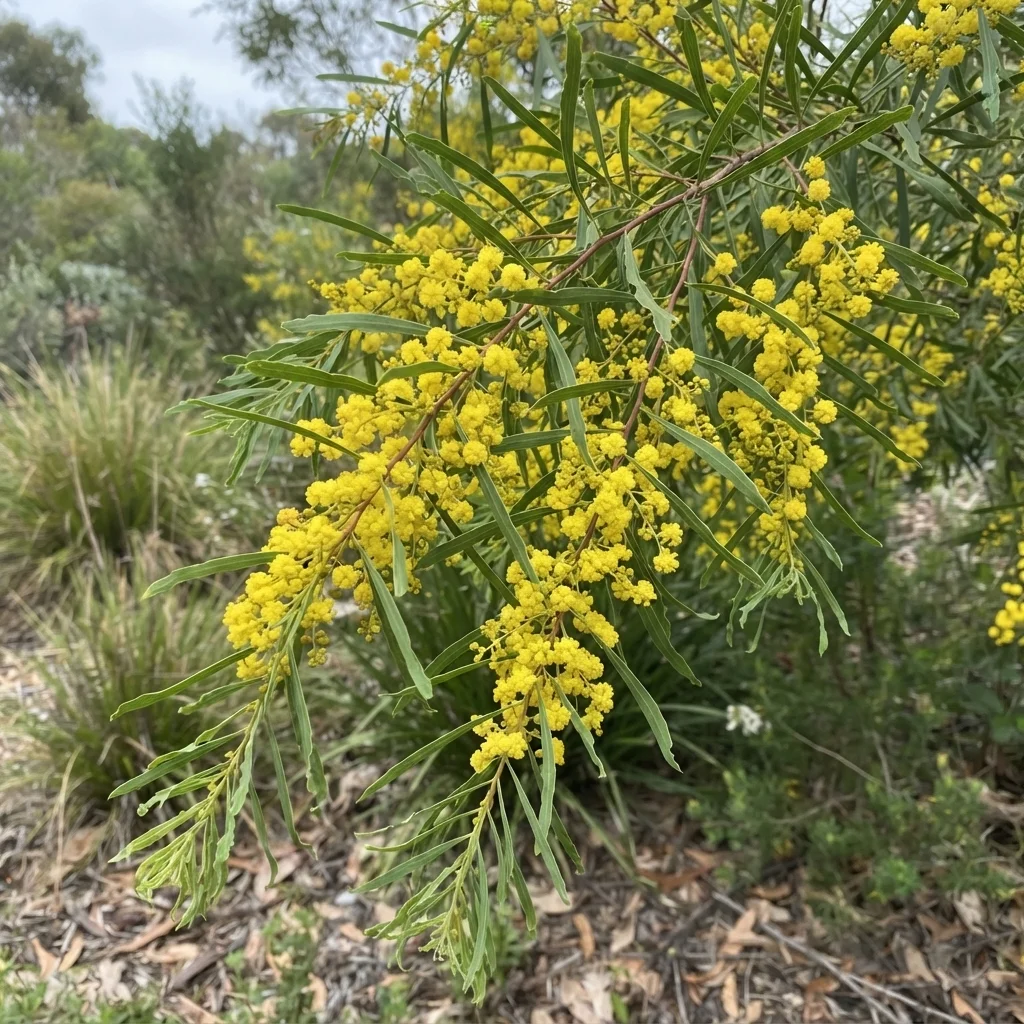
Fringed Wattle
Acacia fimbriata
Keep exploring
Explore the genus
Hardy in your zone?
Grow Blue Bush with confidence
See it in a design of your actual yard, get zone-matched care reminders, and track it season by season in your garden journal.