The Story
Plant Bio
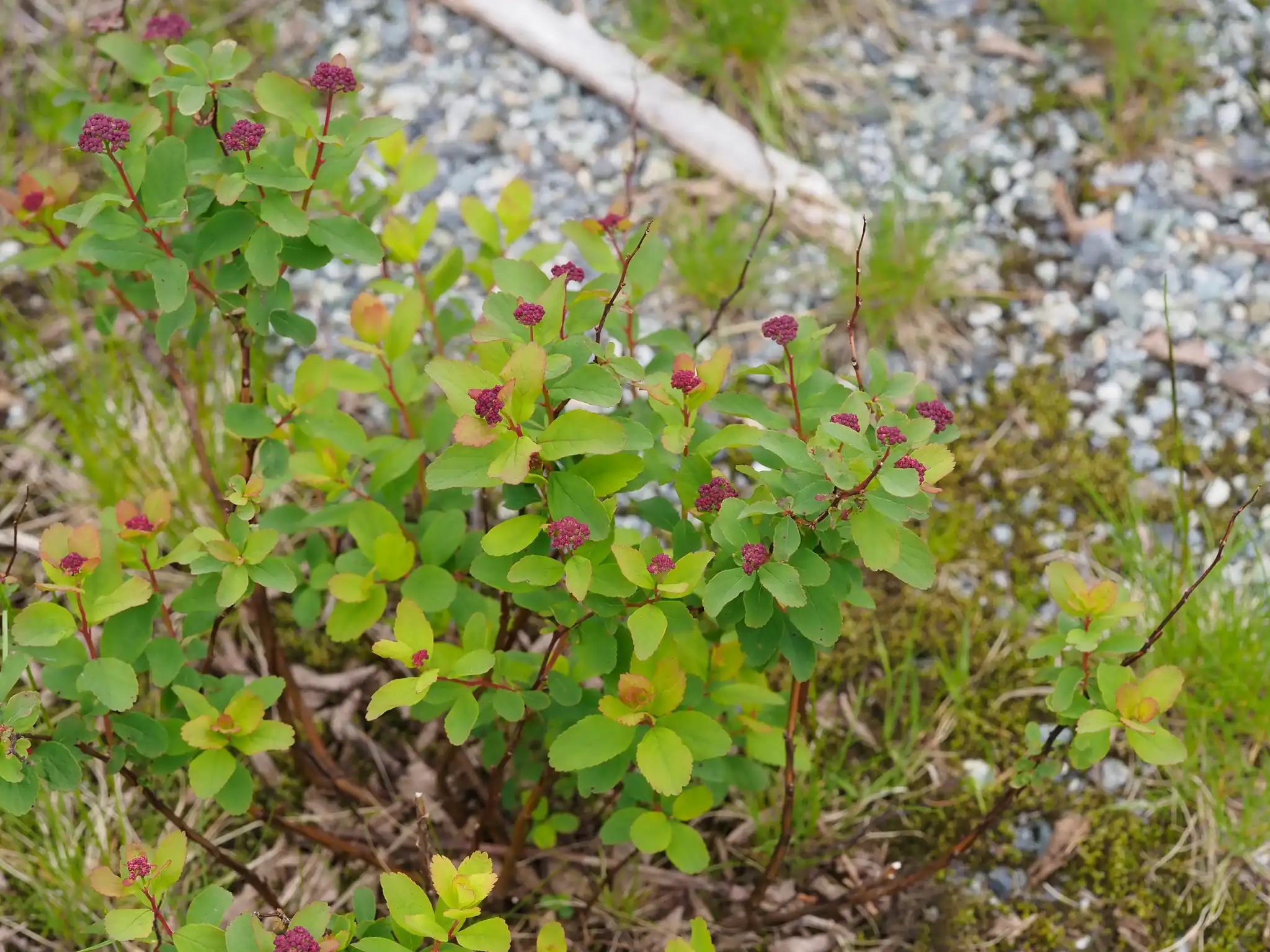
Spiraea splendens is a low-growing, deciduous North American shrub native to subalpine forests, moist meadows, and rocky mountain slopes. It forms a dense, mounding habit with bright green foliage that turns brilliant yellow to orange-red in fall.
Distinct from Asian garden spiraeas, this species produces flat-topped terminal clusters of fuzzy, rose-pink flowers with prominent stamens throughout mid-to-late summer. It thrives in high-altitude or cool summer conditions where soil moisture remains consistently reliable.
Uses & Benefits:
Essentials
At a Glance
Plant Type
Shrub
Height
36"
Width
48"
Light
Full Sun, Partial Sun
Zones
4, 5, 6, 7
Water
Moderate to High
Humidity
Cool, Moist Air
Lifespan
Perennial Shrub
Native To
Western North America
Toxicity
Non-toxic
Bloom period
Summer – Late summer
In flower about 3 months of the year
Planting
How to Grow
- Select a planting site in full sun to partial shade with moist, organically rich soil.
- Dig a hole twice as wide as the root ball and set the crown level with the surrounding grade.
- Backfill with native soil, firm gently, and saturate the root zone with water.
- Apply a 2-inch layer of organic mulch around the base, keeping it clear of the central stems.
Pro Tip
Prune lightly immediately after summer flowering to shape the canopy, taking care not to cut back into old, leafless wood where dormant buds fail to break.
Keep It Thriving
Care Guide
Do
- Maintain consistent soil moisture through the hottest summer months.
- Top-dress with organic mulch annually to protect the surface root zone.
- Plant in locations sheltered from extreme, reflected heat.
Don't
- Do not allow the soil around established plants to dry out completely.
- Avoid severe hard pruning into bare, old wood.
- Do not heavy-feed with high-nitrogen synthetic fertilizers.
Seasonal Care Calendar
| Task | Jan | Feb | Mar | Apr | May | Jun | Jul | Aug | Sep | Oct | Nov | Dec |
|---|---|---|---|---|---|---|---|---|---|---|---|---|
| Mulch | ||||||||||||
| Pest Check | ||||||||||||
| Prune | ||||||||||||
| Spring Cleanup | ||||||||||||
| Winter Prep |
Watch Out For
Pests & Diseases
Common Pests
Common Diseases
In the Garden
Landscape Uses & Companions
Landscape Uses
Companion Plants
Multiply
Propagation Methods
Good to Know
Common Questions
Rose Meadowsweet questions
What zones can Rose Meadowsweet grow in?
Rose Meadowsweet is hardy in USDA Zones 4–7: in that range it survives winter in the ground. Warmer than Zone 7, winter isn't the problem: it prefers colder winters, and summer heat can shorten its life.
Is Rose Meadowsweet deer resistant?
Not reliably. Deer may browse Rose Meadowsweet, especially tender spring growth — plan on repellents or fencing where pressure is high.
When does Rose Meadowsweet bloom?
Rose Meadowsweet typically blooms in summer. Exact timing shifts a week or two with your zone — Sow's bloom calendar maps it to your garden.
Does Rose Meadowsweet need full sun?
Rose Meadowsweet does best in full sun to part shade. In hot climates, afternoon shade keeps blooms fresher longer.
More Spiraea to compare
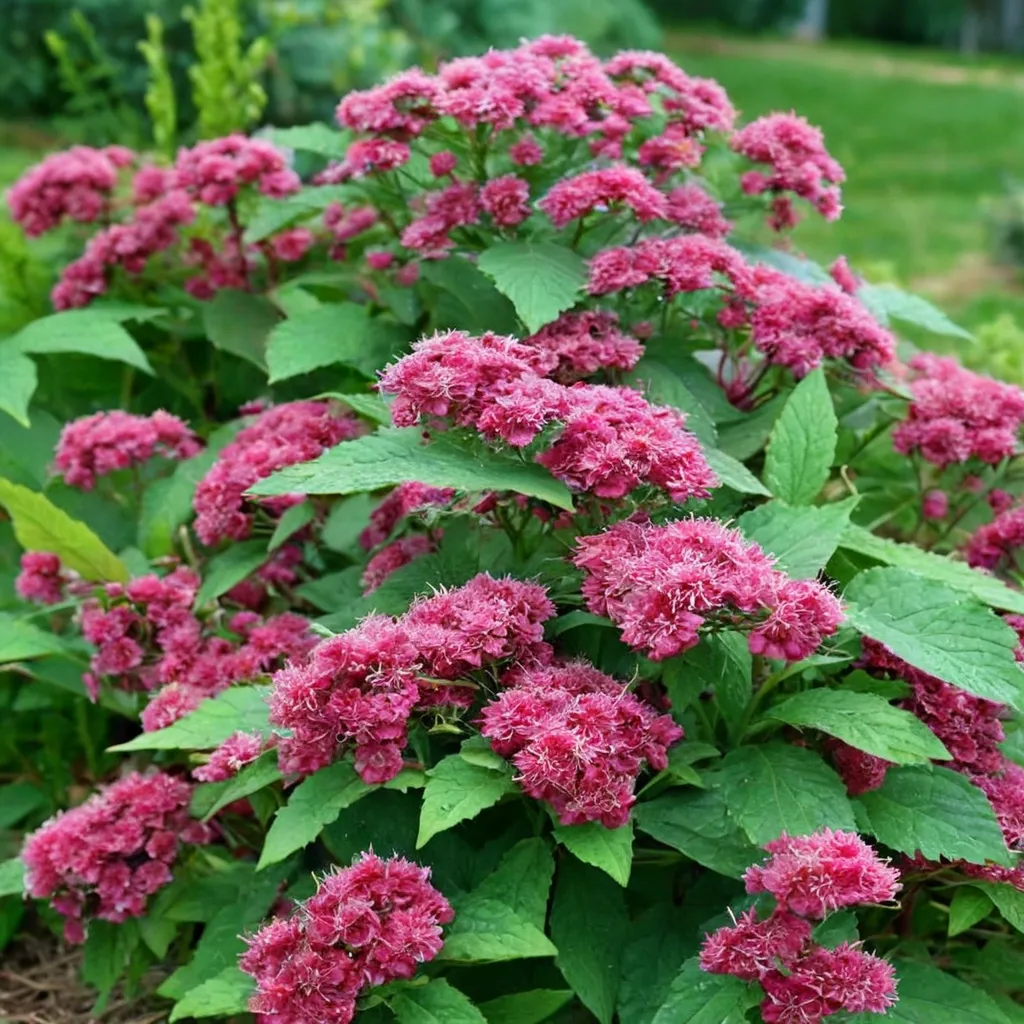
Double Play Red Spirea
Spiraea japonica 'Double Play Red'
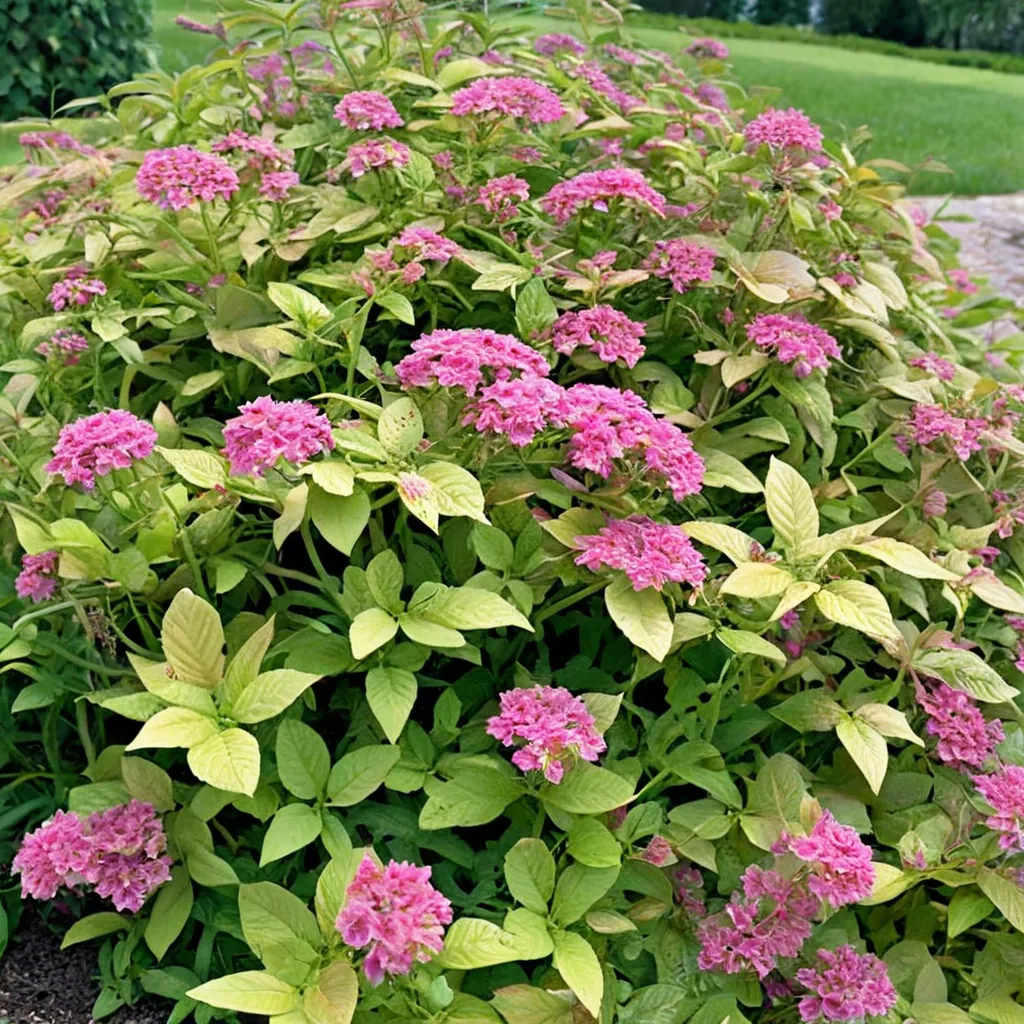
Bumalda Spiraea Mix
Spiraea x bumalda 'Mix'
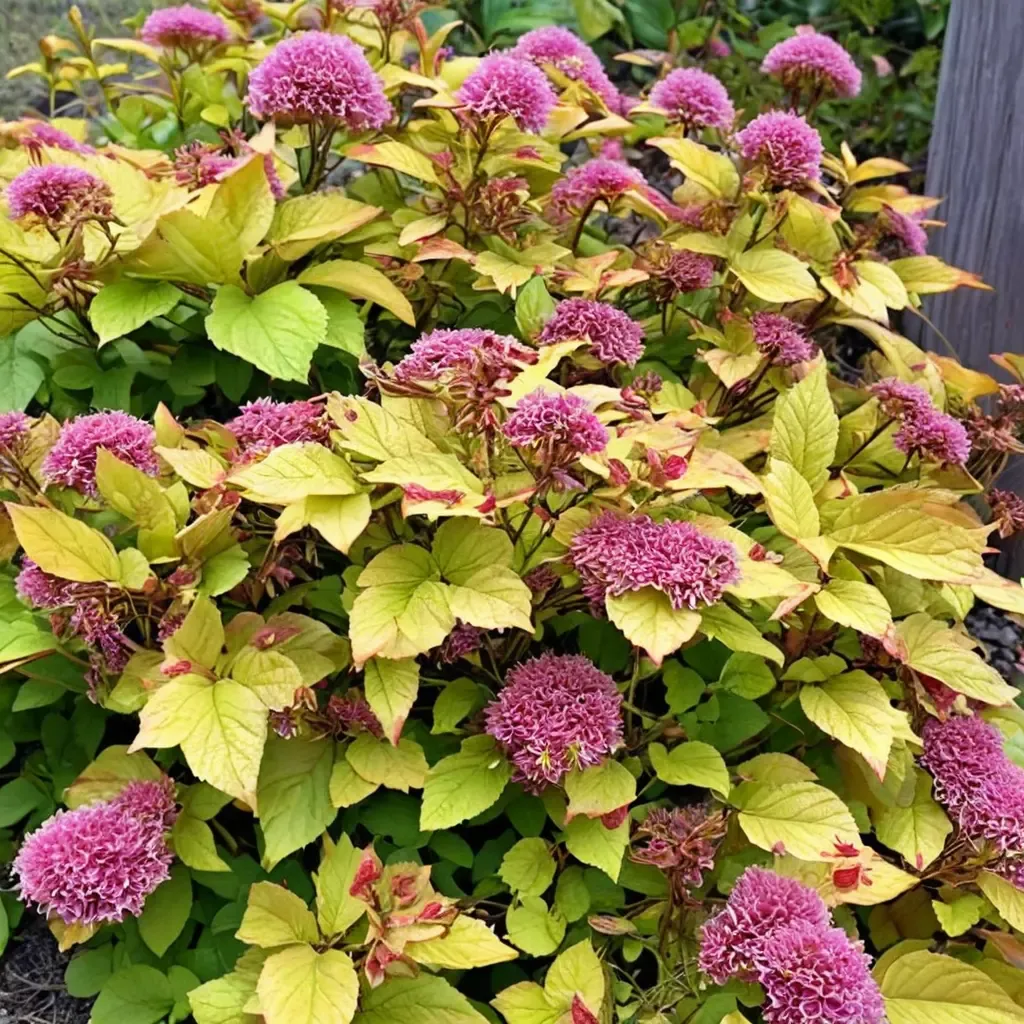
Magic Carpet Japanese Spirea
Spiraea japonica 'Magic Carpet'
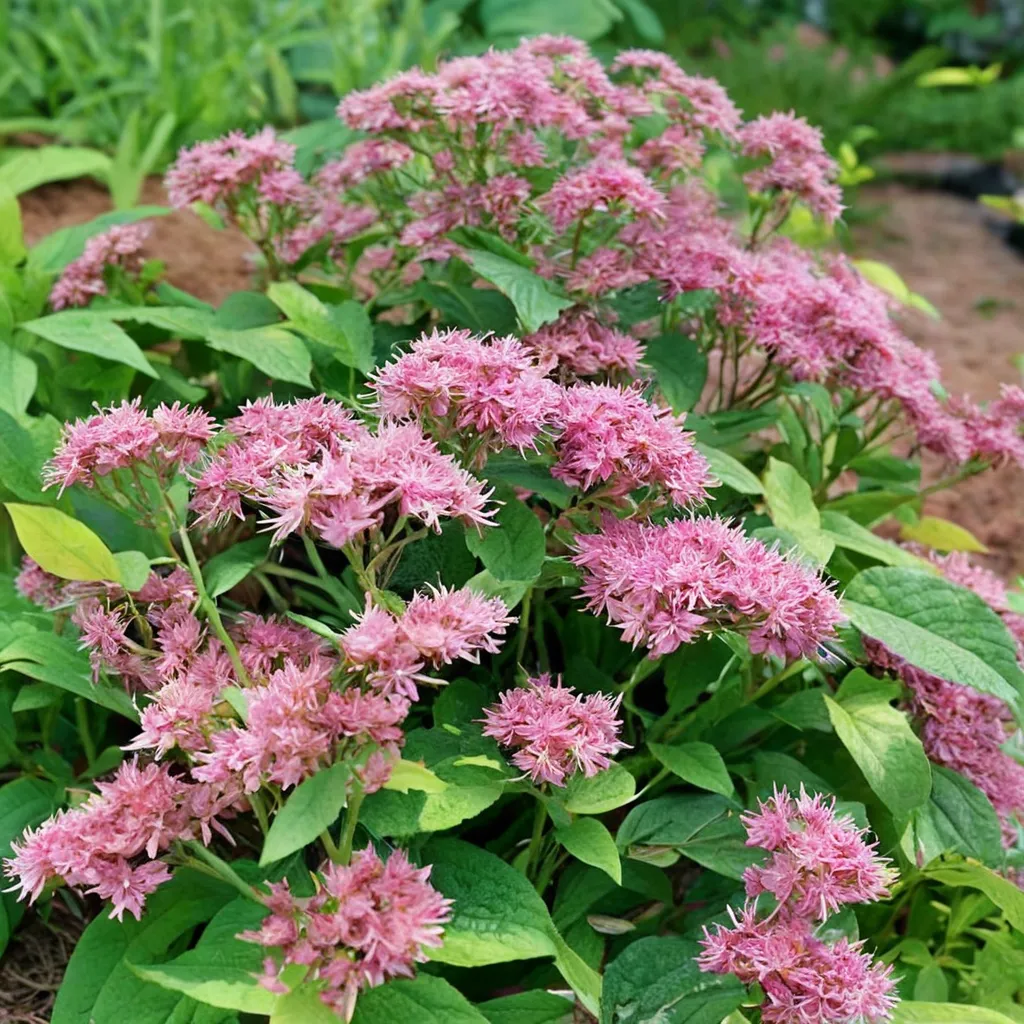
Hybrid Spirea
Spiraea x hybrida 'Mix'
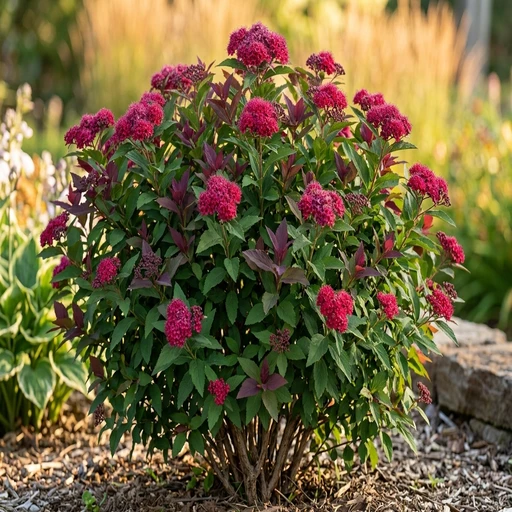
Double Play Doozie Spirea
Spiraea japonica 'Double Play Doozie'
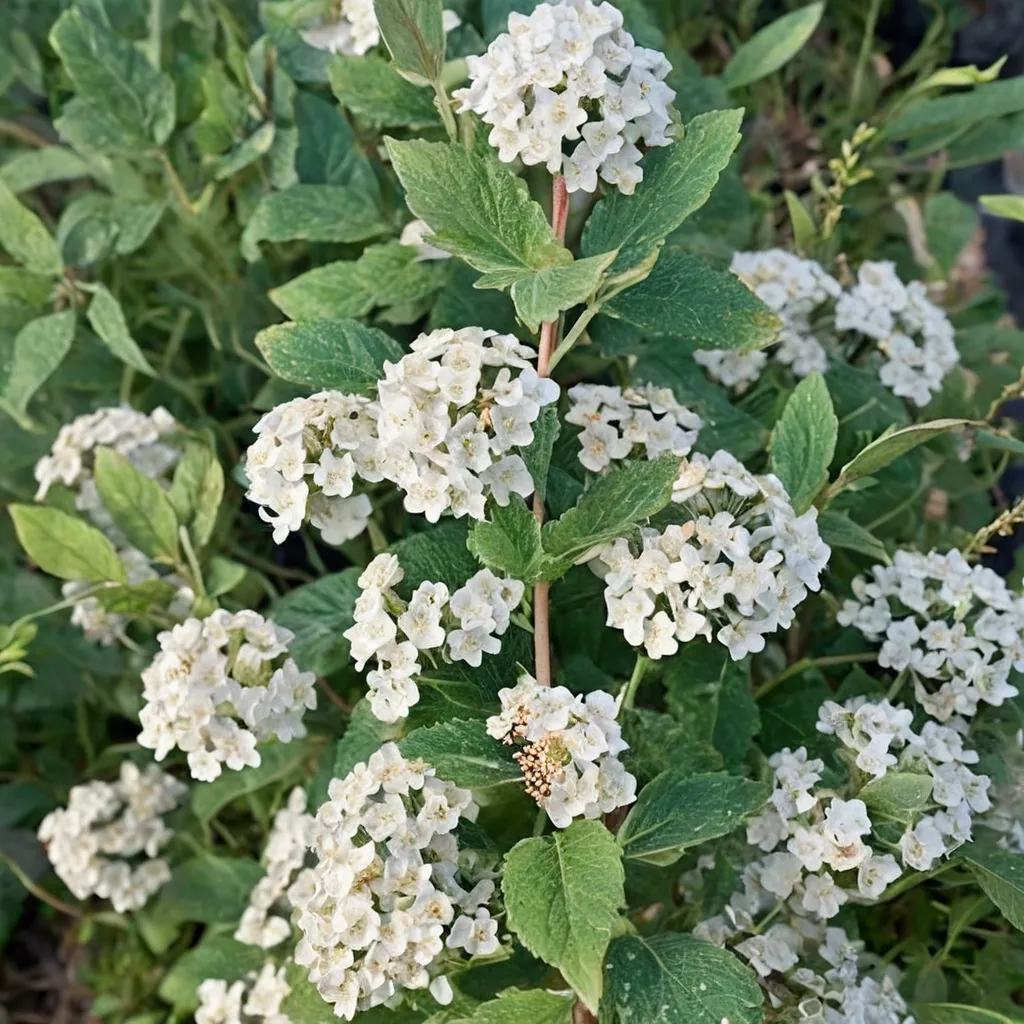
Vanhoutte Spirea Mix
Spiraea x vanhouttei 'Mix'
Keep exploring
Explore the genus
Hardy in your zone?
Grow Rose Meadowsweet with confidence
See it in a design of your actual yard, get zone-matched care reminders, and track it season by season in your garden journal.