The Story
Plant Bio
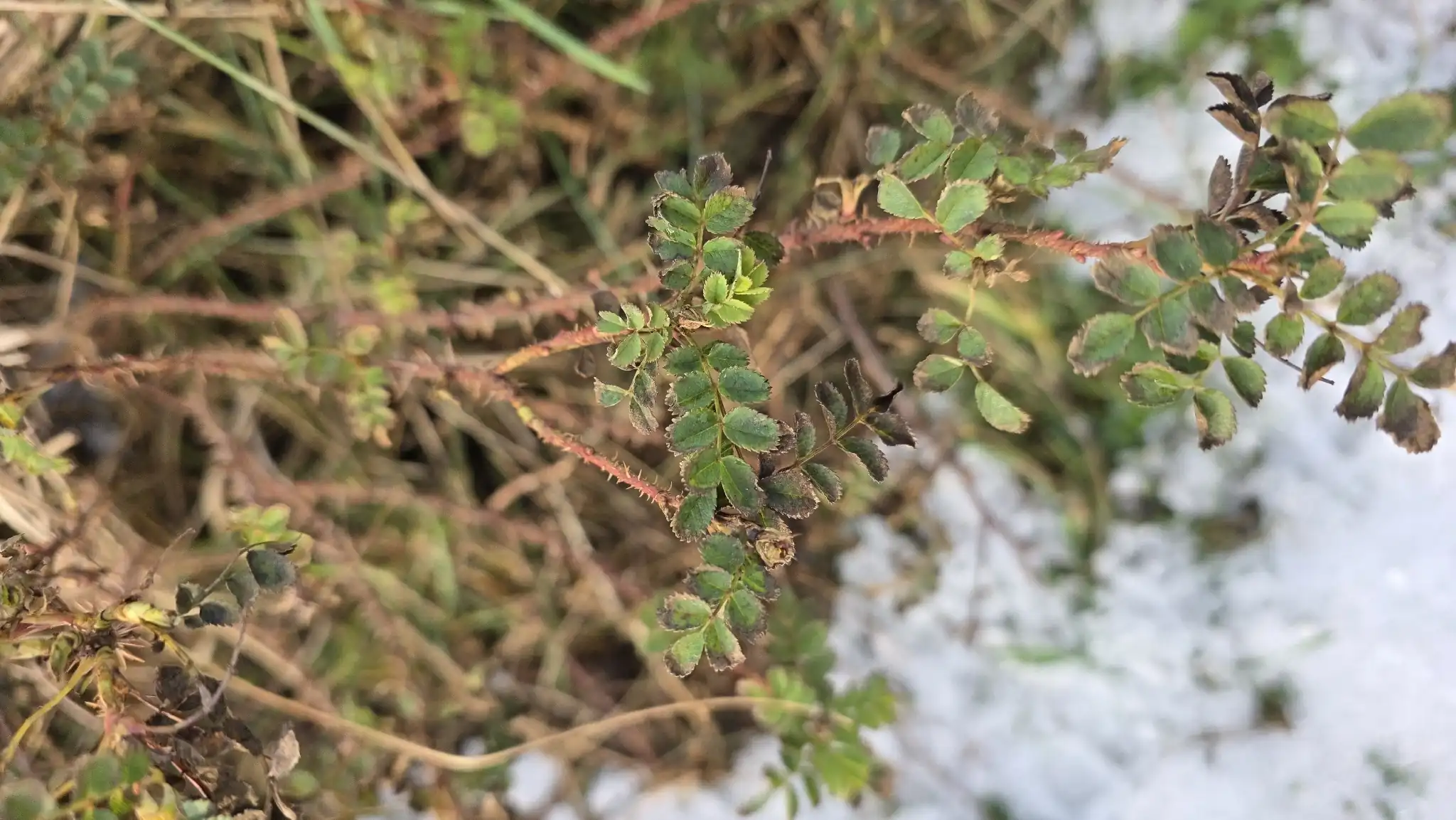
Rosa spinosissima, the Burnet rose, is a suckering, thicket-forming deciduous shrub with dense stems clad in straight prickles and bristly hairs. Its compound leaves feature seven to eleven small leaflets, often opening with reddish-purple tints before settling into dark green.
In late spring to early summer, solitary, creamy-white single blossoms open to reveal a central cluster of golden-yellow stamens and emit a sweet fragrance. These blooms give way in fall to distinctive, dark purple to black spherical rose hips that attract songbirds.
Uses & Benefits:
Essentials
At a Glance
Plant Type
Shrub
Height
71"
Width
71"
Light
Full Sun, Partial Sun
Zones
4, 5, 6, 7, 8, 9
Water
Low to moderate
Humidity
Tolerant
Lifespan
Perennial
Native To
Eurasia, Northern Africa
Toxicity
Non-toxic (edible hips); sharp spines cause scratches
Bloom period
Spring – Early summer
In flower about 4 months of the year
Planting
How to Grow
- Select a site in full sun with well-drained soil to maximize bloom production and disease resistance.
- Dig a hole twice as wide as the root mass and set the plant at the same depth it grew in its container.
- Water deeply at planting to settle soil around the roots and eliminate air pockets.
- Apply a organic mulch layer around the base, keeping it clear of direct contact with the stems.
- Prune out dead wood and manage unwanted suckers in late winter or early spring before new growth starts.
Pro Tip
Remove suckers from below ground level to control spread, and avoid cutting heavily into old, leafless wood where dormant buds may fail to break.
Keep It Thriving
Care Guide
Do
- Plant in full sun to foster strong disease resistance and prolific flowering.
- Ensure soil drainage is excellent to prevent root rot in heavy soil.
- Wear thick leather gloves when handling to protect against dense, sharp prickles.
Don't
- Do not plant in heavy, waterlogged clay soils that stay persistently wet.
- Do not cut heavily into old, bare wood, as it may fail to re-sprout.
- Do not overhead-water foliage late in the day, which encourages fungal diseases.
Seasonal Care Calendar
| Task | Jan | Feb | Mar | Apr | May | Jun | Jul | Aug | Sep | Oct | Nov | Dec |
|---|---|---|---|---|---|---|---|---|---|---|---|---|
| Fertilize | ||||||||||||
| Mulch | ||||||||||||
| Pest Check | ||||||||||||
| Propagate | ||||||||||||
| Prune |
Watch Out For
Pests & Diseases
Common Pests
Common Diseases
In the Garden
Landscape Uses & Companions
Landscape Uses
Companion Plants
Multiply
Propagation Methods
Good to Know
Common Questions
Burnet Rose questions
What zones can Burnet Rose grow in?
Burnet Rose is hardy in USDA Zones 4–9: in that range it survives winter in the ground. Warmer than Zone 9, winter isn't the problem: it prefers colder winters, and summer heat can shorten its life.
When does Burnet Rose bloom?
Burnet Rose typically blooms from early spring to early summer. Exact timing shifts a week or two with your zone — Sow's bloom calendar maps it to your garden.
Does Burnet Rose need full sun?
Burnet Rose does best in full sun to part shade. In hot climates, afternoon shade keeps blooms fresher longer.
Is Burnet Rose drought tolerant?
Yes — once established (usually after the first full season), Burnet Rose handles dry spells with minimal watering. Water deeply its first year to build the root system that makes that possible.
More Rosa to compare
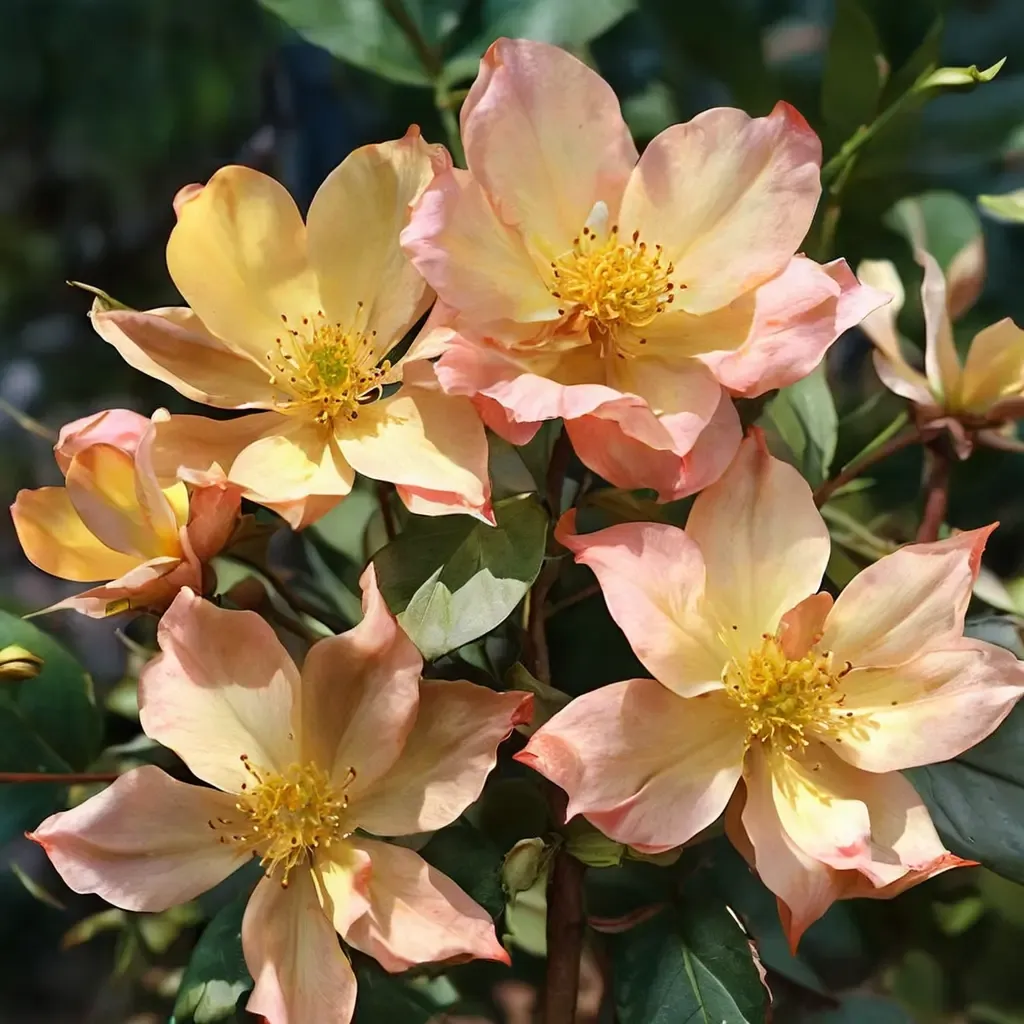
Flutterbye Rose
Rosa x hybrida 'Flutterbye'
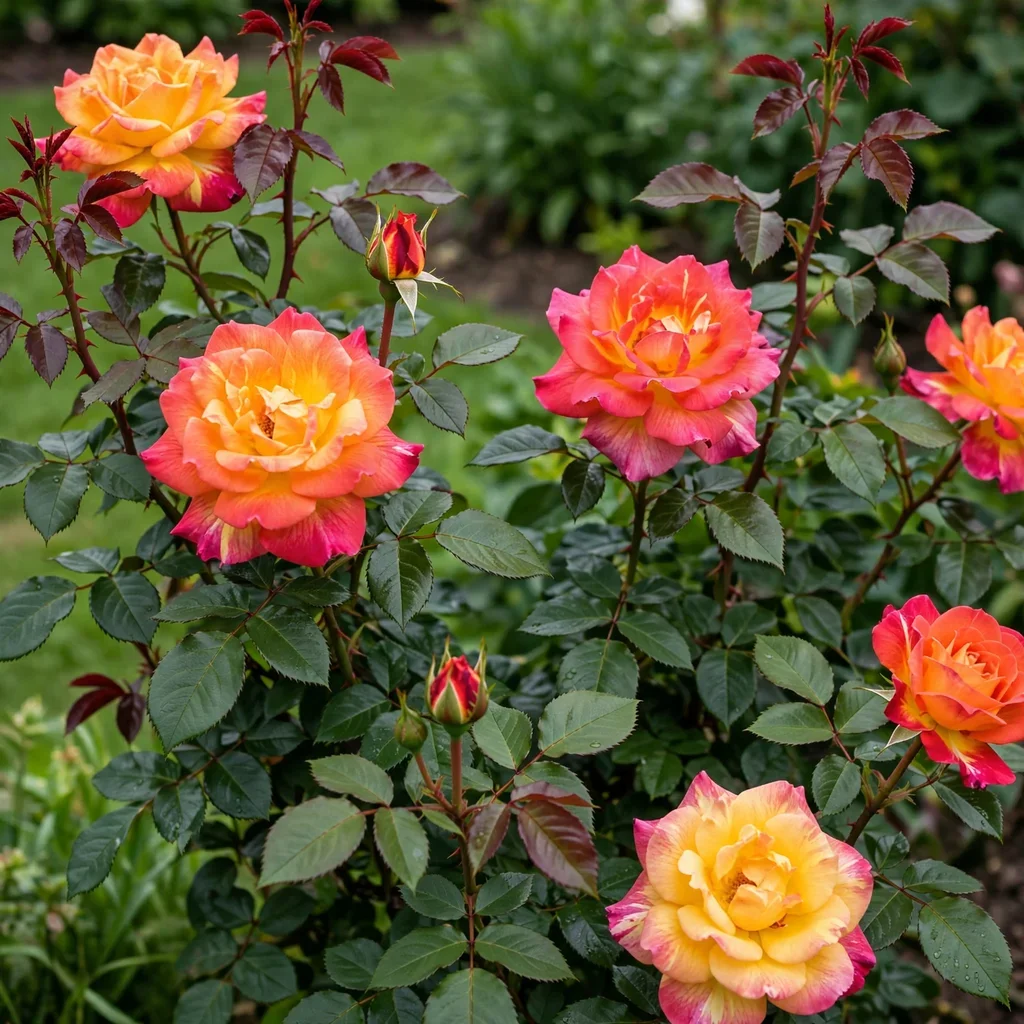
Joseph's Coat Rose
Rosa x hybrida 'Joseph's Coat'
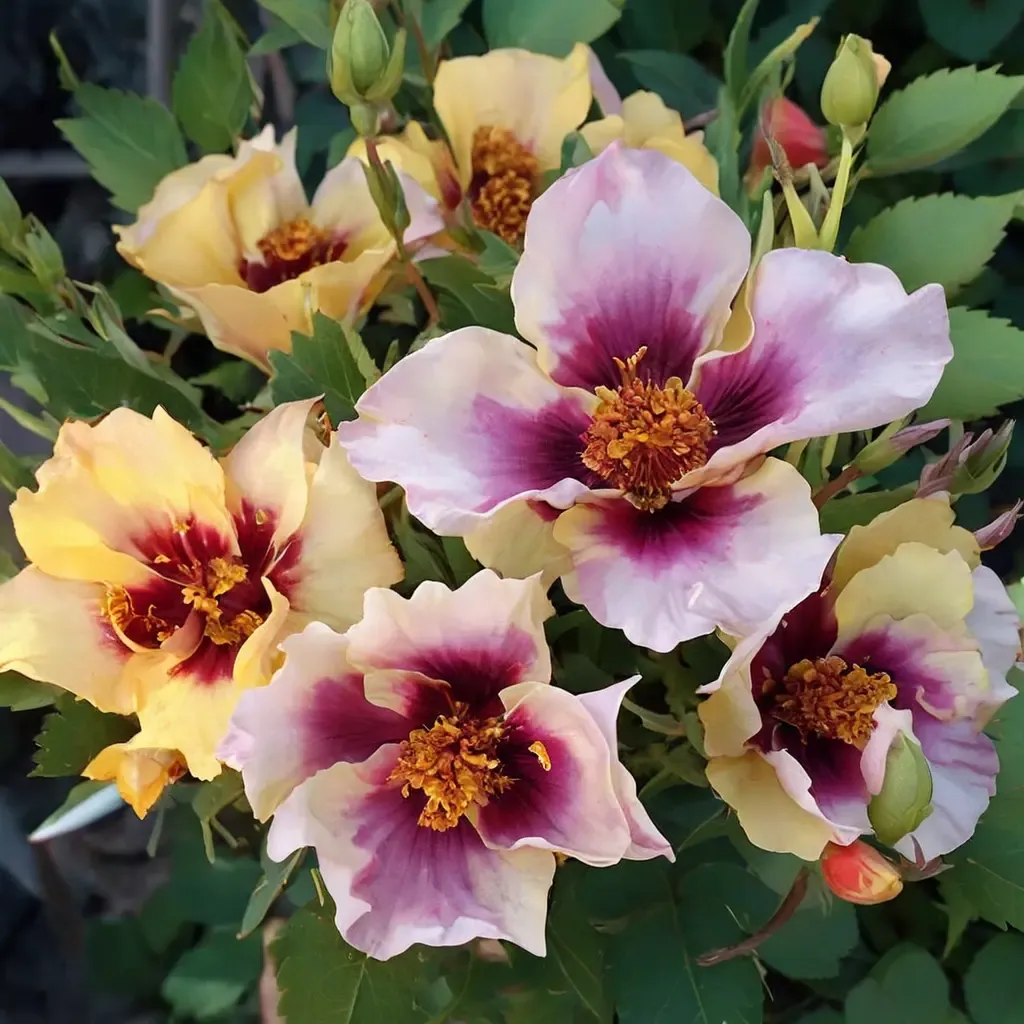
In Your Eyes Rose
Rosa x hybrida 'In Your Eyes'
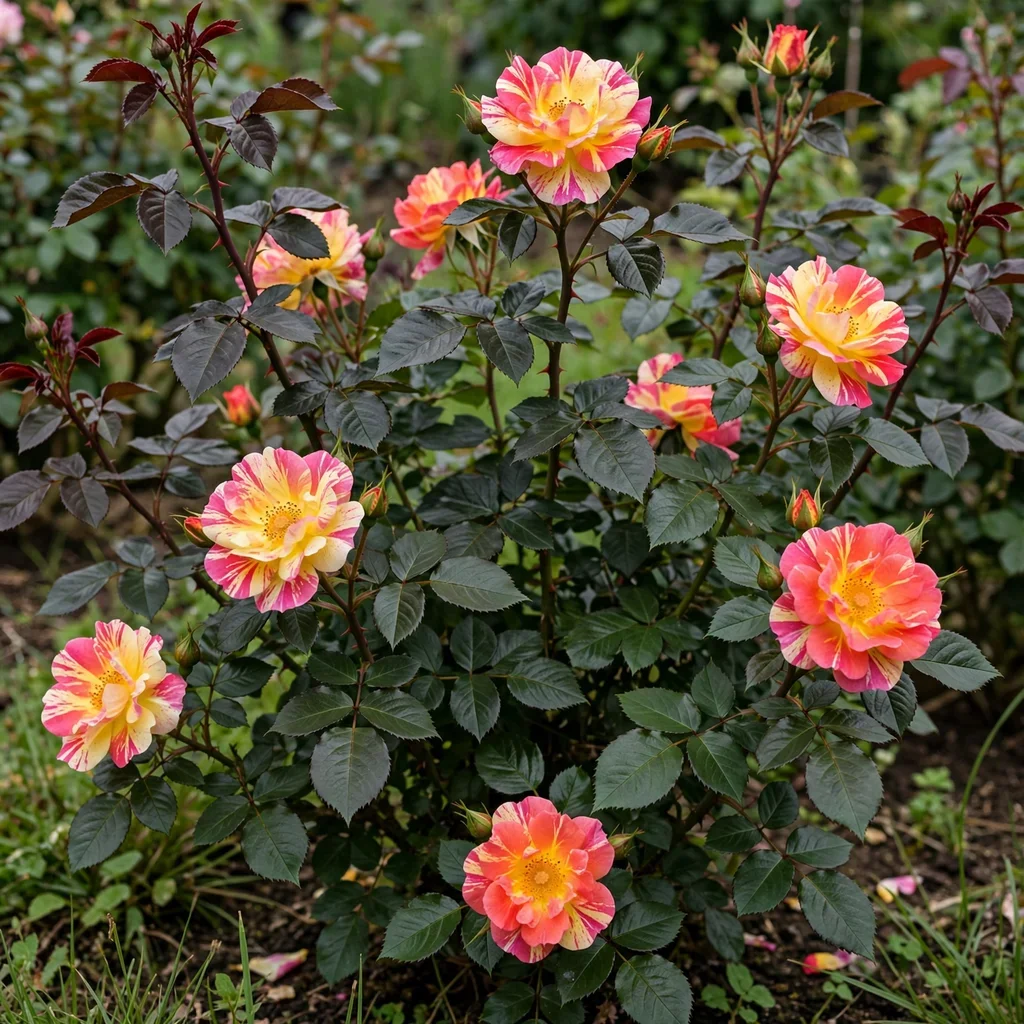
Rainbow Rose
Rosa x hybrida 'Rainbow'
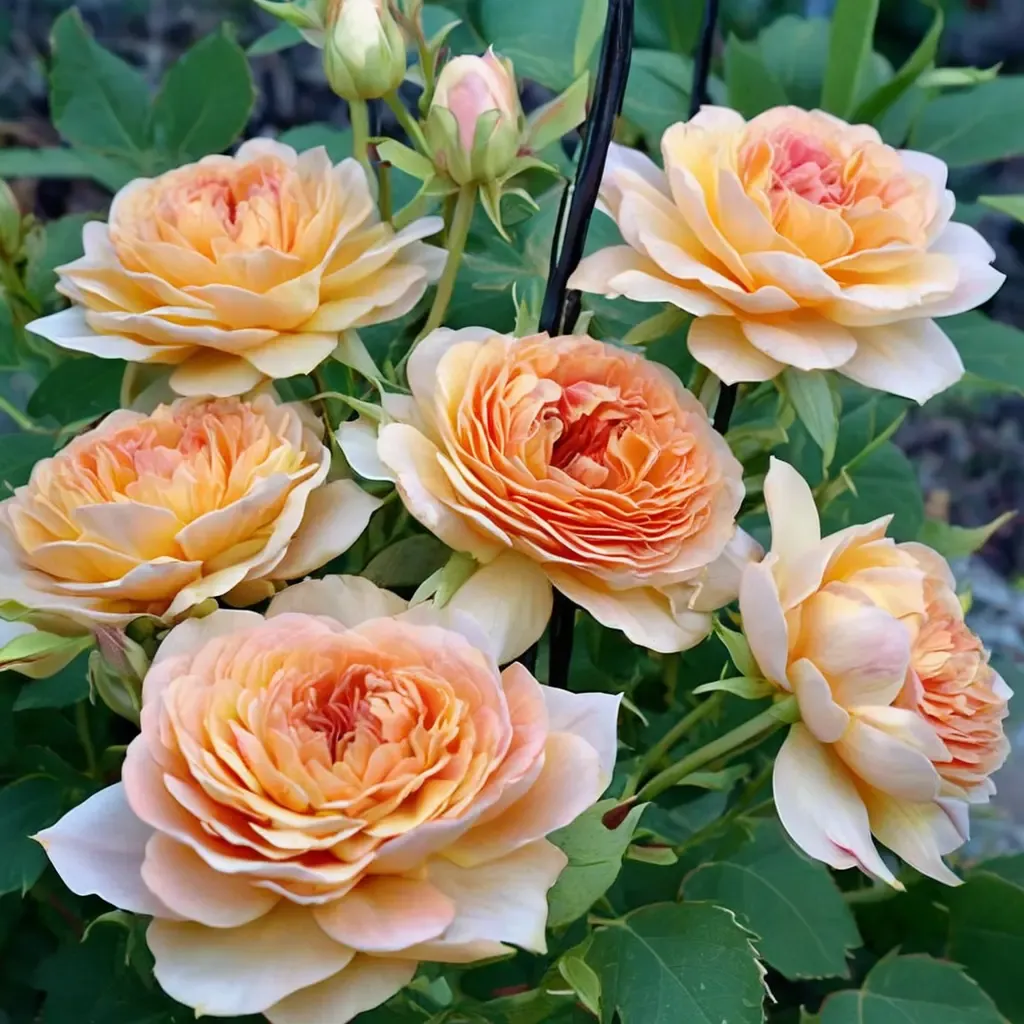
Fun in the Sun Rose
Rosa x hybrida 'Fun in the Sun'
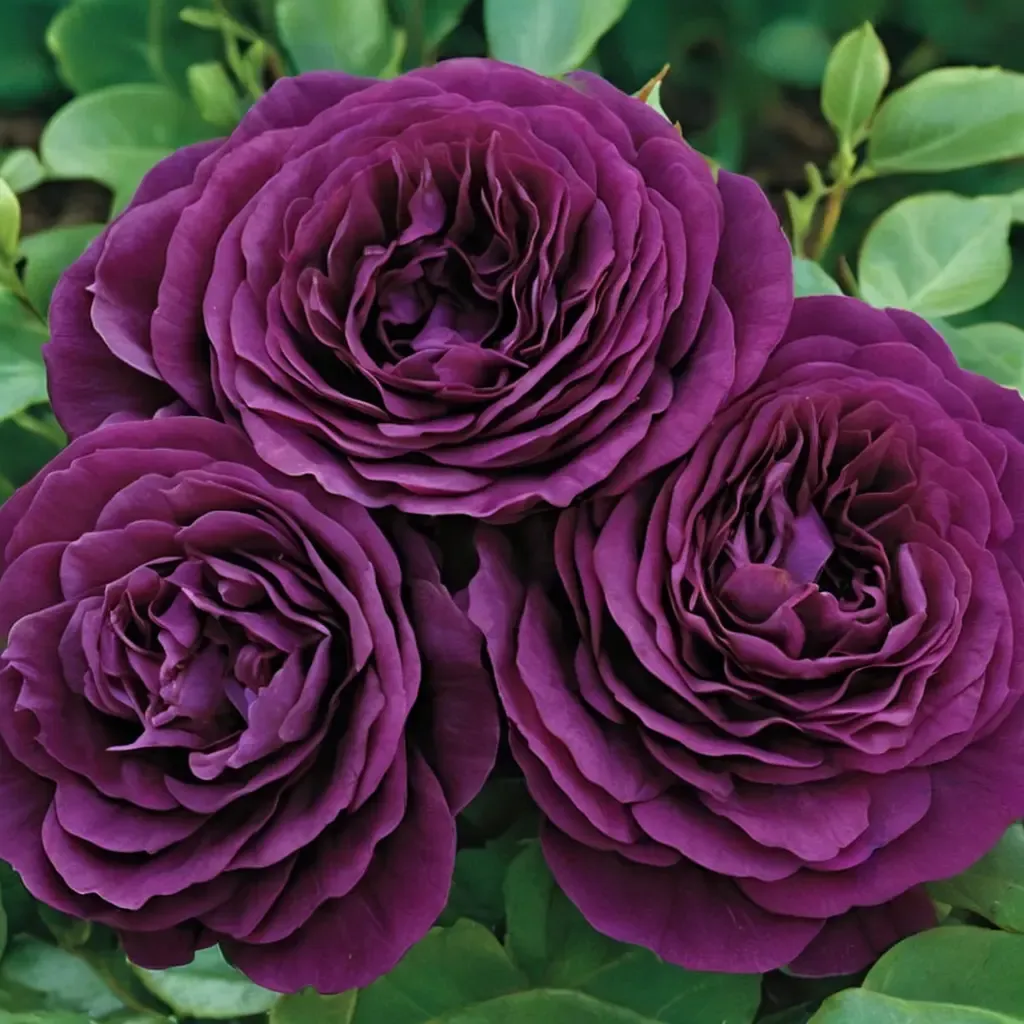
Twilight Zone Rose
Rosa x hybrida 'Twilight Zone'
Keep exploring
Explore the genus
Guides
Grow Burnet Rose with confidence
See it in a design of your actual yard, get zone-matched care reminders, and track it season by season in your garden journal.