The Story
Plant Bio
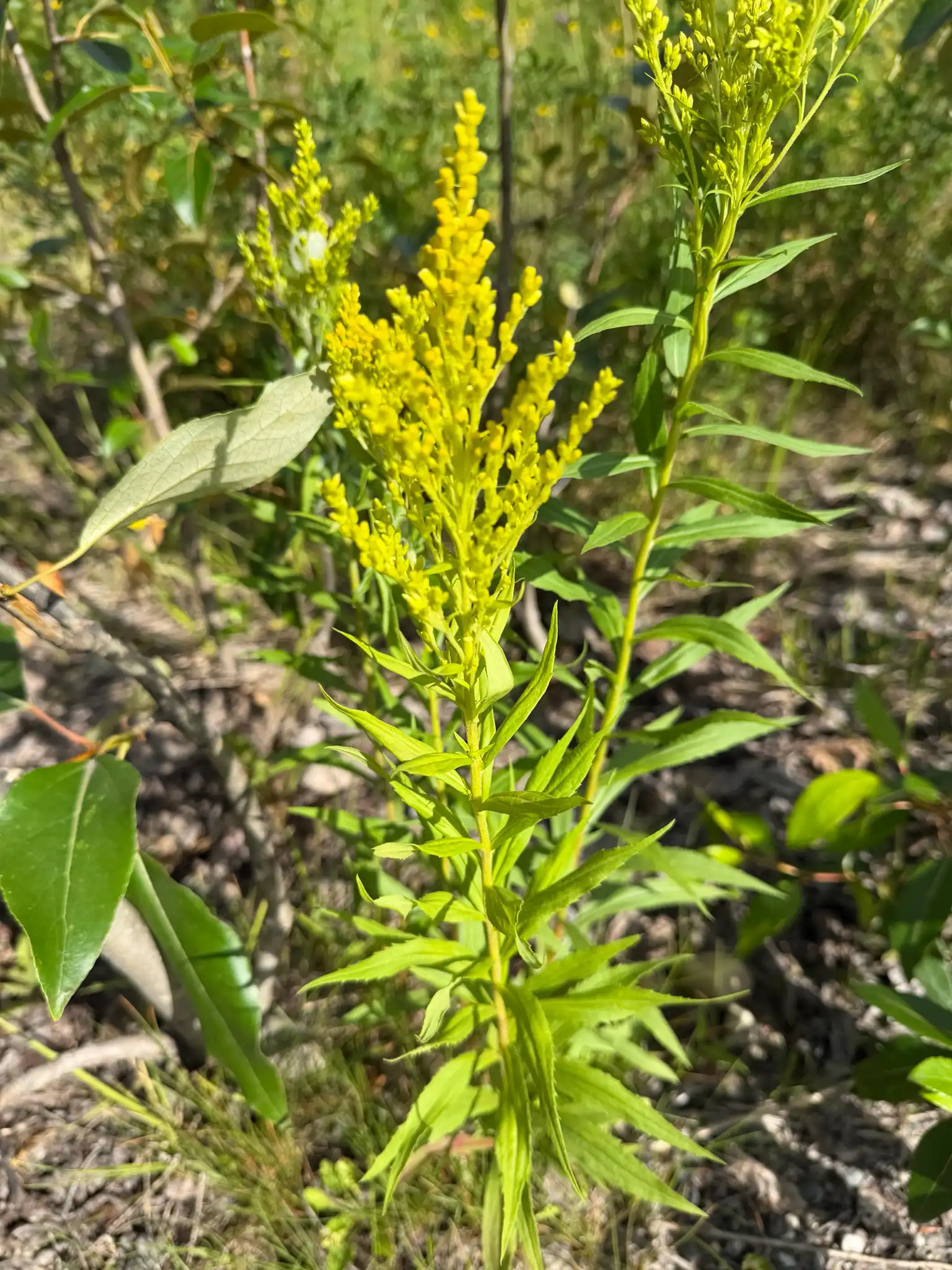
Solidago lepida, the western Canada goldenrod, is an upright herbaceous perennial native across western and northern North America that spreads by creeping underground rhizomes. Stems reach up to five feet tall, clad in alternate three-veined leaves and topped with broad pyramidal panicles of yellow flower heads from summer into fall.
Distinguished from related species by its fine hair or glandular puberulence on the upper stems, it features coarsely serrate foliage that flashes silver-green underneath. Its sturdy, semi-woody stems resist browsing by deer and rabbits while remaining erect in open sites.
Uses & Benefits:
Essentials
At a Glance
Plant Type
Perennial
Height
59"
Width
59"
Light
Full Sun
Zones
4, 5, 6, 7, 8, 9
Water
Moderate
Humidity
High
Lifespan
Perennial
Native To
North America
Toxicity
Non-toxic
Bloom period
Summer – Fall
In flower about 6 months of the year
Planting
How to Grow
- Select a site in full sun with moist to mesic soil.
- Plant container stock or bare-root divisions level with the surrounding soil line.
- Water thoroughly after planting until roots establish.
- Cut spent stems back to ground level in late winter or early spring before new shoots emerge.
Pro Tip
Space plants at least three feet apart in full sun; over-fertilization or shading weakens stems and causes flopping, whereas lean soil keeps rhizomatous colonies upright.
Keep It Thriving
Care Guide
Do
- Plant in full sun to maintain strong, upright stem structure.
- Divide spreading root clumps every three to four years to manage patch size.
- Provide regular moisture during prolonged dry spells for optimal flowering.
Don't
- Do not apply high-nitrogen fertilizers, which cause weak stems and excessive vegetative growth.
- Do not plant in heavy shade where growth becomes leggy.
- Do not prune stems into old leafless growth during the active summer season.
Seasonal Care Calendar
| Task | Jan | Feb | Mar | Apr | May | Jun | Jul | Aug | Sep | Oct | Nov | Dec |
|---|---|---|---|---|---|---|---|---|---|---|---|---|
| Divide | ||||||||||||
| Mulch | ||||||||||||
| Pest Check | ||||||||||||
| Spring Cleanup |
Watch Out For
Pests & Diseases
Common Pests
Common Diseases
In the Garden
Landscape Uses & Companions
Landscape Uses
Multiply
Propagation Methods
Good to Know
Common Questions
Western Canada Goldenrod questions
What zones can Western Canada Goldenrod grow in?
Western Canada Goldenrod is hardy in USDA Zones 4–9: in that range it survives winter in the ground. Warmer than Zone 9, winter isn't the problem: it prefers colder winters, and summer heat can shorten its life.
Is Western Canada Goldenrod deer resistant?
Yes — Western Canada Goldenrod is rated deer-resistant. Deer typically pass it over, though extreme hunger can override any plant's defenses.
When does Western Canada Goldenrod bloom?
Western Canada Goldenrod typically blooms from summer to fall. Exact timing shifts a week or two with your zone — Sow's bloom calendar maps it to your garden.
Does Western Canada Goldenrod need full sun?
Western Canada Goldenrod does best in full sun (6+ hours).
Is Western Canada Goldenrod drought tolerant?
Yes — once established (usually after the first full season), Western Canada Goldenrod handles dry spells with minimal watering. Water deeply its first year to build the root system that makes that possible.
More Solidago to compare
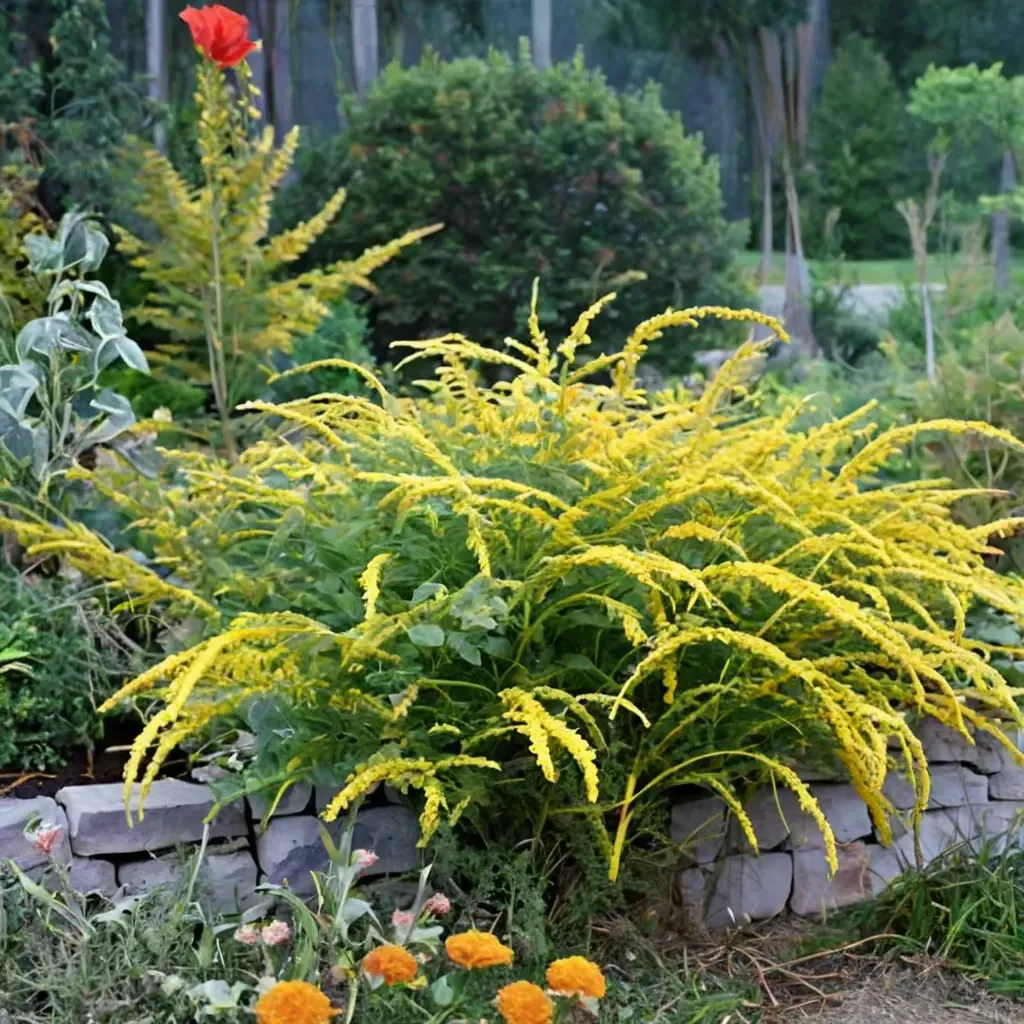
Fireworks Goldenrod
Solidago rugosa 'Fireworks'
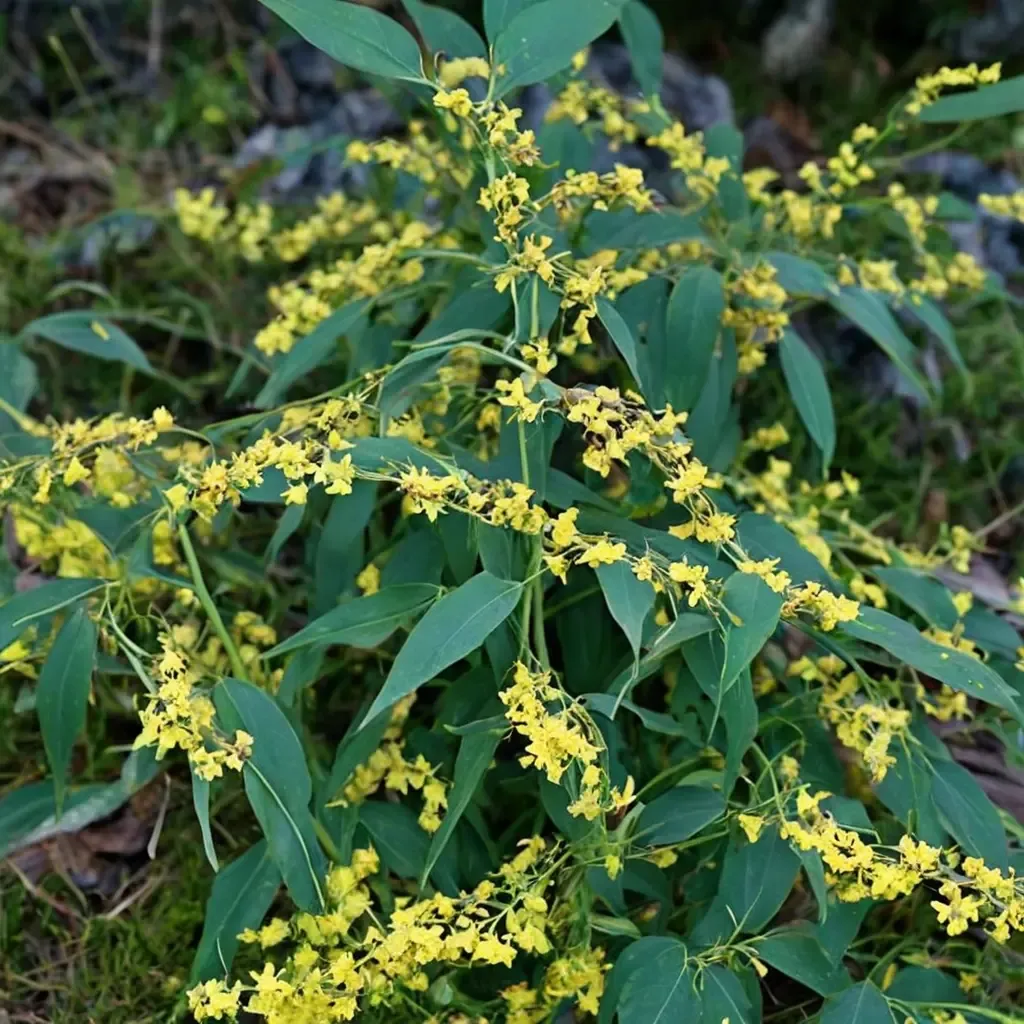
Bluestem Goldenrod
Solidago caesia
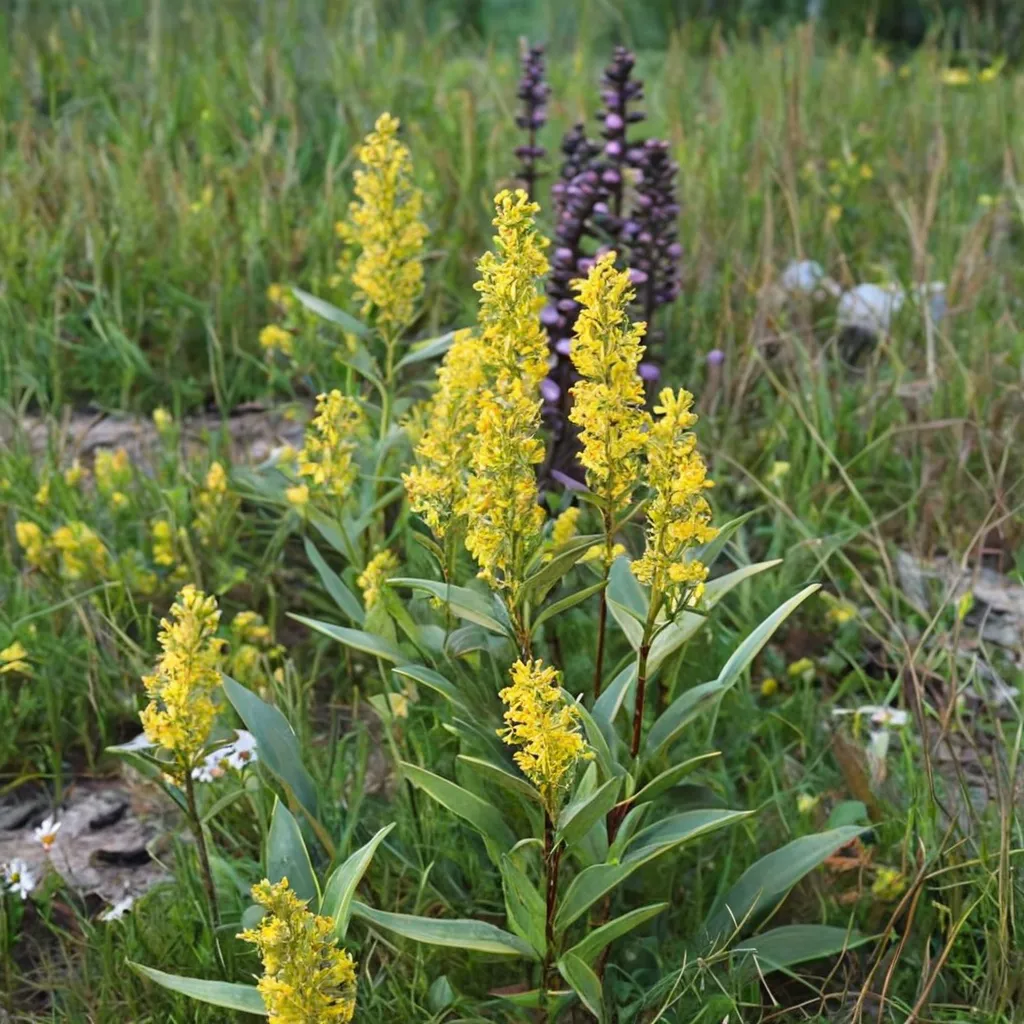
Showy Goldenrod
Solidago speciosa
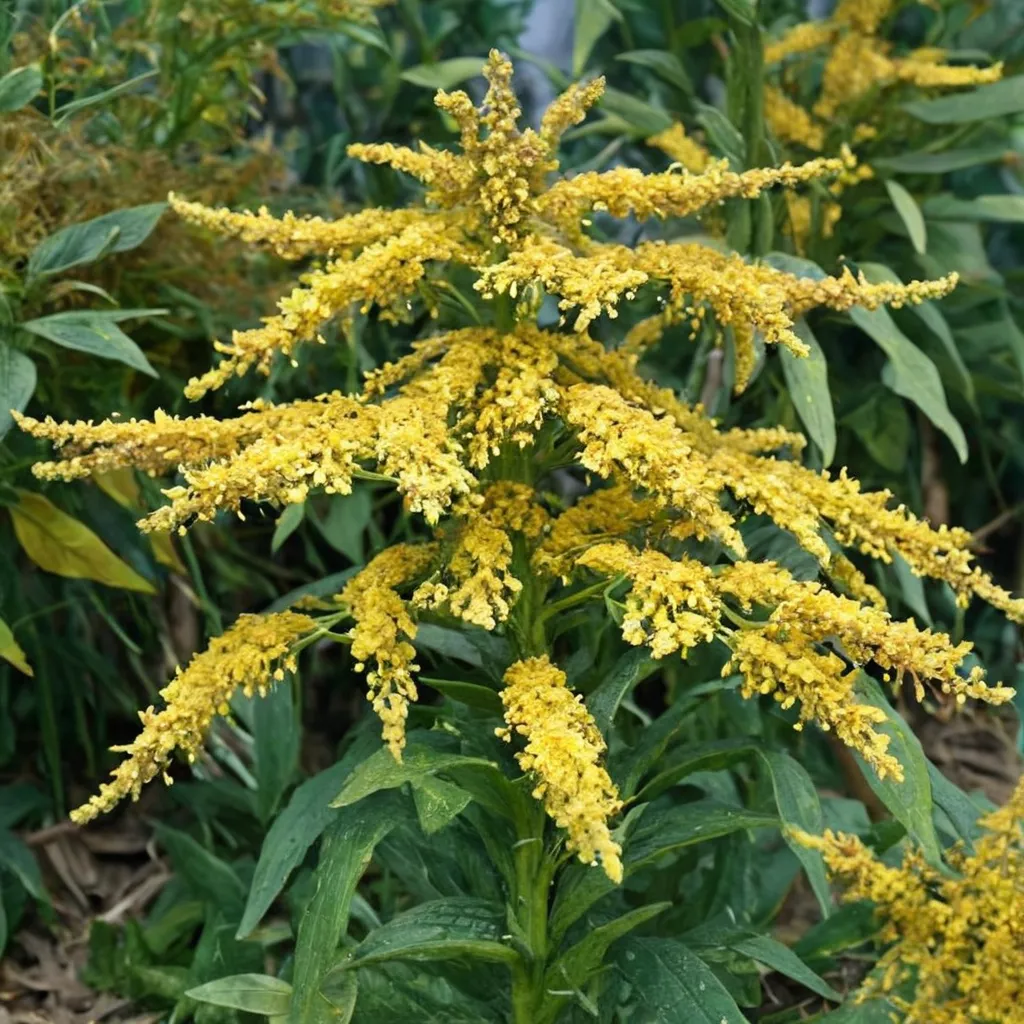
Goldenrod Peter Pan
Solidago x hybrida 'Peter Pan'
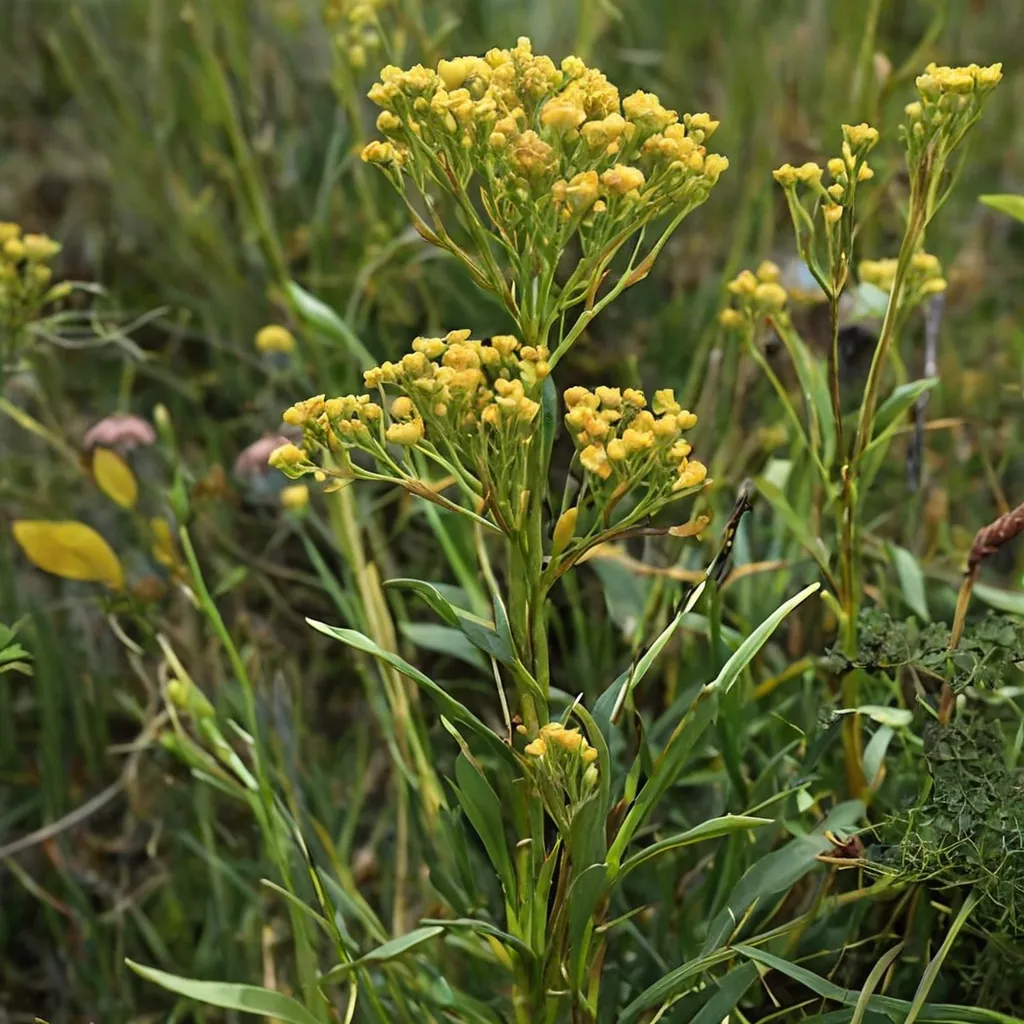
Ohio Goldenrod
Solidago ohioensis
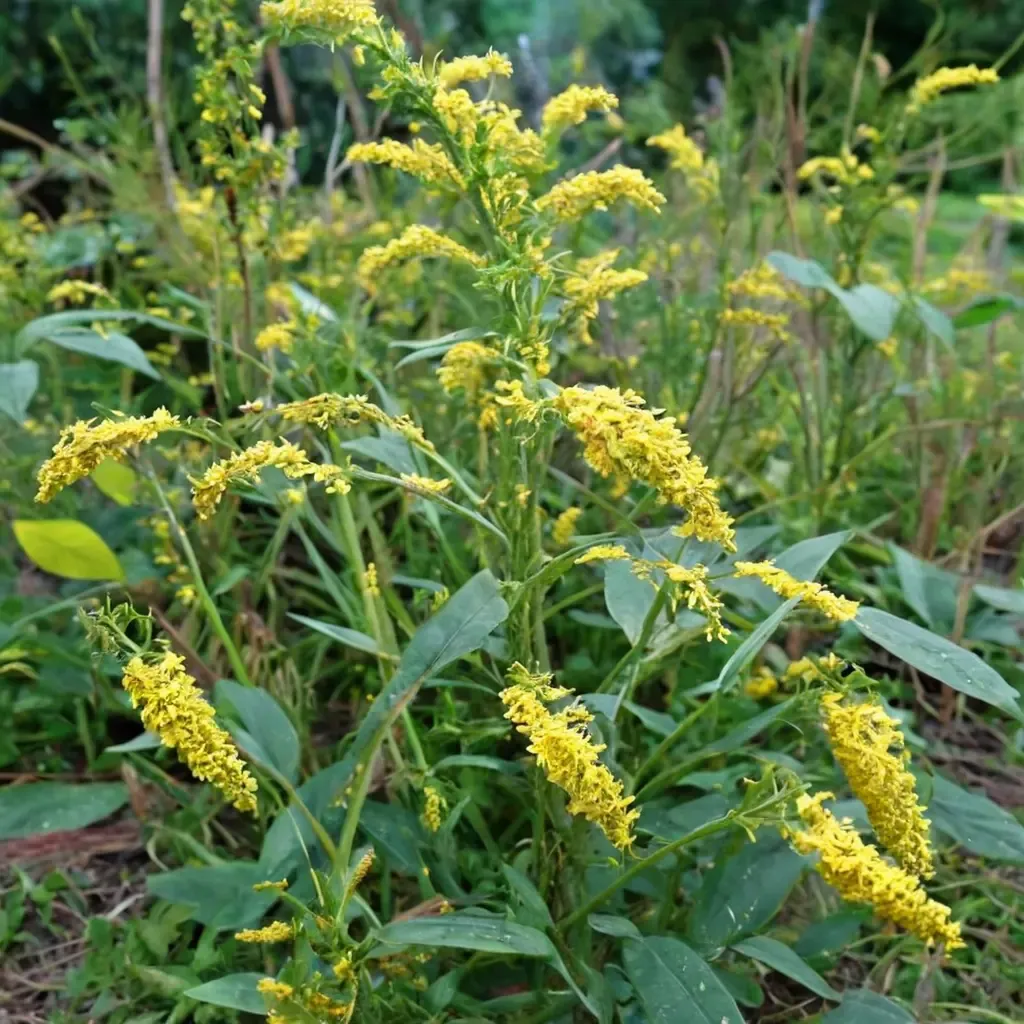
Wrinkleleaf Goldenrod
Solidago rugosa
Keep exploring
Explore the genus
Grow Western Canada Goldenrod with confidence
See it in a design of your actual yard, get zone-matched care reminders, and track it season by season in your garden journal.