The Story
Plant Bio
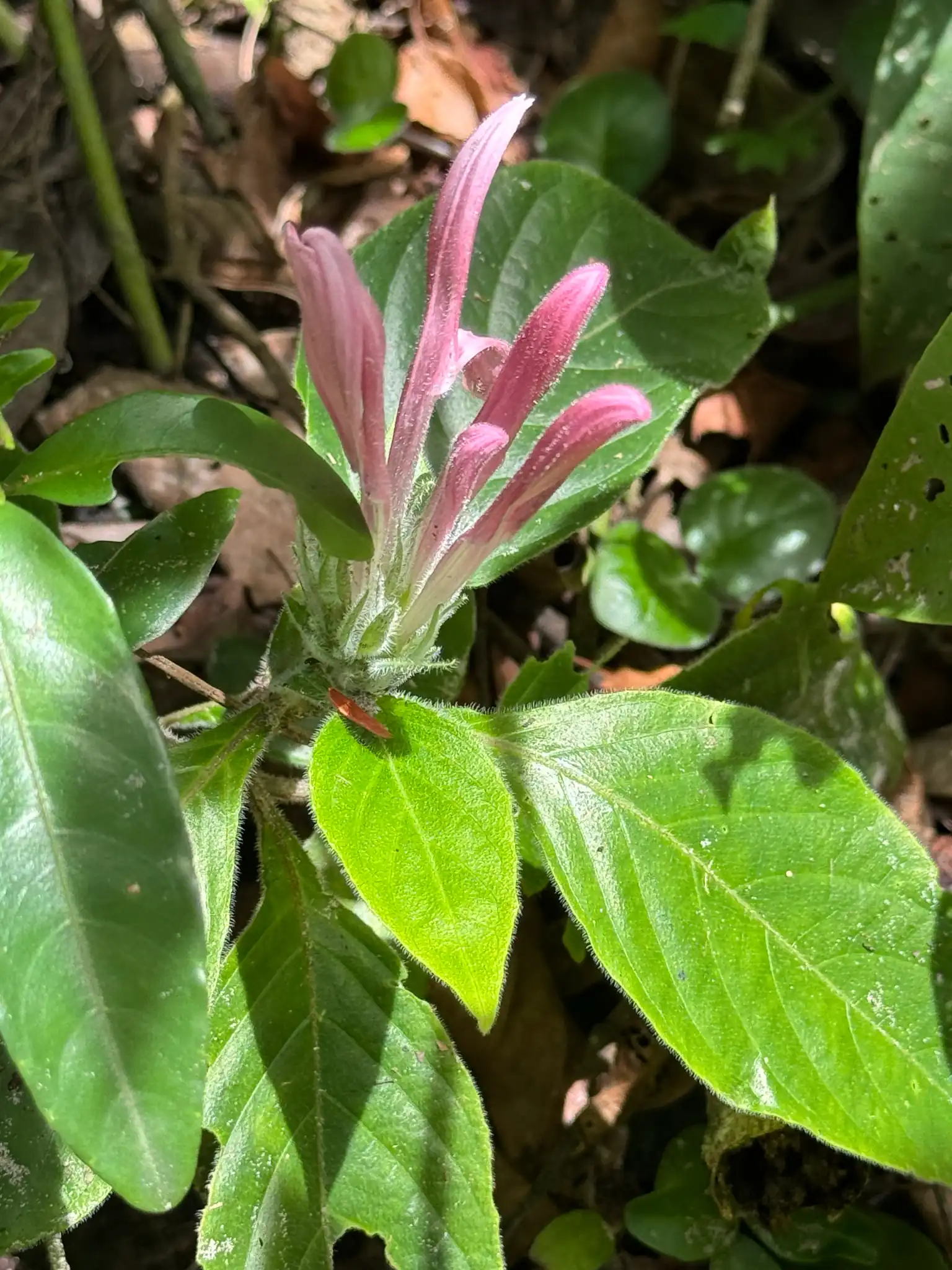
Justicia carnea is an upright evergreen shrub from the Atlantic Forest of eastern Brazil, Paraguay and northeastern Argentina, forming a multi-stemmed clump with an open rounded habit. The opposite dark green leaves grow six to twelve inches long, elliptic with undulate margins and deeply crinkled veins, coarse to the touch.
Plants carry dense terminal spikes of narrow tubular flowers that flare into spreading lobes, rose-pink in the species with selected forms in white, apricot, yellow and lavender. All bloom forms on new growth in repeated flushes from early summer to fall, with small brown pods that are inconspicuous.
Uses & Benefits:
Essentials
At a Glance
Plant Type
Shrub
Height
72"
Width
36"
Light
Partial Sun, Shade
Zones
8, 9, 10
Water
Medium
Humidity
Average
Lifespan
Long-lived shrub with yearly rejuvenation
Native To
Eastern Brazil, Northeast Argentina, Paraguay
Toxicity
Non-toxic
Bloom period
Early summer – Fall
In flower about 6 months of the year
Planting
How to Grow
- Plant in spring after frost danger in dappled to heavy shade with shelter from full-day sun.
- Set plants 24 to 36 inches apart in rich, well-drained loam with ample organic matter.
- Water to keep soil evenly moist, increasing water during dry heat.
- Apply shrub fertilizer in spring as new growth starts.
- Cut back tall stems to a node near ground level in early spring and pinch spent plumes to force branching.
Pro Tip
Plant in dappled to full shade with rich moist soil; full-day sun burns the foliage, and late pruning removes the new wood that carries the next flush.
Keep It Thriving
Care Guide
Do
- Grow in shade with rich, moist but well-drained soil.
- Prune in early spring before new growth starts.
- Deadhead spent plumes to encourage branching and repeat flushes.
- Mulch to hold soil moisture in summer heat.
Don't
- Do not plant in full-day sun or exposed coastal salt spray.
- Do not cut back late in the season or you remove flower buds on new growth.
- Do not let plants sit in standing water or poor-drainage soil.
Seasonal Care Calendar
| Task | Jan | Feb | Mar | Apr | May | Jun | Jul | Aug | Sep | Oct | Nov | Dec |
|---|---|---|---|---|---|---|---|---|---|---|---|---|
| Deadhead | ||||||||||||
| Fertilize | ||||||||||||
| Mulch | ||||||||||||
| Pest Check | ||||||||||||
| Prune |
Watch Out For
Pests & Diseases
Common Pests
In the Garden
Landscape Uses & Companions
Landscape Uses
Companion Plants
Multiply
Propagation Methods
Good to Know
Common Questions
Brazilian Plume questions
What zones can Brazilian Plume grow in?
Brazilian Plume is hardy in USDA Zones 8–10: in that range it survives winter in the ground. Colder than Zone 8, grow it in a container you can move to shelter for the winter.
When does Brazilian Plume bloom?
Brazilian Plume typically blooms from summer to fall. Exact timing shifts a week or two with your zone — Sow's bloom calendar maps it to your garden.
Does Brazilian Plume need full sun?
Brazilian Plume does best in part shade.
More Justicia to compare
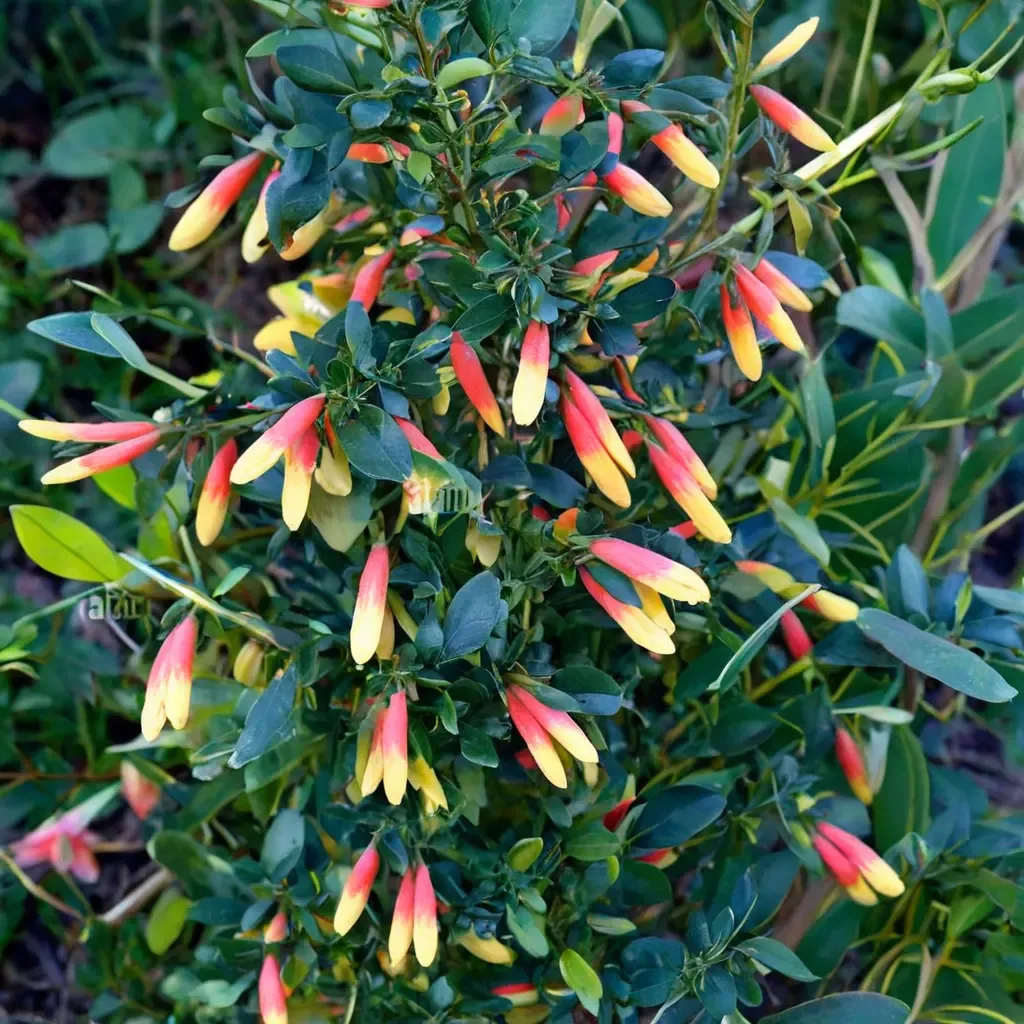
Brazilian Fuchsia
Justicia rizzinii 'Brazilian Fuchsia'
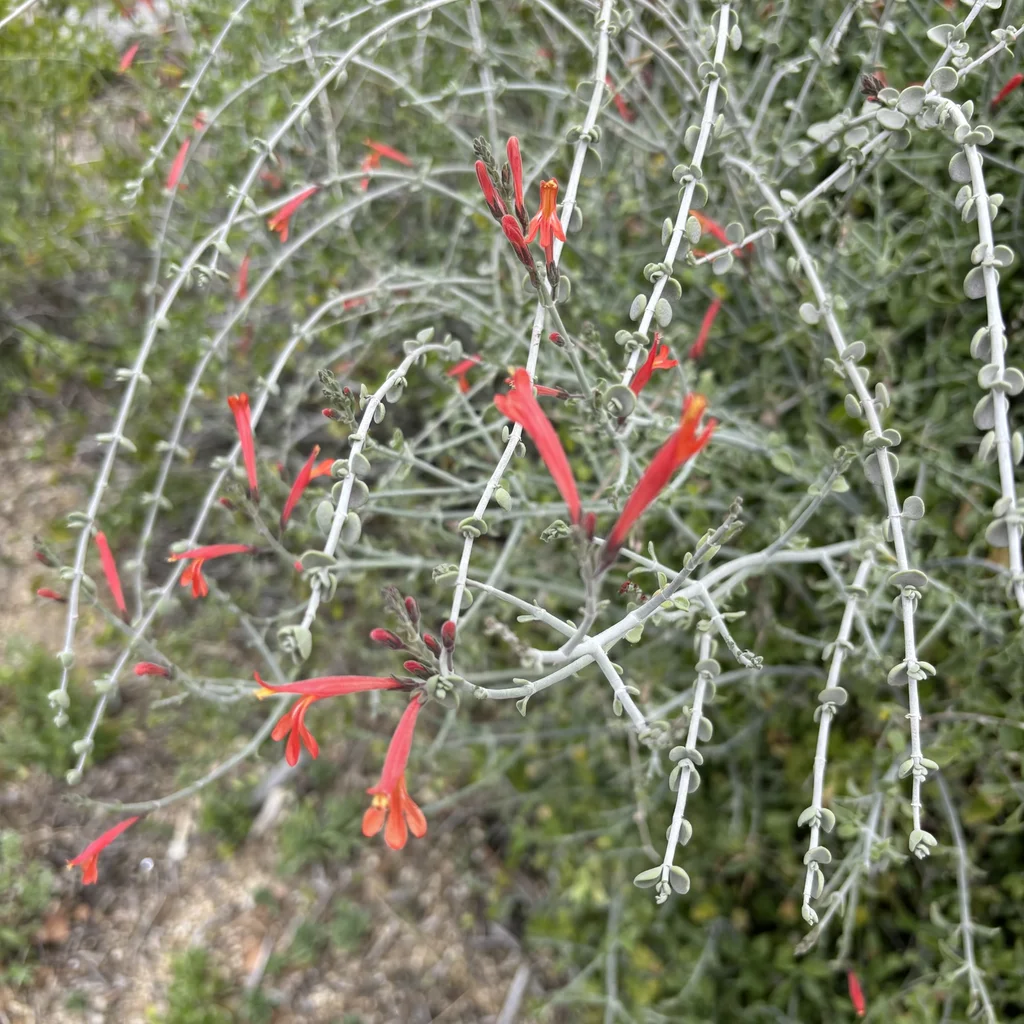
Chuparosa
Justicia californica
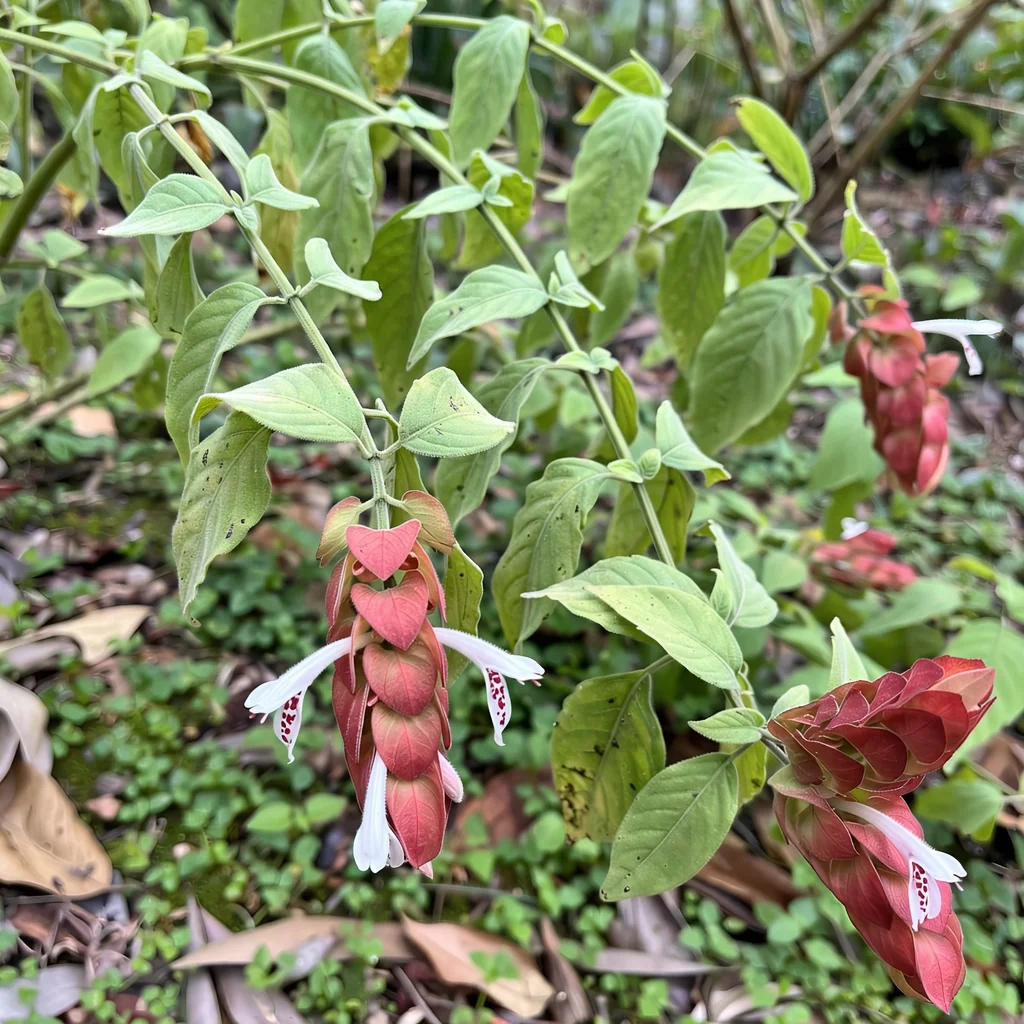
Shrimp Plant
Justicia brandegeeana
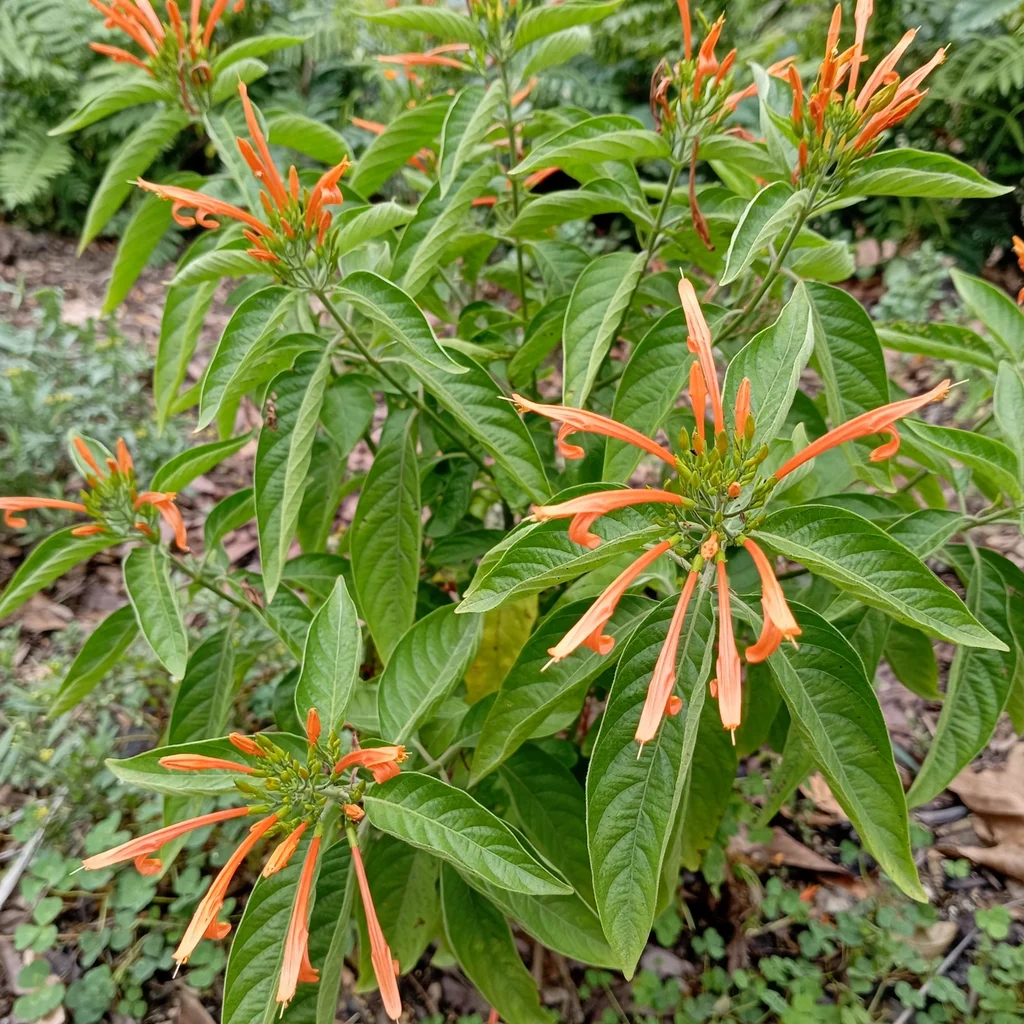
Mexican Honeysuckle
Justicia spicigera
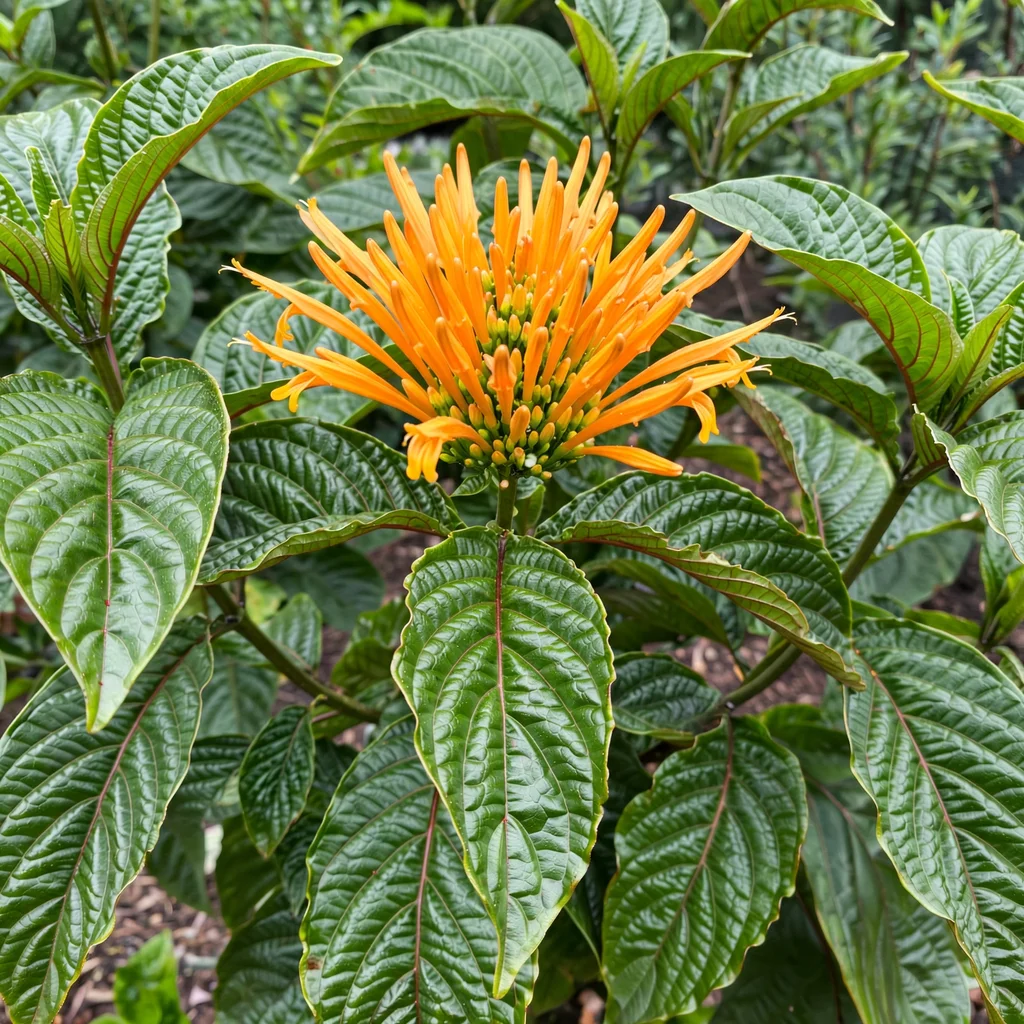
Orange Flame Justicia
Justicia chrysostephana
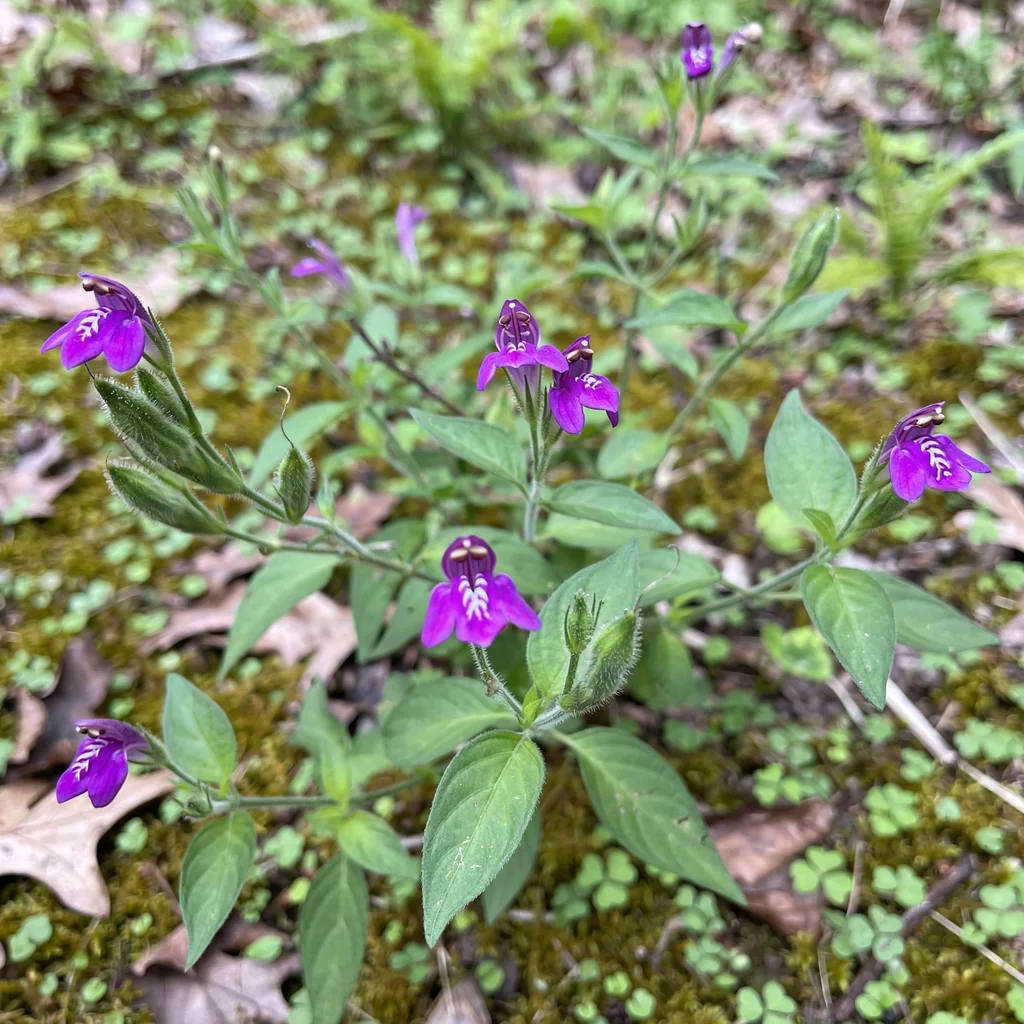
Cooley's Waterwillow
Justicia pringlei
Keep exploring
Explore the genus
Hardy in your zone?
Grow Brazilian Plume with confidence
See it in a design of your actual yard, get zone-matched care reminders, and track it season by season in your garden journal.