The Story
Plant Bio
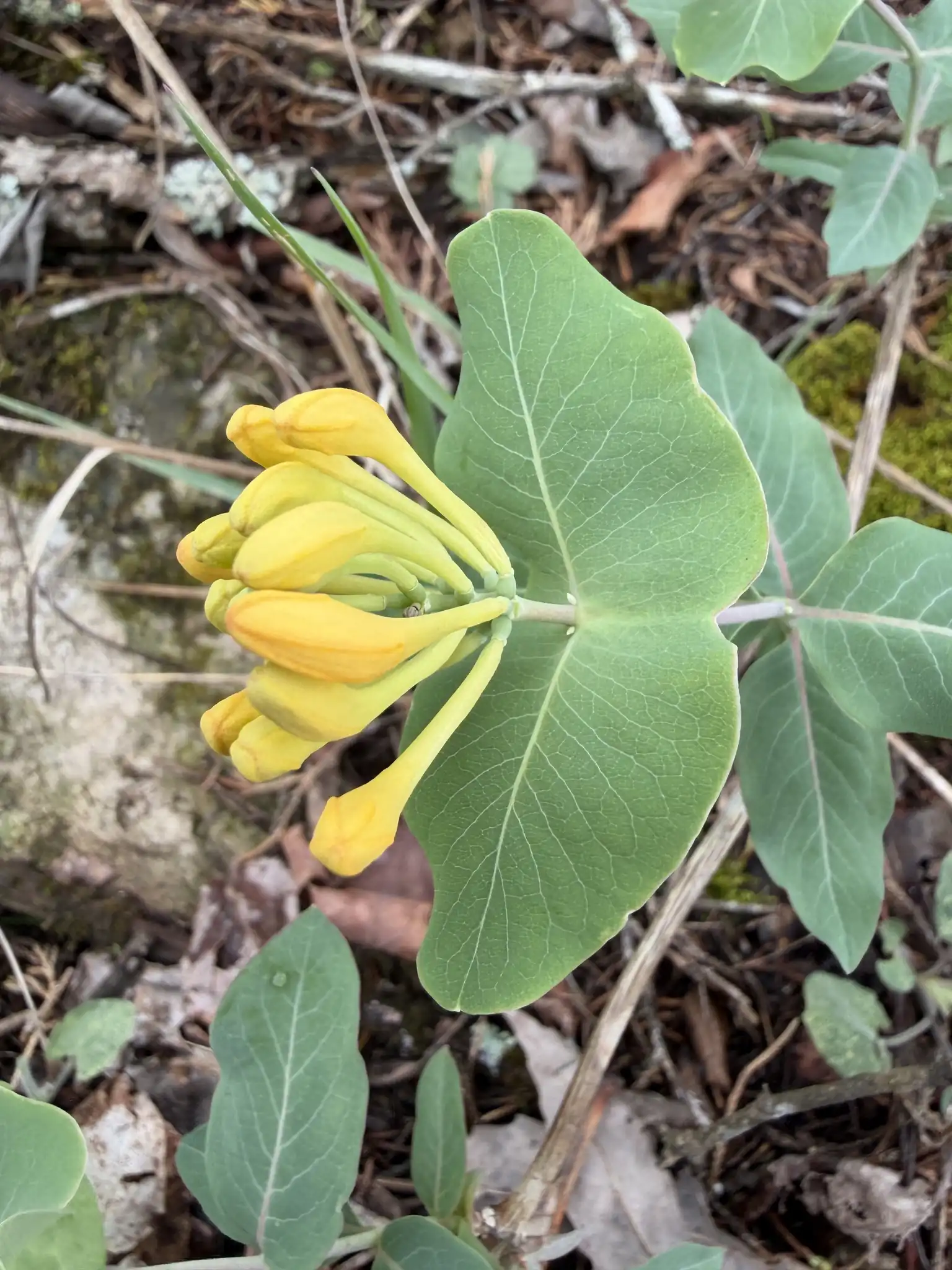
Lonicera flava is a deciduous woody vine that climbs by twining to 10 to 20 feet, spreading 3 to 6 feet on a trellis or fence. Its blue-green leaves are paired along the stems, the uppermost pair fused into a round disk around the stem and the lower leaves oval to lance-shaped with a pale waxy underside.
Its bright yellow trumpet flowers open in a whorled cluster just above the fused leaf disk, each about an inch and a quarter long and darkening toward golden-orange with age. Unlike Japanese honeysuckle it forms an open, well-mannered clump and follows bloom with clusters of orange-red to red berries about a quarter to a half inch across.
Uses & Benefits:
Essentials
At a Glance
Plant Type
Vine
Height
180"
Width
54"
Light
Full Sun, Partial Sun
Zones
5, 6, 7, 8
Water
Medium
Humidity
Tolerant
Lifespan
Woody perennial vine
Native To
Central and southeastern USA
Toxicity
Unknown
Bloom period
Late spring – Summer
In flower about 4 months of the year
Planting
How to Grow
- Plant in spring after frost in full sun to part shade in well-drained rocky soil.
- Dig a hole twice the container width at the foot of a sturdy trellis or fence.
- Set the crown level with the soil surface and backfill, firming gently.
- Water deeply to settle and mulch 2 inches, keeping mulch off the stems.
- Tie new shoots loosely to the support until they twine on their own.
Pro Tip
Set the plant at the base of its permanent trellis at planting and let stems twine undisturbed; it blooms on established climbing wood, not on hard-cut regrowth.
Keep It Thriving
Care Guide
Do
- Provide a sturdy trellis or fence at planting for stems to twine.
- Water deeply during establishment and in extended dry spells.
- Improve air flow by spacing and light thinning to limit mildew.
Don't
- Do not cut hard into old bare wood as done for Japanese honeysuckle.
- Do not plant without support and leave stems trailing on wet ground.
- Do not water overhead late in the day.
Seasonal Care Calendar
| Task | Jan | Feb | Mar | Apr | May | Jun | Jul | Aug | Sep | Oct | Nov | Dec |
|---|---|---|---|---|---|---|---|---|---|---|---|---|
| Mulch | ||||||||||||
| Pest Check | ||||||||||||
| Plant | ||||||||||||
| Prune |
Watch Out For
Pests & Diseases
Common Pests
Common Diseases
In the Garden
Landscape Uses & Companions
Landscape Uses
Companion Plants
Multiply
Propagation Methods
Good to Know
Common Questions
Yellow Honeysuckle questions
What zones can Yellow Honeysuckle grow in?
Yellow Honeysuckle is hardy in USDA Zones 5–8: in that range it survives winter in the ground. Colder than Zone 5, grow it in a container you can move to shelter for the winter, or as an annual. Warmer than Zone 8, winter isn't the problem: it prefers colder winters, and summer heat can shorten its life.
When does Yellow Honeysuckle bloom?
Yellow Honeysuckle typically blooms from late spring to late summer. Exact timing shifts a week or two with your zone — Sow's bloom calendar maps it to your garden.
Does Yellow Honeysuckle need full sun?
Yellow Honeysuckle does best in full sun to part shade. In hot climates, afternoon shade keeps blooms fresher longer.
More Lonicera to compare
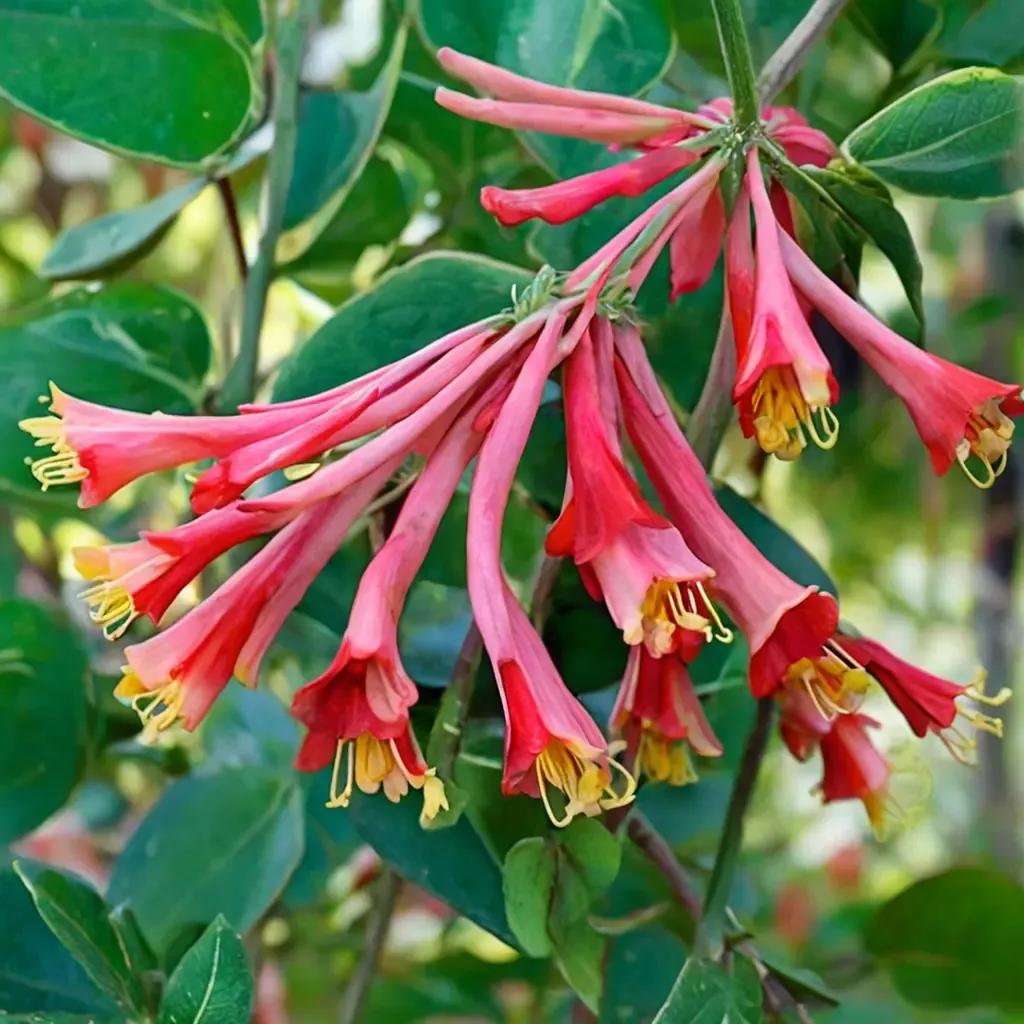
Coral Honeysuckle
Lonicera sempervirens 'Coral Honeysuckle'
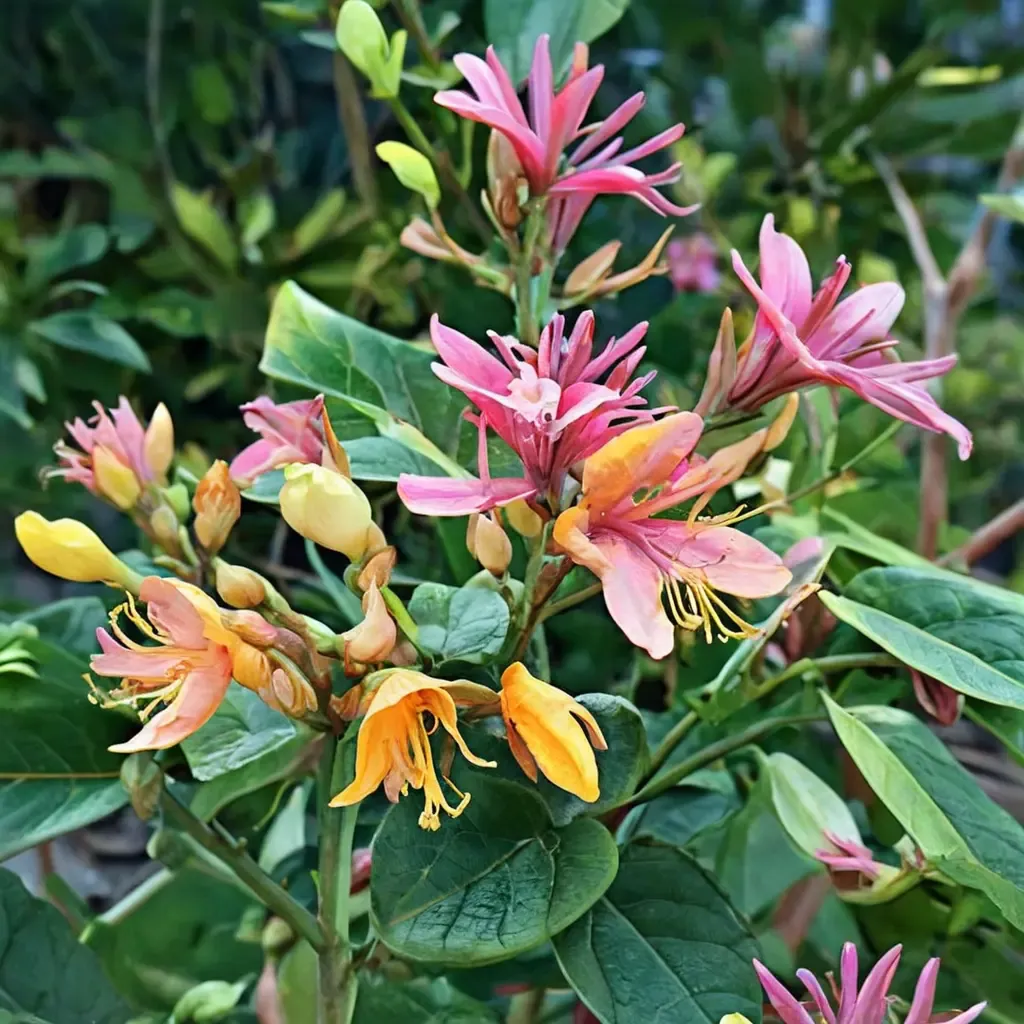
Goldflame Honeysuckle
Lonicera x heckrottii 'Goldflame'
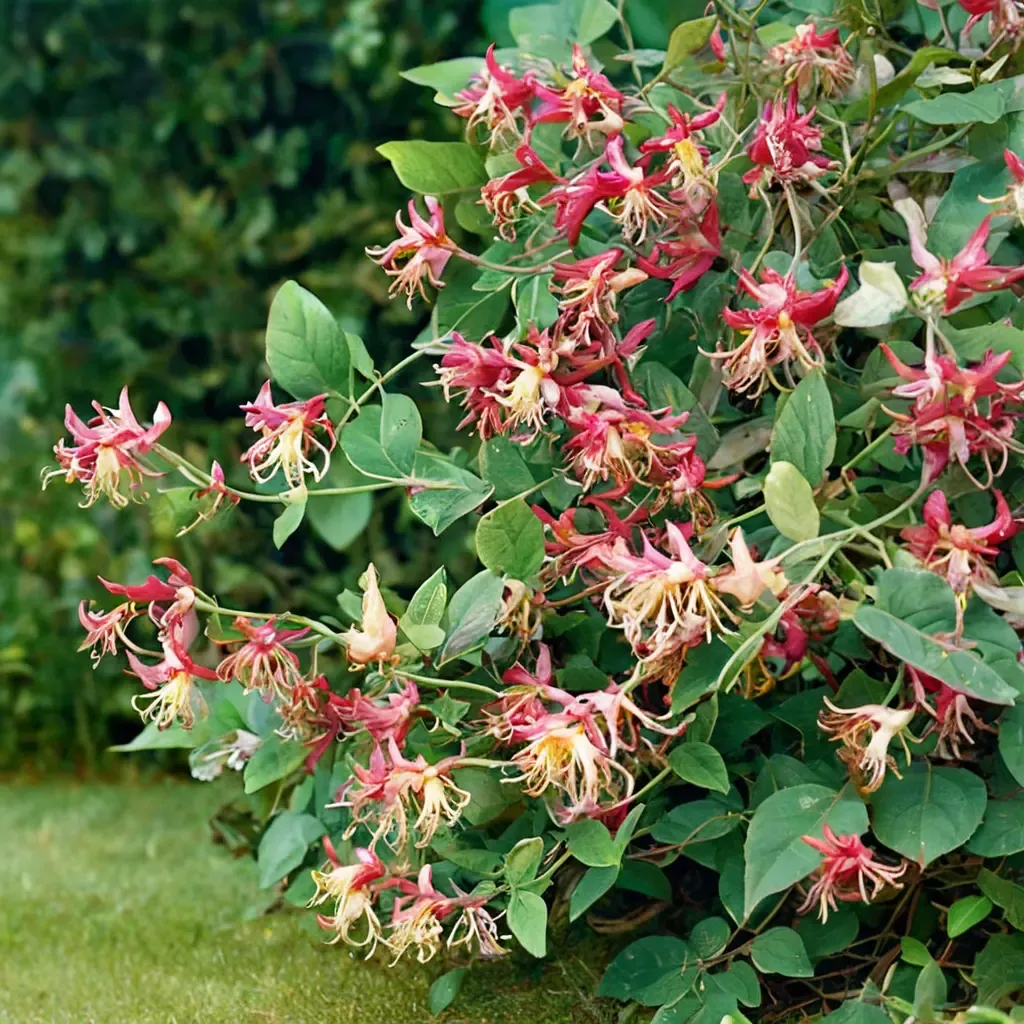
Late Dutch Honeysuckle
Lonicera serotina
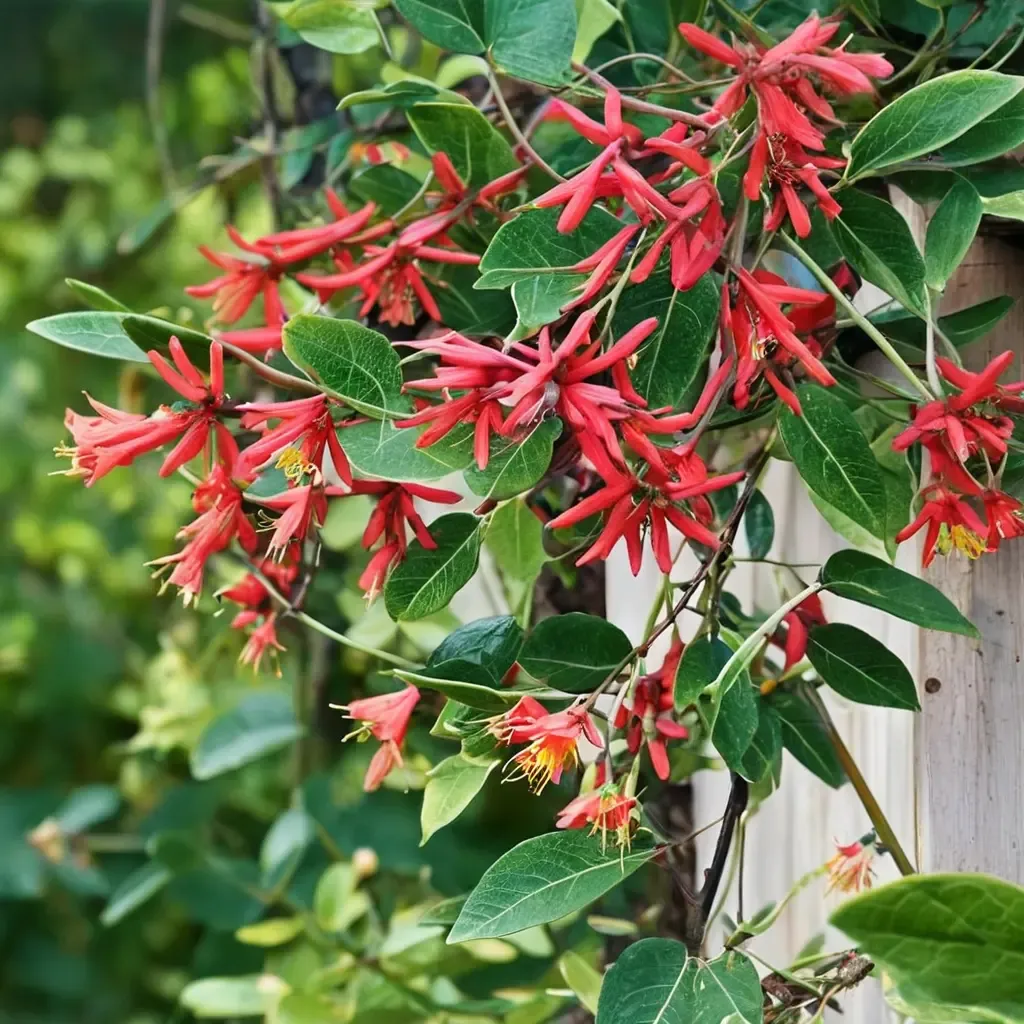
Major Wheeler honeysuckle
Lonicera sempervirens 'Major Wheeler'
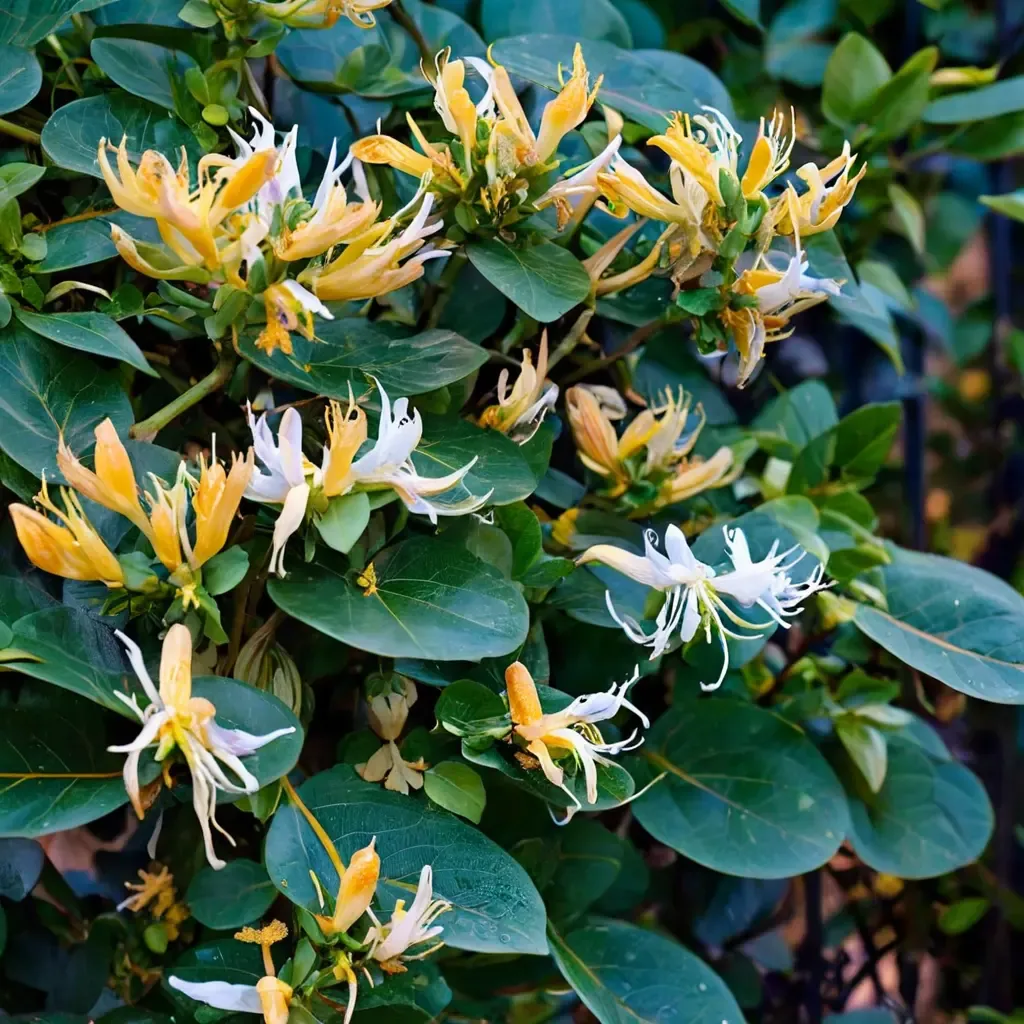
Japanese Honeysuckle
Lonicera japonica
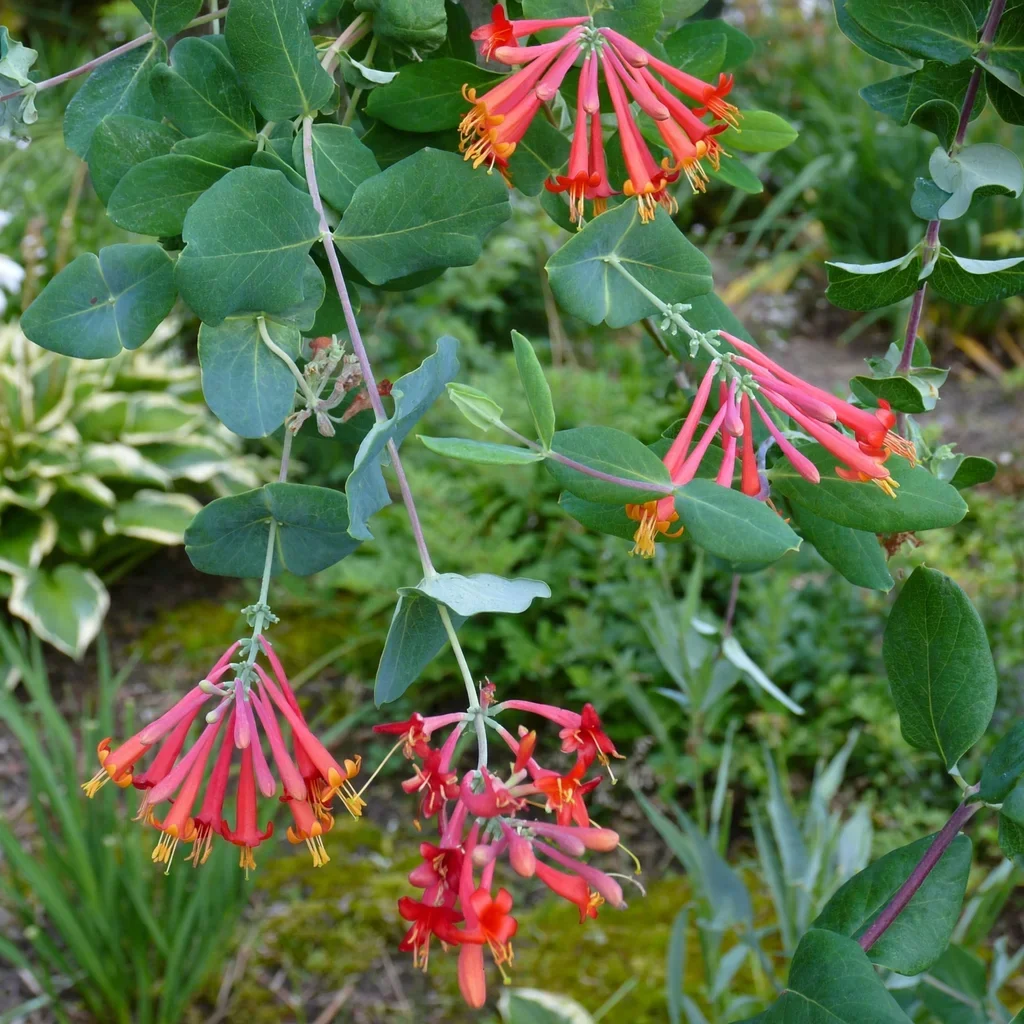
Trumpet Honeysuckle
Lonicera sempervirens
Keep exploring
Explore the genus
Hardy in your zone?
Grow Yellow Honeysuckle with confidence
See it in a design of your actual yard, get zone-matched care reminders, and track it season by season in your garden journal.