The Story
Plant Bio
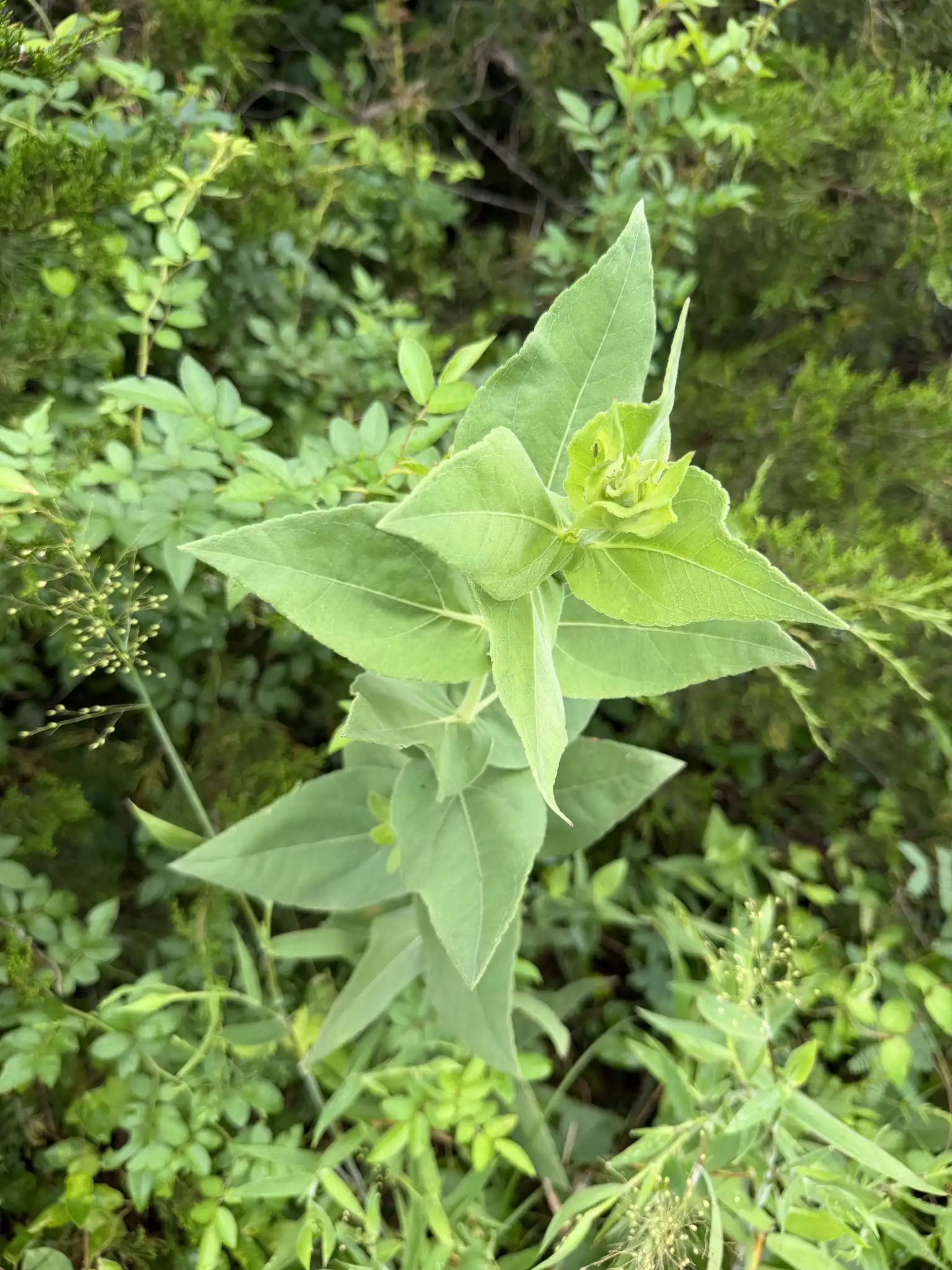
Helianthus mollis is an erect rhizomatous perennial sunflower forming broad clumps of clustered stems two to four feet tall, reaching six feet in rich ground. The opposite, sessile leaves are broad-oval and gray-green with a dense coat of rough hairs that gives the plant its ashen cast.
It is distinguished by tightly clasping leaves to five inches long and solitary terminal heads three to five inches across, with fifteen to thirty yellow rays around a darker yellow disk. It spreads by underground rhizomes and self-seeding to form dense colonies, and it suppresses nearby seedlings of radish, wheat and little bluestem.
Uses & Benefits:
Essentials
At a Glance
Plant Type
Perennial
Height
48"
Width
36"
Light
Full Sun, Partial Sun
Zones
4, 5, 6, 7, 8, 9
Water
Low
Humidity
Tolerant
Lifespan
Perennial
Native To
Central and eastern North America
Toxicity
Unknown
Bloom period
Summer – Fall
In flower about 6 months of the year
Planting
How to Grow
- Plant in full sun with shelter from strong wind, spacing 18 to 24 inches for clumps to fill.
- Plant into average, sandy to rocky, well-drained soil; avoid clay and rich moist loam.
- Sow seed 1/4 inch deep after last frost; cool soil aids dormancy and 60 days cold stratification improves germination.
- Water only to establish, then leave dry; do not fertilize at planting.
- Site in a naturalized prairie or large bed, not a formal border, where running is acceptable.
Pro Tip
Starve it on purpose; rich water and fertilizer cause lodging and running, while lean, well-drained sand keeps it upright and in bounds.
Keep It Thriving
Care Guide
Do
- Leave spent heads through fall for goldfinches and winter seed.
- Stake stems in exposed sites.
- Weed by cultivation or mowing around colonies to contain spread.
Don't
- Do not fertilize and water richly; it lodges and spreads aggressively.
- Do not plant in clay or wet ground that stays saturated.
- Do not cut back for tidiness during bloom; foliage cut early removes terminal buds.
Seasonal Care Calendar
| Task | Jan | Feb | Mar | Apr | May | Jun | Jul | Aug | Sep | Oct | Nov | Dec |
|---|---|---|---|---|---|---|---|---|---|---|---|---|
| Deadhead | ||||||||||||
| Divide | ||||||||||||
| Pest Check | ||||||||||||
| Plant | ||||||||||||
| Stake |
Watch Out For
Pests & Diseases
Common Pests
Common Diseases
In the Garden
Landscape Uses & Companions
Landscape Uses
Multiply
Propagation Methods
Good to Know
Common Questions
Ashy Sunflower questions
What zones can Ashy Sunflower grow in?
Ashy Sunflower is hardy in USDA Zones 4–9: in that range it survives winter in the ground. Warmer than Zone 9, winter isn't the problem: it prefers colder winters, and summer heat can shorten its life.
Is Ashy Sunflower deer resistant?
Not reliably. Deer may browse Ashy Sunflower, especially tender spring growth — plan on repellents or fencing where pressure is high.
When does Ashy Sunflower bloom?
Ashy Sunflower typically blooms from summer to fall. Exact timing shifts a week or two with your zone — Sow's bloom calendar maps it to your garden.
Does Ashy Sunflower need full sun?
Ashy Sunflower does best in full sun to part shade. In hot climates, afternoon shade keeps blooms fresher longer.
Is Ashy Sunflower drought tolerant?
Yes — once established (usually after the first full season), Ashy Sunflower handles dry spells with minimal watering. Water deeply its first year to build the root system that makes that possible.
More Helianthus to compare
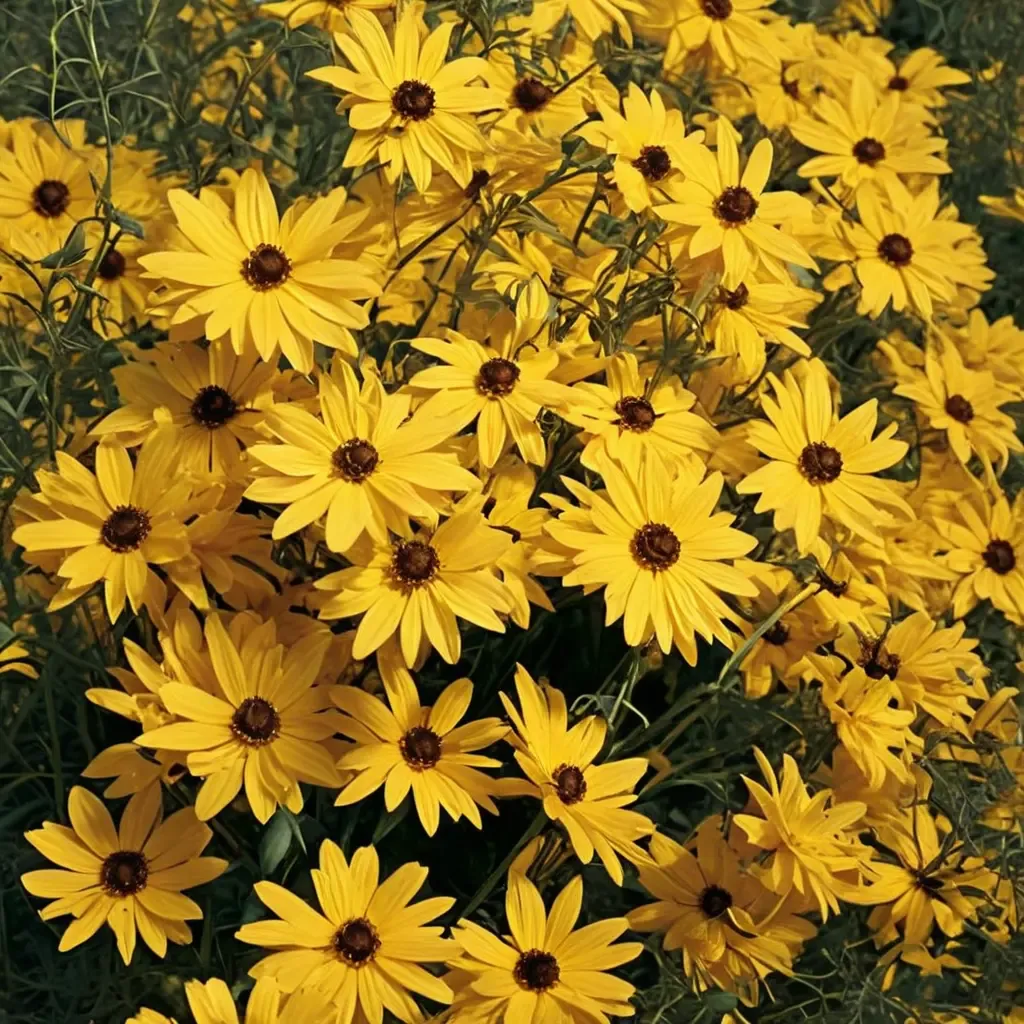
First Light Swamp Sunflower
Helianthus angustifolius 'First Light'
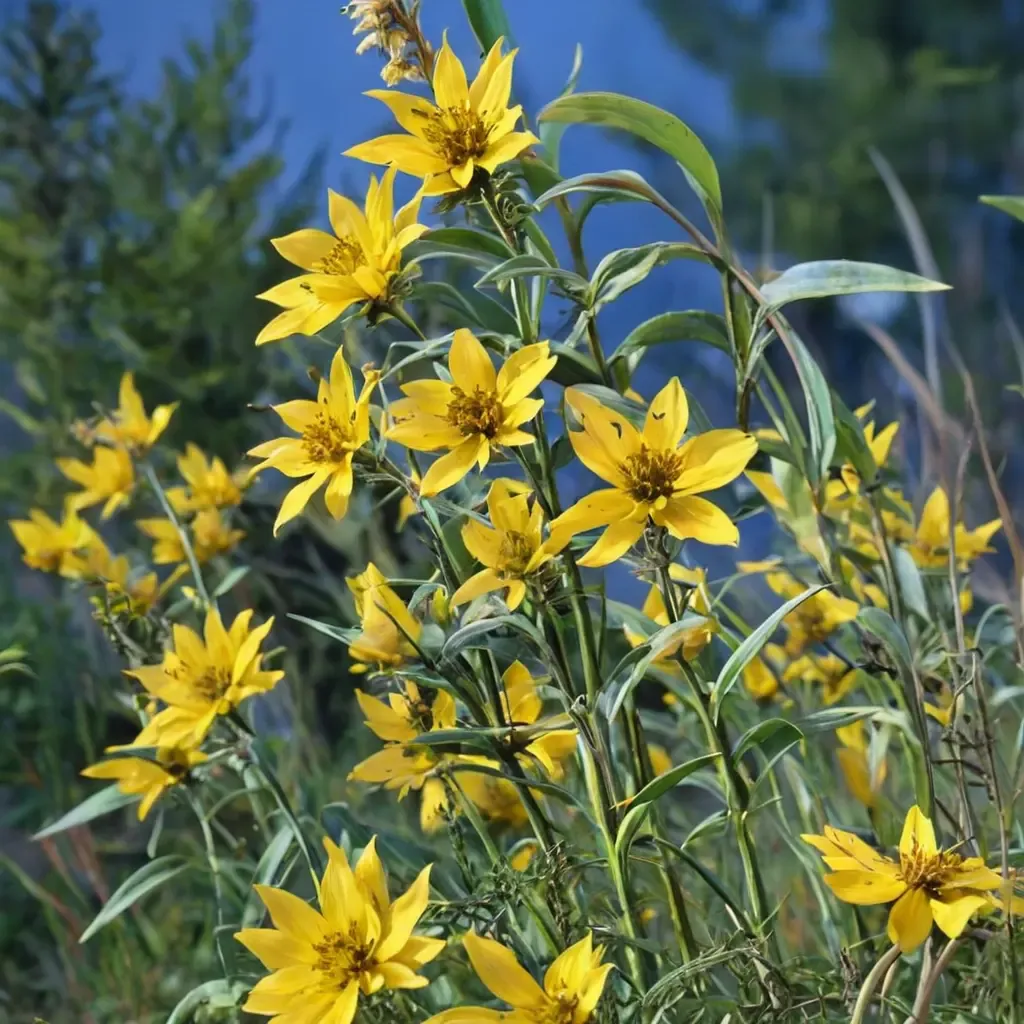
Maximilian sunflower
Helianthus maximiliani
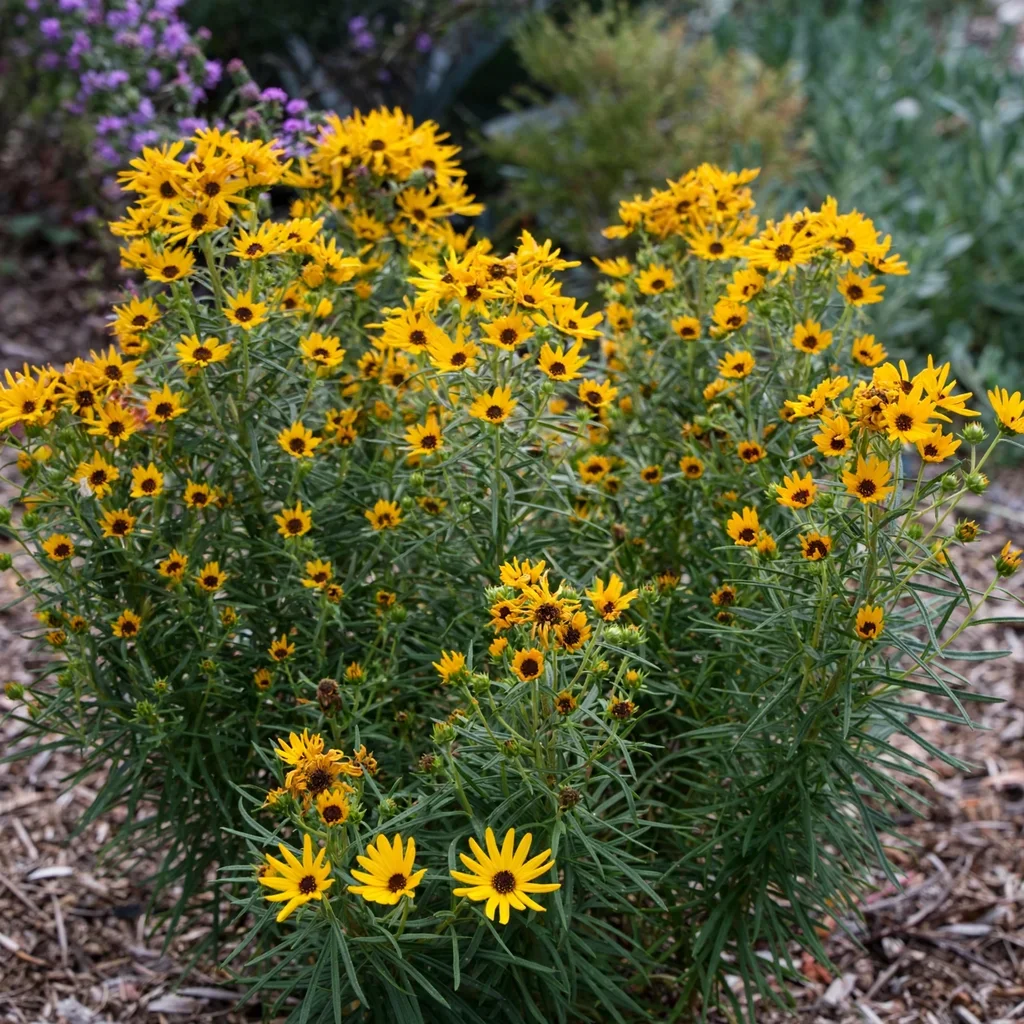
Narrow-Leaf Sunflower Low Down
Helianthus angustifolius 'Low Down'
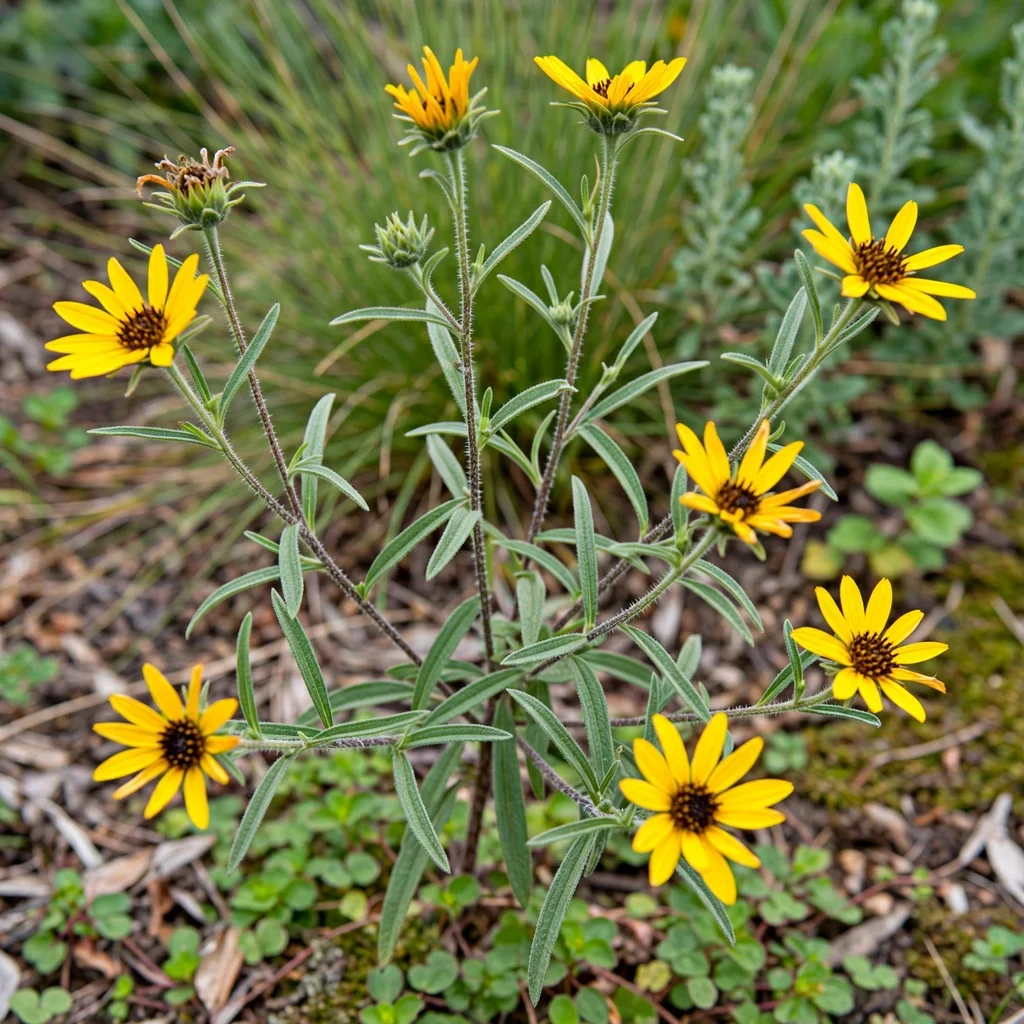
Bolander's Sunflower
Helianthus bolanderi
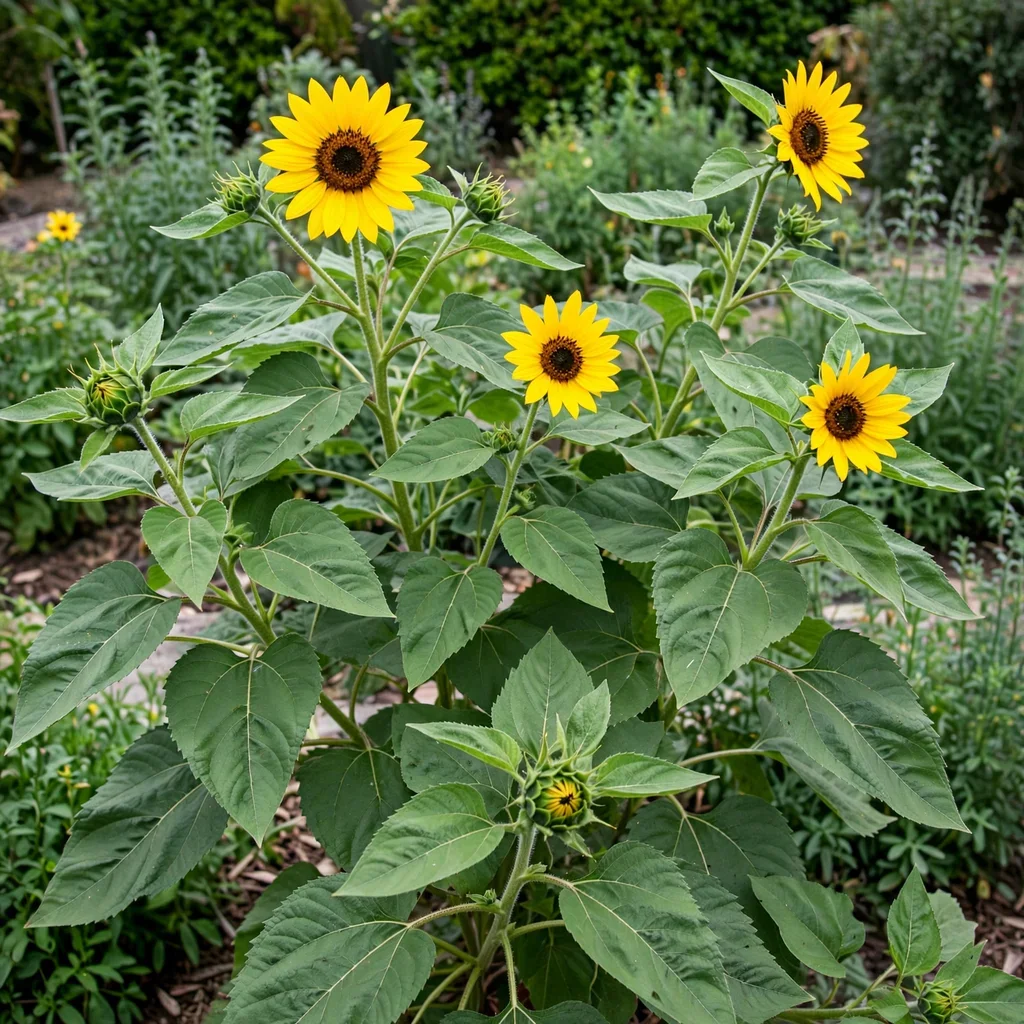
Table Mountain Sunflower
Helianthus annuus 'Table Mountain'
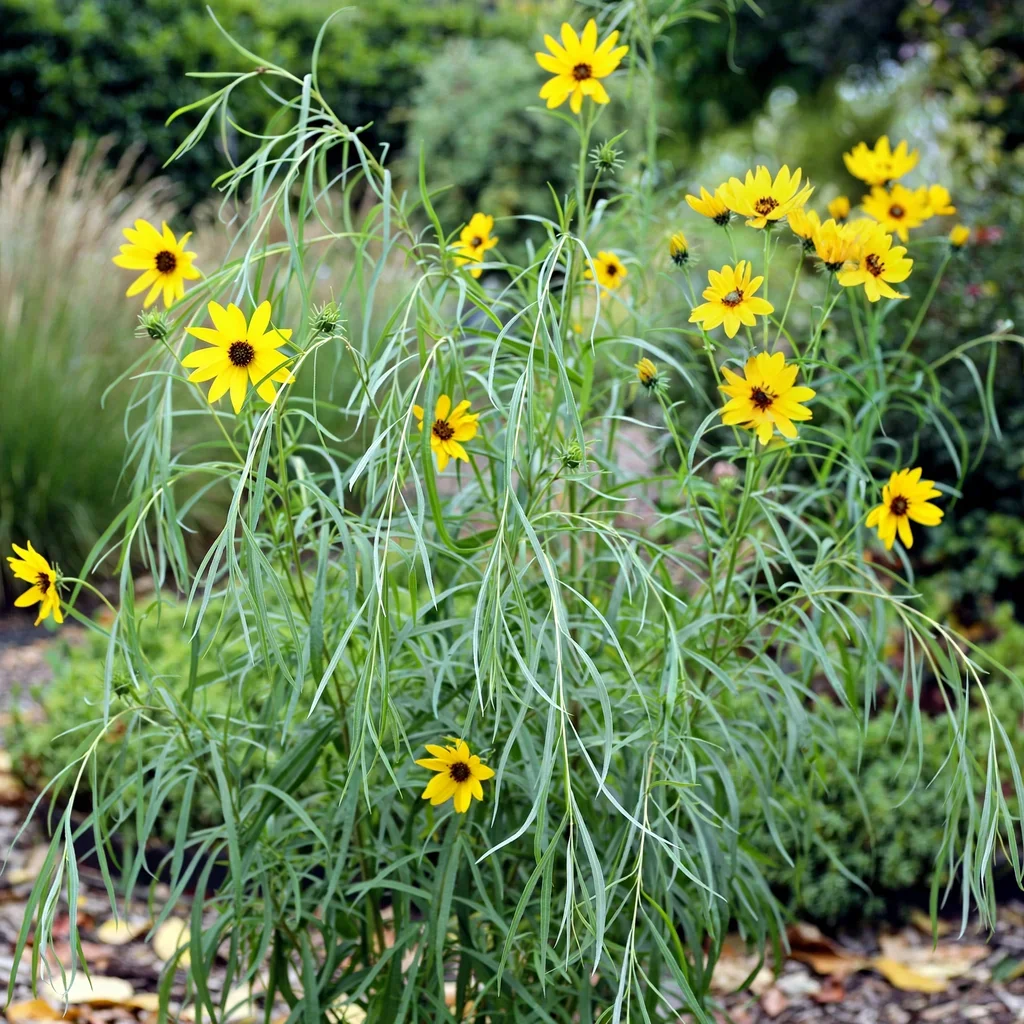
Salicifolius Sunflower Willowleaf Sunflower
Helianthus salicifolius
Keep exploring
Explore the genus
Grow Ashy Sunflower with confidence
See it in a design of your actual yard, get zone-matched care reminders, and track it season by season in your garden journal.