Species
1 other cultivar
The Story
Plant Bio
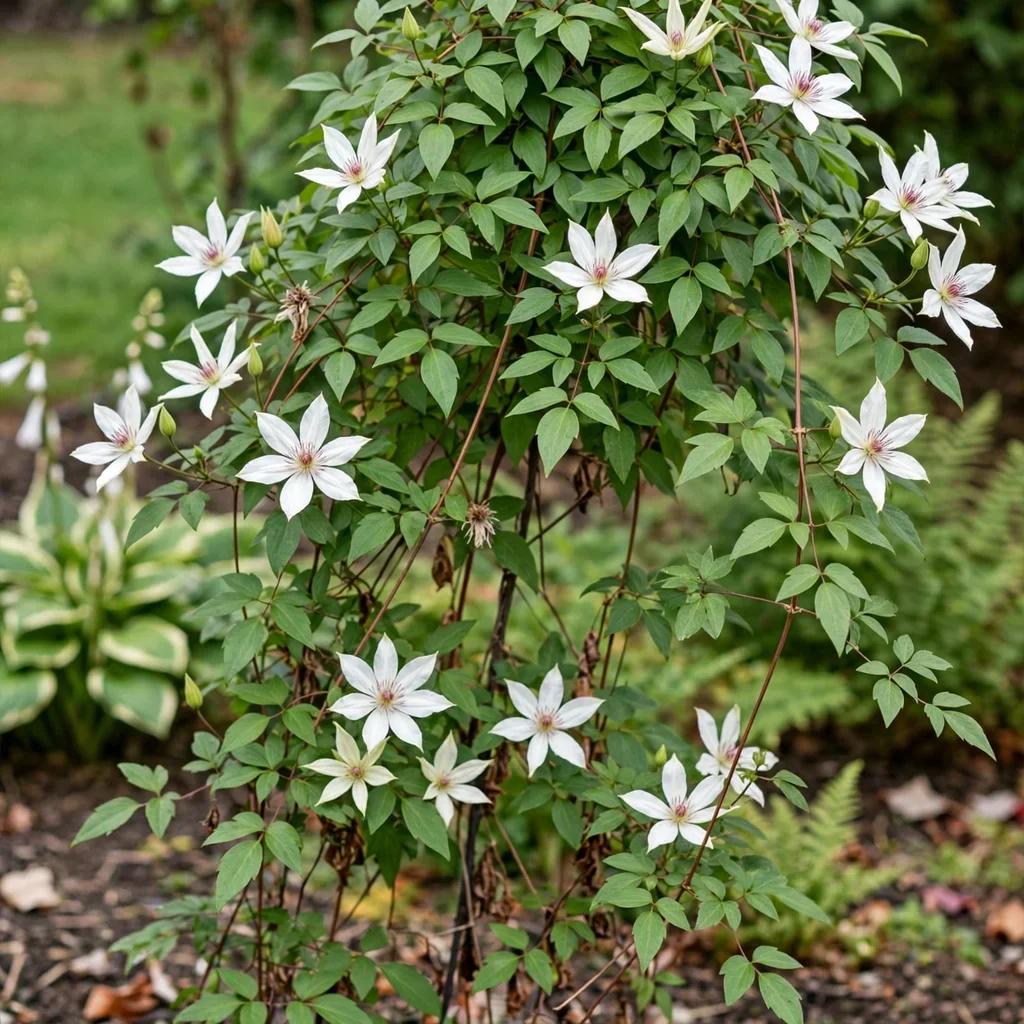
Clematis urophylla is a perennial woody climbing vine native to forest margins and mountain slopes across southern China. It uses twining leaf petioles to scale surrounding vegetation, producing dark green pinnate foliage with elongated drip-tips.
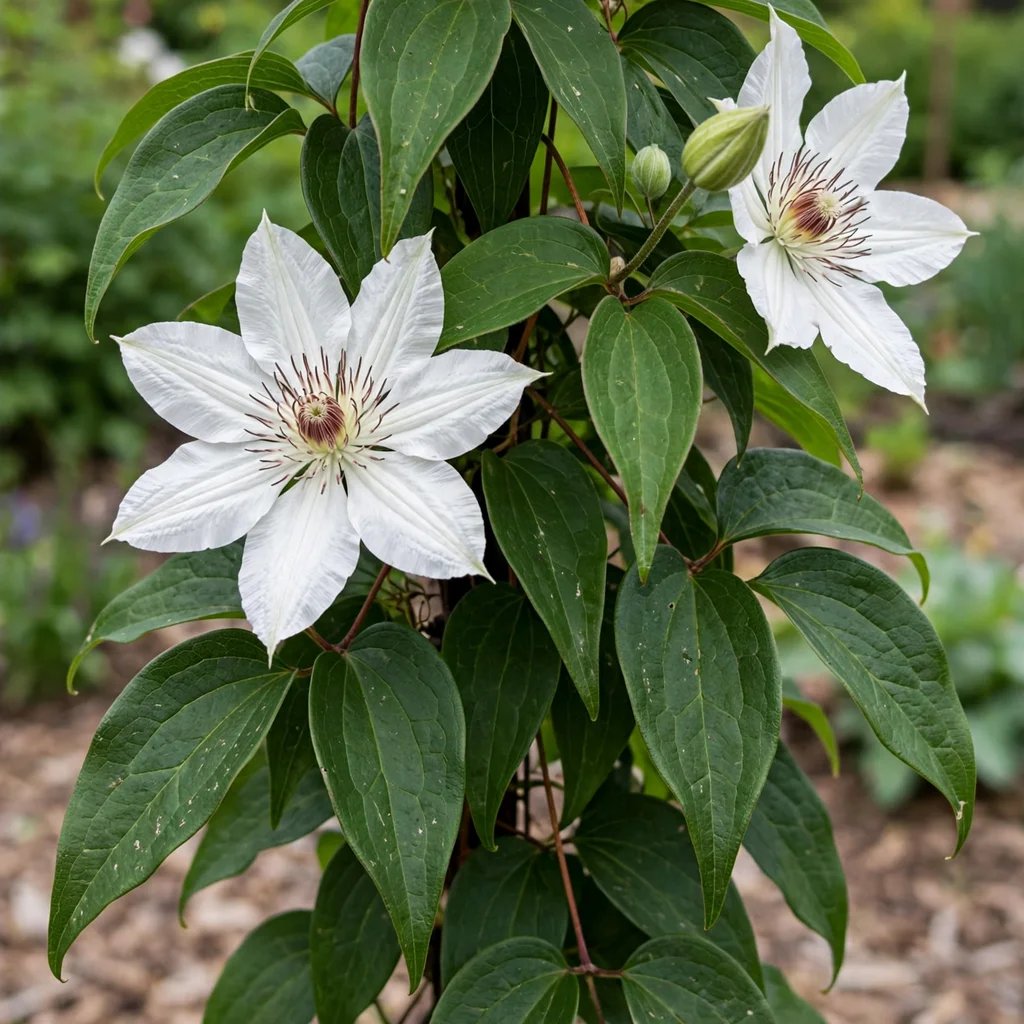
'Fuyu-no-tabi' is a Japanese hybrid selection that produces large, creamy-white flowers accented by prominent dark maroon anthers. It delivers a primary bloom display in early summer and repeat-blooms intermittently through fall.
Uses & Benefits:
Essentials
At a Glance
Plant Type
Vine
Height
120"
Width
60"
Light
Full Sun, Partial Sun
Zones
4, 5, 6, 7, 8, 9, 10
Water
Medium
Humidity
Moderate
Lifespan
Perennial
Native To
Asia
Toxicity
High
Bloom period
Early summer – Fall
In flower about 6 months of the year
Planting
How to Grow
- Select a site providing partial shade or full sun with shaded roots.
- Dig a planting hole twice as wide as the root ball and enrich with organic matter.
- Set the plant crown two inches below the soil line to encourage basal buds.
- Install a sturdy trellis or support wire structure for petioles to twine.
- Apply a deep layer of organic mulch around the root zone, keeping clear of the stems.
Pro Tip
Keep the root zone shaded with deep mulch or low companion plantings, and cut back stems to strong buds in late winter without pruning into old bare wood.
Keep It Thriving
Care Guide
Do
- Keep soil consistently moist, especially during active summer growth.
- Mulch heavily around the base to maintain cool root temperatures.
- Prune according to Group 2 rules in late winter to preserve flowering wood.
Don't
- Do not allow the root zone to dry out completely.
- Do not prune harshly down to ground level in winter, as this removes early flower buds.
- Do not plant in waterlogged soils lacking clear drainage.
Seasonal Care Calendar
| Task | Jan | Feb | Mar | Apr | May | Jun | Jul | Aug | Sep | Oct | Nov | Dec |
|---|---|---|---|---|---|---|---|---|---|---|---|---|
| Fertilize | ||||||||||||
| Mulch | ||||||||||||
| Pest Check | ||||||||||||
| Prune |
Watch Out For
Pests & Diseases
Common Pests
Common Diseases
In the Garden
Landscape Uses & Companions
Landscape Uses
Companion Plants
Multiply
Propagation Methods
Good to Know
Common Questions
Fuyu-no-tabi Clematis questions
What zones can Fuyu-no-tabi Clematis grow in?
Fuyu-no-tabi Clematis is hardy in USDA Zones 4–10: in that range it survives winter in the ground.
Is Fuyu-no-tabi Clematis deer resistant?
Not reliably. Deer may browse Fuyu-no-tabi Clematis, especially tender spring growth — plan on repellents or fencing where pressure is high.
When does Fuyu-no-tabi Clematis bloom?
Fuyu-no-tabi Clematis typically blooms from summer to fall. Exact timing shifts a week or two with your zone — Sow's bloom calendar maps it to your garden.
Does Fuyu-no-tabi Clematis need full sun?
Fuyu-no-tabi Clematis does best in full sun to part shade. In hot climates, afternoon shade keeps blooms fresher longer.
More Clematis to compare
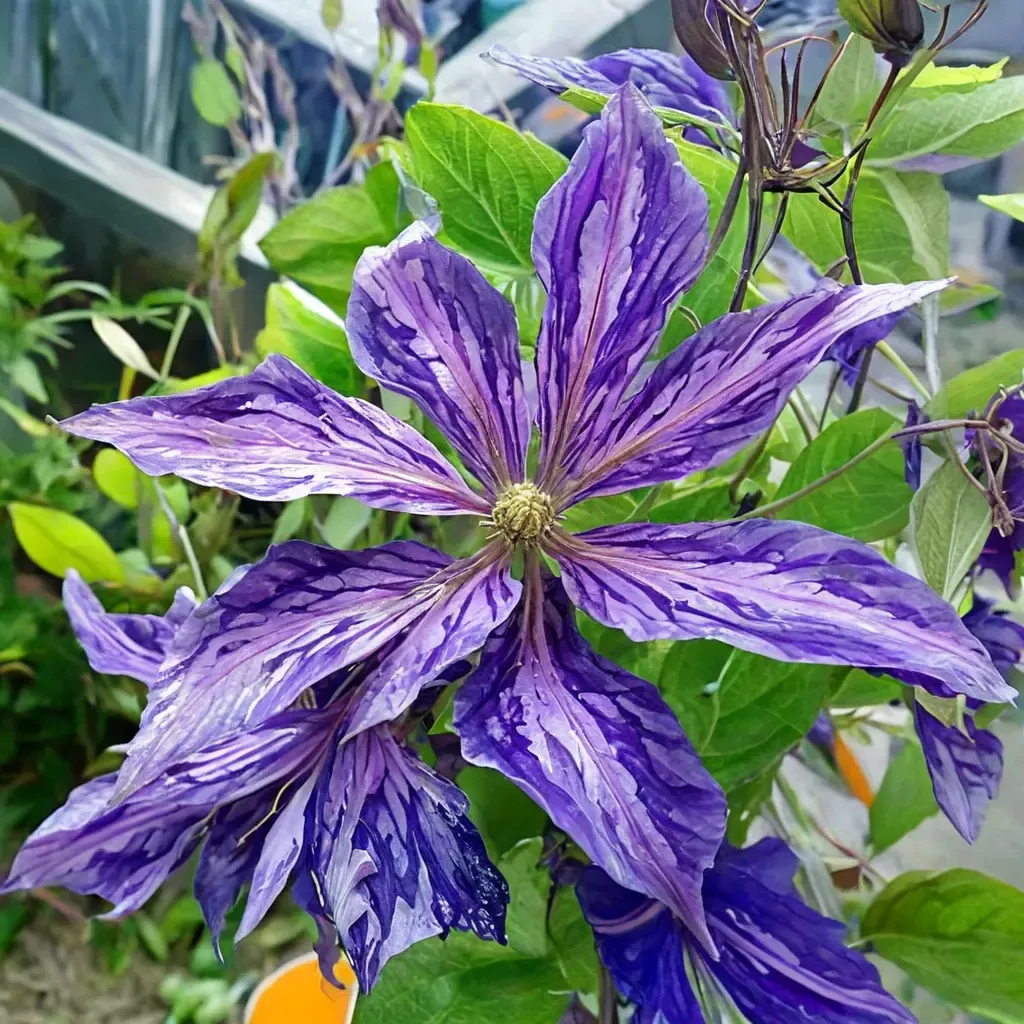
Tie Dye Clematis
Clematis viticella 'Tie Dye'
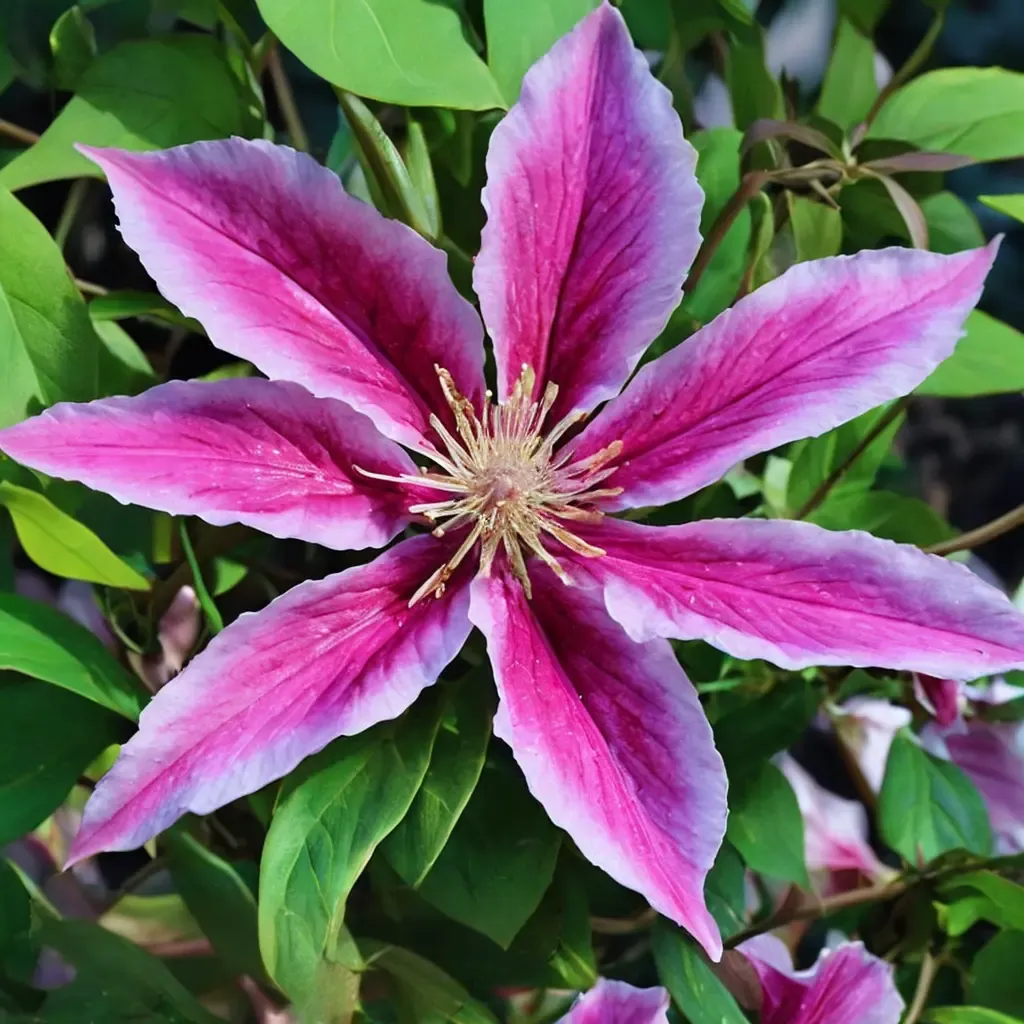
Dr. Ruppel Clematis
Clematis x jackmanii 'Dr Ruppel'
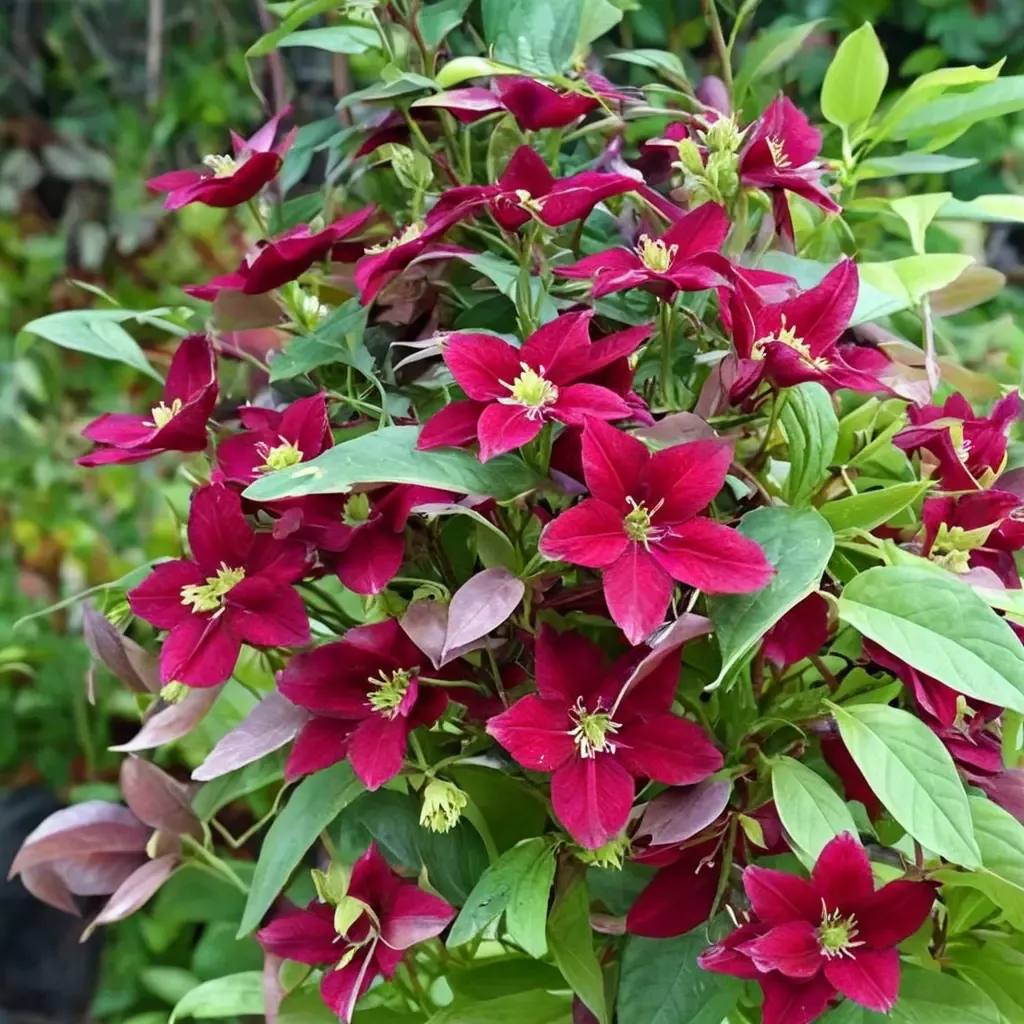
Burning Love Clematis
Clematis x cartmanii 'Burning Love'
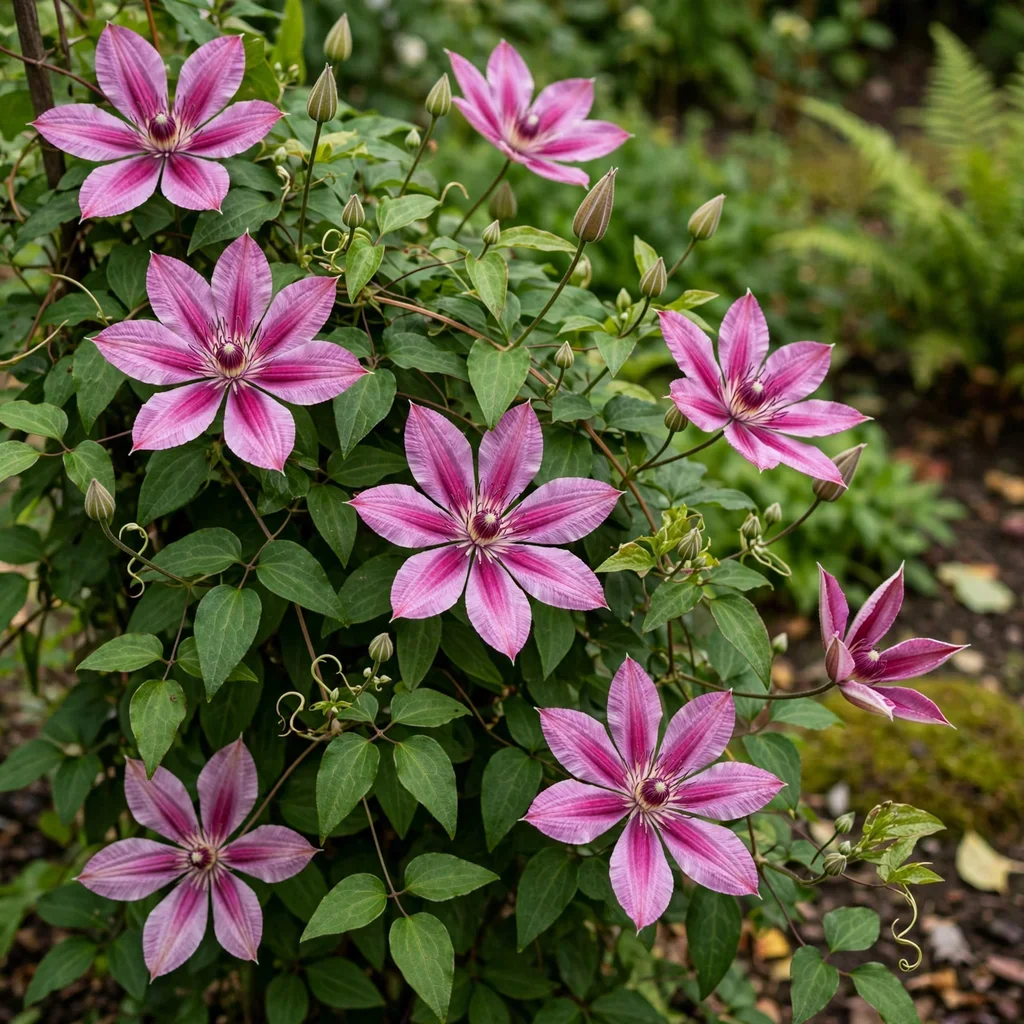
Yuan Clematis
Clematis viticella 'Yuan'
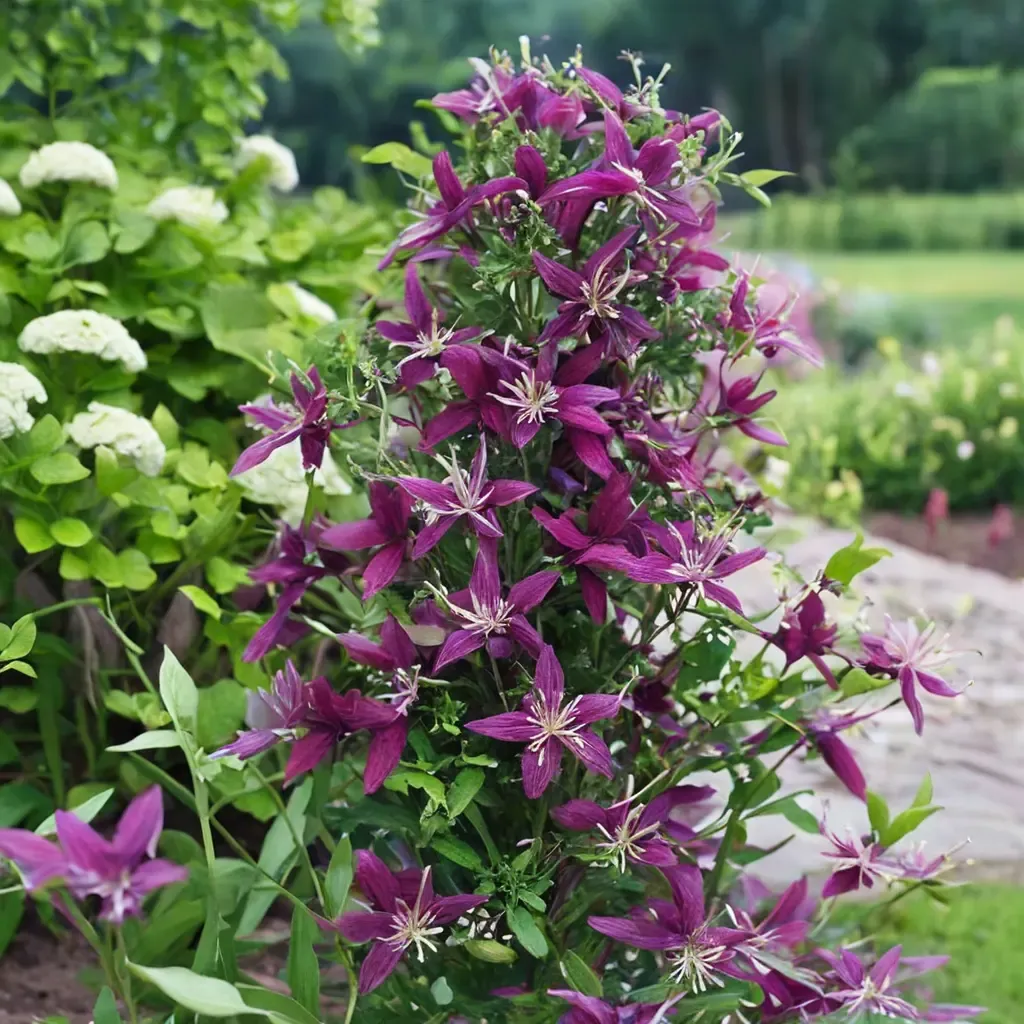
Sweet Summer Love Clematis
Clematis x hybrida 'Sweet Summer Love'
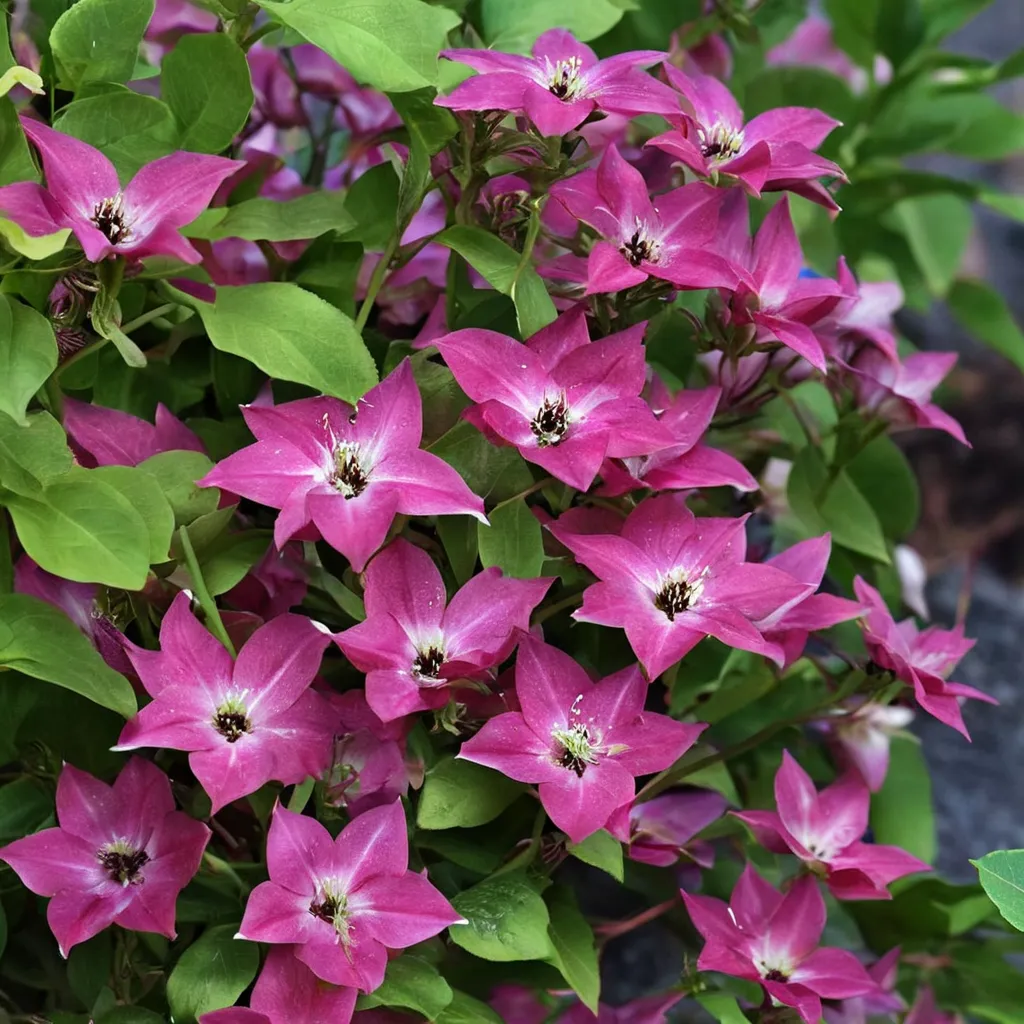
Viva Polonia Clematis
Clematis x hybrida 'Viva Polonia'
Keep exploring
Grow Fuyu-no-tabi Clematis with confidence
See it in a design of your actual yard, get zone-matched care reminders, and track it season by season in your garden journal.