The Story
Plant Bio
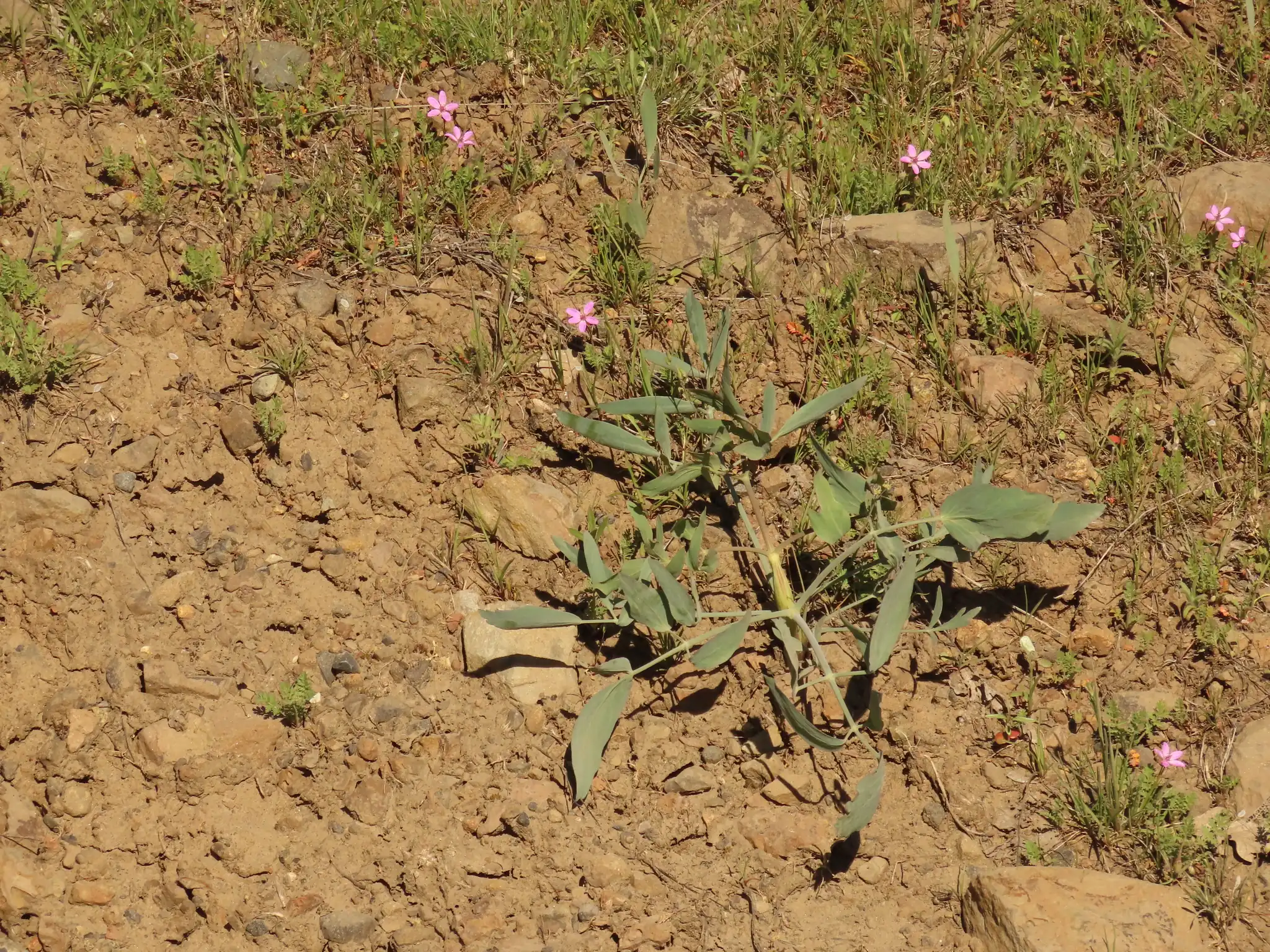
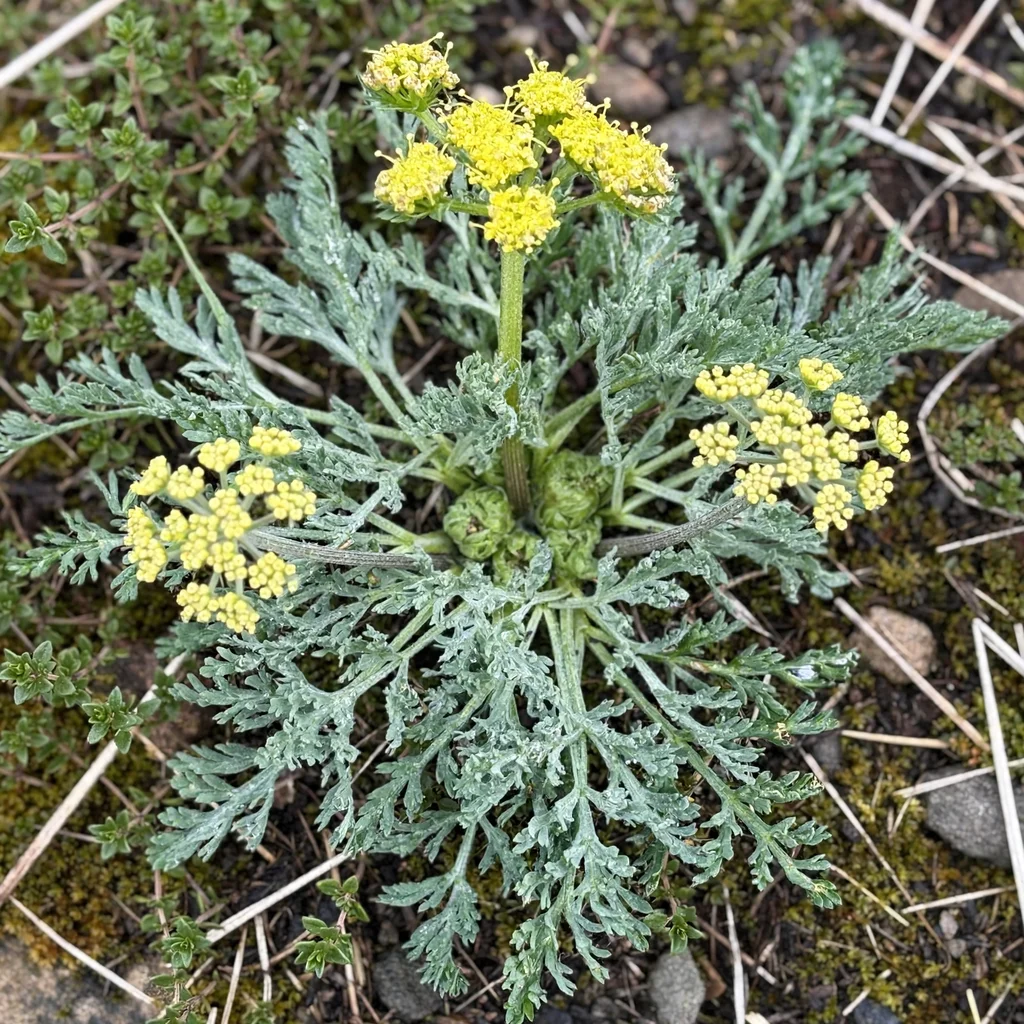
Lomatium nudicaule is a deep-taprooted herbaceous perennial native to dry slopes, grasslands, and yellow pine forests across western North America. It forms a basal rosette of glaucous, gray-green compound leaves from which leafless scapes emerge bearing compound umbels of tiny sulphur-yellow flowers.
The species is characterized by its smooth, oversized egg-shaped leaflets and distinctively swollen stalk tops directly below each flower head. It functions as an essential larval host plant for the anise swallowtail butterfly while demonstrating high drought tolerance once established.
Uses & Benefits:
Essentials
At a Glance
Plant Type
Perennial
Height
24"
Width
24"
Light
Full Sun, Partial Sun
Zones
5, 6, 7, 8
Water
Low
Humidity
Low
Lifespan
Perennial
Native To
Western North America
Toxicity
Non-toxic (sap may cause skin sensitivity)
Bloom period
Spring – Early summer
In flower about 4 months of the year
Planting
How to Grow
- Select a site in full sun or light deciduous shade with gritty, sharply draining soil.
- Plant container stock gently without disturbing, bending, or breaking the taproot.
- Water moderately during the first month after planting to establish the root system, then cease supplemental watering.
- Allow foliage to completely yellow and die back naturally in midsummer before clearing spent scapes.
Pro Tip
Avoid all summer irrigation once established, as soil moisture during high-temperature dormancy invariably triggers fatal crown and root rot.
Keep It Thriving
Care Guide
Do
- Ensure soils provide exceptional drainage away from the crown
- Allow leaves to wither fully before removing top growth
- Position in full sun for maximum stem strength
Don't
- Do not attempt to divide or transplant mature specimens
- Do not apply summer irrigation or heavy organic mulch
- Do not prune into old leafless root crowns
Seasonal Care Calendar
| Task | Jan | Feb | Mar | Apr | May | Jun | Jul | Aug | Sep | Oct | Nov | Dec |
|---|---|---|---|---|---|---|---|---|---|---|---|---|
| Pest Check | ||||||||||||
| Plant | ||||||||||||
| Prune | ||||||||||||
| Spring Cleanup |
Watch Out For
Pests & Diseases
Common Pests
Common Diseases
In the Garden
Landscape Uses & Companions
Landscape Uses
Multiply
Propagation Methods
Good to Know
Common Questions
Barestem Biscuitroot questions
What zones can Barestem Biscuitroot grow in?
Barestem Biscuitroot is hardy in USDA Zones 5–8: in that range it survives winter in the ground. Colder than Zone 5, grow it in a container you can move to shelter for the winter, or as an annual. Warmer than Zone 8, winter isn't the problem: it prefers colder winters, and summer heat can shorten its life.
Is Barestem Biscuitroot deer resistant?
Yes — Barestem Biscuitroot is rated deer-resistant. Deer typically pass it over, though extreme hunger can override any plant's defenses.
When does Barestem Biscuitroot bloom?
Barestem Biscuitroot typically blooms from early spring to early summer. Exact timing shifts a week or two with your zone — Sow's bloom calendar maps it to your garden.
Does Barestem Biscuitroot need full sun?
Barestem Biscuitroot does best in full sun to part shade. In hot climates, afternoon shade keeps blooms fresher longer.
Is Barestem Biscuitroot drought tolerant?
Yes — once established (usually after the first full season), Barestem Biscuitroot handles dry spells with minimal watering. Water deeply its first year to build the root system that makes that possible.
More Lomatium to compare
Keep exploring
Explore the genus
Hardy in your zone?
Grow Barestem Biscuitroot with confidence
See it in a design of your actual yard, get zone-matched care reminders, and track it season by season in your garden journal.