The Story
Plant Bio
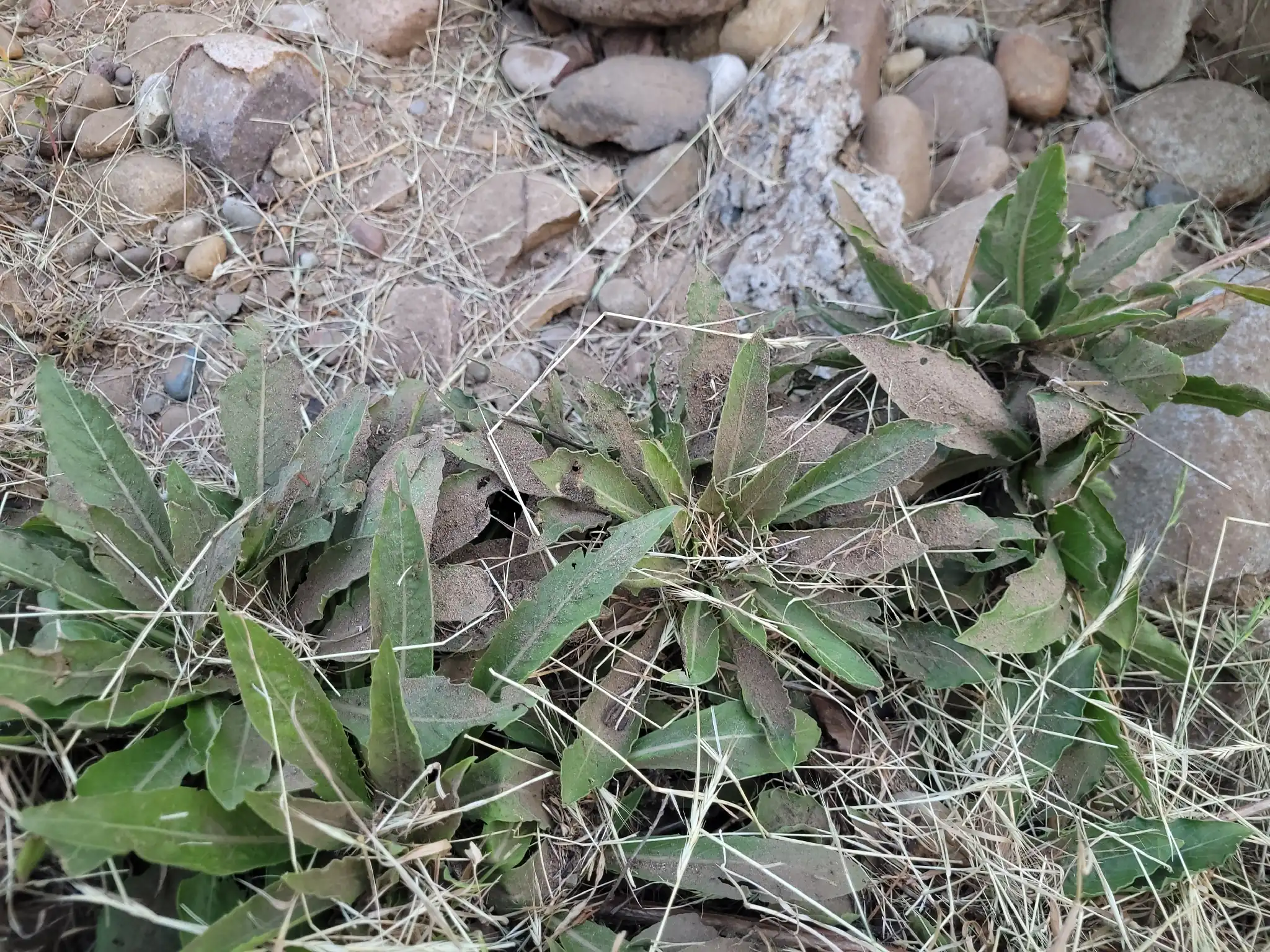
Oenothera elata is an erect biennial or short-lived perennial native to western and central North America, forming a basal rosette before pushing up stout, often reddish stems. The foliage consists of long, narrow, lanceolate leaves with wavy margins that remain low during the plant's first season.
Large, fragrant yellow flowers up to four inches wide open rapidly at dusk and fade to orange or red by the following morning. Each blossom features four wide petals, prominent yellow stamens, and a distinct cross-shaped pistil arranged along a leafy upper terminal spike.
Uses & Benefits:
Essentials
At a Glance
Plant Type
Perennial
Height
94"
Width
35"
Light
Full Sun
Zones
4, 5, 6, 7, 8, 9
Water
Low to Medium
Humidity
Moderate
Lifespan
Biennial / Perennial
Native To
North America
Toxicity
Non-toxic
Bloom period
Late spring – Fall
In flower about 7 months of the year
Planting
How to Grow
- Select a site in full sun with neutral to alkaline, well-draining soil.
- Space plants 18 to 36 inches apart to accommodate their mature height and spread.
- Water deep after planting until established, then reduce irrigation to match natural rainfall.
- Cut back spent flowering stalks late in the season after seed pods mature.
Pro Tip
Do not fertilize established plants; excess nutrients induce weak, leggy stems that lodge under the weight of late-summer blooms.
Keep It Thriving
Care Guide
Do
- Provide full sun exposure to ensure sturdy stem growth and prolific blooming.
- Ensure soil drains freely to prevent root rot during wet winter months.
- Allow self-sown seedlings to remain if naturalizing a wild meadow space.
Don't
- Do not overwater or plant in poorly drained depressions.
- Do not cut into old, leafless woody stem bases when tidying plants.
- Do not heavy-feed with nitrogen fertilizers.
Seasonal Care Calendar
| Task | Jan | Feb | Mar | Apr | May | Jun | Jul | Aug | Sep | Oct | Nov | Dec |
|---|---|---|---|---|---|---|---|---|---|---|---|---|
| Pest Check | ||||||||||||
| Plant | ||||||||||||
| Prune | ||||||||||||
| Spring Cleanup |
Watch Out For
Pests & Diseases
Common Pests
Common Diseases
In the Garden
Landscape Uses & Companions
Landscape Uses
Multiply
Propagation Methods
Good to Know
Common Questions
Hooker's Evening Primrose questions
What zones can Hooker's Evening Primrose grow in?
Hooker's Evening Primrose is hardy in USDA Zones 4–9: in that range it survives winter in the ground. Warmer than Zone 9, winter isn't the problem: it prefers colder winters, and summer heat can shorten its life.
Is Hooker's Evening Primrose deer resistant?
Not reliably. Deer may browse Hooker's Evening Primrose, especially tender spring growth — plan on repellents or fencing where pressure is high.
When does Hooker's Evening Primrose bloom?
Hooker's Evening Primrose typically blooms from late spring to late fall. Exact timing shifts a week or two with your zone — Sow's bloom calendar maps it to your garden.
Does Hooker's Evening Primrose need full sun?
Hooker's Evening Primrose does best in full sun (6+ hours).
Is Hooker's Evening Primrose drought tolerant?
Yes — once established (usually after the first full season), Hooker's Evening Primrose handles dry spells with minimal watering. Water deeply its first year to build the root system that makes that possible.
More Oenothera to compare
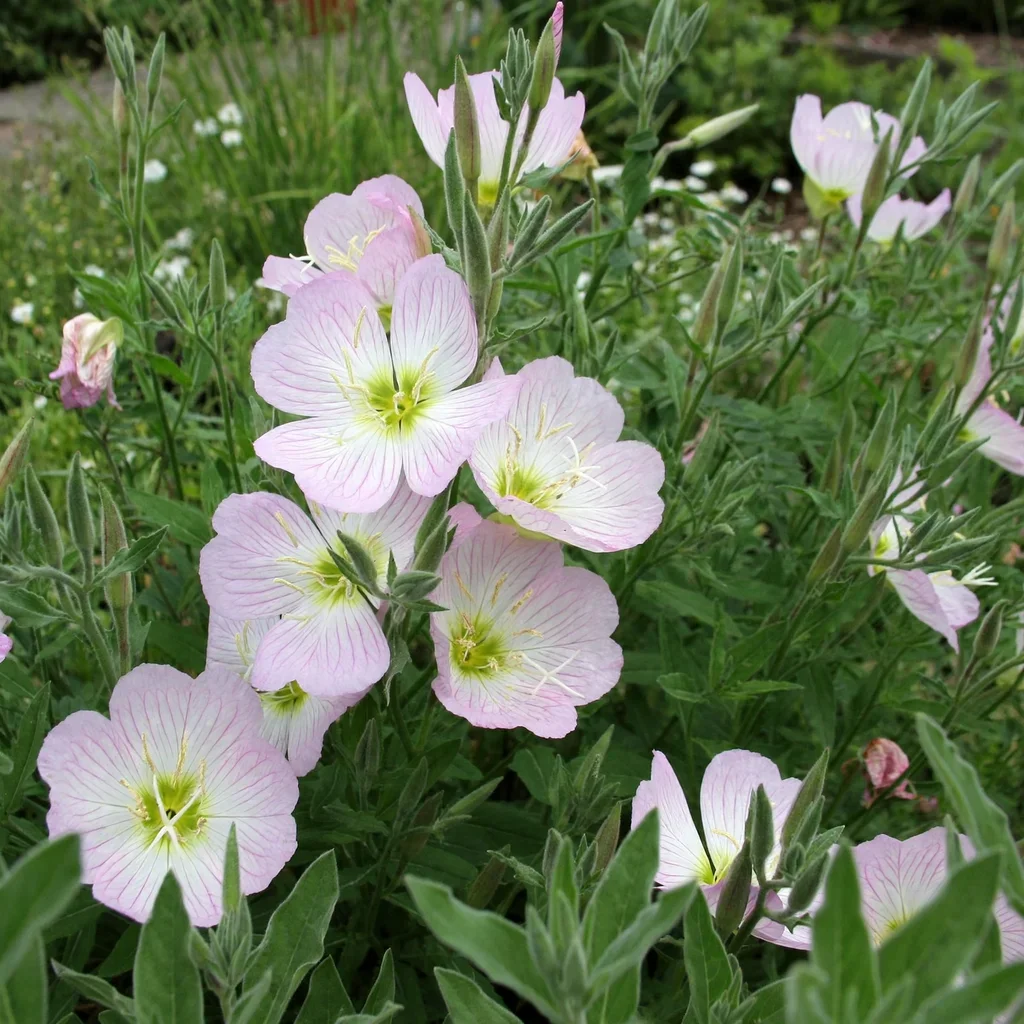
Pink Evening Primrose
Oenothera speciosa
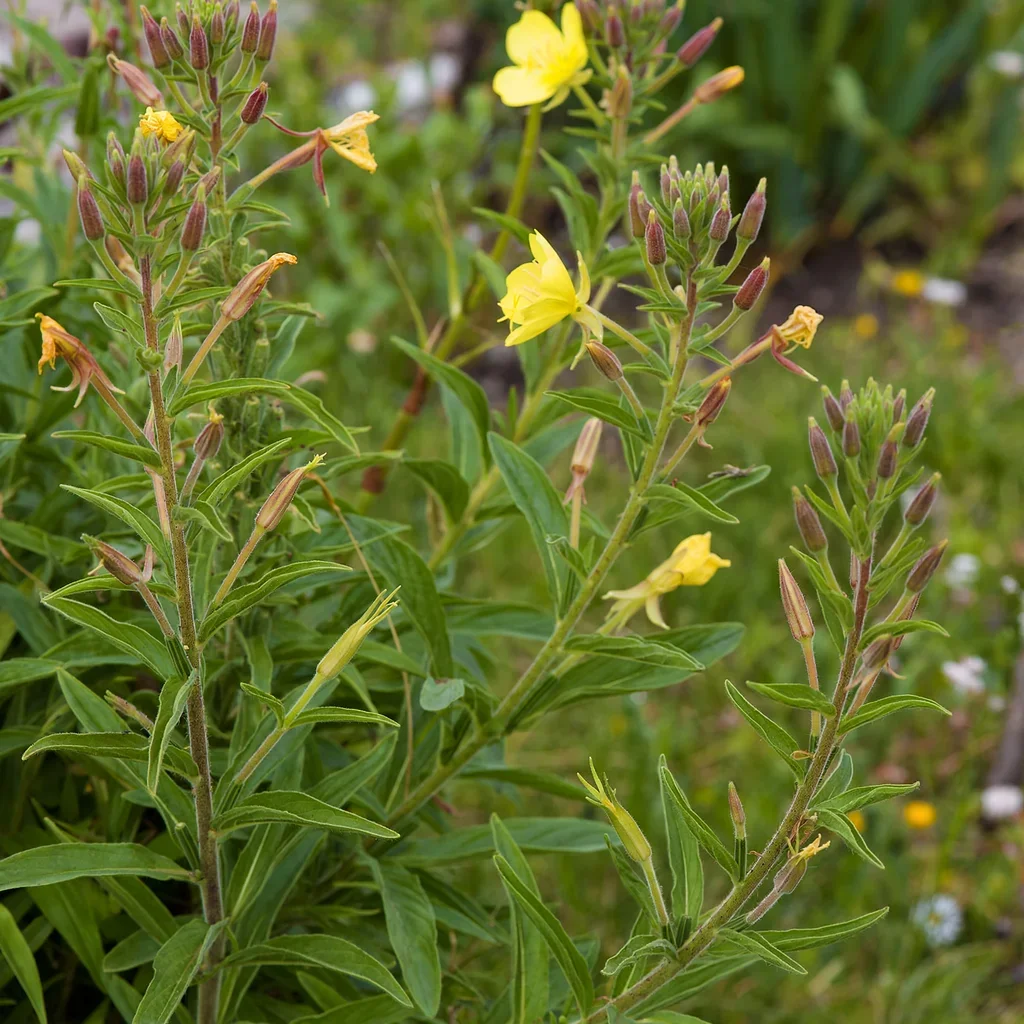
Evening Primrose
Oenothera biennis
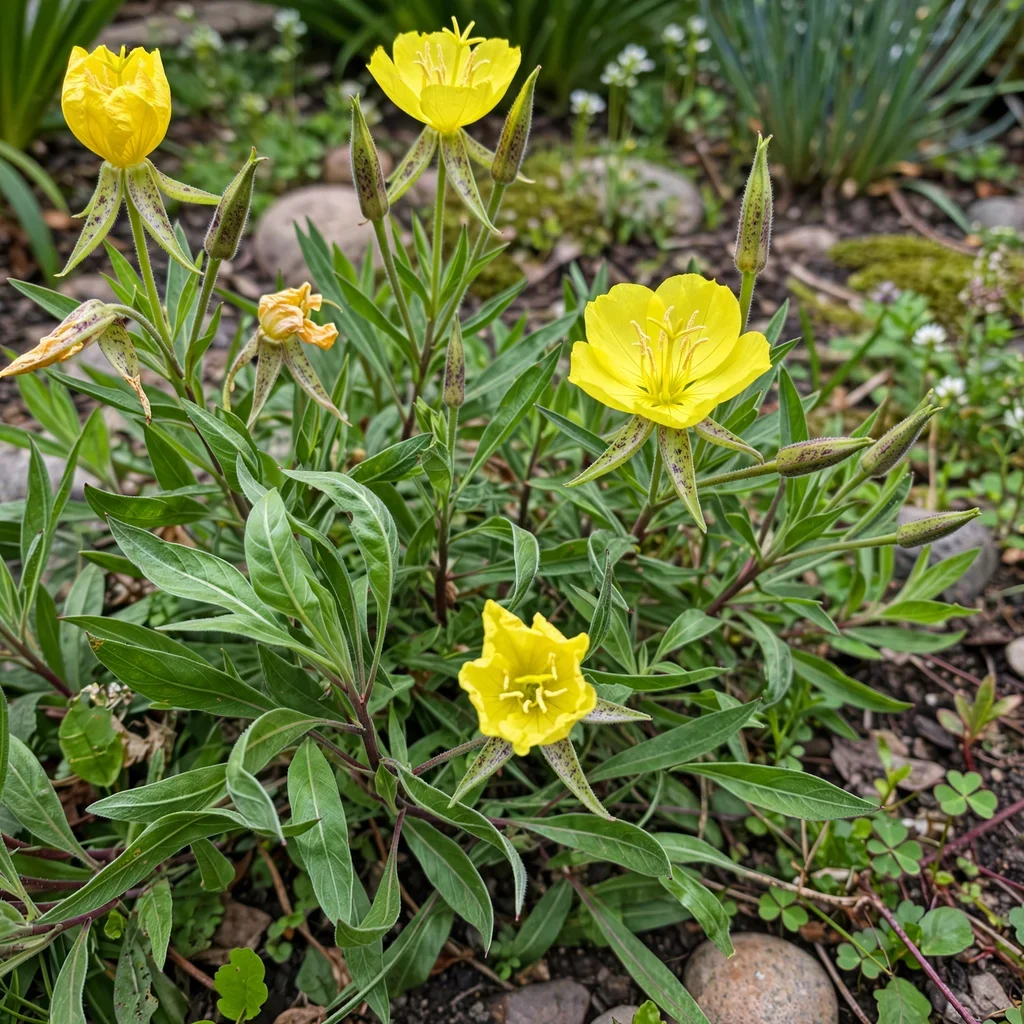
Missouri Evening Primrose Giant Evening Primrose
Oenothera macrocarpa
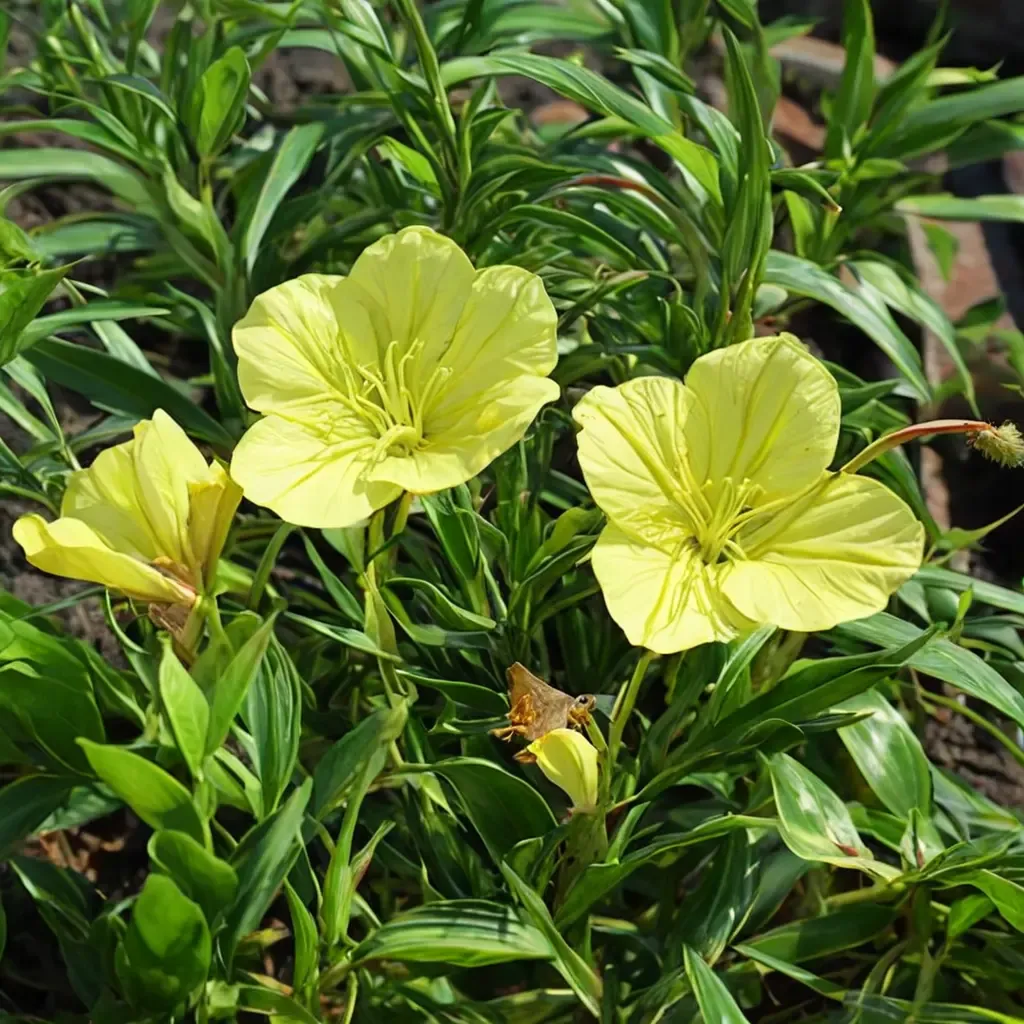
Ozark Sundrop
Oenothera missouriensis 'Ozark Sundrop'
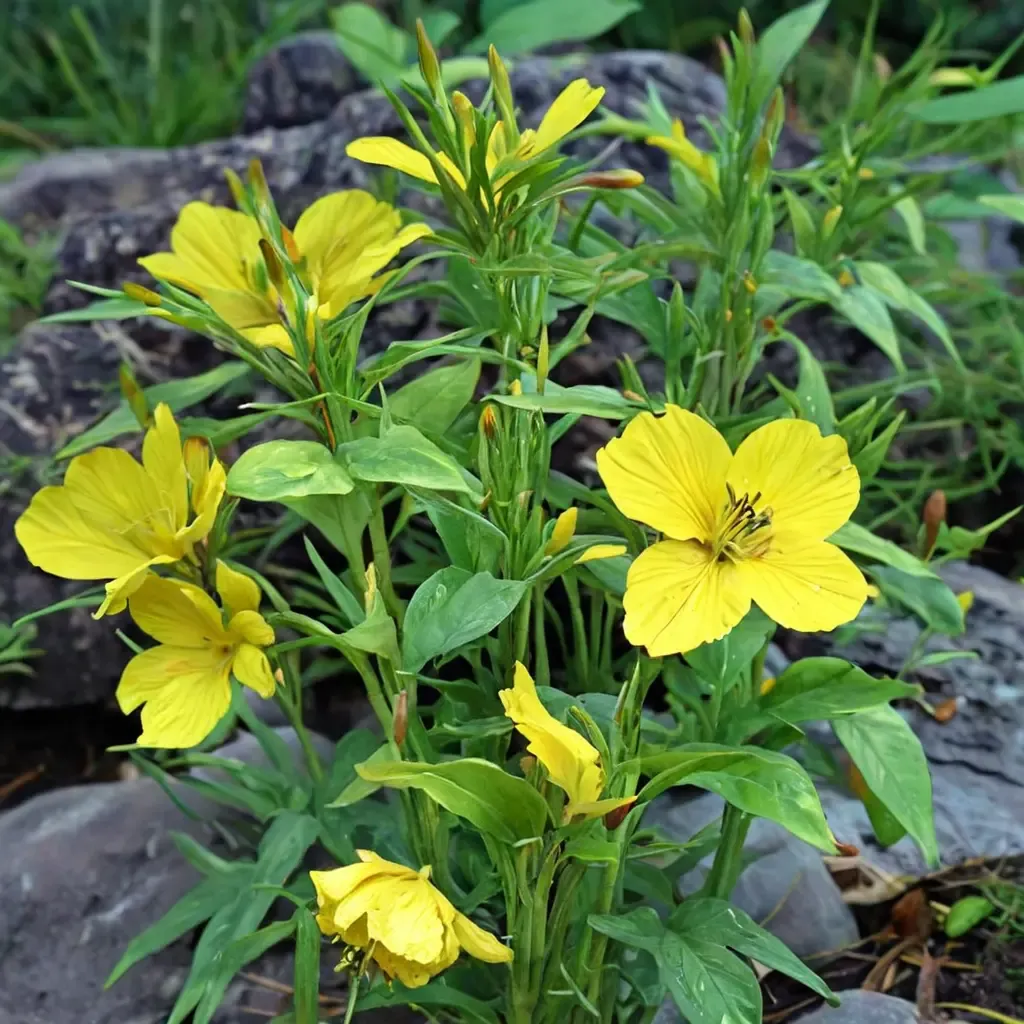
Native Yellow Sundrops
Oenothera fruticosa 'Native Yellow Bellflower'
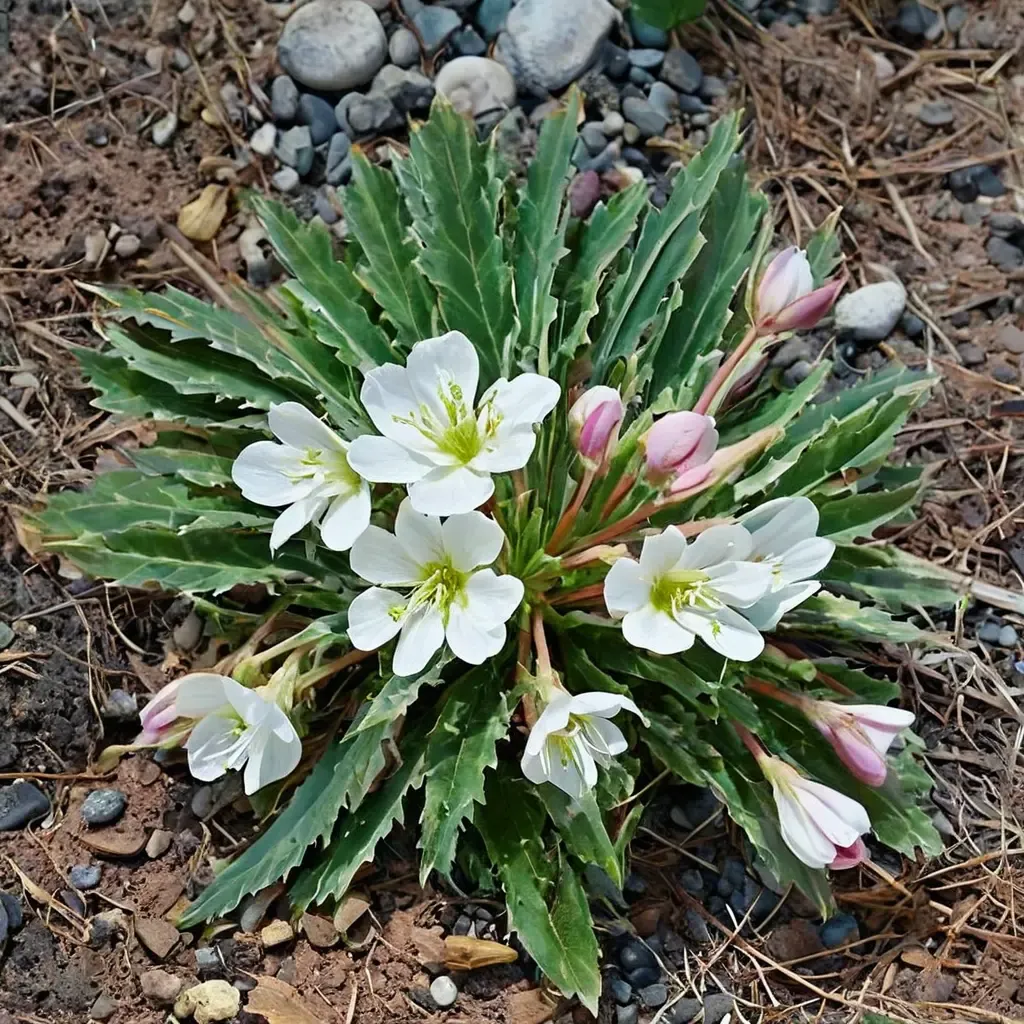
Tufted Evening Primrose
Oenothera caespitosa
Keep exploring
Explore the genus
Grow Hooker's Evening Primrose with confidence
See it in a design of your actual yard, get zone-matched care reminders, and track it season by season in your garden journal.