The Story
Plant Bio
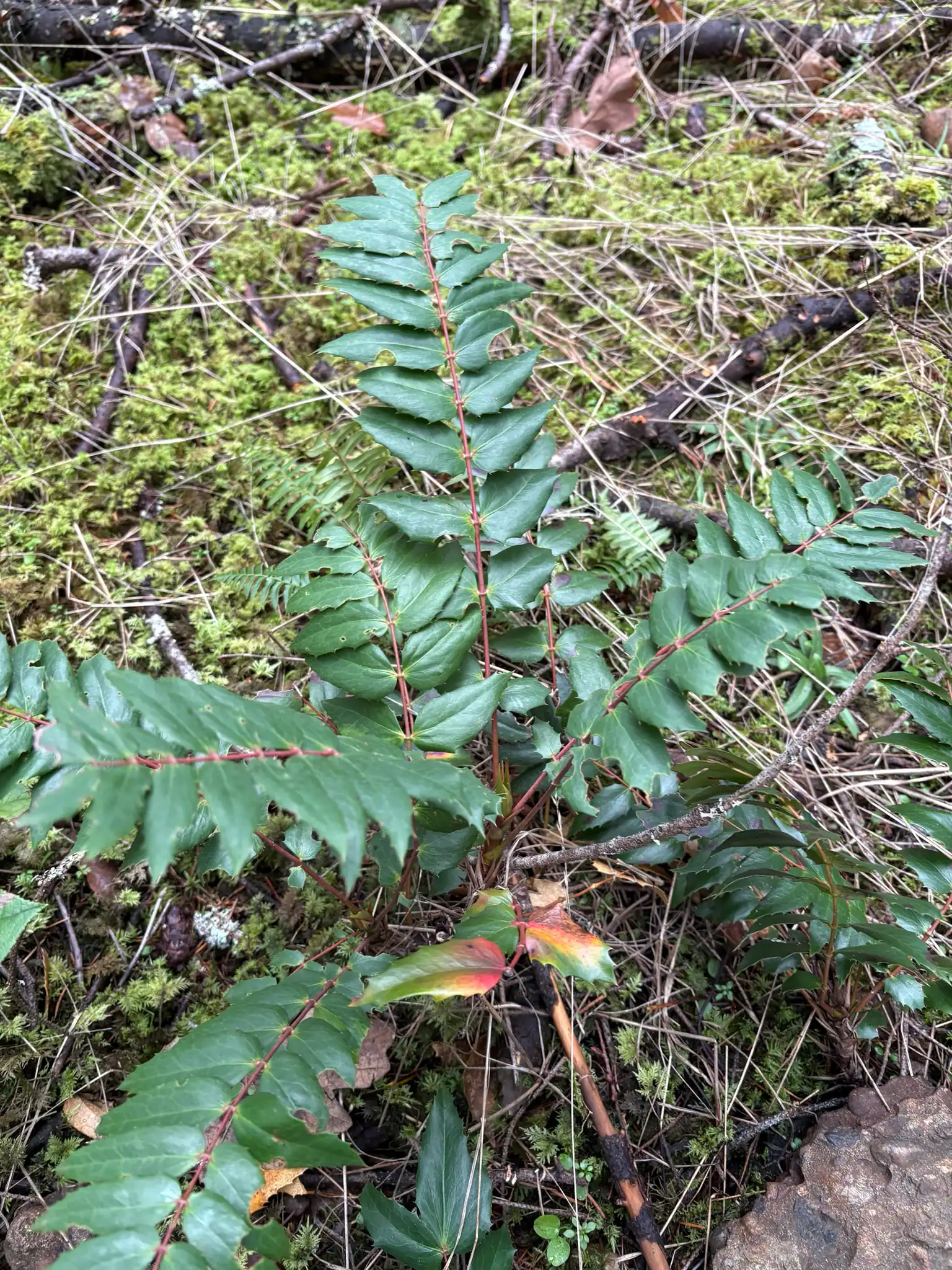
Berberis nervosa is a low-growing, evergreen understory shrub native to western North America, expanding outward via lateral underground rhizomes to form open colonies. It features pinnately compound, dark green leathery leaves with spiny margins that emerge coppery-bronze before turning deep green.
Unlike other species in the genus, each leaflet features three to eight prominent palmate veins radiating from the base. Bright yellow flowers emerge in erect terminal clusters during spring, followed by dark blue, tart berries in summer.
Uses & Benefits:
Essentials
At a Glance
Plant Type
Shrub
Height
24"
Width
39"
Light
Partial Sun, Shade
Zones
5, 6, 7, 8, 9
Water
Low to moderate
Humidity
Sensitive to dry winds
Lifespan
Perennial
Native To
Pacific Northwest North America
Toxicity
Roots contain berberine; non-toxic foliage/berries
Bloom period
Spring – Late spring
In flower about 3 months of the year
Planting
How to Grow
- Select a position in partial to full shade with acidic, rich, well-drained soil.
- Incorporate compost or leaf mold into the planting hole to improve organic structure.
- Space plants 2 to 3 feet apart to allow lateral rhizomes space to colonize.
- Water regularly during the first two growing seasons until underground rhizomes establish.
Pro Tip
Plant in shaded, well-drained acidic soil and avoid cutting back hard into old, leafless woody stems.
Keep It Thriving
Care Guide
Do
- Provide dappled or deep shade to prevent leaf scorch.
- Apply an annual topdressing of organic leaf mold around the base.
- Ensure soil remains free-draining to prevent root rot.
Don't
- Do not plant in full, direct sun or heavy compacted clay.
- Do not prune hard into leafless, woody stems.
- Do not apply heavy synthetic fertilizers.
Seasonal Care Calendar
| Task | Jan | Feb | Mar | Apr | May | Jun | Jul | Aug | Sep | Oct | Nov | Dec |
|---|---|---|---|---|---|---|---|---|---|---|---|---|
| Mulch | ||||||||||||
| Pest Check | ||||||||||||
| Prune | ||||||||||||
| Winter Prep |
Watch Out For
Pests & Diseases
Common Pests
Common Diseases
In the Garden
Landscape Uses & Companions
Landscape Uses
Companion Plants
Multiply
Propagation Methods
Good to Know
Common Questions
Cascade Oregon-Grape questions
What zones can Cascade Oregon-Grape grow in?
Cascade Oregon-Grape is hardy in USDA Zones 5–9: in that range it survives winter in the ground. Colder than Zone 5, grow it in a container you can move to shelter for the winter. Warmer than Zone 9, winter isn't the problem: it prefers colder winters, and summer heat can shorten its life.
Is Cascade Oregon-Grape deer resistant?
Yes — Cascade Oregon-Grape is rated deer-resistant. Deer typically pass it over, though extreme hunger can override any plant's defenses.
When does Cascade Oregon-Grape bloom?
Cascade Oregon-Grape typically blooms in spring. Exact timing shifts a week or two with your zone — Sow's bloom calendar maps it to your garden.
Does Cascade Oregon-Grape need full sun?
Cascade Oregon-Grape does best in part shade.
Is Cascade Oregon-Grape drought tolerant?
Yes — once established (usually after the first full season), Cascade Oregon-Grape handles dry spells with minimal watering. Water deeply its first year to build the root system that makes that possible.
More Berberis to compare
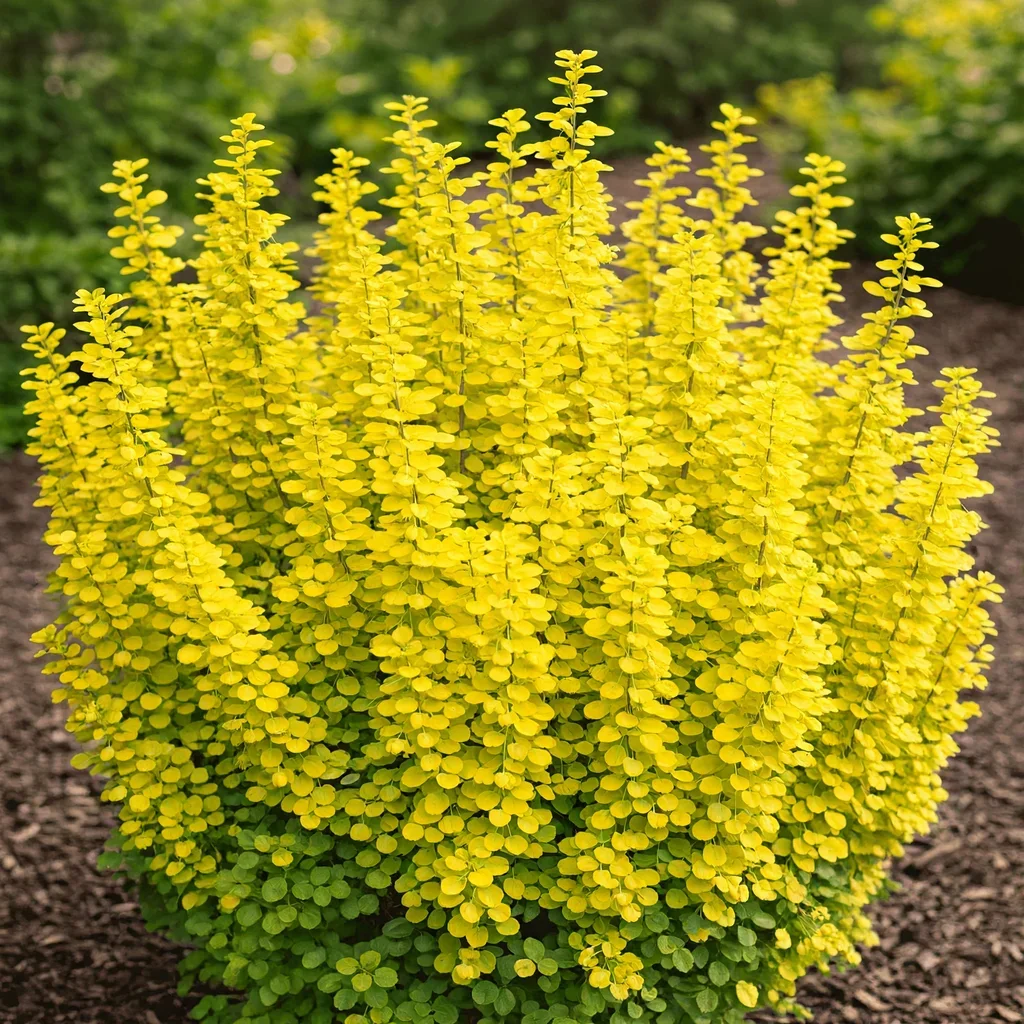
Gold Pillar Japanese Barberry
Berberis thunbergii 'Gold Pillar'
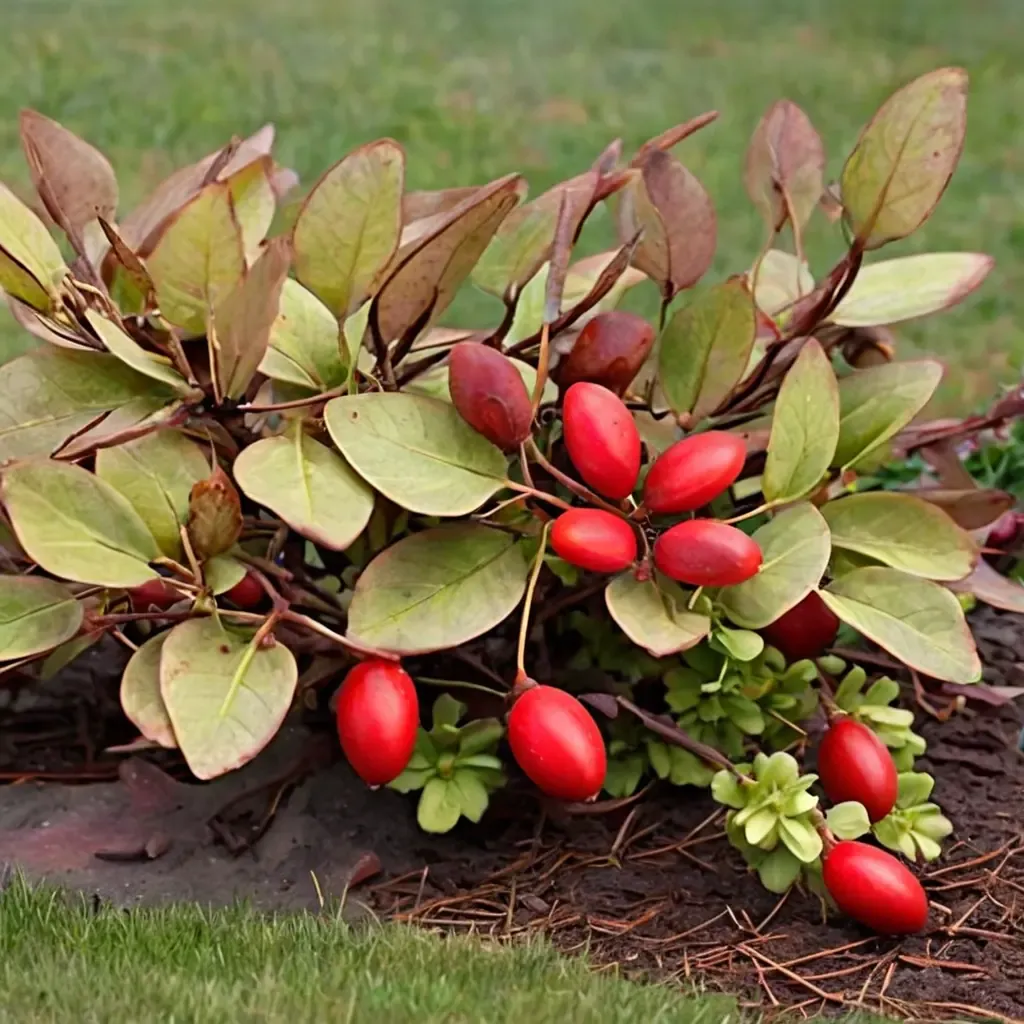
Japanese Barberry
Berberis thunbergii
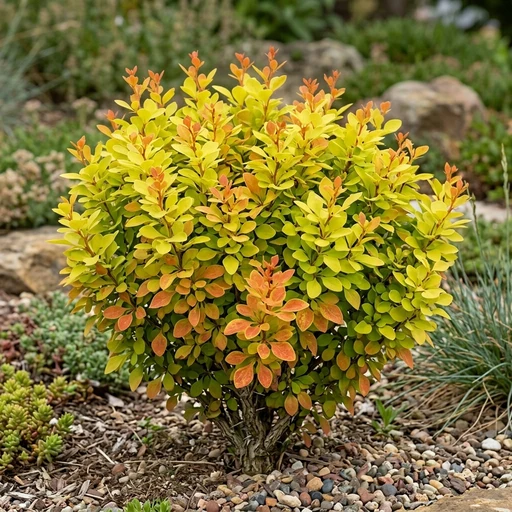
Sunjoy Neo Barberry
Berberis thunbergii 'Sunjoy Neo'
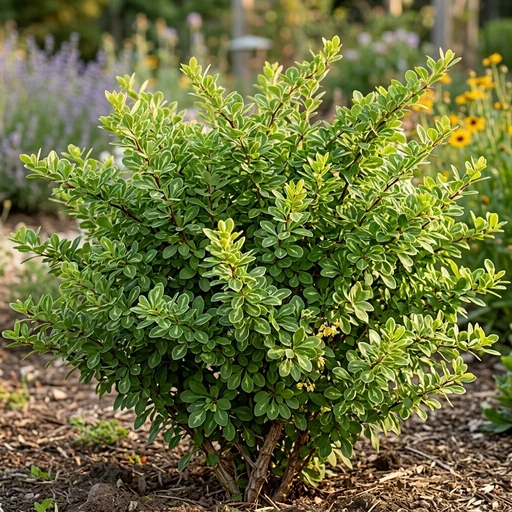
William Penn Barberry
Berberis gladwynensis 'William Penn'
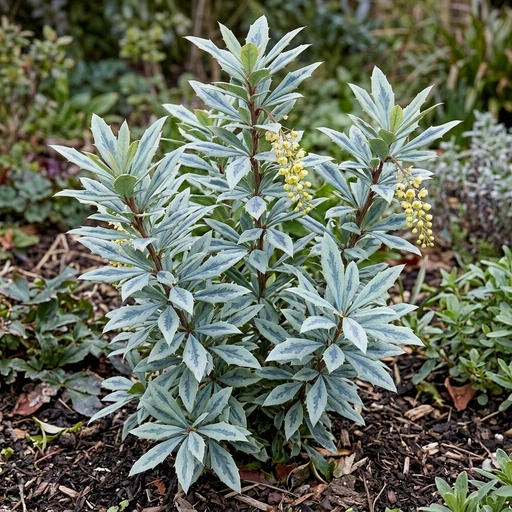
Winter Sun Oregon Grape
Berberis hortensis 'Winter Sun'
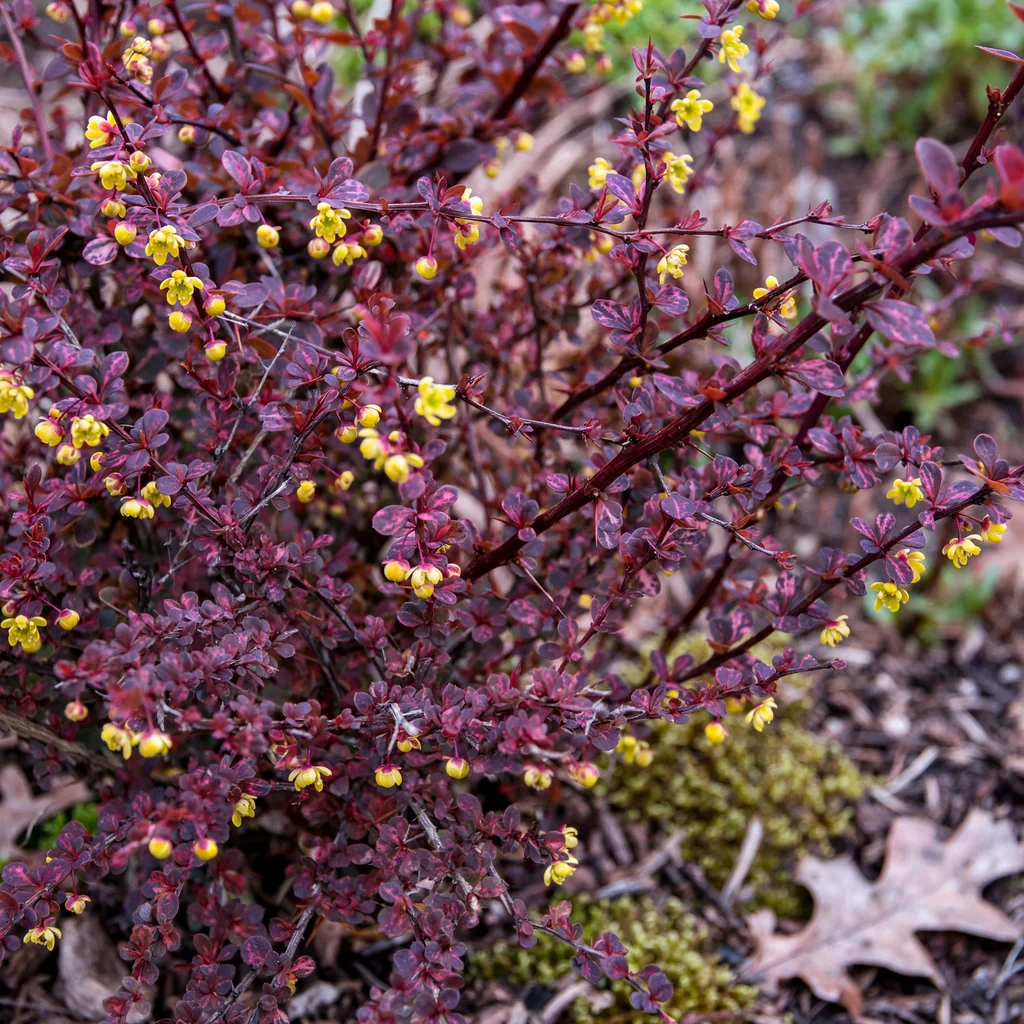
Japanese Barberry 'Atropurpurea'
Berberis thunbergii 'Atropurpurea'
Keep exploring
Explore the genus
Hardy in your zone?
Grow Cascade Oregon-Grape with confidence
See it in a design of your actual yard, get zone-matched care reminders, and track it season by season in your garden journal.