The Story
Plant Bio
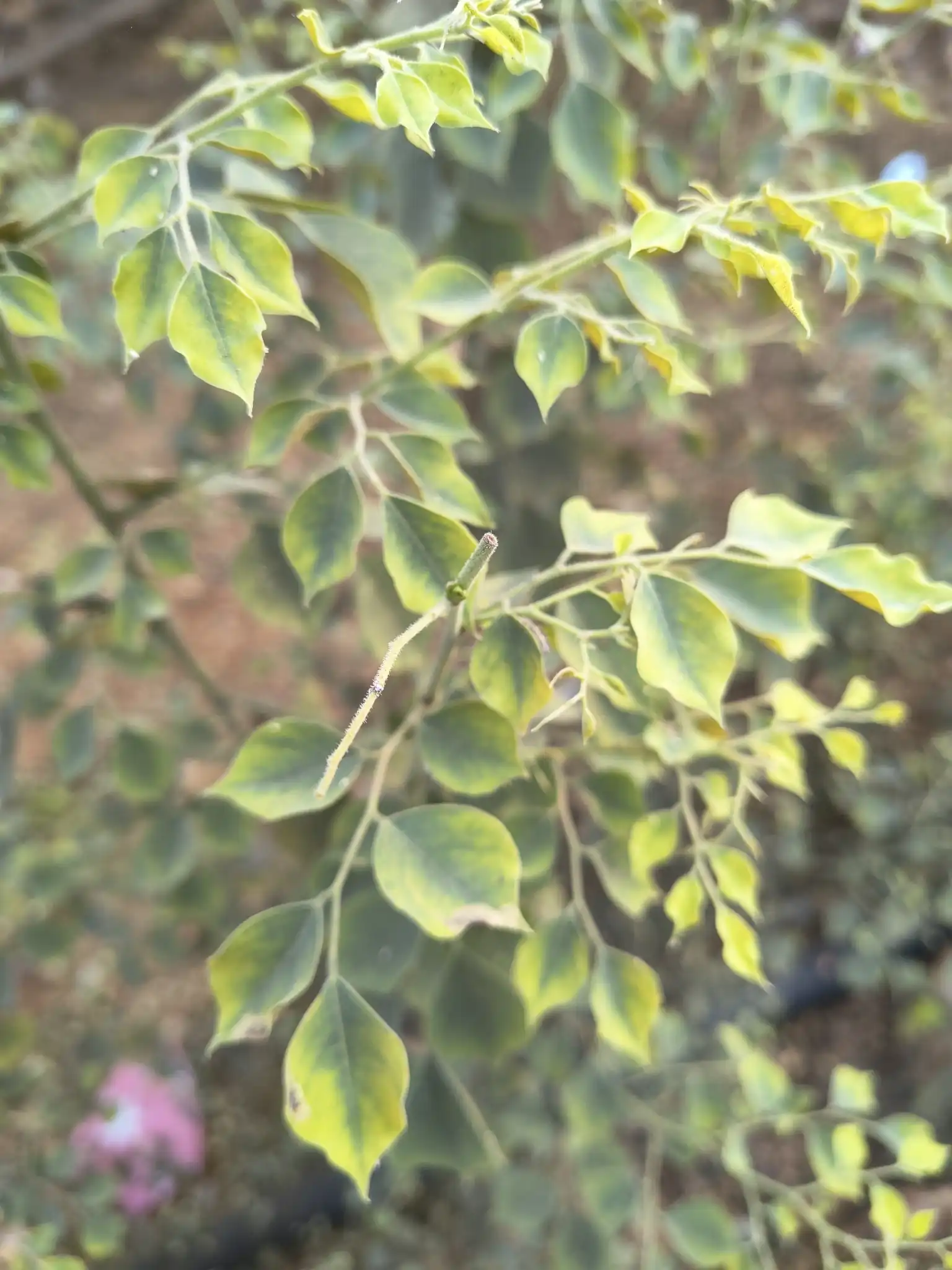
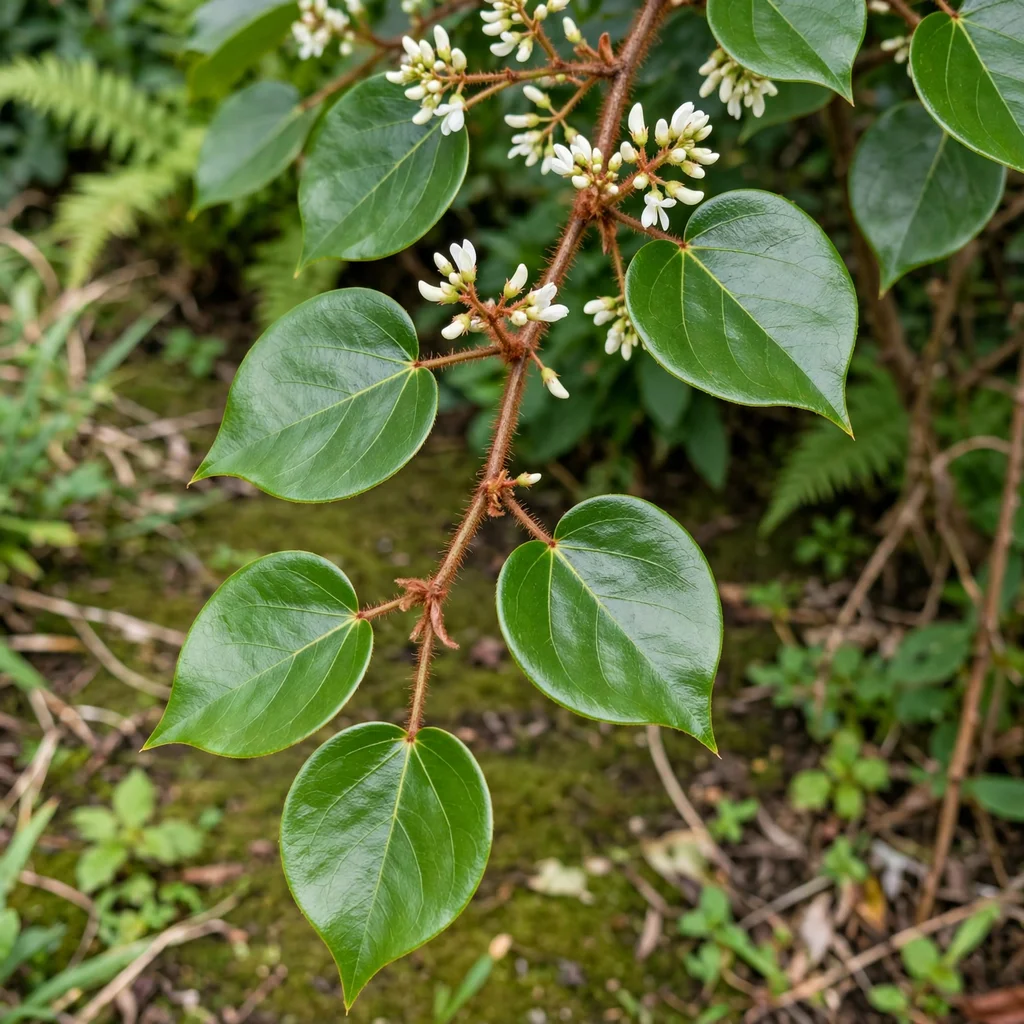
Dalbergia sissoo is a fast-growing deciduous to semi-evergreen tree from Himalayan riverbanks, forming an open spreading crown 45 to 60 feet tall and nearly as wide. The alternate leaves are odd-pinnate with three to seven round to elliptic leaflets 1 to 2.5 inches long, green above and paler below, with pale green new growth.
In spring it carries dense short axillary clusters of small fragrant pea-shaped flowers in white to dull pale yellow. It spreads aggressively from root suckers to form thickets, and young trees are cut back by frost near 25 to 30 degrees.
Uses & Benefits:
Essentials
At a Glance
Plant Type
Tree
Height
600"
Width
420"
Light
Full Sun, Partial Sun
Zones
9, 10
Water
Moderate
Humidity
Average
Lifespan
Long-lived tree
Native To
Himalayan foothills from Afghanistan to Myanmar
Toxicity
Non-toxic to humans; fresh foliage can upset livestock
Bloom period
Spring
In flower about 3 months of the year
Planting
How to Grow
- Plant in spring in full sun to light shade, spacing at least 30 feet from buildings, paving and natural areas.
- Dig a hole as deep as the container and twice as wide, backfill with native soil and water deeply to settle.
- Water regularly the first year, then reduce to deep occasional watering; it tolerates drought once established.
- Mulch 2 to 3 inches deep out to the drip line, keeping mulch off the trunk.
- Train to a single leader and cut root suckers at ground level as soon as they appear.
Pro Tip
Give it deep, well-drained soil in full sun and cut or mow root suckers as soon as they appear to stop it forming a thicket.
Keep It Thriving
Care Guide
Do
- Give it full sun and sharp drainage
- Remove root suckers promptly before they thicket
- Protect young trees from frost in zone 9
Don't
- Do not plant near watercourses, pine rockland or other native plantings
- Do not overwater or plant where water stands
- Do not let it develop into a multi-stem thicket
Seasonal Care Calendar
| Task | Jan | Feb | Mar | Apr | May | Jun | Jul | Aug | Sep | Oct | Nov | Dec |
|---|---|---|---|---|---|---|---|---|---|---|---|---|
| Mulch | ||||||||||||
| Pest Check | ||||||||||||
| Plant | ||||||||||||
| Prune | ||||||||||||
| Winter Prep |
Watch Out For
Pests & Diseases
Common Pests
Common Diseases
In the Garden
Landscape Uses & Companions
Landscape Uses
Multiply
Propagation Methods
Good to Know
Common Questions
Indian Rosewood questions
What zones can Indian Rosewood grow in?
Indian Rosewood is hardy in USDA Zones 9–10: in that range it survives winter in the ground. Colder than Zone 9, winters are too cold for it to survive outdoors.
When does Indian Rosewood bloom?
Indian Rosewood typically blooms in spring. Exact timing shifts a week or two with your zone — Sow's bloom calendar maps it to your garden.
Does Indian Rosewood need full sun?
Indian Rosewood does best in full sun to part shade. In hot climates, afternoon shade keeps blooms fresher longer.
Is Indian Rosewood drought tolerant?
Yes — once established (usually after the first full season), Indian Rosewood handles dry spells with minimal watering. Water deeply its first year to build the root system that makes that possible.
More Dalbergia to compare
Keep exploring
Explore the genus
Hardy in your zone?
Grow Indian Rosewood with confidence
See it in a design of your actual yard, get zone-matched care reminders, and track it season by season in your garden journal.