0 saves
Dalbergia
We track 3 varieties; the ones most used by real gardeners.
The 2 most-saved Dalbergia varieties
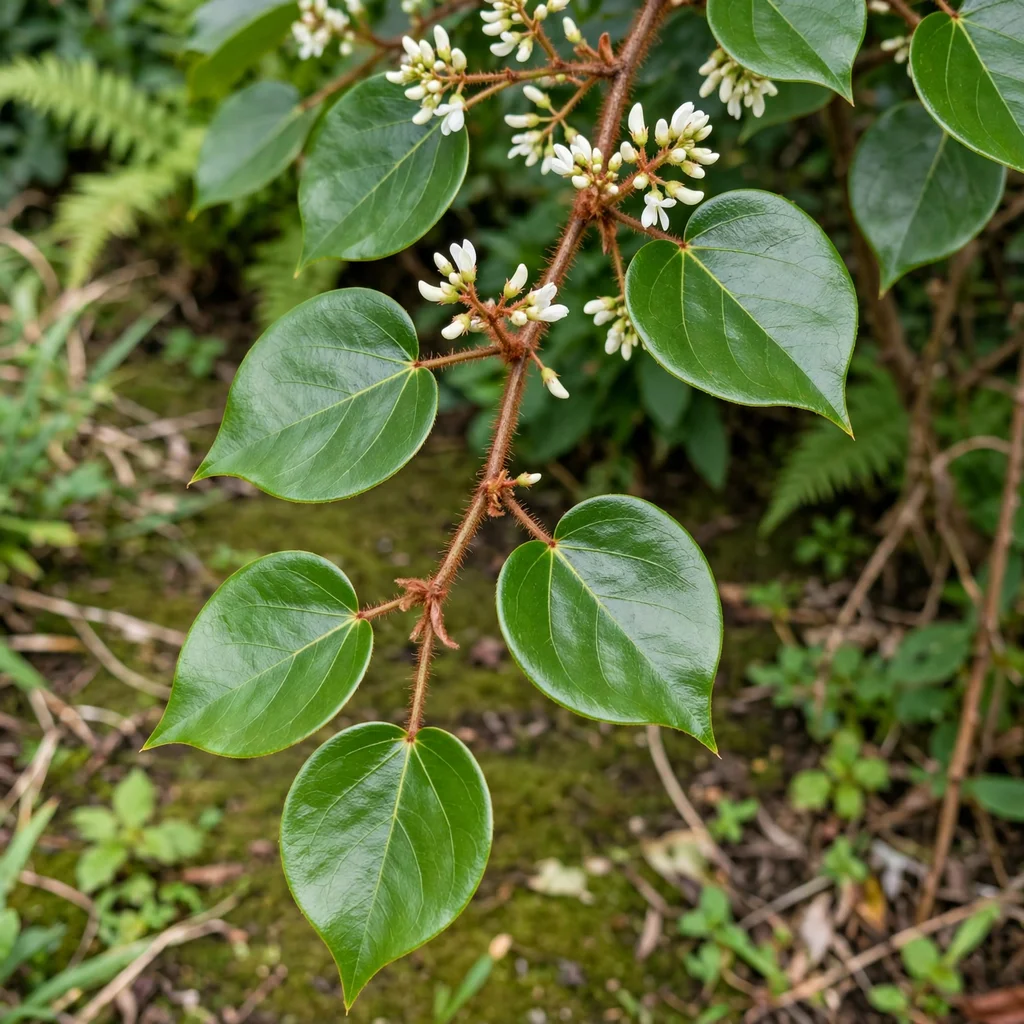
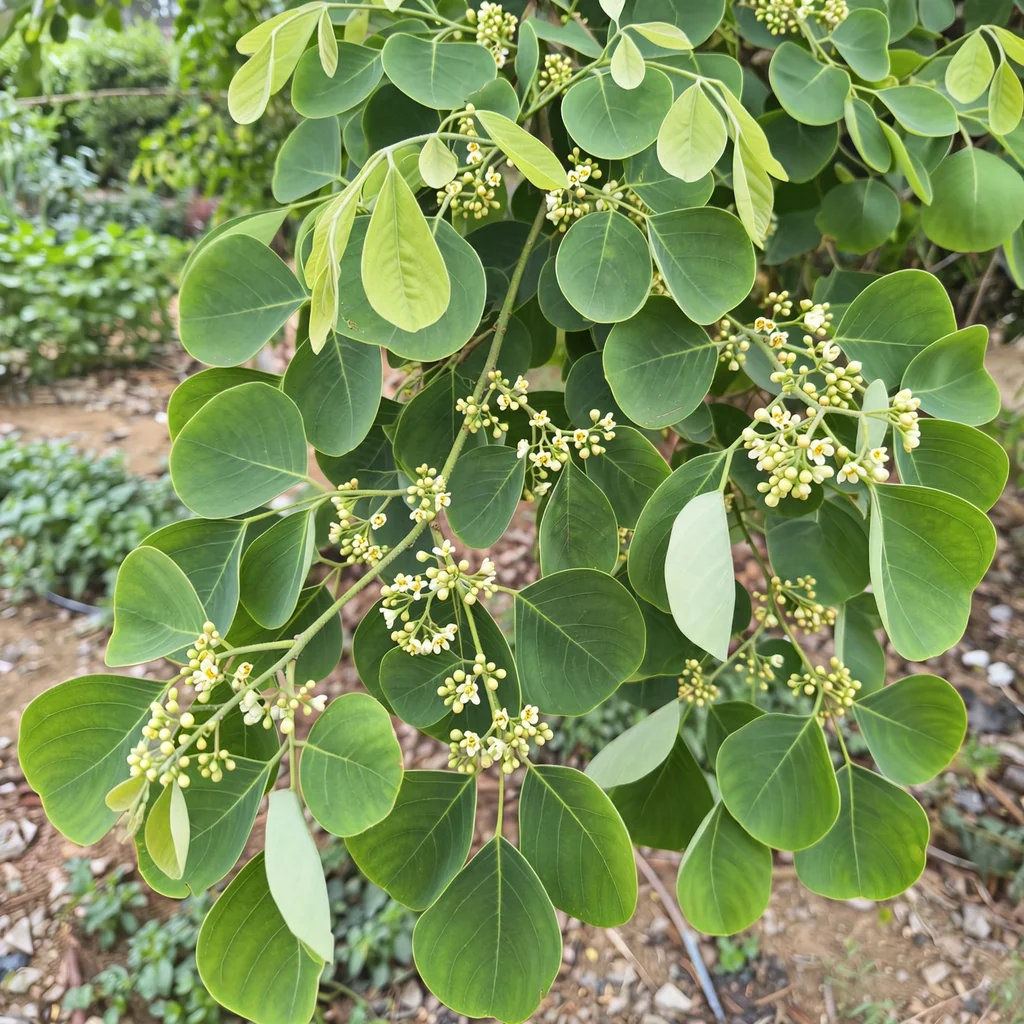
Browse all 3 Dalbergia varieties →
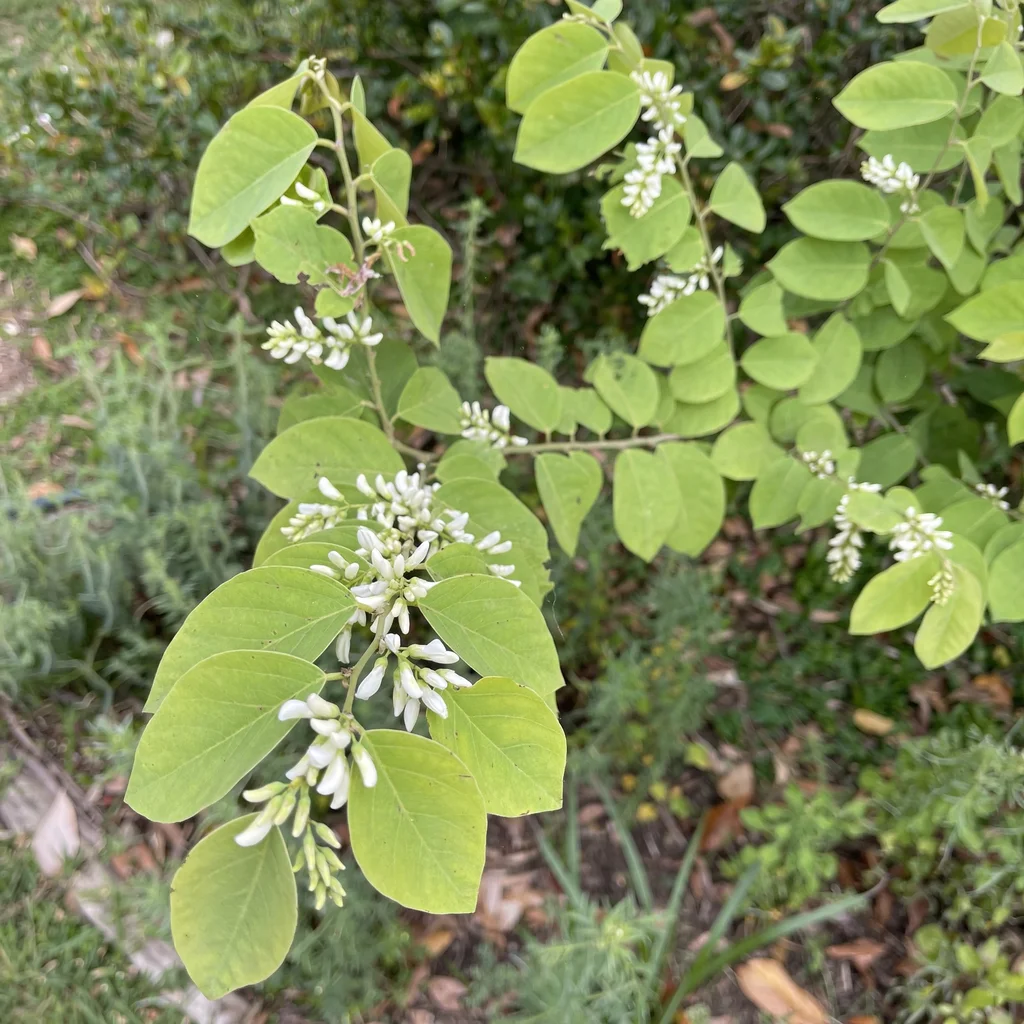
3 species of Dalbergia
Each one is a parent of the varieties above.
Track your Dalbergia in Sow
Save the Dalbergia you grow and get care reminders timed to your zone.
How to grow Dalbergia
Whats common across all Dalbergia varieties in our catalog — drawn from the care records of the 3 most-grown of them.
The Dalbergia year
- MulchMarch and April100% of varieties
Mulch widely to conserve moisture while establishing, kept off the trunk.
- PlantMarch and April100% of varieties
Plant in spring after last frost in full sun with room for wide roots.
- Check for PestsJune and July100% of varieties
Check for iron chlorosis on alkaline soil and wind breakage; deep-water in extreme heat.
- Winter PrepNovember67% of varieties
Protect young trees from hard freeze; mature trees tolerate brief dips to 25F.


Do
- Plant in full sun in well-drained sand, loam or clay, including alkaline soils
- Water deeply during establishment, then infrequently but deeply in heat
- Prune young trees in winter for structure and remove root suckers promptly
- Give it full sun and sharp drainage
- Remove root suckers promptly before they thicket
Avoid
- Do not plant in small tree lawns or near pipes, paving and lawns
- Do not overwater or leave soil waterlogged, which worsens wilt
- Do not over-prune mature trees; remove only dead, crossing or frost-damaged wood
- Do not plant near watercourses, pine rockland or other native plantings
What goes wrong with Dalbergia
| Problem | What you'll see | What to do |
|---|---|---|
| Aphids | Clusters on new shoots and leaf undersides distort young growth and leave sticky honeydew. | Wash off with a strong jet of water and clip heavily infested tips; rarely serious enough to need more. |
| Aphids and scale insects | Clusters on new shoots and leaf undersides; sticky honeydew and sooty coating, rarely serious | Wash off with a strong spray of water; prune heavily infested shoots and preserve natural predators |
| Fusarium wilt and dieback | Branch wilting and dieback, worse in waterlogged soil; reported overseas but not confirmed as a field problem in the US | Plant only in well-drained soil; avoid overwatering and remove dead wood promptly |
| Powdery mildew | White powdery coating on leaflets in humid weather. | Improve air circulation and avoid overhead watering; rarely serious and usually needs no spray. |
Making more Dalbergia
Seed
- Collect ripe pods with 1 to 5 seeds and extract clean seed.
- Sow in deep pots in fast-draining sandy mix just covered.
- Keep warm in full sun and moist until germination, then grow on.
- Plant out after last frost and control suckers from the start.
Root suckers
- Select a young sucker at the edge of the thicket in spring.
- Sever the connecting root with a sharp spade, keeping roots attached.
- Replant immediately at the same depth in well-drained soil and water in.
- Cut back the top by one-third and keep moist until new growth starts.
Dalbergia questions
How many types of Dalbergia are there?
The Sow catalog tracks 3 distinct Dalbergia varieties. The most popular — ranked by 0 real gardeners — are shown first above.
What zones does Dalbergia grow in?
Across its varieties, Dalbergia covers USDA Zones 9–10. Individual varieties differ — each plant page lists its exact range, and Sow filters the catalog to your zone automatically.
When does Dalbergia bloom?
Most Dalbergia varieties bloom in spring.
Which Dalbergia should I choose?
Start from the most-saved varieties above — popularity across thousands of gardens is a strong signal of reliability — then filter by your zone and sun. In the Sow app you can preview any of them in a photo of your actual yard before you buy.