The Story
Plant Bio
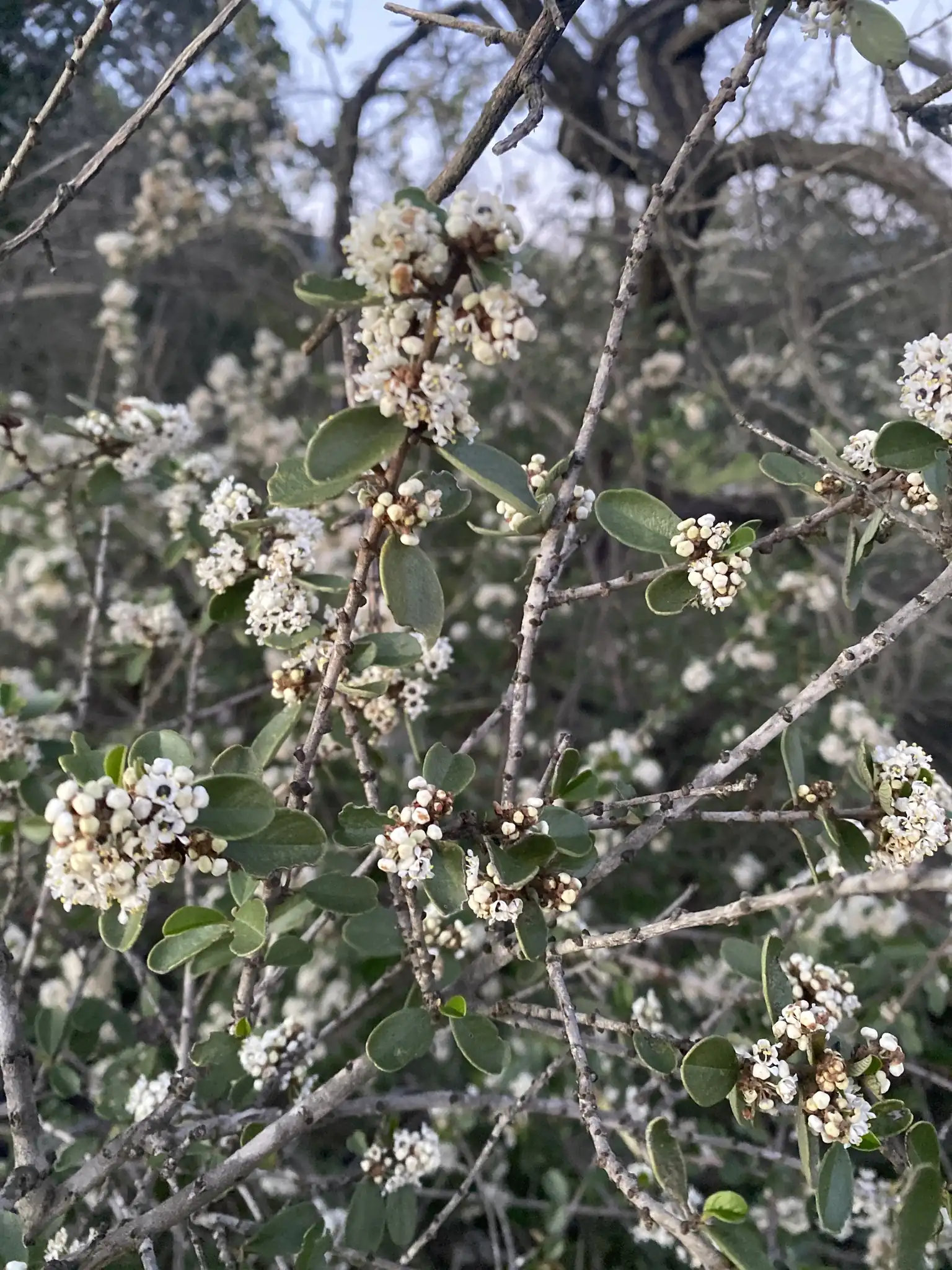
Ceanothus megacarpus, commonly known as bigpod ceanothus, is an evergreen shrub native to the coastal chaparral of southwestern California and the Channel Islands. It forms an upright to rounded framework with stiff branches clothed in thick, leathery, persistent green leaves.
Clusters of small white flowers with dark central centers bloom along lateral branches from midwinter into spring. Large, woody, three-horned seed capsules follow the blooms, giving the species its descriptive name.
Uses & Benefits:
Essentials
At a Glance
Plant Type
Shrub
Height
216"
Width
216"
Light
Full Sun, Partial Sun
Zones
8, 9, 10
Water
Low
Humidity
Low to Moderate Coastal
Lifespan
Perennial
Native To
Southwestern California, USA
Toxicity
Non-toxic
Bloom period
Winter – Spring
In flower about 6 months of the year
Planting
How to Grow
- Select a site in full sun with fast-draining, sandy, rocky, or gravelly soil.
- Water deeply at planting to settle the soil around the roots, then irrigate sparingly through the first winter and spring.
- Cease all summer watering after the plant completes its first establishment season.
- Prune lightly into green, leaf-bearing stems immediately after spring flowering finishes.
Pro Tip
Withhold all summer water once established, as applying moisture to warm soil triggers fatal root rot.
Keep It Thriving
Care Guide
Do
- Ensure excellent soil drainage prior to planting.
- Prune lightly on active green shoots after spring blooms fade.
- Allow the plant to rely solely on natural winter precipitation once established.
Don't
- Do not water during hot summer months.
- Do not cut back into thick, bare, brown wood.
- Do not apply nitrogen fertilizers.
Seasonal Care Calendar
| Task | Jan | Feb | Mar | Apr | May | Jun | Jul | Aug | Sep | Oct | Nov | Dec |
|---|---|---|---|---|---|---|---|---|---|---|---|---|
| Mulch | ||||||||||||
| Pest Check | ||||||||||||
| Prune | ||||||||||||
| Winter Prep |
Watch Out For
Pests & Diseases
Common Pests
Common Diseases
In the Garden
Landscape Uses & Companions
Landscape Uses
Multiply
Propagation Methods
Good to Know
Common Questions
Bigpod Ceanothus questions
What zones can Bigpod Ceanothus grow in?
Bigpod Ceanothus is hardy in USDA Zones 8–10: in that range it survives winter in the ground. Colder than Zone 8, grow it in a container you can move to shelter for the winter.
Is Bigpod Ceanothus deer resistant?
Yes — Bigpod Ceanothus is rated deer-resistant. Deer typically pass it over, though extreme hunger can override any plant's defenses.
When does Bigpod Ceanothus bloom?
Bigpod Ceanothus typically blooms from winter to spring. Exact timing shifts a week or two with your zone — Sow's bloom calendar maps it to your garden.
Does Bigpod Ceanothus need full sun?
Bigpod Ceanothus does best in full sun to part shade. In hot climates, afternoon shade keeps blooms fresher longer.
Is Bigpod Ceanothus drought tolerant?
Yes — once established (usually after the first full season), Bigpod Ceanothus handles dry spells with minimal watering. Water deeply its first year to build the root system that makes that possible.
More Ceanothus to compare
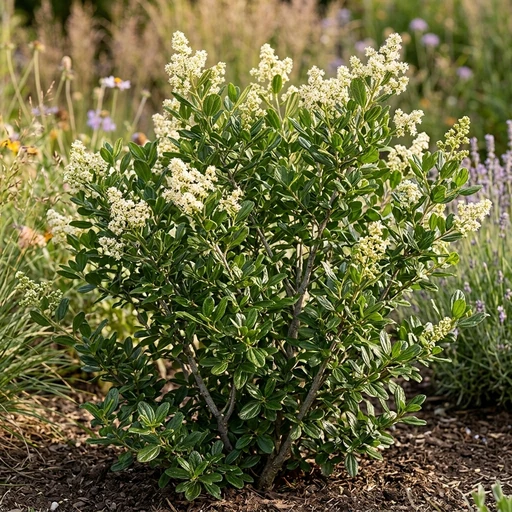
New Jersey Tea
Ceanothus americanus
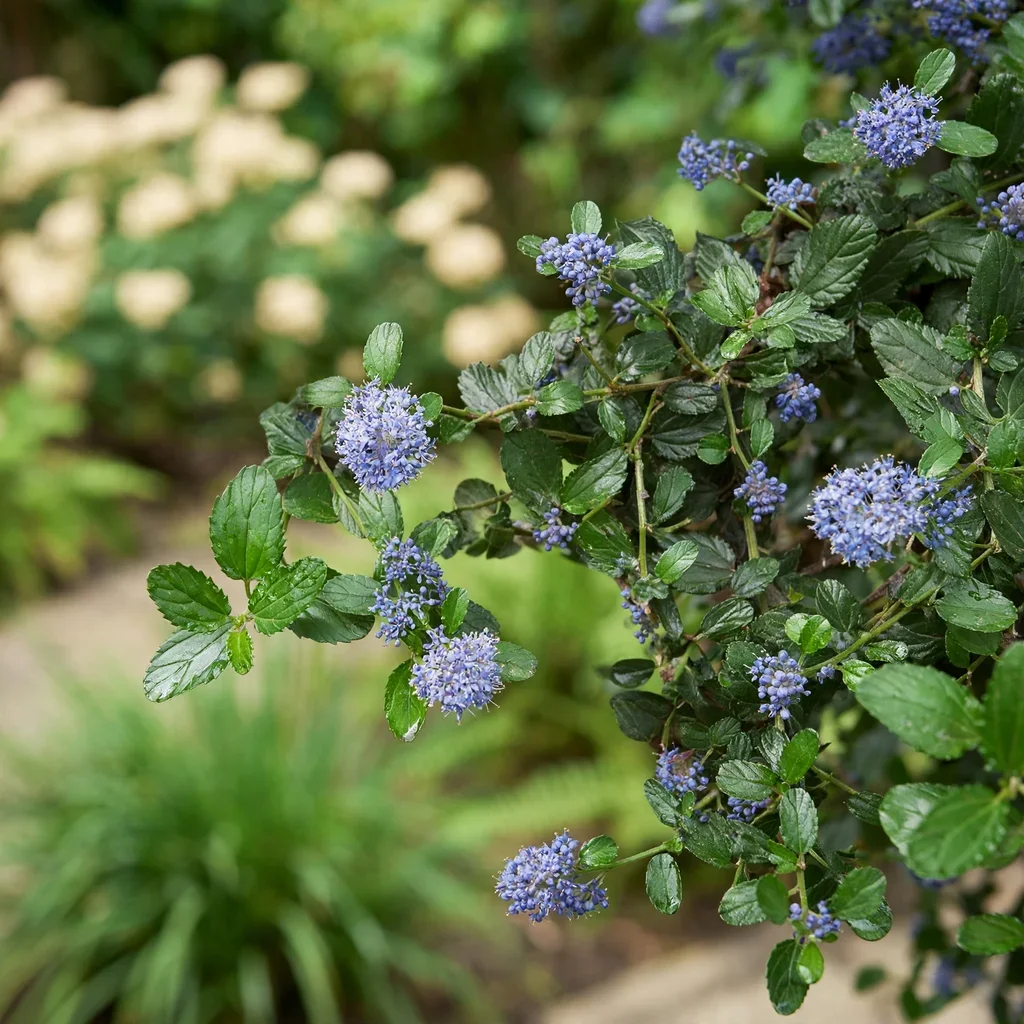
California Lilac
Ceanothus thyrsiflorus
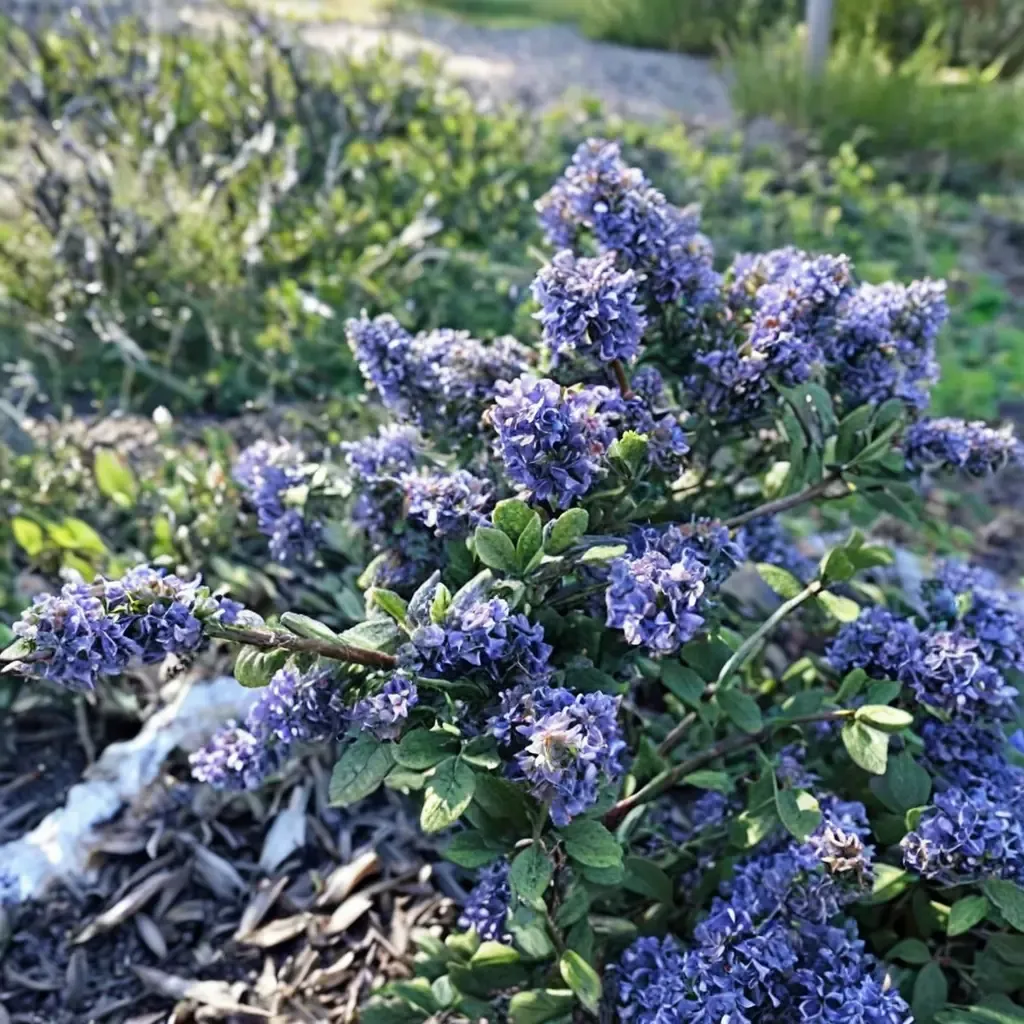
Valley Violet California Lilac
Ceanothus maritimus 'Valley Violet'
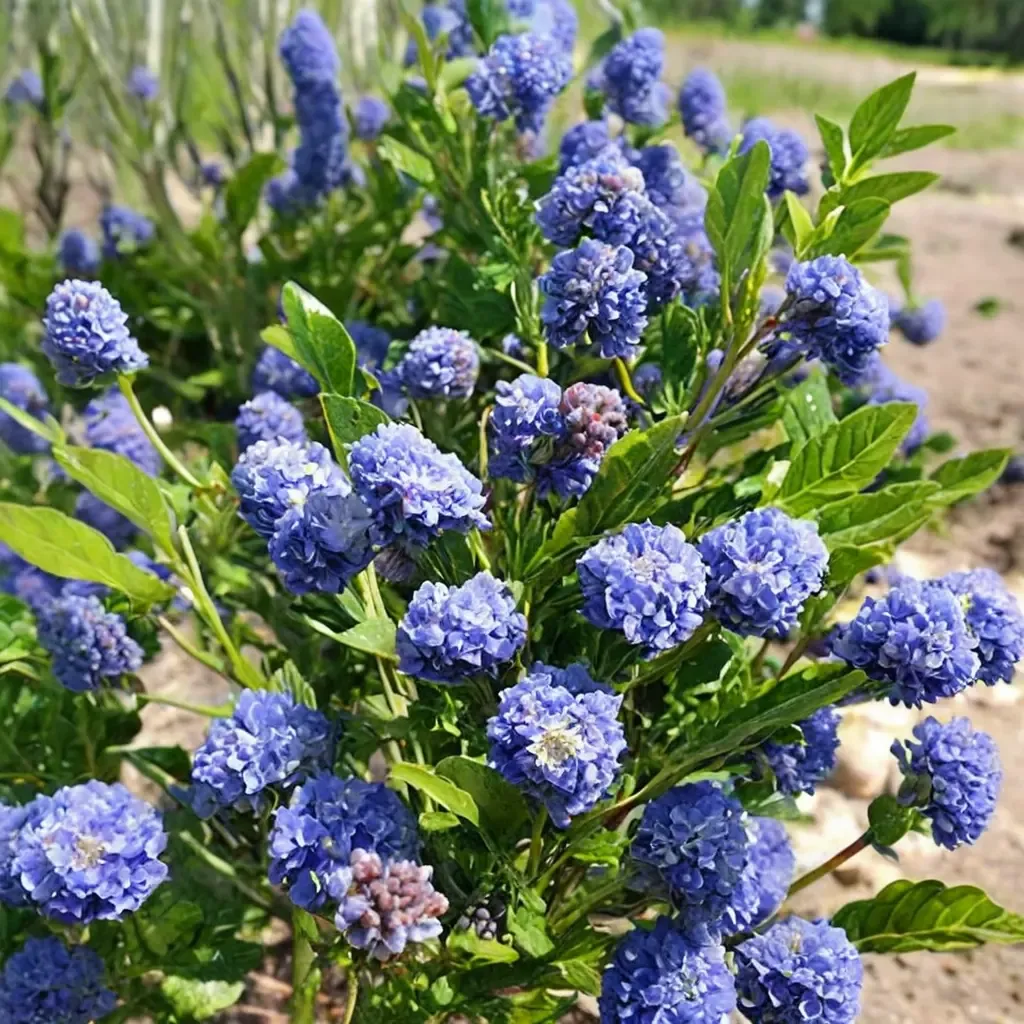
Skylark California Lilac
Ceanothus thyrsiflorus 'Skylark'
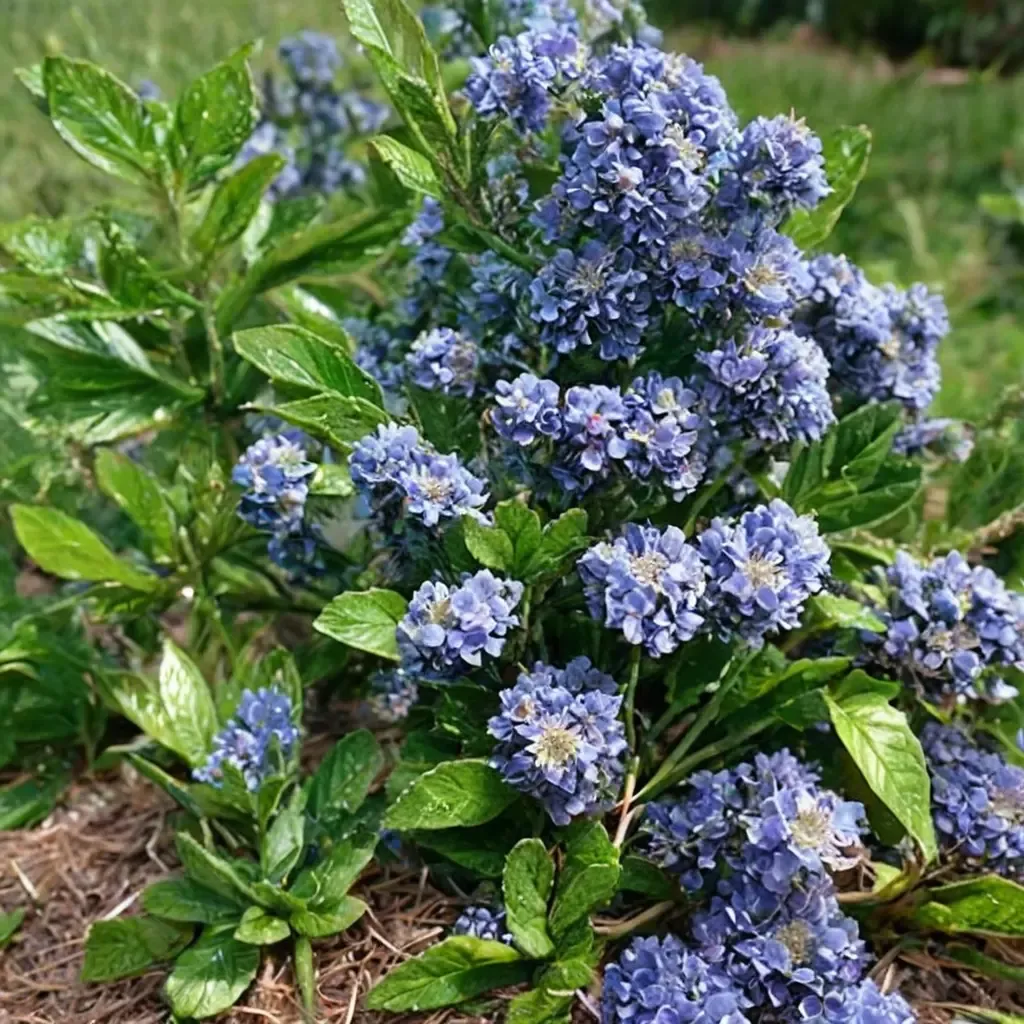
Victoria California Lilac
Ceanothus griseus 'Victoria'
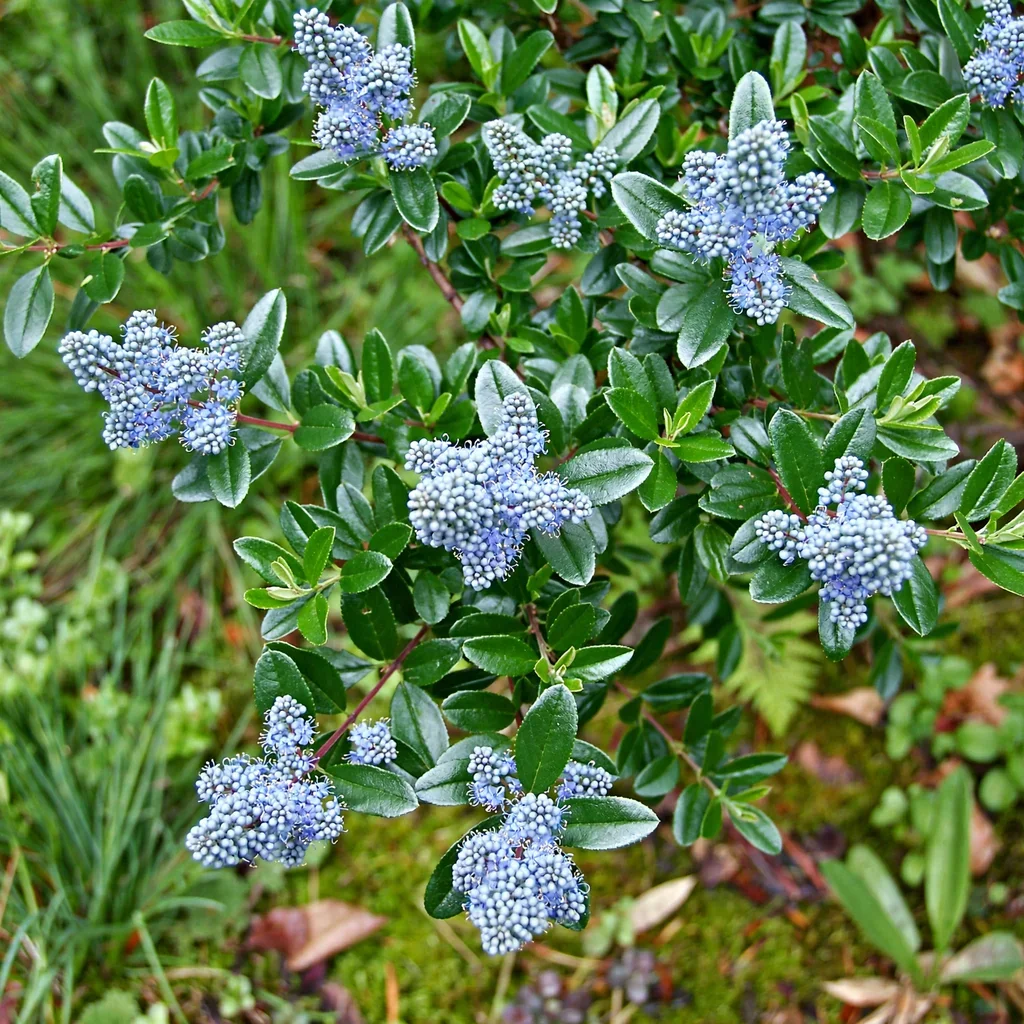
Yankee Point California Lilac
Ceanothus thyrsiflorus 'Yankee Point'
Keep exploring
Explore the genus
Hardy in your zone?
Grow Bigpod Ceanothus with confidence
See it in a design of your actual yard, get zone-matched care reminders, and track it season by season in your garden journal.