
Species
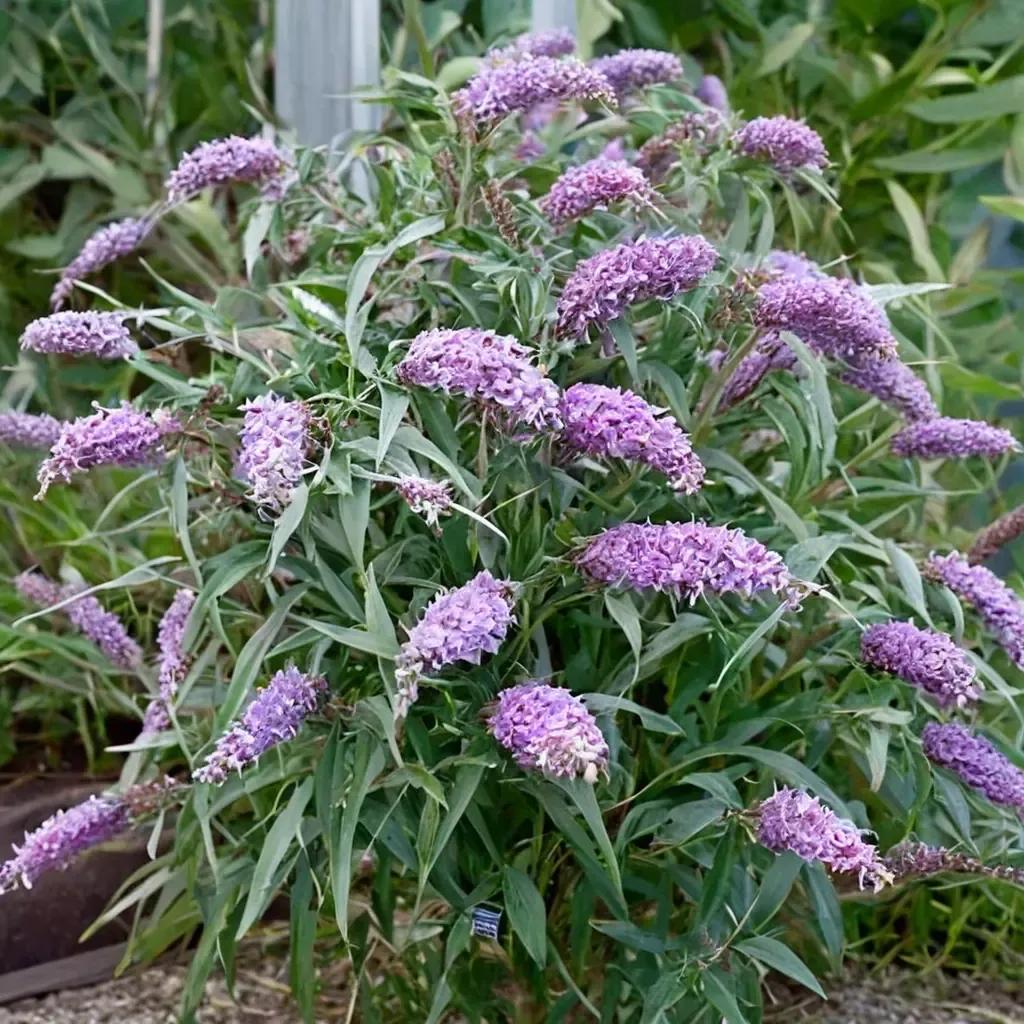 Buddleja davidiiButterfly Bush
65 other cultivars
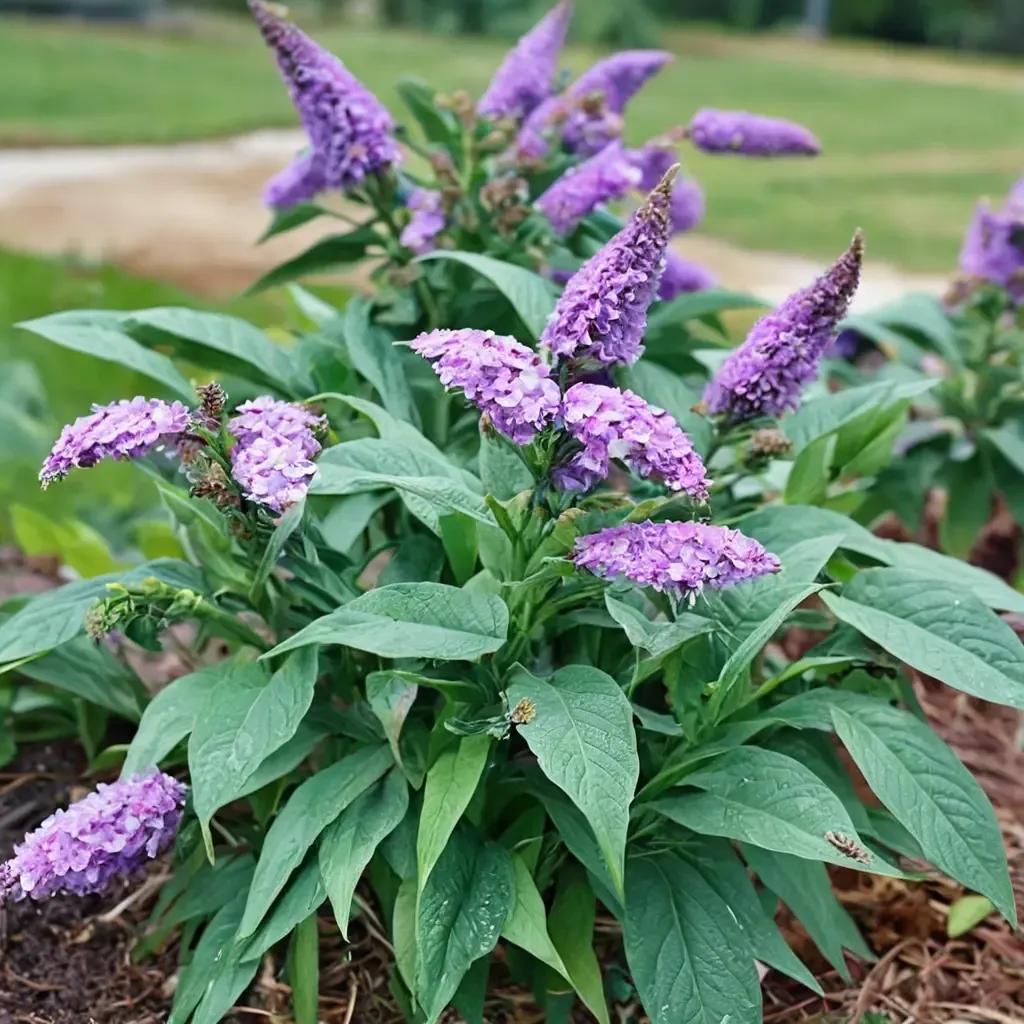 ‘Pugster Amethyst’Pugster Amethyst Butterfly Bush
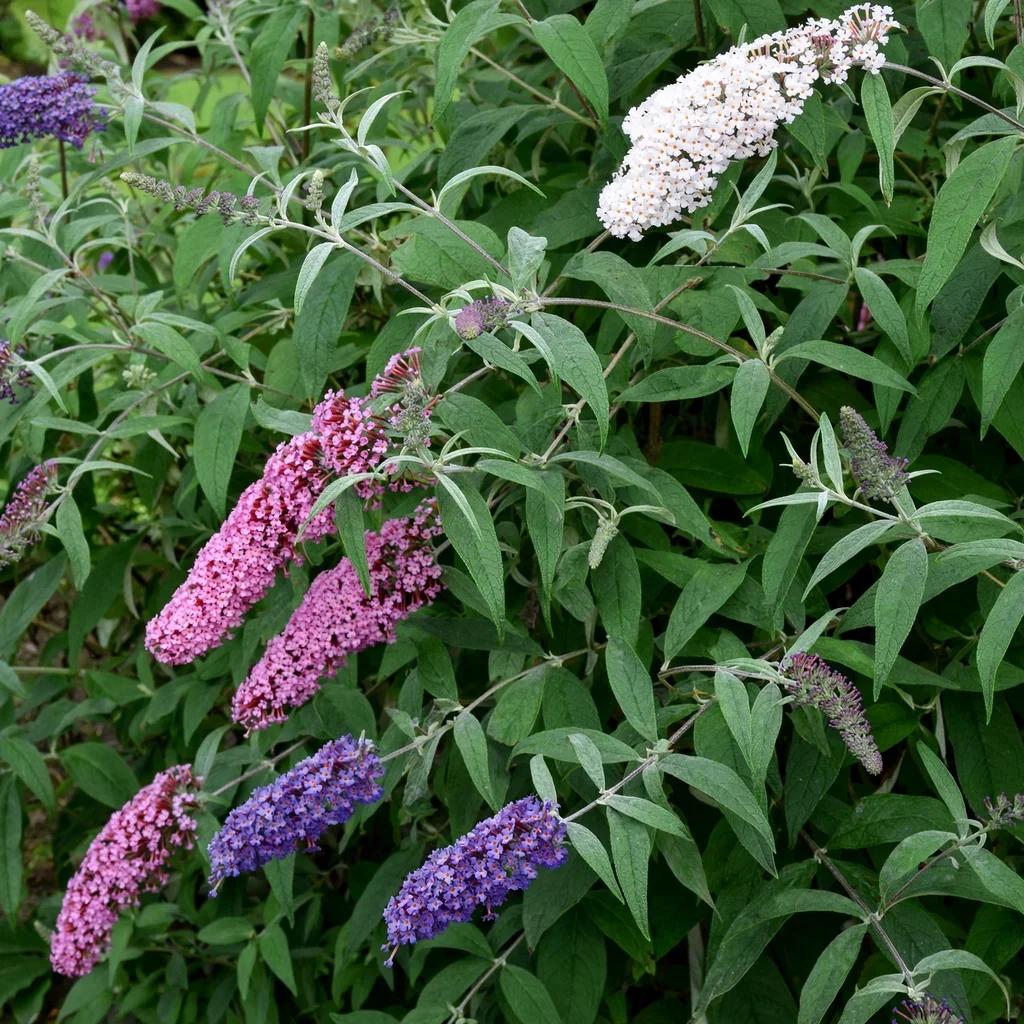 ‘Trio’Trio Butterfly Bush
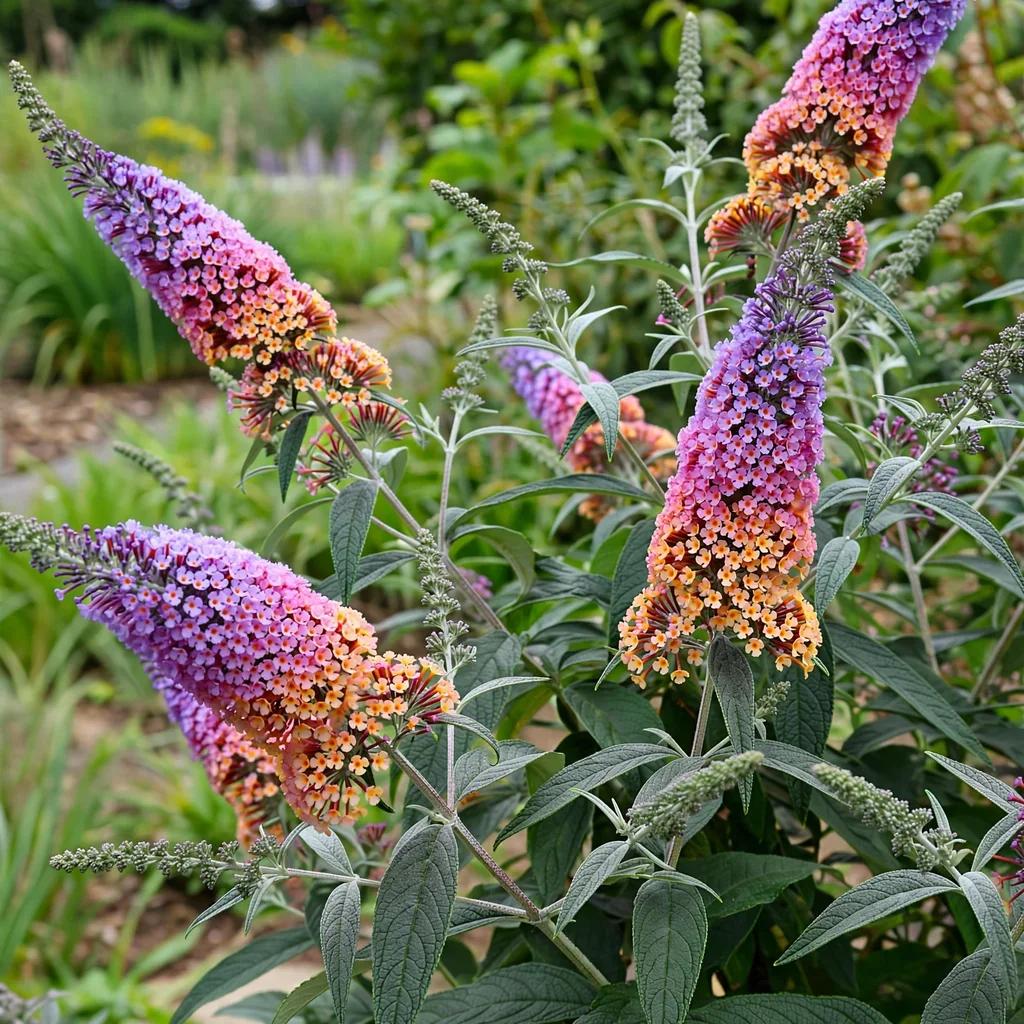 ‘Bicolor’Bicolor Butterfly Bush
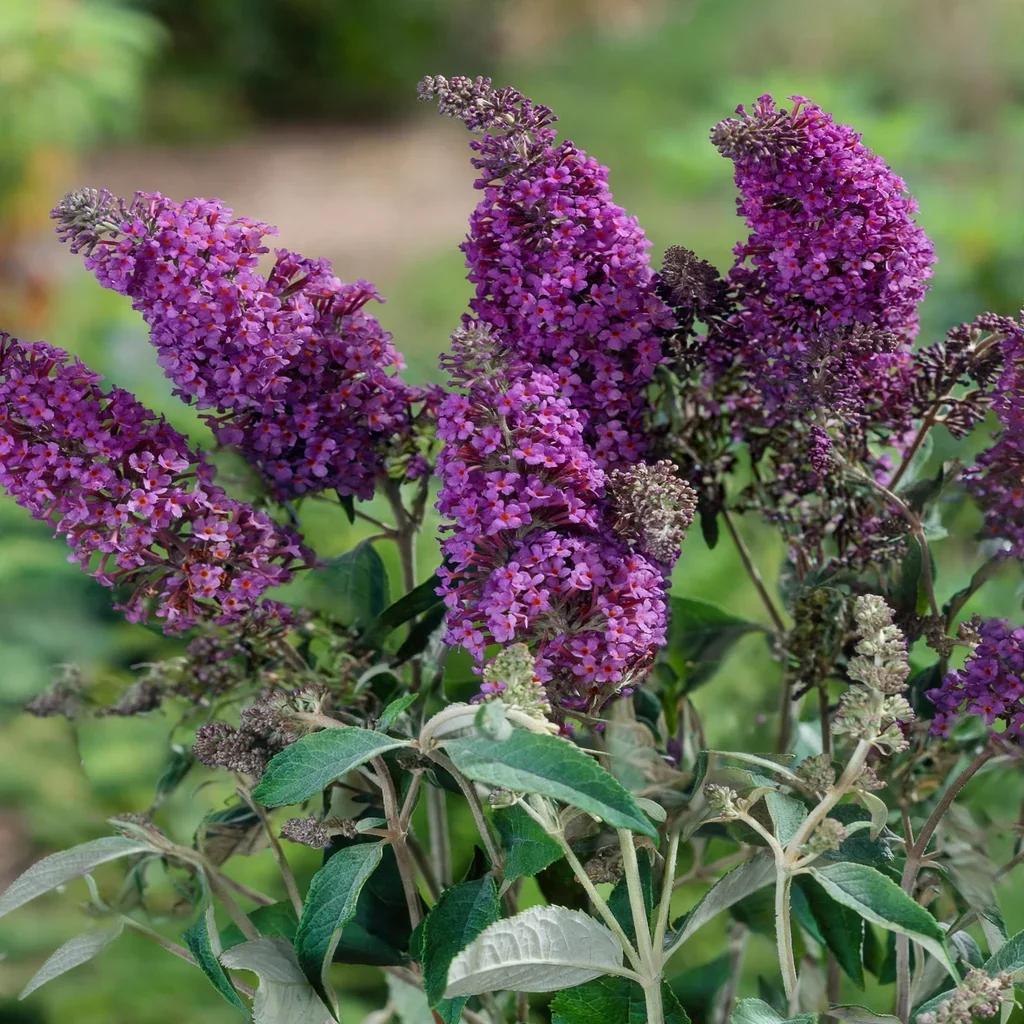 ‘Purple Prince’Butterfly Bush Purple Prince
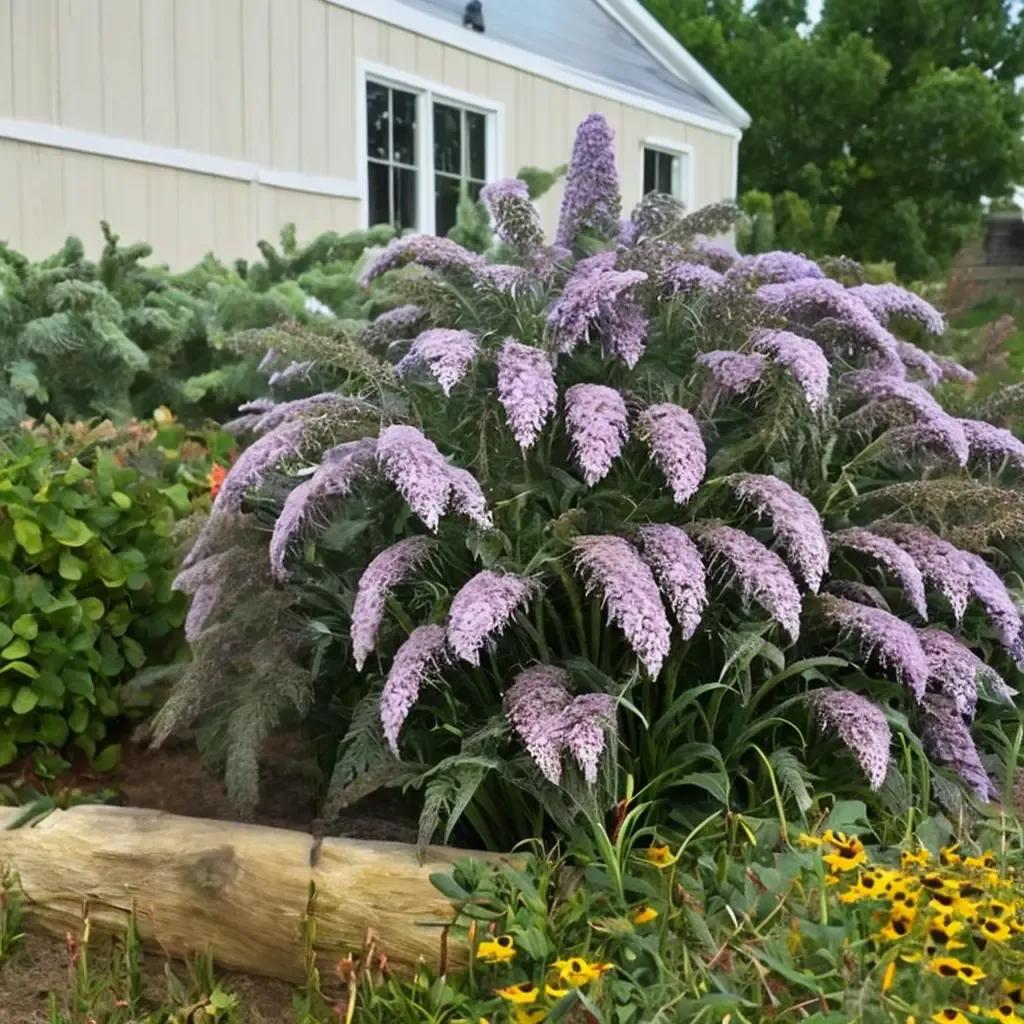 ‘Grand Cascade’Grand Cascade Butterfly Bush
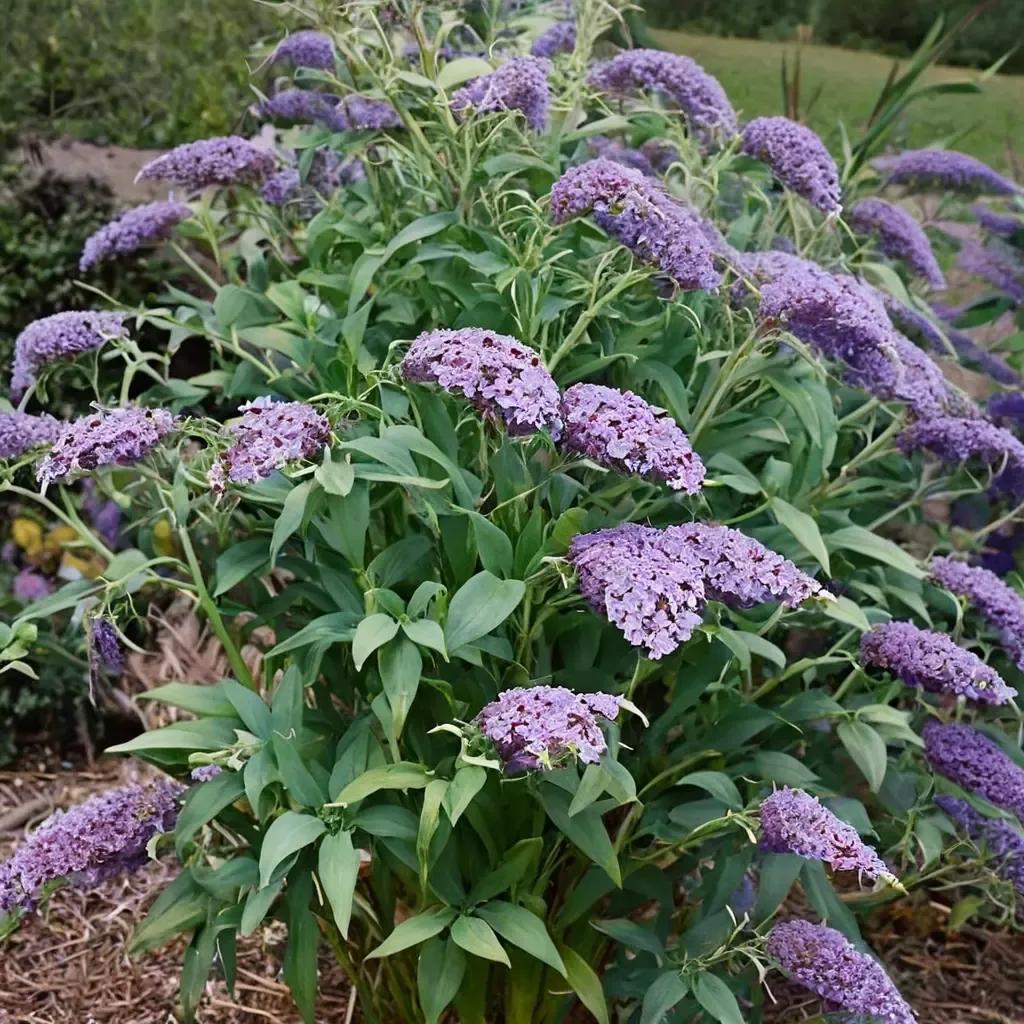 ‘Butterfly Haven’Butterfly Haven Butterfly Bush
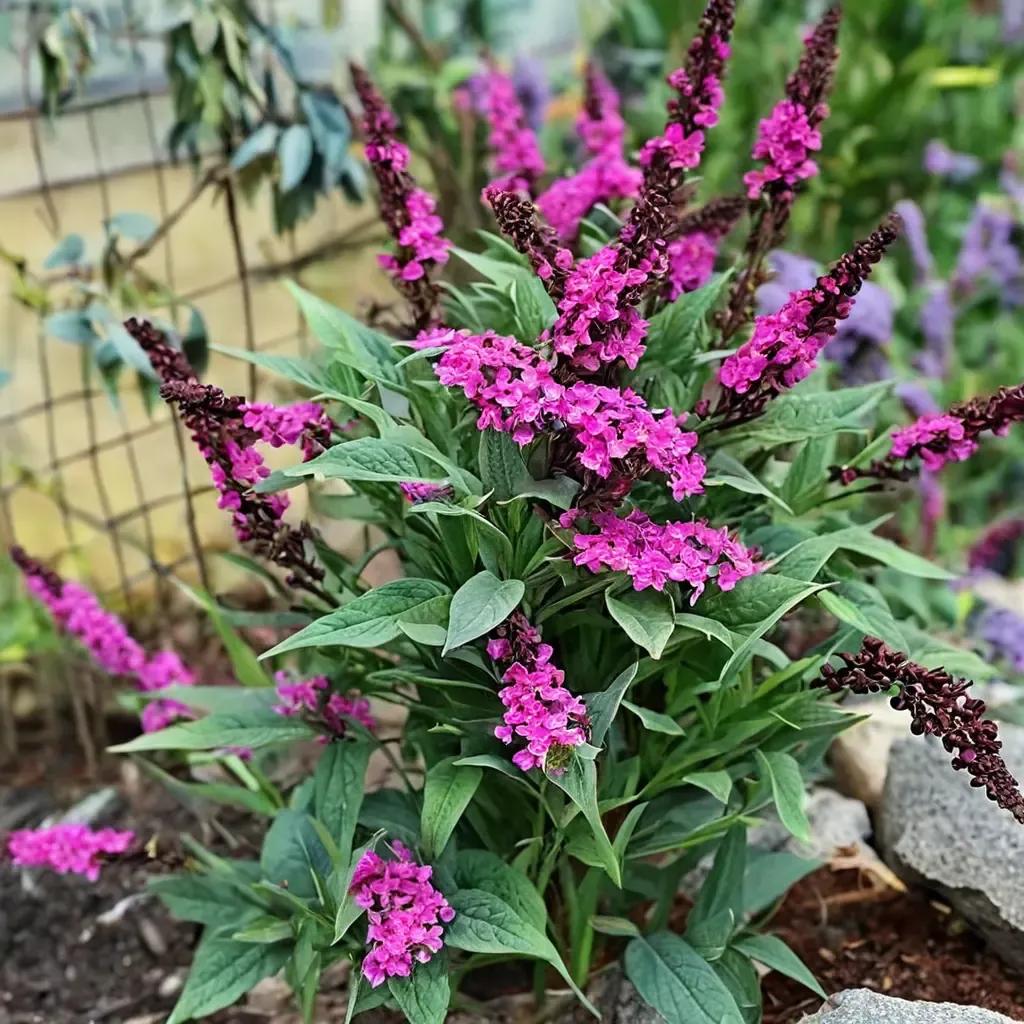 ‘Hot Raspberry’Hot Raspberry Butterfly Bush
 ‘Miss Molly’Miss Molly Butterfly Bush
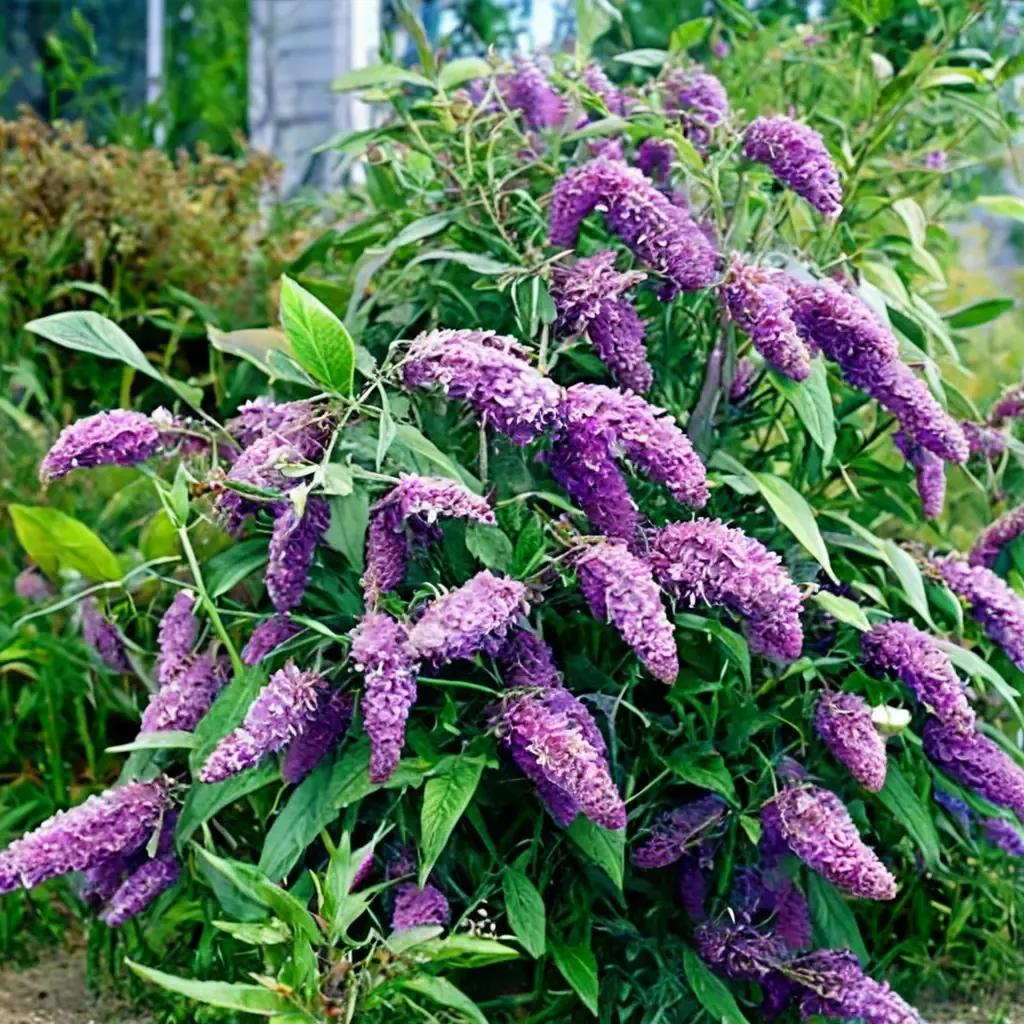 ‘Deluxe’Deluxe Butterfly Bush
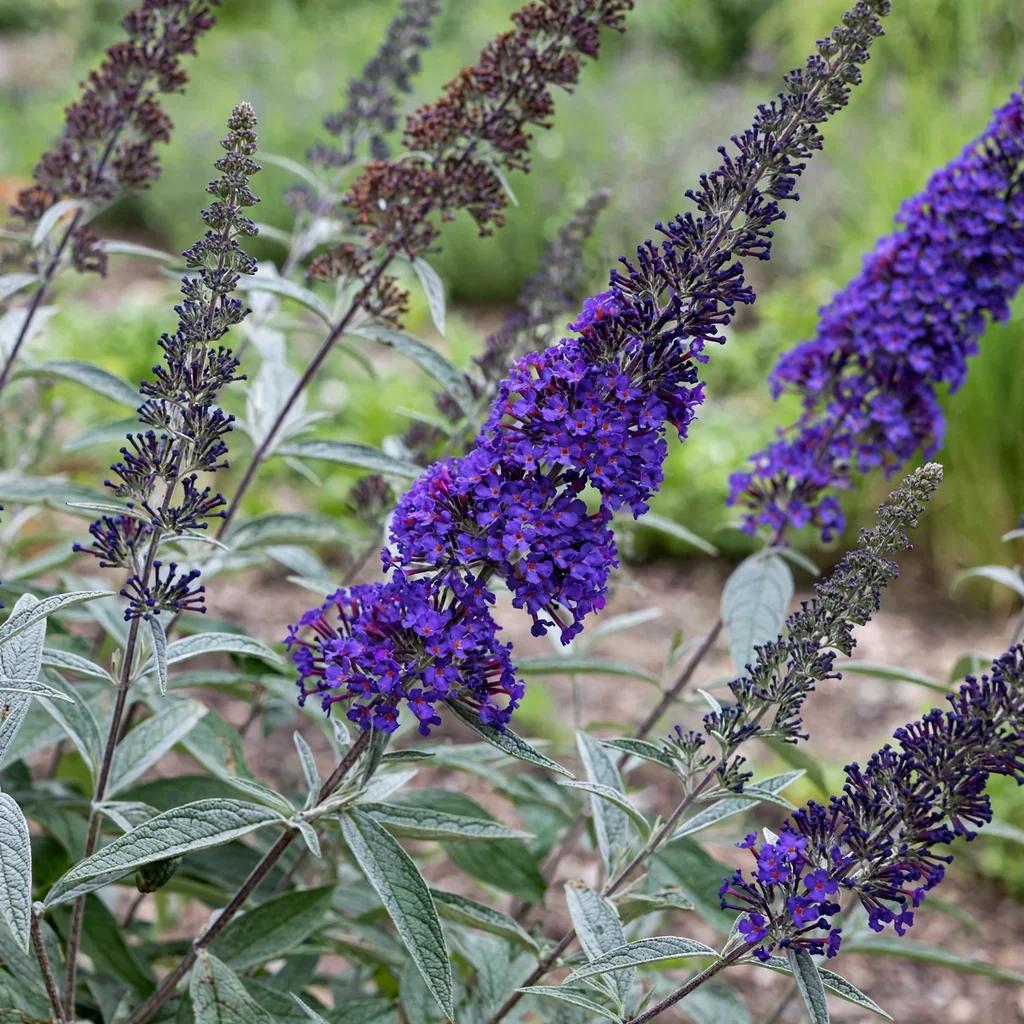 ‘Empire Blue’Butterfly Bush Empire Blue
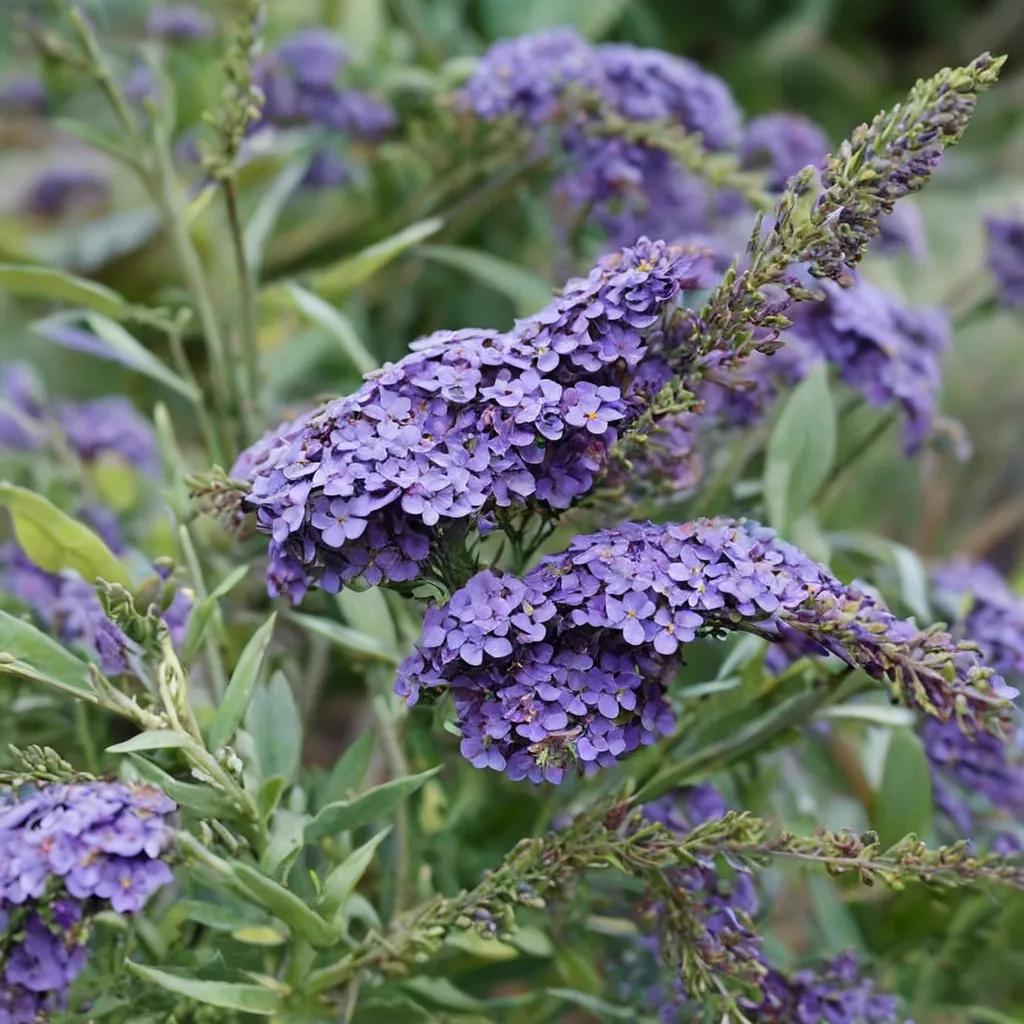 ‘Sky Blue’Butterfly Bush Sky Blue
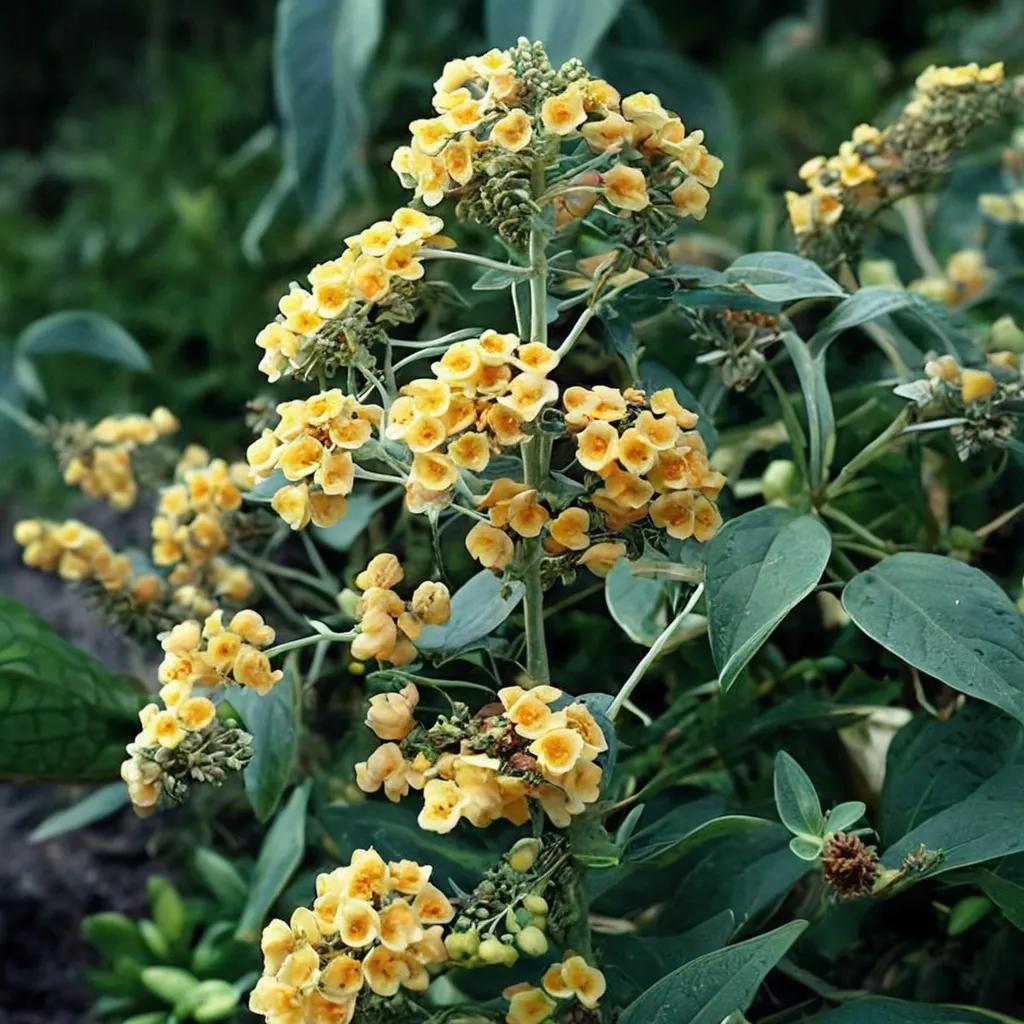 ‘Honeycomb’Butterfly Bush Honeycomb
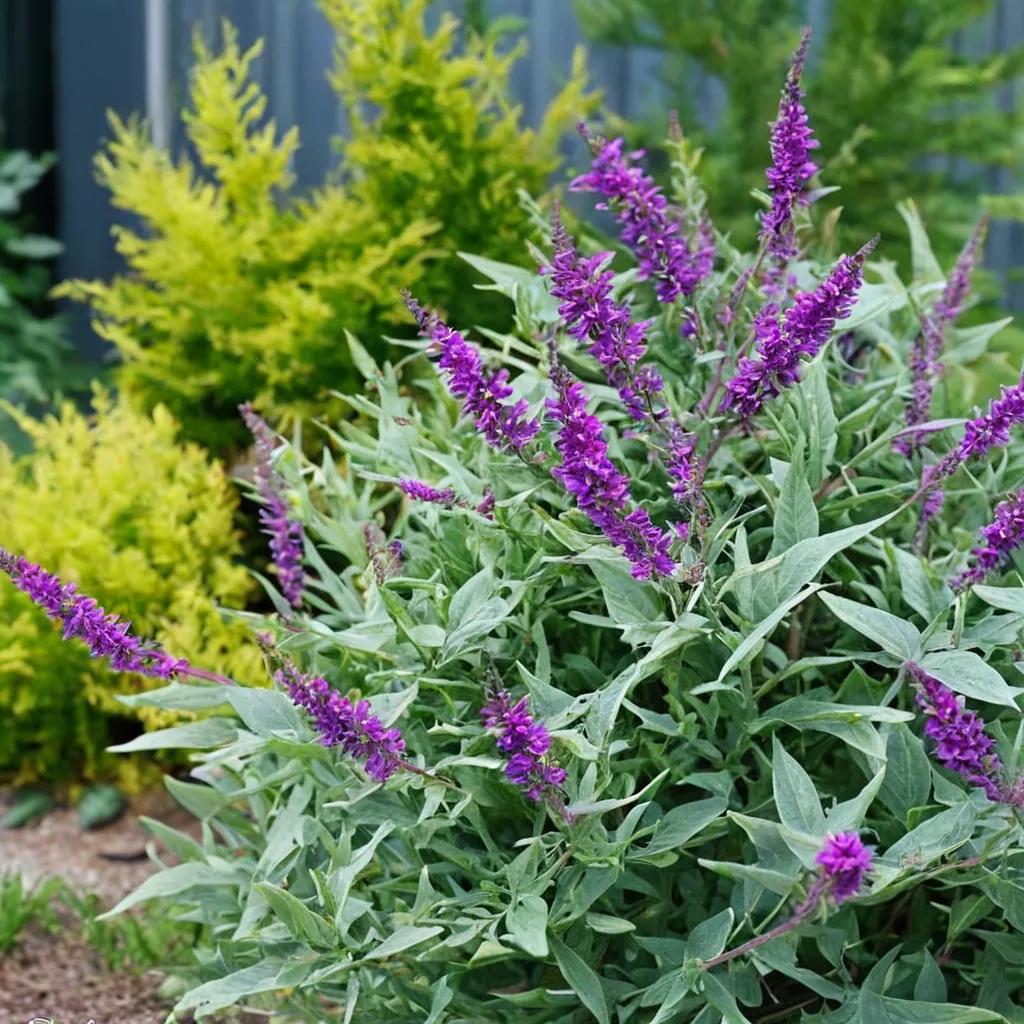 ‘Miss Violet’Miss Violet Butterfly Bush
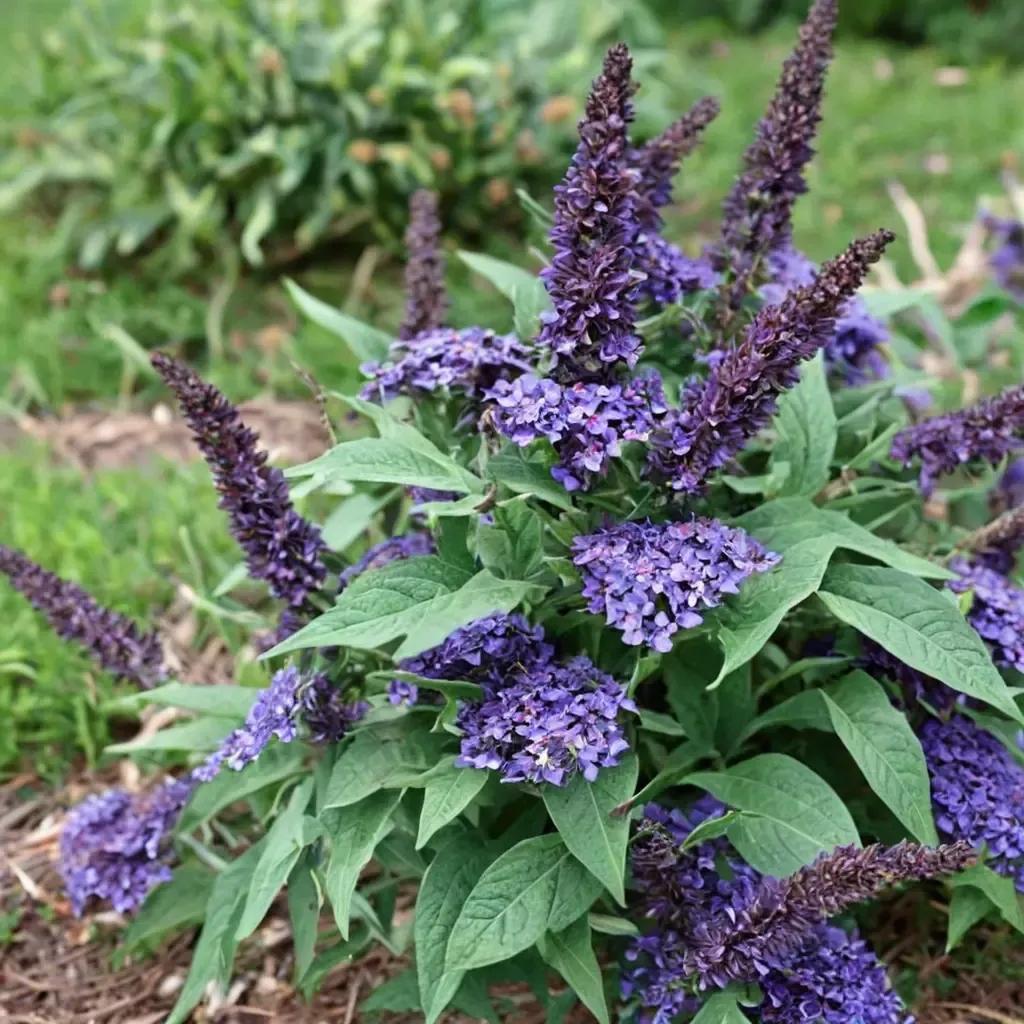 ‘Pugster Blue’Pugster Blue Butterfly Bush
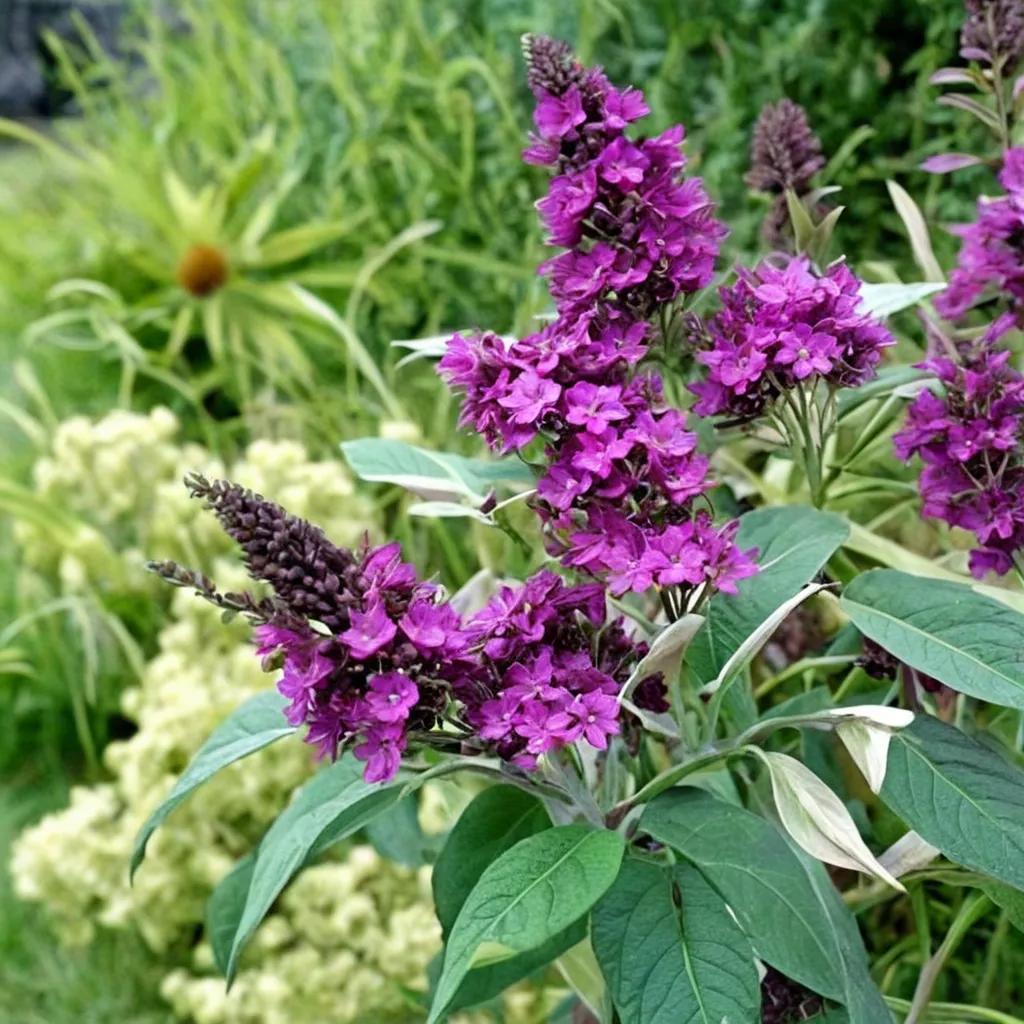 ‘Potters Purple’Butterfly Bush Potters Purple
 ‘White Profusion’White Profusion Butterfly Bush
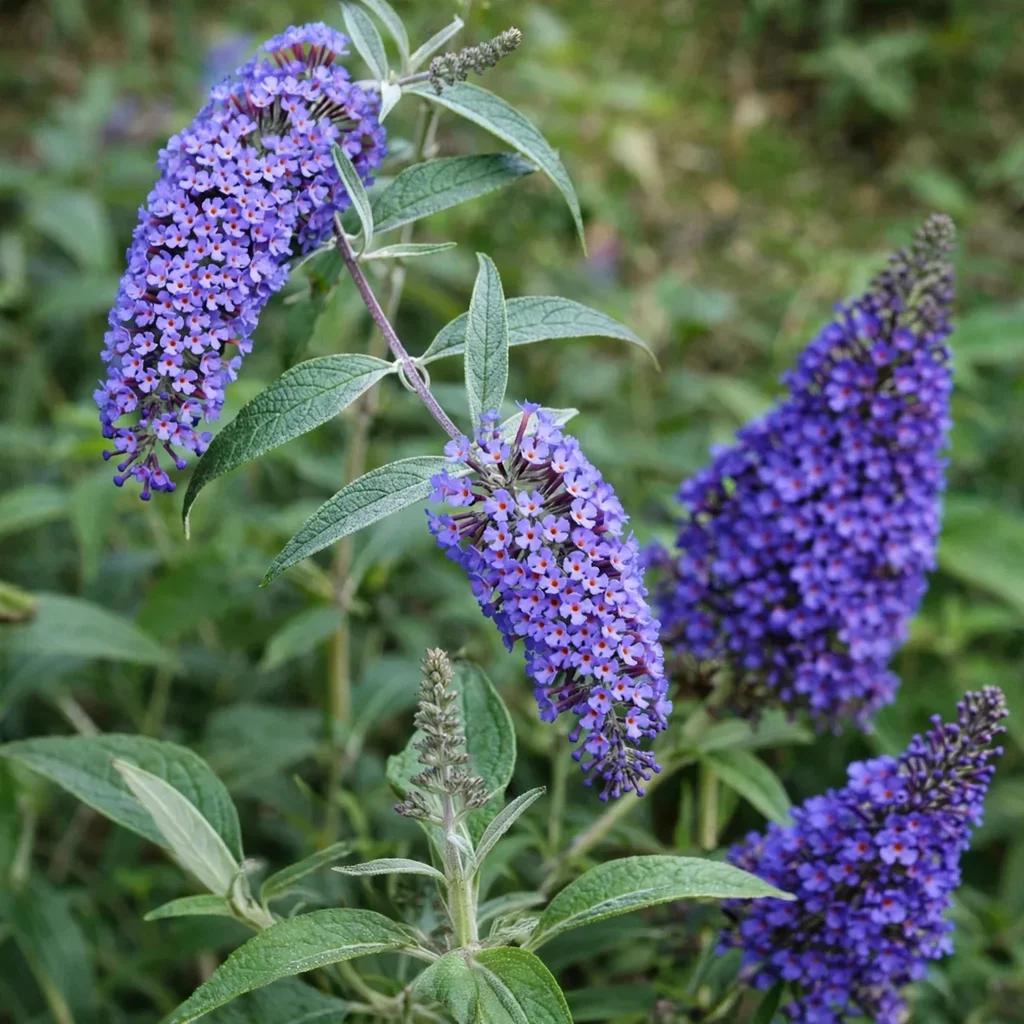 ‘Ellen's Blue’Ellen's Blue Butterfly Bush
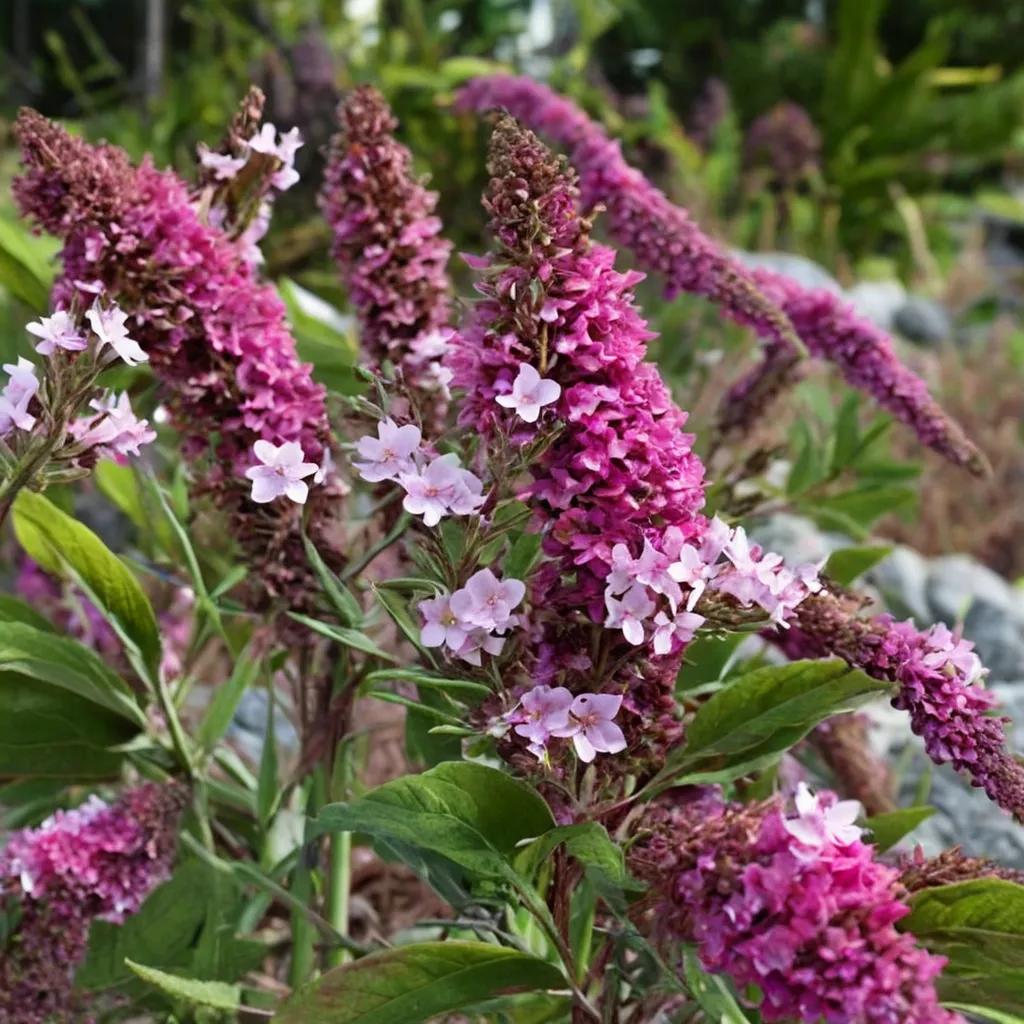 ‘Charming Pink’Pink Butterfly Bush
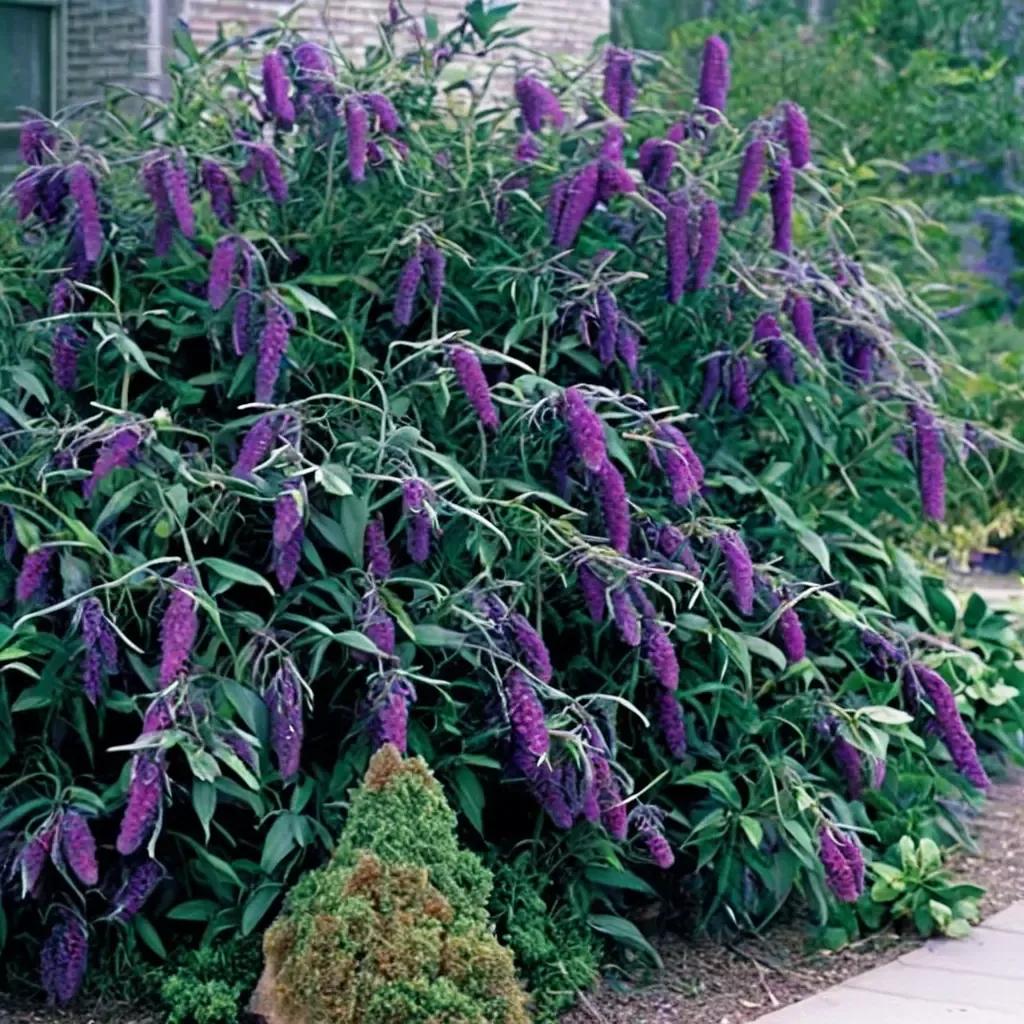 ‘Black Knight’Black Knight Butterfly Bush
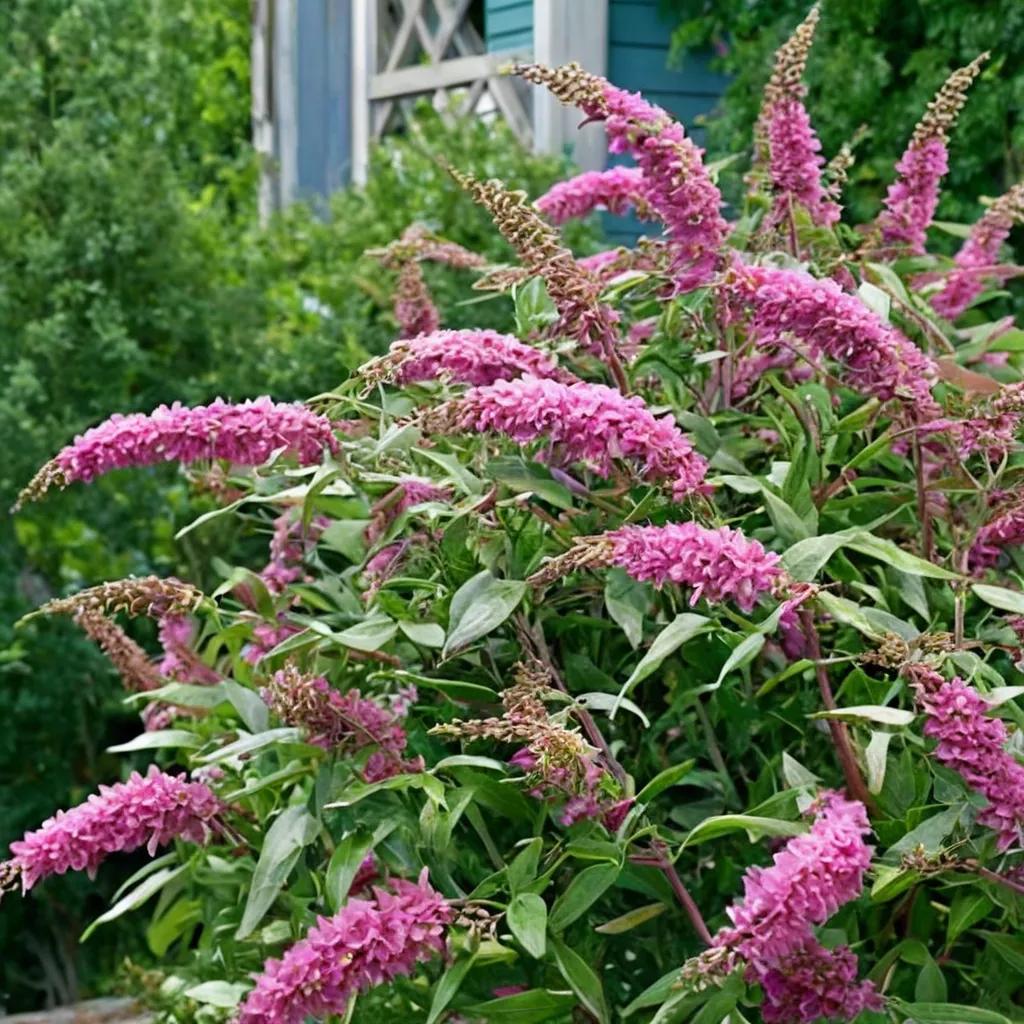 ‘Pink Delight’Pink Delight Butterfly Bush
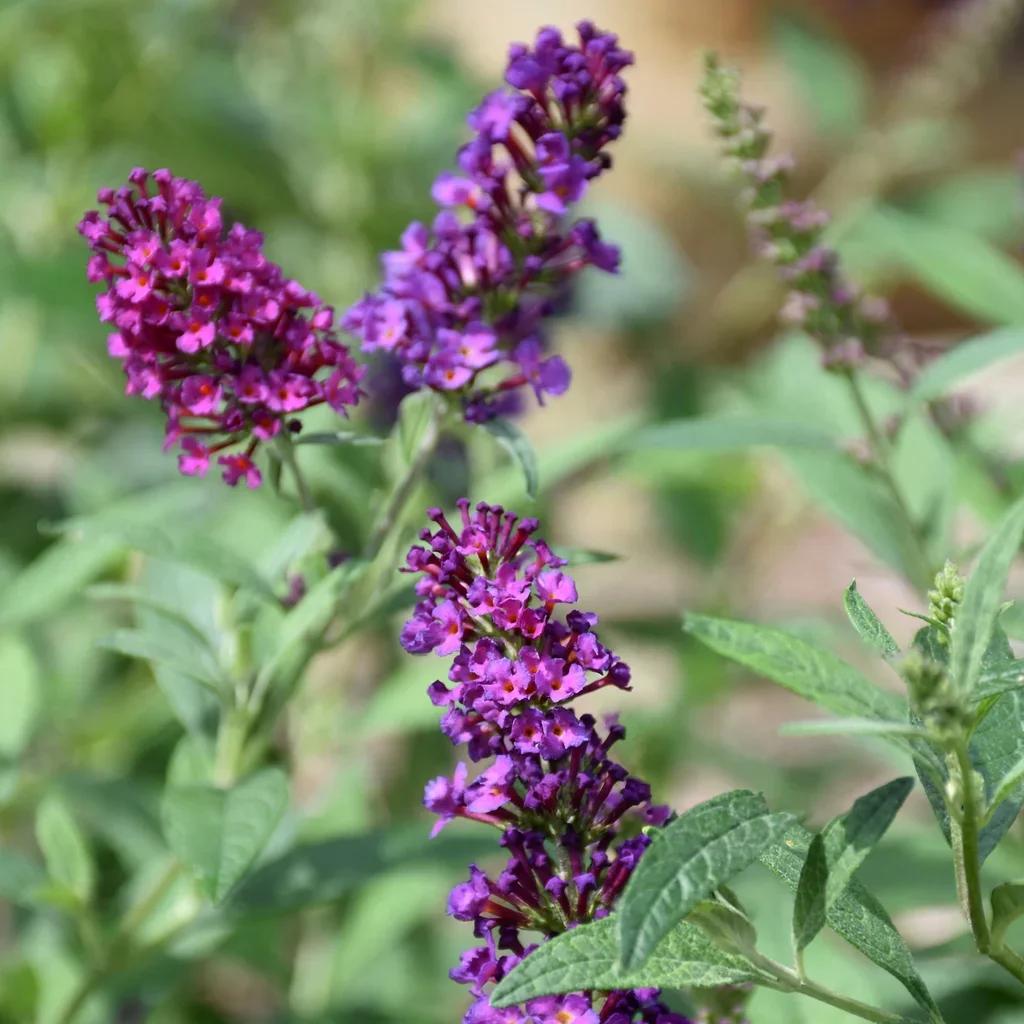 ‘Color Crush’Color Crush Butterfly Bush
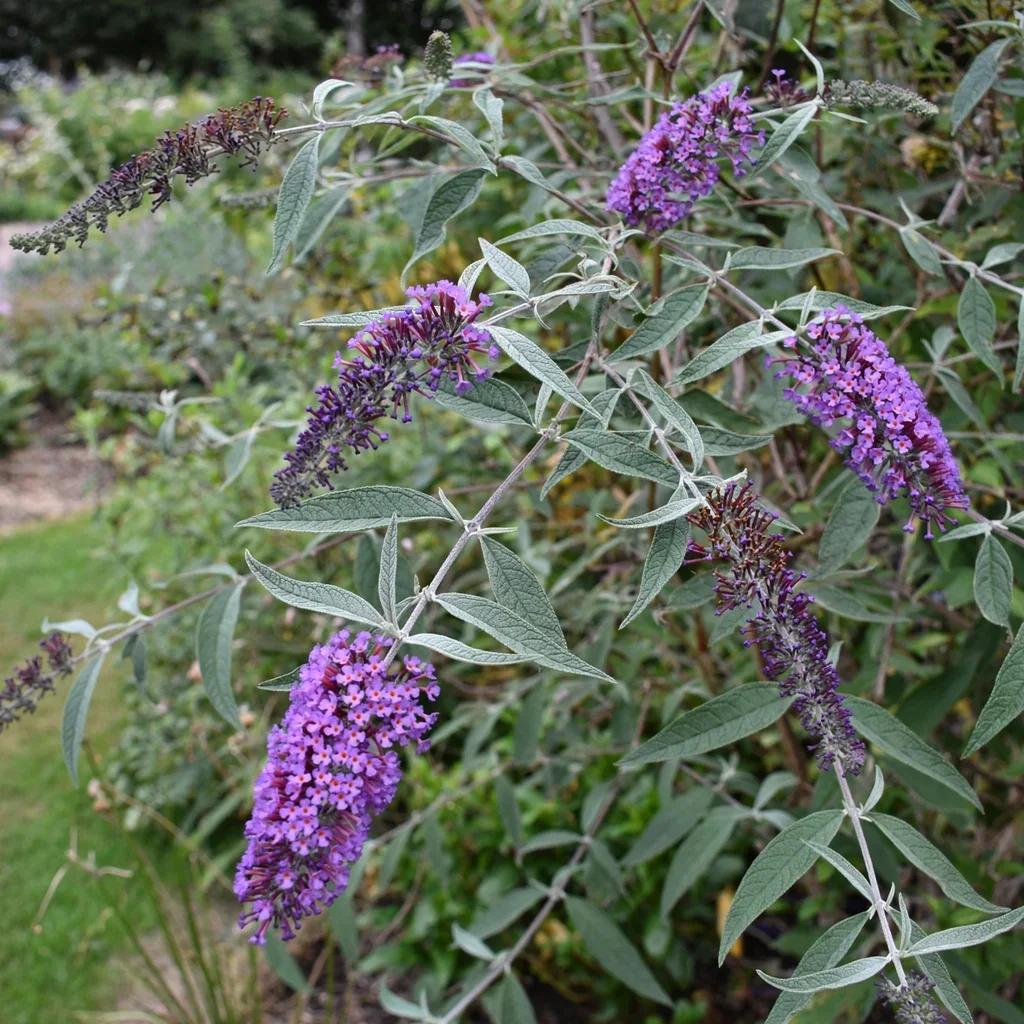 ‘Le Petit’Le Petit Butterfly Bush
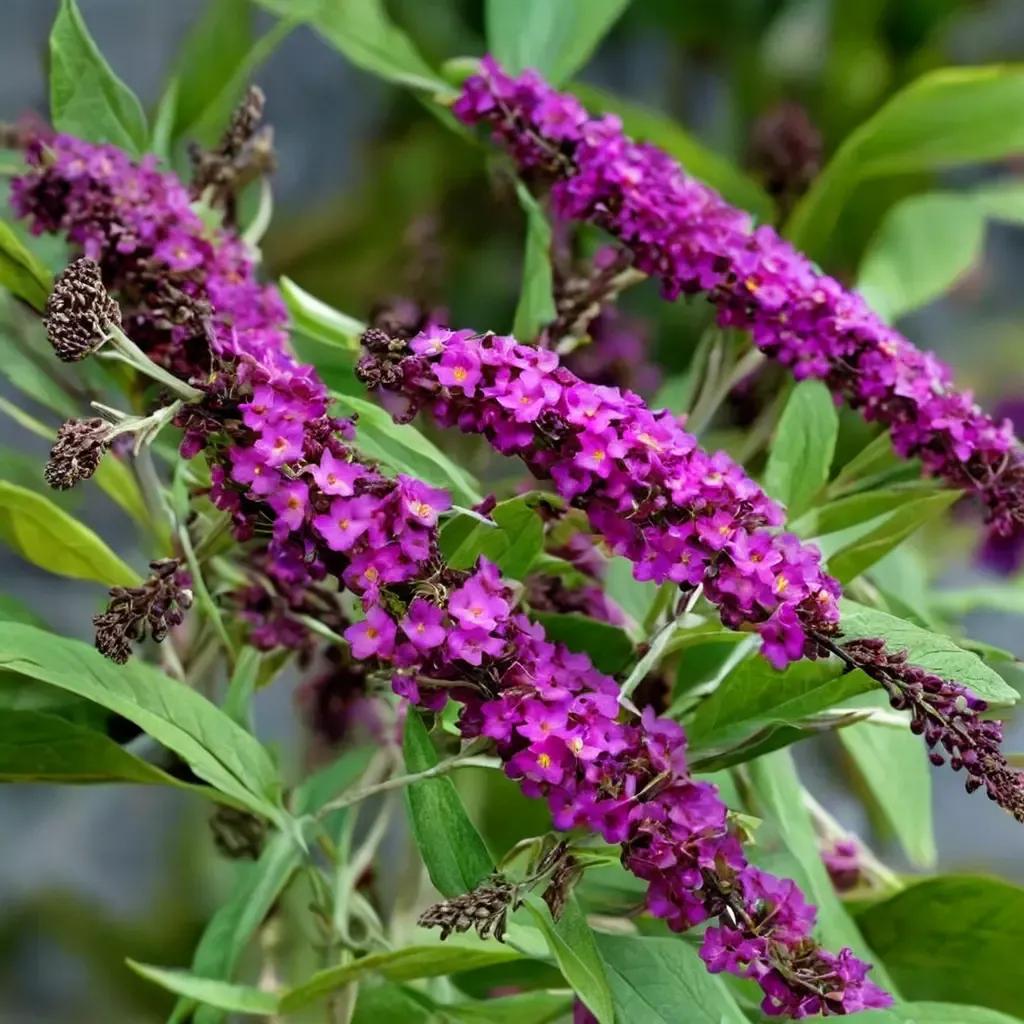 ‘Magenta Darling’Magenta Darling Butterfly Bush
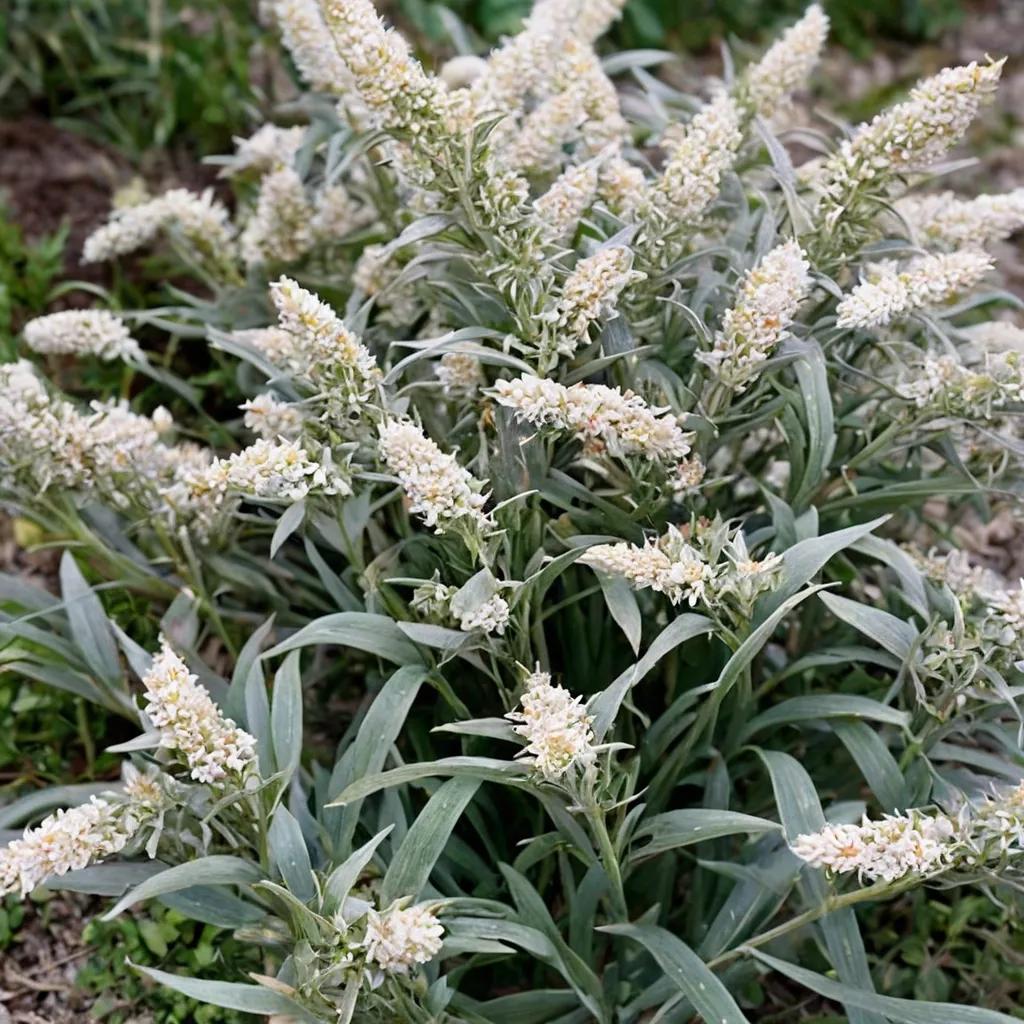 ‘White Ball’White Ball Butterfly Bush
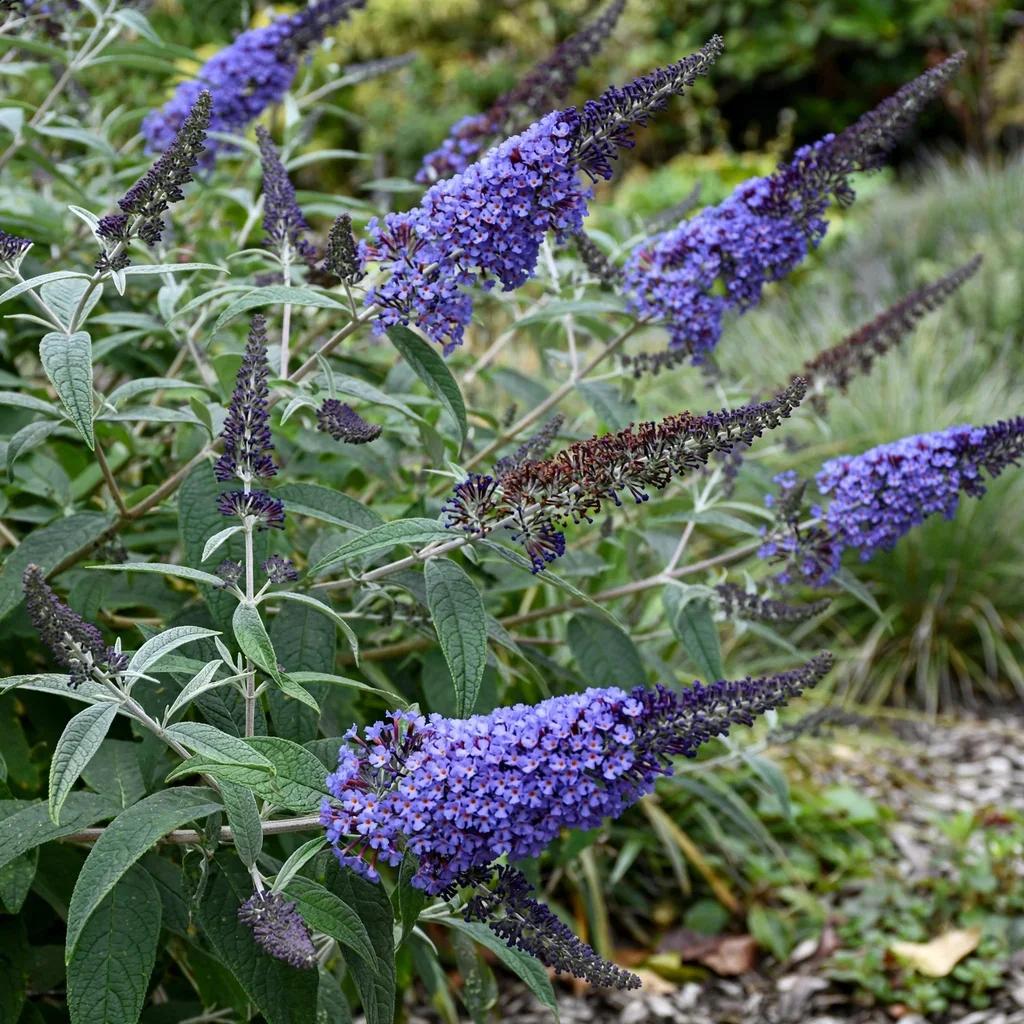 ‘Blue Ribbon’Blue Ribbon Butterfly Bush
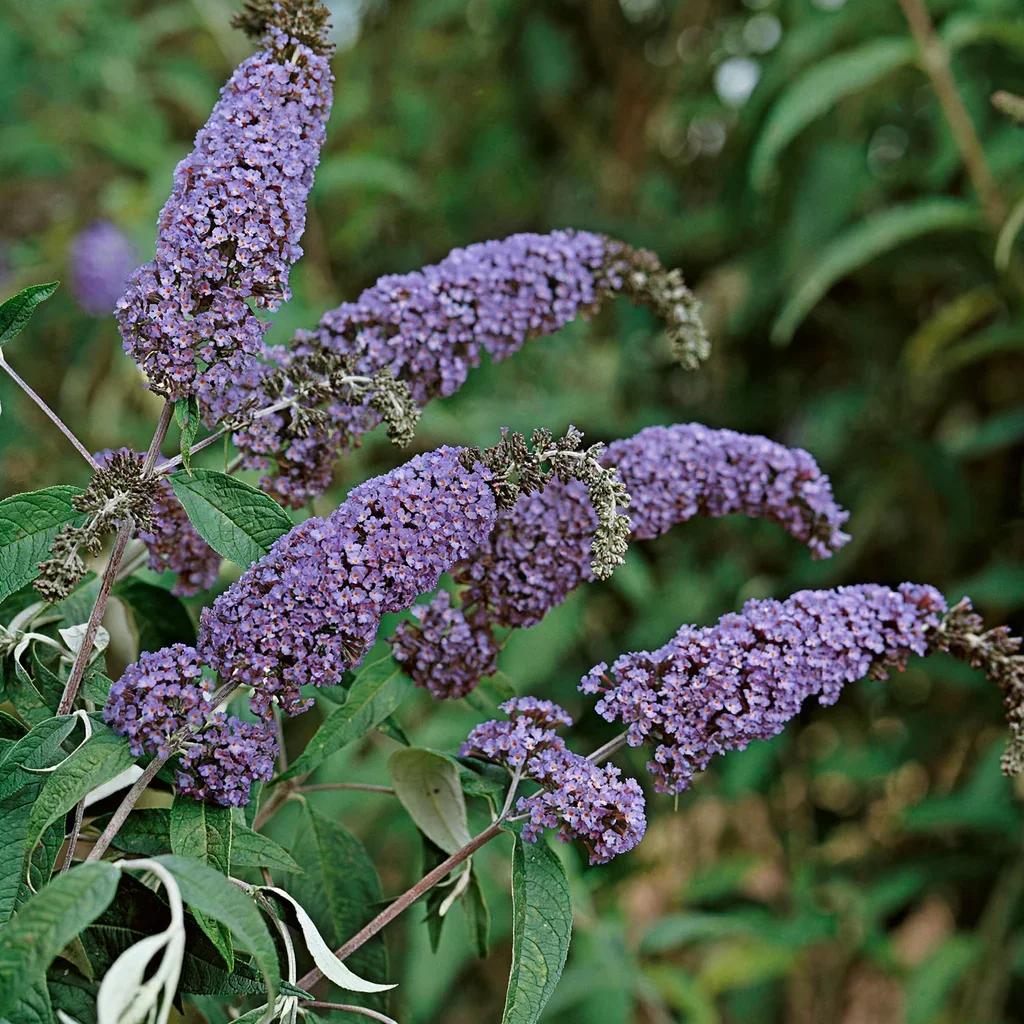 ‘Bonnie’Bonnie Butterfly Bush
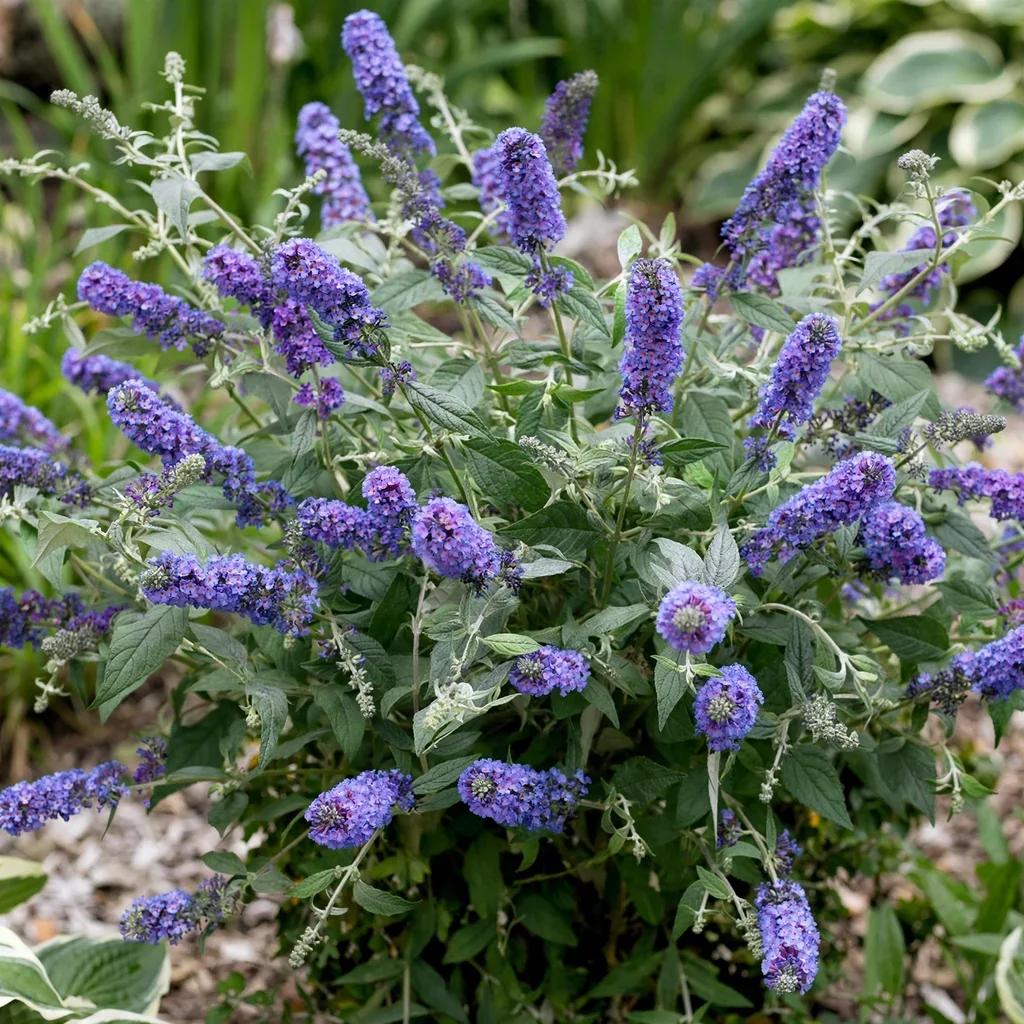 ‘Blue Chip Jr’Blue Chip Jr Butterfly Bush
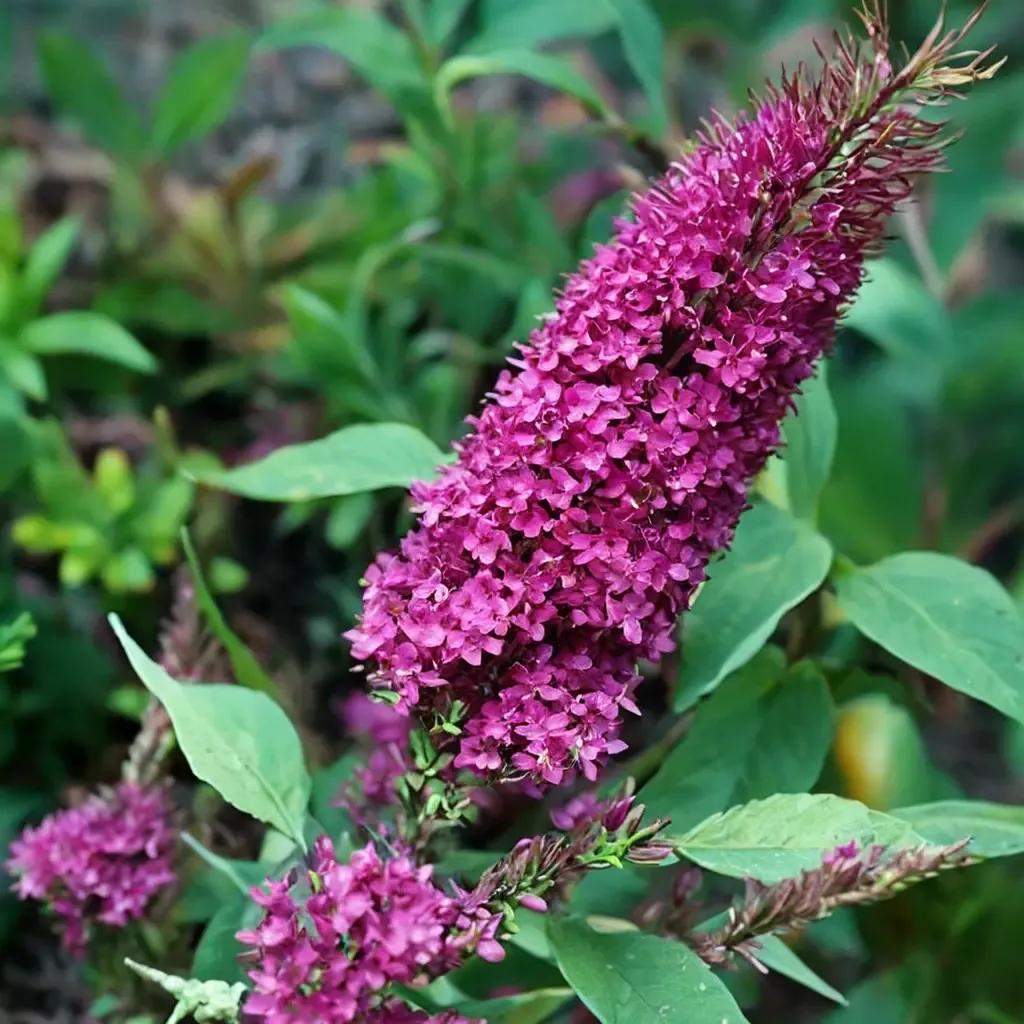 ‘Attraction’Attraction Butterfly Bush
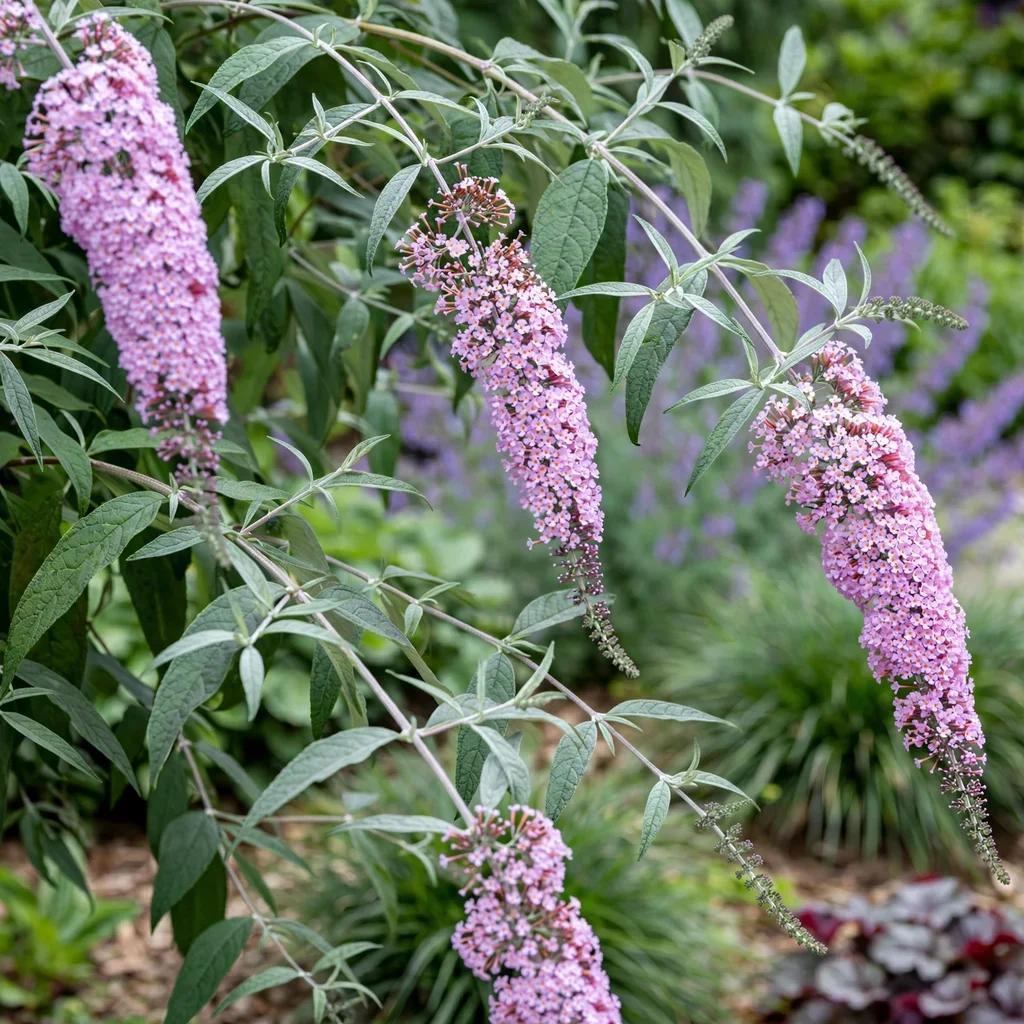 ‘Pink Cascade’Pink Cascade Butterfly Bush
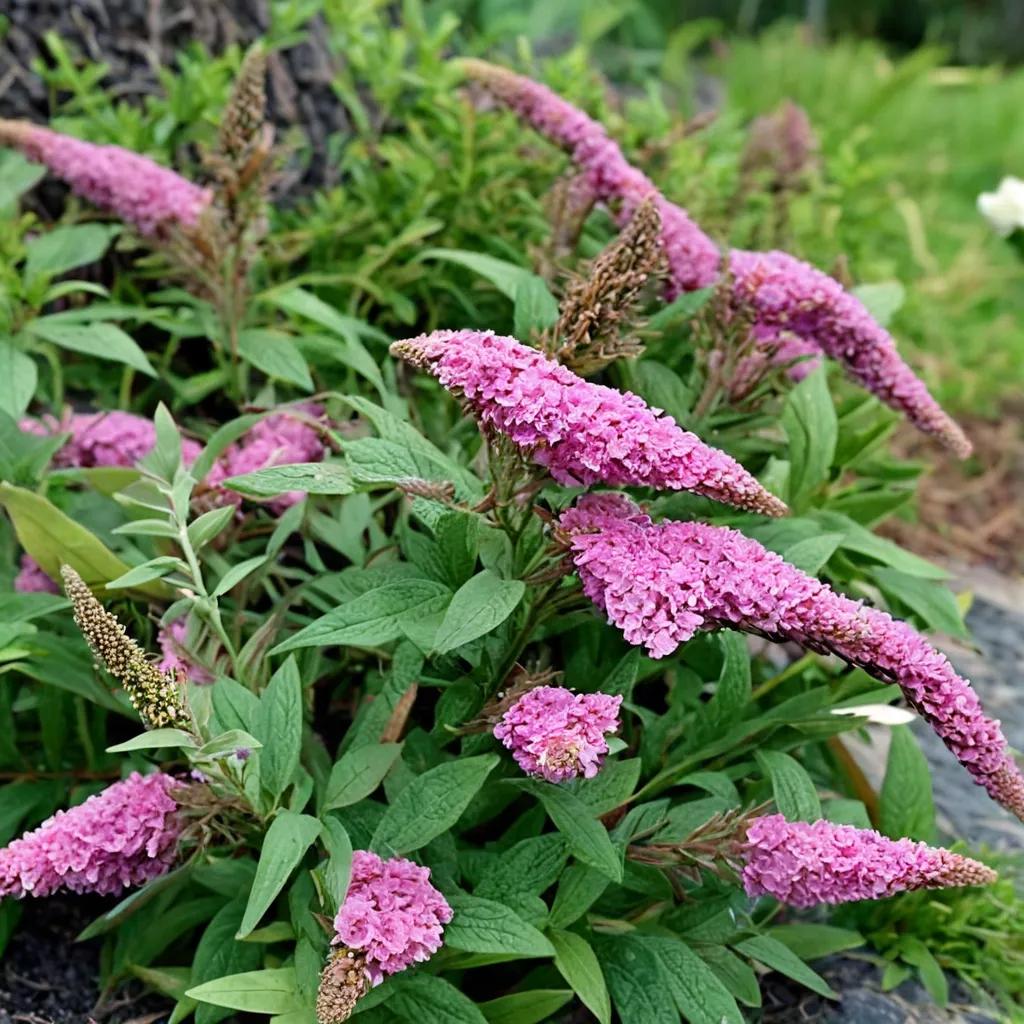 ‘Pugster Pinker’Pugster Pinker Butterfly Bush
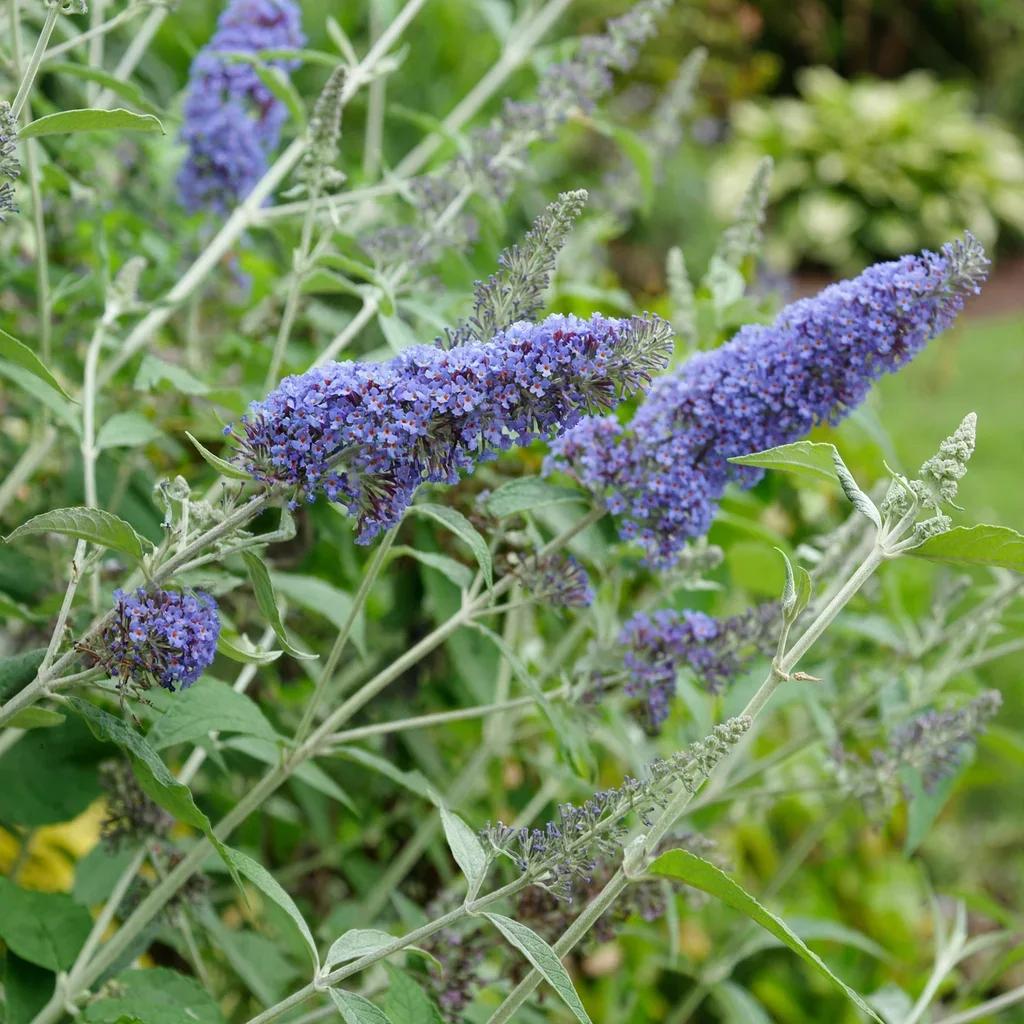 ‘Nanho Blue’Nanho Blue Butterfly Bush
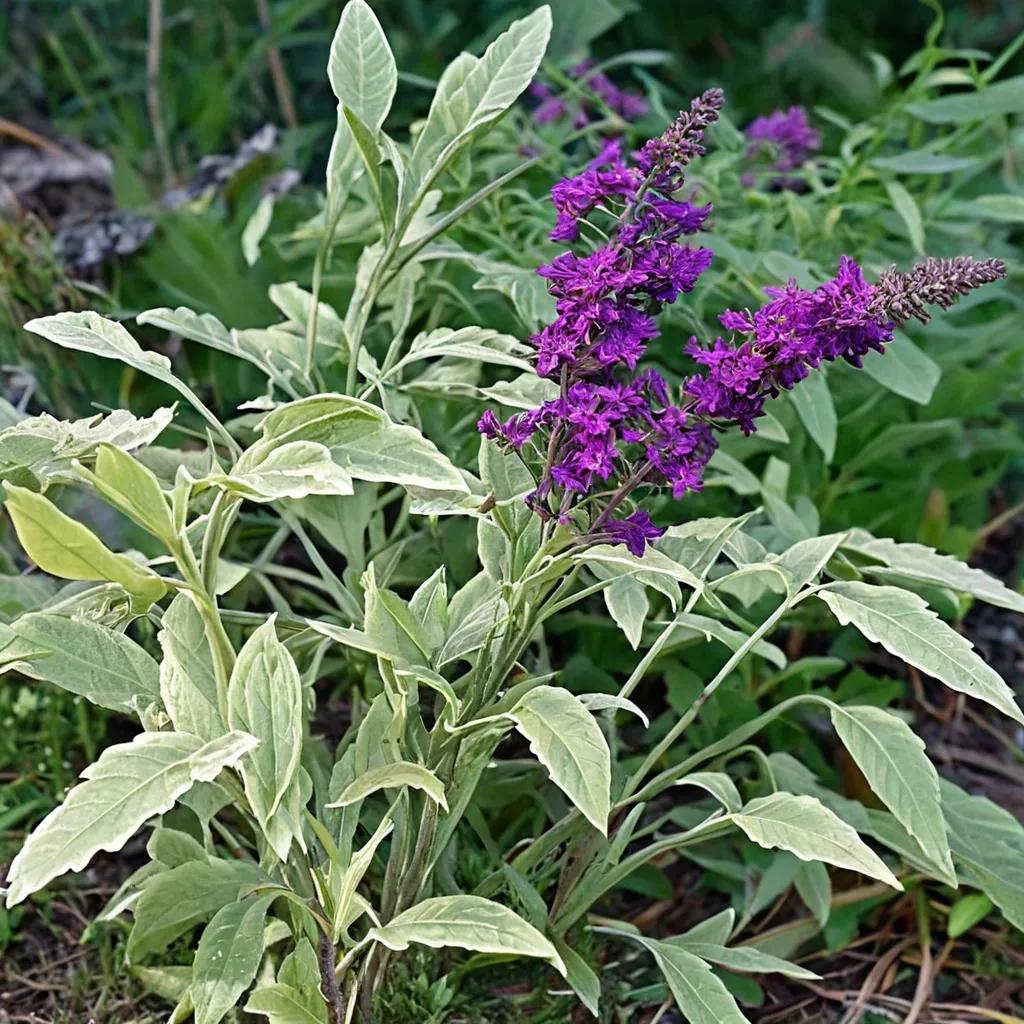 ‘Harlequin’Butterfly Bush Harlequin
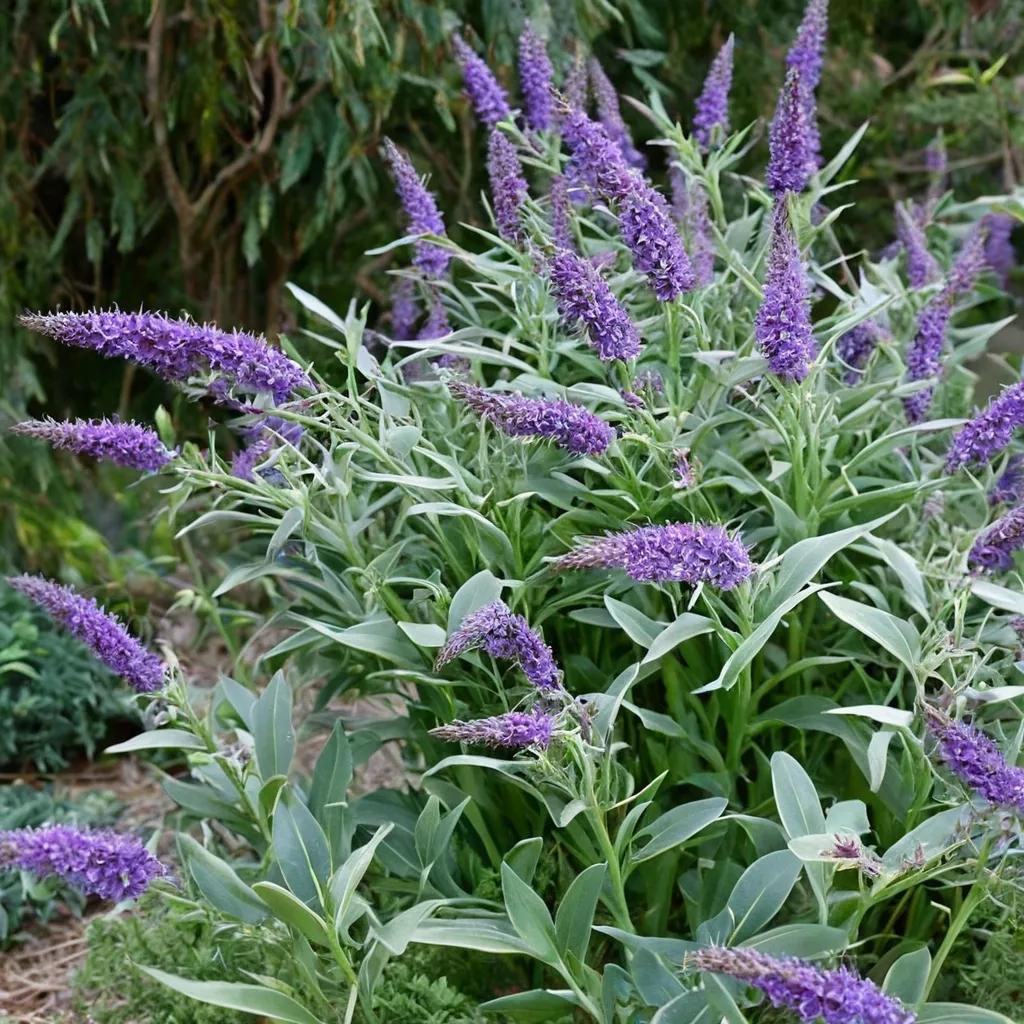 ‘Lochinch’Lochinch Butterfly Bush
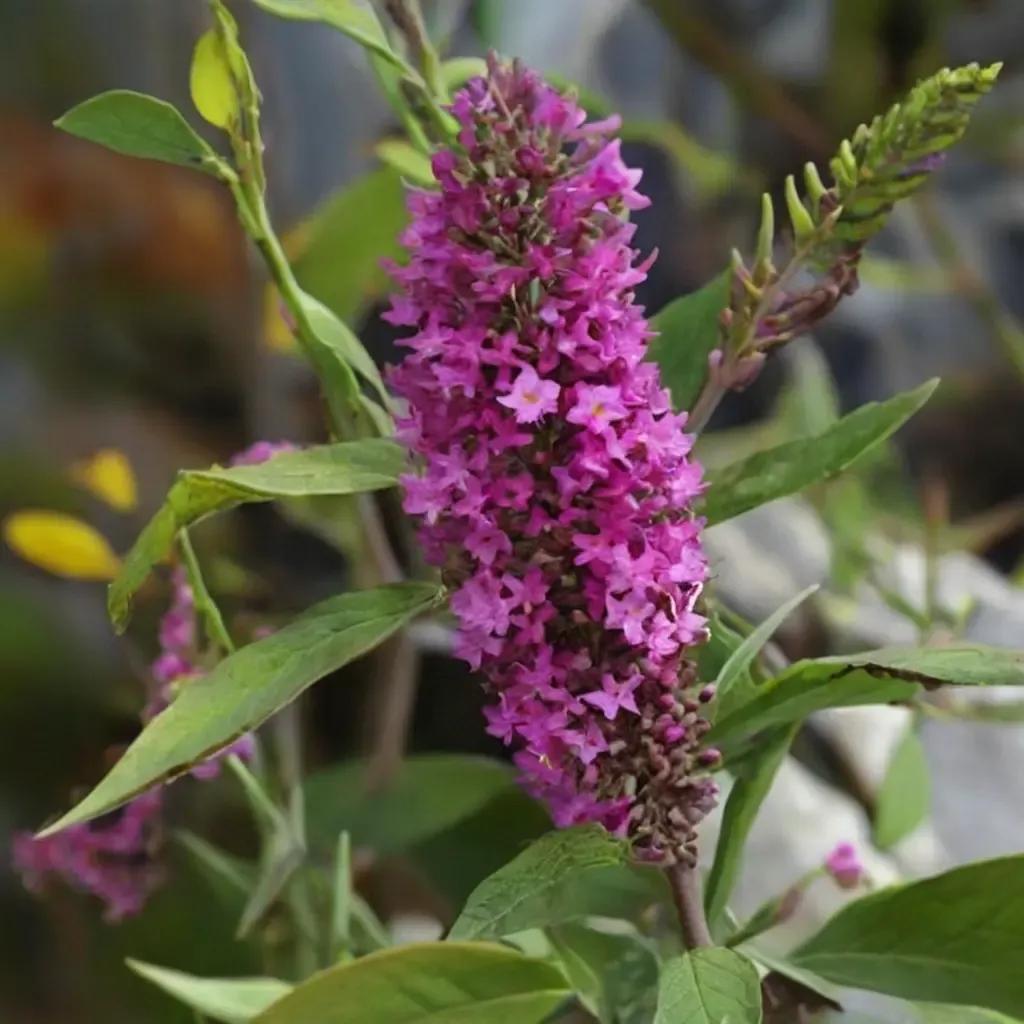 ‘Buzz Magenta Improved’Buzz Magenta Improved Butterfly Bush
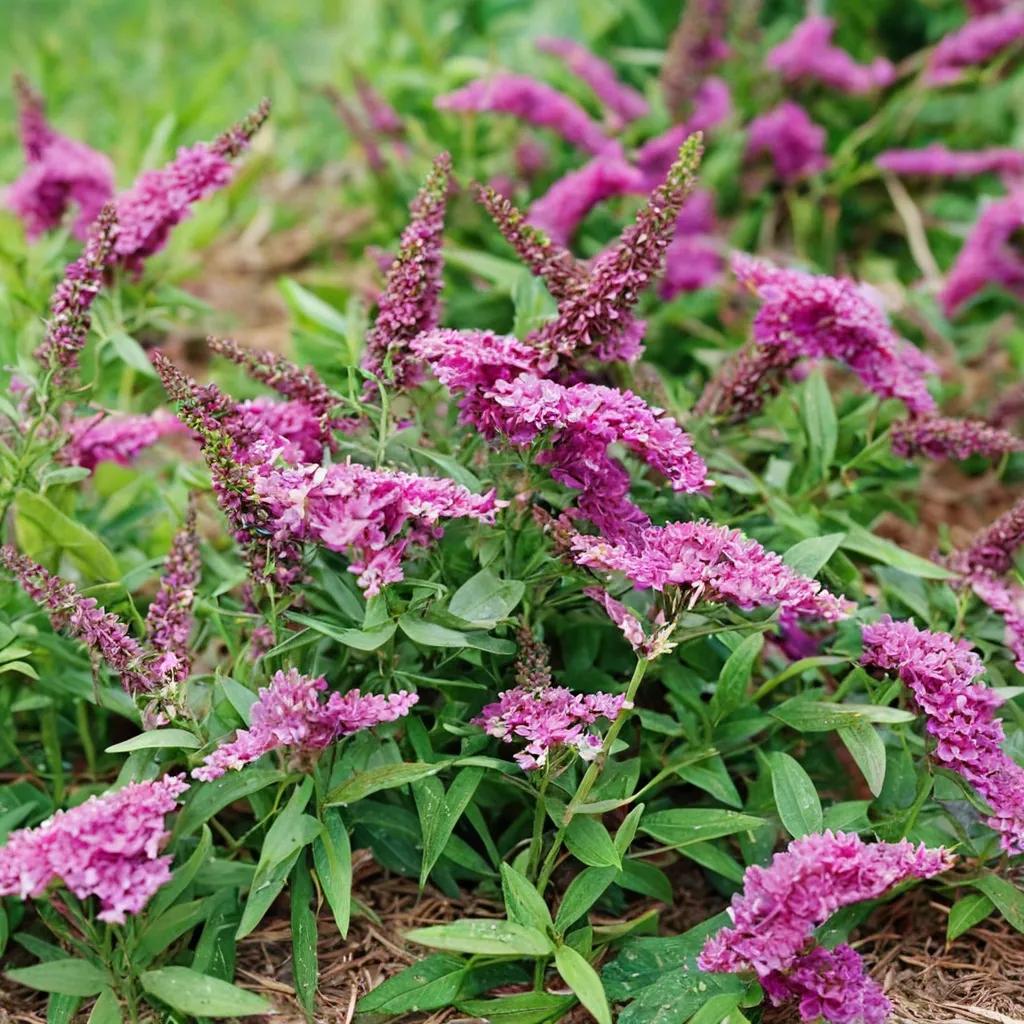 ‘Ruby Chip’Ruby Chip Butterfly Bush
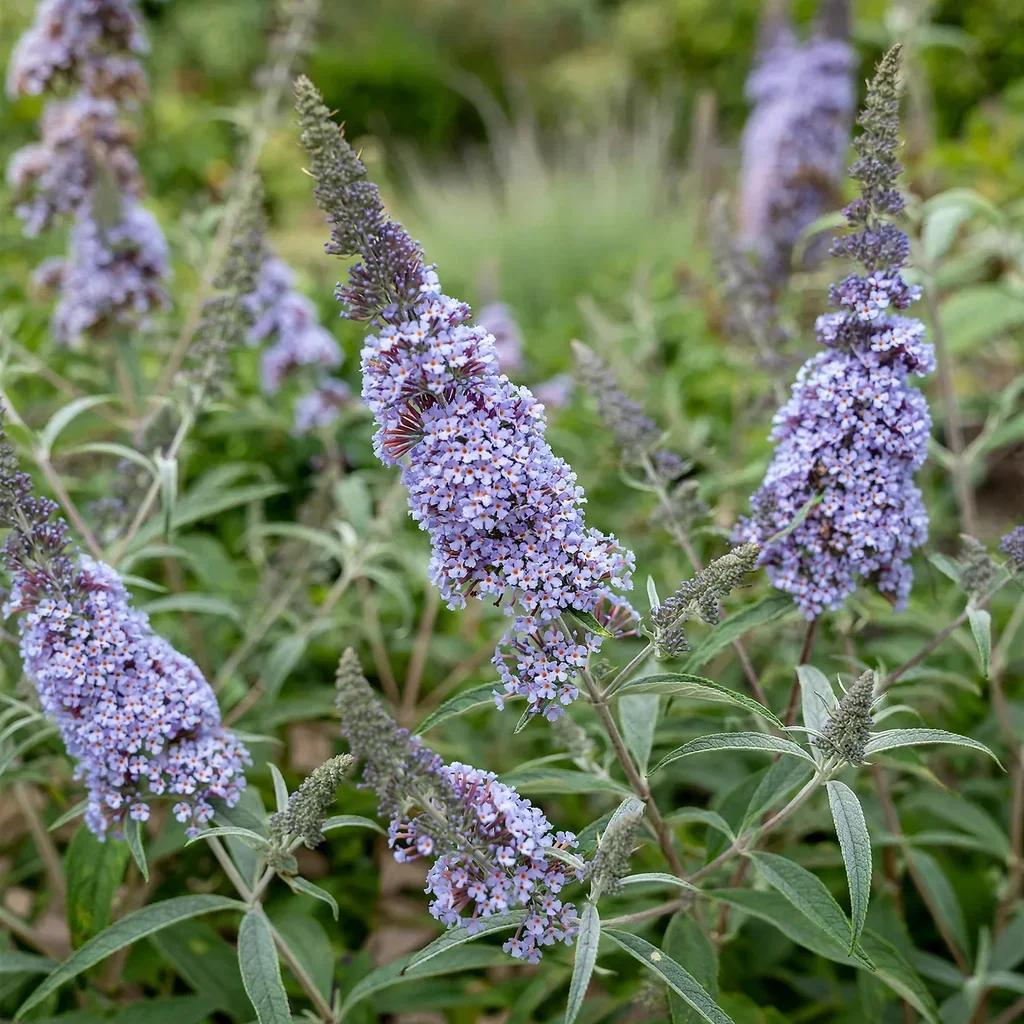 ‘Buzz Sky Blue’Buzz Sky Blue Butterfly Bush
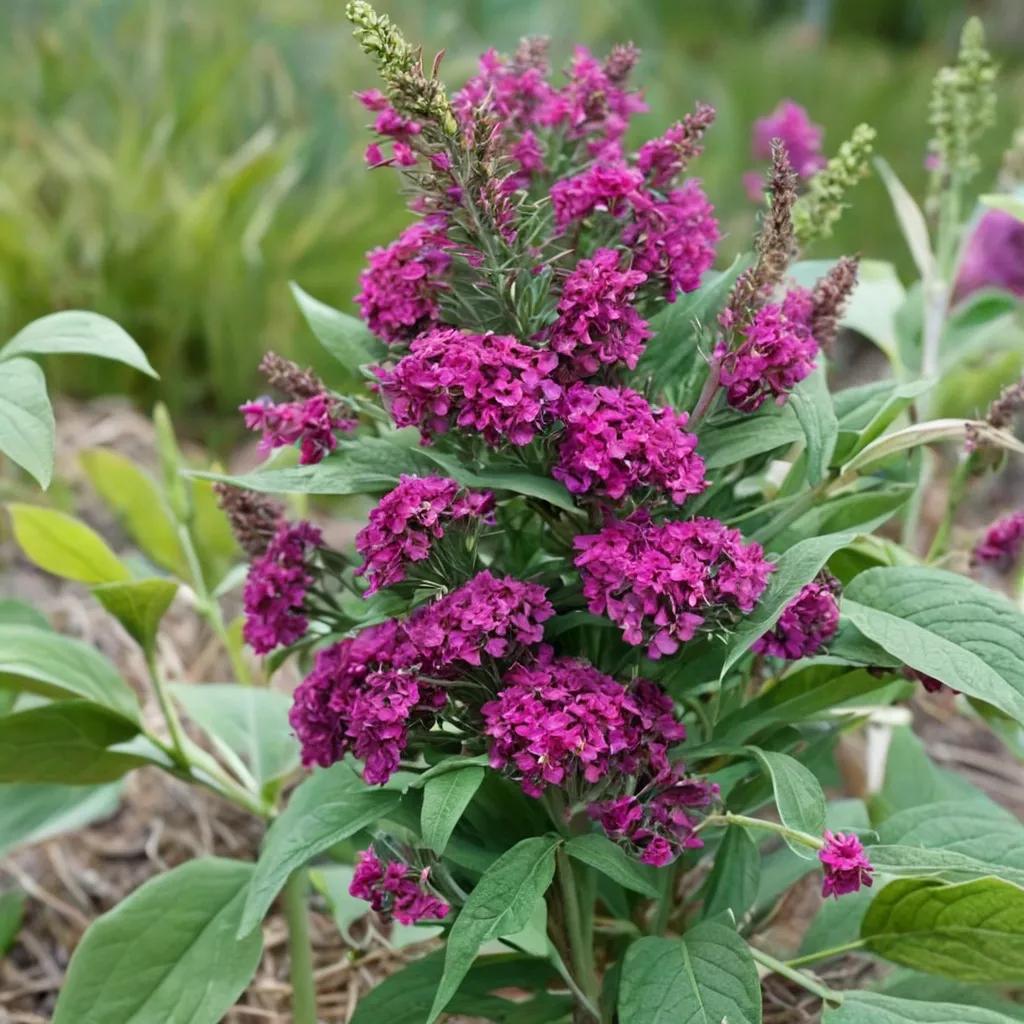 ‘Miss Ruby’Miss Ruby Butterfly Bush
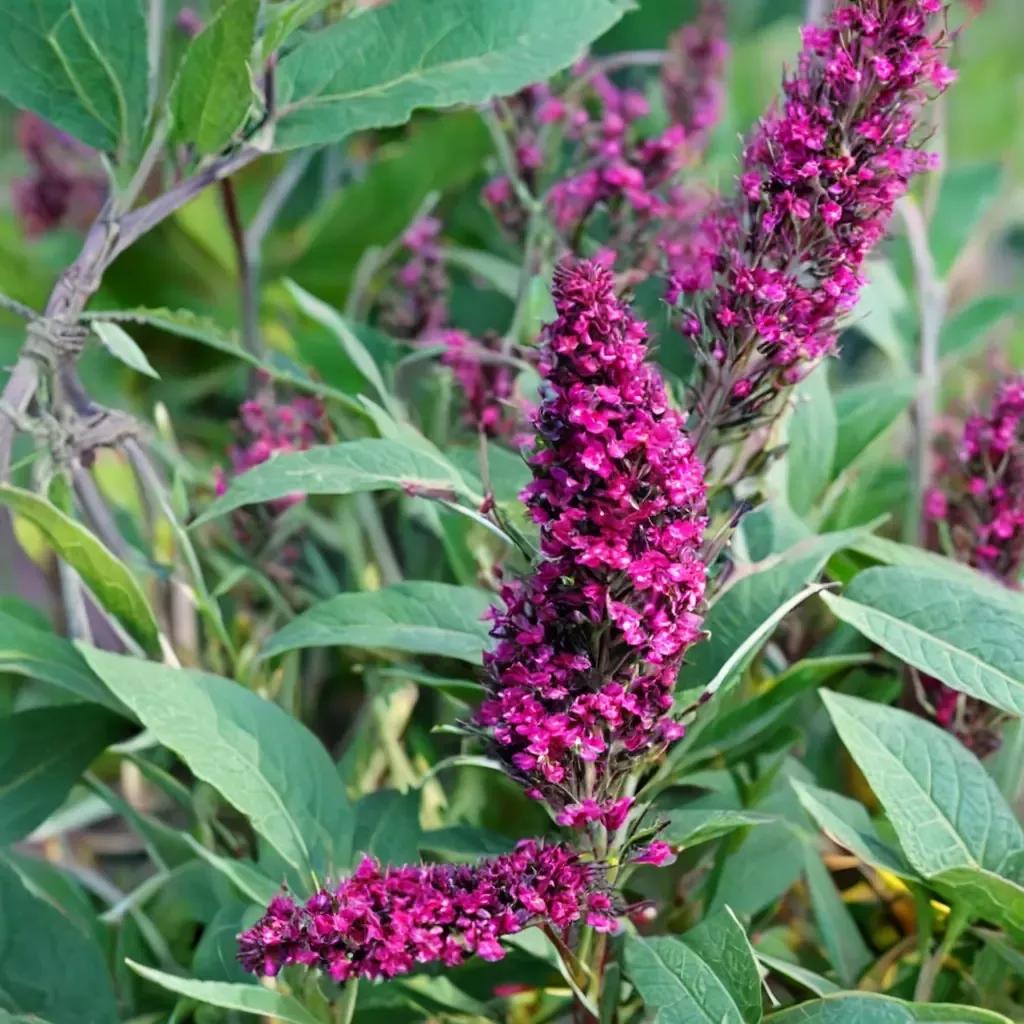 ‘Buzz Velvet’Buzz Velvet Butterfly Bush
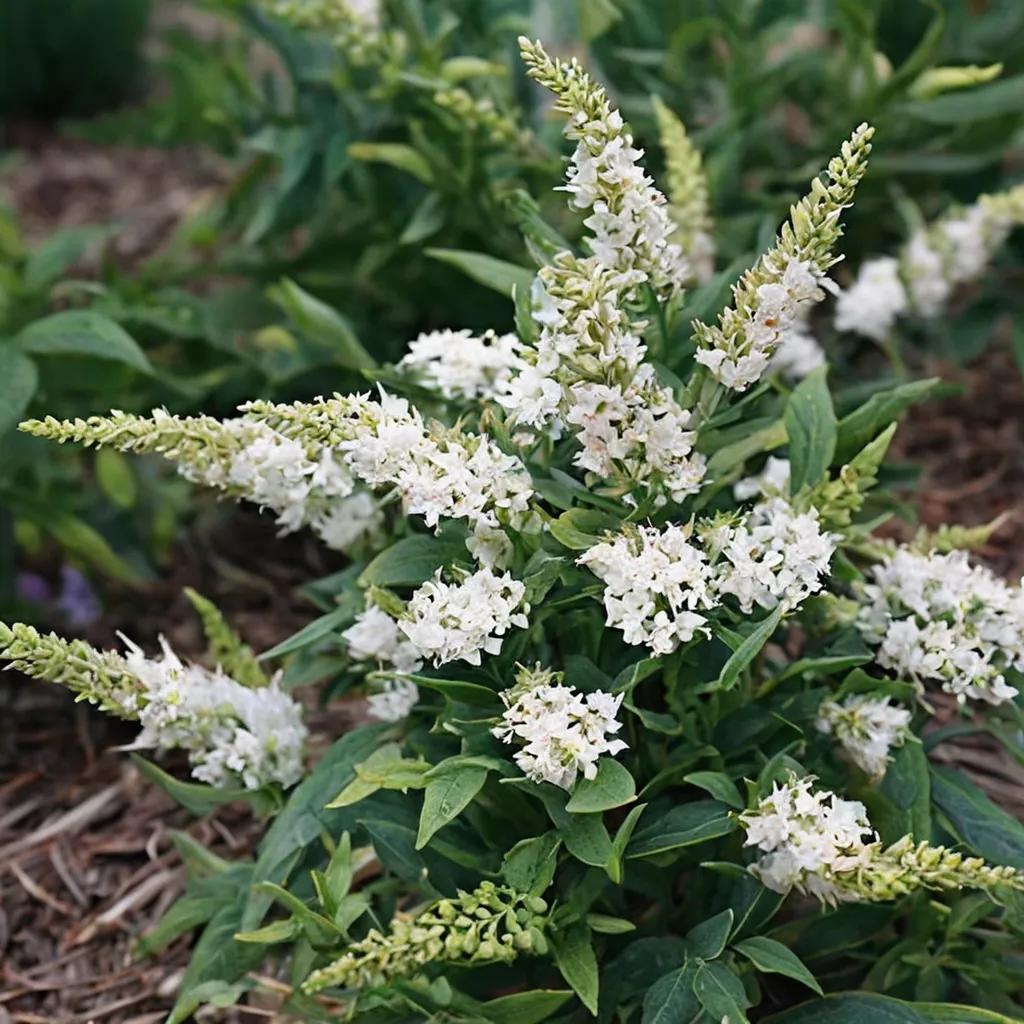 ‘Pugster White’Pugster White Butterfly Bush
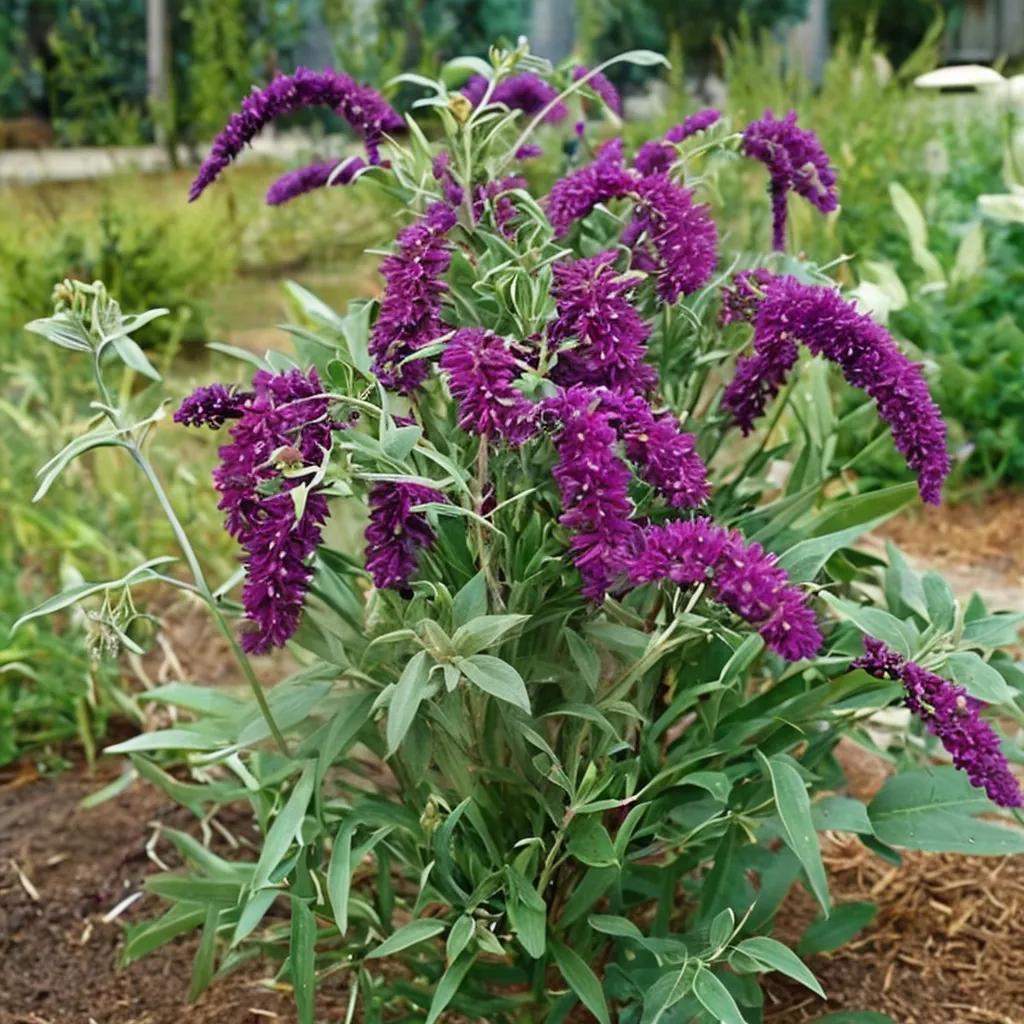 ‘Nanho Purple’Nanho Purple Butterfly Bush
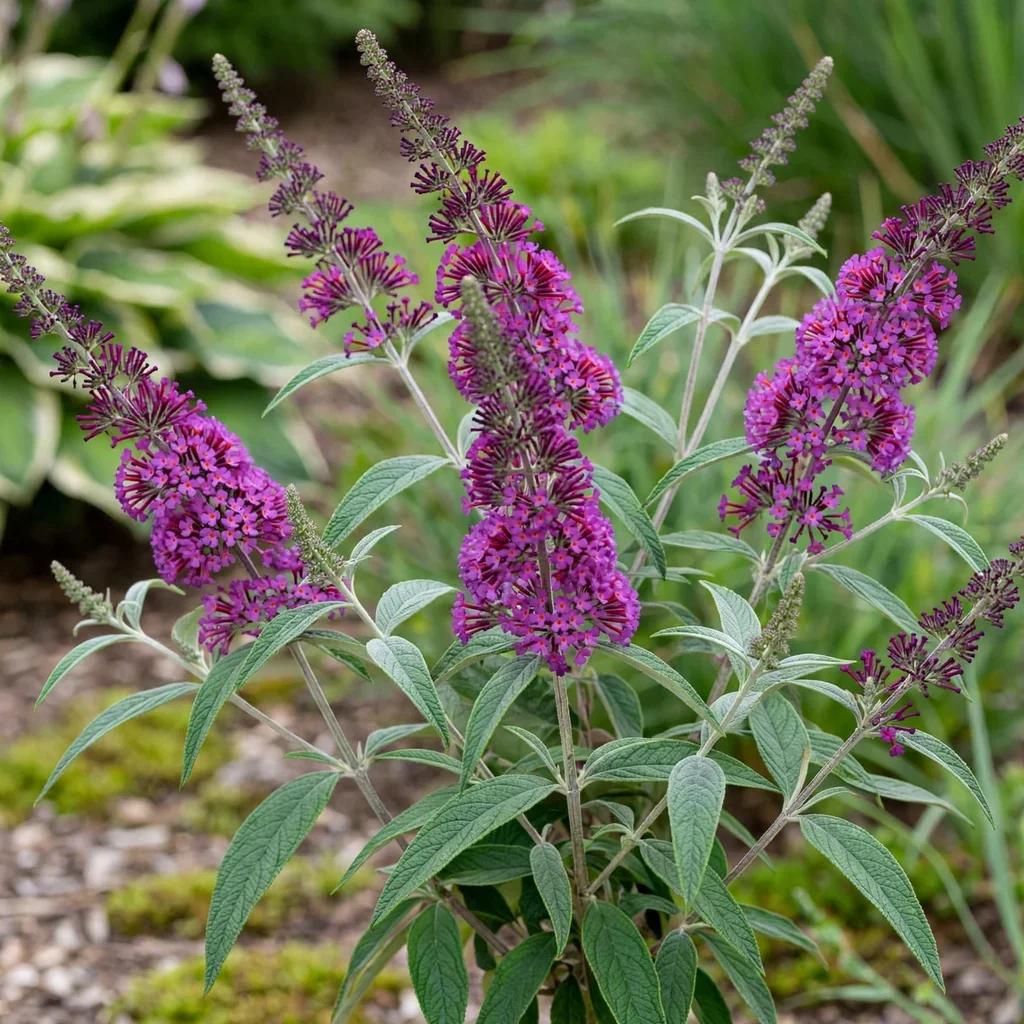 ‘Buzz Purple’Buzz Purple Butterfly Bush
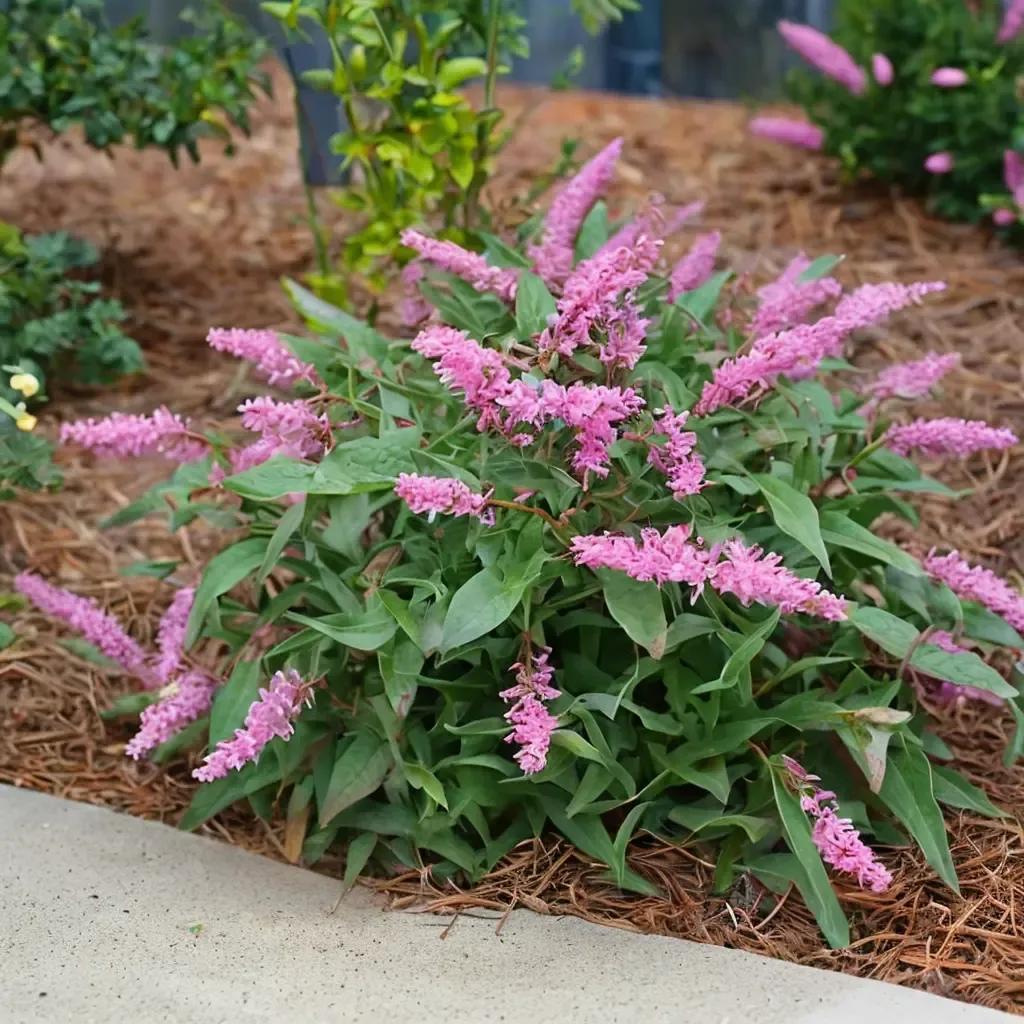 ‘Lo Behold Pink Micro Chip’Lo & Behold Pink Micro Chip Butterfly Bush
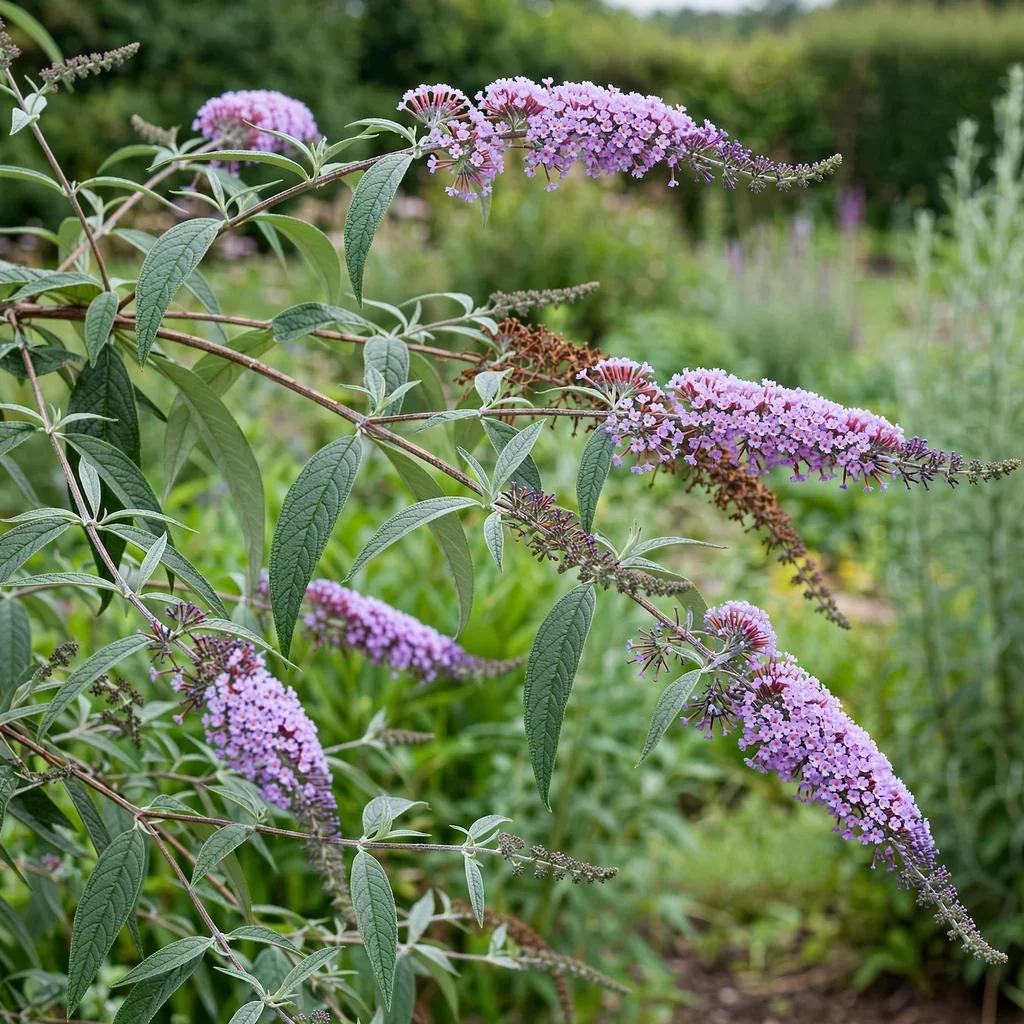 ‘Dartmoor’Butterfly Bush Dartmoor
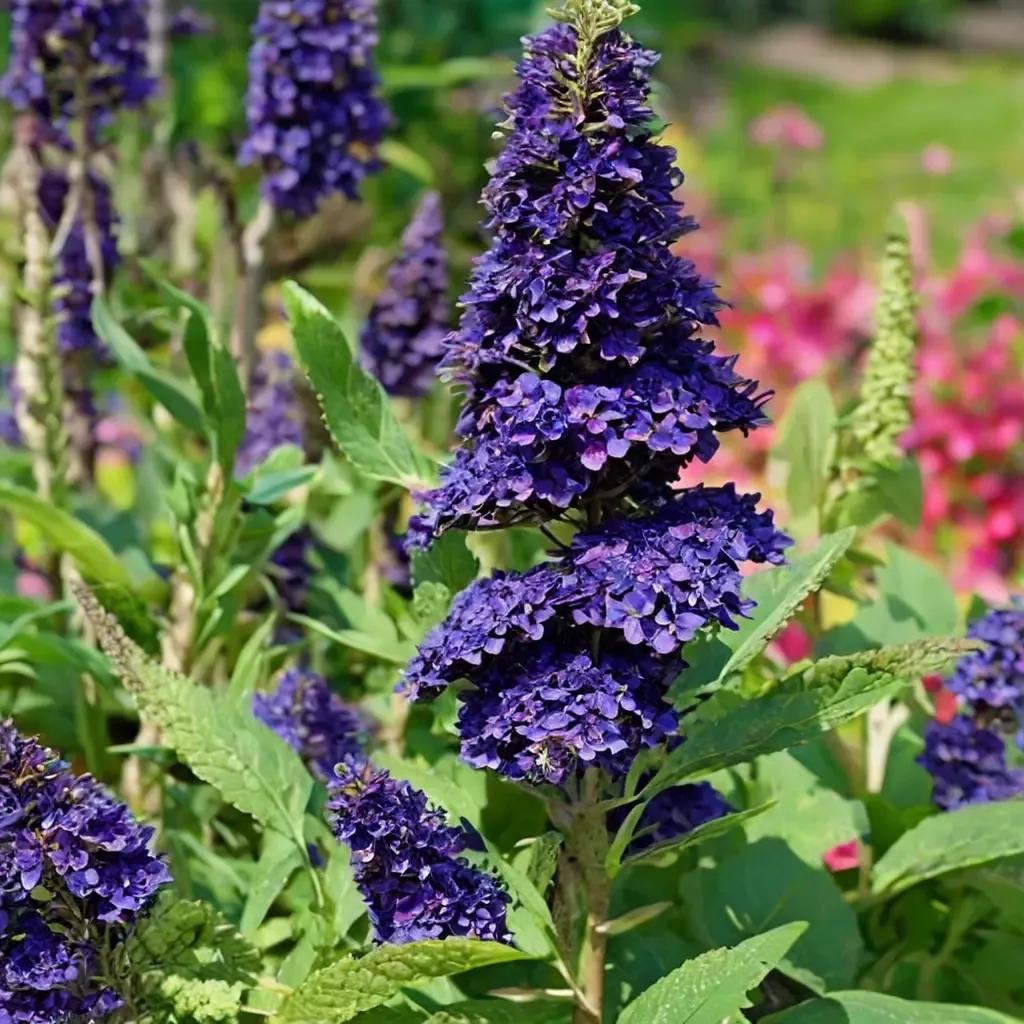 ‘Buzz Midnight’Buzz Midnight Butterfly Bush
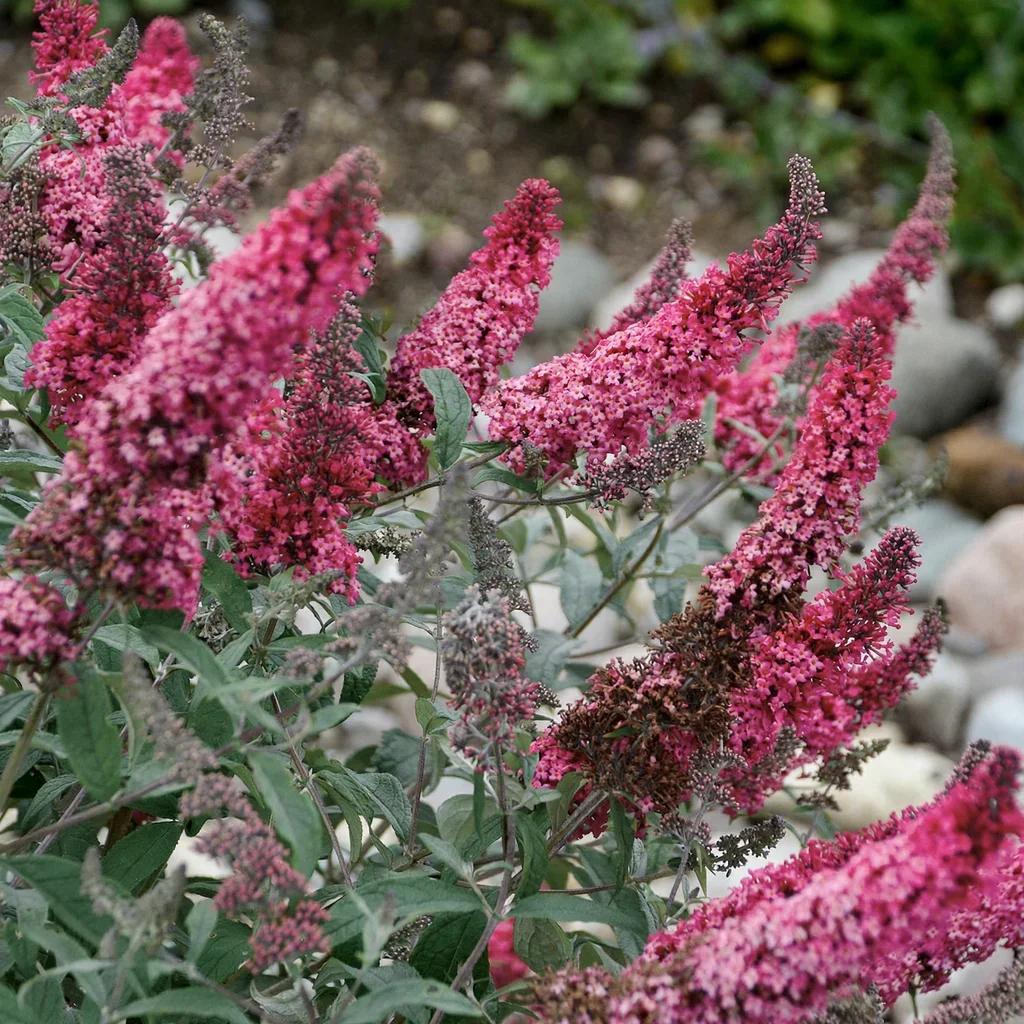 ‘Prince Charming’Butterfly Bush Prince Charming
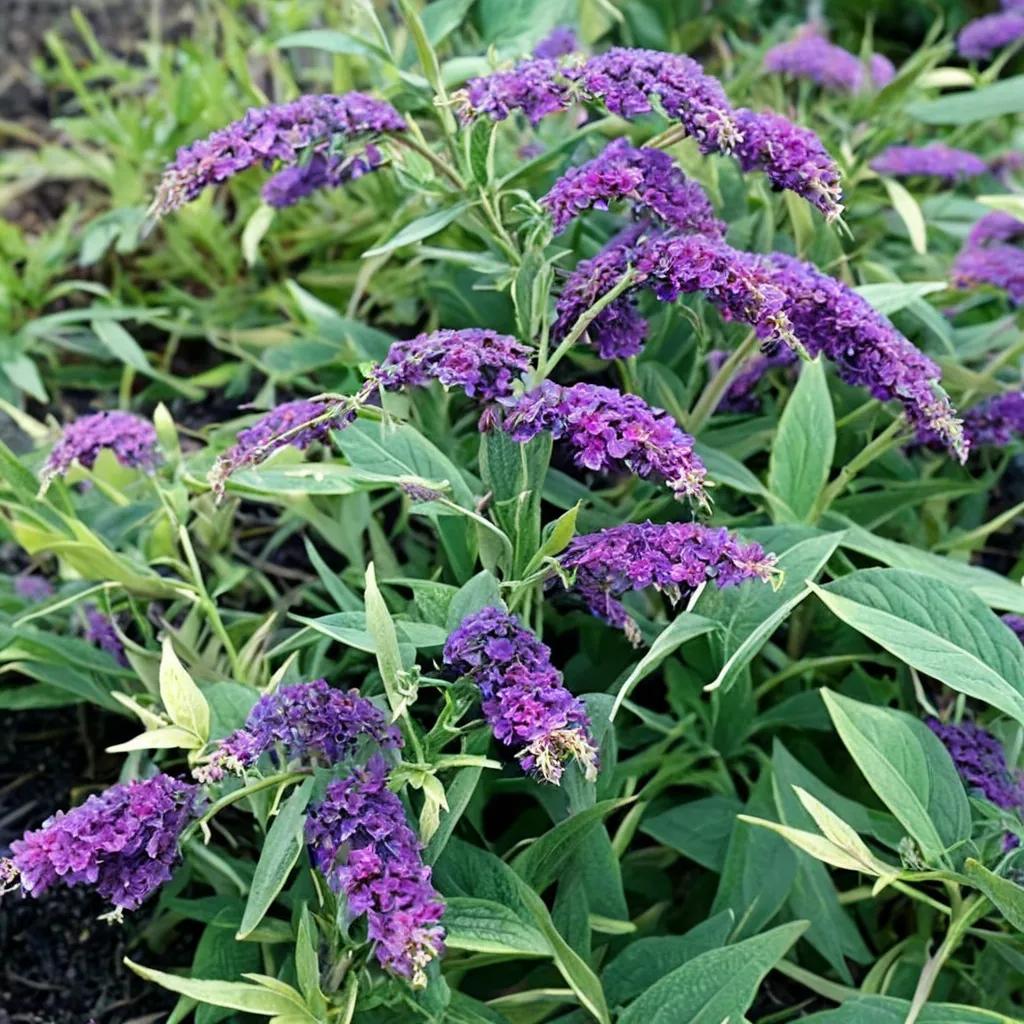 ‘Purple Haze’Butterfly Bush Purple Haze
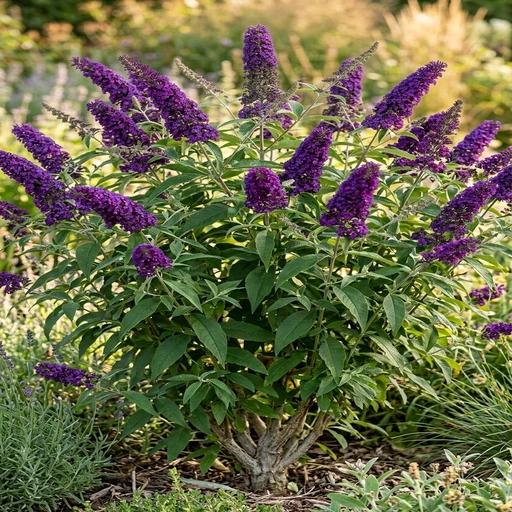 ‘Groovy Grape’Groovy Grape Butterfly Bush
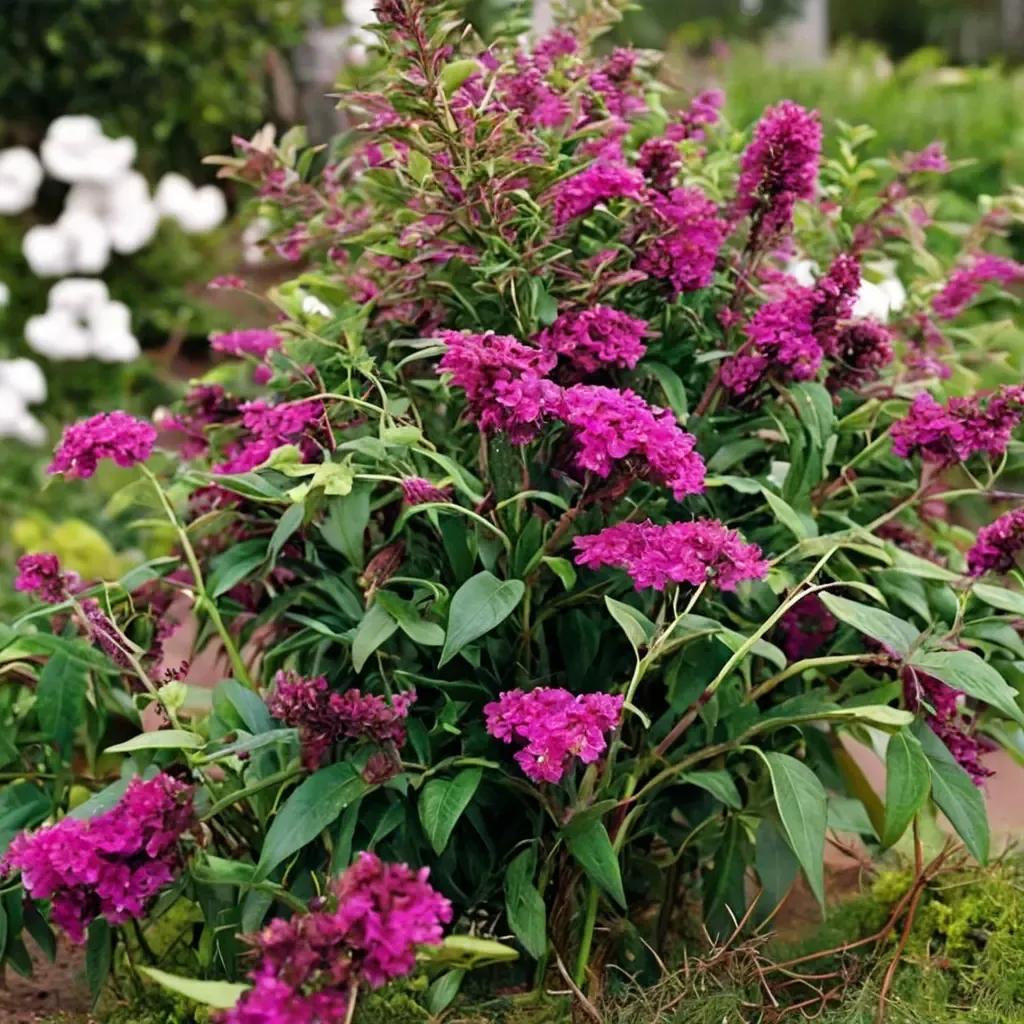 ‘Royal Red’Royal Red Butterfly Bush
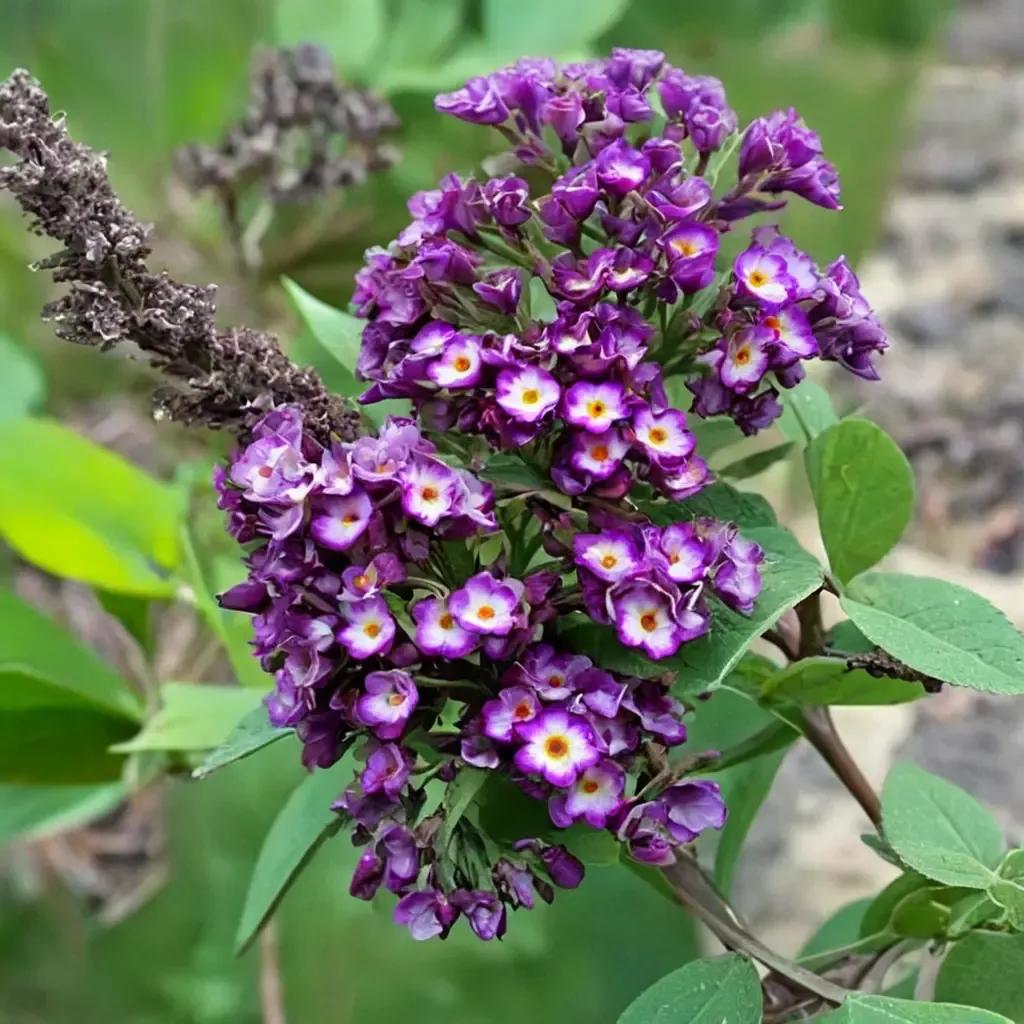 ‘Polka Dot’Polka Dot Butterfly Bush
 ‘Purple Haze’Purple Haze Butterfly Bush
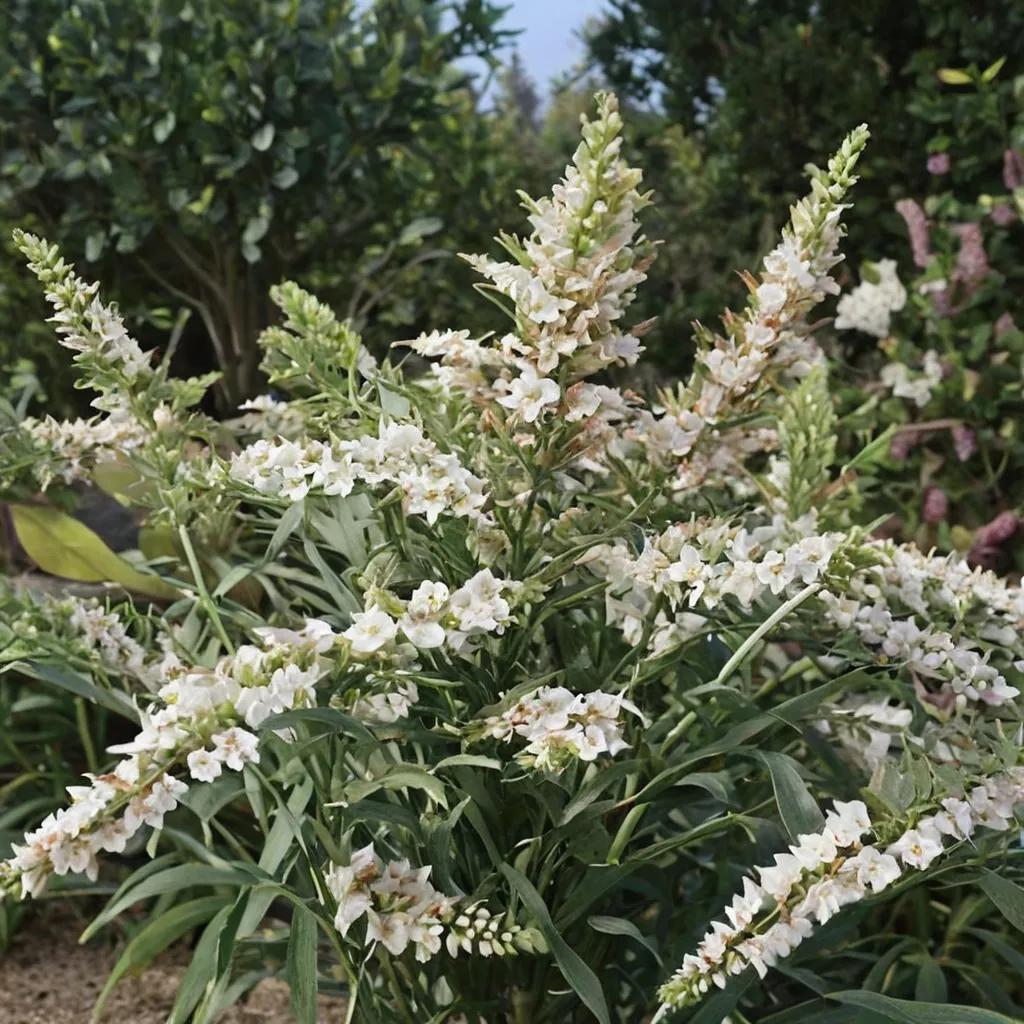 ‘White Bouquet’White Butterfly Bush
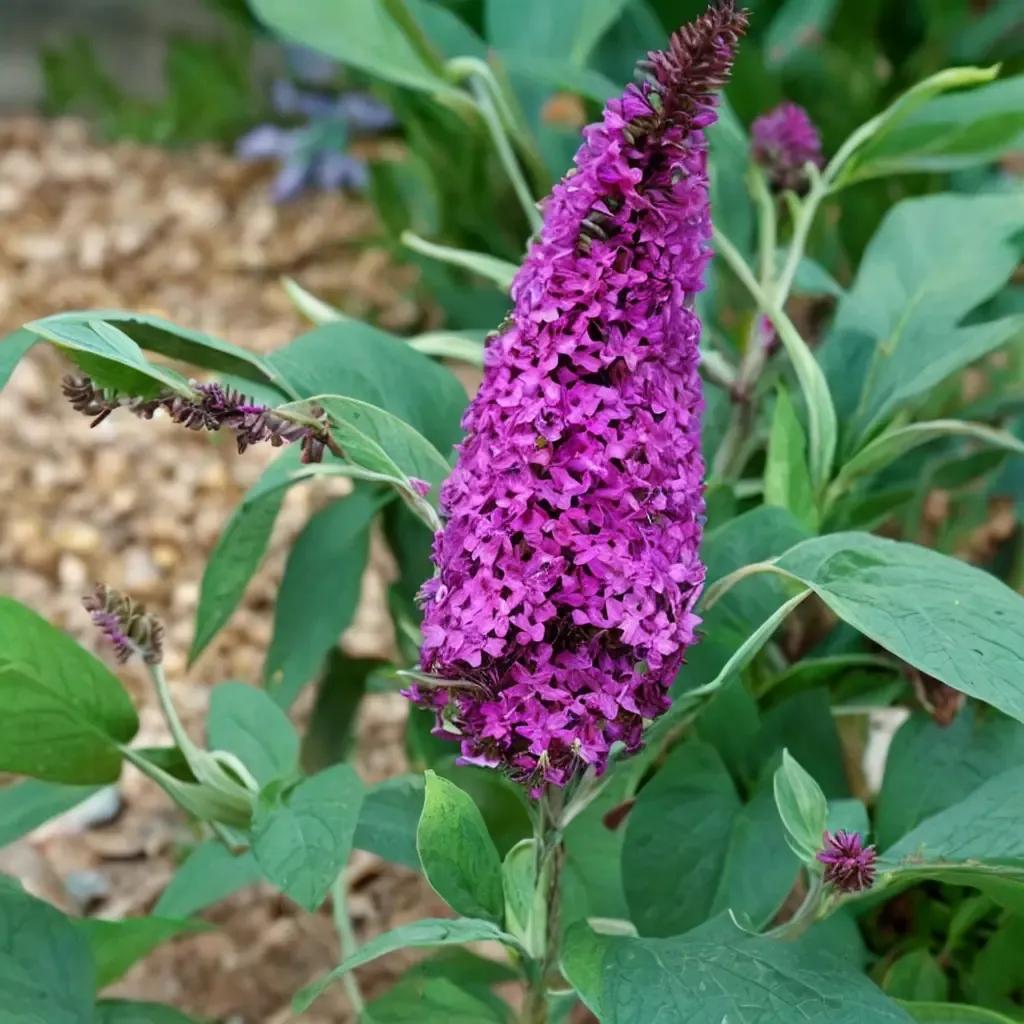 ‘Buzz Magenta’Buzz Magenta Butterfly Bush
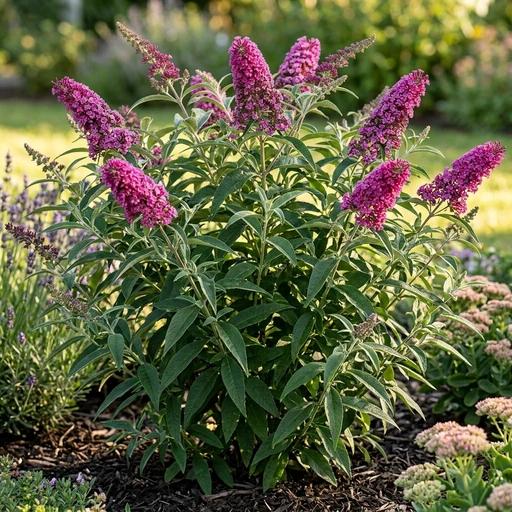 ‘Boscranz’CranRazz Butterfly Bush
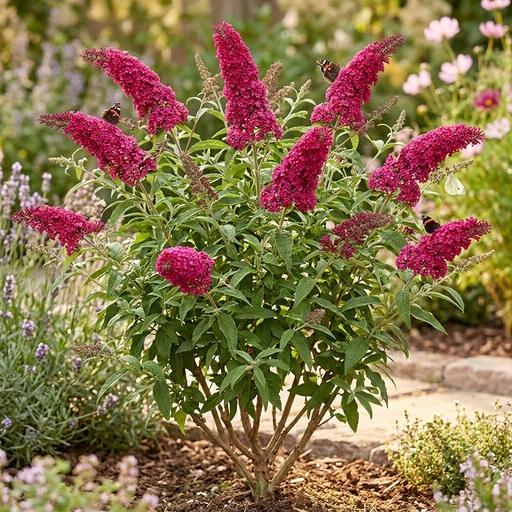 ‘Buzz Hot Raspberry’Buzz Hot Raspberry Butterfly Bush
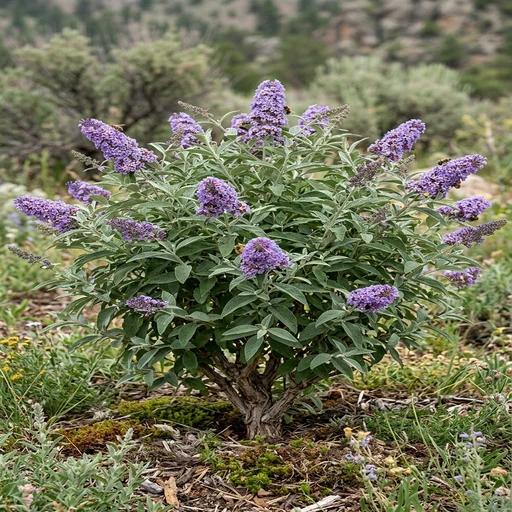 ‘Blue Heaven’Blue Heaven Butterfly Bush
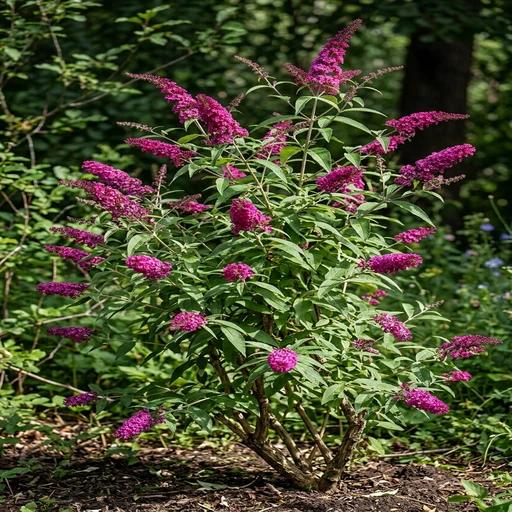 ‘Funky Fuchsia’Funky Fuchsia Butterfly Bush
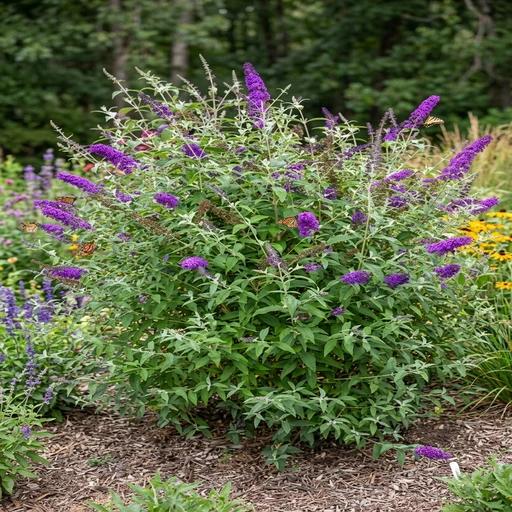 ‘Psychedelic Sky’Psychedelic Sky Butterfly Bush
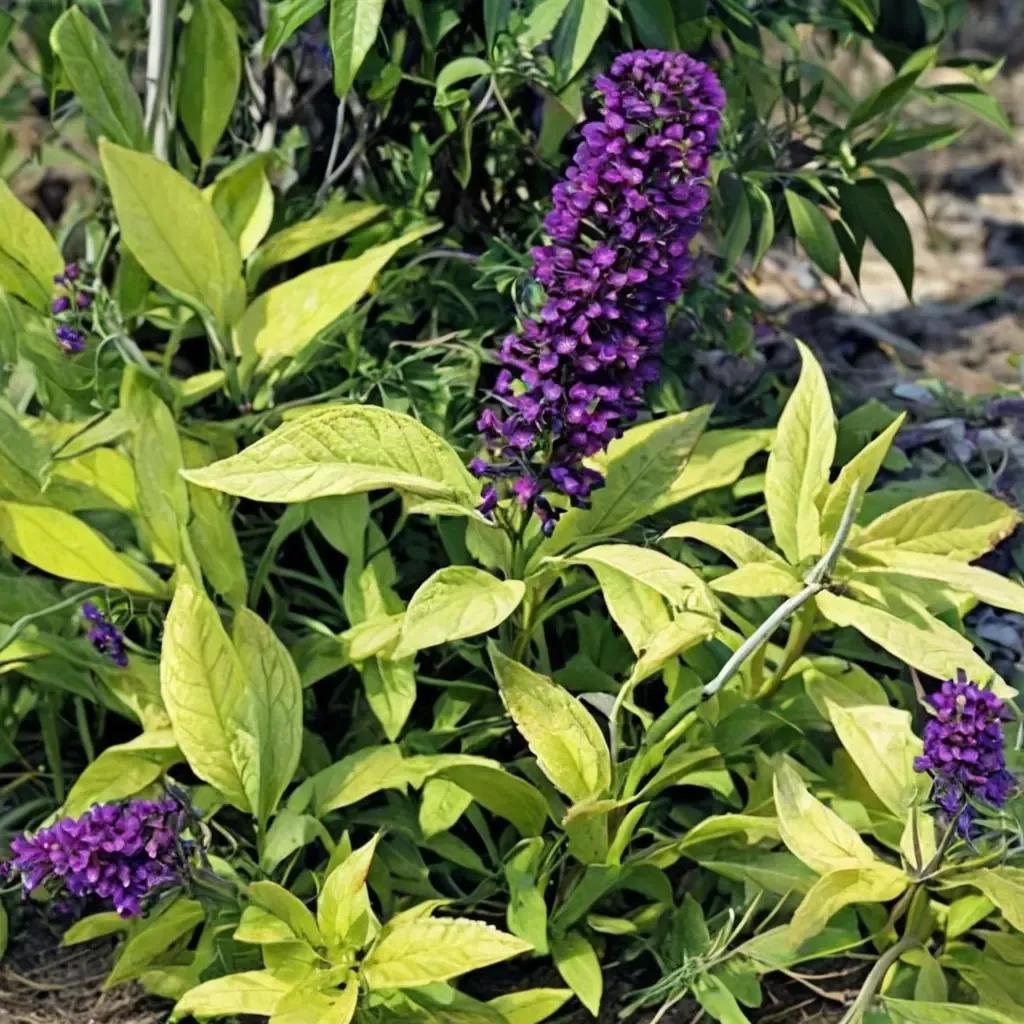 ‘Evil Ways’Evil Ways Butterfly Bush
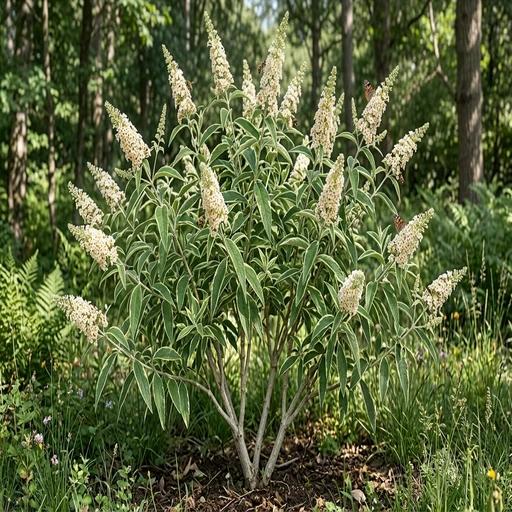 ‘Vanilla Treat’Vanilla Treat Butterfly-bush
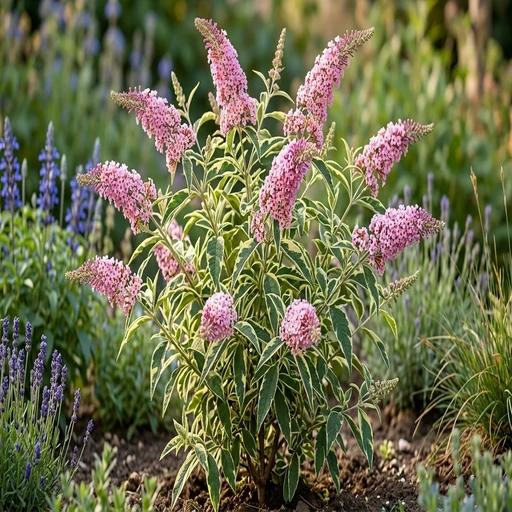 ‘Dapper Pink’Dapper Pink Buddleia
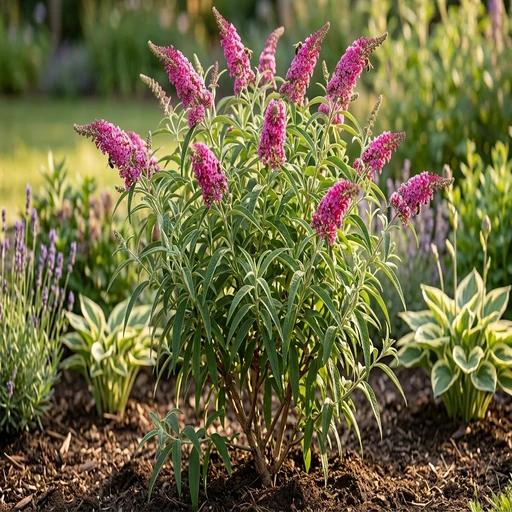 ‘Podarasnga 3-30’Birthday Cake Butterfly Bush
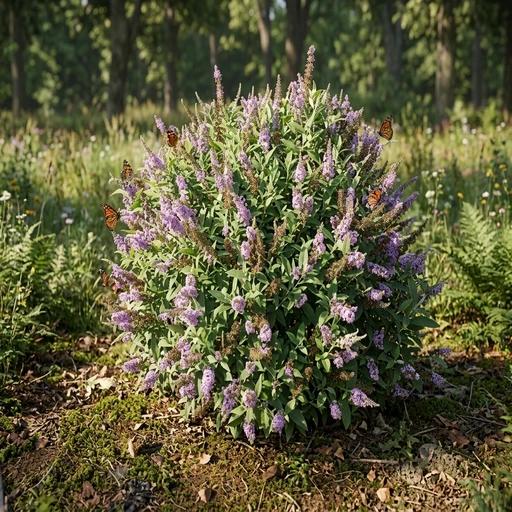 ‘Buddaplav’Dapper Lavender Butterfly Bush
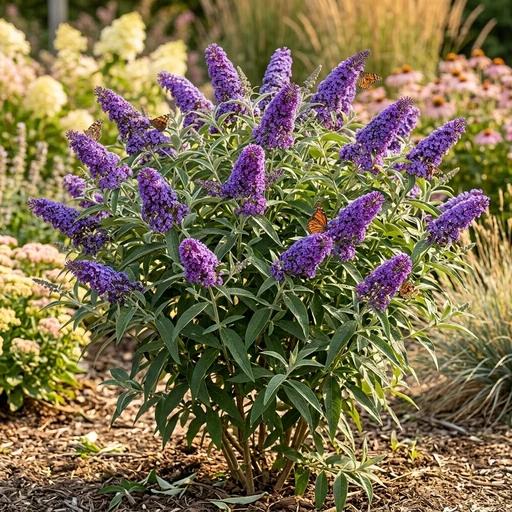 ‘Blueberry Pie’Blueberry Pie Butterfly Bush
 ‘Dapconwhi’Dapconwhi Butterfly Bush
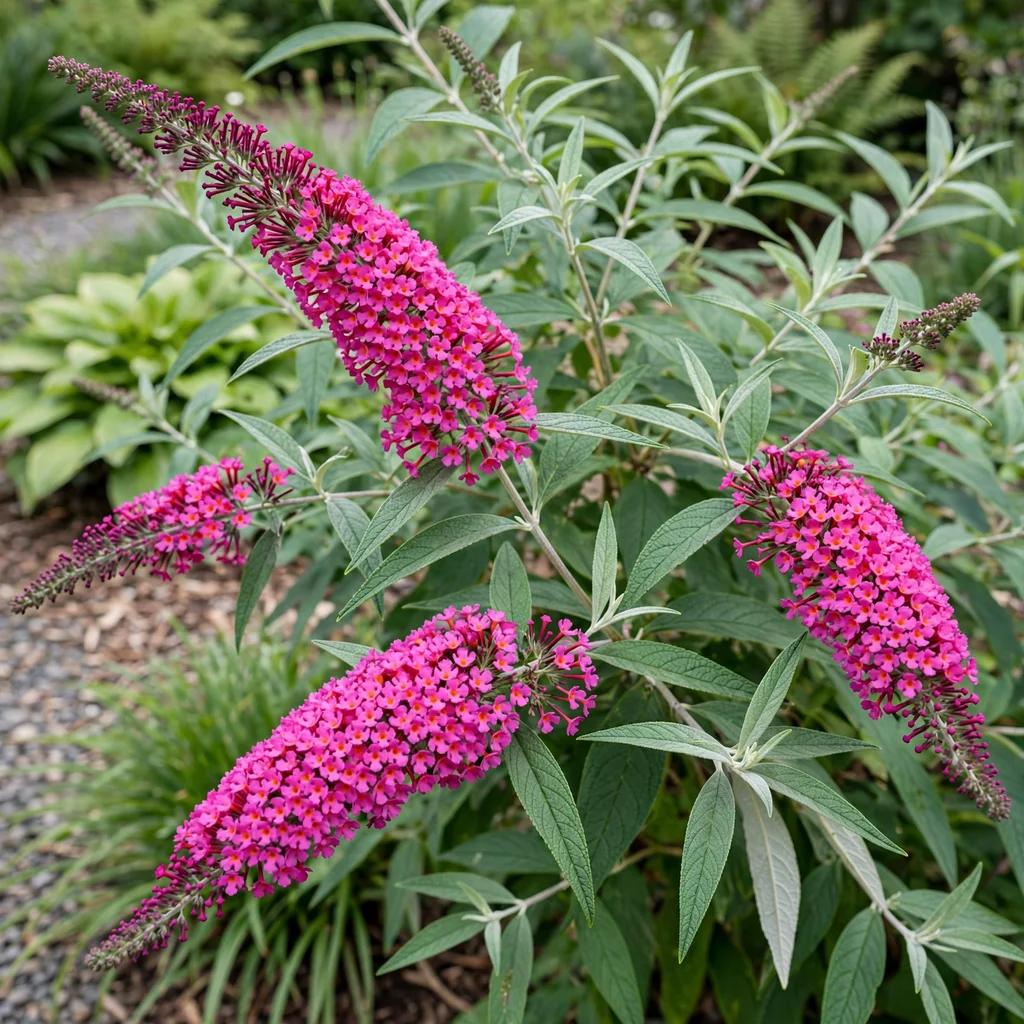 ‘Tutti Fruitti’Butterfly Bush
The Story
Plant Bio
Deciduous shrub known for its long spikes of fragrant flowers that attract pollinators.
Often referred to as the butterfly bush due to its ability to attract numerous species of butterflies.
Uses & Benefits:
Essentials
At a Glance
Plant Type
Shrub
Height
60"
Width
48"
Light
Full Sun, Partial Sun
Zones
5, 6, 7, 8, 9
Water
Moderate
Humidity
Average
Lifespan
10+ years
Native To
China and Japan
Toxicity
Non-toxic to humans and pets
Bloom period
Late summer – Early fall
In flower about 2 months of the year
Planting
How to Grow
- Select a sunny location with well-drained soil for planting.
- Tuck seeds or cuttings into moist soil in early spring or fall.
- Water regularly to keep soil evenly moist during establishment.
- Provide support if necessary to help the shrub grow upright.
- Fertilize with a balanced fertilizer in early spring for vigorous growth.
- Prune after flowering to maintain shape and encourage new blooms.
Pro Tip
Use organic compost to enrich soil and promote healthy flowering.
Keep It Thriving
Care Guide
Do
- Water deeply during dry spells 🌱
- Prune in late winter or early spring to shape the plant
- Apply balanced fertilizer annually
Don't
- Avoid overwatering to prevent root rot ❌
- Do not prune in late summer or fall
- Avoid planting in shady areas
Seasonal Care Calendar
| Task | Jan | Feb | Mar | Apr | May | Jun | Jul | Aug | Sep | Oct | Nov | Dec |
|---|---|---|---|---|---|---|---|---|---|---|---|---|
| Deadhead | ||||||||||||
| Pest Check | ||||||||||||
| Prune |
Watch Out For
Pests & Diseases
Common Pests
Common Diseases
In the Garden
Landscape Uses & Companions
Landscape Uses
Multiply
Propagation Methods
Good to Know
Common Questions
-in- Butterfly Bush questions
What zones can -in- Butterfly Bush grow in?
-in- Butterfly Bush is hardy in USDA Zones 5–9. Inside that range it survives winter in the ground; outside it, grow it as an annual or a container plant you protect.
Is -in- Butterfly Bush deer resistant?
Yes — -in- Butterfly Bush is rated deer-resistant. Deer typically pass it over, though extreme hunger can override any plant's defenses.
When does -in- Butterfly Bush bloom?
-in- Butterfly Bush typically blooms in late summer through early fall. Exact timing shifts a week or two with your zone — Sow's bloom calendar maps it to your garden.
Does -in- Butterfly Bush need full sun?
-in- Butterfly Bush does best in full sun to part shade. In hot climates, afternoon shade keeps blooms fresher longer.
Is -in- Butterfly Bush drought tolerant?
Yes — once established (usually after the first full season), -in- Butterfly Bush handles dry spells with minimal watering. Water deeply its first year to build the root system that makes that possible.
More Buddleja to compare
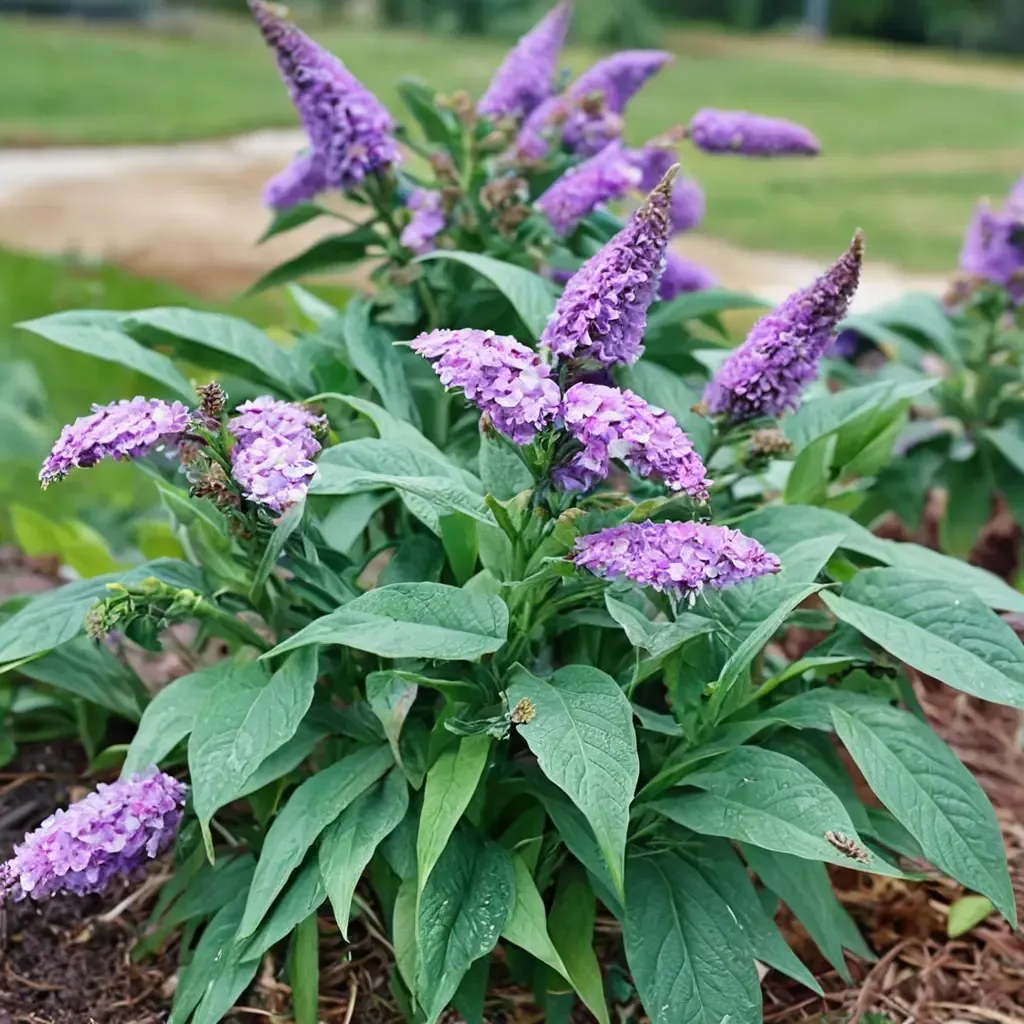
Pugster Amethyst Butterfly Bush
Buddleja davidii 'Pugster Amethyst'
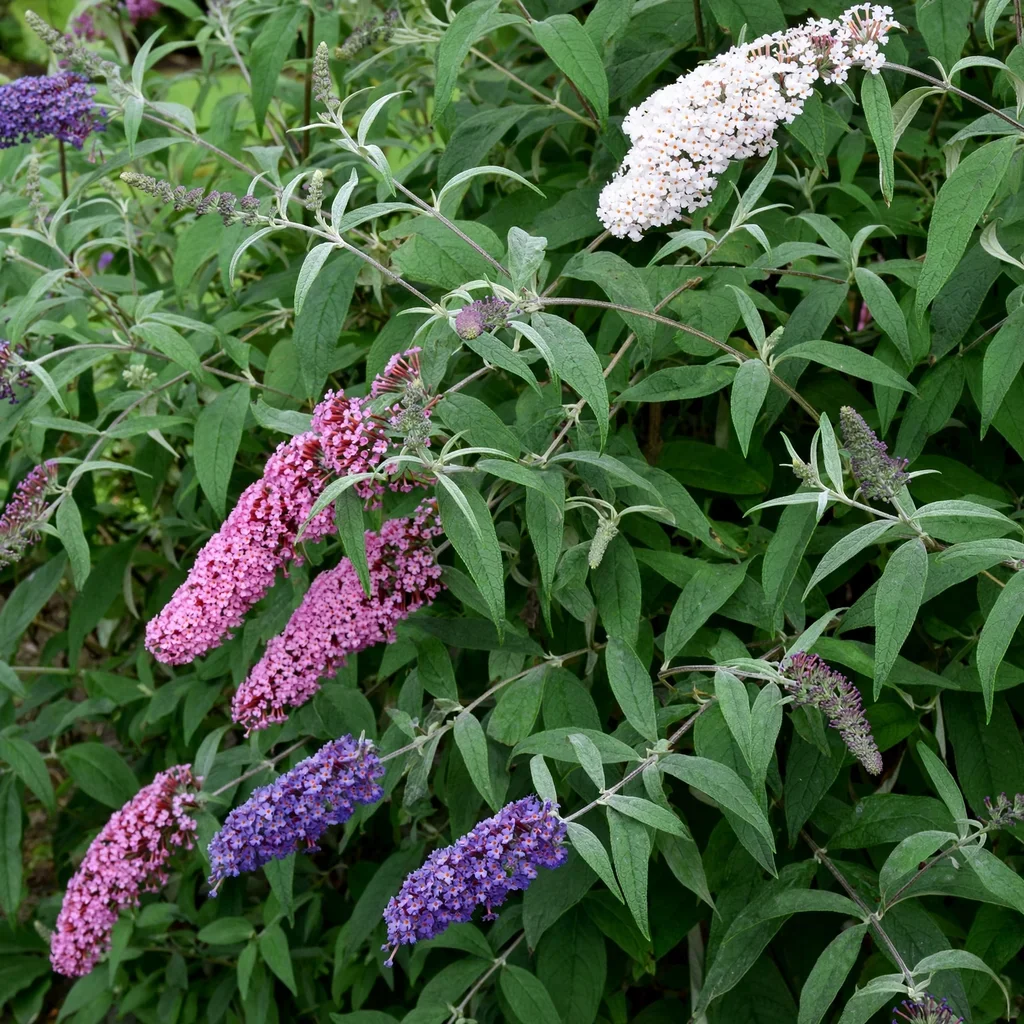
Trio Butterfly Bush
Buddleja davidii 'Trio'
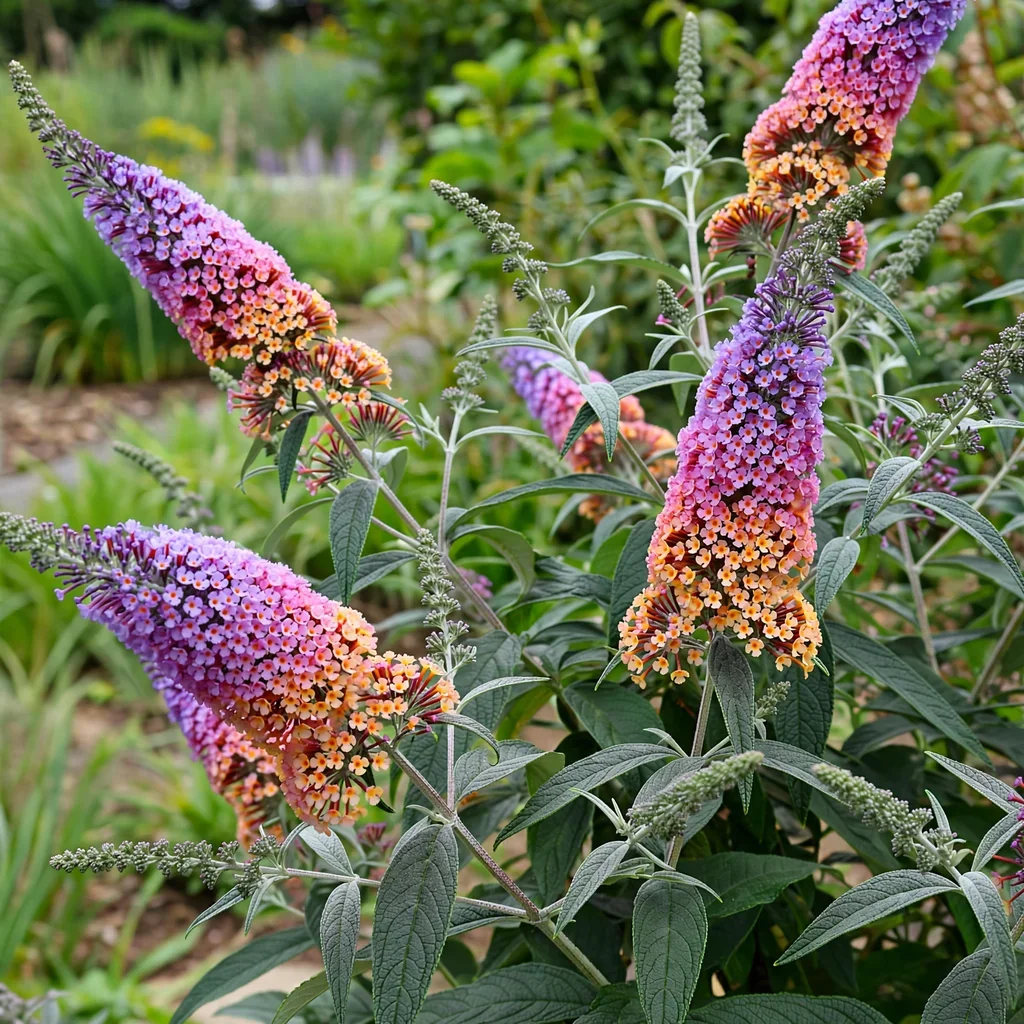
Bicolor Butterfly Bush
Buddleja davidii 'Bicolor'
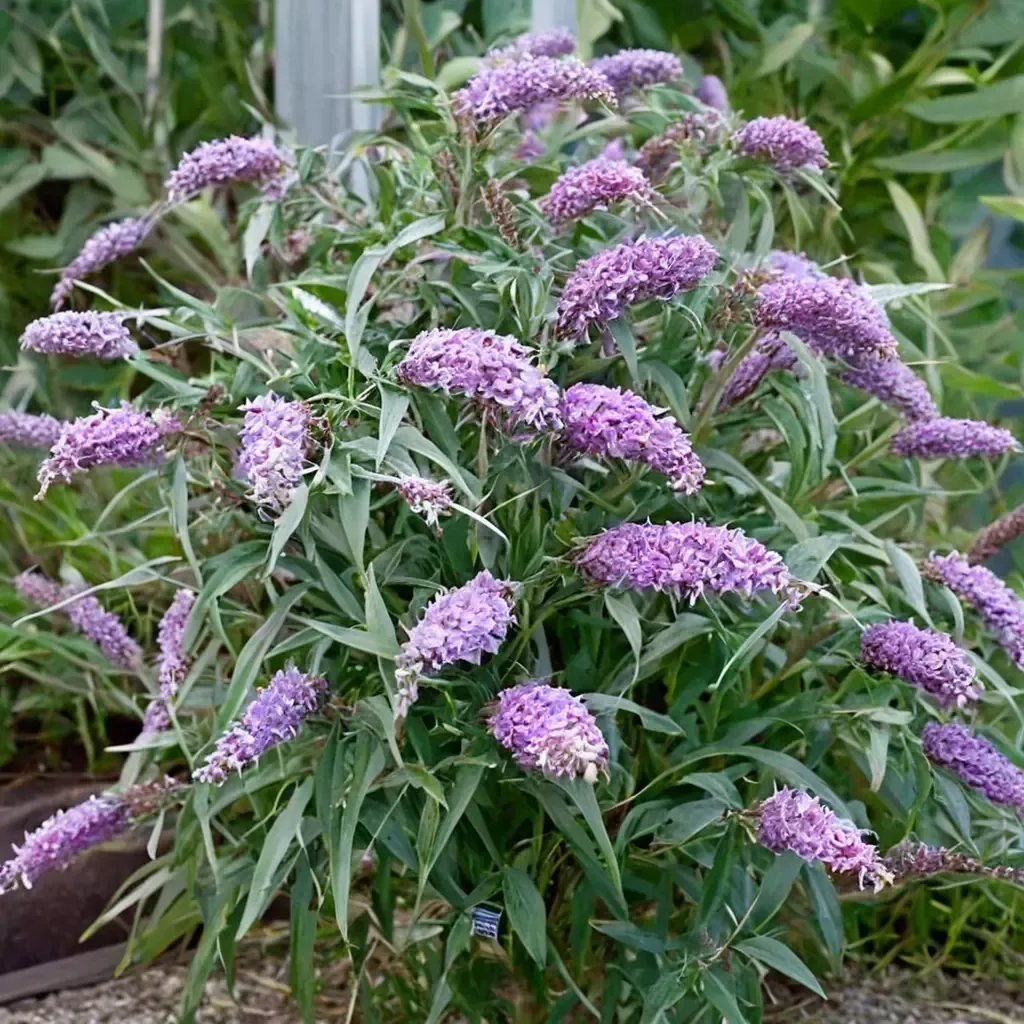
Butterfly Bush
Buddleja davidii
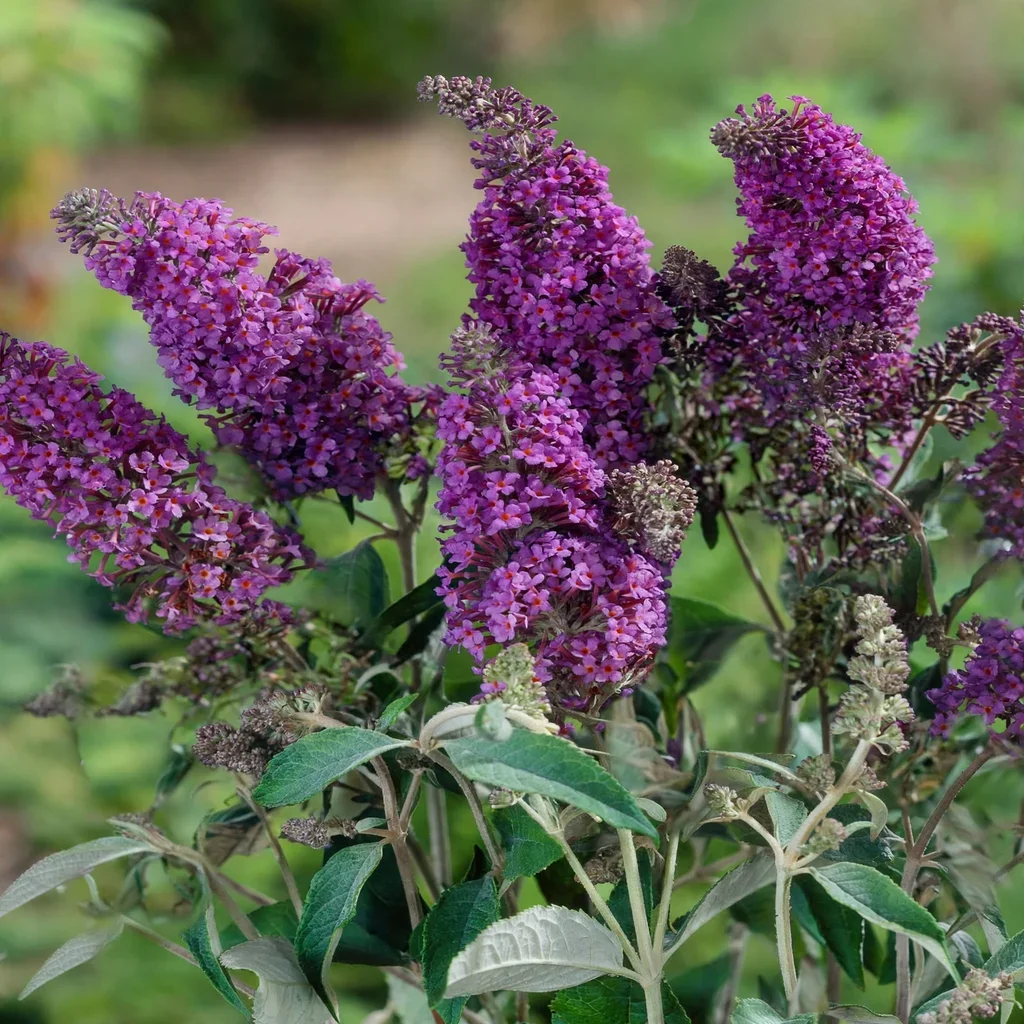
Butterfly Bush Purple Prince
Buddleja davidii 'Purple Prince'
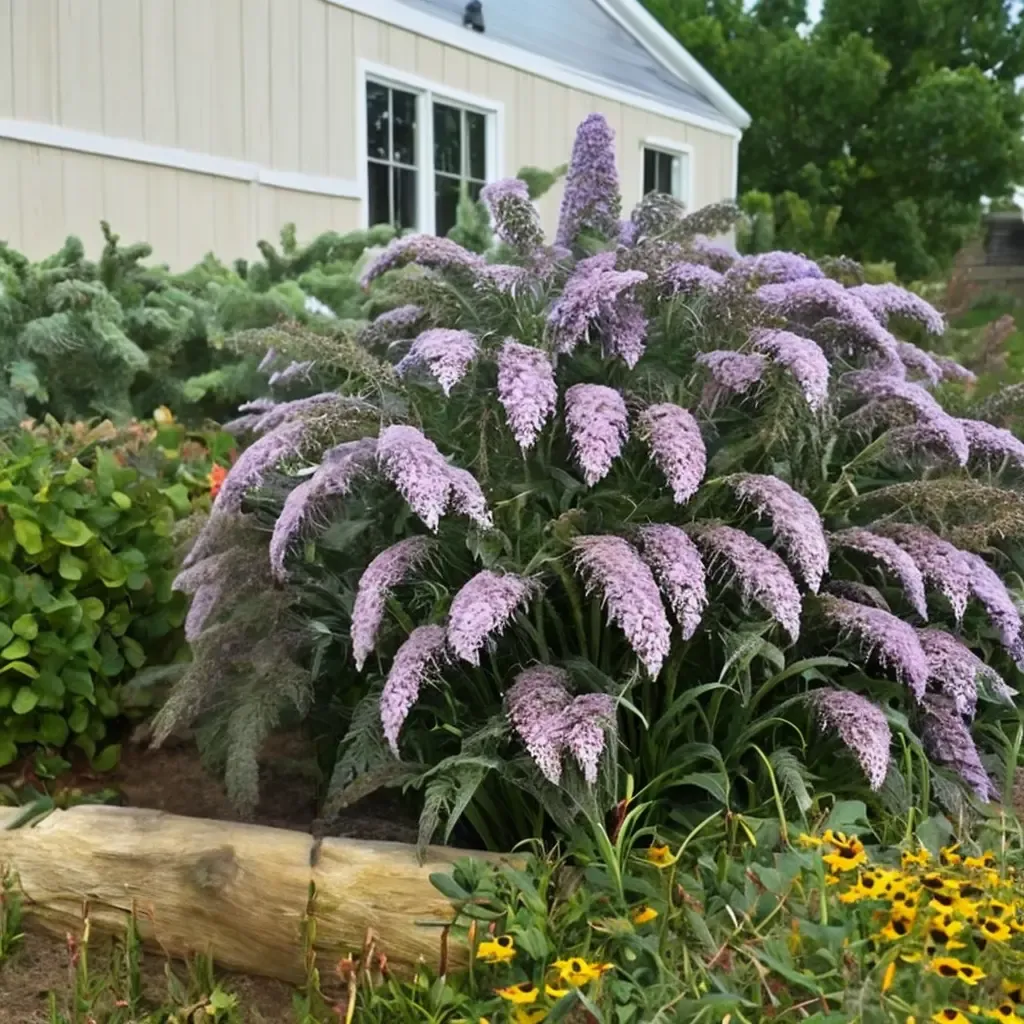
Grand Cascade Butterfly Bush
Buddleja davidii 'Grand Cascade'
Keep exploring
Explore the genus
Hardy in your zone?
Grow -in- Butterfly Bush with confidence
See it in a design of your actual yard, get zone-matched care reminders, and track it season by season in your garden journal.