The Story
Plant Bio
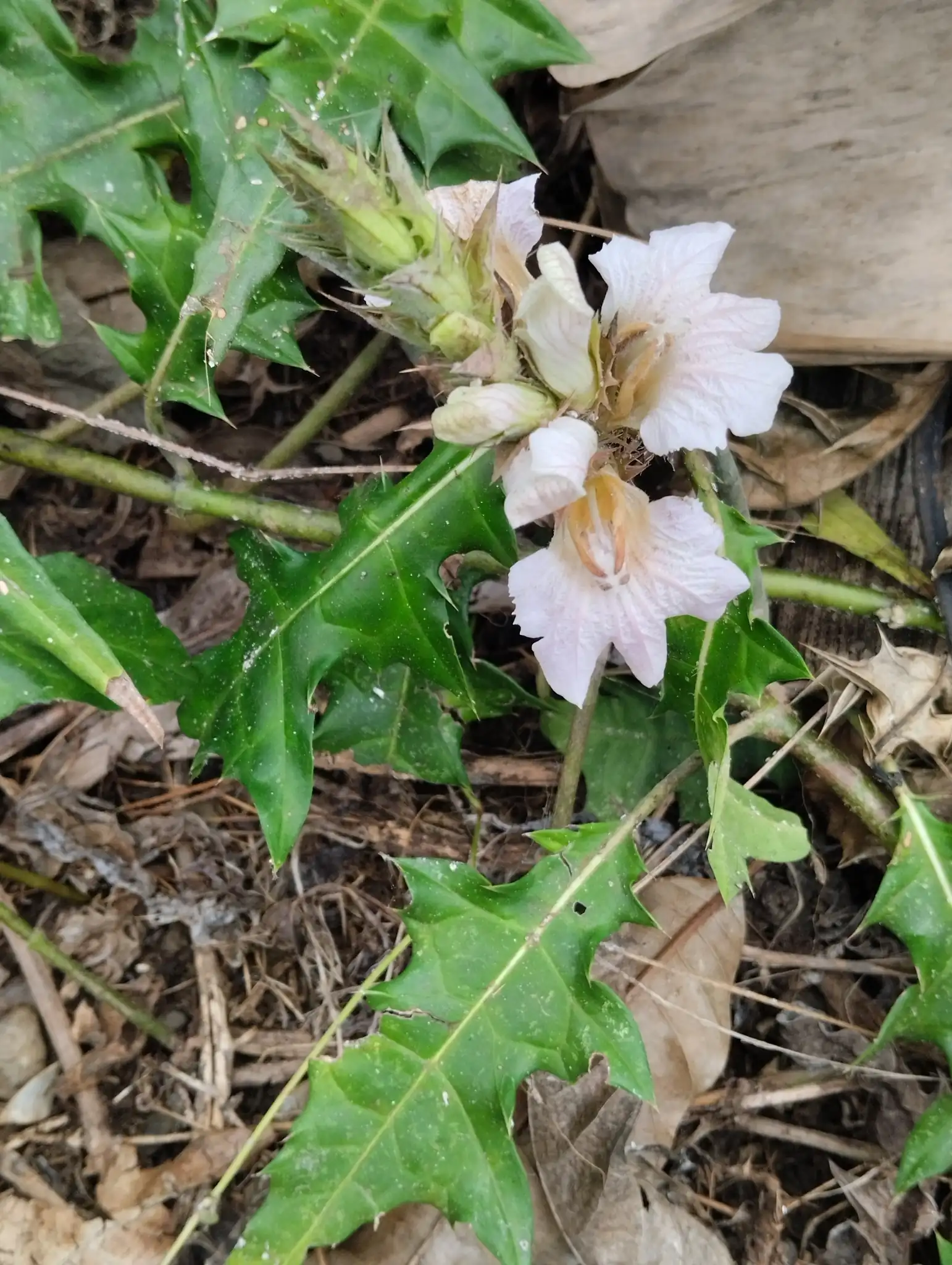
Acanthus montanus is a clump-forming perennial from tropical Africa that spreads by creeping rootstocks to form basal clusters of thinly branched stems. The leaves are oblong to lance-shaped, glossy dark green to twelve inches long, deeply lobed with sharp white spines along the margins.
This species is distinguished by upright spikes to ten inches long carried at the branch ends, each lined with two-lipped snapdragon-like flowers in pink to rose. It holds its foliage through warm winters and resprouts from the rootstocks after cold damage, suckering more aggressively in loose soils.
Uses & Benefits:
Essentials
At a Glance
Plant Type
Perennial
Height
72"
Width
36"
Light
Full Sun, Partial Sun, Shade
Zones
7, 8, 9, 10
Water
Medium
Humidity
High
Lifespan
Perennial
Native To
Tropical Africa
Toxicity
Unknown - spiny foliage; systemic toxicity not listed
Bloom period
Summer
In flower about 3 months of the year
Planting
How to Grow
- Plant in spring after last frost in full sun to part shade, spacing plants 3 feet apart to allow for spread.
- Set the crown at soil level in well-drained fertile loam, firming and watering in deeply.
- Install a root barrier at planting time where suckering must be contained.
- Water regularly the first season, then reduce to deep occasional watering once established.
- Keep the center open for air circulation to limit powdery mildew.
Pro Tip
Site it away from paths in well-drained soil with open air movement, and expect leaves to burn in zone 7 winters before regrowth from the roots in spring.
Keep It Thriving
Care Guide
Do
- Give well-drained fertile loam and open air movement around the foliage.
- Control spread with buried root barriers in loose soils.
- Remove cold-damaged leaves in early spring to make room for new growth.
Don't
- Do not plant beside walkways where spiny leaves catch passersby.
- Do not overwater or set in poorly drained soil.
- Do not disturb established clumps more than needed.
Seasonal Care Calendar
| Task | Jan | Feb | Mar | Apr | May | Jun | Jul | Aug | Sep | Oct | Nov | Dec |
|---|---|---|---|---|---|---|---|---|---|---|---|---|
| Divide | ||||||||||||
| Mulch | ||||||||||||
| Pest Check | ||||||||||||
| Plant | ||||||||||||
| Spring Cleanup |
Watch Out For
Pests & Diseases
Common Pests
Common Diseases
In the Garden
Landscape Uses & Companions
Landscape Uses
Companion Plants
Multiply
Propagation Methods
Good to Know
Common Questions
Mountain Thistle questions
What zones can Mountain Thistle grow in?
Mountain Thistle is hardy in USDA Zones 7–10: in that range it survives winter in the ground. Colder than Zone 7, grow it in a container you can move to shelter for the winter, or as an annual.
Is Mountain Thistle deer resistant?
Yes — Mountain Thistle is rated deer-resistant. Deer typically pass it over, though extreme hunger can override any plant's defenses.
When does Mountain Thistle bloom?
Mountain Thistle typically blooms in summer. Exact timing shifts a week or two with your zone — Sow's bloom calendar maps it to your garden.
Does Mountain Thistle need full sun?
Mountain Thistle does best in full sun to part shade. In hot climates, afternoon shade keeps blooms fresher longer.
Is Mountain Thistle drought tolerant?
Yes — once established (usually after the first full season), Mountain Thistle handles dry spells with minimal watering. Water deeply its first year to build the root system that makes that possible.
More Acanthus to compare
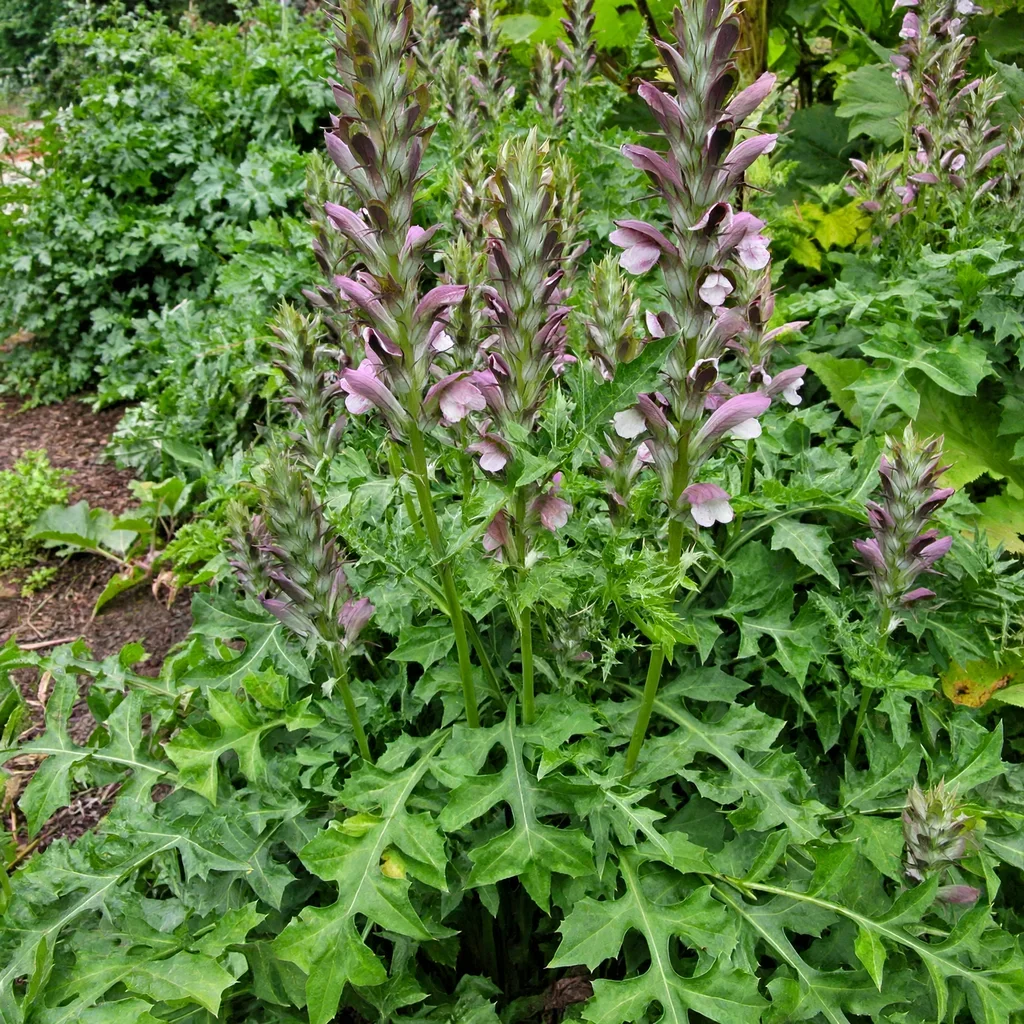
Spiny Bear's Breeches 'Spinosissimus'
Acanthus spinosus 'Spinosissimus'
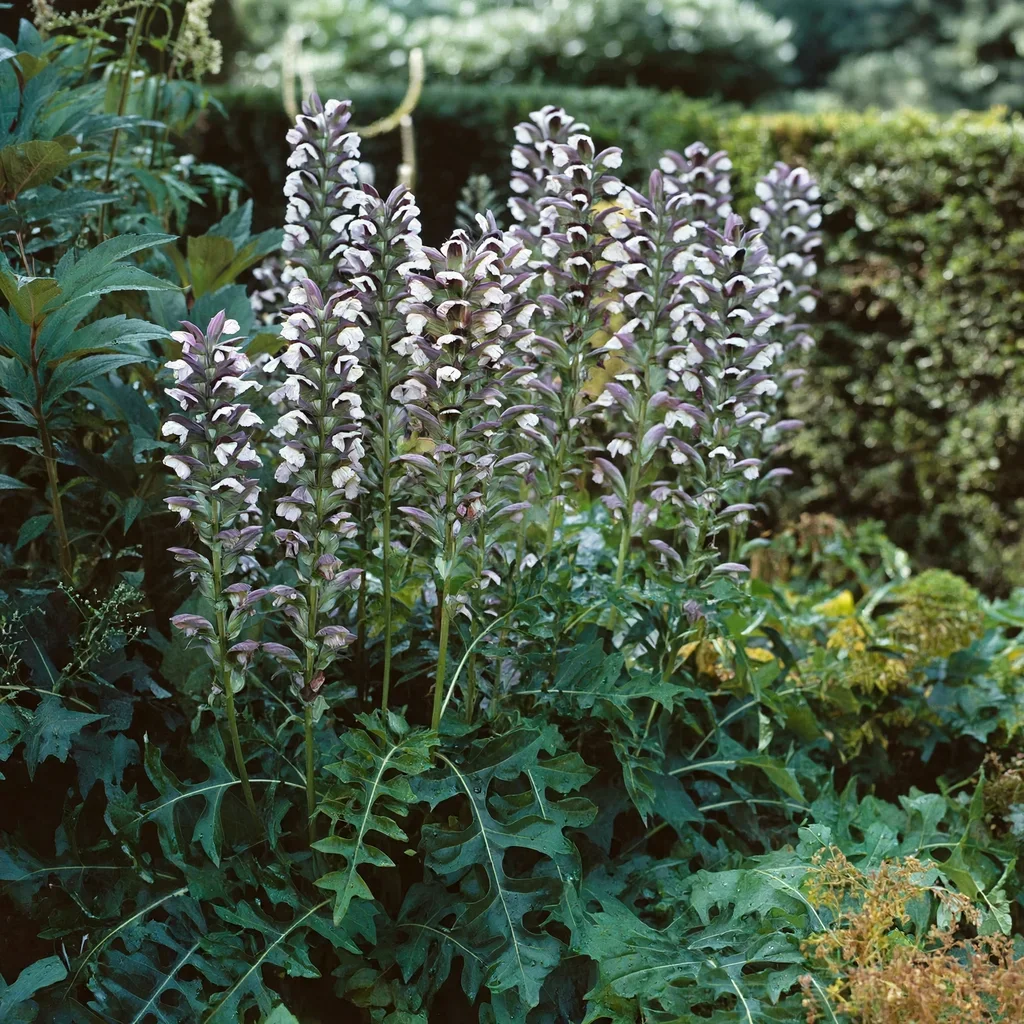
Balkan Bear's Breeches
Acanthus balcanicus
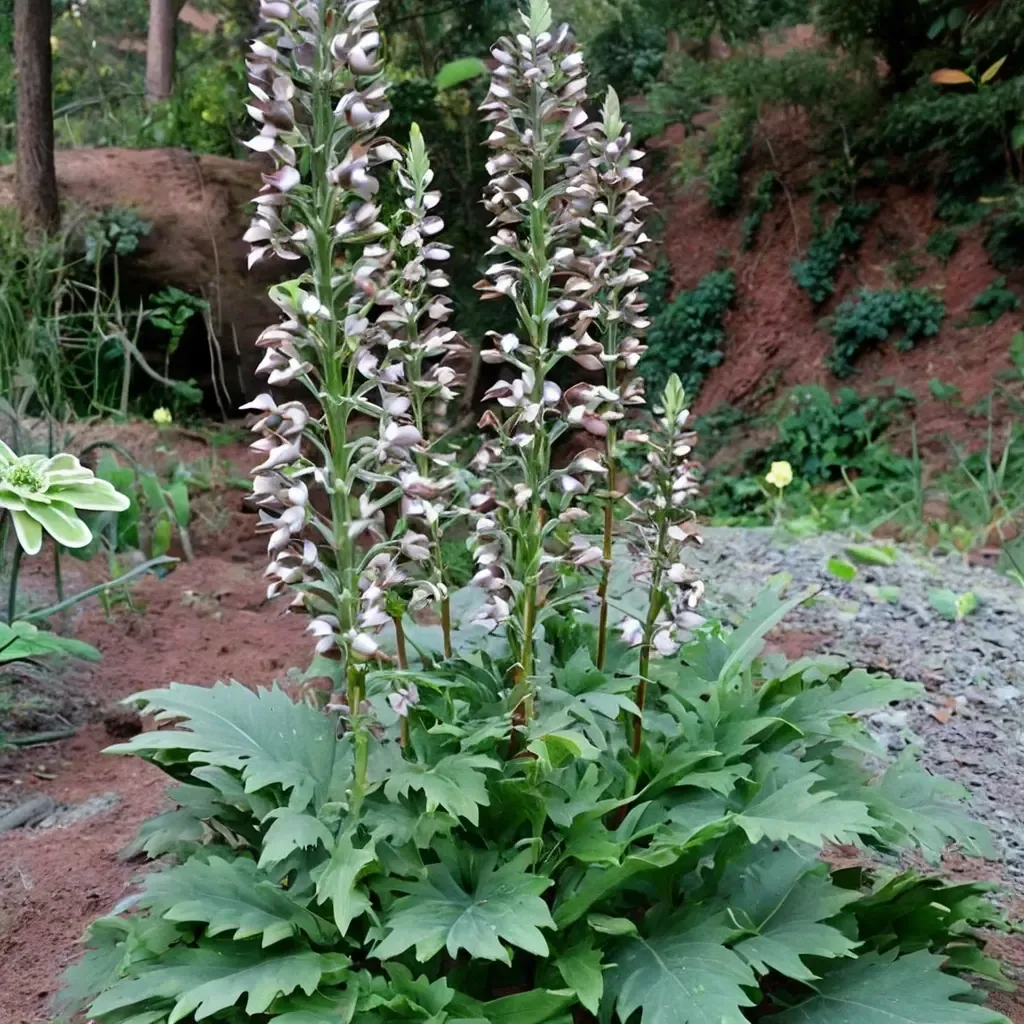
Summer Beauty Bear's Breeches
Acanthus mollis 'Summer Beauty'
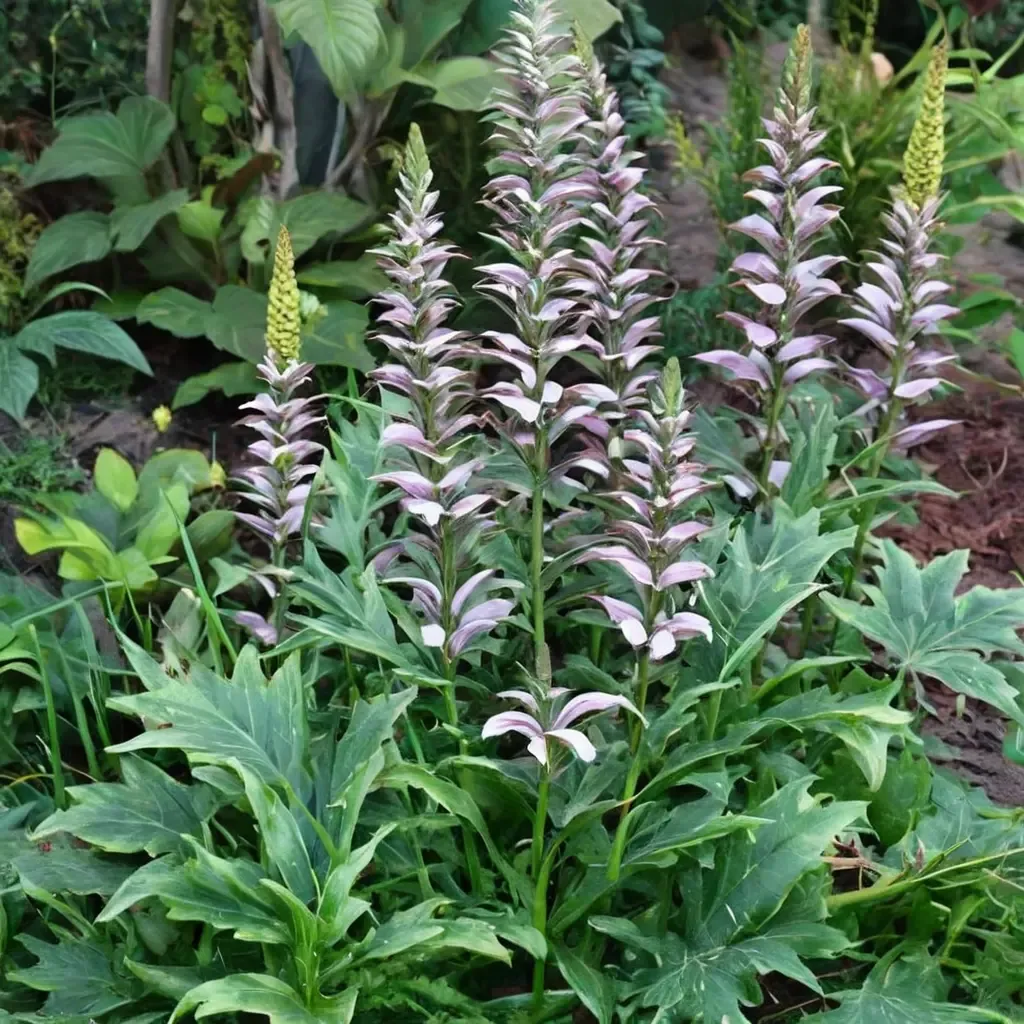
Hungarian Bear's Breeches
Acanthus hungaricus
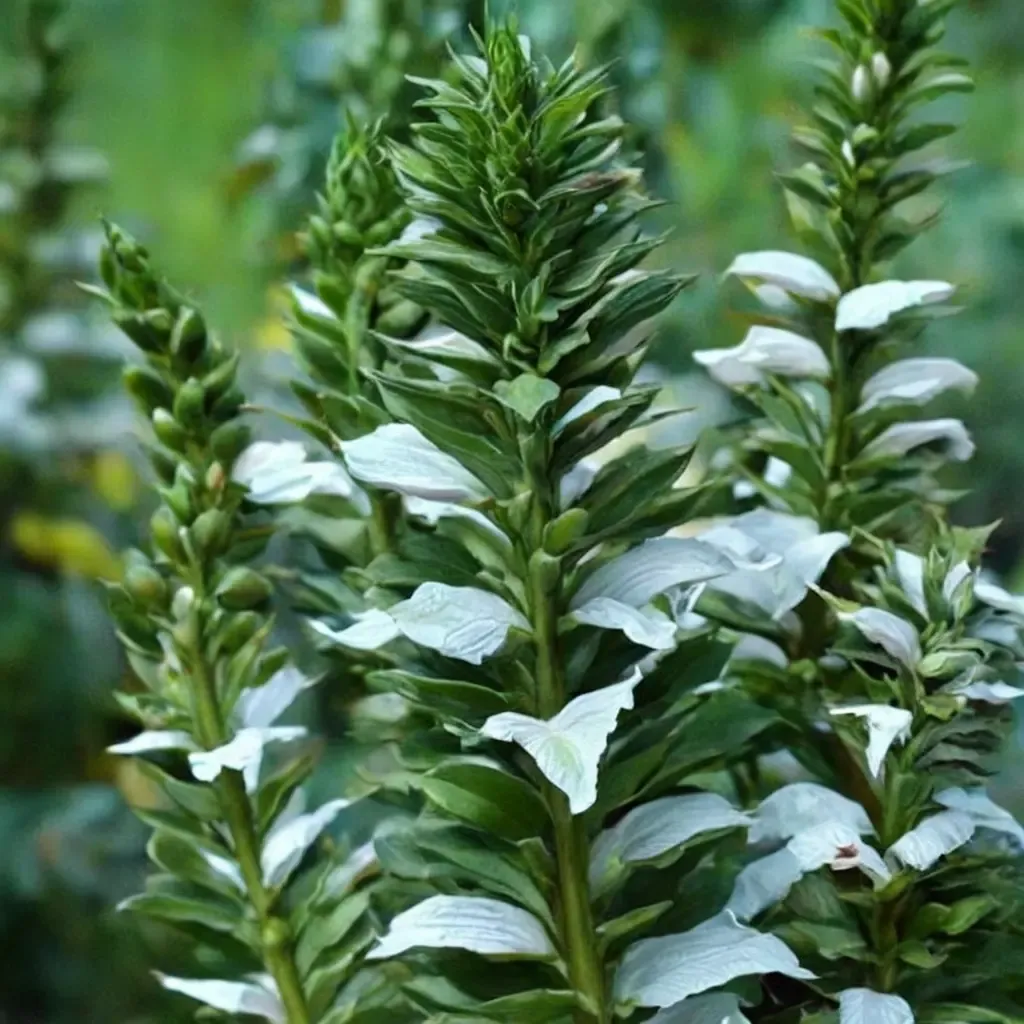
Rue Ledan Bear's Breeches
Acanthus mollis 'Rue Ledan'
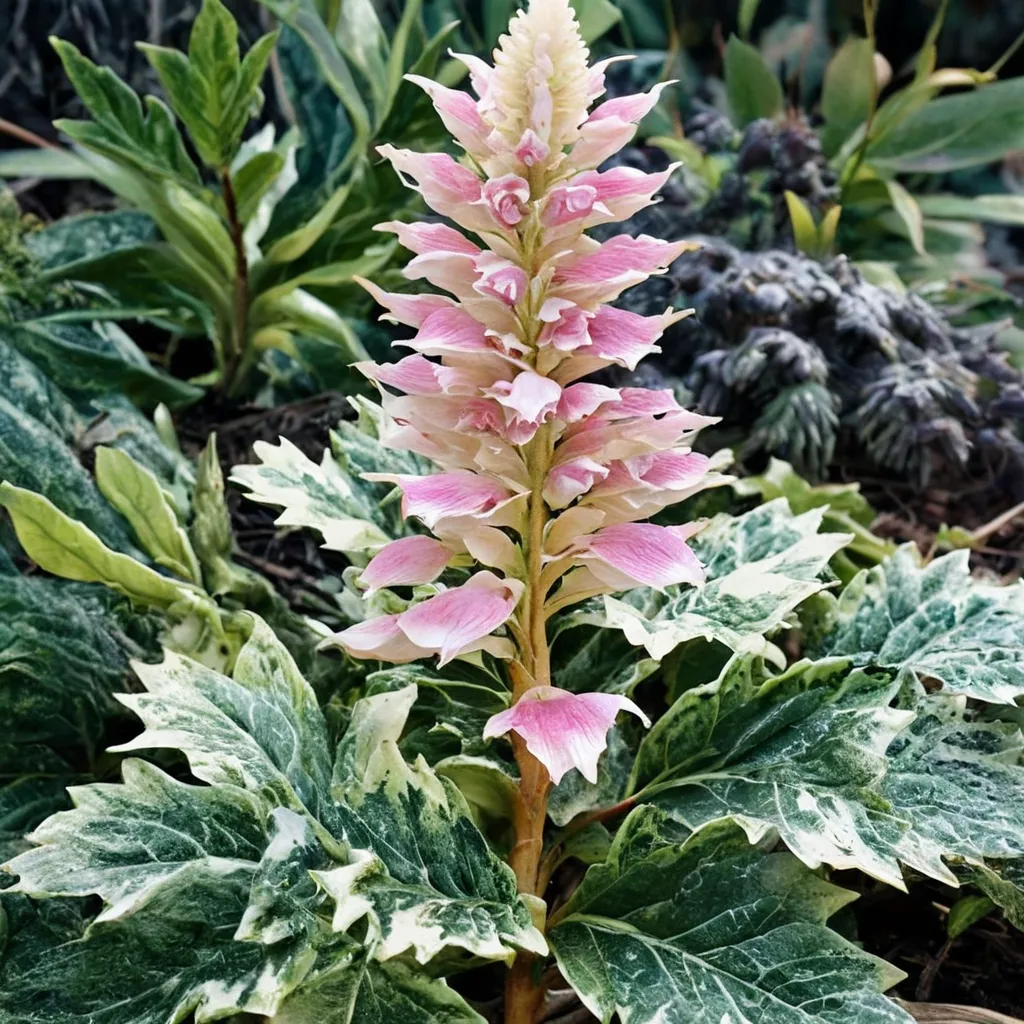
Tasmanian Angel Bear's Breeches
Acanthus mollis 'Tasmanian Angel'
Keep exploring
Explore the genus
Hardy in your zone?
Grow Mountain Thistle with confidence
See it in a design of your actual yard, get zone-matched care reminders, and track it season by season in your garden journal.