The Story
Plant Bio
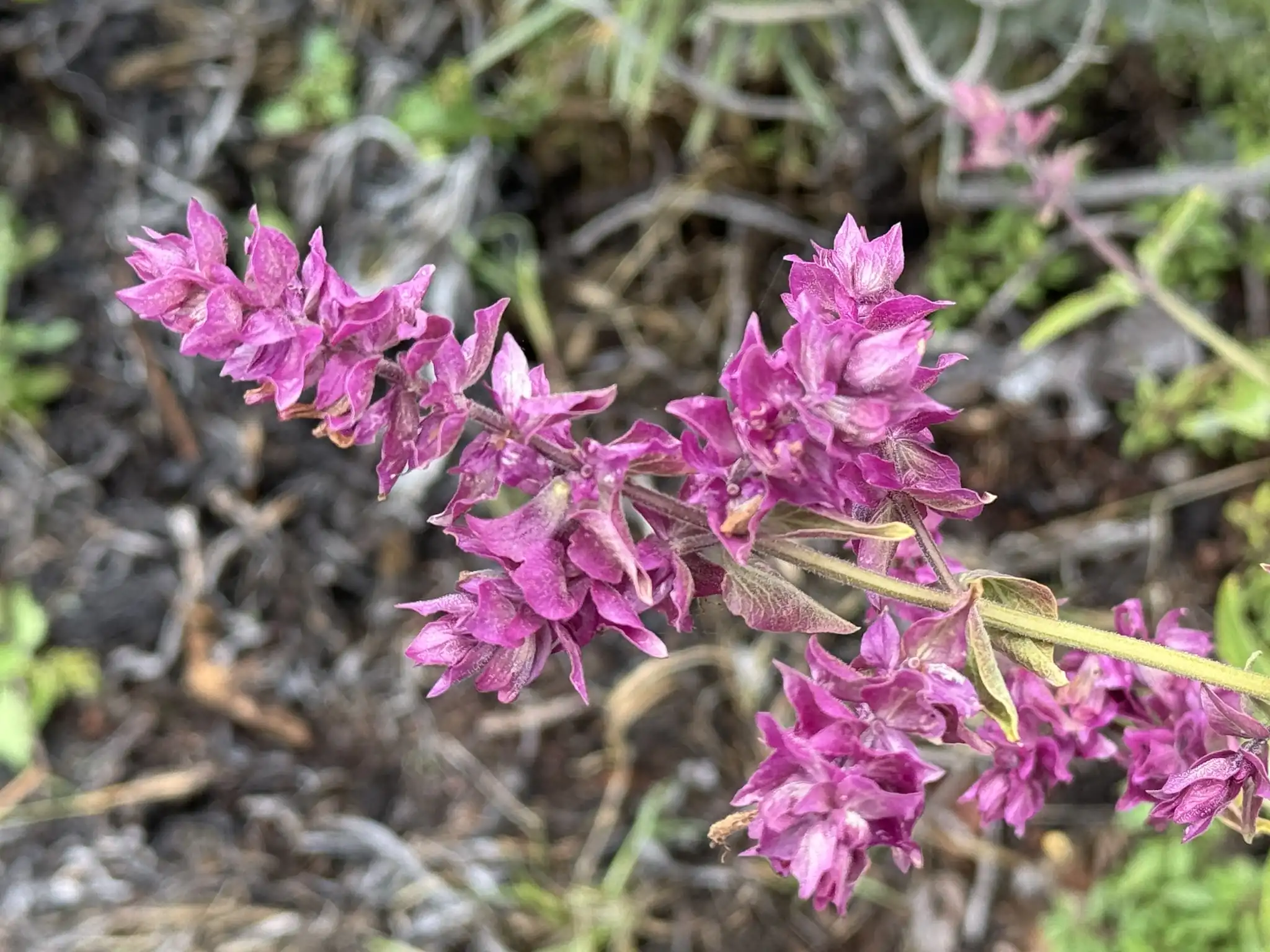
Salvia canariensis is a semi-woody, short-lived perennial from the Canary Islands, forming an erect, open bush with stems that fur white when young and turn woody with age. The leaves are long, arrow-shaped and densely felted grey-green, and the flowers are carried in loose terminal panicles of whorled magenta-purple tubes held inside persistent pink-mauve calyces.
It is distinguished by its height to six feet or more, its velvety white-furred stems and foliage, and its lavender-pink bracts that stay colored and papery long after the true flowers drop. It is fast, tender and short-lived, holding through heat, wind and drought but failing in wet soil or still air where foliage stays damp.
Uses & Benefits:
Essentials
At a Glance
Plant Type
Shrub
Height
84"
Width
60"
Light
Full Sun, Partial Sun
Zones
9, 10
Water
Low
Humidity
Low
Lifespan
Short-lived perennial
Native To
Canary Islands
Toxicity
Non-toxic
Bloom period
Spring – Autumn
In flower about 9 months of the year
Planting
How to Grow
- Plant in full sun in sharply drained sandy or loamy soil after last frost.
- Water deeply at planting, then water sparingly; soak only during prolonged heat or the first summer.
- Space for open air around the foliage and avoid overhead watering.
- Remove spent flowering stems as bloom fades and cut back hard to leafy buds in late winter.
- Renew short-lived plants from tip cuttings taken from new growth in early summer.
Pro Tip
Prune hard to leafy buds in late winter and give it sharp drainage and open air; cutting into old bare wood stalls regrowth and a wet crown rots.
Keep It Thriving
Care Guide
Do
- Give full sun and sharp drainage with room for air movement.
- Water little once established, supplementing only in drought or extreme heat.
- Deadhead spent stems to keep the crown open and tidy.
Don't
- Do not overwater or plant in heavy wet soil.
- Do not cut back into old leafless wood where no buds remain.
- Do not crowd where foliage stays damp and airless.
Seasonal Care Calendar
| Task | Jan | Feb | Mar | Apr | May | Jun | Jul | Aug | Sep | Oct | Nov | Dec |
|---|---|---|---|---|---|---|---|---|---|---|---|---|
| Deadhead | ||||||||||||
| Pest Check | ||||||||||||
| Plant | ||||||||||||
| Prune | ||||||||||||
| Winter Prep |
Watch Out For
Pests & Diseases
Common Pests
Common Diseases
In the Garden
Landscape Uses & Companions
Landscape Uses
Multiply
Propagation Methods
Good to Know
Common Questions
Canary Island Sage questions
What zones can Canary Island Sage grow in?
Canary Island Sage is hardy in USDA Zones 9–10: in that range it survives winter in the ground. Colder than Zone 9, grow it in a container you can move to shelter for the winter.
Is Canary Island Sage deer resistant?
Yes — Canary Island Sage is rated deer-resistant. Deer typically pass it over, though extreme hunger can override any plant's defenses.
When does Canary Island Sage bloom?
Canary Island Sage typically blooms from spring to fall. Exact timing shifts a week or two with your zone — Sow's bloom calendar maps it to your garden.
Does Canary Island Sage need full sun?
Canary Island Sage does best in full sun to part shade. In hot climates, afternoon shade keeps blooms fresher longer.
Is Canary Island Sage drought tolerant?
Yes — once established (usually after the first full season), Canary Island Sage handles dry spells with minimal watering. Water deeply its first year to build the root system that makes that possible.
More Salvia to compare
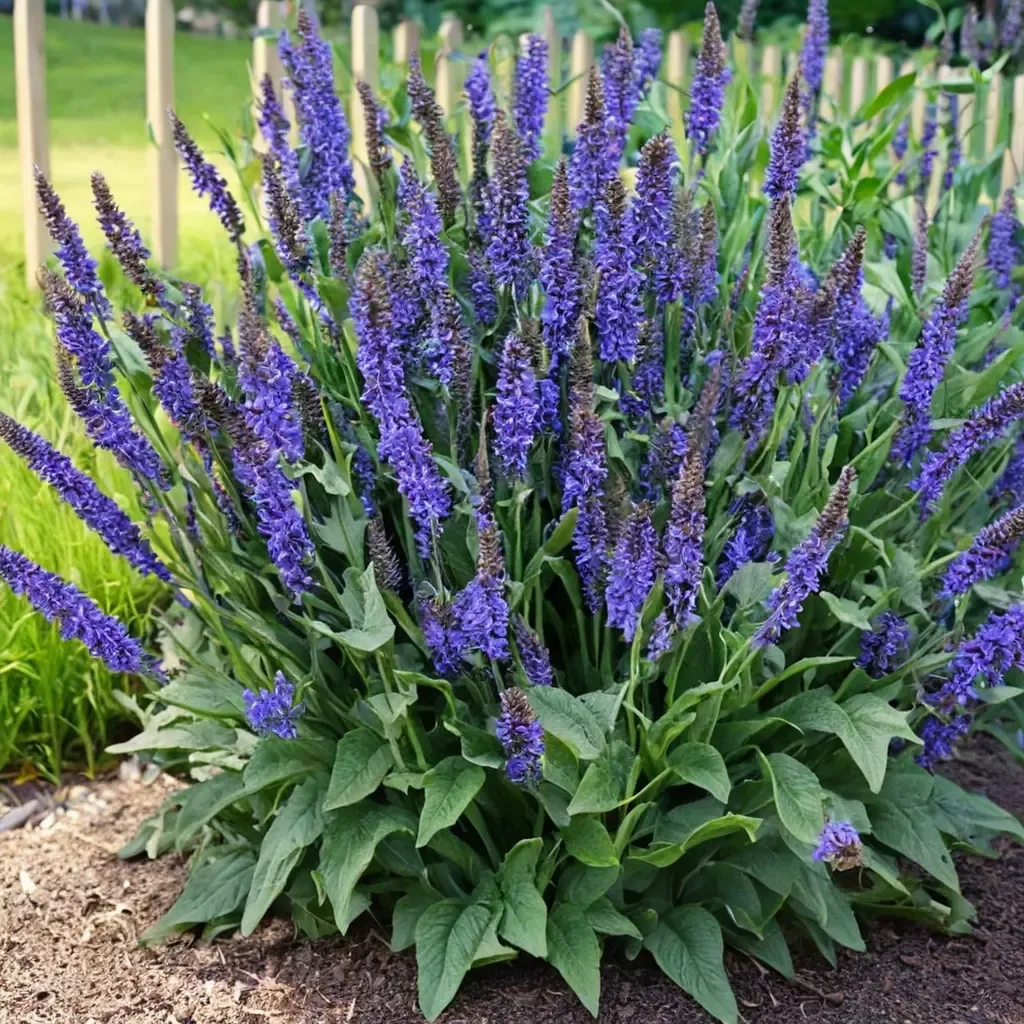
May Night Sage
Salvia nemorosa 'May Night'
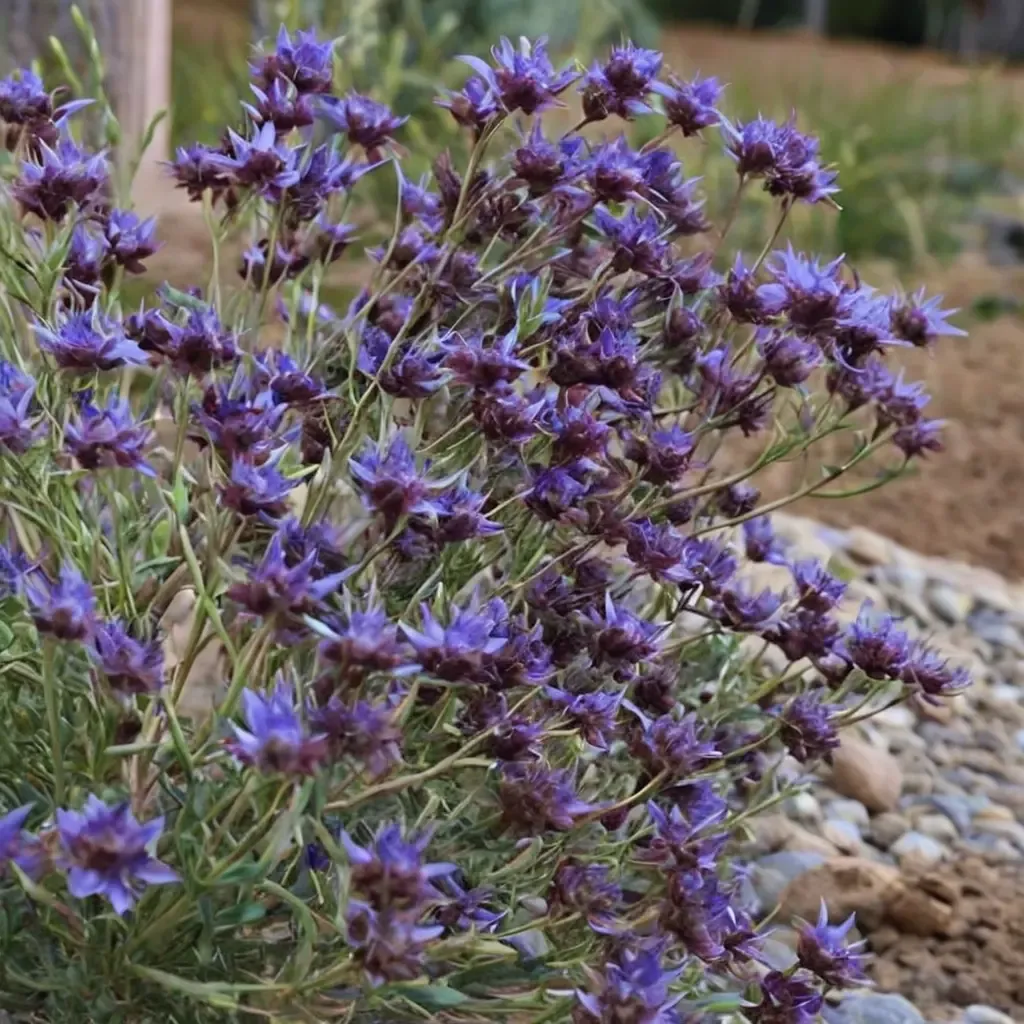
Celestial Blue Sage Wood Sage
Salvia nemorosa 'Celestial Blue'
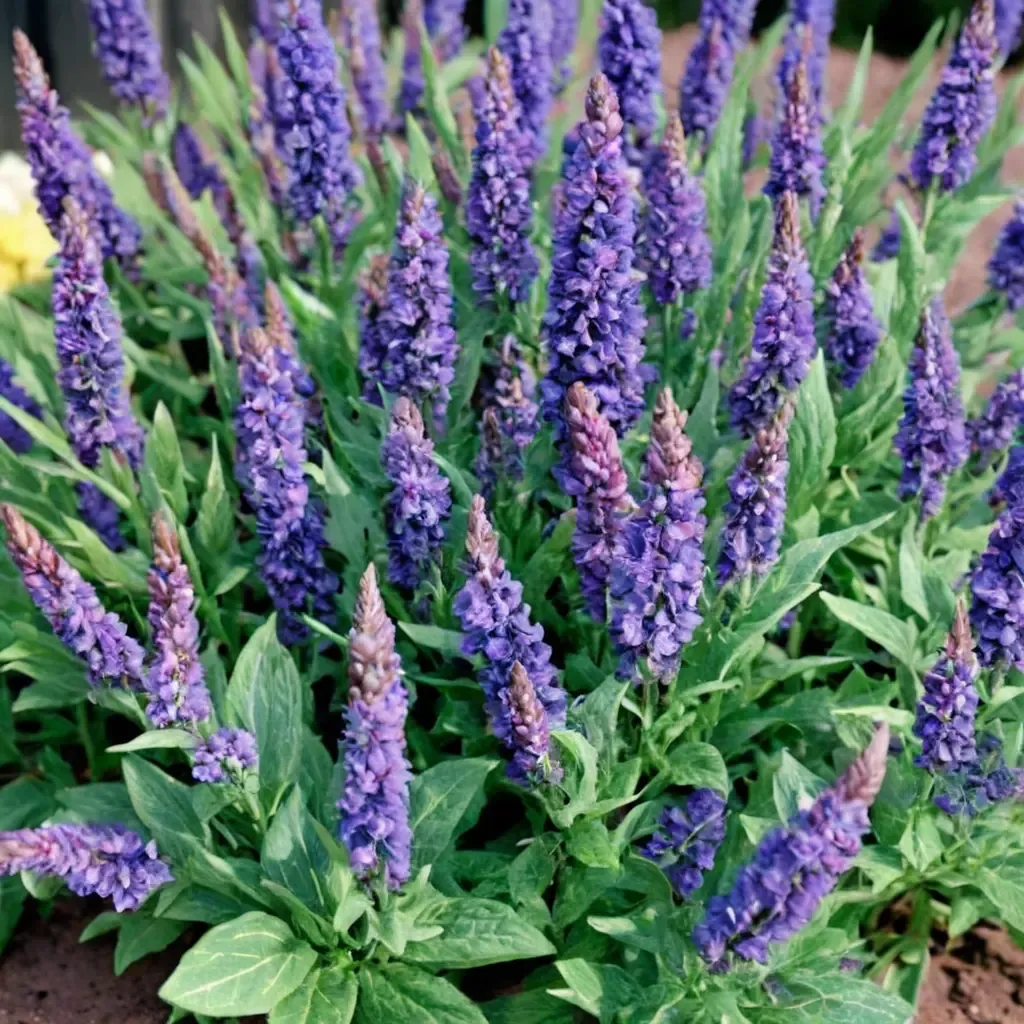
Marcus Woodland Sage
Salvia nemorosa 'Marcus'
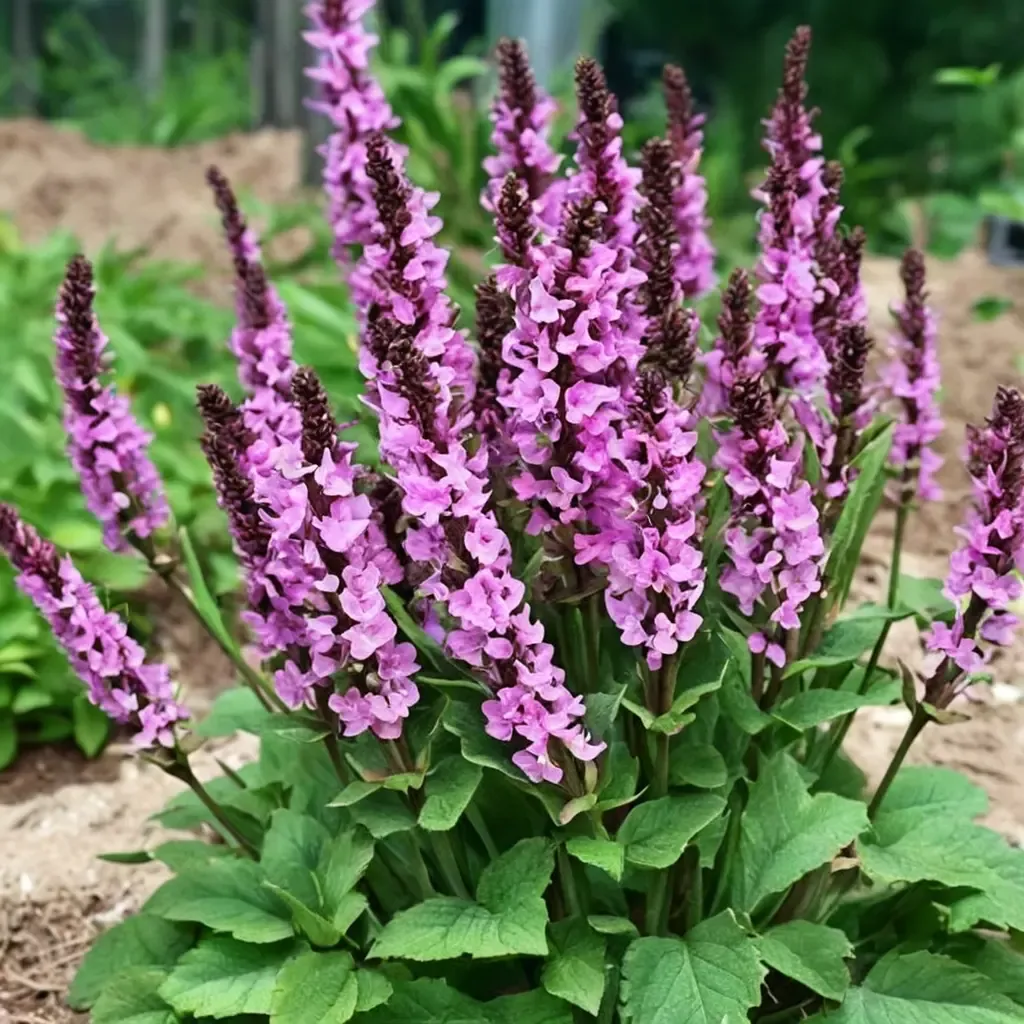
Rose Marvel Sage
Salvia nemorosa 'Rose Marvel'
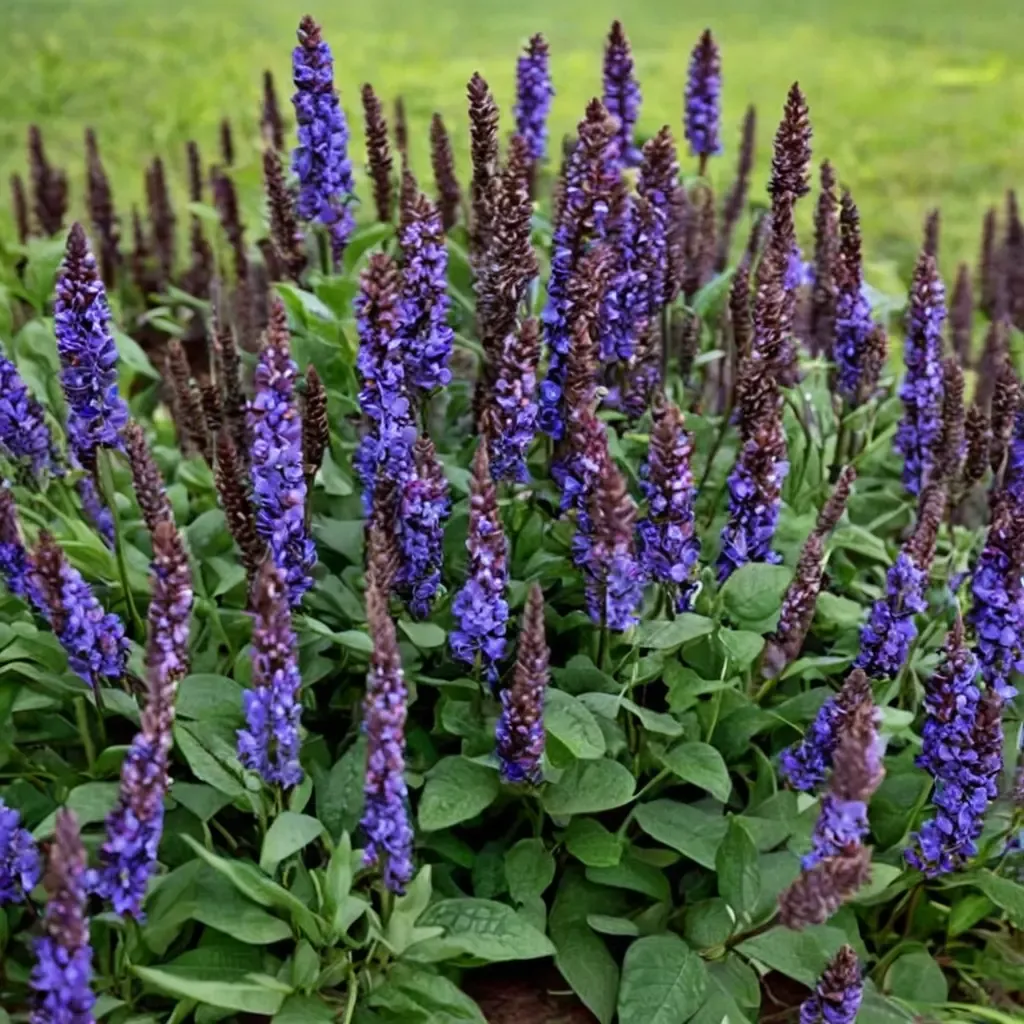
Bumbleblue Sage
Salvia nemorosa 'Bumbleblue'
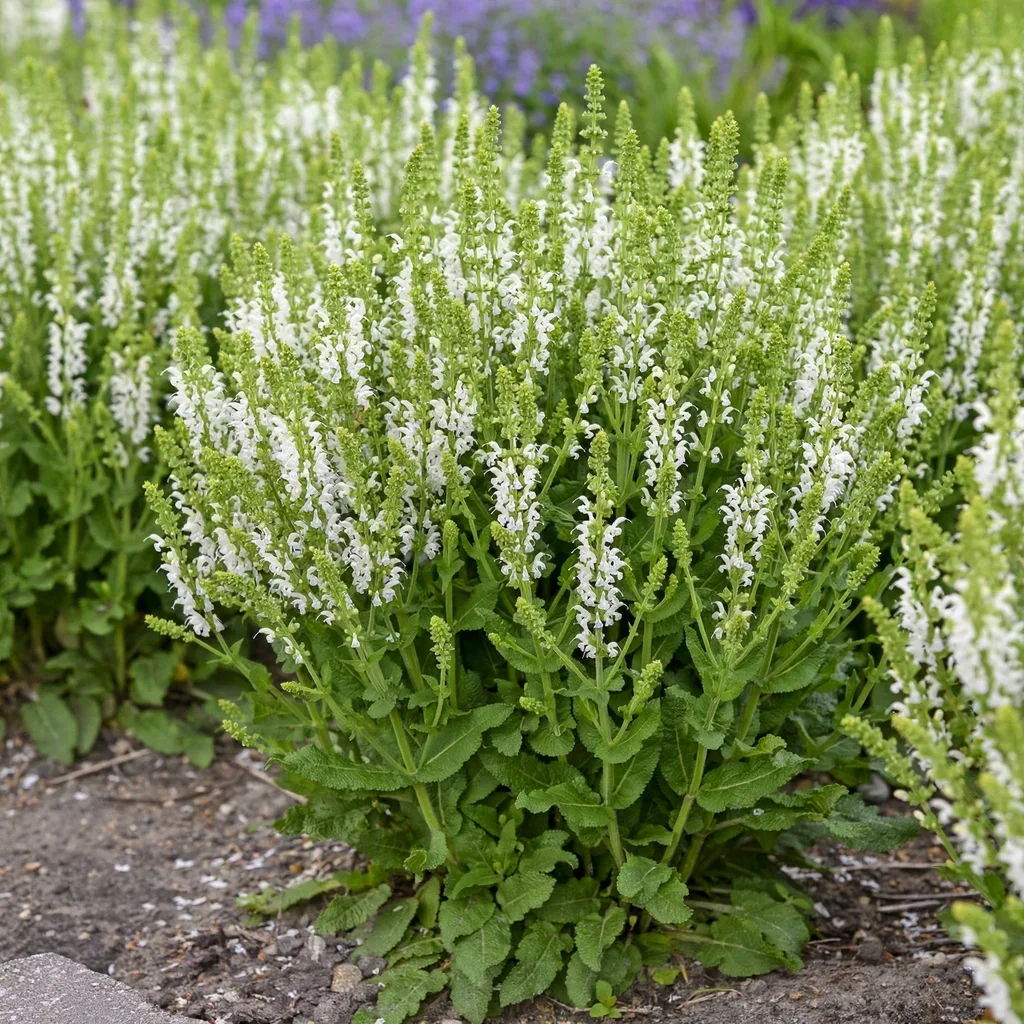
White Profusion Salvia
Salvia x hybrida 'White Profusion'
Keep exploring
Explore the genus
Hardy in your zone?
Grow Canary Island Sage with confidence
See it in a design of your actual yard, get zone-matched care reminders, and track it season by season in your garden journal.