The Story
Plant Bio
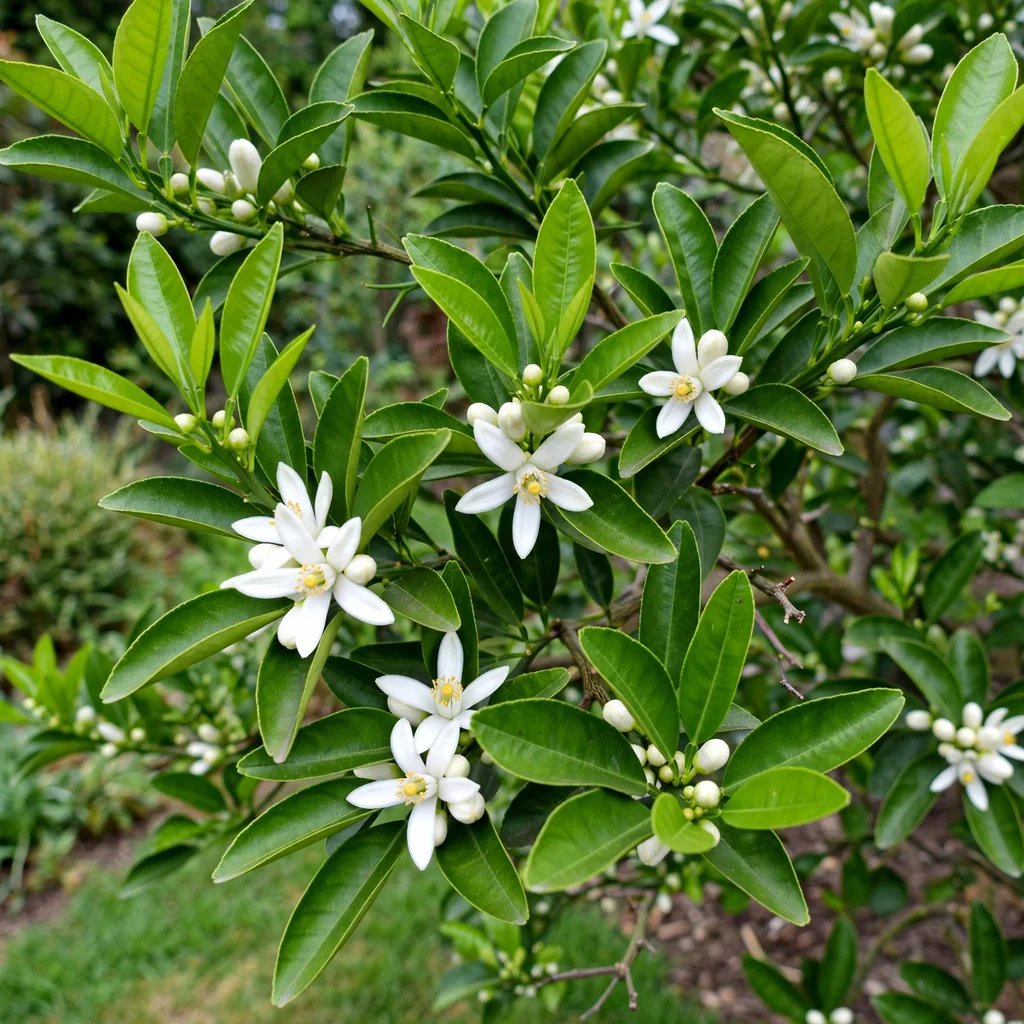
Citrus sulcata, commonly known as Sanbokan, is an evergreen fruit tree originating as an old cultivated sour orange hybrid in Japan. It produces glossy green leaves on short petioles and perfumed white blossoms in mid-spring.
This citrus is instantly recognized by its rounded, bright yellow fruit featuring a distinct raised basal nipple at the stem end. The bumpy rind peels easily away from tender, sweet-tart flesh that ripens from late winter into spring.
Uses & Benefits:
Essentials
At a Glance
Plant Type
Tree
Height
180"
Width
180"
Light
Full Sun
Zones
9, 10
Water
Moderate
Humidity
Moderate
Lifespan
Long-lived
Native To
Japan
Toxicity
Non-toxic
Bloom period
Mid spring – Late spring
In flower about 2 months of the year
Planting
How to Grow
- Plant in a warm, full-sun site with sandy-loam soil that drains freely.
- Position the root ball so the graft union sits several inches above the finished soil line.
- Water regularly during active growth, keeping the root zone moist without allowing standing water.
- Apply a high-nitrogen citrus fertilizer enhanced with iron and magnesium during spring and summer.
Pro Tip
Prune lightly in late winter to clear suckers below the graft union; severe pruning removes fruiting wood and reduces current-season yield.
Keep It Thriving
Care Guide
Do
- Plant in free-draining soil in the warmest available exposure.
- Remove rootstock suckers immediately when they appear below the graft.
- Keep mulch pulled back several inches from the trunk base.
Don't
- Do not allow roots to sit in soggy or waterlogged soil.
- Do not bury the graft union beneath the soil line.
- Do not execute heavy structural pruning during active growth periods.
Seasonal Care Calendar
| Task | Jan | Feb | Mar | Apr | May | Jun | Jul | Aug | Sep | Oct | Nov | Dec |
|---|---|---|---|---|---|---|---|---|---|---|---|---|
| Fertilize | ||||||||||||
| Harvest | ||||||||||||
| Pest Check | ||||||||||||
| Prune |
Watch Out For
Pests & Diseases
Common Pests
Common Diseases
In the Garden
Landscape Uses & Companions
Landscape Uses
Multiply
Propagation Methods
Good to Know
Common Questions
Sanbokan questions
What zones can Sanbokan grow in?
Sanbokan is hardy in USDA Zones 9–10: in that range it survives winter in the ground. Colder than Zone 9, winters are too cold for it to survive outdoors.
When does Sanbokan bloom?
Sanbokan typically blooms in mid- to late spring. Exact timing shifts a week or two with your zone — Sow's bloom calendar maps it to your garden.
Does Sanbokan need full sun?
Sanbokan does best in full sun (6+ hours).
More Citrus to compare
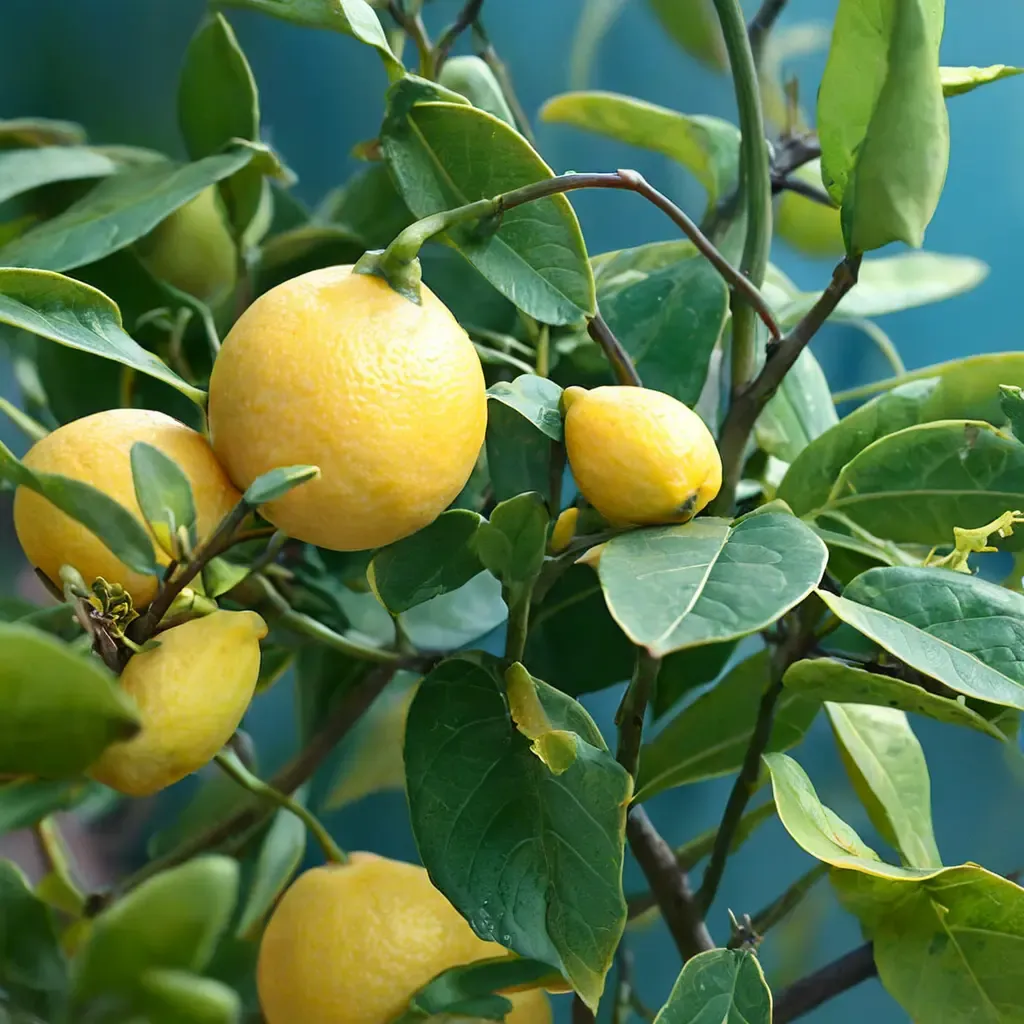
Meyer Lemon
Citrus limon 'Meyer'
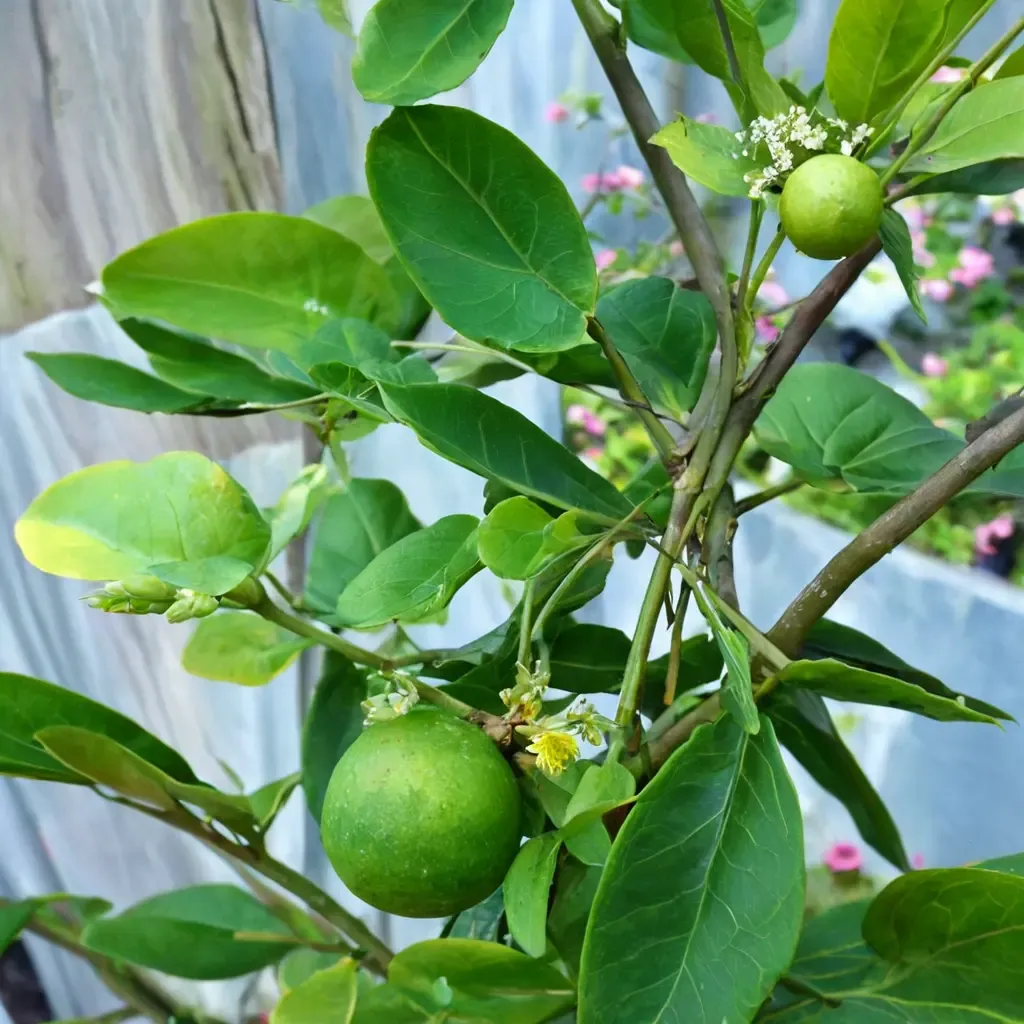
Key Lime
Citrus aurantiifolia
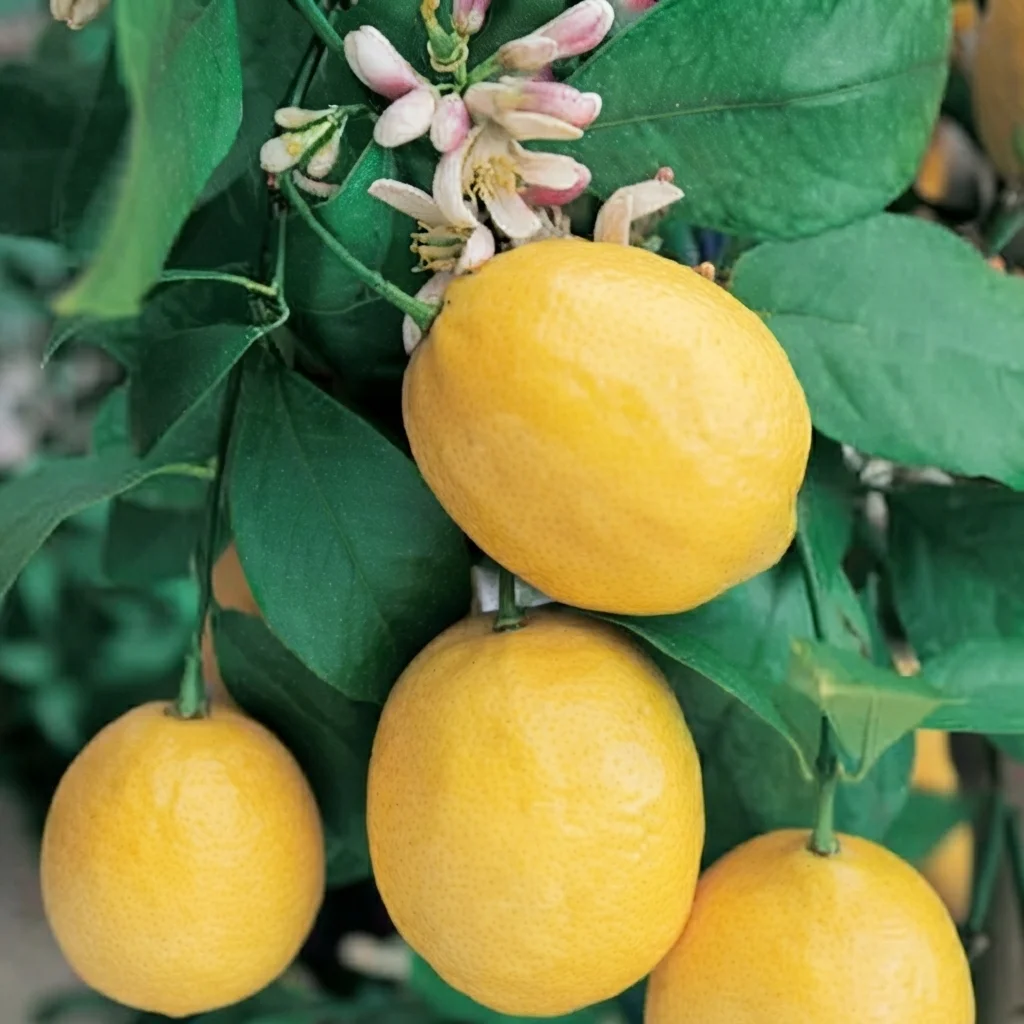
Eureka Lemon
Citrus limon 'Eureka'
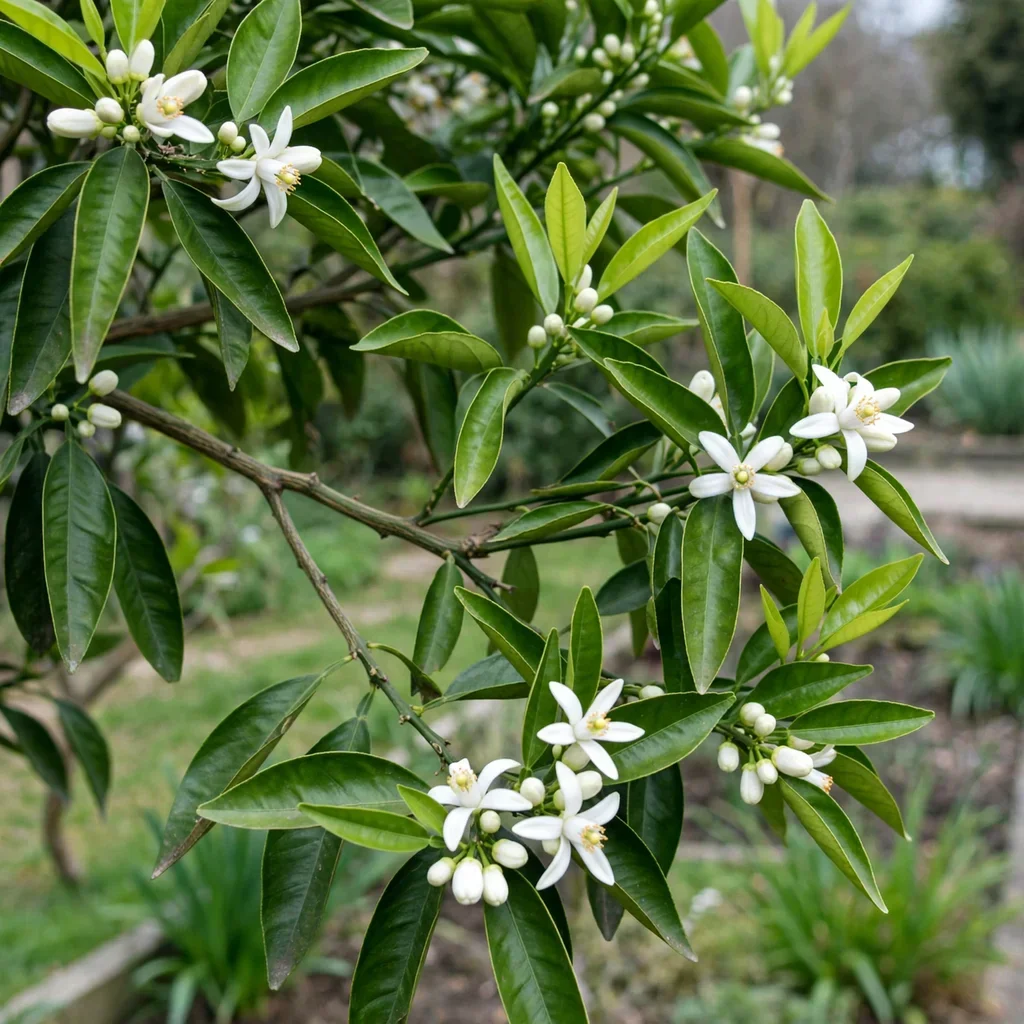
Sanguinello Orange
Citrus reticulata 'Sanguinea'
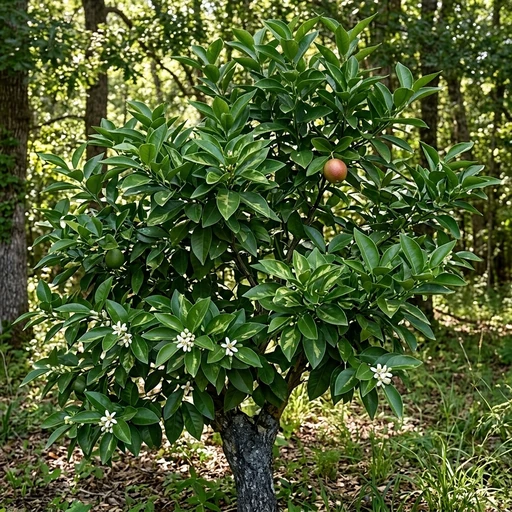
Moro Blood Orange
Citrus sinensis 'Moro'
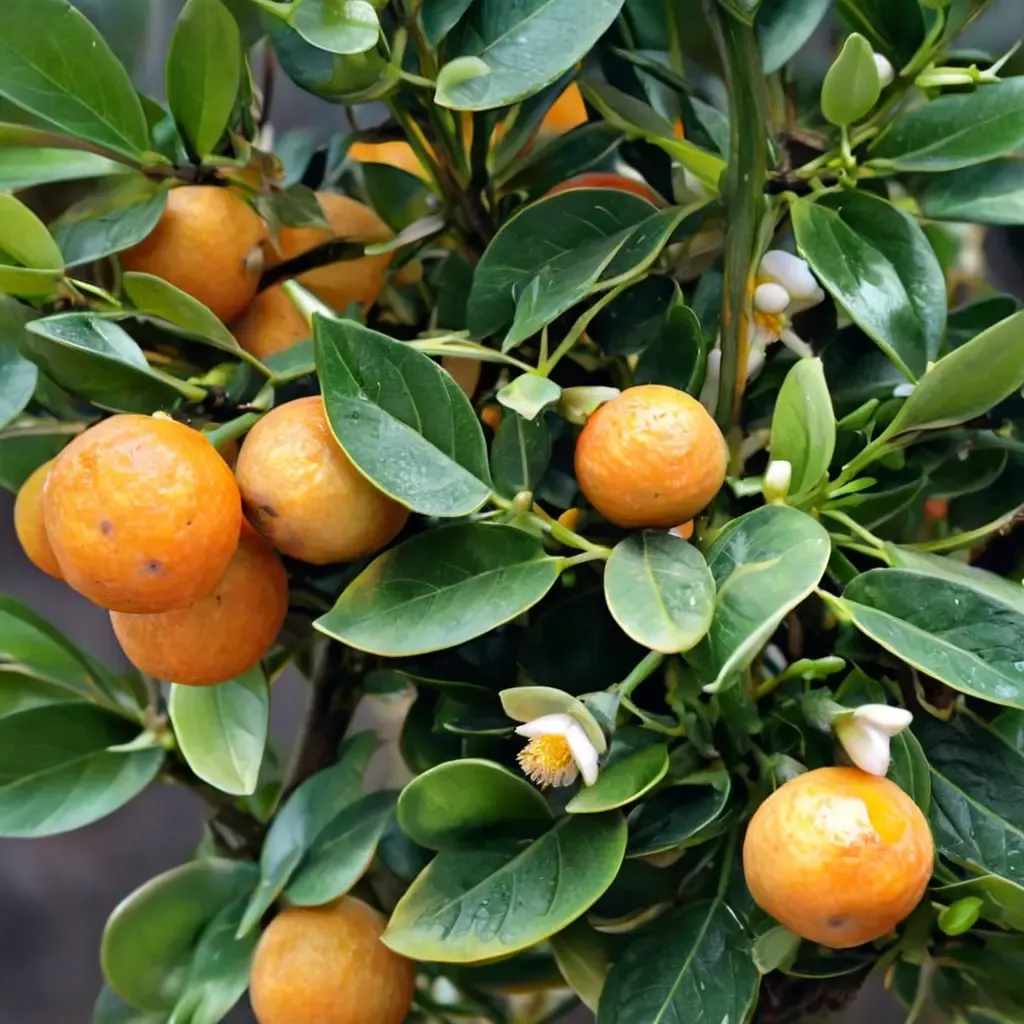
Calamondin
Citrus mitis
Keep exploring
Explore the genus
Hardy in your zone?
Grow Sanbokan with confidence
See it in a design of your actual yard, get zone-matched care reminders, and track it season by season in your garden journal.