The Story
Plant Bio
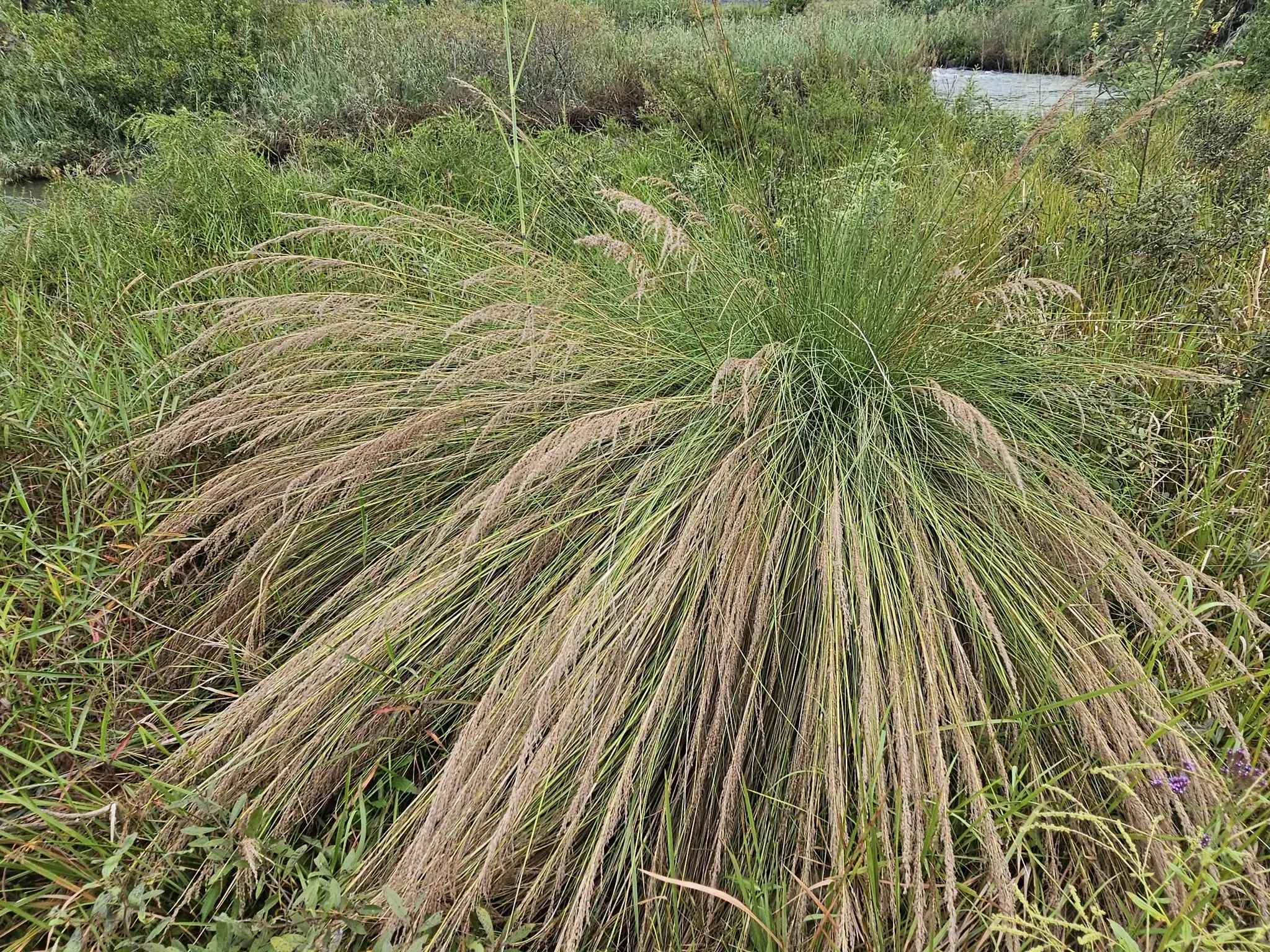
Miscanthidium junceum is an evergreen perennial grass forming stiff upright clumps from short rhizomes, reaching four to five feet tall in gardens with wiry rush-like foliage. The leaves are terete and gray-green with a furry texture, holding vertical through summer, while narrow panicles carry silky cream spikelets that age to brown.
This African wetland species needs consistently moist to wet sandy soil at a pond edge or low swale and loses vigor quickly in a dry border, unlike drought-tolerant Asian ornamentals. It is sold as Miscanthus junceus but is distinct from common silver grass, flowering on narrow upright panicles from summer to fall and showing no running habit or noxious listing in North America.
Uses & Benefits:
Essentials
At a Glance
Plant Type
Grass
Height
96"
Width
36"
Light
Full Sun, Partial Sun
Zones
9, 10
Water
High - consistently moist to wet
Humidity
Unknown
Lifespan
Perennial
Native To
South-central to South Africa
Toxicity
Unknown
Bloom period
Summer – Fall
In flower about 6 months of the year
Planting
How to Grow
- Set plants in full sun with 6 or more hours of direct light in a low spot that stays moist.
- Plant crowns at soil level in coarse sandy soil enriched with compost, spacing 3 feet apart.
- Water deeply weekly in the growing season to keep the root zone wet; do not let it dry out.
- Cut all old stems to 4 inches in early spring before new growth starts and top-dress with compost.
Pro Tip
Plant it where roots stay wet year-round and cut old foliage to the base in early spring before new shoots elongate.
Keep It Thriving
Care Guide
Do
- Keep soil consistently moist to wet, especially in summer heat.
- Give full sun for stiff upright stems.
- Cut back dead foliage in early spring.
Don't
- Do not plant it in a dry border as a drought-tolerant Miscanthus.
- Do not let new divisions dry out before roots establish.
- Do not cut back late in the growing season when flower panicles are developing.
Seasonal Care Calendar
| Task | Jan | Feb | Mar | Apr | May | Jun | Jul | Aug | Sep | Oct | Nov | Dec |
|---|---|---|---|---|---|---|---|---|---|---|---|---|
| Divide | ||||||||||||
| Mulch | ||||||||||||
| Pest Check | ||||||||||||
| Plant | ||||||||||||
| Spring Cleanup |
Watch Out For
Pests & Diseases
Common Pests
Common Diseases
In the Garden
Landscape Uses & Companions
Landscape Uses
Companion Plants
Multiply
Propagation Methods
Good to Know
Common Questions
Broom Grass questions
What zones can Broom Grass grow in?
Broom Grass is hardy in USDA Zones 9–10: in that range it survives winter in the ground. Colder than Zone 9, grow it in a container you can move to shelter for the winter, or as an annual.
When does Broom Grass bloom?
Broom Grass typically blooms from summer to fall. Exact timing shifts a week or two with your zone — Sow's bloom calendar maps it to your garden.
Does Broom Grass need full sun?
Broom Grass does best in full sun to part shade. In hot climates, afternoon shade keeps blooms fresher longer.
More Miscanthus to compare
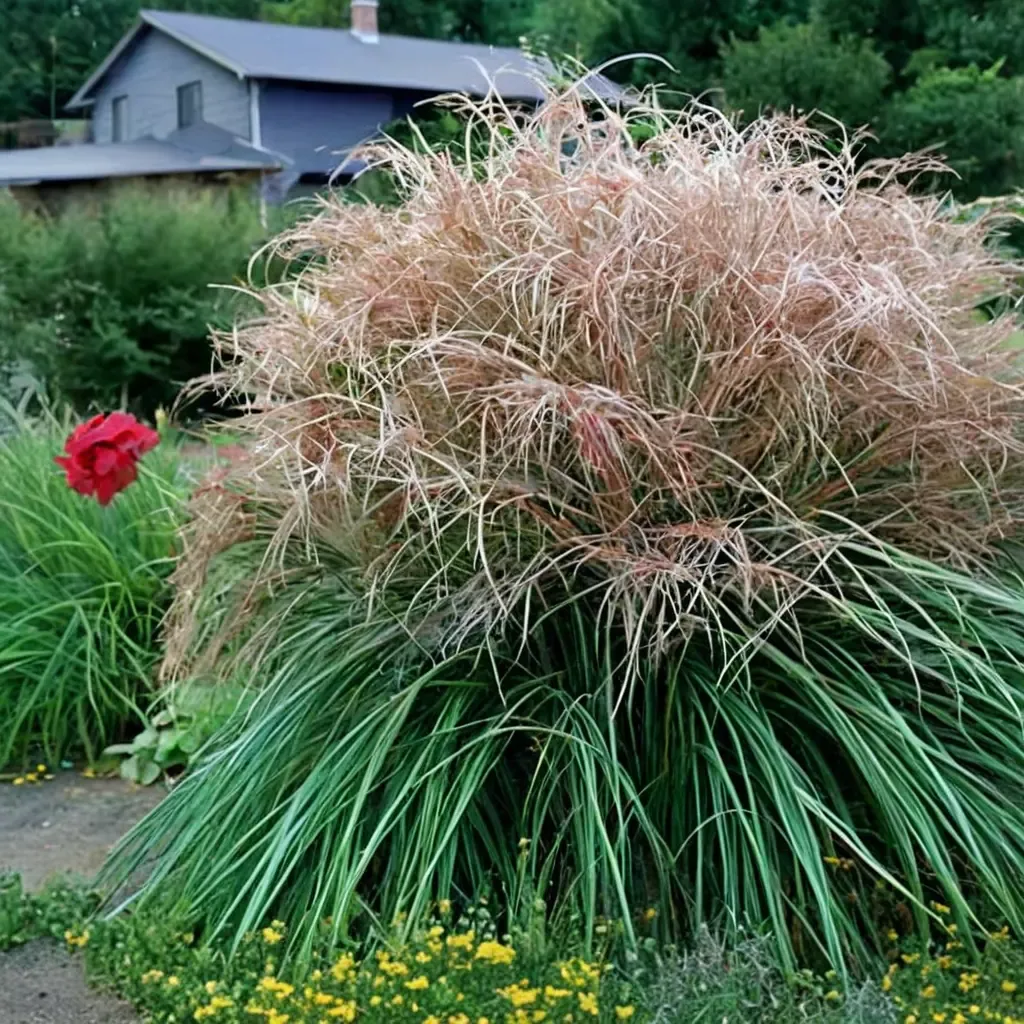
Huron Sunrise Maiden Grass
Miscanthus sinensis 'Huron Sunrise'
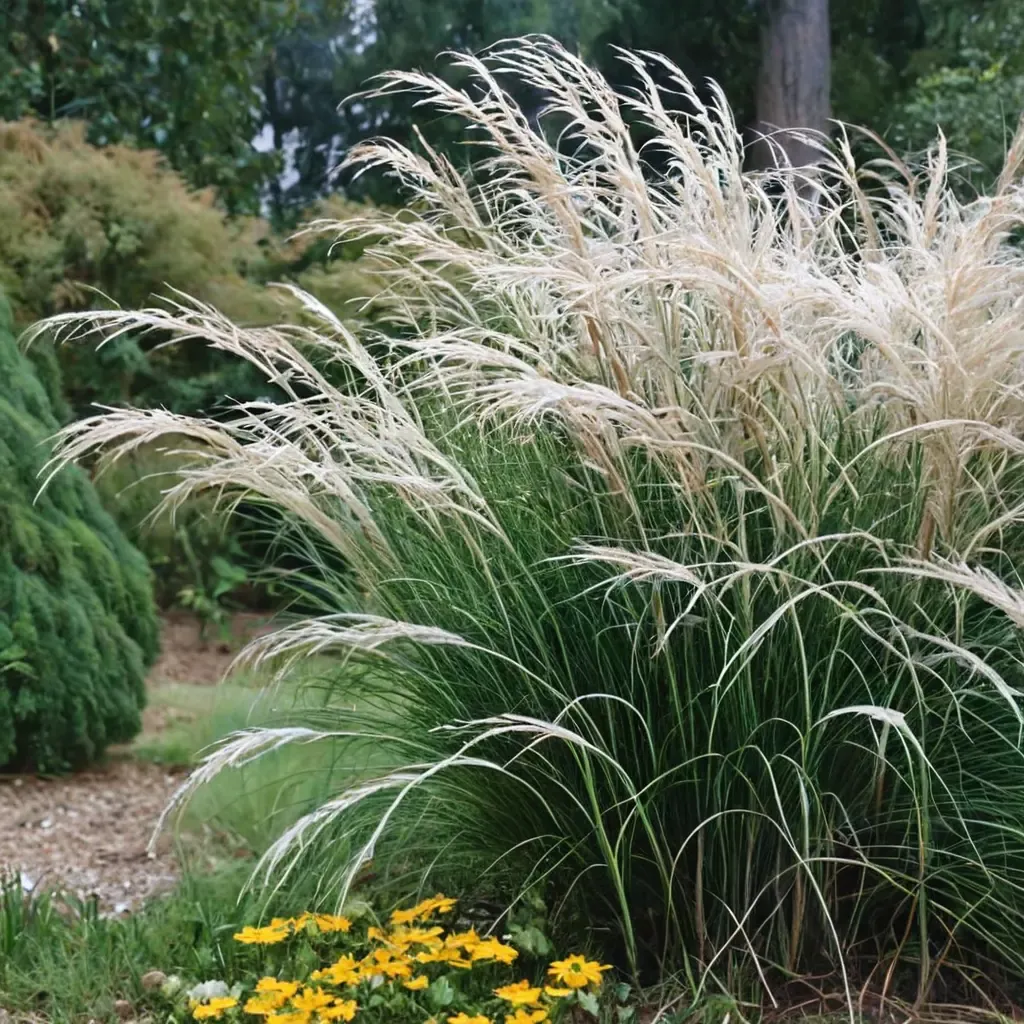
Graziella Chinese Silver Grass
Miscanthus sinensis 'Graziella'
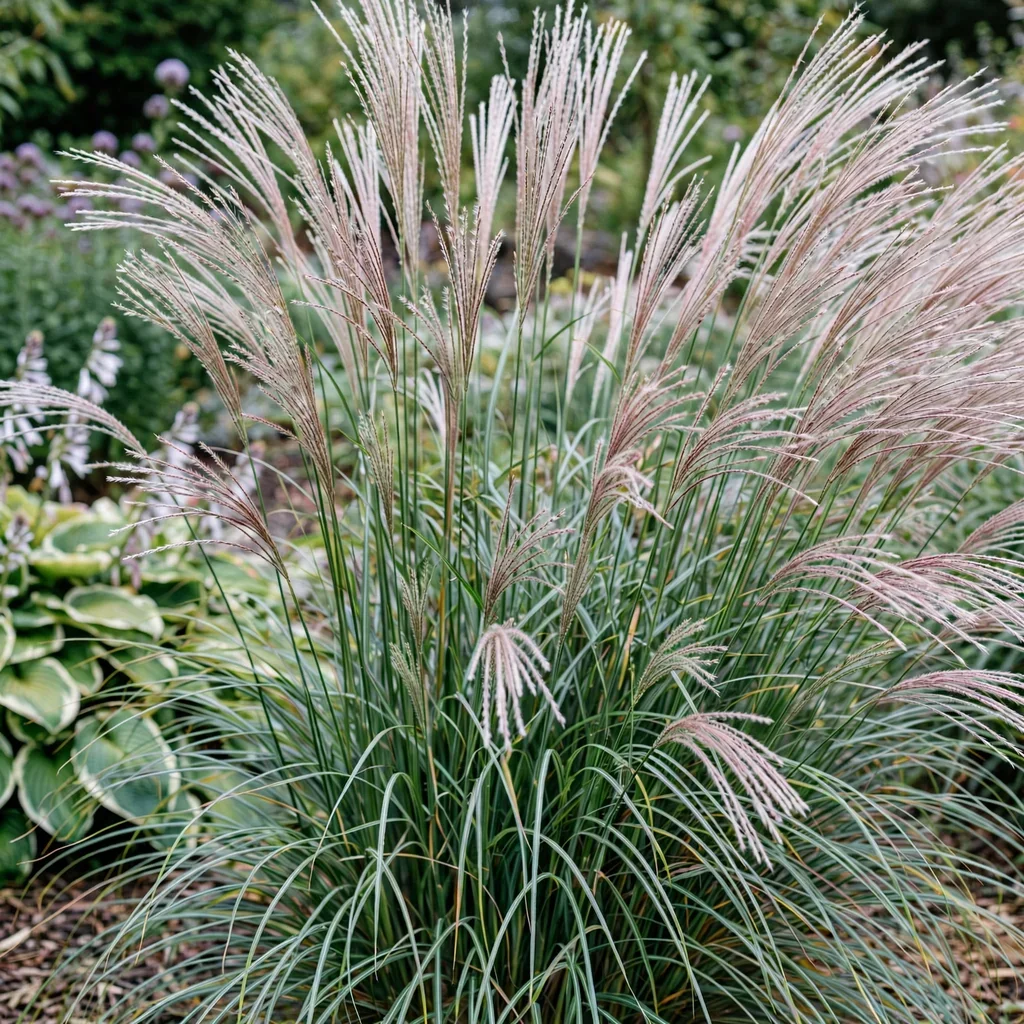
Dwarf Maiden Grass 'Adagio'
Miscanthus sinensis 'Adagio'
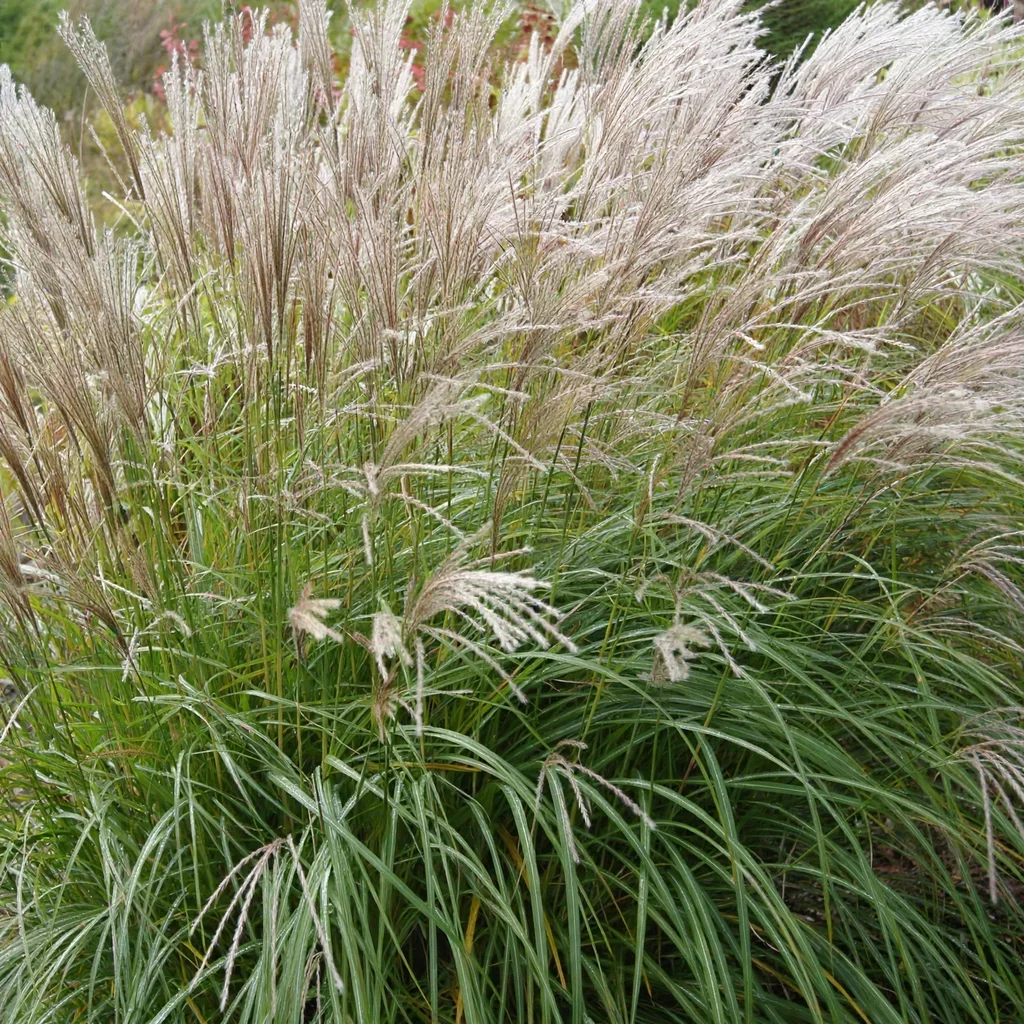
Yakushima Dwarf Maiden Grass
Miscanthus sinensis 'Yakushima Dwarf'
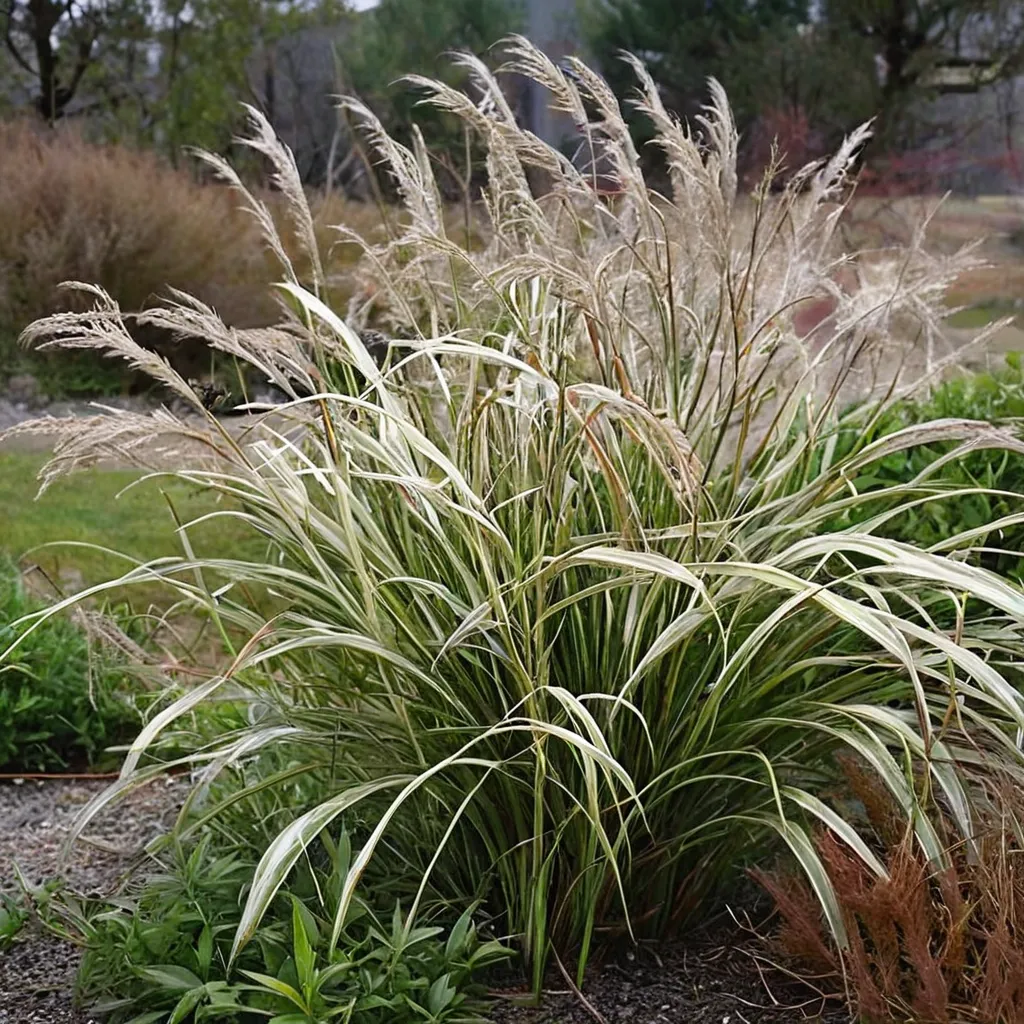
Silver Arrow Japanese Silver Grass
Miscanthus sinensis 'Silver Arrow'
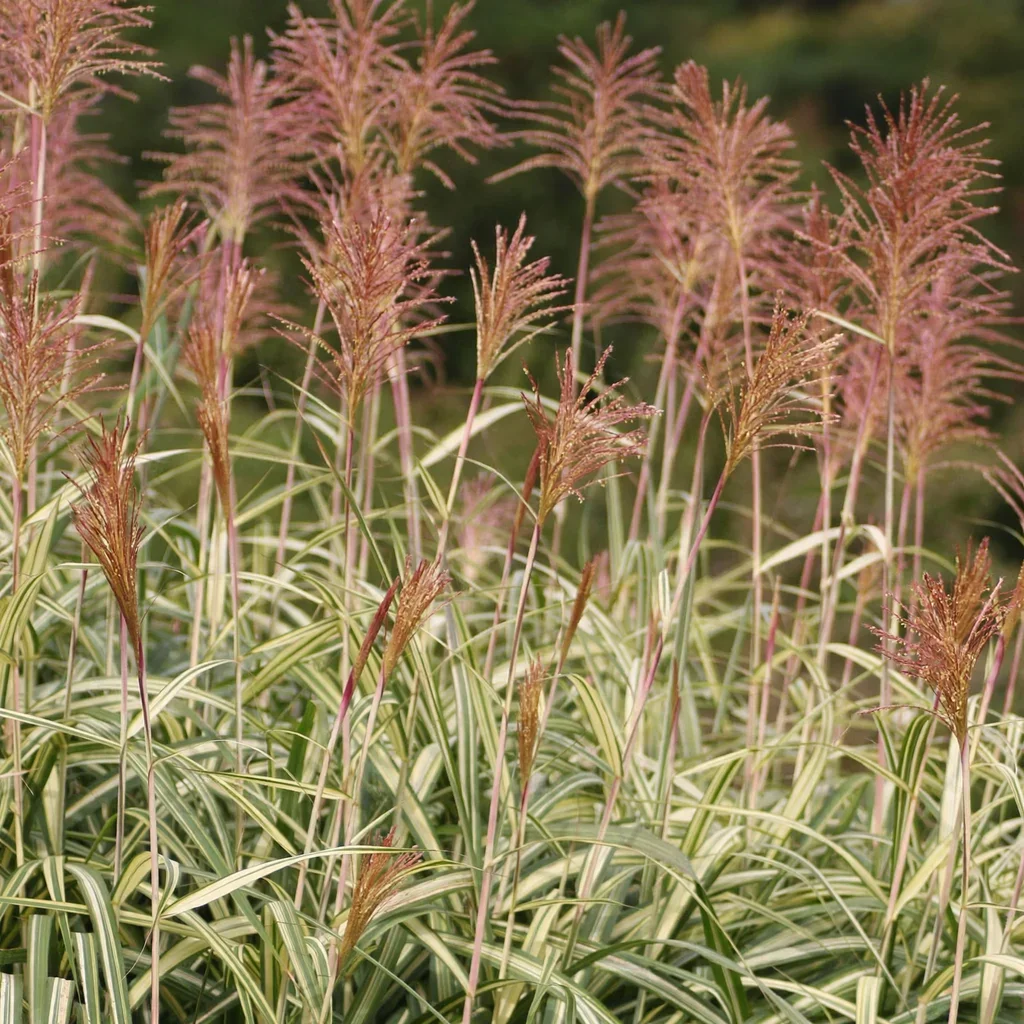
Variegated Japanese Silver Grass
Miscanthus sinensis 'Variegatus'
Keep exploring
Explore the genus
Hardy in your zone?
Grow Broom Grass with confidence
See it in a design of your actual yard, get zone-matched care reminders, and track it season by season in your garden journal.