The Story
Plant Bio
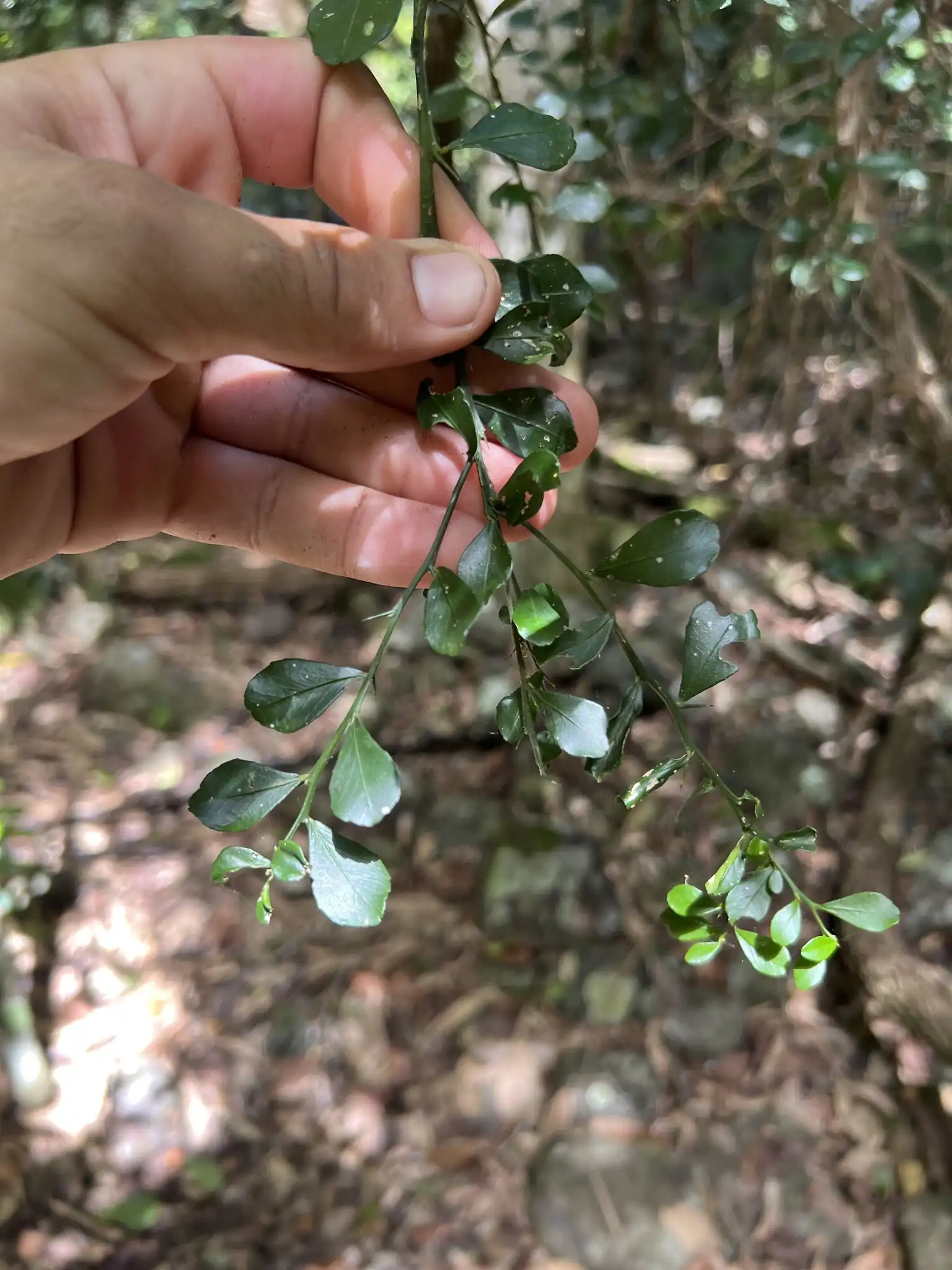
Citrus australasica is an evergreen understory shrub or small tree native to eastern Australia, reaching up to twenty-three feet tall with dense, thorny stems and small glossy leaves. Small white to pale pink flowers appear in spring, followed by slender cylindrical fruits filled with spherical, juice-filled vesicles.
Unlike standard citrus species, the internal fruit pulp consists of unattached, caviar-like pearls that burst under light pressure. The foliage naturally accepts partial shade as an understory species, though maximum fruit yields require full sun exposure.
Uses & Benefits:
Essentials
At a Glance
Plant Type
Shrub
Height
276"
Width
197"
Light
Full Sun, Partial Sun
Zones
9, 10
Water
Moderate
Humidity
Moderate to high
Lifespan
Perennial
Native To
Australia
Toxicity
Non-toxic
Bloom period
Spring – Late spring
In flower about 3 months of the year
Marketplace
Where to Buy
Shipping costs Year-round shipping Free shipping
Planting
How to Grow
- Choose a warm location receiving full sun to partial shade, well protected from prevailing winds.
- Prepare sandy loam or organic garden loam with high drainage and a pH between 5.5 and 6.5.
- Plant into a raised bed or large container if native garden soil is heavy clay or slow-draining.
- Water regularly during the growing season to maintain soil moisture without saturating the root zone.
- Apply a balanced citrus fertilizer lightly every two to three months from spring through late summer.
Pro Tip
Position plants in a wind-sheltered site; branch movement against sharp stem thorns lacerates and ruins the delicate skin of developing fruit.
Keep It Thriving
Care Guide
Do
- Ensure sharp drainage to protect root systems from Phytophthora decay.
- Provide wind protection to prevent stem thorns from damaging adjacent fruit.
- Feed lightly with balanced citrus fertilizer during warm months.
Don't
- Do not allow roots to sit in stagnant water or waterlogged heavy clay.
- Do not cut heavily into old, leafless wood during pruning as stems do not readily regenerate.
- Do not propagate from seed if early fruiting and true-to-type fruit qualities are desired.
Seasonal Care Calendar
| Task | Jan | Feb | Mar | Apr | May | Jun | Jul | Aug | Sep | Oct | Nov | Dec |
|---|---|---|---|---|---|---|---|---|---|---|---|---|
| Fertilize | ||||||||||||
| Harvest | ||||||||||||
| Pest Check | ||||||||||||
| Prune |
Watch Out For
Pests & Diseases
Common Pests
Common Diseases
In the Garden
Landscape Uses & Companions
Landscape Uses
Companion Plants
Multiply
Propagation Methods
Good to Know
Common Questions
Finger Lime questions
What zones can Finger Lime grow in?
Finger Lime is hardy in USDA Zones 9–10: in that range it survives winter in the ground. Colder than Zone 9, grow it in a container you can move to shelter for the winter.
Is Finger Lime deer resistant?
Not reliably. Deer may browse Finger Lime, especially tender spring growth — plan on repellents or fencing where pressure is high.
When does Finger Lime bloom?
Finger Lime typically blooms in spring. Exact timing shifts a week or two with your zone — Sow's bloom calendar maps it to your garden.
Does Finger Lime need full sun?
Finger Lime does best in full sun to part shade. In hot climates, afternoon shade keeps blooms fresher longer.
Is Finger Lime drought tolerant?
Yes — once established (usually after the first full season), Finger Lime handles dry spells with minimal watering. Water deeply its first year to build the root system that makes that possible.
More Citrus to compare
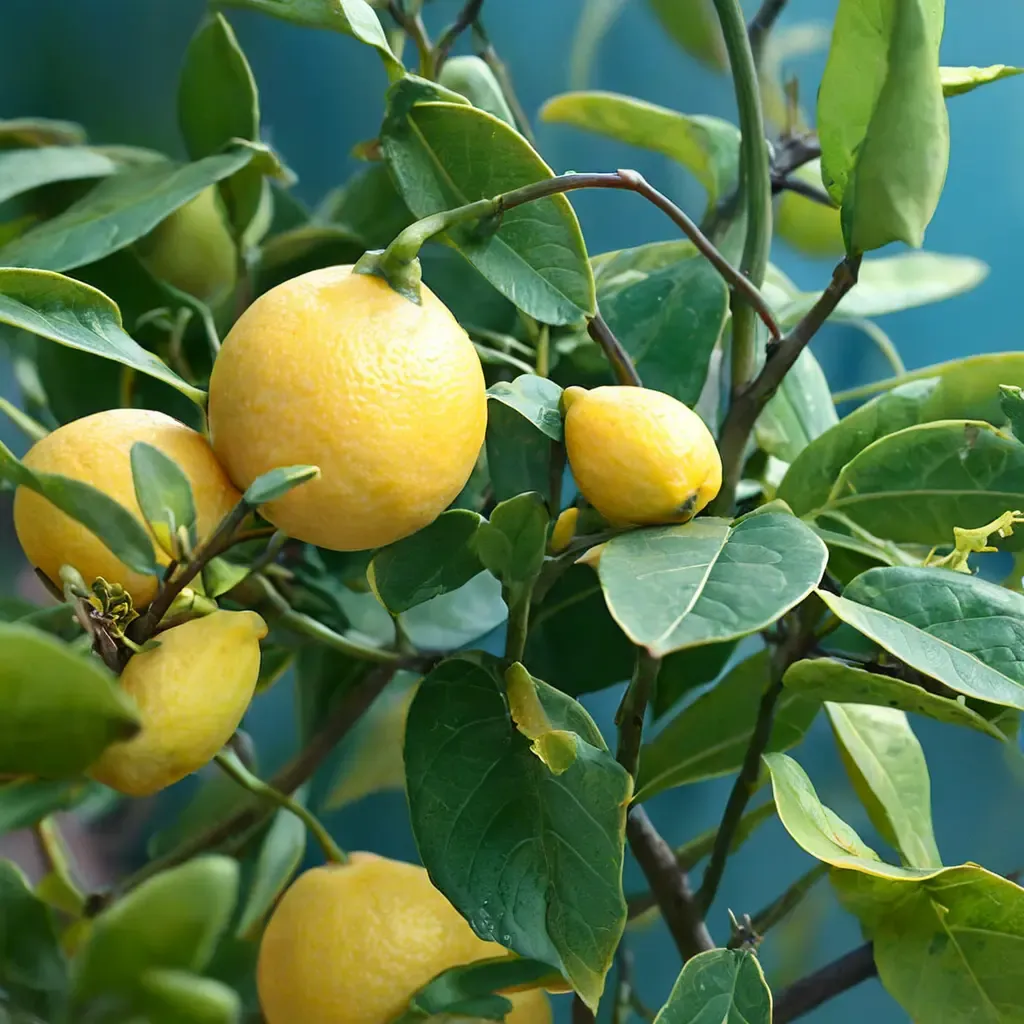
Meyer Lemon
Citrus limon 'Meyer'
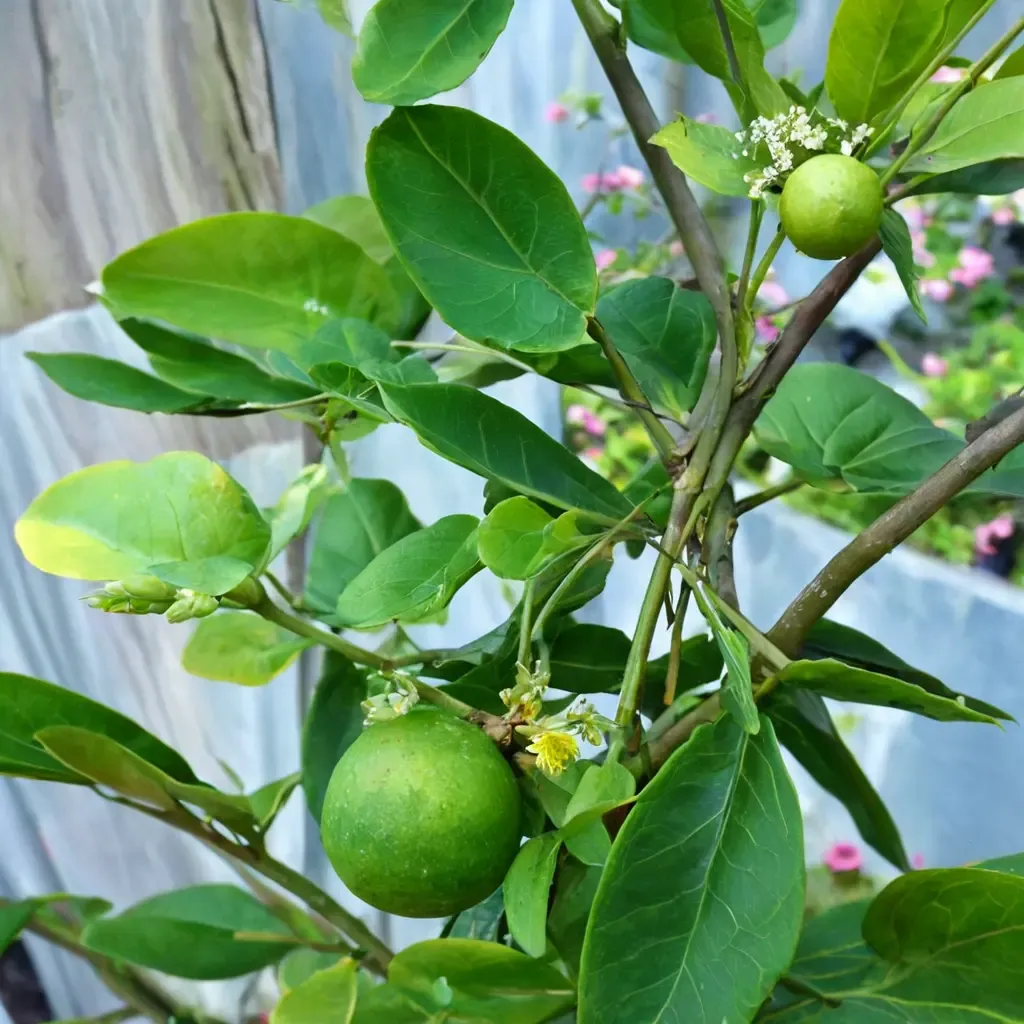
Key Lime
Citrus aurantiifolia
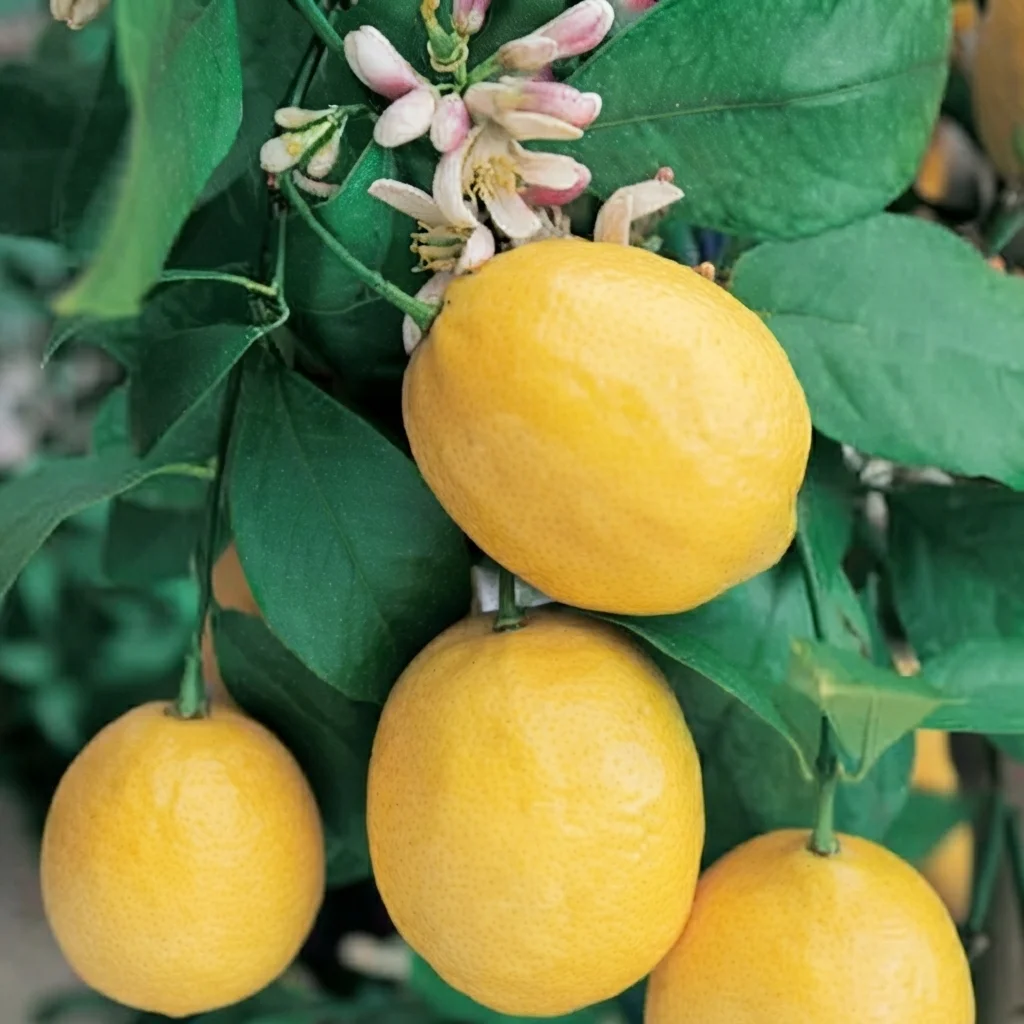
Eureka Lemon
Citrus limon 'Eureka'
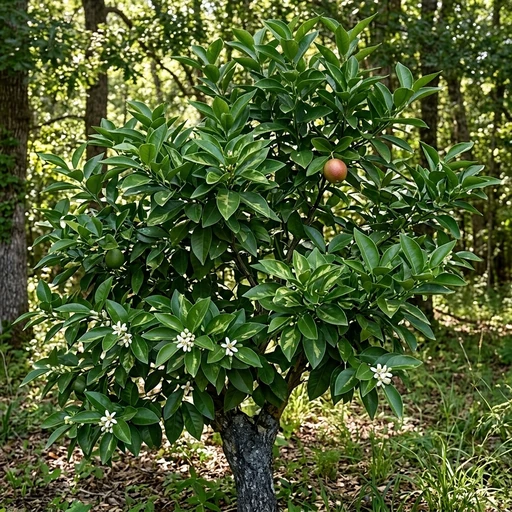
Moro Blood Orange
Citrus sinensis 'Moro'
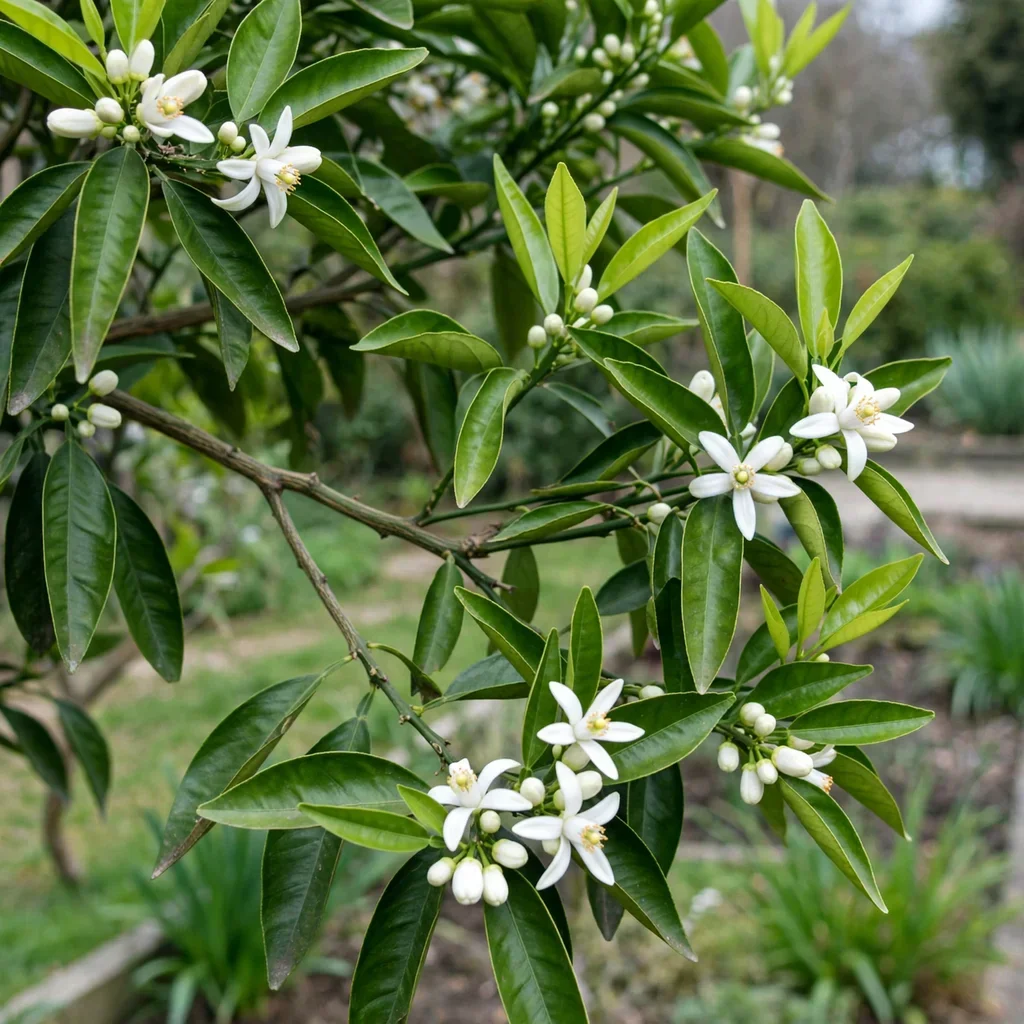
Sanguinello Orange
Citrus reticulata 'Sanguinea'
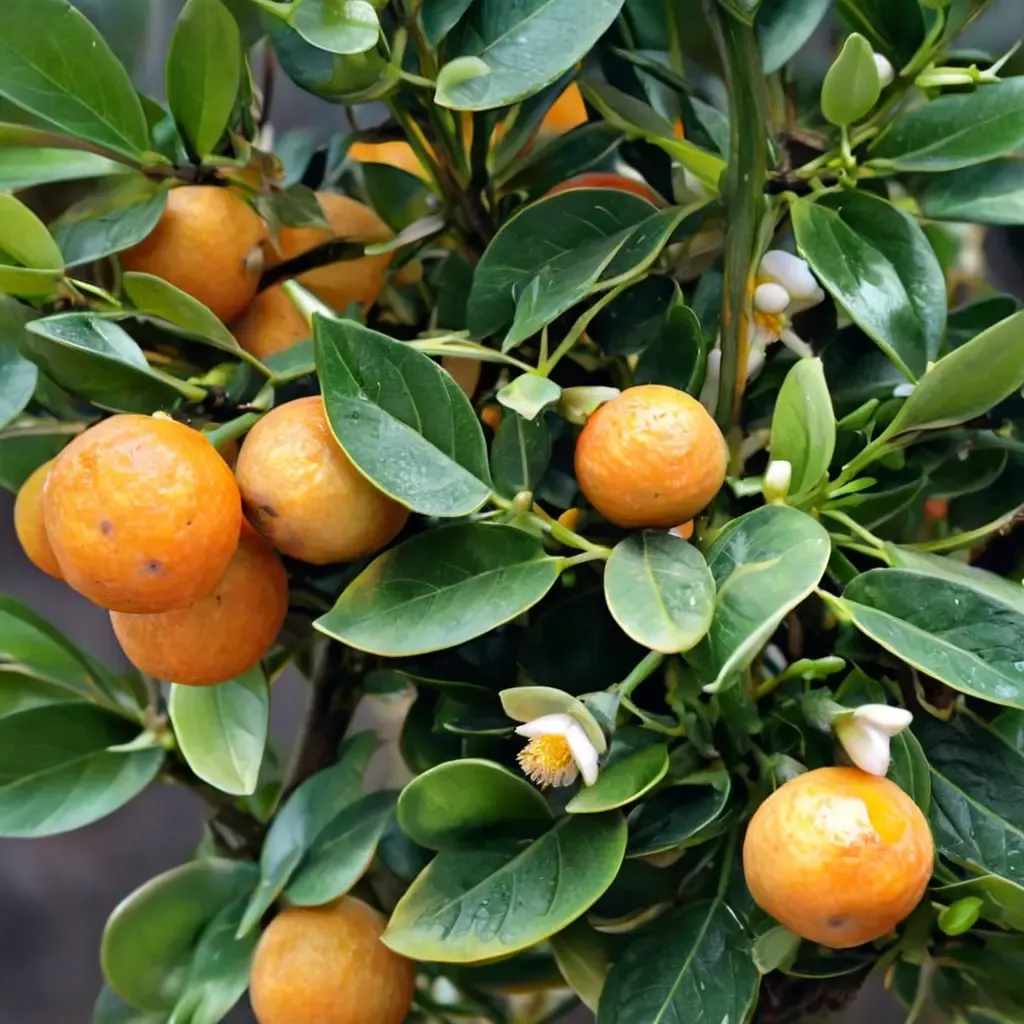
Calamondin
Citrus mitis
Keep exploring
Explore the genus
Hardy in your zone?
Grow Finger Lime with confidence
See it in a design of your actual yard, get zone-matched care reminders, and track it season by season in your garden journal.