The Story
Plant Bio
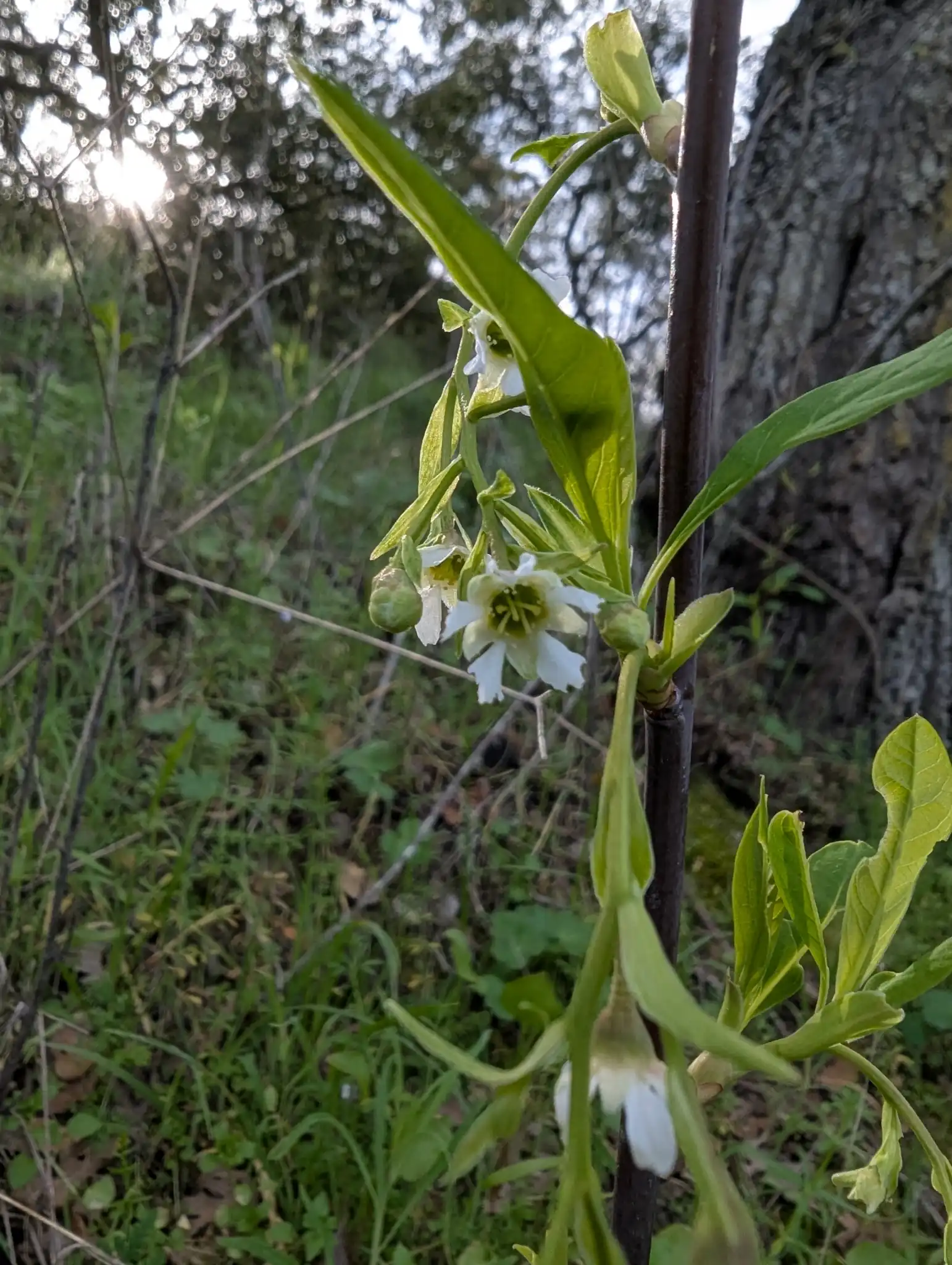
Oemleria cerasiformis, commonly known as Indian plum, is a deciduous multi-stemmed shrub or small tree native to moist woodland habitats of western North America. In early spring before the leaves fully expand, it produces drooping racemes of small, greenish-white flowers followed by plum-like fruit on female plants.
This species is dioecious, requiring both male and female specimens grown in close proximity to achieve fruit set. It is among the earliest native shrubs to break dormancy in spring, providing critical early-season nectar to Rufous hummingbirds.
Uses & Benefits:
Essentials
At a Glance
Plant Type
Shrub
Height
236"
Width
157"
Light
Full Sun, Partial Sun, Shade
Zones
6, 7, 8, 9
Water
Moderate
Humidity
Moderate
Lifespan
Perennial
Native To
Western North America
Toxicity
Non-toxic
Bloom period
Spring
In flower about 3 months of the year
Marketplace
Where to Buy
Shipping costs Year-round shipping Free shipping
Planting
How to Grow
- Select a site in full sun to full shade with loamy, moist soil rich in organic matter.
- Plant container stock in spring or fall, positioning the root crown flush with the surrounding soil line.
- Water regularly during the first two growing seasons until the root system establishes.
- Restrict pruning to removing dead, damaged, or crossing branches immediately after flowering finishes in late spring.
Pro Tip
Avoid shearing or hard rejuvenation pruning into old bare wood, which destroys flower buds and ruins its natural multi-stemmed vase form.
Keep It Thriving
Care Guide
Do
- Plant male and female specimens near each other if fruit set is desired.
- Apply a light layer of organic mulch around the root zone to retain soil moisture.
- Prune immediately after spring flowering to avoid cutting off next year's flower buds.
Don't
- Do not shear the shrub into formal shapes or hedges.
- Do not cut hard into old leafless wood during rejuvenation pruning.
- Do not allow young plants to dry out completely during extended summer droughts.
Seasonal Care Calendar
| Task | Jan | Feb | Mar | Apr | May | Jun | Jul | Aug | Sep | Oct | Nov | Dec |
|---|---|---|---|---|---|---|---|---|---|---|---|---|
| Mulch | ||||||||||||
| Pest Check | ||||||||||||
| Plant | ||||||||||||
| Prune |
Watch Out For
Pests & Diseases
Common Pests
Common Diseases
In the Garden
Landscape Uses & Companions
Landscape Uses
Multiply
Propagation Methods
Good to Know
Common Questions
Indian Plum questions
What zones can Indian Plum grow in?
Indian Plum is hardy in USDA Zones 6–9: in that range it survives winter in the ground. Colder than Zone 6, grow it in a container you can move to shelter for the winter. Warmer than Zone 9, winter isn't the problem: it prefers colder winters, and summer heat can shorten its life.
Is Indian Plum deer resistant?
Not reliably. Deer may browse Indian Plum, especially tender spring growth — plan on repellents or fencing where pressure is high.
When does Indian Plum bloom?
Indian Plum typically blooms in spring. Exact timing shifts a week or two with your zone — Sow's bloom calendar maps it to your garden.
Does Indian Plum need full sun?
Indian Plum does best in full sun to part shade. In hot climates, afternoon shade keeps blooms fresher longer.
Is Indian Plum drought tolerant?
Yes — once established (usually after the first full season), Indian Plum handles dry spells with minimal watering. Water deeply its first year to build the root system that makes that possible.
Keep exploring
Explore the genus
Hardy in your zone?
Grow Indian Plum with confidence
See it in a design of your actual yard, get zone-matched care reminders, and track it season by season in your garden journal.