

The Story
Plant Bio
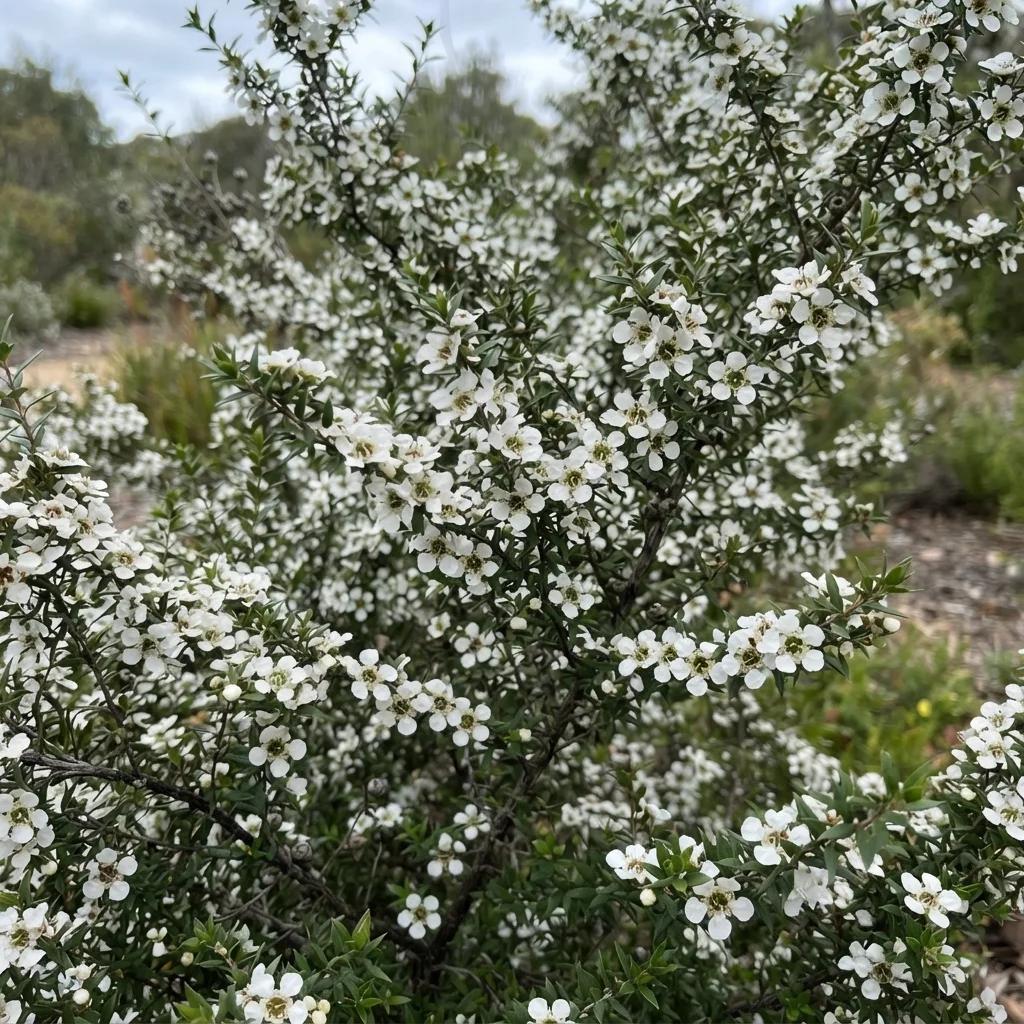
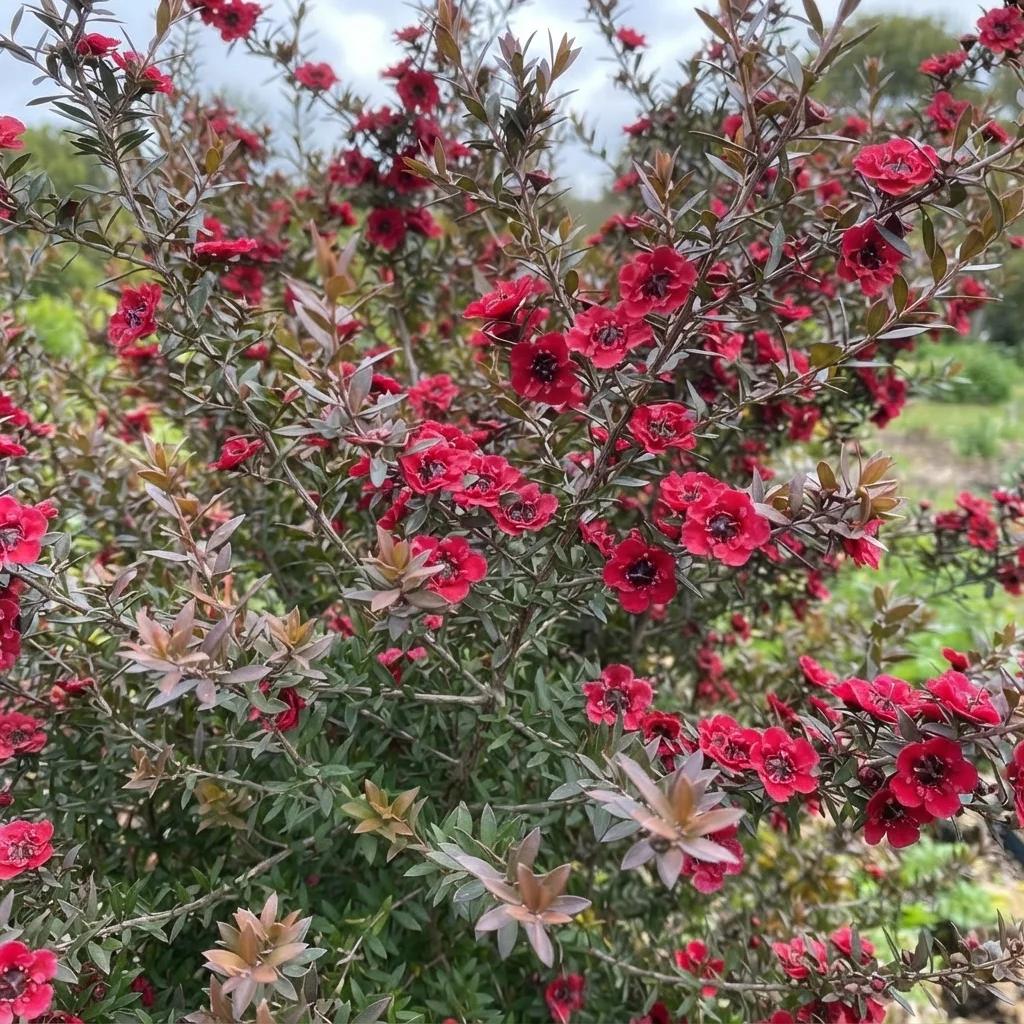
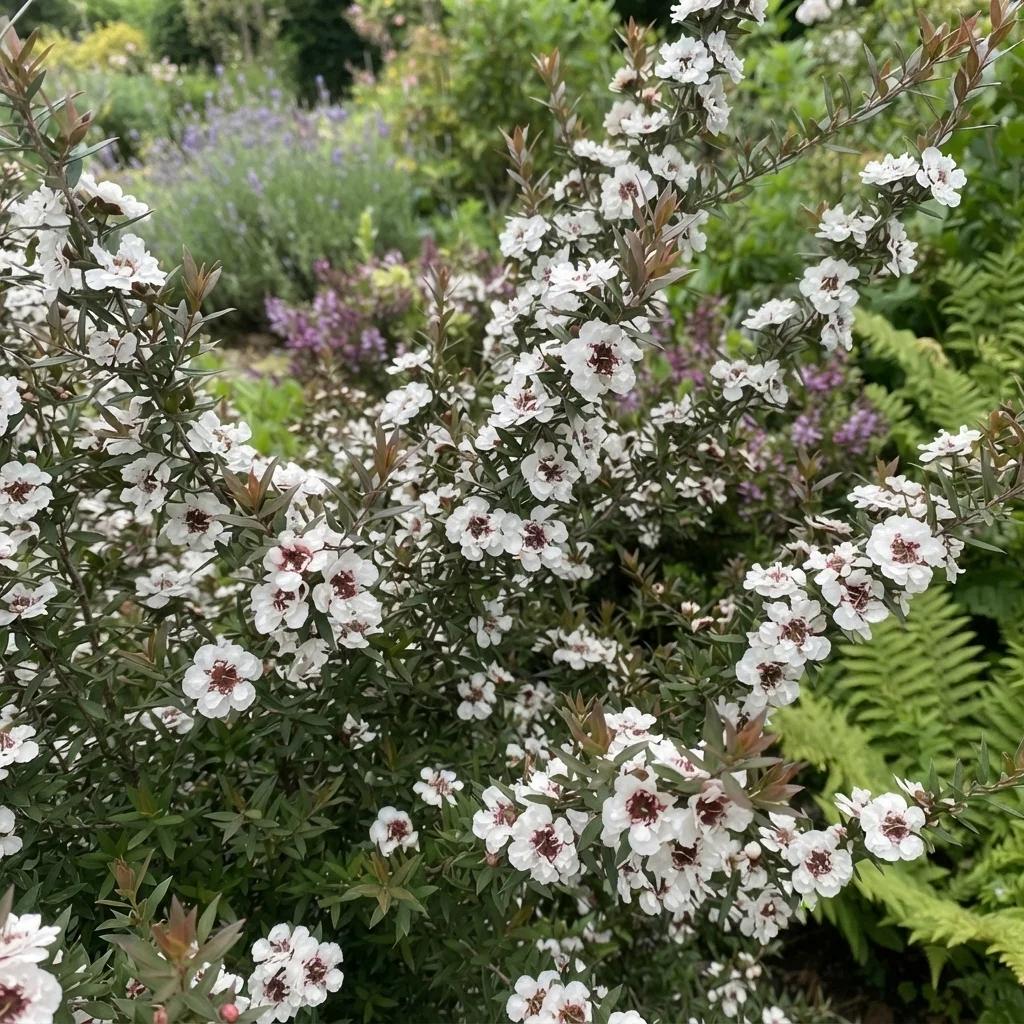
Leptospermum scoparium is an evergreen shrub native to Australia and New Zealand, forming a dense structure of slender, twiggy branches clothed in small aromatic leaves. Flowers set individually in the leaf axils cover the stems during late spring and early summer.
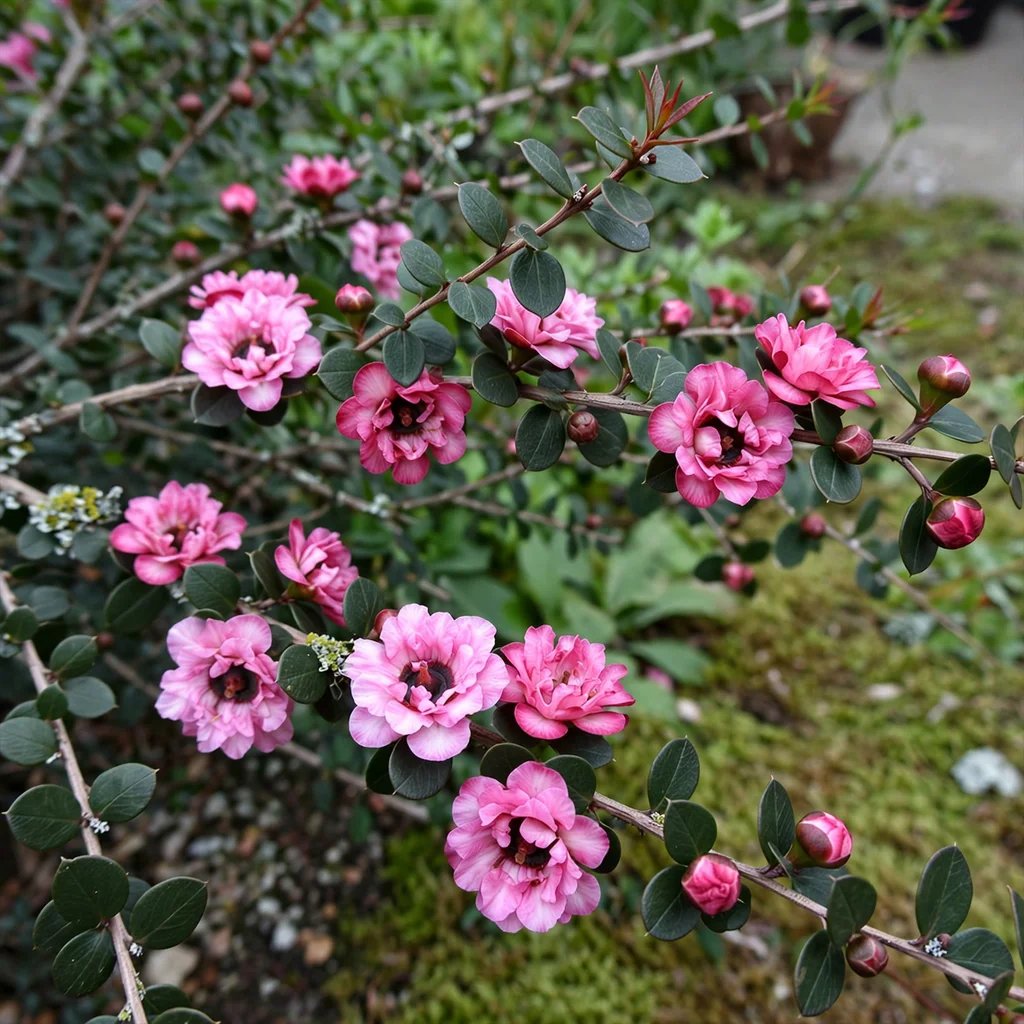
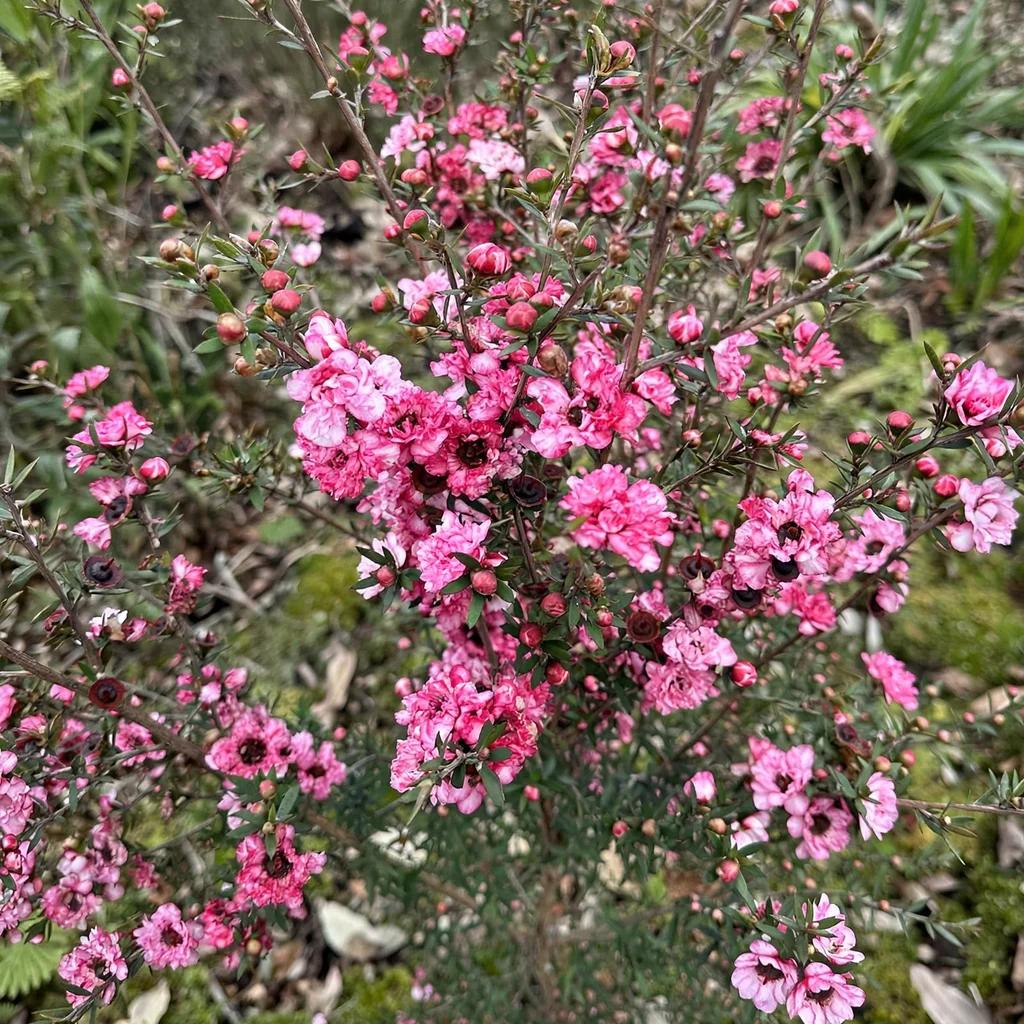
'Blossom' produces fully double, pale soft pink flowers with ruffled petals that crowd along the stems. The foliage consists of aromatic needle-like leaves that emerge with subtle red-bronze tones before maturing to dark green.
Uses & Benefits:
Essentials
At a Glance
Plant Type
Shrub
Height
96"
Width
72"
Light
Full Sun
Zones
9, 10
Water
Low to Moderate
Humidity
Tolerant of coastal humidity
Lifespan
Perennial
Native To
Australia, New Zealand
Toxicity
Non-toxic
Bloom period
Late spring – Early summer
In flower about 2 months of the year
Planting
How to Grow
- Choose a full sun planting site with sandy or loamy, freely draining soil.
- Dig a hole twice as wide as the root ball and equal in depth.
- Position the shrub so the top of the root crown is level with the soil surface and backfill gently.
- Water thoroughly to settle soil, then apply a shallow gravel or bark mulch keeping clear of the main trunk.
Pro Tip
Prune lightly only immediately after flowering finishes; cutting back into old bare wood kills the stems because the plant lacks dormant buds on old timber.
Keep It Thriving
Care Guide
Do
- Plant in gritty, well-draining soil to guard against root rot.
- Tip-prune leafy shoots right after flowering ends to preserve a compact habit.
- Water regularly during the first dry season until roots establish.
Don't
- Do not prune hard into brown, leafless wood.
- Do not apply heavy doses of high-phosphorus fertilizers.
- Do not allow soil around the roots to remain waterlogged.
Seasonal Care Calendar
| Task | Jan | Feb | Mar | Apr | May | Jun | Jul | Aug | Sep | Oct | Nov | Dec |
|---|---|---|---|---|---|---|---|---|---|---|---|---|
| Fertilize | ||||||||||||
| Mulch | ||||||||||||
| Pest Check | ||||||||||||
| Prune |
Watch Out For
Pests & Diseases
Common Pests
Common Diseases
In the Garden
Landscape Uses & Companions
Landscape Uses
Multiply
Propagation Methods
Good to Know
Common Questions
New Zealand Tea Tree questions
What zones can New Zealand Tea Tree grow in?
New Zealand Tea Tree is hardy in USDA Zones 9–10: in that range it survives winter in the ground. Colder than Zone 9, grow it in a container you can move to shelter for the winter.
Is New Zealand Tea Tree deer resistant?
Yes — New Zealand Tea Tree is rated deer-resistant. Deer typically pass it over, though extreme hunger can override any plant's defenses.
When does New Zealand Tea Tree bloom?
New Zealand Tea Tree typically blooms from late spring to early summer. Exact timing shifts a week or two with your zone — Sow's bloom calendar maps it to your garden.
Does New Zealand Tea Tree need full sun?
New Zealand Tea Tree does best in full sun (6+ hours).
Is New Zealand Tea Tree drought tolerant?
Yes — once established (usually after the first full season), New Zealand Tea Tree handles dry spells with minimal watering. Water deeply its first year to build the root system that makes that possible.
More Leptospermum to compare
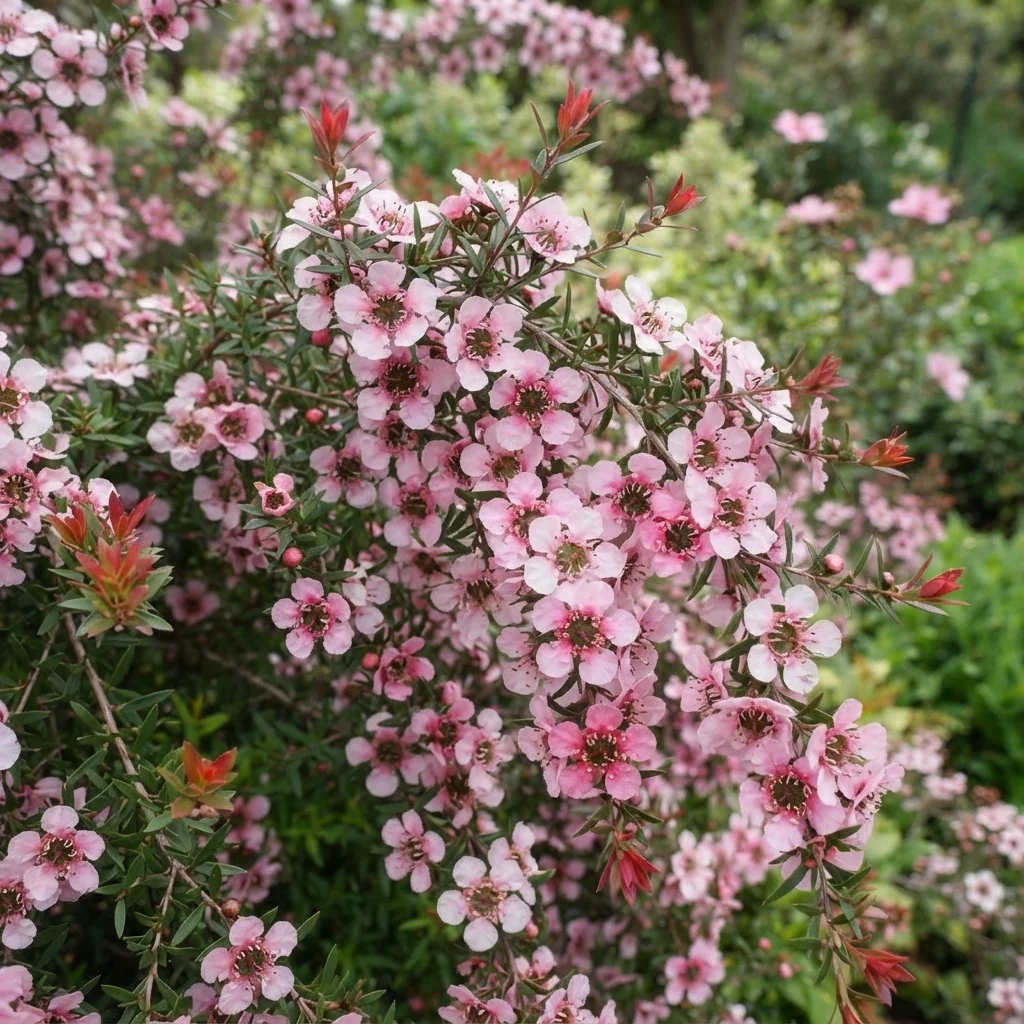
Pink Cascade Tea Tree
Leptospermum x hybrida 'Pink Cascade'
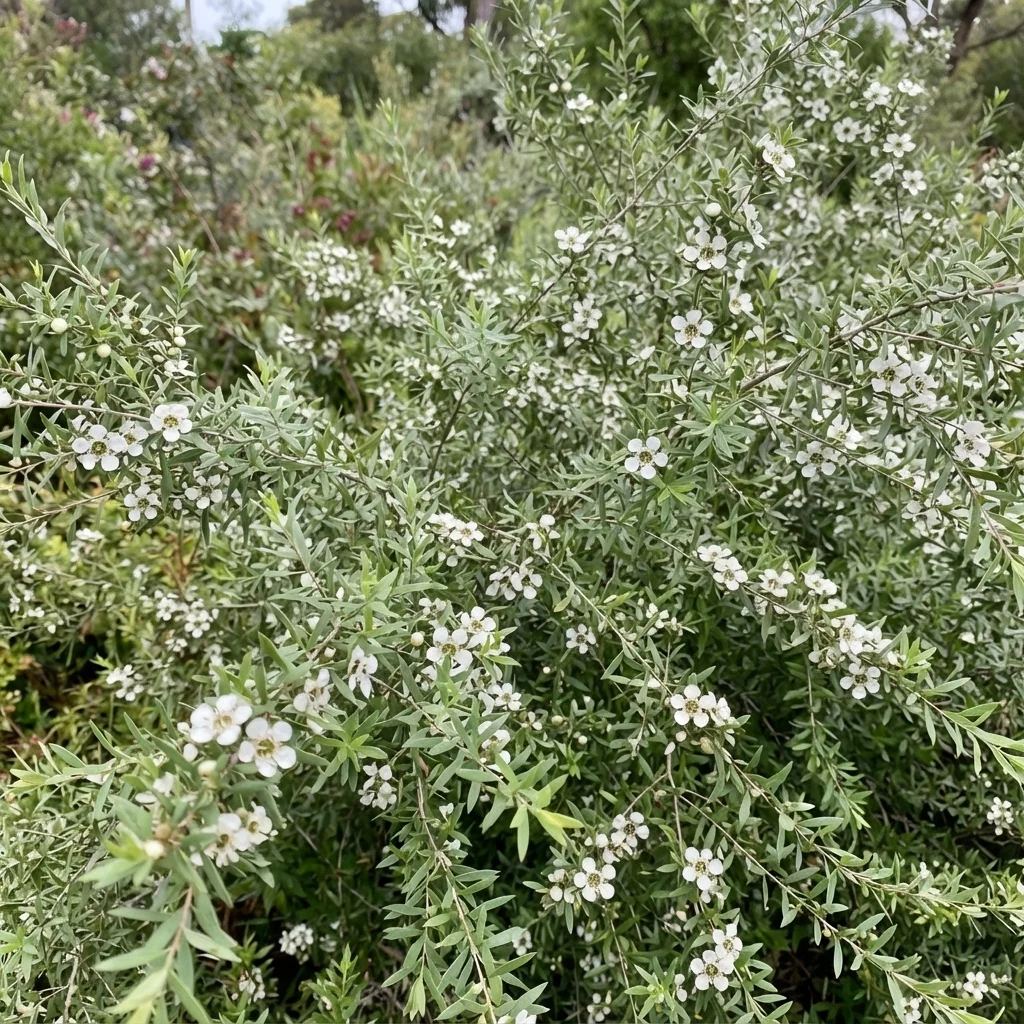
Tantoon
Leptospermum polygalifolium
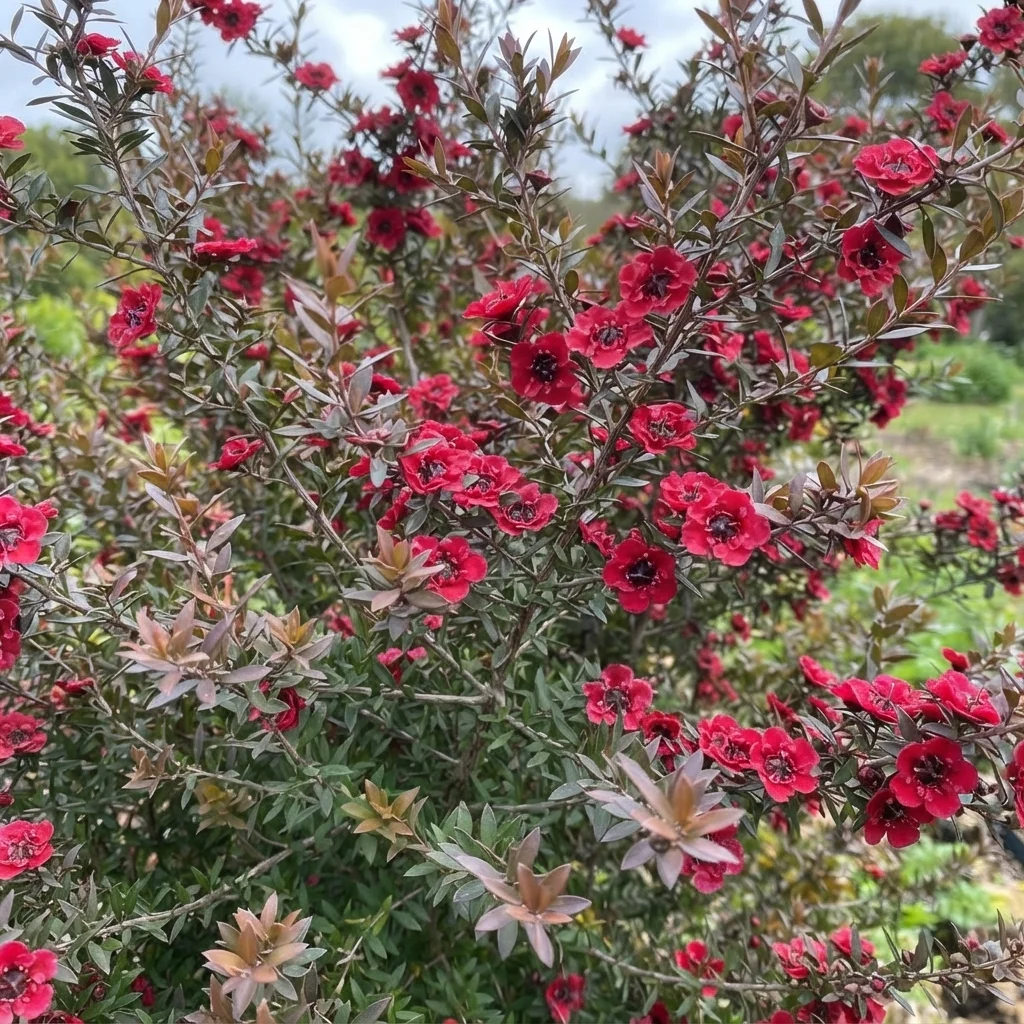
Ruby Glow New Zealand Tea Tree
Leptospermum scoparium 'Ruby Glow'
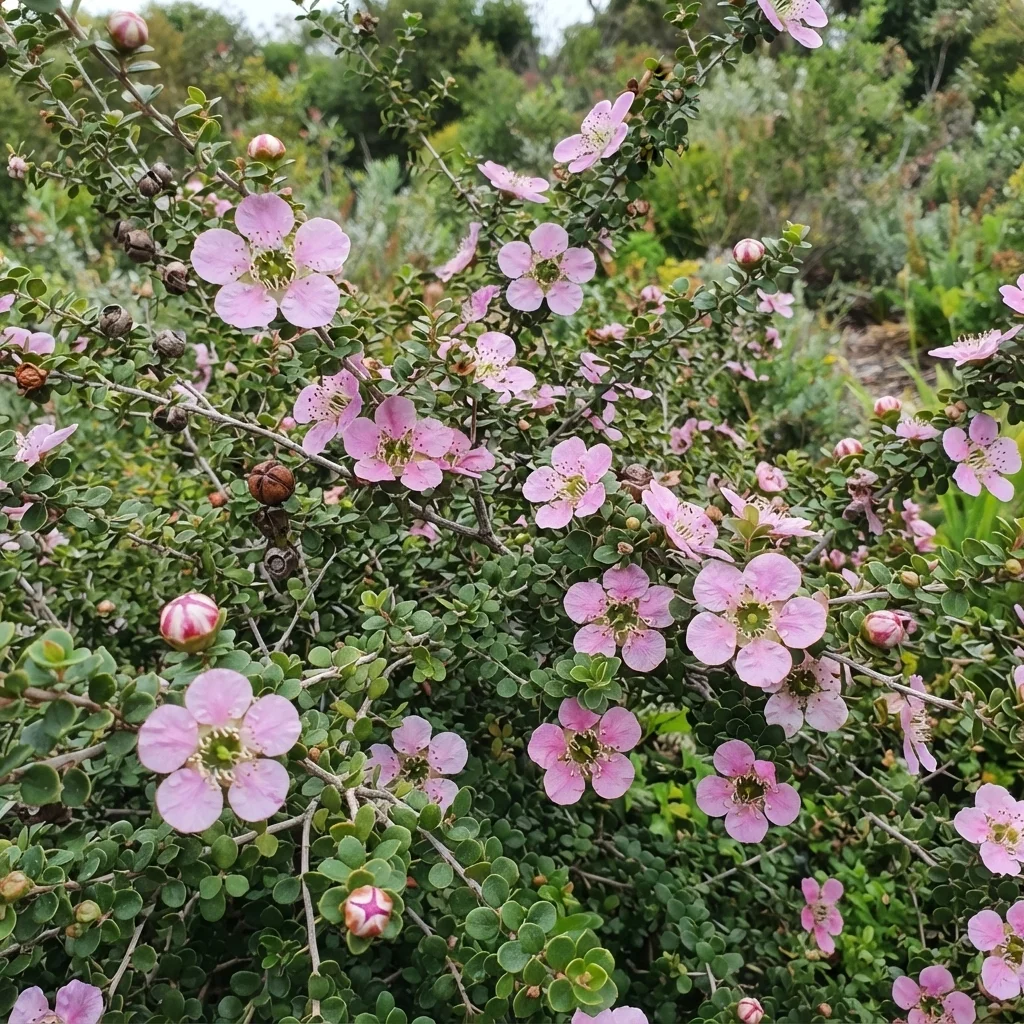
Round-leaved Tea Tree
Leptospermum rotundifolium
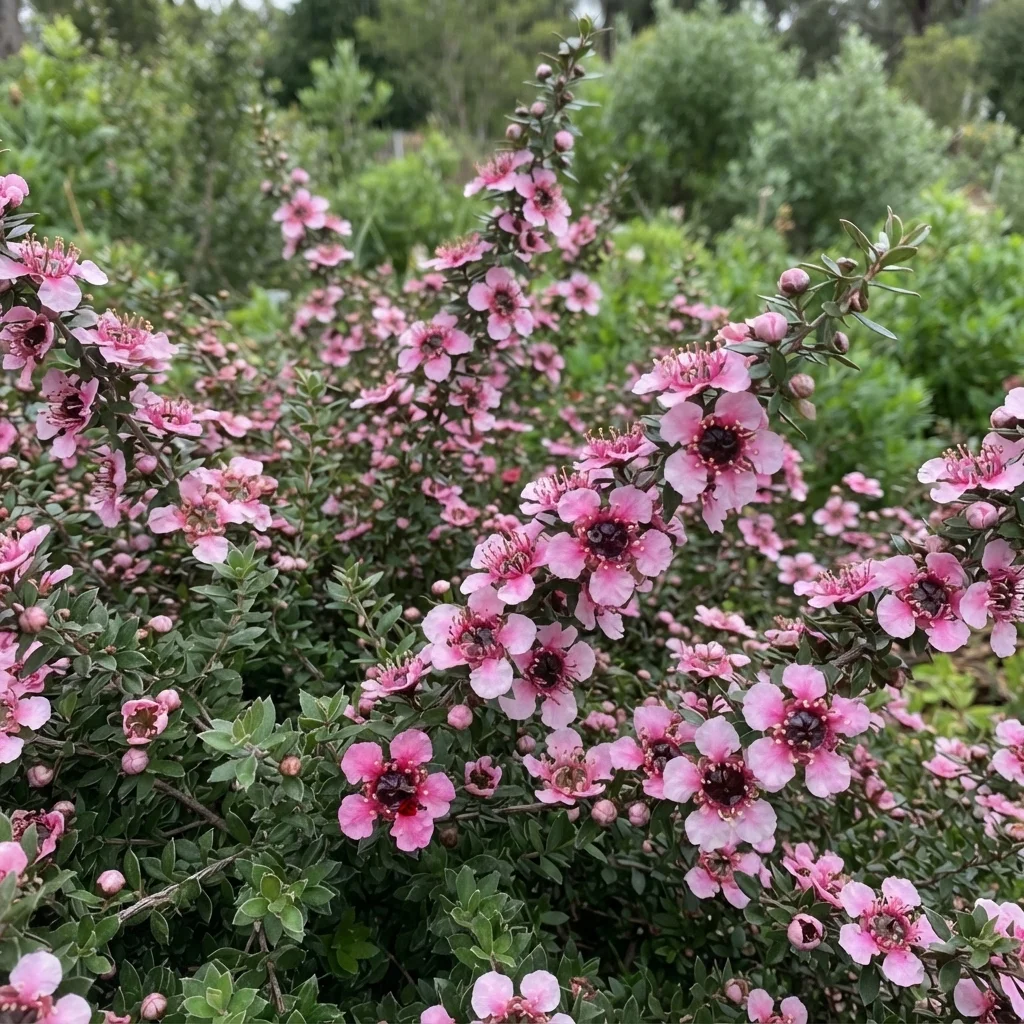
Mesmer Eyes Tea Tree
Leptospermum hybrid 'Mesmer Eyes'
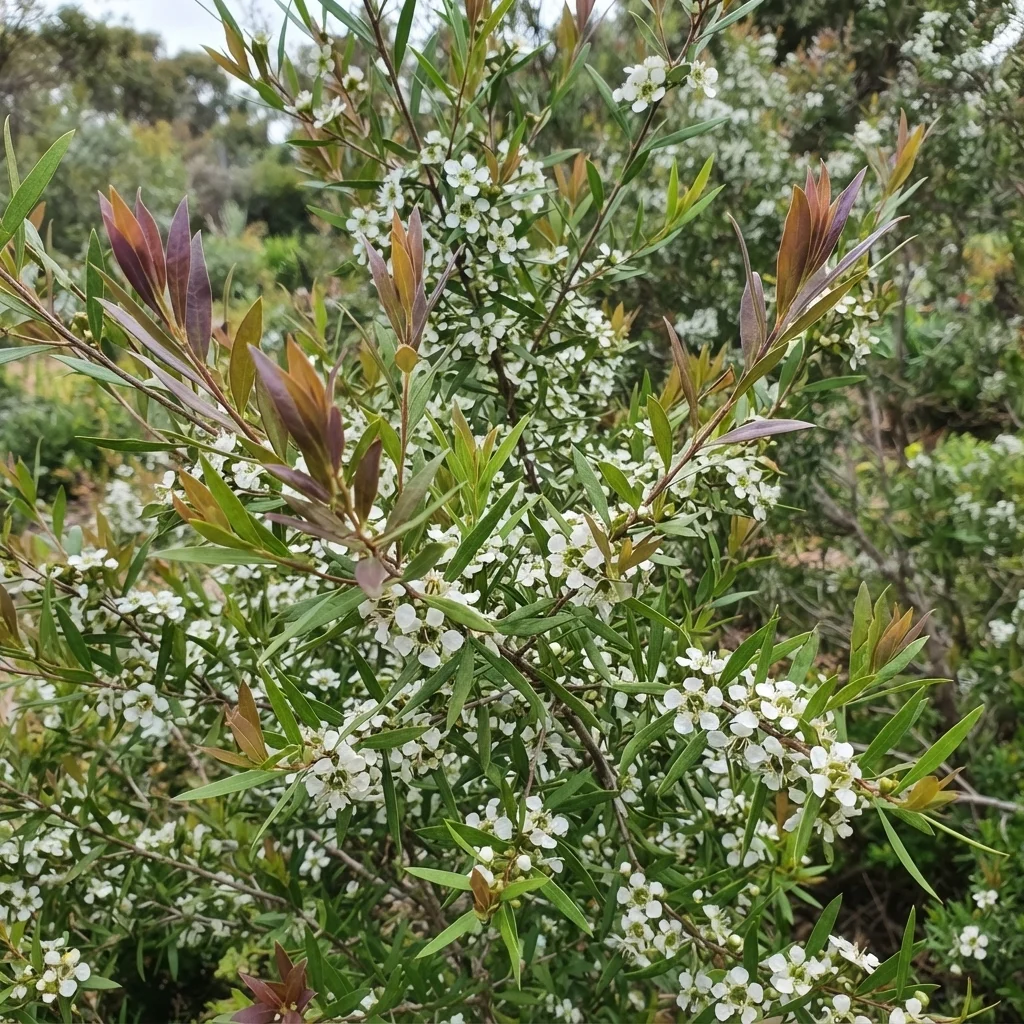
Lemon-Scented Tea Tree
Leptospermum petersonii
Keep exploring
Explore the genus
Hardy in your zone?
Grow New Zealand Tea Tree with confidence
See it in a design of your actual yard, get zone-matched care reminders, and track it season by season in your garden journal.