The Story
Plant Bio
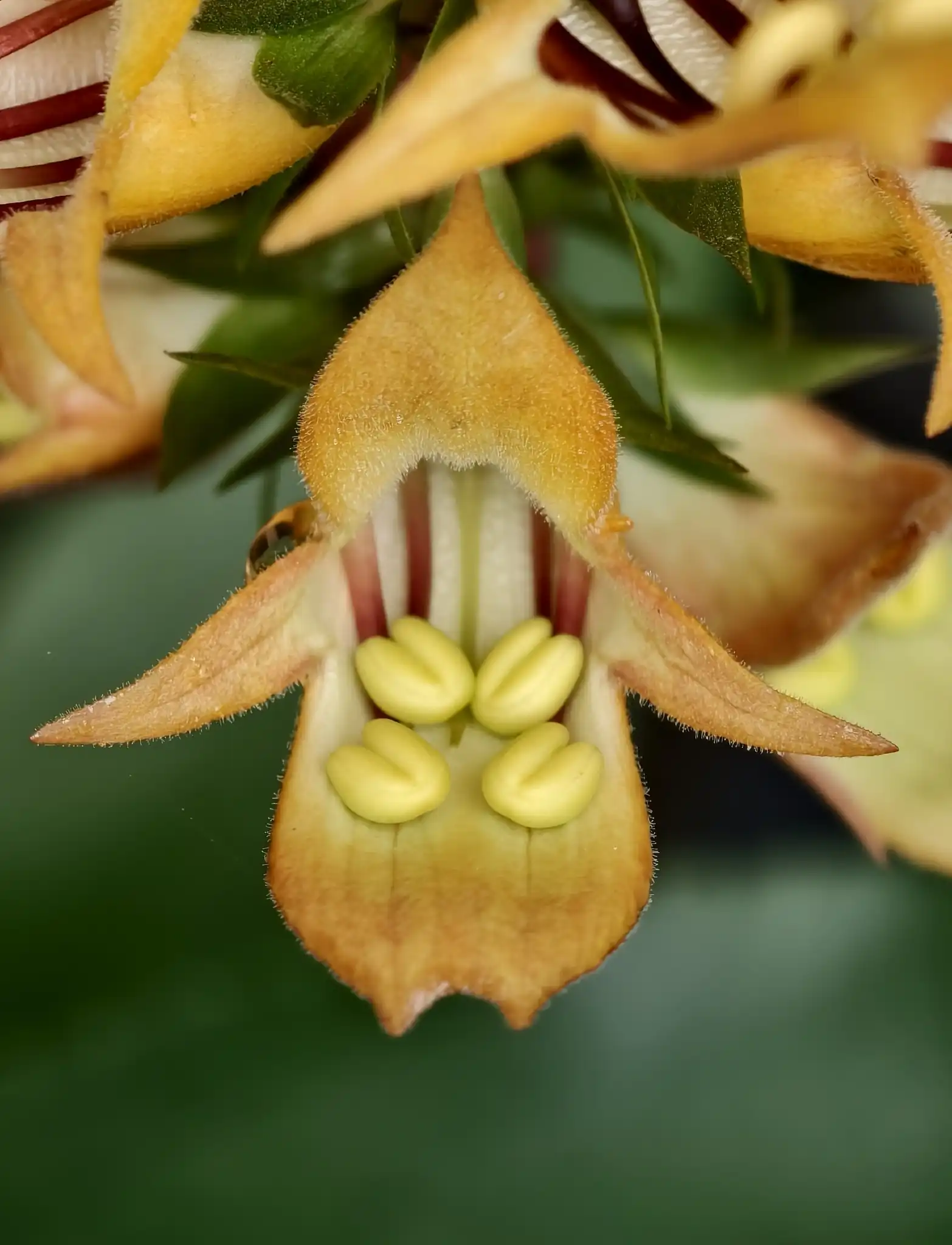
Digitalis canariensis, the Canary Island foxglove, is an evergreen shrub from the laurel forests of Tenerife, La Gomera and La Palma, reaching four to five feet tall with a rounded, sparingly branched frame. It carries serrated oval dark green leaves and upright terminal racemes to a foot long lined with flattened foxglove-like trumpets.
Unlike the biennial common foxglove, this species keeps woody stems year-round and blooms in reddish-orange to apricot tones rather than purple-pink. It is the Canary parent of the sterile Digiplexis hybrids made with Digitalis purpurea, which explains its shrubby habit and long spring to summer flowering run.
Uses & Benefits:
Essentials
At a Glance
Plant Type
Shrub
Height
59"
Width
48"
Light
Full Sun, Partial Sun
Zones
9, 10
Water
Moderate
Humidity
Low to moderate
Lifespan
Short-lived evergreen shrub
Native To
Canary Islands - Tenerife, La Gomera, La Palma
Toxicity
Toxic if ingested
Bloom period
Spring – Summer
In flower about 6 months of the year
Planting
How to Grow
- Plant in full sun or part shade in a sheltered spot in moist but well-drained loam.
- Water regularly to keep soil evenly moist, then water sparingly in winter and never leave the crown waterlogged.
- Feed with balanced liquid fertilizer monthly during active spring and summer growth.
- Cut the central spike as flowers fade to encourage side shoots and remove old stems in spring.
- Grow outdoors year-round only in zones 9a-11; elsewhere move pots to a bright frost-free shelter before temperatures near 25F.
Pro Tip
Cut the main flower spike as it fades to push side shoots, and grow it as a frost-tender evergreen shrub in shelter, not as a biennial left to self-sow.
Keep It Thriving
Care Guide
Do
- Do plant in a sheltered sun or part-shade position with bright filtered light.
- Do keep soil moist but well-drained with regular watering in growth.
- Do deadhead the main spike promptly to extend side flowering.
Don't
- Don't leave soil waterlogged or let pots sit in saucers of water.
- Don't expose to hard frost; bring under cover before freezing weather.
- Don't treat it as a biennial foxglove to discard after bloom; it is a short-lived evergreen shrub.
Seasonal Care Calendar
| Task | Jan | Feb | Mar | Apr | May | Jun | Jul | Aug | Sep | Oct | Nov | Dec |
|---|---|---|---|---|---|---|---|---|---|---|---|---|
| Deadhead | ||||||||||||
| Fertilize | ||||||||||||
| Pest Check | ||||||||||||
| Prune | ||||||||||||
| Winter Prep |
Watch Out For
Pests & Diseases
Common Pests
Common Diseases
In the Garden
Landscape Uses & Companions
Landscape Uses
Companion Plants
Multiply
Propagation Methods
Good to Know
Common Questions
Canary Island Foxglove questions
What zones can Canary Island Foxglove grow in?
Canary Island Foxglove is hardy in USDA Zones 9–10: in that range it survives winter in the ground. Colder than Zone 9, grow it in a container you can move to shelter for the winter.
Is Canary Island Foxglove deer resistant?
Yes — Canary Island Foxglove is rated deer-resistant. Deer typically pass it over, though extreme hunger can override any plant's defenses.
When does Canary Island Foxglove bloom?
Canary Island Foxglove typically blooms from spring to summer. Exact timing shifts a week or two with your zone — Sow's bloom calendar maps it to your garden.
Does Canary Island Foxglove need full sun?
Canary Island Foxglove does best in full sun to part shade. In hot climates, afternoon shade keeps blooms fresher longer.
More Digitalis to compare
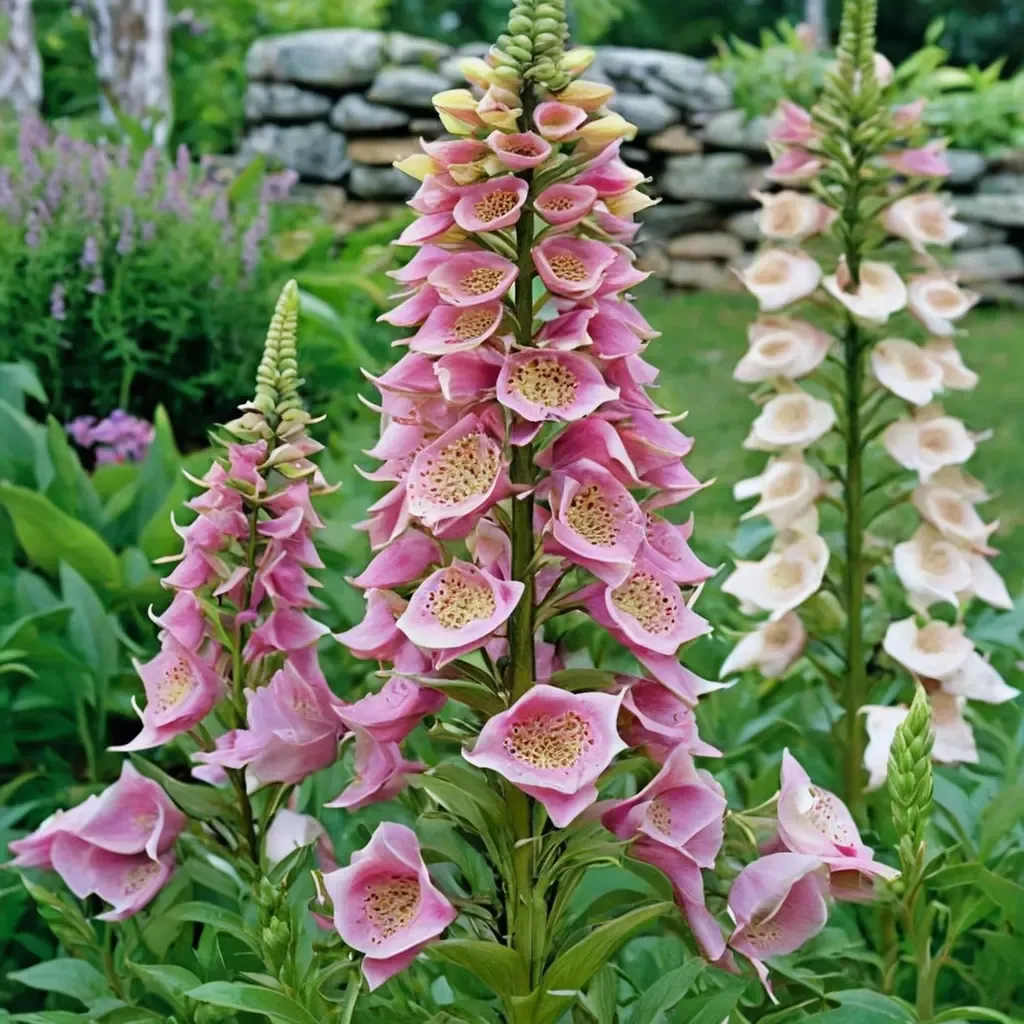
Excelsior Group Foxglove
Digitalis purpurea 'Excelsior Group'
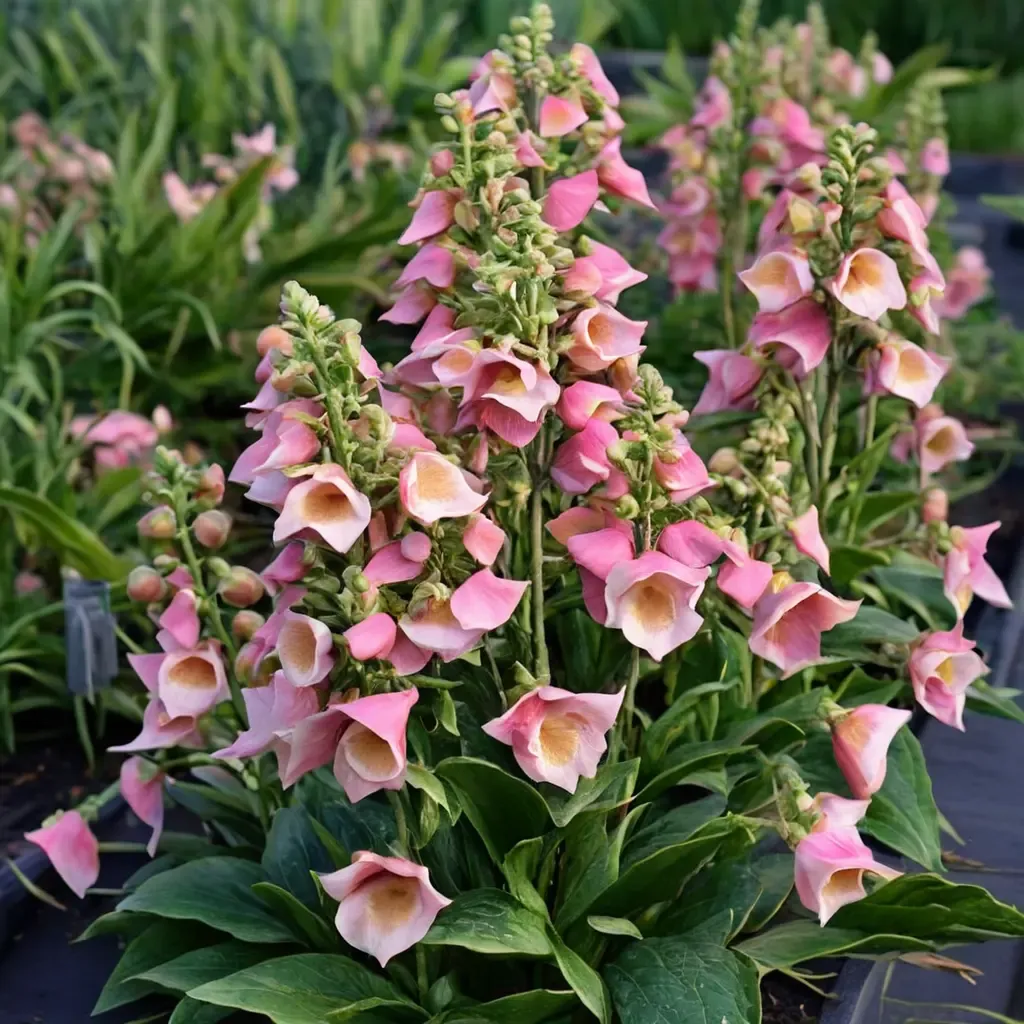
Arctic Fox Rose Foxglove
Digitalis purpurea 'Arctic Fox Rose'
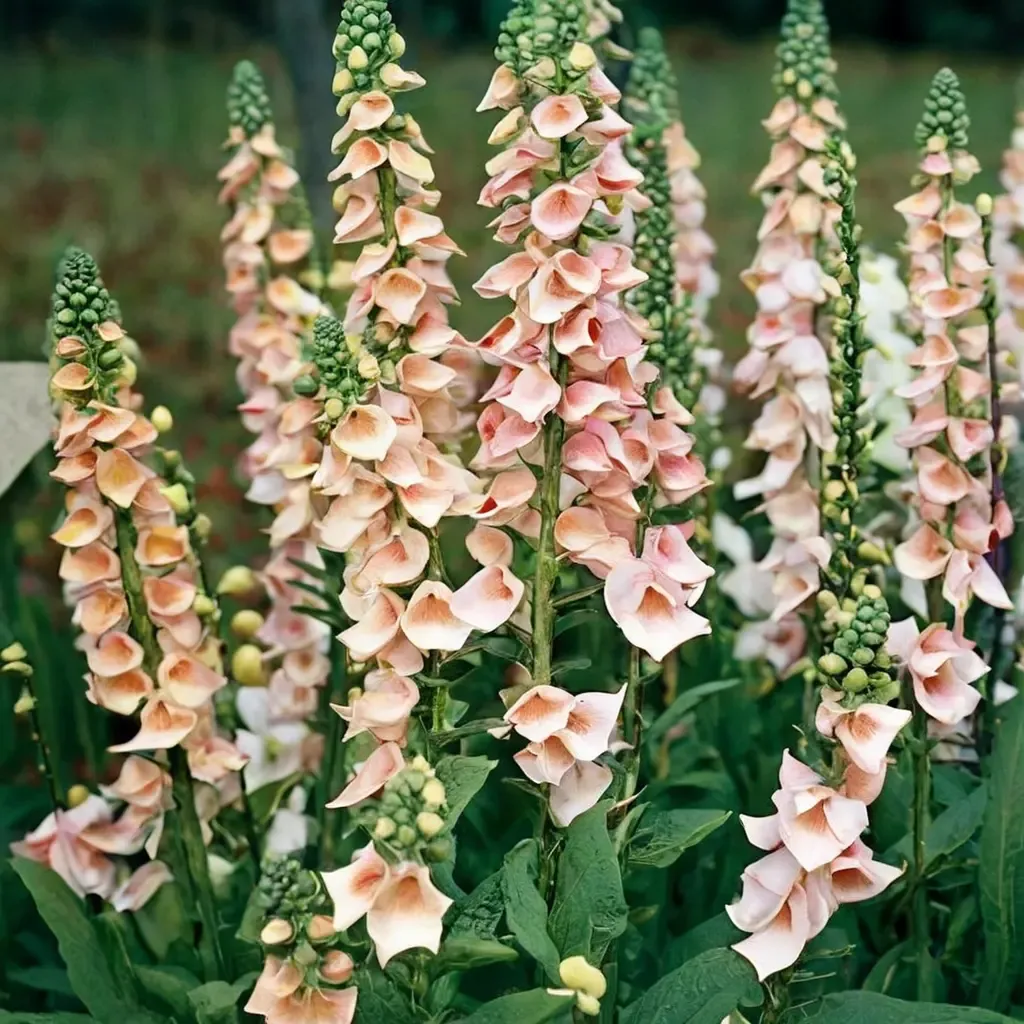
Apricot Foxglove
Digitalis purpurea 'Apricot Beauty'
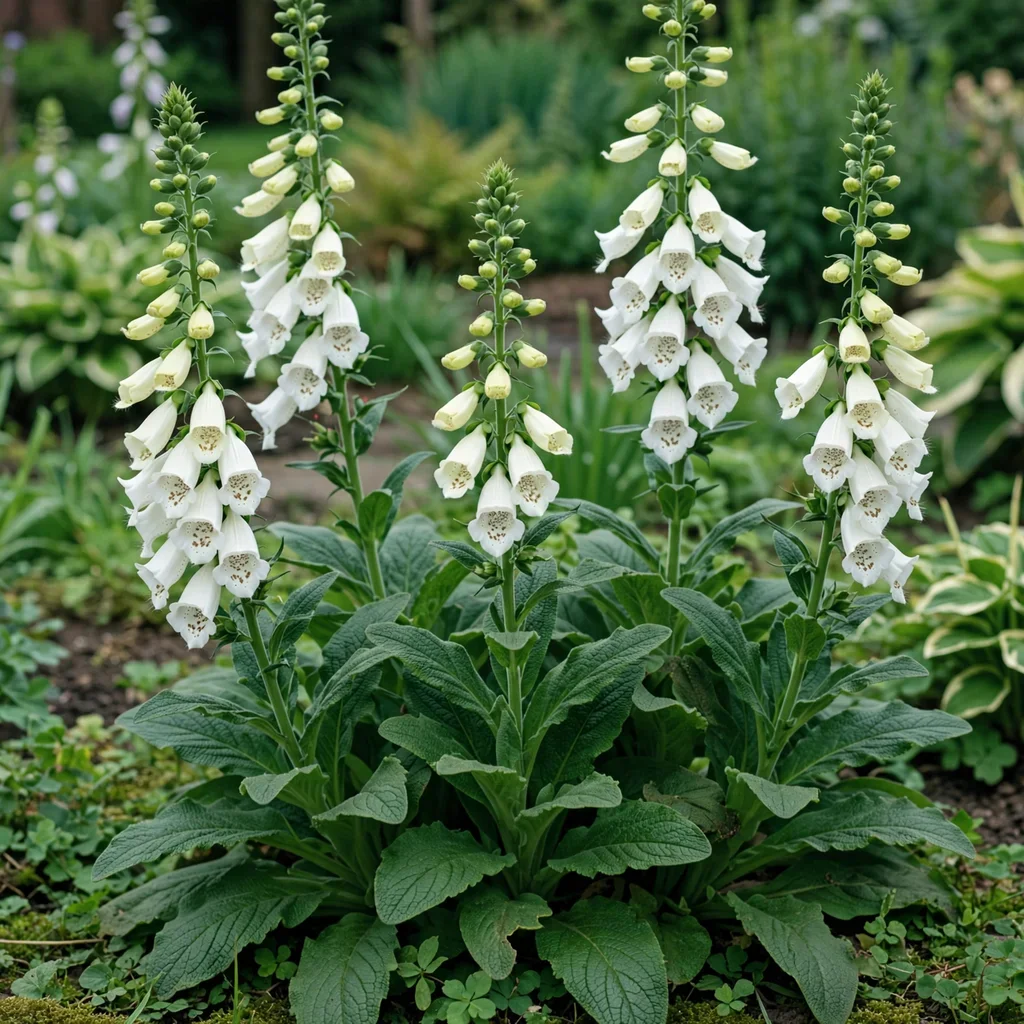
Camelot White Foxglove
Digitalis purpurea 'Camelot White'
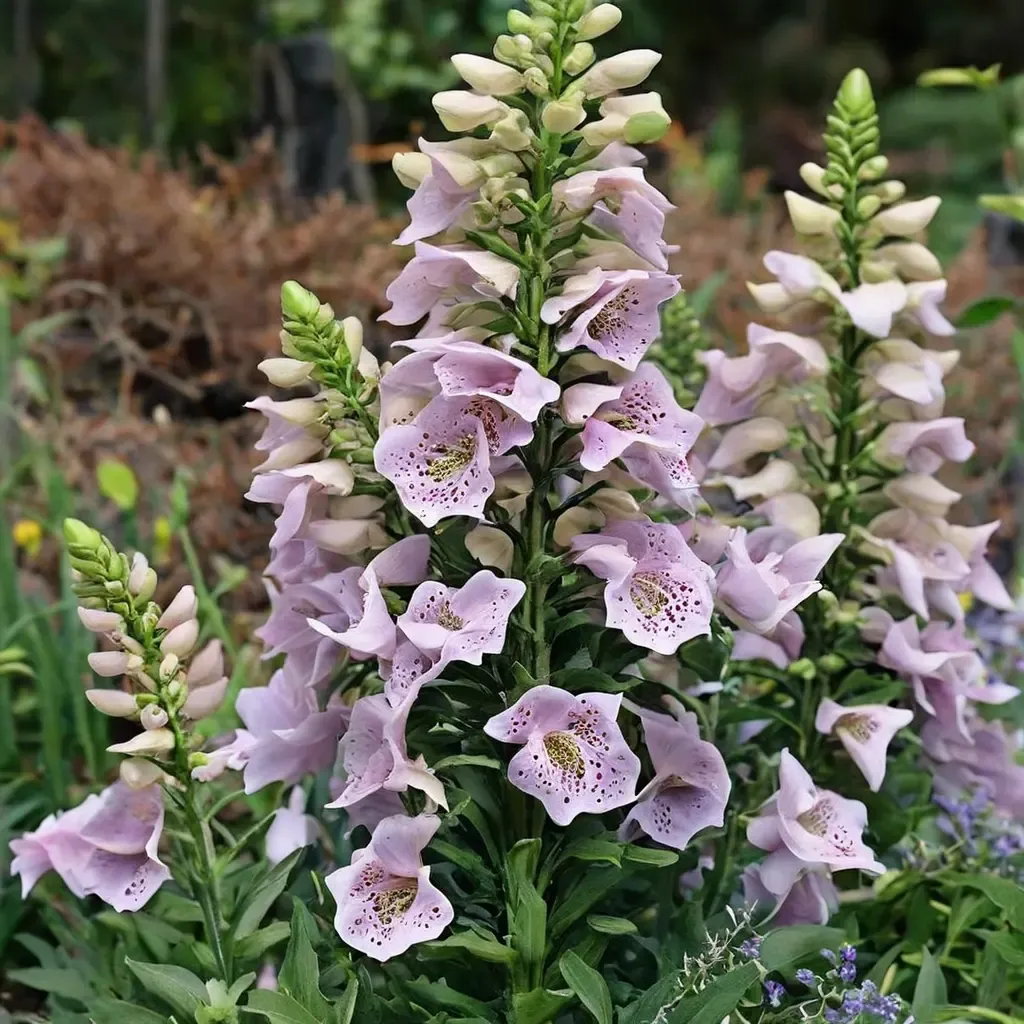
Camelot Lavender Foxglove
Digitalis purpurea 'Camelot Lavender'
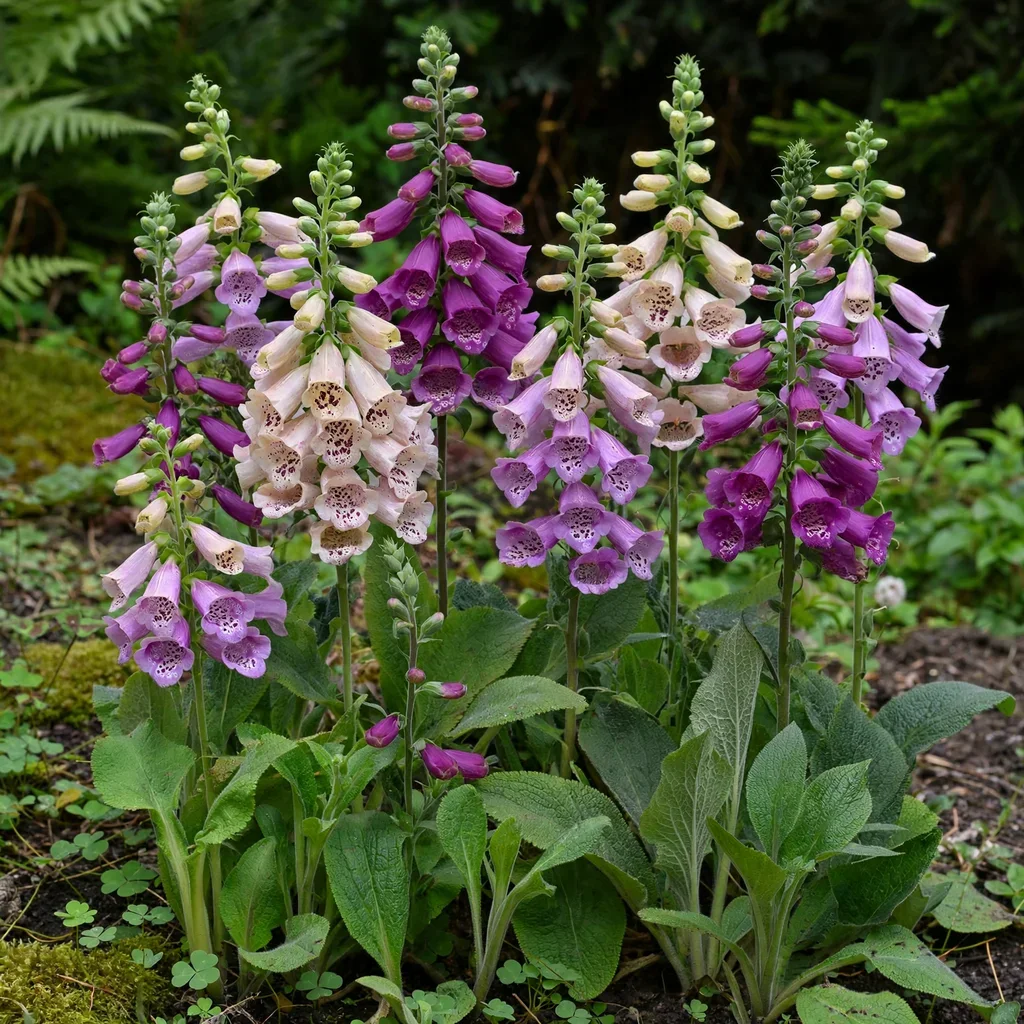
Foxglove Mix
Digitalis purpurea 'Mix'
Keep exploring
Hardy in your zone?
Grow Canary Island Foxglove with confidence
See it in a design of your actual yard, get zone-matched care reminders, and track it season by season in your garden journal.