The Story
Plant Bio
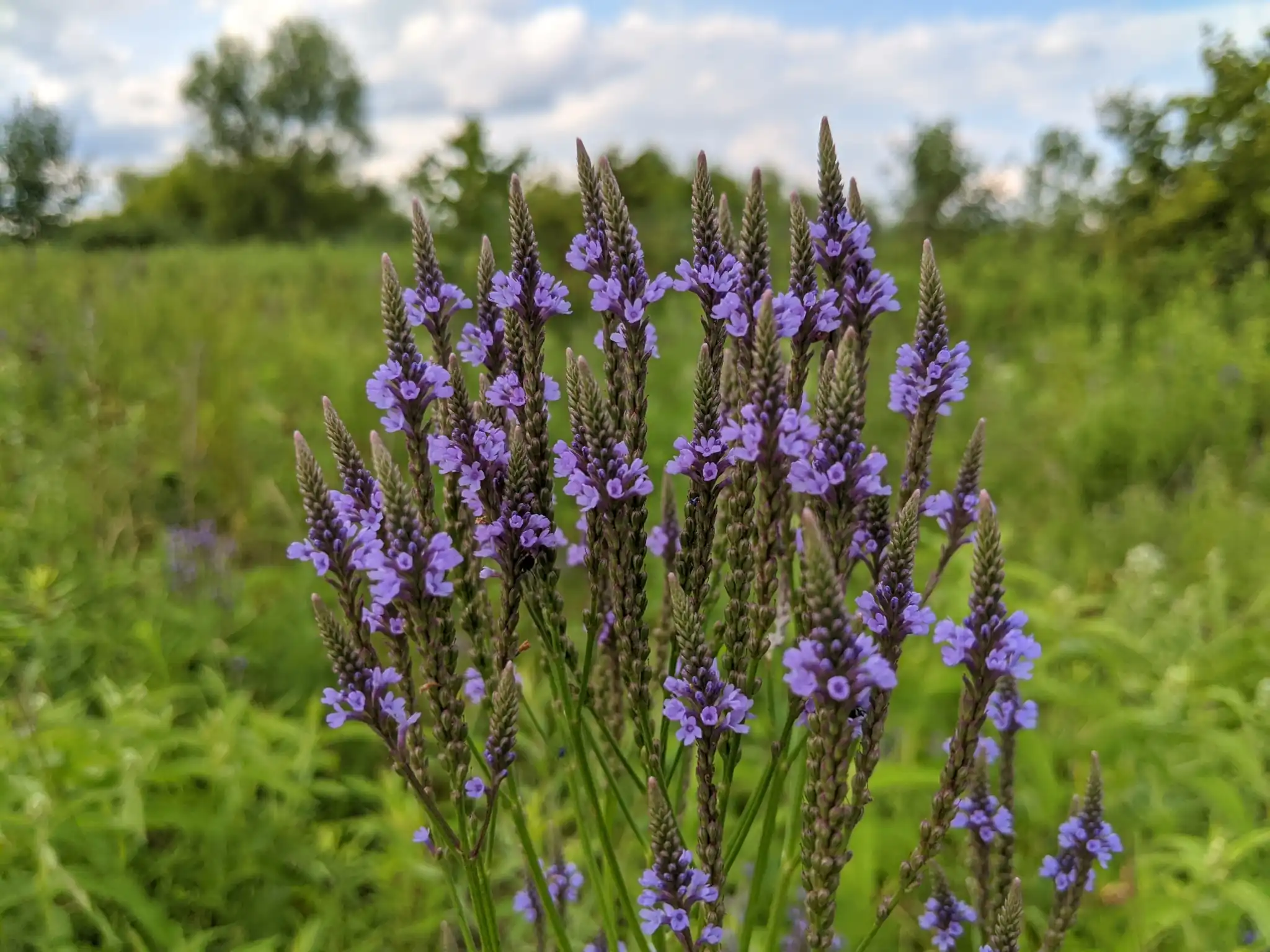
Verbena hastata is a tall, upright perennial native to North America, characterized by its candelabra-like spikes of small, densely packed purple-blue flowers. It thrives in moist meadows and along stream banks.
As a species plant, its key feature is its airy, architectural form and its value as a premier pollinator plant, especially for native bees. It self-seeds readily in favorable conditions, creating naturalistic drifts.
Uses & Benefits:
Essentials
At a Glance
Plant Type
Perennial
Height
60"
Width
30"
Light
Full Sun
Zones
4, 5, 6, 7, 8
Water
High
Humidity
Average to high
Lifespan
Short-lived perennial, persists by self-seeding
Native To
North America
Toxicity
Non-toxic
Bloom period
Mid-summer – Early fall
In flower about 3 months of the year
Marketplace
Where to Buy
Shipping costs Year-round shipping Free shipping
Planting
How to Grow
- Choose a location in full sun with consistently moist soil.
- This plant is not fussy; it tolerates clay and loam.
- Dig a hole the same depth as the pot and twice as wide.
- Place the plant in the hole, ensuring the crown is at soil level.
- Backfill with garden soil and water in well.
- Keep well-watered, especially during the first growing season.
Pro Tip
Embrace its self-seeding nature in a naturalistic garden; for a tidy border, deadhead diligently after flowering.
Keep It Thriving
Care Guide
Do
- Provide a site with ample moisture; it's great for low spots.
- Allow it to self-seed to ensure its persistence in the garden.
- Plant in full sun for the sturdiest stems.
- Pair with other robust prairie plants that can compete with it.
Don't
- Don't plant in dry, sandy soil; it will struggle and decline.
- Don't worry about fertilizing; it thrives in average soil.
- Avoid planting in a highly manicured border unless you plan to deadhead.
- Don't provide shade, which can lead to weak, floppy growth.
Seasonal Care Calendar
| Task | Jan | Feb | Mar | Apr | May | Jun | Jul | Aug | Sep | Oct | Nov | Dec |
|---|---|---|---|---|---|---|---|---|---|---|---|---|
| Deadhead | ||||||||||||
| Plant | ||||||||||||
| Spring Cleanup |
Watch Out For
Pests & Diseases
Common Diseases
In the Garden
Landscape Uses & Companions
Landscape Uses
Multiply
Propagation Methods
Good to Know
Common Questions
Blue Vervain questions
What zones can Blue Vervain grow in?
Blue Vervain is hardy in USDA Zones 4–8. Inside that range it survives winter in the ground; outside it, grow it as an annual or a container plant you protect.
Is Blue Vervain deer resistant?
Yes — Blue Vervain is rated deer-resistant. Deer typically pass it over, though extreme hunger can override any plant's defenses.
When does Blue Vervain bloom?
Blue Vervain typically blooms in mid-summer through early fall. Exact timing shifts a week or two with your zone — Sow's bloom calendar maps it to your garden.
Does Blue Vervain need full sun?
Blue Vervain does best in full sun (6+ hours).
More Verbena to compare
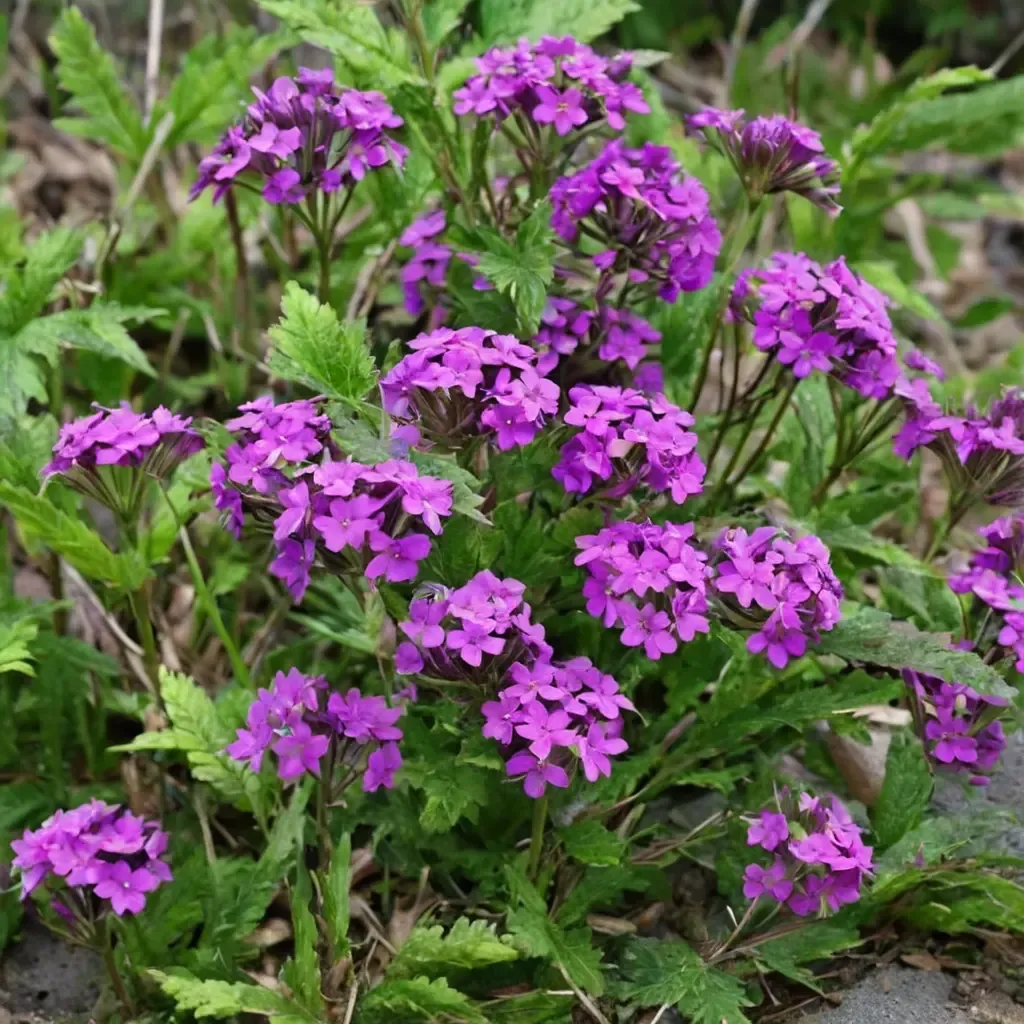
Rose Verbena
Verbena canadensis
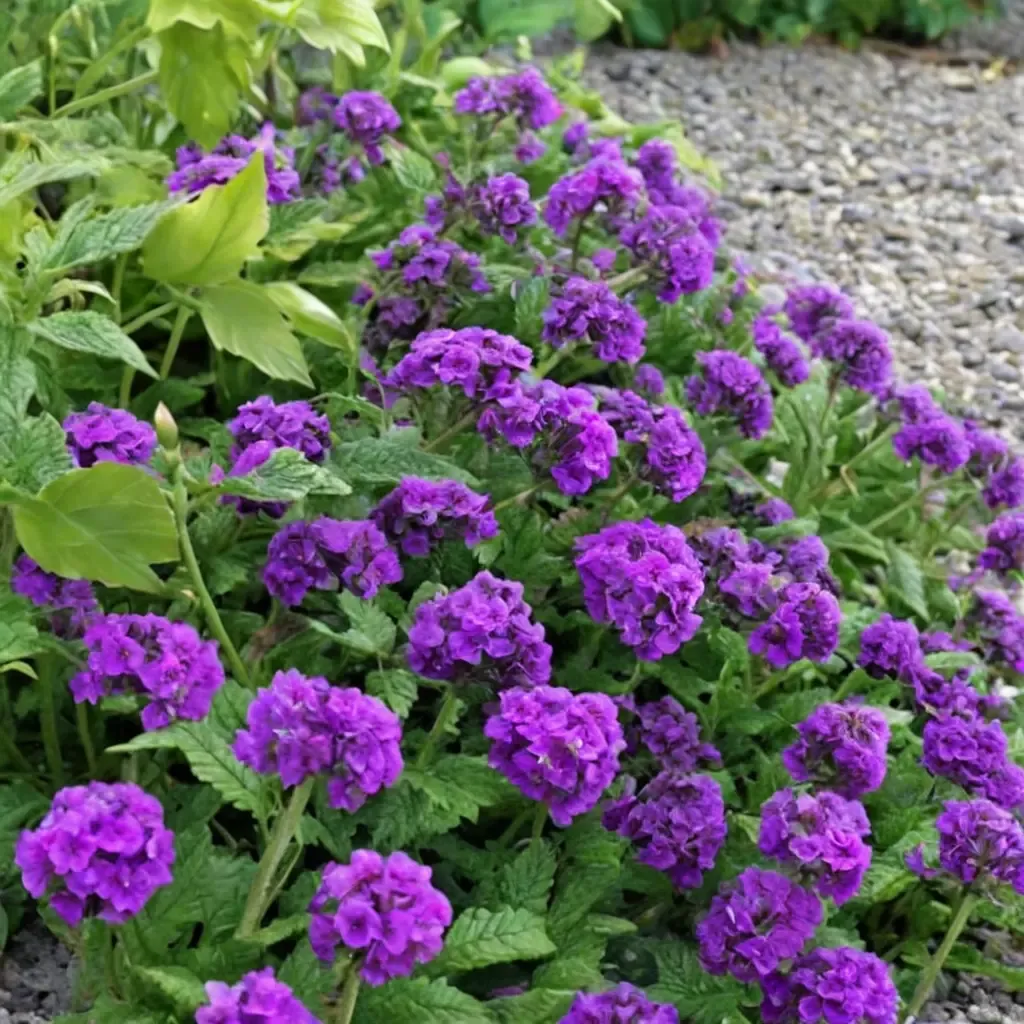
Homestead Purple Verbena
Verbena canadensis 'Homestead Purple'
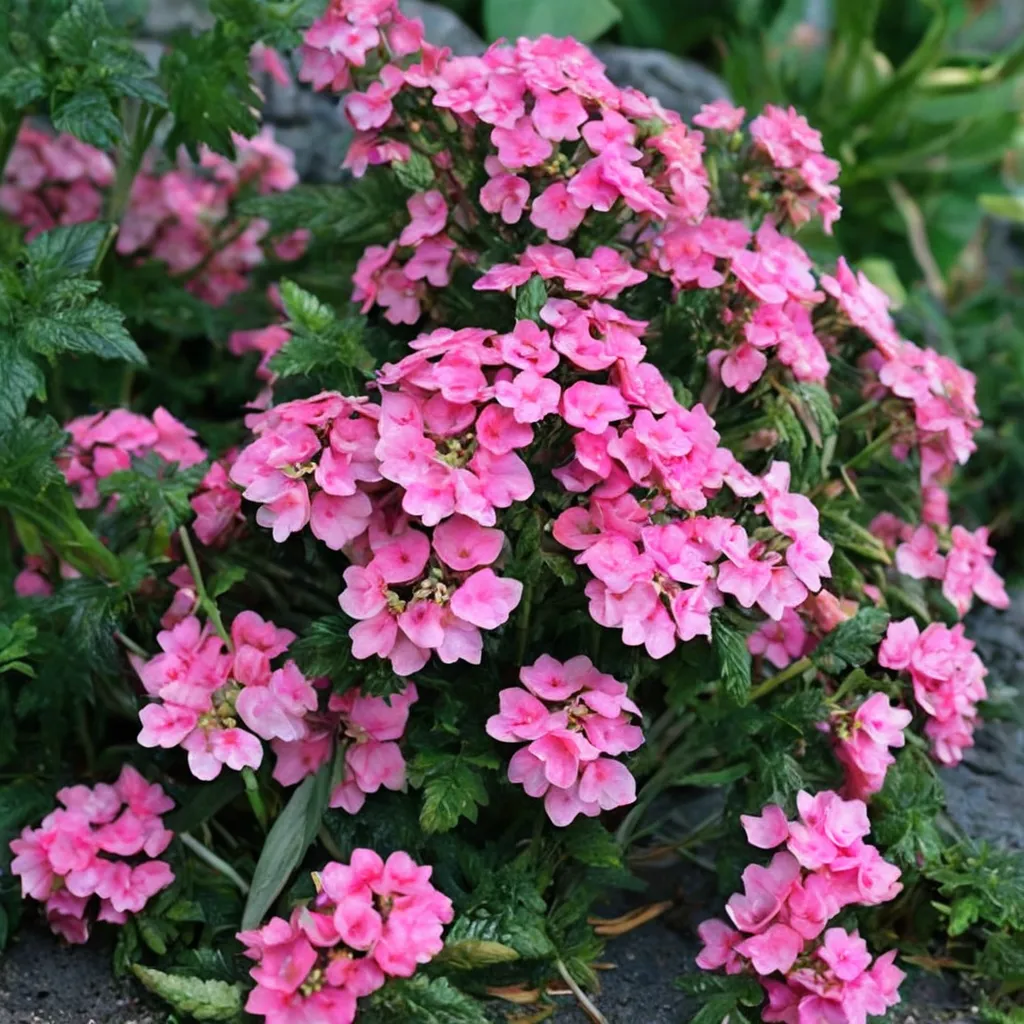
Pink Sunrise Verbena
Verbena x hybrida 'Pink Sunrise'
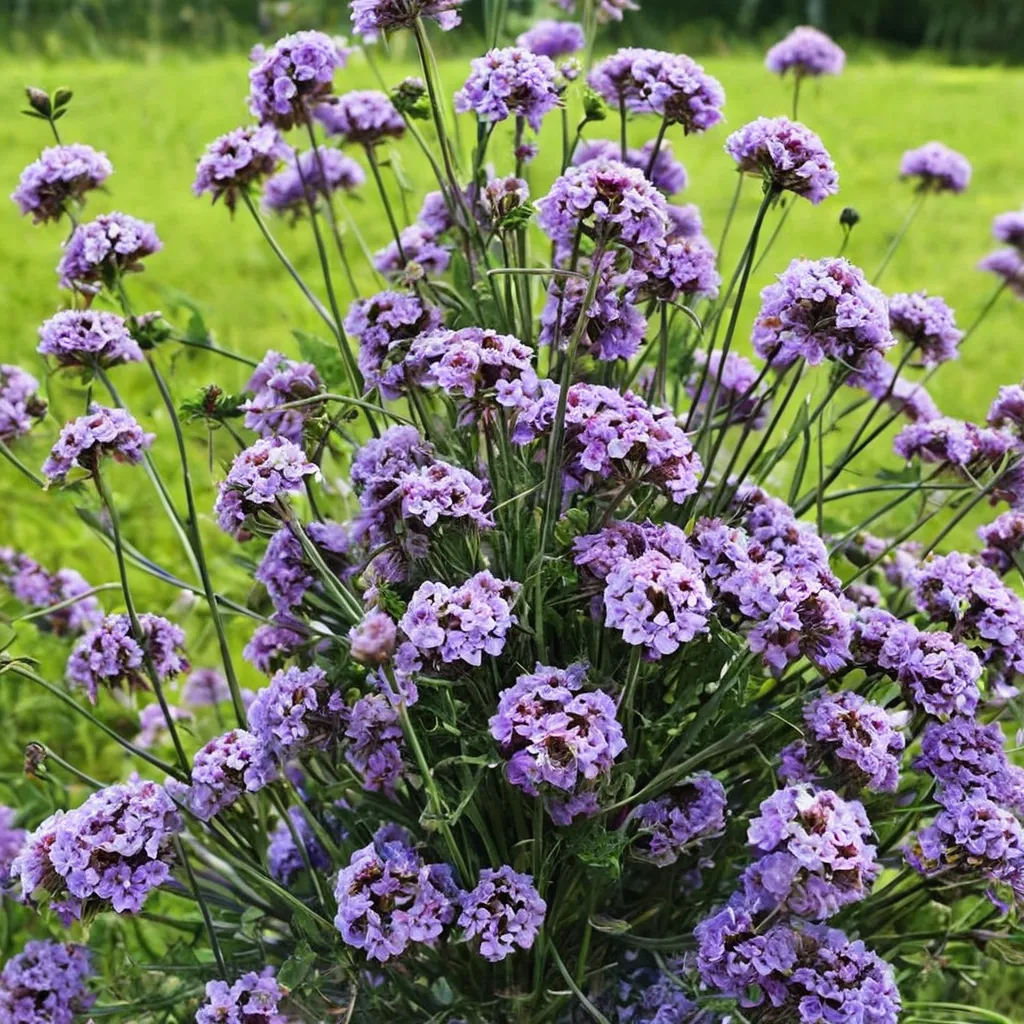
Tall Verbena
Verbena bonariensis 'Meteor Shower'
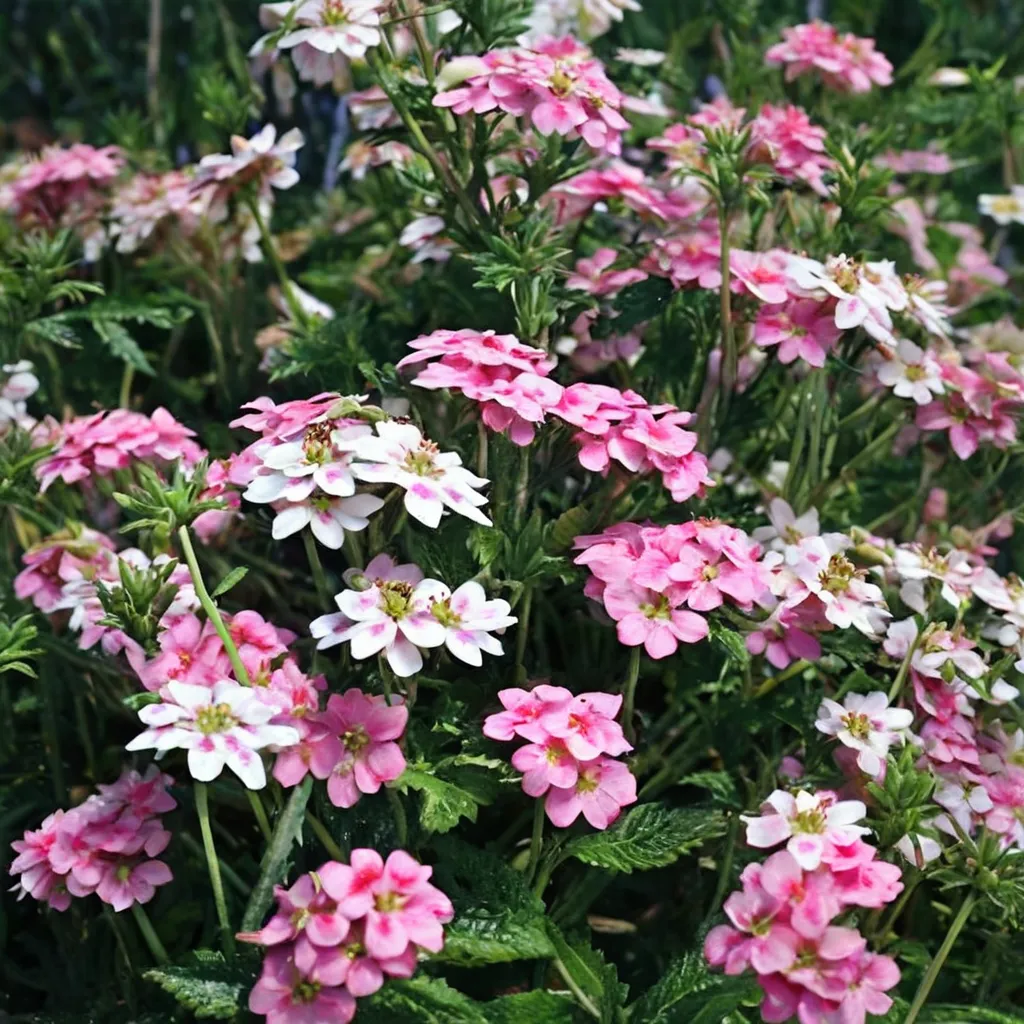
Apple Blossom Verbena
Verbena x hybrida 'Apple Blossom'
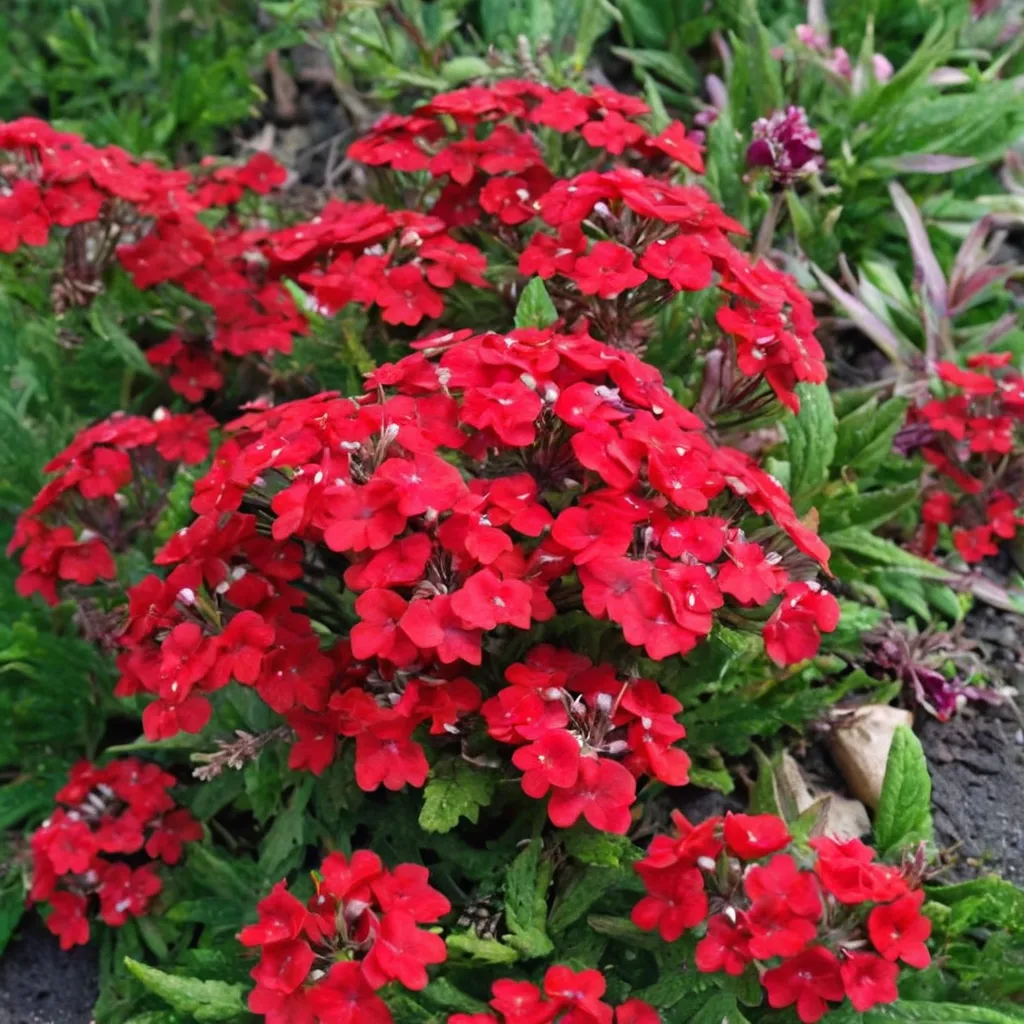
Verbena Tex Tuf Red
Verbena x hybrida 'Tex Tuf Red'
Keep exploring
Explore the genus
Hardy in your zone?
Grow Blue Vervain with confidence
See it in a design of your actual yard, get zone-matched care reminders, and track it season by season in your garden journal.