The Story
Plant Bio
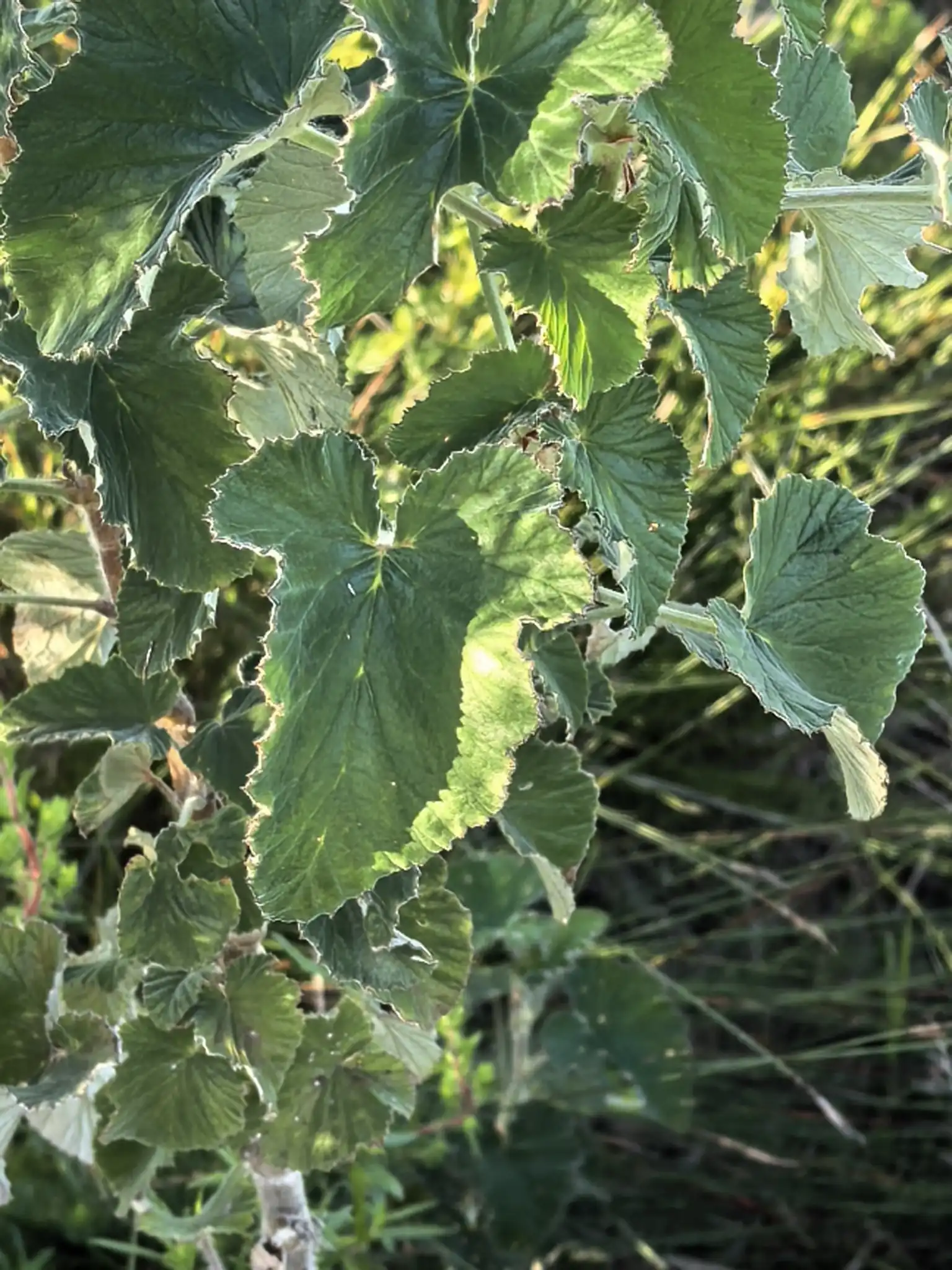
Pelargonium cordifolium is an evergreen shrub from the Western and Eastern Cape, forming a dense rounded mound three to five feet tall and wide with a woody base and hairy herbaceous branches. The dull green leaves are heart-shaped and hairy to the touch and release scent when crushed, while the flowers carry five narrow petals with the upper two much larger than the lower three.
This species is distinguished by its cordate leaves about two inches across, flat or curled at the margin, with one form nearly hairless on red stems. Bloom comes in branched clusters ending in umbel-like groups of four to eight flowers in lavender-pink to reddish-purple, the upper pair marked with dark purple veins.
Uses & Benefits:
Essentials
At a Glance
Plant Type
Shrub
Height
60"
Width
60"
Light
Full Sun, Partial Sun
Zones
9, 10
Water
Low to moderate once established
Humidity
Tolerates coastal exposure
Lifespan
Evergreen shrub
Native To
Western and Eastern Cape, South Africa
Toxicity
Unknown - do not ingest
Bloom period
Spring – Summer
In flower about 6 months of the year
Planting
How to Grow
- Plant in spring in full sun on the coast to light shade inland, spacing 3 to 4 feet apart to allow a rounded canopy.
- Set into well-drained soil enriched with compost, with the crown level and watered in deeply.
- Water only when the top few inches dry; established plants tolerate drought but fail in soggy heavy soil.
- Protect below 28F; in marginal spots grow in a container that can move under cover during hard frost.
- Tip-prune lightly after the main flush to keep growth dense.
Pro Tip
Grow it hard in a compost-rich but sharply drained mix and do not overwater; take tip cuttings in late summer rather than relying on seed.
Keep It Thriving
Care Guide
Do
- Do plant in sharply drained soil with compost.
- Do give full sun on the coast or light shade inland.
- Do allow soil to dry between waterings once established.
Don't
- Do not plant in heavy clay or chronically wet soil.
- Do not overwater, especially in winter.
- Do not expose to more than light frost without protection.
Seasonal Care Calendar
| Task | Jan | Feb | Mar | Apr | May | Jun | Jul | Aug | Sep | Oct | Nov | Dec |
|---|---|---|---|---|---|---|---|---|---|---|---|---|
| Pest Check | ||||||||||||
| Plant | ||||||||||||
| Propagate | ||||||||||||
| Prune | ||||||||||||
| Winter Prep |
Watch Out For
Pests & Diseases
Common Pests
Common Diseases
In the Garden
Landscape Uses & Companions
Landscape Uses
Companion Plants
Multiply
Propagation Methods
Good to Know
Common Questions
Heartleaf Geranium questions
What zones can Heartleaf Geranium grow in?
Heartleaf Geranium is hardy in USDA Zones 9–10: in that range it survives winter in the ground. Colder than Zone 9, grow it in a container you can move to shelter for the winter.
When does Heartleaf Geranium bloom?
Heartleaf Geranium typically blooms from spring to summer. Exact timing shifts a week or two with your zone — Sow's bloom calendar maps it to your garden.
Does Heartleaf Geranium need full sun?
Heartleaf Geranium does best in full sun to part shade. In hot climates, afternoon shade keeps blooms fresher longer.
Is Heartleaf Geranium drought tolerant?
Yes — once established (usually after the first full season), Heartleaf Geranium handles dry spells with minimal watering. Water deeply its first year to build the root system that makes that possible.
More Pelargonium to compare
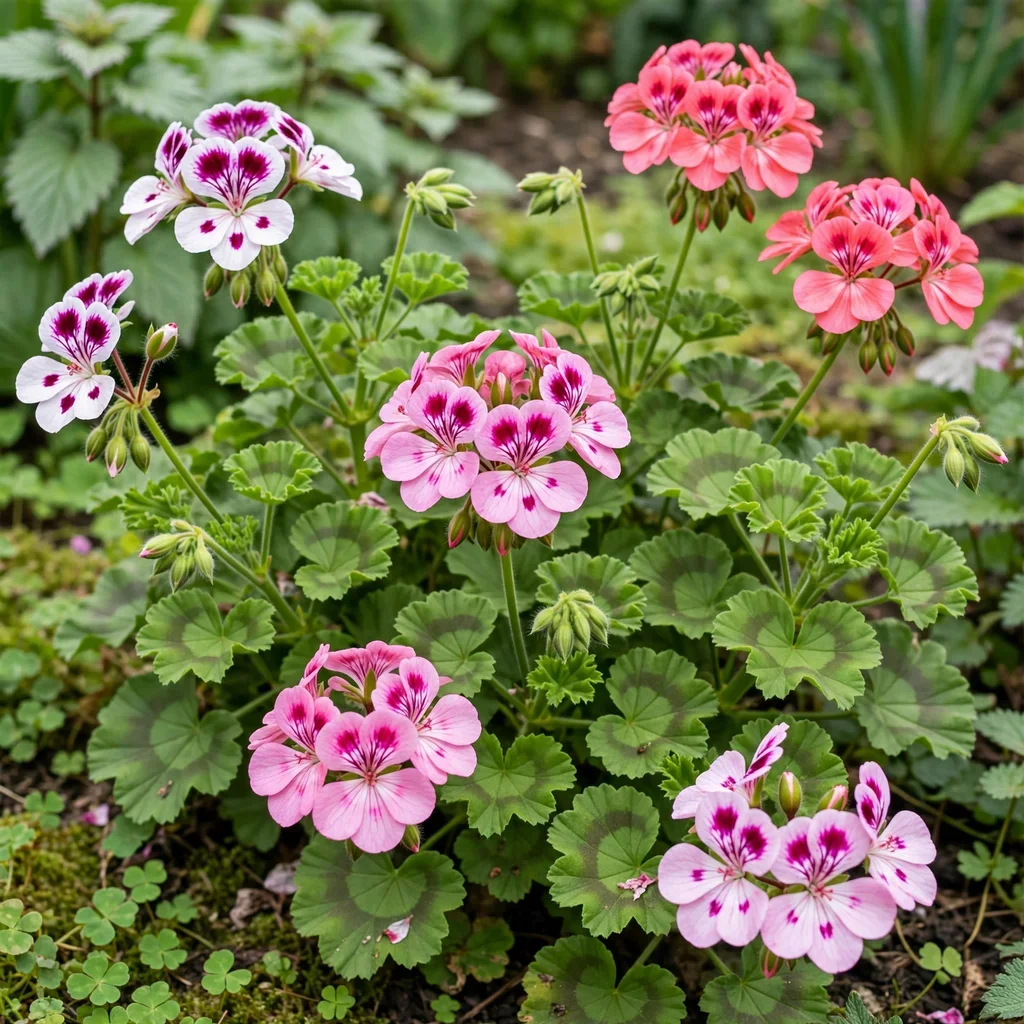
Breeders Mix Zonal Geranium
Pelargonium x hortorum 'Breeders Mix'
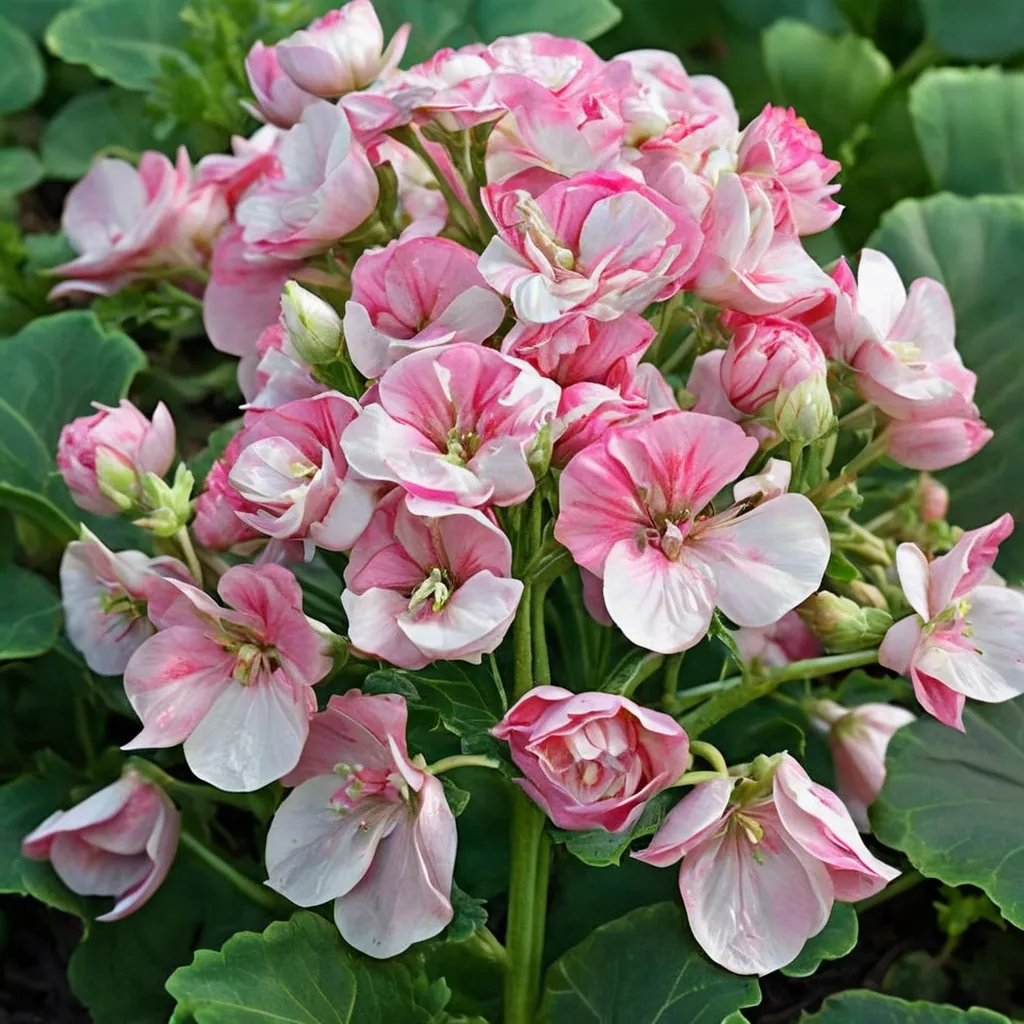
Zonal Geranium 'Appleblossom'
Pelargonium x hortorum 'Appleblossom'
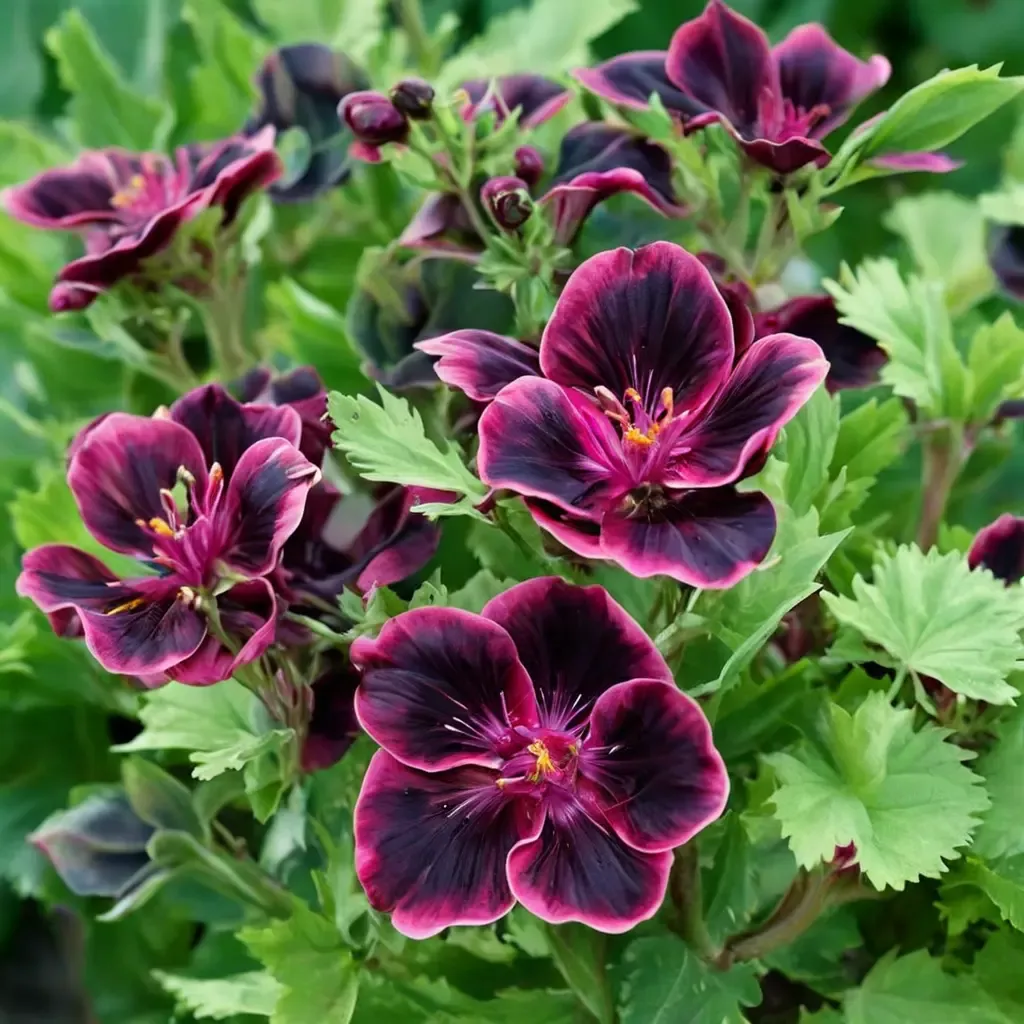
'Lord Bute' Regal Pelargonium
Pelargonium x hortorum 'Lord Bute'
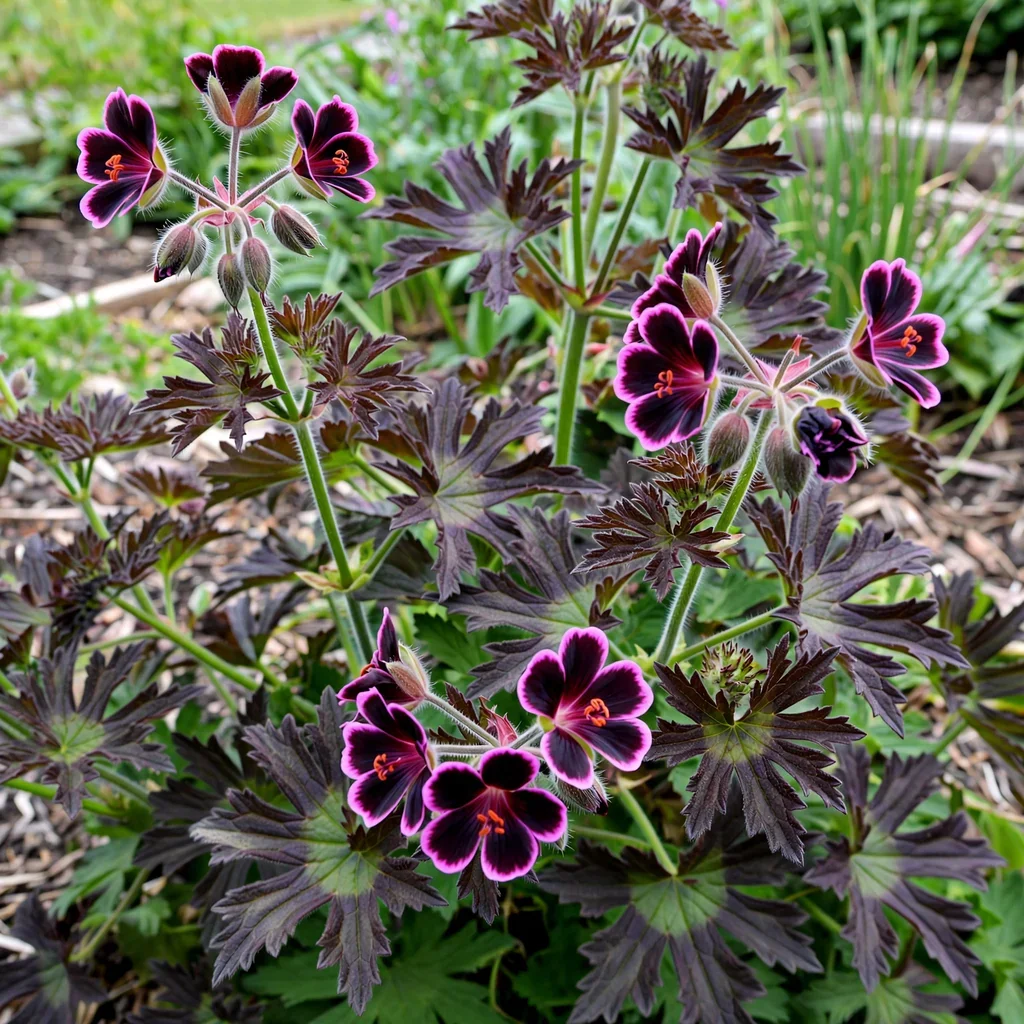
Midnight Ghost Geranium
Pelargonium x hortorum 'Midnight Ghost'
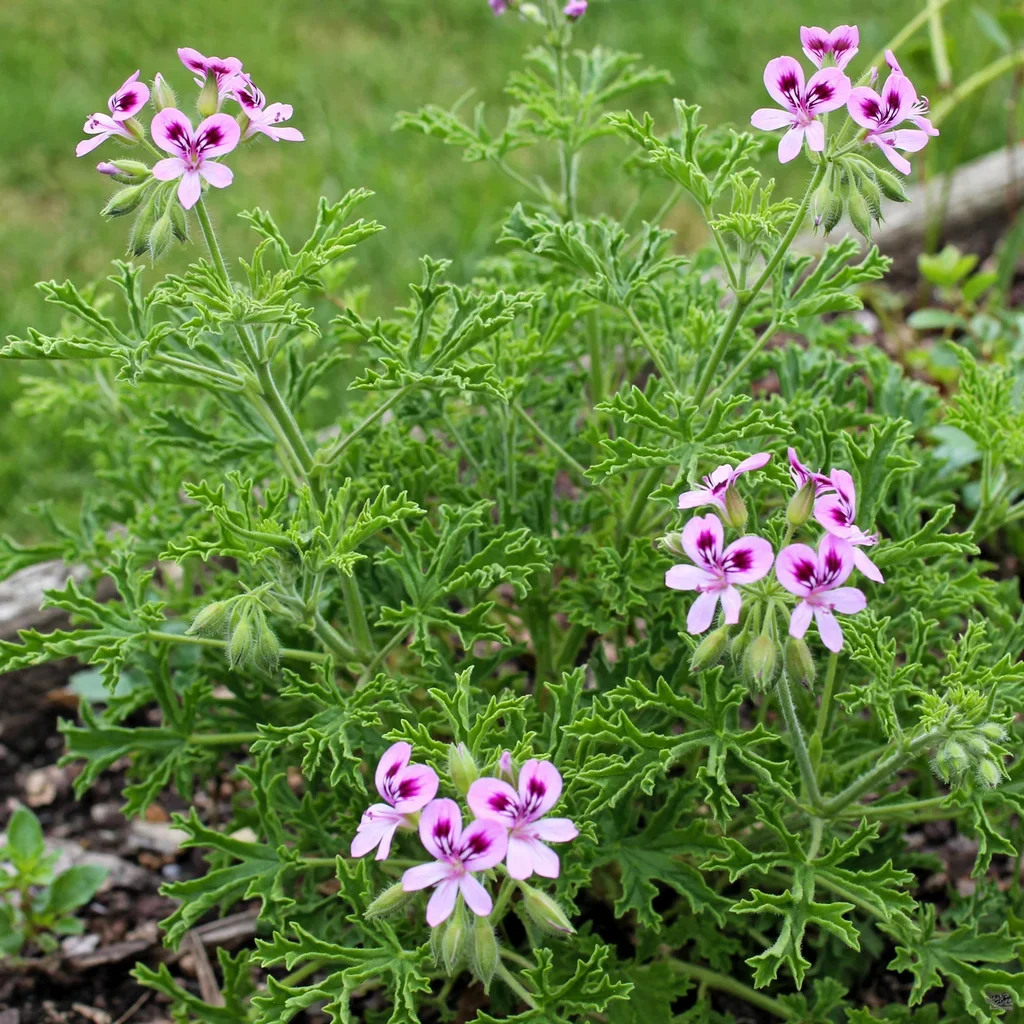
Citronella Plant
Pelargonium citrosum
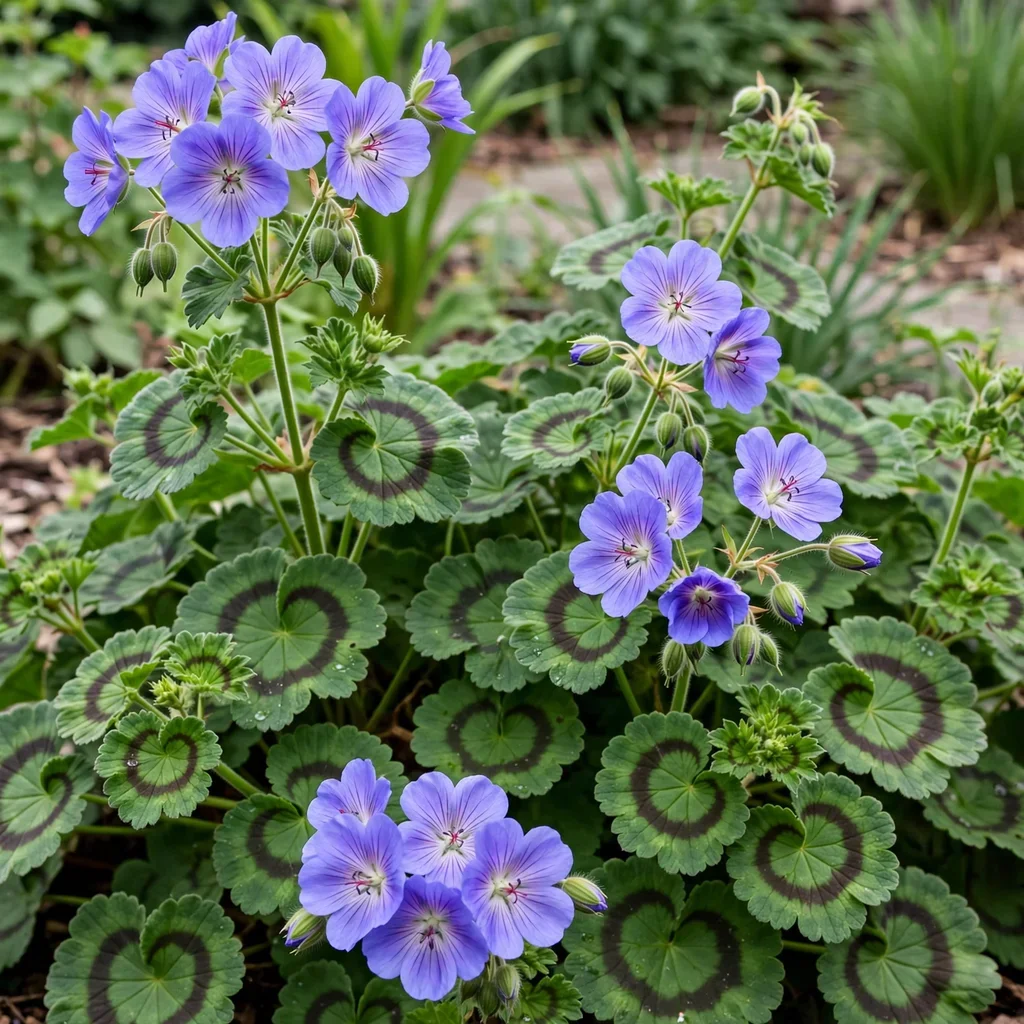
Azure Rush Zonal Geranium
Pelargonium x hortorum 'Azure Rush'
Keep exploring
Explore the genus
Hardy in your zone?
Grow Heartleaf Geranium with confidence
See it in a design of your actual yard, get zone-matched care reminders, and track it season by season in your garden journal.