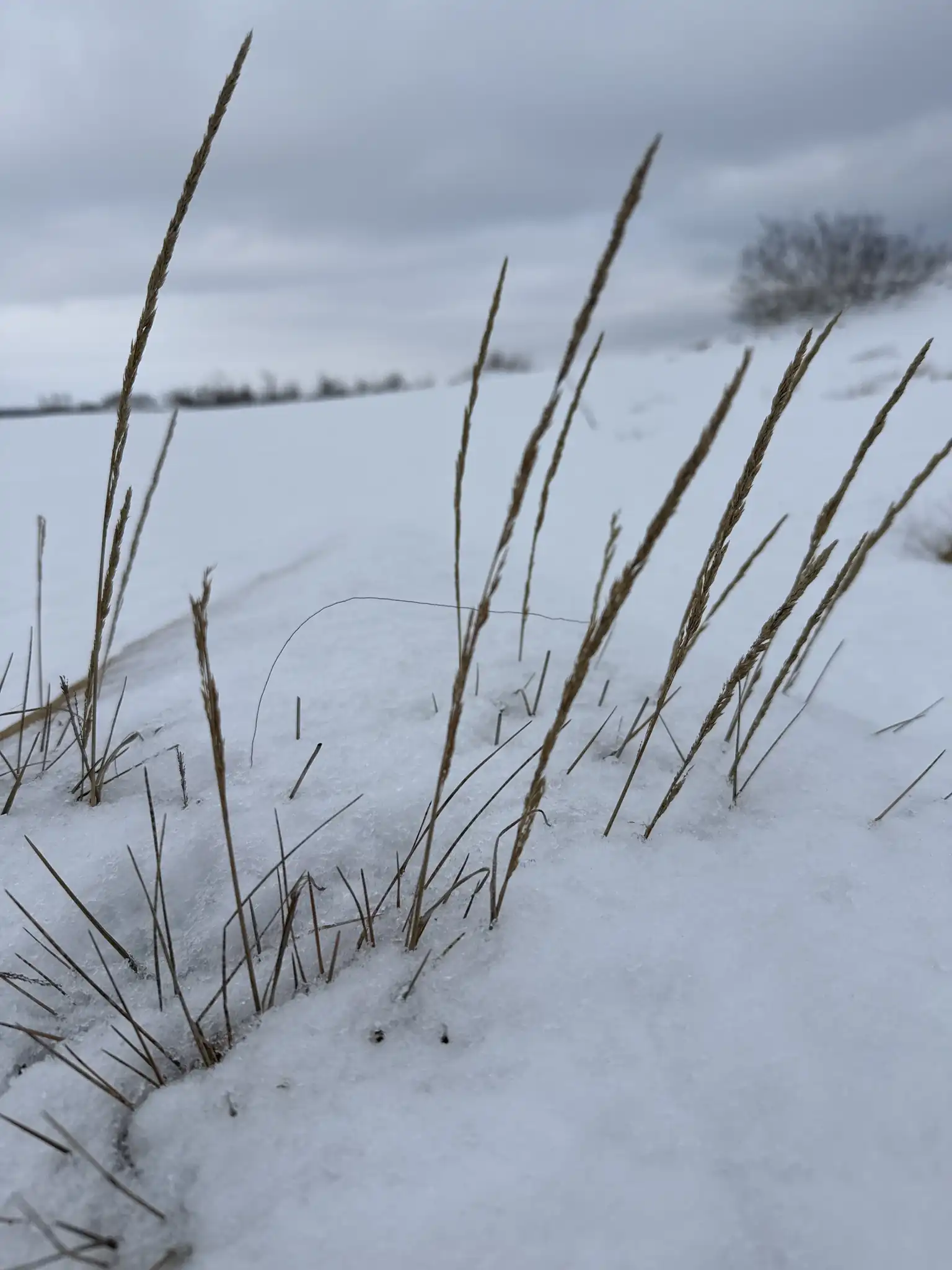
The Story
Plant Bio
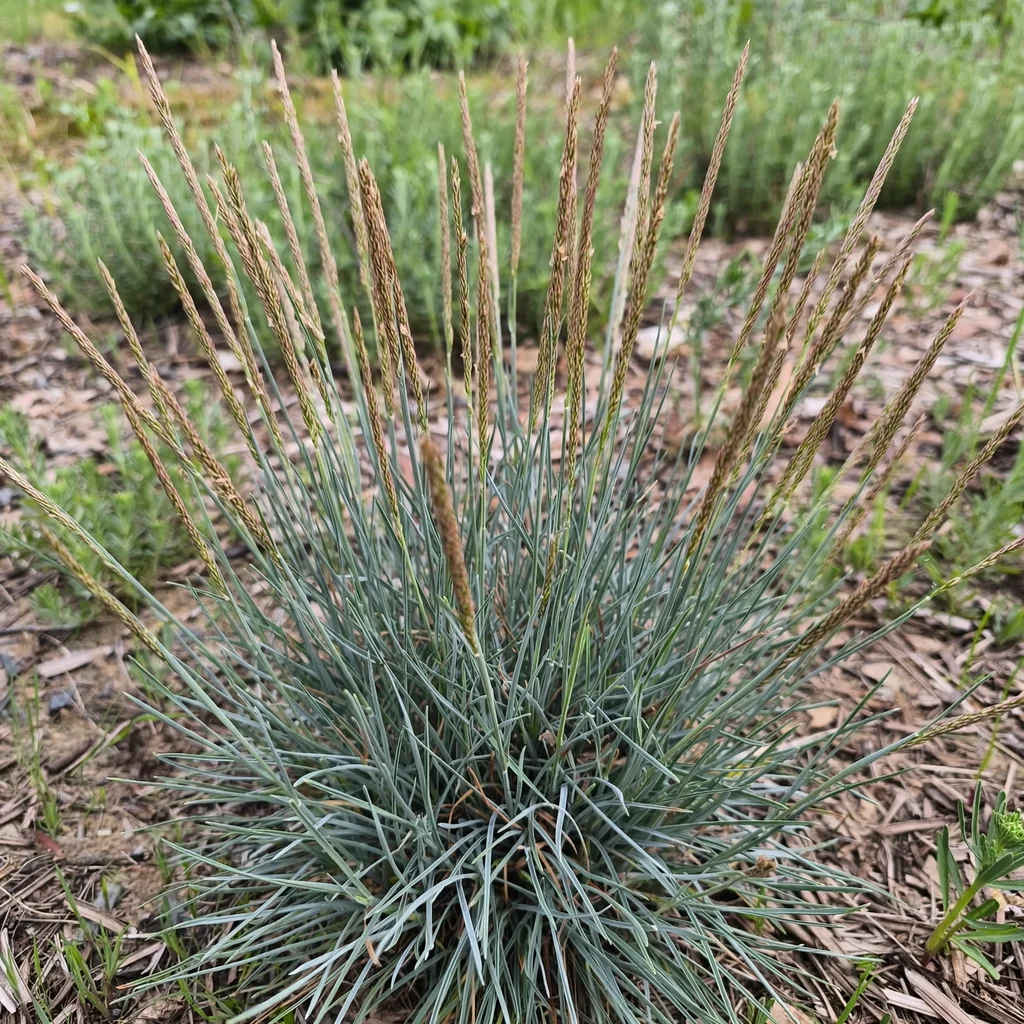
Koeleria macrantha is a cool-season, tufted perennial bunchgrass native to dry prairies, open woods, and rocky slopes across the temperate Northern Hemisphere. It forms erect clumps of fine-textured, medium-green foliage that often displays gray-green or blue-green hues.
The dense, cylindrical flower heads emerge silver-green in late spring on stems held above the basal foliage before maturing to a pale buff yellow. Growth occurs in compact tufts without creeping rhizomes, making it suitable for lean, sharply drained sites.
Uses & Benefits:
Essentials
At a Glance
Plant Type
Grass
Height
24"
Width
18"
Light
Full Sun
Zones
4, 5, 6, 7, 8, 9
Water
Low
Humidity
Low to moderate
Lifespan
Perennial
Native To
North America, Europe, Asia
Toxicity
Non-toxic
Bloom period
Late spring – Early summer
In flower about 2 months of the year
Planting
How to Grow
- Select a site in full sun with sandy, rocky, or sharply drained soil.
- Space plants 12 to 18 inches apart to allow room for mature tuft formation.
- Set the root crown level with the surrounding soil surface and press firm.
- Water lightly at planting to settle soil, then withhold irrigation once established.
Pro Tip
Plant in gritty, low-fertility soil and avoid supplemental watering; excess summer moisture or nitrogen fertilizers cause crown rot and foliage flopping.
Keep It Thriving
Care Guide
Do
- Cut foliage cleanly to the ground in early spring before new growth starts.
- Divide congested clumps every 3 to 4 years in spring to maintain vigor.
- Maintain high soil drainage to prevent crown rot during rainy periods.
Don't
- Do not apply high-nitrogen fertilizers, which weaken stem strength.
- Do not plant in heavy clay or waterlogged garden beds.
- Do not shear into old foliage during the heat of summer.
Seasonal Care Calendar
| Task | Jan | Feb | Mar | Apr | May | Jun | Jul | Aug | Sep | Oct | Nov | Dec |
|---|---|---|---|---|---|---|---|---|---|---|---|---|
| Divide | ||||||||||||
| Plant | ||||||||||||
| Spring Cleanup | ||||||||||||
| Winter Prep |
Watch Out For
Pests & Diseases
Common Pests
Common Diseases
In the Garden
Landscape Uses & Companions
Landscape Uses
Multiply
Propagation Methods
Good to Know
Common Questions
Prairie Junegrass questions
What zones can Prairie Junegrass grow in?
Prairie Junegrass is hardy in USDA Zones 4–9: in that range it survives winter in the ground. Warmer than Zone 9, winter isn't the problem: it prefers colder winters, and summer heat can shorten its life.
Is Prairie Junegrass deer resistant?
Not reliably. Deer may browse Prairie Junegrass, especially tender spring growth — plan on repellents or fencing where pressure is high.
When does Prairie Junegrass bloom?
Prairie Junegrass typically blooms from late spring to early summer. Exact timing shifts a week or two with your zone — Sow's bloom calendar maps it to your garden.
Does Prairie Junegrass need full sun?
Prairie Junegrass does best in full sun (6+ hours).
Is Prairie Junegrass drought tolerant?
Yes — once established (usually after the first full season), Prairie Junegrass handles dry spells with minimal watering. Water deeply its first year to build the root system that makes that possible.
More Koeleria to compare
Keep exploring
Explore the genus
Grow Prairie Junegrass with confidence
See it in a design of your actual yard, get zone-matched care reminders, and track it season by season in your garden journal.